Best Churches in Valencia: A Guide to the City's Most Remarkable Sacred Spaces
Valencia's churches span eight centuries of architecture, from Romanesque foundations to extravagant Baroque ceilings. This guide covers the essential churches in the historic centre and beyond, with practical details on what to see, what to pay, and when to go.
Plan and book this trip
Tools from our partner Travelpayouts help you compare flights and hotels. If you book through them, we may earn a commission at no extra cost to you.
Flights
Hotels map
Valencia's old city is one of the most church-dense historic centres in Spain, and the quality is extraordinary. Within a few minutes' walk of the historic centre, you can move from a Gothic cathedral housing a possible Holy Grail, to a 15th-century church whose ceiling fresco rivals the Sistine Chapel, to the oldest surviving church in the city, built shortly after the Christian conquest in the 13th century. The churches here are not passive backdrops — they are the architectural and spiritual core of a city that takes its religious heritage seriously. This guide covers every church worth entering, grouped by what kind of experience you're after, with honest notes on entry fees, what's actually worth your time, and what not to miss inside each one.
💡 Local tip
Several churches charge for cultural visits but allow free entry during Mass. Check times in advance if you want to visit without paying — though the guided cultural ticket at San Nicolás and the Cathedral is genuinely worth it.
The Cathedral Quarter: Valencia's Sacred Core
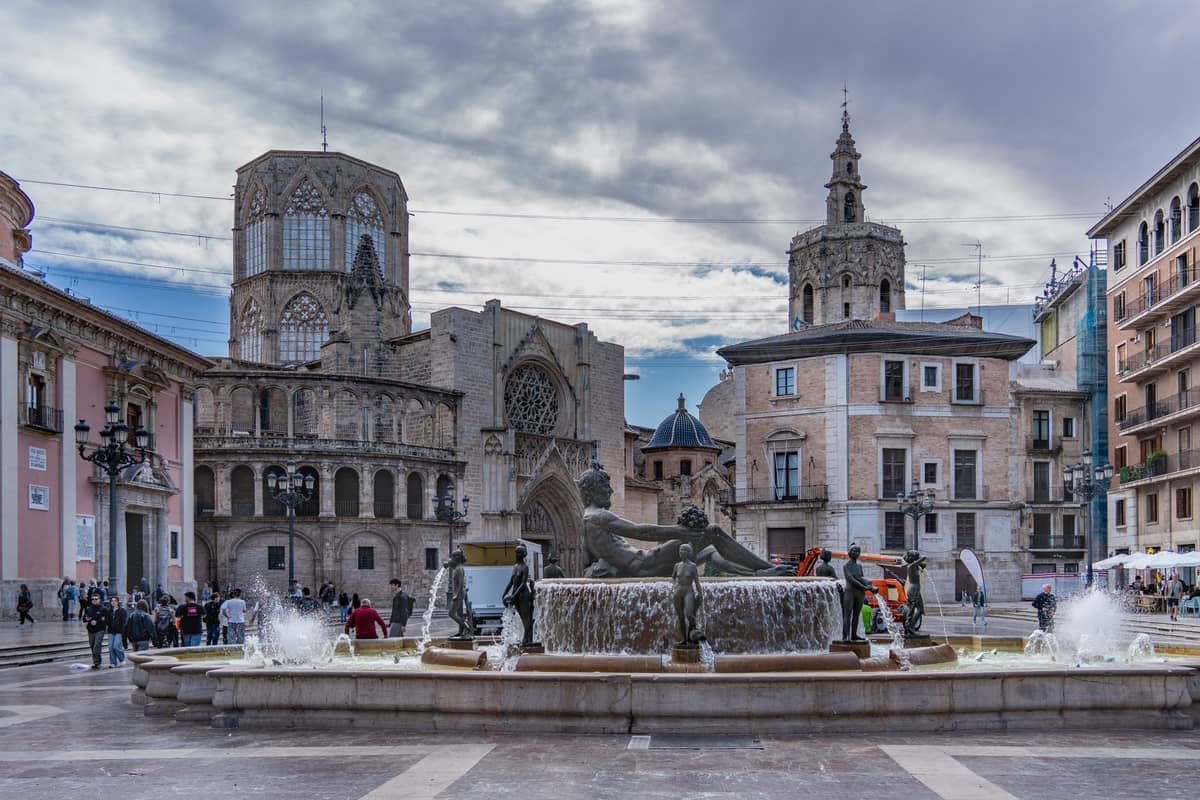
The tightest cluster of major churches in Valencia sits around Plaza de la Virgen and Plaza de la Reina. You can visit three extraordinary buildings within a five-minute walk of each other. This is the logical starting point for any church-focused tour, and the area is covered in detail in the walking tour of Valencia's old city. Give yourself at least a half-day if you plan to do all three properly.
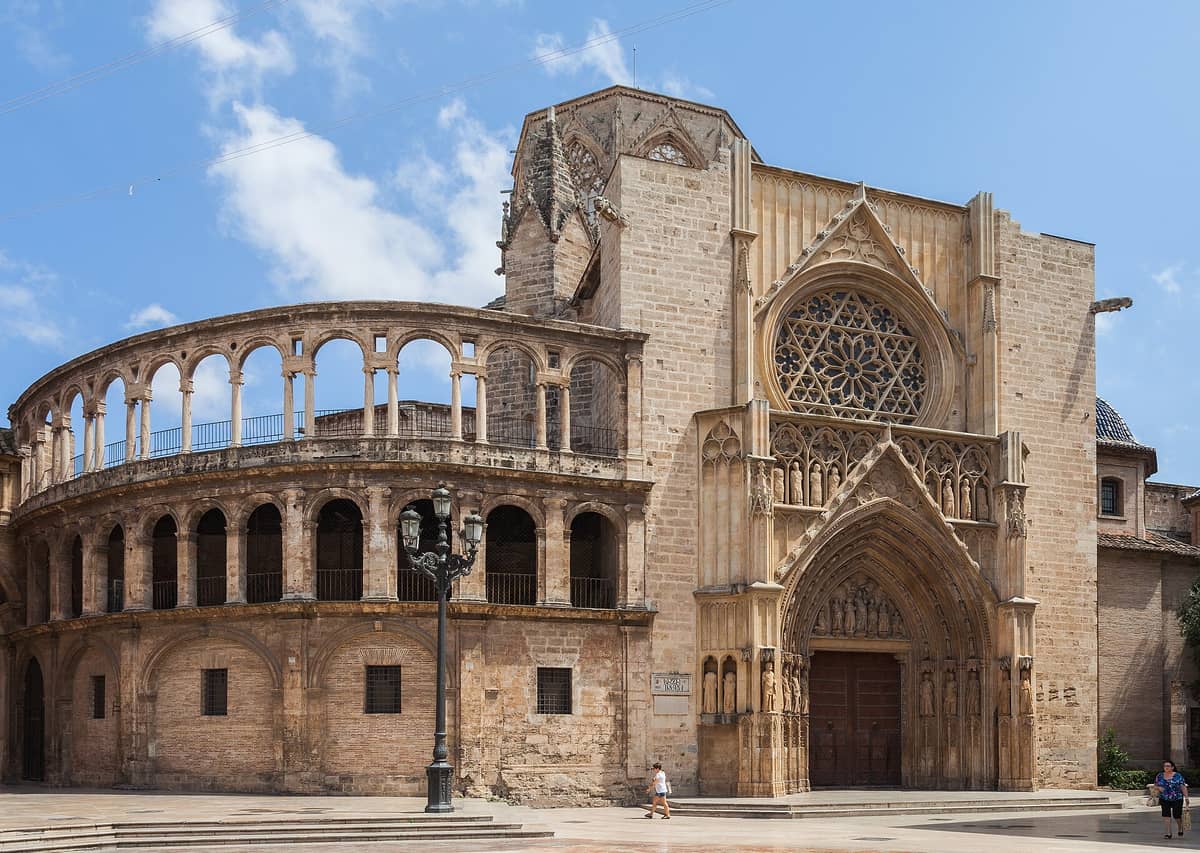
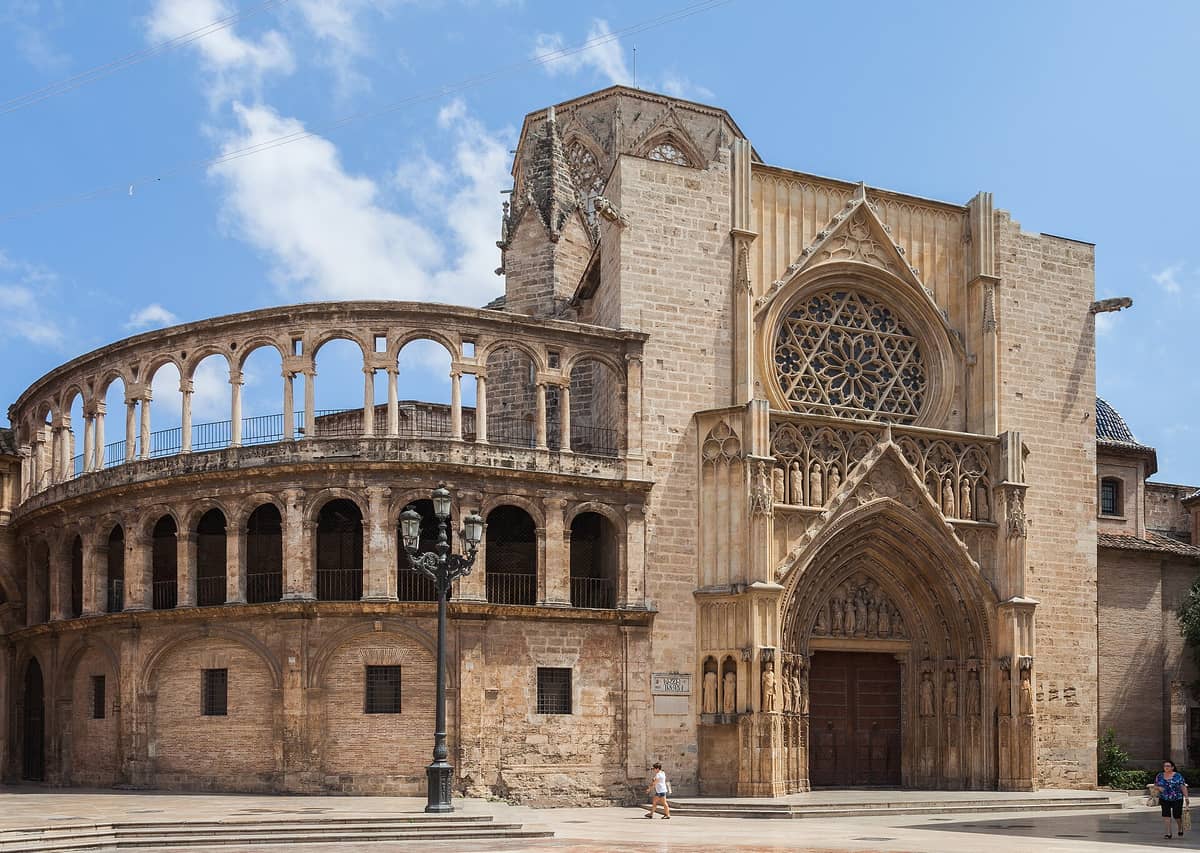
1. Explore Centuries of History at Valencia Cathedral
Valencia's cathedral spans Romanesque, Gothic, Baroque, and Renaissance styles across 700 years. Its main draw is the Santo Cáliz chapel, housing a first-century agate cup claimed as the Holy Grail. The cultural ticket includes the museum and El Micalet tower.
Explore1. Explore Centuries of History at Valencia Cathedral
Valencia's cathedral spans Romanesque, Gothic, Baroque, and Renaissance styles across 700 years. Its main draw is the Santo Cáliz chapel, housing a first-century agate cup claimed as the Holy Grail. The cultural ticket includes the museum and El Micalet tower.
Explore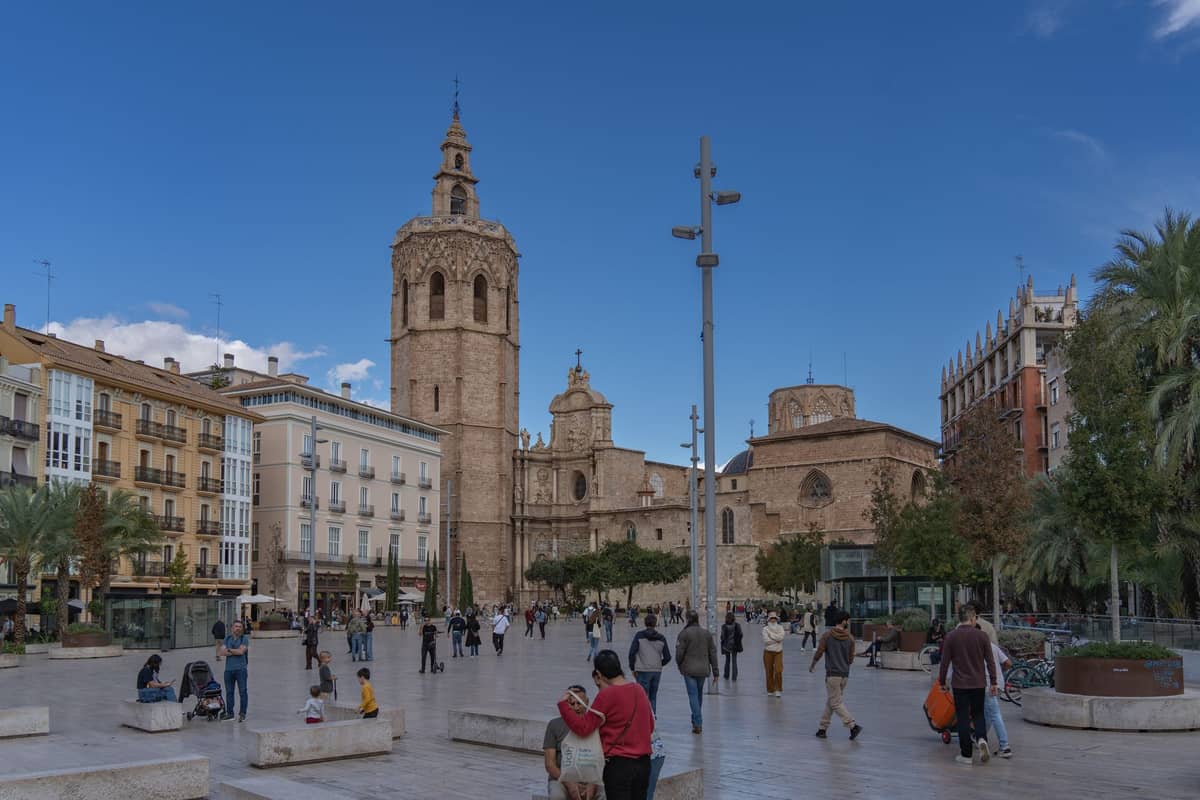
2. Climb El Micalet for the Best Views Over the Old City
The cathedral's 51-metre octagonal Gothic bell tower rewards the 207-step climb with sweeping 360-degree views over terracotta rooftops. Go in the morning for the best light and shorter queues. It is the city's most recognisable vertical landmark.
Explore2. Climb El Micalet for the Best Views Over the Old City
The cathedral's 51-metre octagonal Gothic bell tower rewards the 207-step climb with sweeping 360-degree views over terracotta rooftops. Go in the morning for the best light and shorter queues. It is the city's most recognisable vertical landmark.
Explore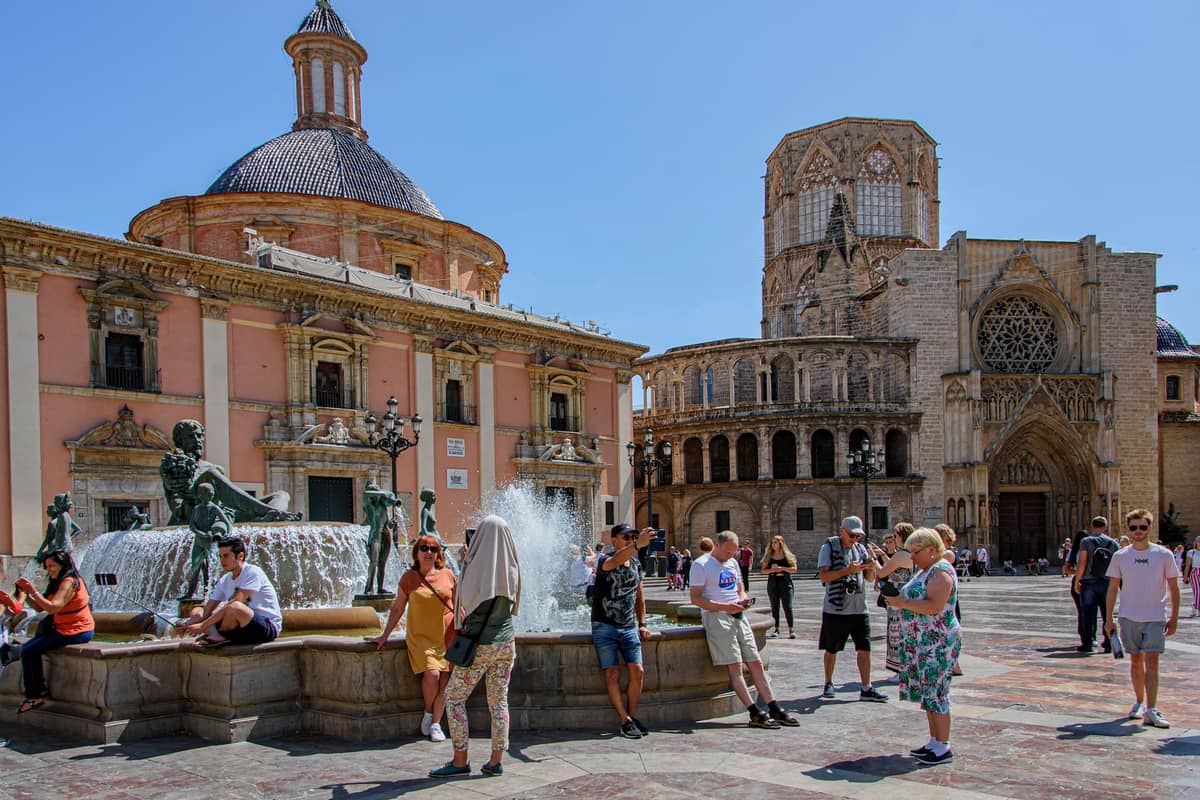
3. Visit Valencia's Patron Saint at the Basílica de los Desamparados
Standing directly beside the cathedral on Plaza de la Virgen, this Baroque basílica houses Valencia's patron saint beneath an extraordinary oval dome. Entry is free. During Las Fallas, the floral offering ceremony held here is one of the festival's most emotional moments.
Explore3. Visit Valencia's Patron Saint at the Basílica de los Desamparados
Standing directly beside the cathedral on Plaza de la Virgen, this Baroque basílica houses Valencia's patron saint beneath an extraordinary oval dome. Entry is free. During Las Fallas, the floral offering ceremony held here is one of the festival's most emotional moments.
Explore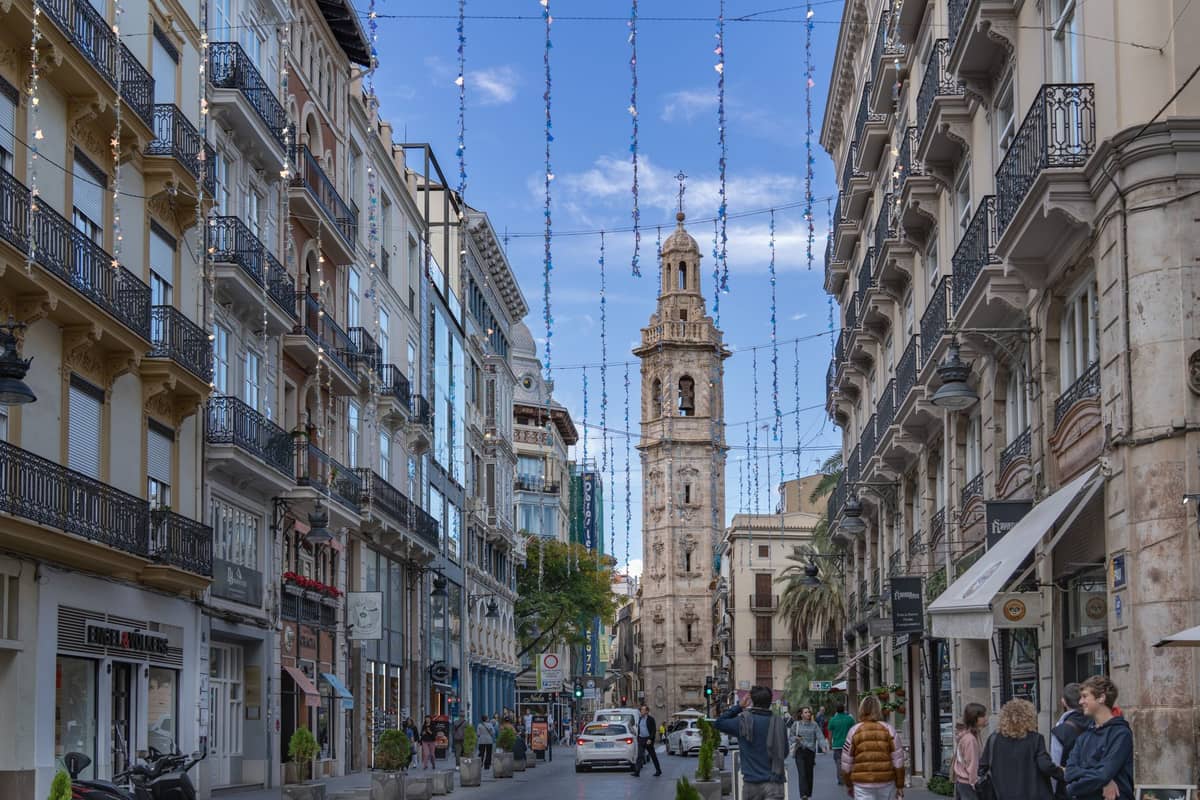
4. Admire the Hexagonal Baroque Tower of Santa Catalina
This Gothic church on Plaza de la Reina is best known for its elegant hexagonal Baroque bell tower, one of Valencia's most photographed. The interior is modest but the church's position at the heart of the historic square makes it a key part of any church walk.
Explore4. Admire the Hexagonal Baroque Tower of Santa Catalina
This Gothic church on Plaza de la Reina is best known for its elegant hexagonal Baroque bell tower, one of Valencia's most photographed. The interior is modest but the church's position at the heart of the historic square makes it a key part of any church walk.
ExploreThe Unmissable Interiors: Art, Frescoes, and Baroque Splendour
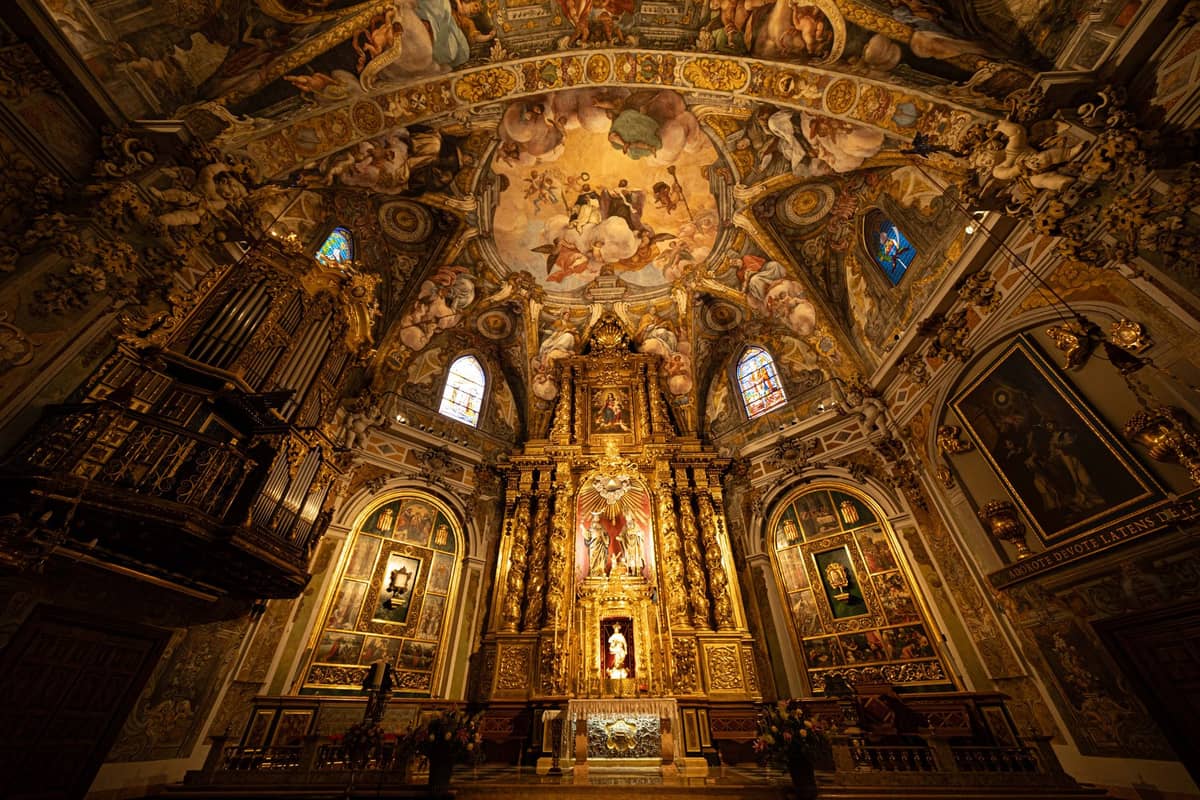
Two of Valencia's churches contain interiors that belong in any conversation about the finest religious art in Spain. San Nicolás in particular has become one of the city's most talked-about attractions since its restoration. If you are interested in the broader context of Valencia's art heritage, the best museums in Valencia guide covers complementary collections at the Bellas Artes and the Museo Nacional de Cerámica.
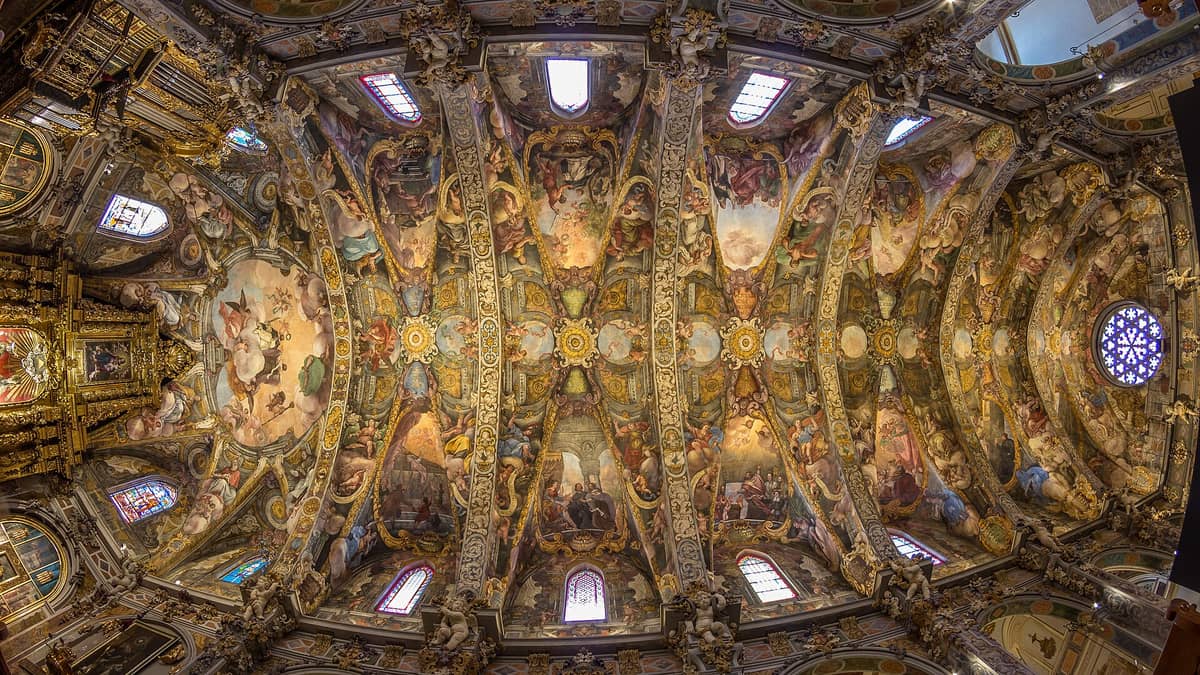
5. See Valencia's 'Sistine Chapel' at Iglesia de San Nicolás
The most visually stunning church interior in Valencia. A 15th-century Gothic structure was transformed in the 17th century with a continuous Baroque fresco covering every centimetre of ceiling and walls. Book tickets online to avoid queues. Allow 45-60 minutes inside.
Explore5. See Valencia's 'Sistine Chapel' at Iglesia de San Nicolás
The most visually stunning church interior in Valencia. A 15th-century Gothic structure was transformed in the 17th century with a continuous Baroque fresco covering every centimetre of ceiling and walls. Book tickets online to avoid queues. Allow 45-60 minutes inside.
Explore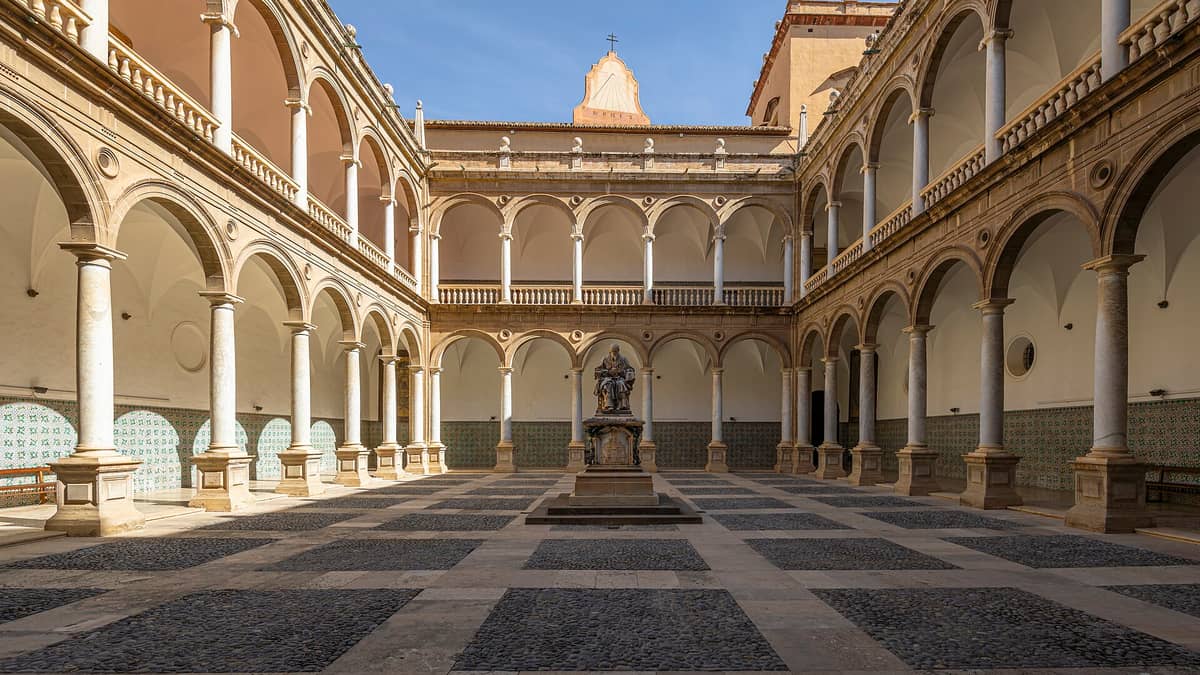
6. Discover El Patriarca's Renaissance Art Collection
This 16th-century seminary church, known as El Patriarca, holds works by El Greco and Ribalta in a serene arcaded Renaissance courtyard. It is consistently overlooked by visitors, which means you often have the cloister and church almost to yourself on weekday mornings.
Explore6. Discover El Patriarca's Renaissance Art Collection
This 16th-century seminary church, known as El Patriarca, holds works by El Greco and Ribalta in a serene arcaded Renaissance courtyard. It is consistently overlooked by visitors, which means you often have the cloister and church almost to yourself on weekday mornings.
Explore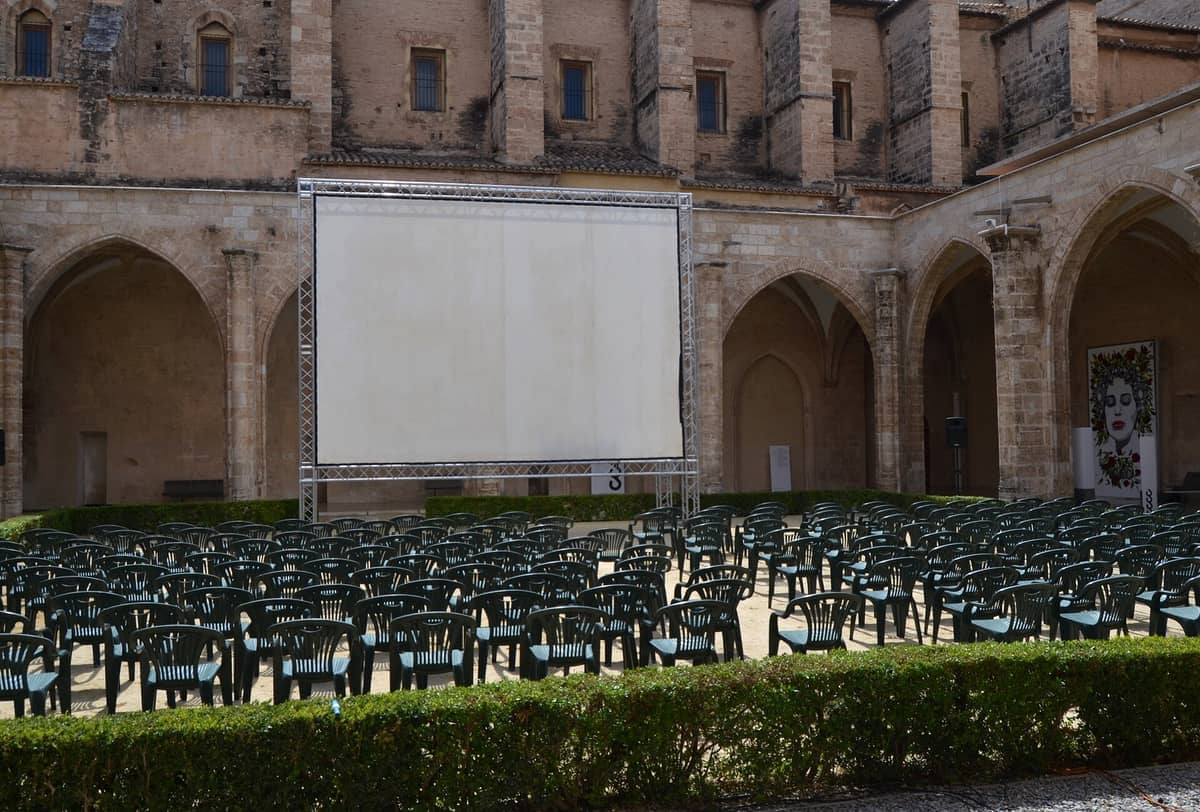
7. See Gothic Cloisters at the Centre del Carme
The former Convent del Carme preserves exceptional Gothic and Renaissance cloisters inside a contemporary cultural centre in El Carmen. Entry is generally free. The cloisters alone justify a visit, and the rotating art exhibitions make it easy to spend an hour here.
Explore7. See Gothic Cloisters at the Centre del Carme
The former Convent del Carme preserves exceptional Gothic and Renaissance cloisters inside a contemporary cultural centre in El Carmen. Entry is generally free. The cloisters alone justify a visit, and the rotating art exhibitions make it easy to spend an hour here.
Explore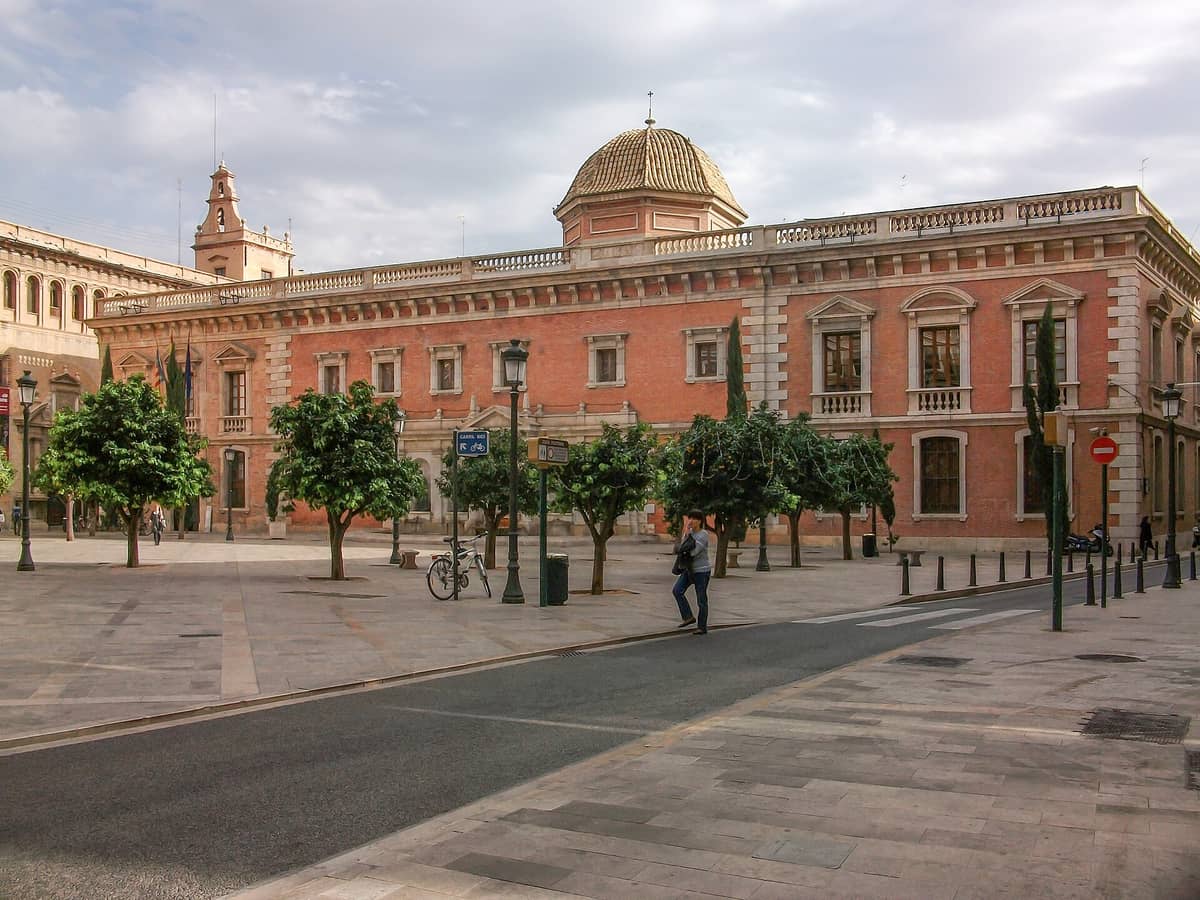
8. Visit the Historic Chapel at the University's La Nau
The University of Valencia's historic headquarters contains a Renaissance chapel alongside exhibition rooms and an elegant courtyard. Free to enter, it is a quiet counterpoint to the busier churches nearby, and the architecture of the main courtyard is worth the short detour.
Explore8. Visit the Historic Chapel at the University's La Nau
The University of Valencia's historic headquarters contains a Renaissance chapel alongside exhibition rooms and an elegant courtyard. Free to enter, it is a quiet counterpoint to the busier churches nearby, and the architecture of the main courtyard is worth the short detour.
ExploreAncient and Hidden: Valencia's Oldest Sacred Buildings
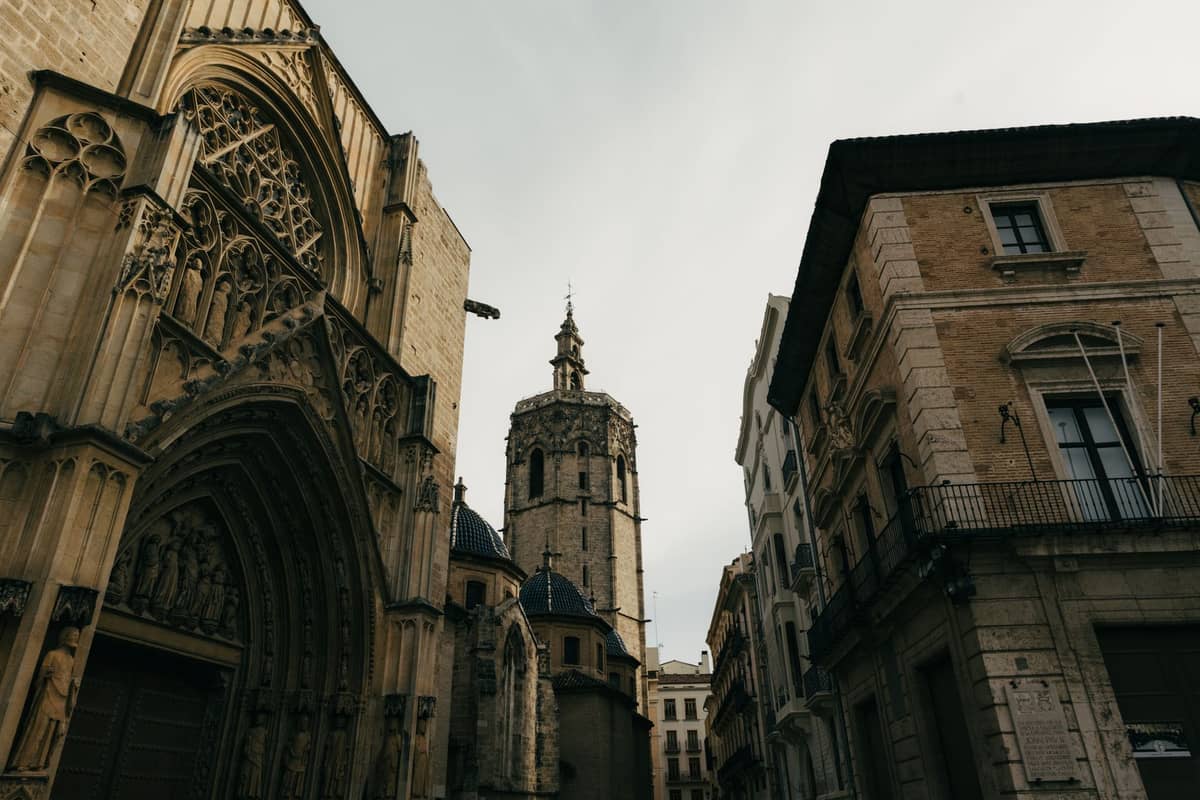
Valencia's religious history predates the Christian reconquest of 1238, and some of the most rewarding buildings to visit are those that reveal the layers beneath the city. The area around Barrio del Carmen is particularly rich in this kind of archaeology-meets-architecture, with medieval walls, ancient gates, and churches that have been rebuilt over Moorish and even Roman foundations.
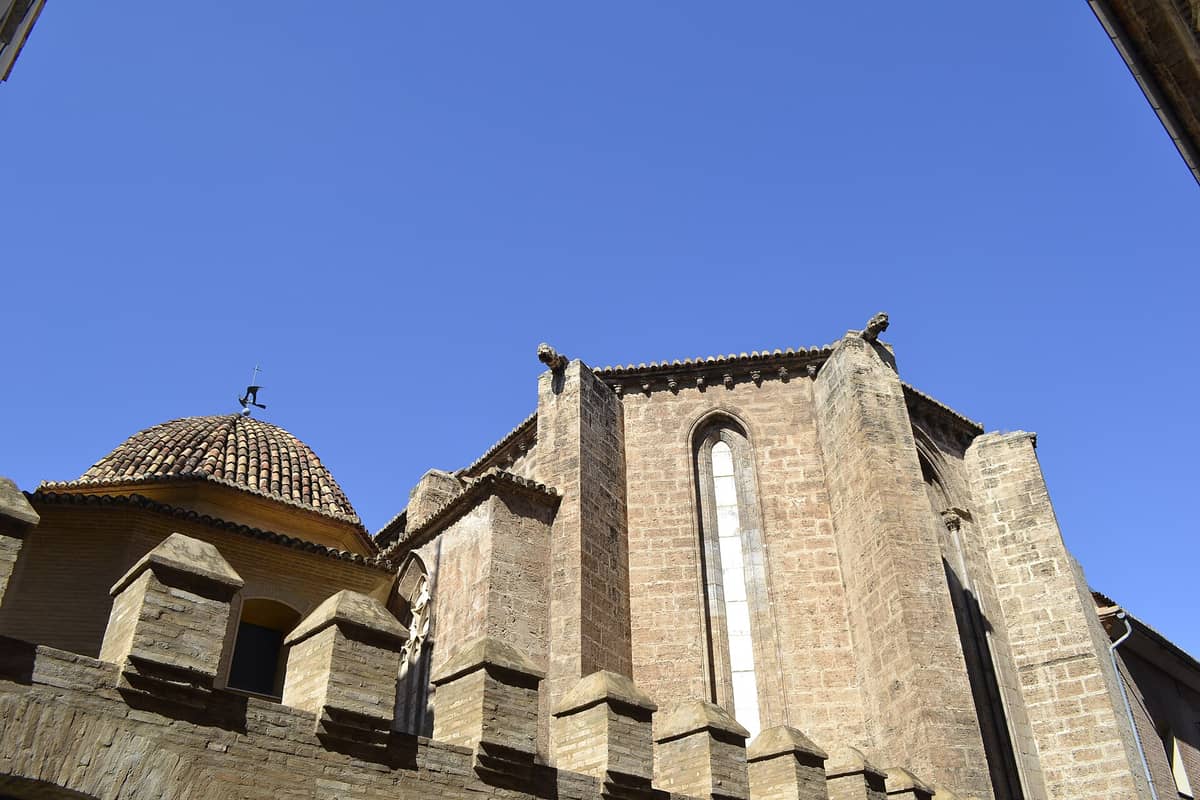
9. Step Inside Valencia's Oldest Church at San Juan del Hospital
Founded by the Knights Hospitaller in the 13th century, this Romanesque church is the oldest surviving Christian building in Valencia. It contains the tomb of Empress Constance of Nicaea and some of the city's earliest medieval Christian art. Easy to miss, deeply rewarding.
Explore9. Step Inside Valencia's Oldest Church at San Juan del Hospital
Founded by the Knights Hospitaller in the 13th century, this Romanesque church is the oldest surviving Christian building in Valencia. It contains the tomb of Empress Constance of Nicaea and some of the city's earliest medieval Christian art. Easy to miss, deeply rewarding.
Explore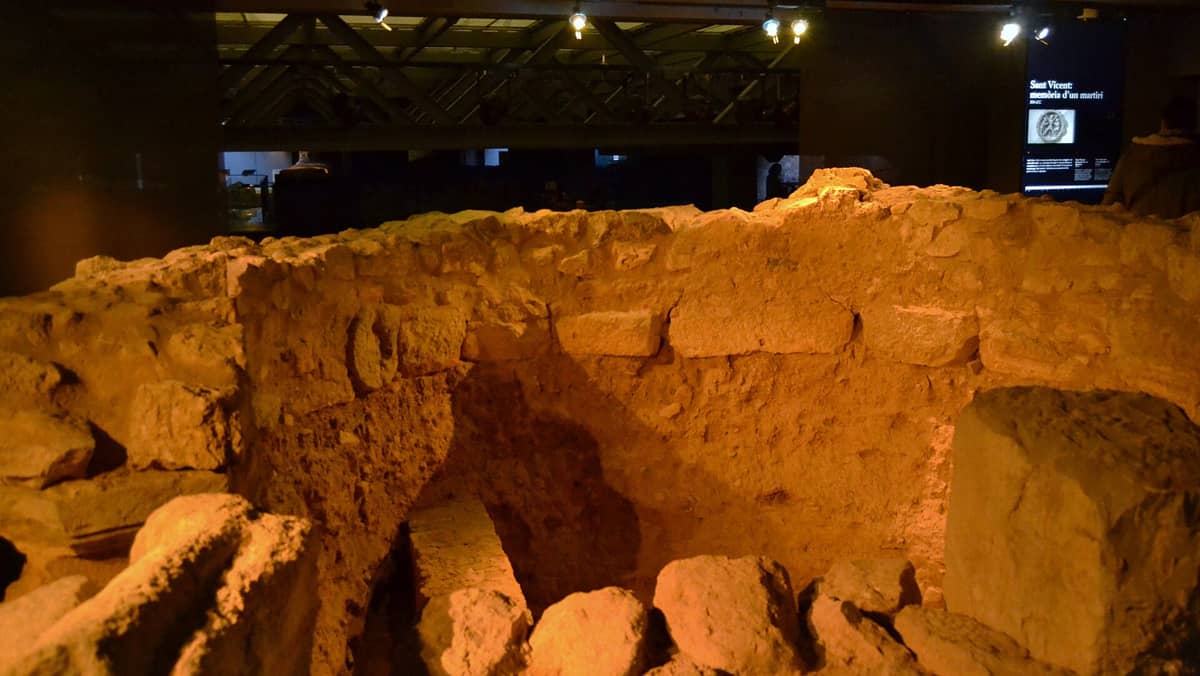
10. Trace Valencia's Pre-Christian Past Under Plaza de la Almoina
Directly beside the cathedral, this underground museum reveals Roman, Visigothic, and Moorish remains that predate Valencia's Christian churches. Walking over glass floors above a Roman bath complex helps you understand what stood here before the cathedral was built.
Explore10. Trace Valencia's Pre-Christian Past Under Plaza de la Almoina
Directly beside the cathedral, this underground museum reveals Roman, Visigothic, and Moorish remains that predate Valencia's Christian churches. Walking over glass floors above a Roman bath complex helps you understand what stood here before the cathedral was built.
Explore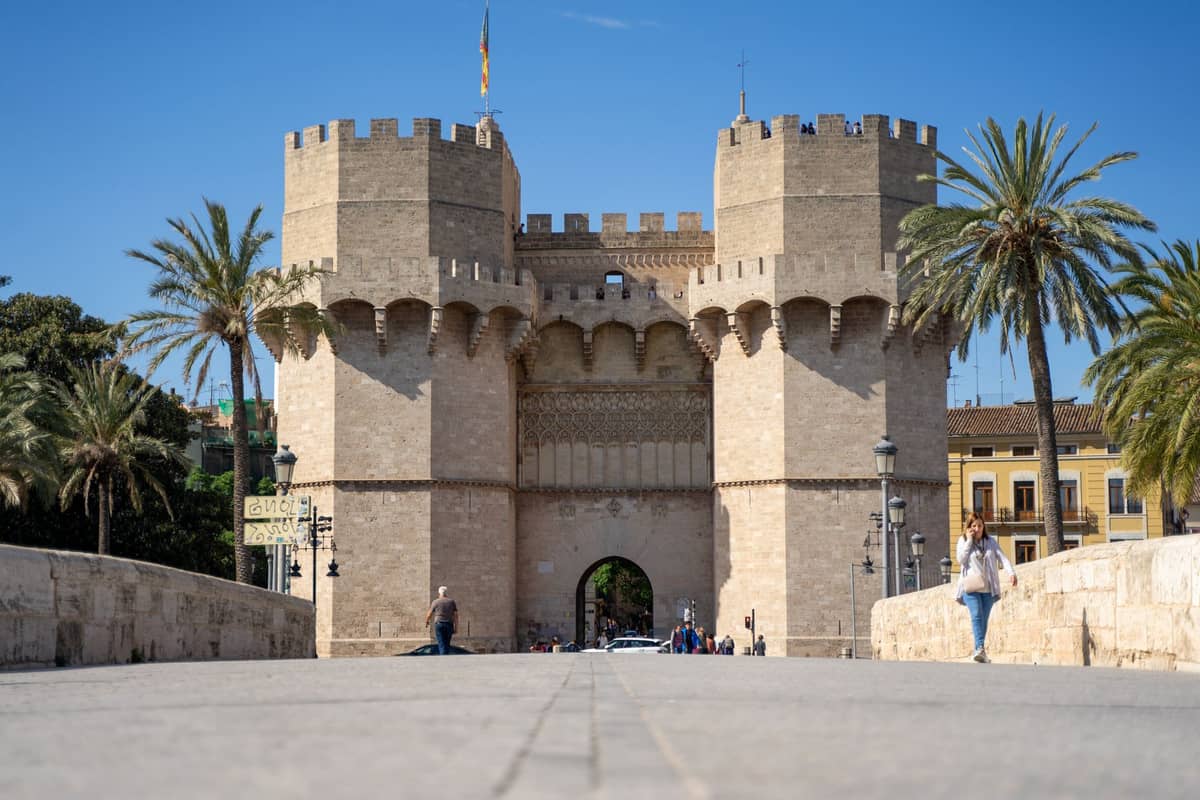
11. See the Gothic City Gates That Once Protected the Churches Within
Built in 1392, these twin Gothic towers formed the main northern gate through which pilgrims entered the city toward the cathedral. Climb to the battlements for views over the Turia garden and old city roofline. Entry is free on Sundays, affordable otherwise.
Explore11. See the Gothic City Gates That Once Protected the Churches Within
Built in 1392, these twin Gothic towers formed the main northern gate through which pilgrims entered the city toward the cathedral. Climb to the battlements for views over the Turia garden and old city roofline. Entry is free on Sundays, affordable otherwise.
ExploreRenaissance Monasteries and Grand Religious Complexes
Beyond the compact historic centre, Valencia has several large-scale religious complexes that reward visitors willing to travel a short distance. The Valencia architecture guide covers many of these buildings in wider context, including their place in the city's broader architectural story from the 15th century through to Modernisme.
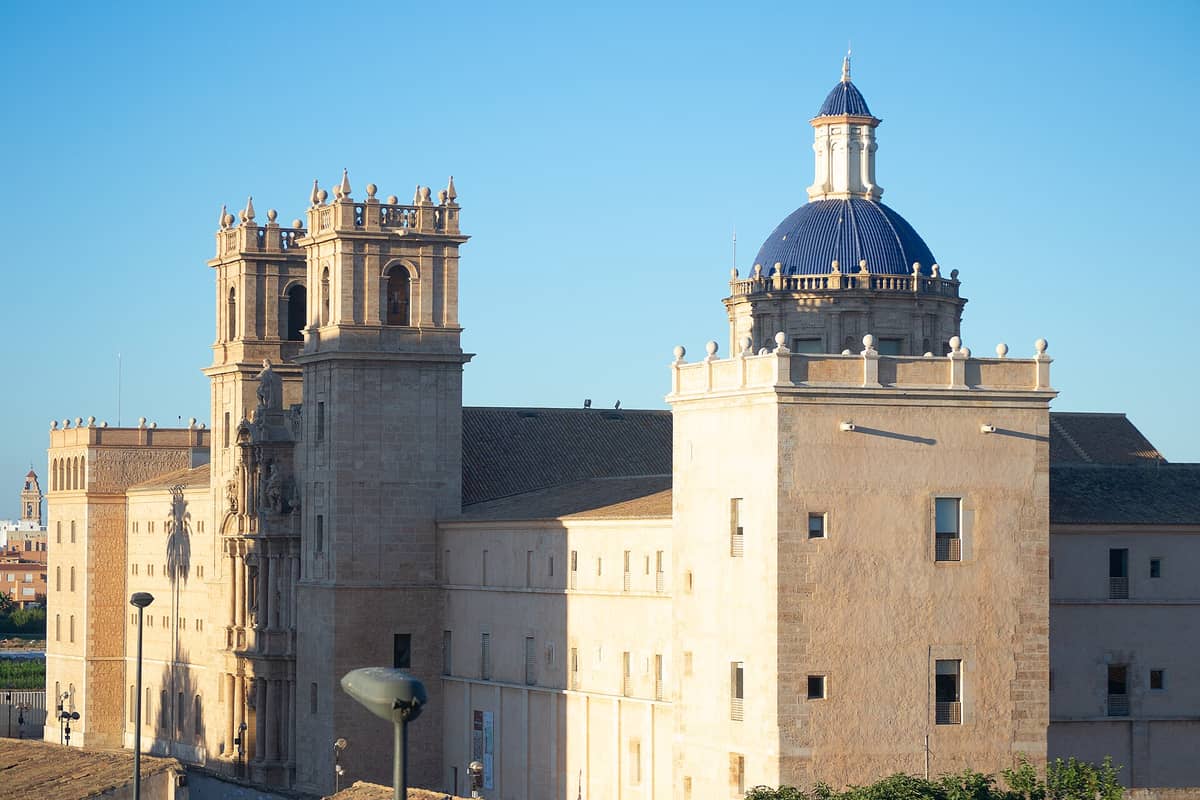
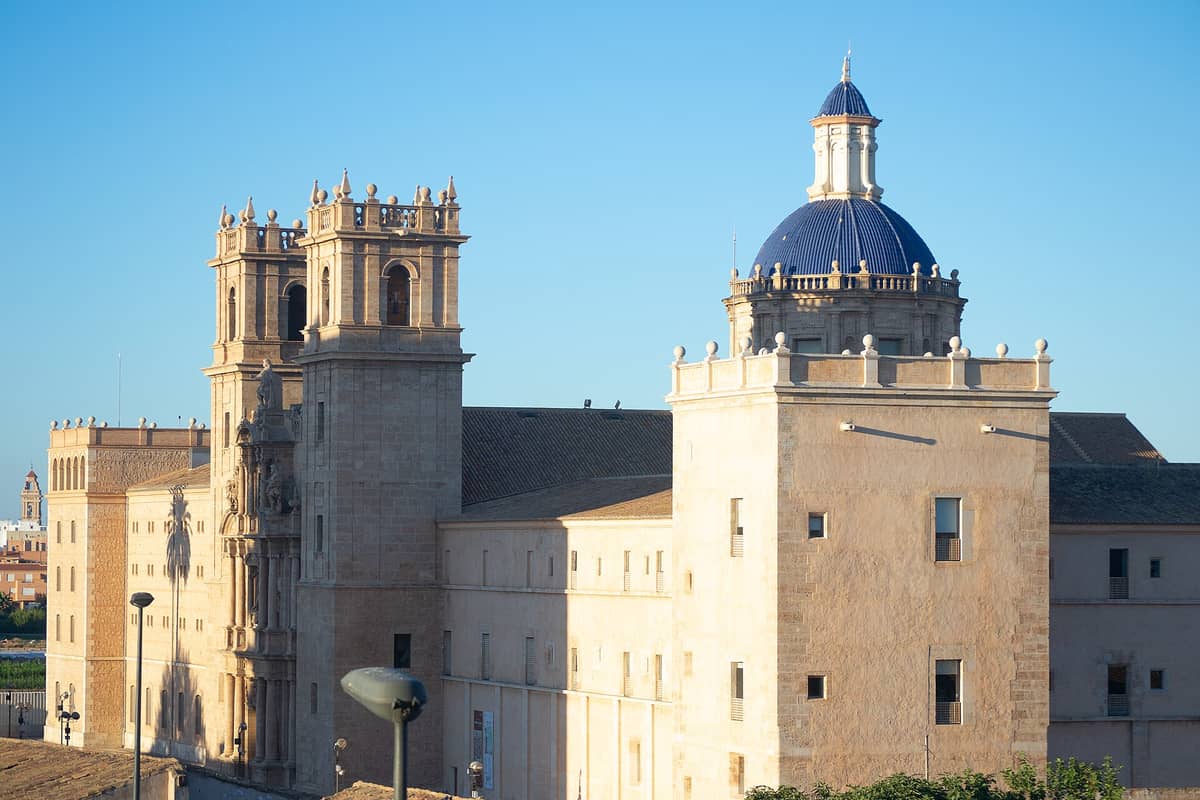
12. Explore the Royal Renaissance Monastery of San Miguel de los Reyes
Built as a royal pantheon in the 16th century, this monastery is one of the finest pieces of Renaissance architecture in the Valencia region. Its grand cloister and church now house the Valencian Regional Library. Located north of the centre, worth the 20-minute journey.
Explore12. Explore the Royal Renaissance Monastery of San Miguel de los Reyes
Built as a royal pantheon in the 16th century, this monastery is one of the finest pieces of Renaissance architecture in the Valencia region. Its grand cloister and church now house the Valencian Regional Library. Located north of the centre, worth the 20-minute journey.
Explore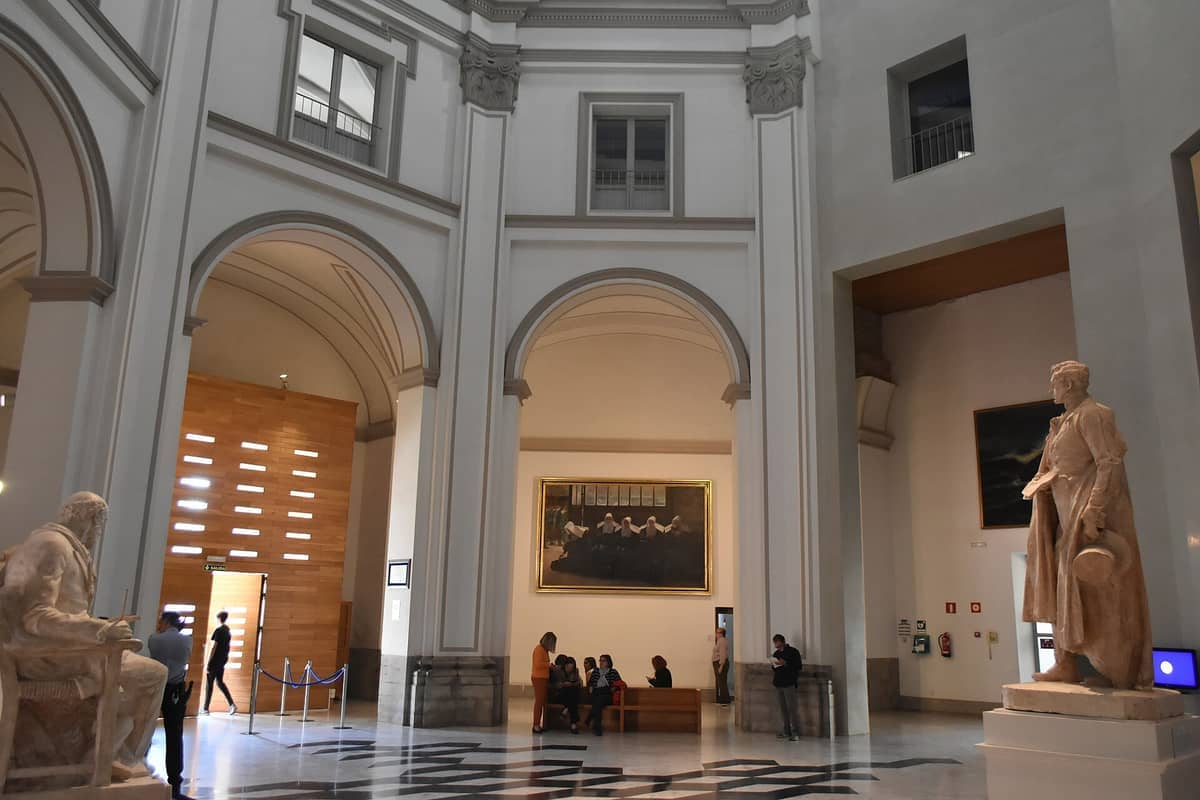
13. See Valencian Religious Art in the Former Seminary at Bellas Artes
The fine art museum occupies a 17th-century former seminary and contains the finest collection of Valencian Gothic altarpieces in existence, alongside works by El Greco and Goya. The building itself is ecclesiastical architecture, and the Valencian primitives gallery is exceptional.
Explore13. See Valencian Religious Art in the Former Seminary at Bellas Artes
The fine art museum occupies a 17th-century former seminary and contains the finest collection of Valencian Gothic altarpieces in existence, alongside works by El Greco and Goya. The building itself is ecclesiastical architecture, and the Valencian primitives gallery is exceptional.
ExploreContext and Culture: Understanding Valencia's Religious Traditions
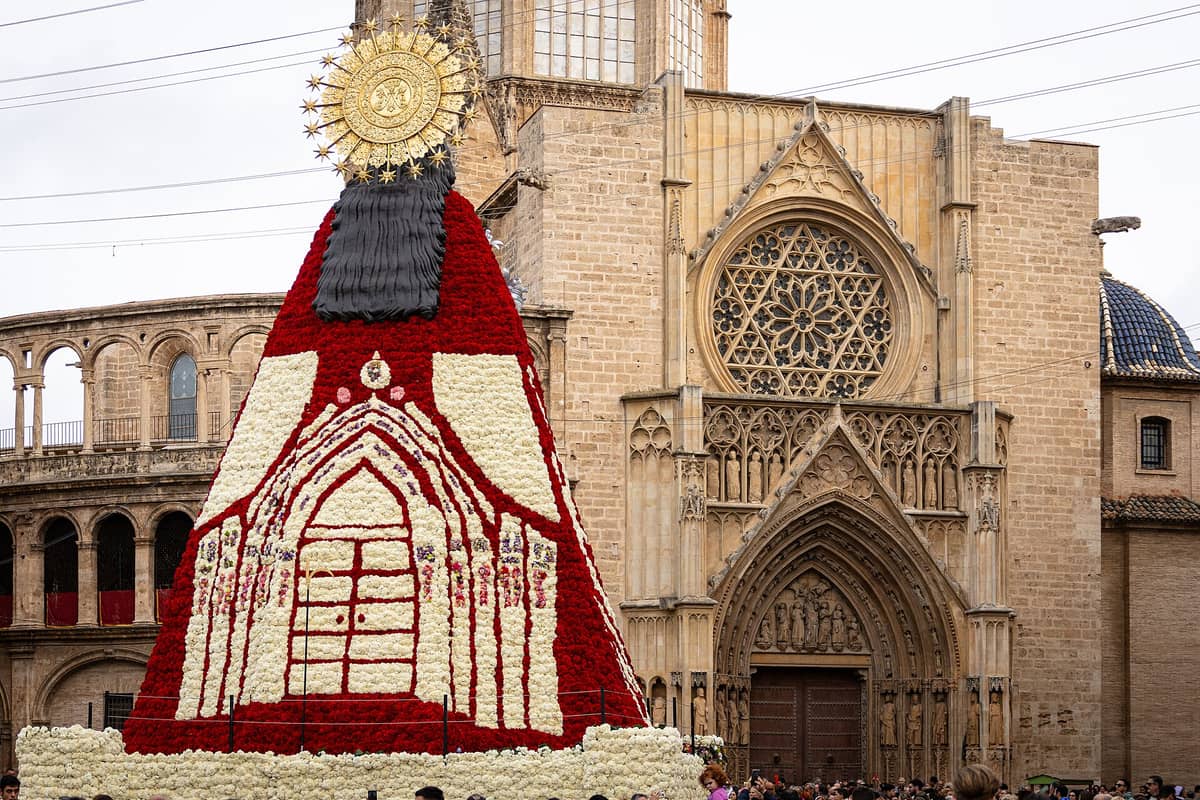
Churches in Valencia are not just architectural monuments — they sit at the centre of living traditions. Las Fallas, the city's most famous festival, is rooted in the parish structure of the old city, and the floral offering to the Virgen de los Desamparados is one of the most emotionally charged public events in Spain. For more on this, the Las Fallas guide explains how the churches and the festival intertwine. For visitors exploring the area around the churches on foot, the centro histórico page provides useful orientation.
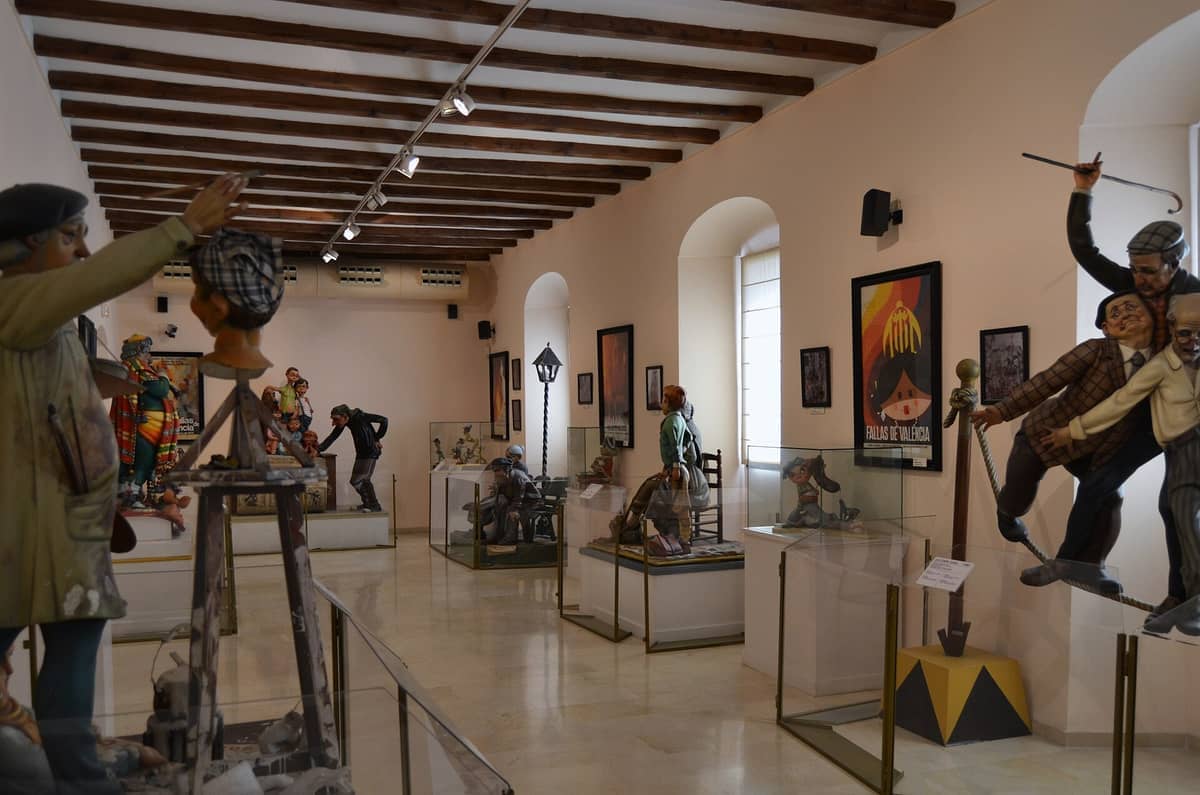
14. Understand the Parish Roots of Las Fallas at the Museu Faller
Valencia's Fallas festival is deeply connected to the city's parish neighbourhoods. This museum preserves the ninot figures saved from burning each year and provides the clearest explanation of how religious community life and the festival are intertwined. Essential context.
Explore14. Understand the Parish Roots of Las Fallas at the Museu Faller
Valencia's Fallas festival is deeply connected to the city's parish neighbourhoods. This museum preserves the ninot figures saved from burning each year and provides the clearest explanation of how religious community life and the festival are intertwined. Essential context.
Explore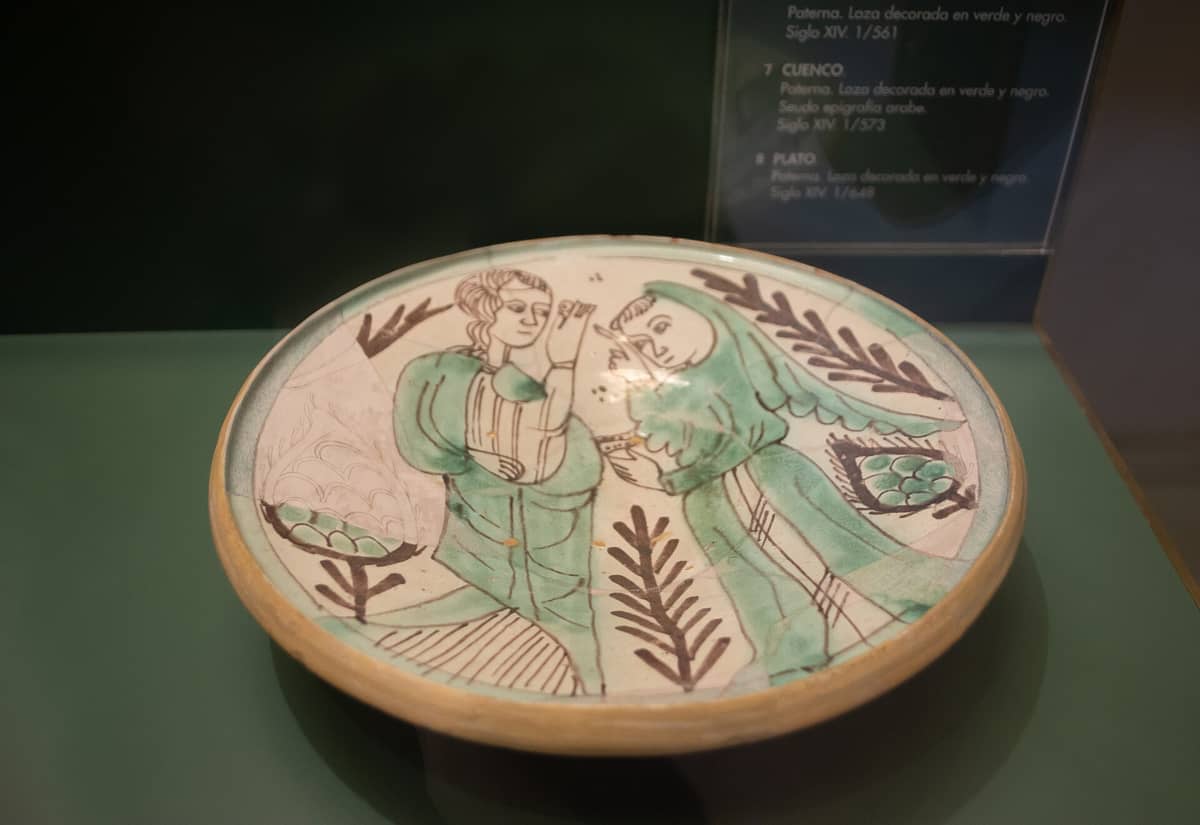
15. See the Baroque Palace That Embodies Valencia's Religious Patronage
The Palacio del Marqués de Dos Aguas is one of Spain's most extreme examples of Baroque ornament, a style directly connected to Valencia's Counter-Reformation church culture. The alabaster doorway alone is extraordinary. Now houses the national ceramics museum.
Explore15. See the Baroque Palace That Embodies Valencia's Religious Patronage
The Palacio del Marqués de Dos Aguas is one of Spain's most extreme examples of Baroque ornament, a style directly connected to Valencia's Counter-Reformation church culture. The alabaster doorway alone is extraordinary. Now houses the national ceramics museum.
Explore✨ Pro tip
The cathedral, San Nicolás, and the Basílica de los Desamparados are all within about a 5-minute walk of each other. Start at the cathedral when it opens at 10am to beat the midday crowds, then cross the plaza to the Basílica before heading to San Nicolás.
FAQ
Do you have to pay to enter churches in Valencia?
It depends on the church. The Cathedral and Iglesia de San Nicolás charge entry fees for cultural visits, which include museums or audio guides. The Basílica de los Desamparados, San Juan del Hospital, and Santa Catalina are generally free to enter, though donations are welcomed. Most churches allow free access during Mass times even if they otherwise charge.
What is the best church to visit in Valencia?
Iglesia de San Nicolás has the most stunning interior, a 17th-century Baroque fresco covering every surface of a Gothic church — it is unlike anything else in Spain. The Cathedral is the most historically significant, housing the Santo Cáliz and the El Micalet tower. If you only have time for one, San Nicolás is the most visually overwhelming experience.
Is the Holy Grail really in Valencia Cathedral?
The Cathedral houses the Santo Cáliz, an ancient agate cup that has been venerated as the Holy Grail since at least the medieval period. It is displayed in the Cathedral's dedicated chapel. Whether it is the actual Holy Grail is a matter of faith and debate, but it is one of the few chalices with documented provenance stretching back to the early church.
When is the best time to visit Valencia's churches?
Weekday mornings are quietest, especially at San Nicolás and the Cathedral, which get busy with tour groups from mid-morning. Avoid Sunday mornings when churches are active for Mass and cultural visits may be limited. During Las Fallas in March, the Basílica de los Desamparados hosts the flower offering ceremony, which is worth timing your trip around.
How long does it take to visit the main churches in Valencia?
Realistically, visiting the Cathedral (with El Micalet), the Basílica de los Desamparados, San Nicolás, and Santa Catalina takes around half a day if you allow 45-60 minutes per paid venue. Adding San Juan del Hospital and El Patriarca turns it into a full day. The buildings are all within walking distance of each other in the historic centre.