Basílica de la Virgen de los Desamparados: Valencia's Patron Saint and Her Baroque Shrine
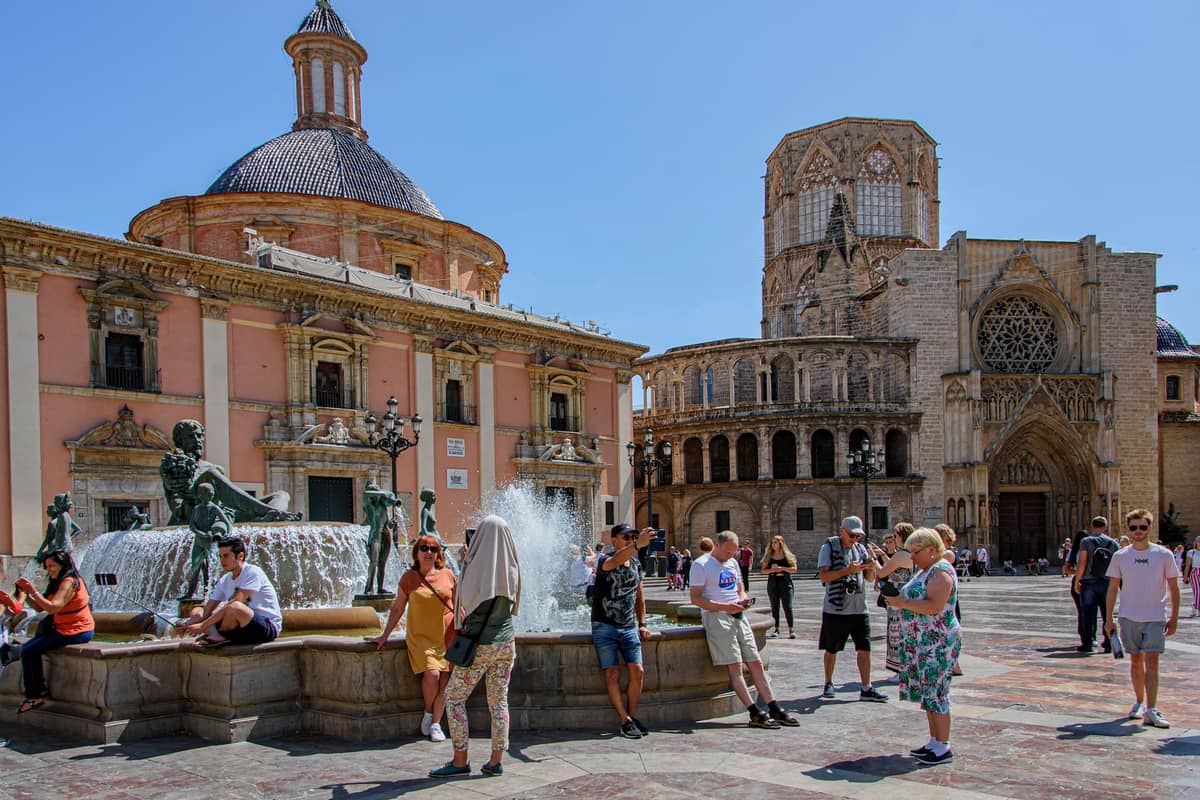
The Real Basílica de Nuestra Señora de los Desamparados stands at the heart of Valencia's historic centre, housing the revered image of the city's patron saint. Built between 1652 and 1667, it is free to enter and open every day, making it one of the most accessible and emotionally resonant stops in the old city.
Quick Facts
- Location
- Plaça de la Verge, s/n, 46001 València, Centro Histórico
- Getting There
- Metro Lines 3, 5 or 9 to Xàtiva or Colón, or walking distance from Plaza del Ayuntamiento bus hub
- Time Needed
- 20–45 minutes
- Cost
- Free entry
- Best for
- Art lovers, history seekers, travellers curious about Valencian religious culture
- Official website
- basilicadesamparados.org
What You're Actually Visiting
The Real Basílica de Nuestra Señora de los Desamparados occupies a position of extraordinary symbolic weight in Valencia. It sits on the historic centre's most photographed square, the Plaça de la Verge, directly connected to the Cathedral by a covered walkway. This physical link between the two buildings is not incidental: it reflects centuries of shared religious ceremony and the basilica's formal status as an annex to the Cathedral, elevated to basilica rank by papal brief of Pius XII on 21 April 1948.
The building houses the image of the Verge dels Desemparats, patron saint of Valencia and of the Valencian Community. The statue is small, not much taller than a seated person, yet it commands the centre of an oval interior that was built specifically to showcase it. Every element of the architecture is oriented toward that single figure. For many Valencians, this is not a tourist attraction at all. It is a place of active, daily devotion, and understanding that shapes the experience significantly.
ℹ️ Good to know
Opening hours: Monday to Sunday, 7:30–14:00 and 16:30–21:00. Free entry. No booking required. Dress modestly — shoulders and knees covered.
The Architecture: An Oval Designed for a Single Purpose
Construction ran from 1652 to 1667, placing the basilica squarely within the Spanish Baroque period. The architect Diego Martínez Ponce de Urrana designed an elliptical nave, an unusual choice that prioritises the visual axis from entrance to altar rather than the long processional nave of Gothic or Renaissance churches. The effect is immediate: you step inside and the entire space compresses toward the image of the Virgin.
The ceiling fresco, painted by Antonio Palomino in the early 18th century, covers the entire vault in a swirling composition of angels, saints, and celestial light. It is the work most art historians cite when discussing this building, and it genuinely rewards several minutes of upward study. The colours have retained surprising warmth, ranging from ochre and terracotta to deep Prussian blue. Bring a small pair of binoculars if you care about painting details — the fresco is high and the nave is not enormous.
The exterior is relatively restrained by Baroque standards: a curved facade of pale stone that reads as a modest backdrop to the broad plaza. The real drama is inside. If you enjoy Valencia's rich tradition of religious architecture, this basilica fits naturally alongside a visit to the Cathedral and the nearby Iglesia de San Nicolás, which houses another extraordinary frescoed interior.
Tickets & tours
Hand-picked options from our booking partner. Prices are indicative; availability and final rates are confirmed when you complete your booking.
Valencia Silk Museum tickets and audio guide
From 7 €Instant confirmationFree cancellationSaint Nicholas Church Entrance Tickets and Audioguide
From 11 €Instant confirmationHistoric Valencia walking tour
From 27 €Instant confirmationFree cancellationNatural thermal springs and Girlfriend Waterfall tour from Valencia
From 89 €Instant confirmationFree cancellation
The Image of the Virgin and Its Cultural Meaning
The Verge dels Desemparats, literally the Virgin of the Forsaken or Abandoned, has been Valencia's patron since the 15th century. The original brotherhood associated with her care was founded in 1409 specifically to bury the poor and accompany condemned prisoners to execution, providing a dignified death to those society had abandoned. That origin story gives her name its specific weight: this is not a generic patronage but one rooted in the city's social history.
The current image dates from the second half of the 17th century and is kept in a camarín, a small chamber behind the main altar, elevated so worshippers can see it from the nave. What strikes many visitors is how intimate the statue appears despite the grandeur surrounding it. People queue to kiss the hem or touch the base, and the steady movement of locals through the basilica at almost any hour of the day communicates something no guidebook description can fully replicate.
During Las Fallas in March, the basilica becomes the focal point of the ofrenda de flores, a two-day procession in which hundreds of thousands of participants bring flowers to construct a towering floral mantle around the Virgin's image. If you are visiting during that period, the square and the basilica will be transformed. See our Las Fallas guide for what to expect.
How the Experience Changes by Time of Day
Early mornings, from opening at 7:00 until around 9:00, the basilica is almost entirely given over to local worshippers attending Mass or making private prayer. The lighting is lower, the candles more visible, and the atmosphere noticeably different from midday. If you want to see the building as a living religious space rather than a sightseeing venue, this is the window.
Late morning, particularly from 10:00 to 13:00, is when tourist numbers climb alongside the temperature outside. Tour groups pass through, the square fills with people photographing the Cathedral and basilica together, and the interior becomes more animated and less contemplative. The afternoon session from 16:00 onward sees a mix of worshippers returning after the midday closure and visitors who have spent the hottest hours elsewhere.
Evening visits, from 19:00 to closing at 21:00, have a quality of their own: the plaza outside is cooler, locals are out walking, and the basilica takes on a soft golden interior light from the overhead chandeliers. This is also when evening Mass typically draws a local congregation, so arrive with awareness that the building is in active liturgical use.
💡 Local tip
The basilica closes between 14:00 and 16:30. Plan your visit to the Cathedral or the nearby Plaça de l'Almoina during that window rather than arriving at a locked door.
The Plaza Setting and the Surrounding Area
The Plaça de la Verge itself is one of the most significant public spaces in Valencia's historic core, occupying what was once part of the ancient Roman forum. The Neptune fountain at its centre marks the traditional gathering point for the Tribunal de les Aigues, a UNESCO-listed water court that has met every Thursday since at least the 10th century to arbitrate irrigation disputes. A walk across this plaza is, in effect, a walk over layers of the city's history. For a structured overview of the area, the walking tour of Valencia's old city makes a useful framework.
The Cathedral shares its southern flank directly with the basilica, and a covered gallery connects the two at plaza level. The Centro Arqueológico de l'Almoina sits just east of the plaza and reveals the Roman and Visigothic layers beneath the current street level, making it a natural companion visit for anyone interested in how this corner of the city has been continuously occupied for over two thousand years.
Practical Walkthrough: Getting There and Getting the Most from Your Visit
The basilica is fully walkable from most accommodation in the historic centre. From the Plaza del Ayuntamiento, follow Calle de San Vicente Mártir north for around ten minutes to reach the Plaça de la Verge. Metro users can take Line 5 to Xàtiva or Colón and walk from there; no metro stop sits directly adjacent, but the distances are short and the old city is compact.
Photography inside is permitted for personal use, but exercise judgement during services. The fresco ceiling is the obvious target for a wide-angle shot, but the oval plan creates distortion challenges for standard lenses. Natural light enters through high windows and varies considerably by time of day; mid-morning offers the brightest interior conditions. Flash is generally discouraged in active churches.
No specific accessibility information is confirmed in official sources for the basilica itself. The Plaça de la Verge has uneven historical paving that may present challenges for wheelchair users. Visitors with mobility concerns should verify current conditions directly with the basilica before visiting.
⚠️ What to skip
This is an active place of worship, not a monument frozen in time. Loud conversation, extended photography sessions near the altar during Mass, or arriving in beachwear will be noticed and is considered disrespectful. The Valencian coast is nearby — change before visiting.
Is It Worth Your Time? An Honest Assessment
The basilica is free, takes under an hour, and sits in the middle of everything you are likely already visiting in the historic centre. On that basis alone, skipping it makes little sense if you are in the area. But the depth of the experience depends on what you bring to it.
For travellers interested in Baroque art, the Palomino fresco ceiling is a genuine highlight and significantly underrated compared to more famous painted vaults elsewhere in Europe. For anyone curious about how religious devotion operates in a contemporary Spanish city, observing the steady flow of worshippers here is more revealing than any museum exhibit. For visitors primarily interested in architecture from the outside, the exterior is handsome but not remarkable — the Lonja de la Seda or the Torres de Serranos offer more external drama.
Those with very limited time who must choose between this and the Cathedral should probably prioritise the Cathedral for its Gothic nave, the Micalet tower, and the claimed Holy Grail. But the basilica rounds out the picture of the Plaça de la Verge in a way that makes the two visits feel like one coherent experience of the city's religious heart.
Insider Tips
- The camarín behind the main altar, where the Virgin's image is housed, is sometimes accessible to visitors during non-Mass hours. Ask a sacristan if the side passage is open — the view of the image at close range is quite different from what you see from the nave.
- If you visit on a Sunday morning, the square outside fills with people in traditional Valencian dress attending late Mass. This is not a performance for tourists — it is simply Sunday in Valencia — and it gives the plaza a completely different atmosphere from weekday visits.
- The covered walkway connecting the basilica to the Cathedral is easy to miss. It runs along the south side of the plaza and allows you to move between both buildings without stepping back into the square — useful in rain or heat.
- Palomino completed the ceiling fresco around 1701. He was later commissioned for similar work in Madrid, and this project helped establish his reputation. Noting the sequence of commissions gives the fresco historical context that most visitors walk past.
- The midday closure from 14:00 to 16:30 is strictly observed. Arrive with at least 30 minutes before 14:00 if you want a complete visit, or plan for the afternoon session and combine it with dinner in the old city.
Who Is Basílica de la Virgen de los Desamparados For?
- Travellers interested in Spanish Baroque art and architecture, particularly ceiling fresco painting
- Visitors who want to understand Valencian religious and civic culture beyond the surface level
- Anyone building a walking route through the historic centre who wants a free, well-located stop
- Visitors during Las Fallas who want to understand the ofrenda de flores before experiencing it in person
- Travellers on a tight budget who want a genuinely significant cultural experience at no cost
Nearby Attractions
Other things to see while in Centro Histórico:
- Catedral de València
Rising above Plaza de la Reina in Valencia's historic centre, the Cathedral of Valencia is a remarkable layered monument built over seven centuries. From a Romanesque doorway to Gothic vaulting, a Baroque facade, and a relic claimed to be the Holy Grail, this is one of Spain's most architecturally complex and historically loaded churches.
- Centre Cultural La Nau
Housed in the University of Valencia's historic headquarters since the late 15th century, Centre Cultural La Nau is a historic landmark in the old town offering free exhibitions, concerts, and theatre. It rewards visitors who slow down and look closely.
- Centre Arqueològic de l'Almoina
Beneath a quiet plaza steps from Valencia Cathedral lies one of Spain's most compelling urban archaeology sites. The Centre Arqueològic de l'Almoina preserves around 2,500 square metres of Roman, Visigothic, and medieval remains, excavated over two decades and now visible through a striking modern structure.
- El Micalet (Cathedral Bell Tower)
Rising roughly 50 metres above Plaça de la Reina, the Torre del Micalet is the detached bell tower of Valencia Cathedral, built between 1381 and 1429. For €3, you climb a narrow stone staircase to a terrace at about 50 metres and get one of the clearest, most unobstructed panoramas of Valencia's historic roofline. It earns its place on a short itinerary, though it demands a bit of effort to reach the top.