Is Valencia Worth Visiting? Here's What You Actually Need to Know
Valencia is Spain's third-largest city, the birthplace of paella, and home to UNESCO-listed heritage, futuristic architecture, and 300+ days of sunshine a year. This guide cuts through the hype to tell you exactly what Valencia offers, what it costs, and whether it belongs on your itinerary.
Plan and book this trip
Tools from our partner Travelpayouts help you compare flights and hotels. If you book through them, we may earn a commission at no extra cost to you.
Flights
Hotels map
TL;DR
- Yes, Valencia is worth visiting — it delivers more depth, history, and value than most travelers expect from a Mediterranean beach city.
- Spain's third-largest city offers UNESCO-listed heritage, an enormous urban park, and world-class food — plan at least 3–5 days; see our 3-day Valencia itinerary for a solid starting point.
- Budget travelers can manage on €50–70/day; mid-range visitors typically spend €120–160/day including accommodation.
- Spring (March–June) and autumn (September–November) offer the best conditions, though Las Fallas in March means hotel prices spike sharply.
- It is not the right city for travelers seeking non-stop nightlife or a purely resort-style holiday — though the beaches are real and the nightlife scene is underrated.
What Kind of City Is Valencia, Really?
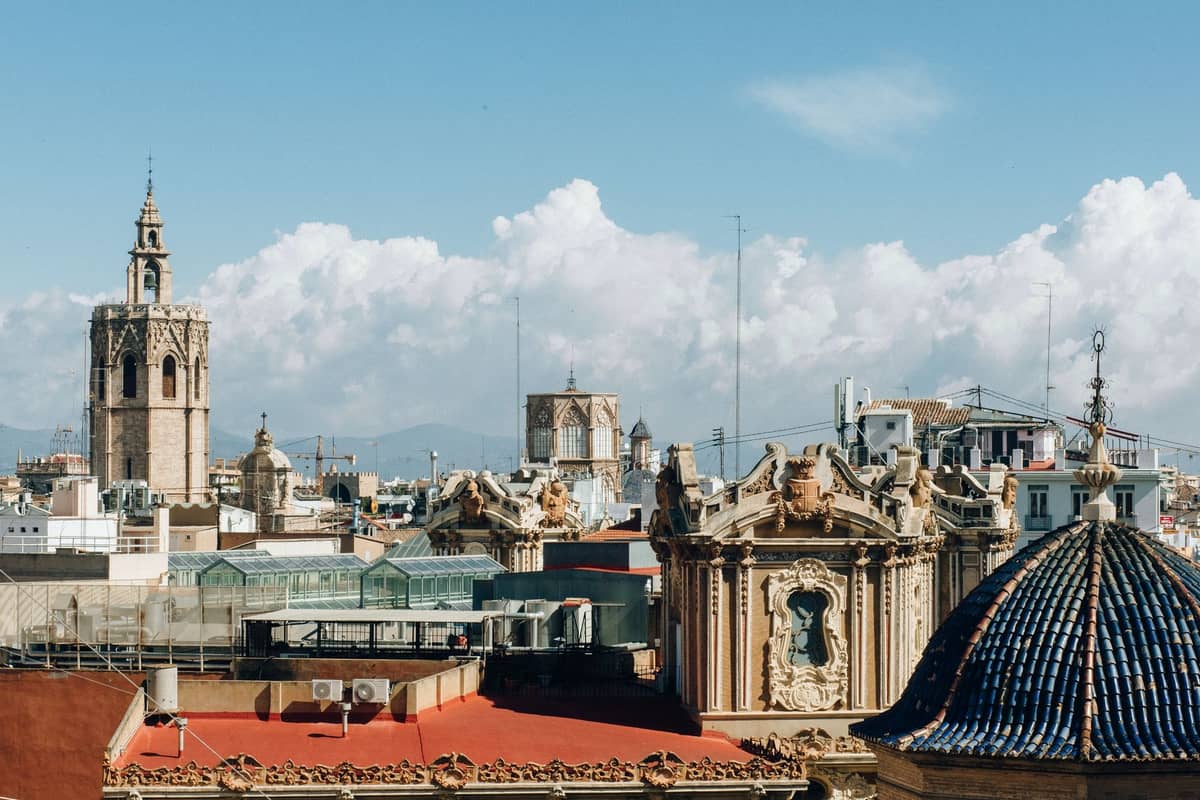
Valencia (officially València in Valencian) sits on Spain's Mediterranean coast, roughly halfway between Barcelona and Alicante. With around 830,000 residents in the city proper and a metro area of approximately 1.6 million, it is Spain's third-largest city by population. That scale matters: this is not a small historic town packaged for tourism. It is a working port city with a university, a significant cultural scene, and neighborhoods that function entirely independently of visitor footfall.
The city holds two UNESCO designations: the La Lonja de la Seda (Silk Exchange) is a World Heritage Site, and Las Fallas — the March fire festival — carries UNESCO Intangible Cultural Heritage status. On top of that, Valencia was named European Green Capital in 2024, largely due to the Jardí del Túria, a 9-kilometer urban park built in the former Turia riverbed that runs straight through the city.
Two languages are official here: Spanish (Castilian) and Valencian, a variety of Catalan with its own orthographic standard. In practice, most daily life in the city runs in Spanish, though you will see Valencian on street signs, menus, and institutional buildings. English is widely understood in tourist areas and accommodation.
ℹ️ Good to know
Valencia is sometimes confused with Valencia, Venezuela, or with the broader Valencian Community (the autonomous region). When searching for flights or hotels, confirm you are booking for Valencia, Spain — airport code VLC, also known as Valencia Airport or Manises Airport — located approximately 8 km from the city centre.
The Honest Case For (and Against) Visiting
Valencia earns its reputation for two reasons that often go hand in hand: it is one of the most affordable major cities in Western Europe, and it genuinely has a lot to show for itself. The combination is unusual. Barcelona and Madrid charge more and deliver more crowds; smaller Spanish cities are cheaper but offer less. Valencia occupies a productive middle ground.
The food alone makes a strong argument. Valencia is the birthplace of paella, and eating a proper Valencian paella here — made with rabbit, chicken, and local rice, not seafood — is a genuinely different experience from what you will find exported elsewhere. The Mercado Central is one of Europe's largest covered fresh markets and worth a visit for its architecture as much as its produce. Horchata — the cold, milky drink made from tiger nuts — is another local specialty that tastes completely different fresh from a Valencian granisseria than anything bottled elsewhere.
Where Valencia falls short for some travelers: the city does not have the concentrated historic density of Toledo or Salamanca, nor the sheer scale of cultural offerings in Madrid. Its old town (Ciutat Vella) is genuine and walkable, but a few streets in the historic core feel neglected in ways that some visitors find charming and others find underwhelming. If photogenic perfection is the goal, Valencia will occasionally look slightly rough around the edges.
- Strong reasons to go UNESCO-listed Silk Exchange, City of Arts and Sciences, Turia Gardens, Mercado Central, original paella, Albufera Natural Park, Las Fallas festival, over 300 sunny days per year, urban beaches within 4 km of the old town.
- Reasons it might not suit you If you want a compact, polished historic city you can cover in one day, Valencia's spread-out layout and mixed urban character may frustrate. It rewards slower, curiosity-driven travel.
- Often overlooked The El Cabanyal neighborhood, IVAM (Instituto Valenciano de Arte Moderno), the botanical garden, and the Albufera lagoon — most first-time visitors skip at least two of these and leave feeling like there is still more to see.
What Valencia Costs: A Practical Breakdown
Valencia is meaningfully cheaper than Barcelona or Madrid across almost every spending category. A hostel dorm runs around €25–40 per night outside peak periods; solid 3-star hotels can be found for €80–150. A menú del día — the fixed two-course lunch with drink that is the backbone of eating affordably in Spain — typically costs €12–16 at decent neighborhood restaurants. Coffee and a pastry at a local bar comes to €3–5.
The main variable is attractions. The City of Arts and Sciences sells combination tickets for its multiple venues (L'Oceanogràfic, Museu de les Ciències, and L'Hemisfèric), and prices depend on which you combine — budget roughly €30–40 per adult for the full complex. Many of the city's best museums, however, are free or nearly free: the Museu de Belles Arts, IVAM, the Centre del Carme, and several historic churches charge nothing or very little. An honest mid-range visitor budget, including a decent hotel, two meals out, and one paid attraction, sits around €120–160 per day.
💡 Local tip
The Valencia Tourist Card (available for 24, 48, or 72 hours) covers unlimited public transport and includes discounts or free entry to several attractions and museums. If you plan to use the metro more than twice a day and visit paid sights, it is typically worth the cost. Buy it online via the Visit Valencia official site before you arrive to skip the queue.
Getting into the city from Valencia Airport (VLC) is straightforward and inexpensive. Metro lines L3 and L5 connect the airport to the city in around 20–25 minutes, with trains running every 10–15 minutes and a single ticket costing approximately €4.80 for the airport AB+ fare, plus a rechargeable transport card depending on zone. Bus line 150 takes around 35 minutes and is slightly cheaper. For a full picture of how to move around once you arrive, the getting around Valencia guide covers metro, bus, cycling, and the tourist card in detail.
When to Go: Weather, Crowds, and the Fallas Question

Valencia's Mediterranean climate means mild winters (with typical lows around 6–8°C) and warm, dry summers, with the rainiest periods falling in autumn and late winter. The city averages over 300 sunny days per year, which makes it viable year-round. That said, timing genuinely matters here.
Spring and autumn are the sweet spots: temperatures between 15°C and 28°C, manageable crowds, and functional beach weather from May onward. Summer is extremely hot at midday — pushing 35°C or above in July and August — but workable if you adapt your schedule to morning activities and evening walks. The beaches along the Malvarrosa and Las Arenas fill up heavily in August, and hotel prices rise accordingly. For a detailed seasonal breakdown, the best time to visit Valencia guide covers each month honestly.
Las Fallas (around March 15–19) is the city's defining festival: enormous papier-mâché sculptures are displayed across every neighborhood for a week, then burned on the final night in a deliberately theatrical inferno. The pyrotechnics, the noise, the all-night revelry — it is genuinely unlike anything else in Europe. But it is not for everyone. Accommodation prices triple or more during the peak nights, the city is relentlessly loud, and the smoke from thousands of firecrackers (mascletàs) fills the streets daily. If you are light-sensitive, noise-averse, or traveling with young children, arriving a week before or after Las Fallas gives you better prices and a calmer city.
⚠️ What to skip
Las Fallas week (March 15–19) is the single hardest period to find affordable accommodation in Valencia. If you want to experience the festival, book at least 3–4 months in advance. If you are not specifically there for Las Fallas, avoid those dates entirely unless you have a confirmed hotel reservation at a price you are comfortable paying.
What to Actually Do: The Highlights and What to Skip
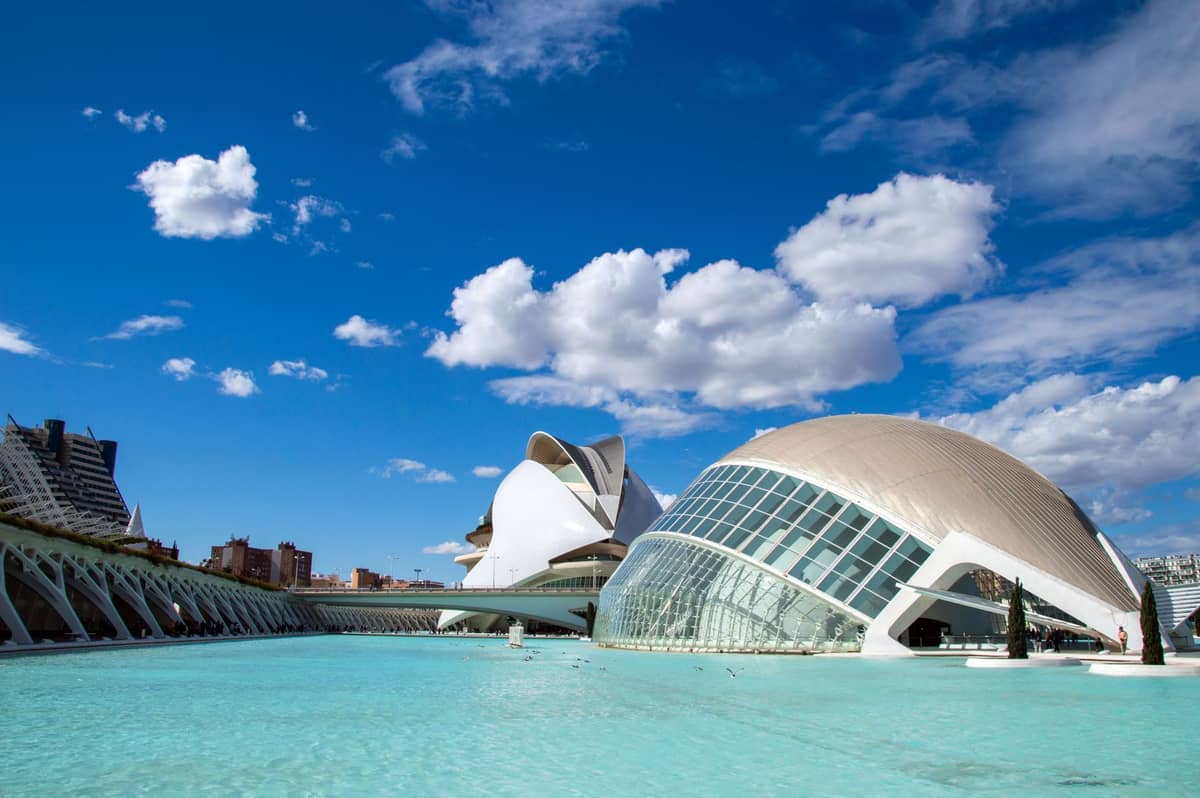
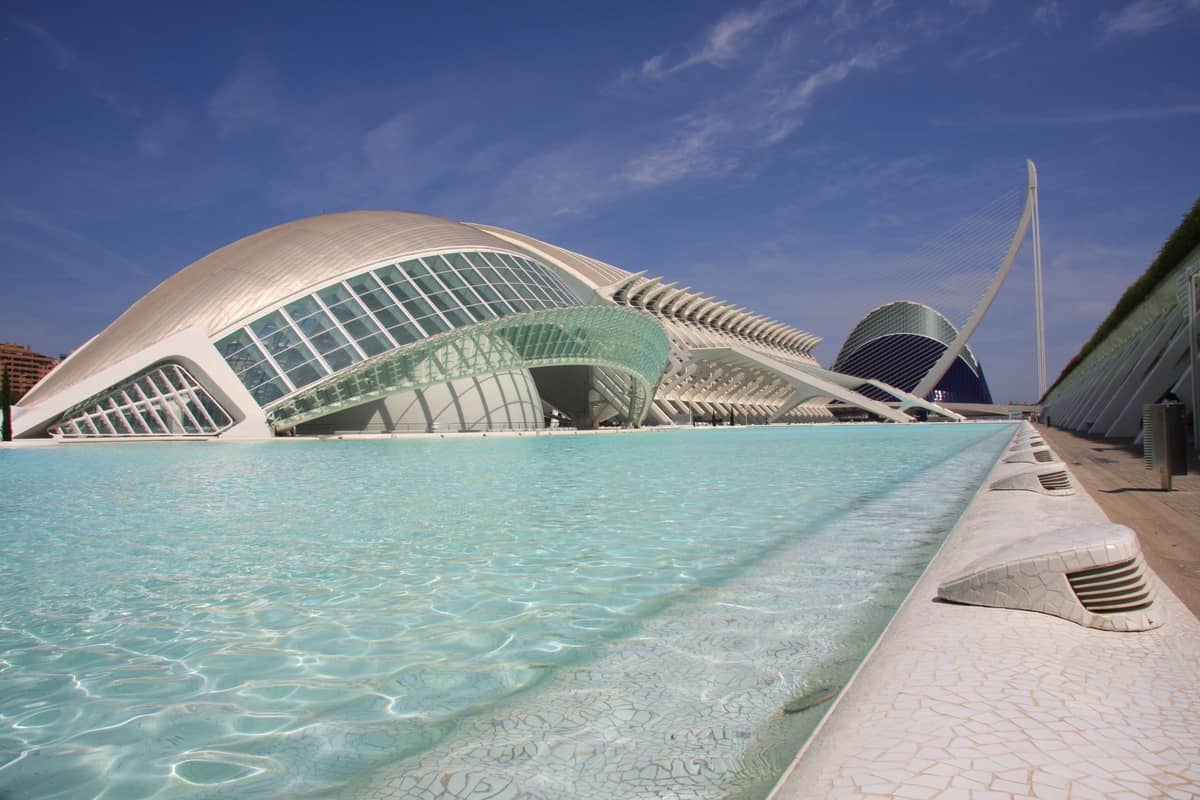
The Ciudad de las Artes y las Ciencias is Valencia's most iconic modern landmark: a complex of futuristic white buildings designed by Santiago Calatrava and Félix Candela, sitting in the former Turia riverbed at the southern end of the park. L'Oceanogràfic (Europe's largest aquarium) and the Museu de les Ciències are the two best individual venues inside the complex. The architecture itself is free to photograph and walk around — not every visitor needs to pay for all the ticketed attractions, especially if museums are not a priority.
The historic centre rewards a full day of wandering. The Valencia Cathedral claims to house the Holy Grail (the cup used at the Last Supper) and is worth a visit for that curiosity alone. The adjacent Basílica de la Virgen de los Desamparados and the Silk Exchange (La Lonja) are within a short walk of each other. The Barrio del Carmen has the best concentration of street art, independent bars, and medieval architecture in the city — plan to spend an evening there.
The Albufera Natural Park, just 15 km south of the city, is where Valencian paella was historically born: a freshwater lagoon surrounded by rice paddies, fishing villages, and wetland ecosystems. It makes an excellent half-day trip. The Albufera day trip guide covers transport options and what to expect.
- Worth the time: Mercado Central (go Tuesday–Saturday morning), La Lonja de la Seda (often empty mid-week), Barrio del Carmen at night, Turia Gardens by bicycle, Albufera lagoon.
- Often overrated for casual visitors: The bullring (Plaza de Toros) is architecturally interesting from outside but the museum inside is narrow in scope. Some City of Arts and Sciences venues charge high entry fees for experiences that are only average by international standards.
- Underrated: IVAM (free on Sundays), Ruzafa neighborhood for lunch and coffee, El Cabanyal for architecture and seafood, Jardín Botánico in spring.
Practical Basics: Getting There, Getting Around, and Staying Safe
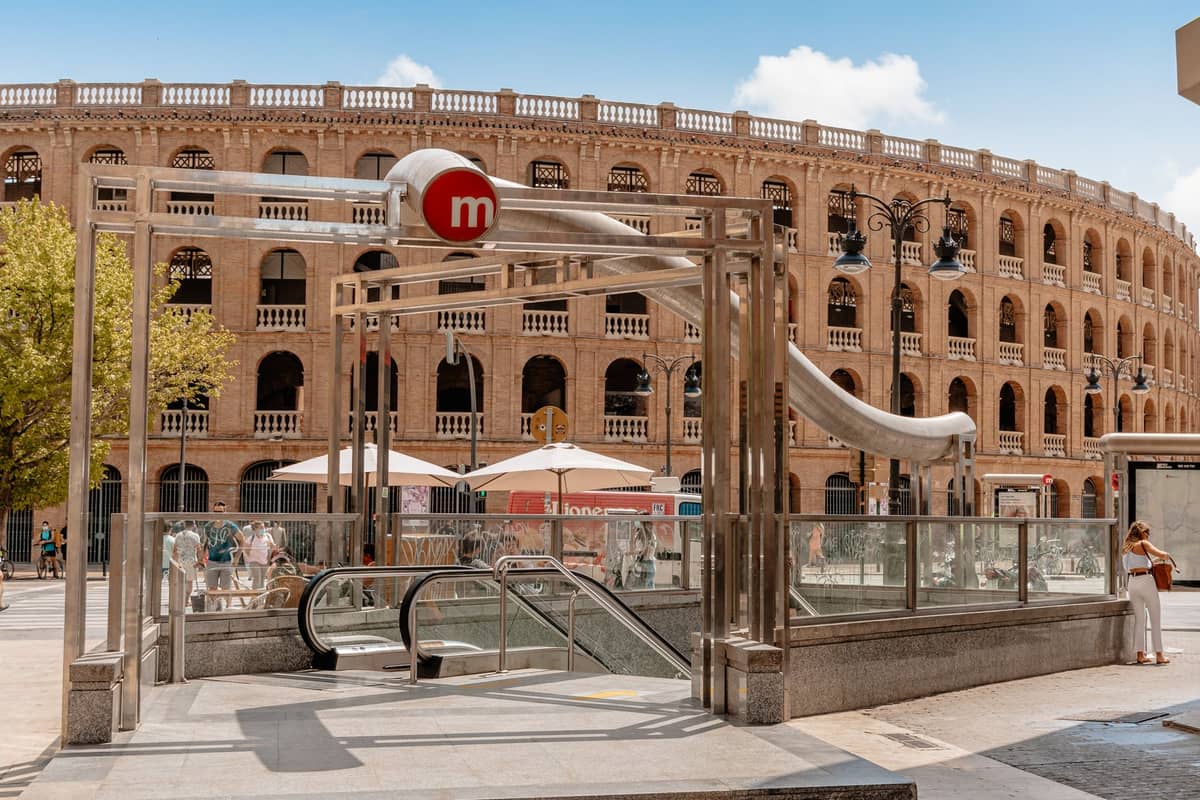
Valencia Airport (VLC/Manises) is served by direct routes from many major European cities, with long-haul and transatlantic connections typically made via hub airports. The metro connection into the city is one of the most straightforward airport transfers in Spain — follow signs for Metrovalencia in the regional terminal, and you will be in the city centre in under 30 minutes. The city centre is also reachable by high-speed AVE train from Madrid (around 1 hour 40 minutes) and by intercity train from Barcelona (around 3 hours 30 minutes to 4 hours depending on service).
Within the city, walking covers most of the historic centre and Ruzafa comfortably. The Turia Gardens make cycling an unusually pleasant option for getting between the old town and the City of Arts and Sciences — the dedicated path is flat, shaded, and entirely car-free. For areas further out (the beaches, El Cabanyal, the Bioparc), the metro and bus network is reliable. Valencia is a generally safe city for tourists; the usual urban precautions apply, particularly in crowded areas around the Mercado Central and major squares. The Valencia safety tips guide covers common issues and how to avoid them.
Spain's emergency number is 112 (police, fire, medical). International calling code is +34, with most Valencia landlines beginning with +34 96. Mains voltage is 230V/50Hz with Type C and F plugs (standard European two-pin). Tap water is potable. Currency is the Euro (EUR). Valencia is in the Schengen Area, so EU/EEA/Swiss nationals need no visa; other nationalities should verify current Schengen entry requirements before travel.
FAQ
Is Valencia worth visiting if I have only 2 days?
Two days is workable but tight. Prioritize the Mercado Central, La Lonja de la Seda, Barrio del Carmen, one stretch of the Turia Gardens, and the Mercado de Colón for coffee. You will not have time for the City of Arts and Sciences and the beach in any depth. Three to five days is the realistic minimum to feel like you have actually seen the city rather than skimmed it.
How does Valencia compare to Barcelona for a holiday?
Valencia is significantly cheaper, noticeably less crowded, and more relaxed in pace. Barcelona has more concentrated world-class architecture (Gaudí) and a larger international cultural scene. Valencia wins on value, food authenticity, and beach proximity to the city centre. If budget matters, Valencia is the stronger choice. If you want maximum cultural density in minimum time, Barcelona edges ahead.
What is the weather like in Valencia?
Valencia has a classic Mediterranean climate: mild winters (around 10–17°C), warm springs and autumns (15–25°C), and hot, dry summers (28–36°C). It averages over 300 sunny days per year. Autumn and late winter see the most rainfall. There is no bad season to visit, though summer midday heat can be intense and July–August brings peak tourist crowds.
Is Valencia expensive compared to other Spanish cities?
No. Valencia is consistently one of the most affordable major cities in Spain. Accommodation, food, and transport all run cheaper than in Madrid or Barcelona. A budget traveler can manage on €50–70 per day including a hostel bed, the menú del día, and public transport. Mid-range travelers spending €120–160 per day will eat and stay very well.
Is Valencia good for a family trip?
Yes, particularly for families with children aged 5 and up. L'Oceanogràfic (Europe's largest aquarium), the Museu de les Ciències with its hands-on exhibits, Gulliver Park in the Turia Gardens (a giant Gulliver sculpture children can climb), and Bioparc Valencia all work well with kids. The beach is calm and accessible. The city's layout — flat, with wide park paths — is also very pushchair-friendly.