Valencia Nightlife: Best Bars, Clubs & Late-Night Areas
Valencia runs later than almost any city in Europe. This guide covers every major nightlife district, the best bars and clubs by area, realistic timing advice, and honest warnings about what not to waste your night on.
Plan and book this trip
Tools from our partner Travelpayouts help you compare flights and hotels. If you book through them, we may earn a commission at no extra cost to you.
Flights
Hotels map
TL;DR
- Valencia nightlife starts late: dinner at 10 p.m., bars until 3:30 a.m., clubs until 7:30 a.m. on weekends.
- The three main zones are El Carmen (historic bars), Ruzafa (cocktails and live music), and the beach-marina area (large clubs and open-air venues).
- Don't arrive at a club before midnight — the floor won't fill until after 2 a.m.
- Summer unlocks rooftop bars and beach clubs; winter concentrates the scene indoors in El Carmen and Ruzafa.
- Night buses (24 EMT lines) run from 22:00 onward, so getting home without a taxi is genuinely practical.
Understanding Valencia's Nightlife Timeline
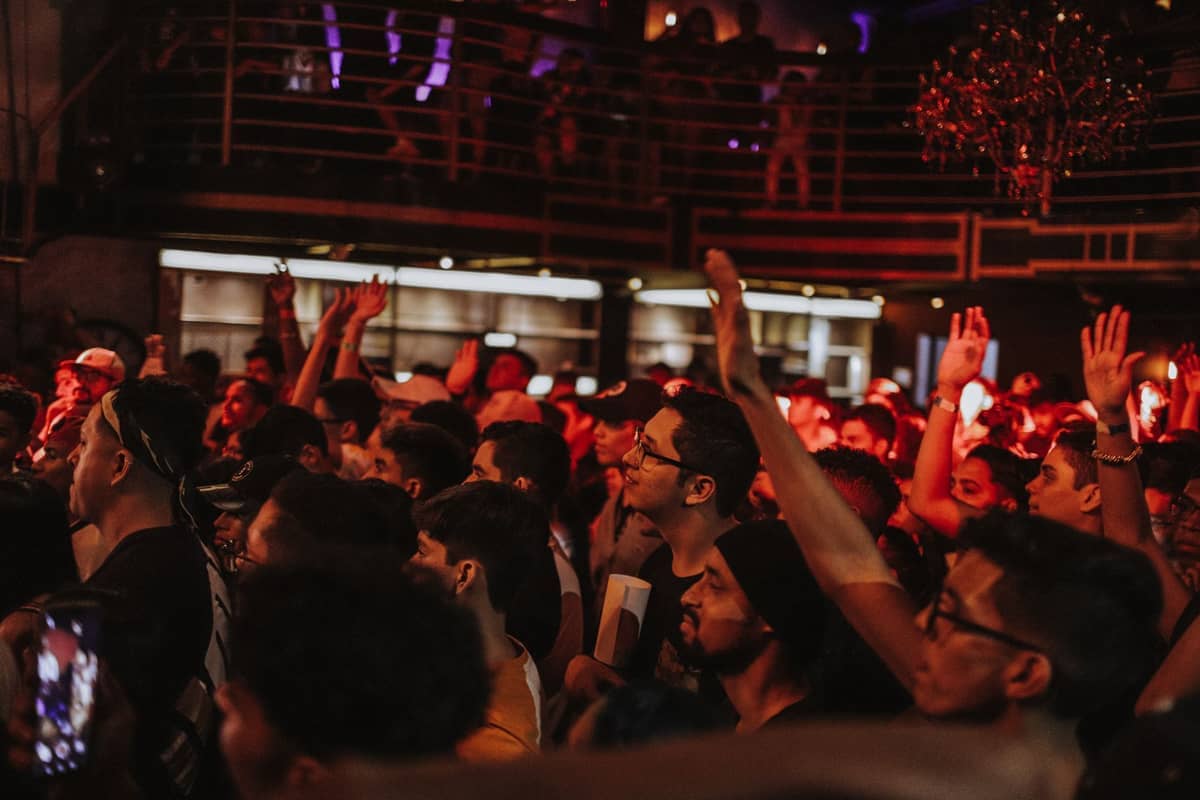
Valencia nightlife does not follow Northern European rhythms. Locals eat dinner between 9 p.m. and 11 p.m., begin pre-drinks (known locally as 'botellón' or outdoor group drinking with shop-bought alcohol) around midnight, and head to clubs after 1:30 a.m. If you walk into a club at 11 p.m., you will be standing in an empty room with the staff. This is not an exaggeration — it is simply how the city works.
On weekends, bars are licensed to operate until 3:30 a.m. and clubs until 7:30 a.m. The sweet spot for clubs is roughly 2 a.m. to 5 a.m. Weekday nights, particularly Thursday, have a strong student and local scene in Ruzafa and El Carmen, but on shorter hours. If you have only one night in Valencia, make it a Friday or Saturday.
⚠️ What to skip
Do not judge a Valencia club by how empty it looks at midnight. The city operates on a shifted schedule, and arriving early just means paying the same entry for an empty dance floor. Aim to arrive at clubs between 1:30 a.m. and 2:30 a.m.
El Carmen: Historic Core, Dive Bars, and Late-Night Staples
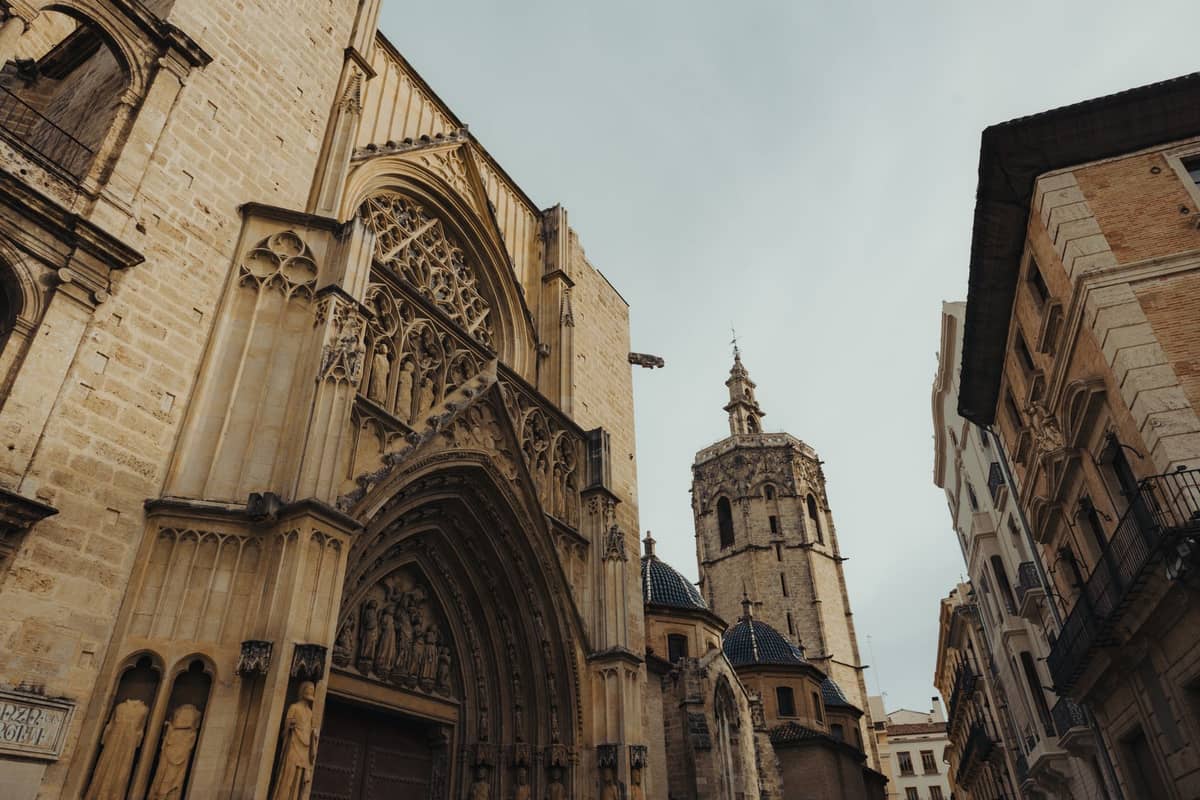
El Carmen, the medieval quarter within the historic centre of Valencia, is the oldest and most atmospheric nightlife zone in the city. Narrow stone streets, Gothic doorways, and centuries-old buildings make it feel unlike anywhere else for a night out in Spain. The drinking culture here is less about glamour and more about character.
The area runs on small bars, indie music venues, and a few cult classics that have been operating for decades. Café de las Horas, on Carrer del Comte d'Almodóvar, is repeatedly cited as one of the most distinctive bars in the city — ornate, candlelit, and known for its 'Agua de Valencia' (a local cocktail of cava, orange juice, vodka, and gin). Radio City on Carrer de Santa Teresa mixes live music, DJs, and a reliably mixed crowd. These are not tourist traps; they are genuinely embedded in Valencia's social fabric.
El Carmen is the right choice if you want to bar-hop through multiple places in one evening without needing transport between them. Everything is within walking distance. It can get crowded near the Torres de Quart and Torres de Serranos on warm weekend nights, especially in summer when people spill onto the streets. If you prefer something quieter, head slightly east toward Plaza del Tossal, where the bars are less densely packed.
💡 Local tip
Agua de Valencia is the local cocktail you should try at least once. It was invented in Valencia and tastes much stronger than it looks. Ask for it at Café de las Horas or any bar in El Carmen — prices typically range from around 5 to 8 euros per glass.
Ruzafa: The Cocktail Bar District
RuzafaRuzafa has gone through a significant transformation over the past fifteen years and now functions as Valencia's answer to a creative, mid-range nightlife district — not as polished as the marina clubs, not as rough-around-the-edges as El Carmen. The neighbourhood sits just south of the train station and is compact enough to walk end-to-end in under twenty minutes.
Cocktail bars dominate here, with a focus on quality spirits and original recipes. Carrer de Cádiz and the streets immediately around it concentrate the most-visited spots. There are also several live music venues hosting jazz, electronic, and indie acts on Thursday and Friday nights. The crowd in Ruzafa skews slightly older than El Carmen — more mid-twenties to mid-thirties, fewer students, more working professionals and creative types.
Ruzafa is the best area if you want a full evening in one neighbourhood: dinner at one of its many restaurants, cocktails at a bar, and occasional live music — all without crossing the city. It is also significantly less noisy than El Carmen on the street level, which some people appreciate and others find less exciting. By around 2 a.m., many Ruzafa bars start to thin out as the crowd moves toward the marina or the larger clubs.
Marina and Beach Area: Large Clubs and Open-Air Venues
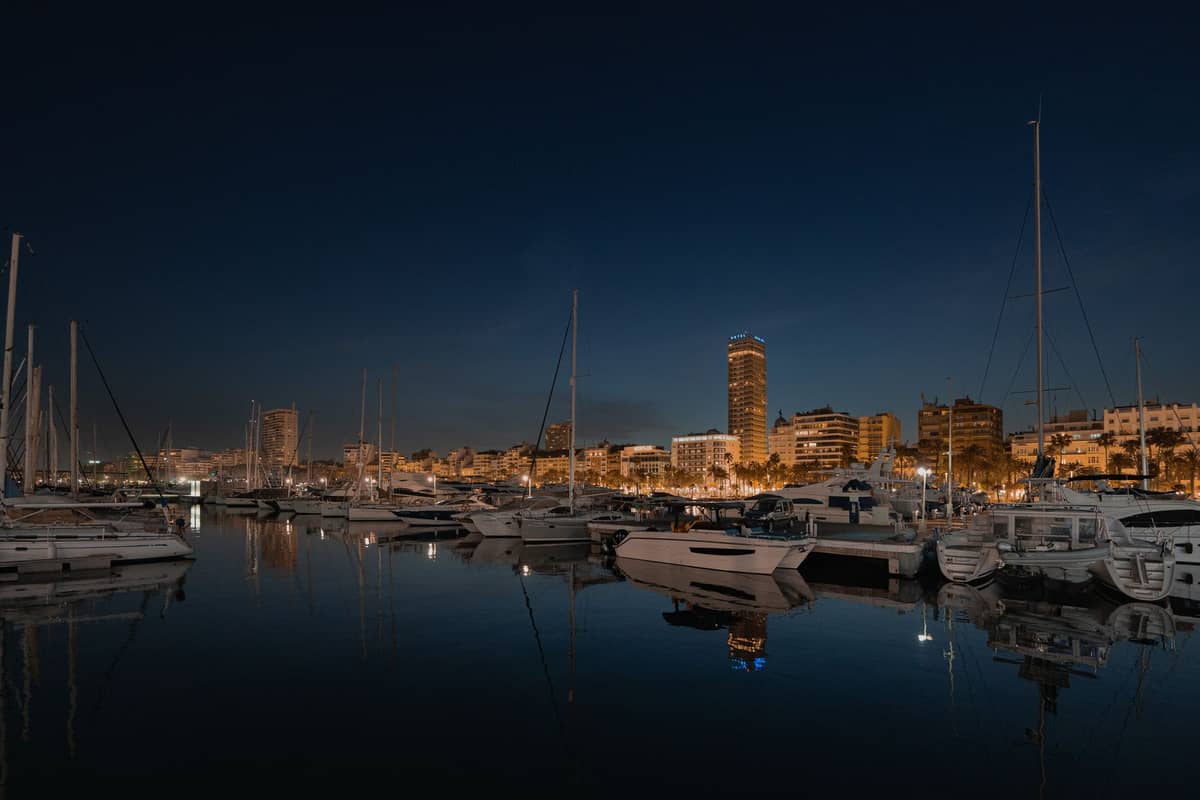
The area around the Marina de Valencia and the beaches at Playa de la Malvarrosa hosts Valencia's biggest clubs and most commercial nightlife. This is where you go for large dance floors, international DJs, and the kind of venue that can hold several hundred people.
Marina Beach Club is the most well-known of these, operating as an open-air venue in summer with a pool and sea views. Mya Club operates Friday through Sunday from late evening until the early morning and attracts a mixed local and international crowd. The Umbracle Terraza, adjacent to the City of Arts and Sciences, opens on selected nights and has one of the more dramatic settings in Valencia — surrounded by the architecture of the arts complex.
This area is worth the trip if you want scale and production quality. The trade-off is that it feels less authentically local than El Carmen or Ruzafa — the crowd includes more tourists and the prices reflect it. Entry fees at the larger clubs typically range from 10 to 20 euros and often include a first drink. Getting there from the centre is straightforward via night bus or a short taxi ride. In summer, the proximity to the beach means the evening can transition from a rooftop bar to a club without feeling like a disruption. See also: Valencia in summer for how the beach club calendar opens up between June and September.
✨ Pro tip
For the Umbracle Terraza, booking in advance online is strongly recommended on peak weekends — the outdoor terrace has limited capacity and queues can be long after midnight. Check the venue's own channels for special event nights, as pricing and hours can vary.
Venue Highlights: What's Worth Your Time
- Café de las Horas (El Carmen) Baroque interior, is famous for serving Agua de Valencia (the cocktail was invented in 1959 at Café Madrid), open from evening until late. One of Valencia's most genuinely distinctive bars — not a gimmick.
- Radio City (El Carmen) Live music and DJs on Calle Santa Teresa. One of the city's oldest alternative venues, with a diverse crowd and no dress code pretension.
- La3 (El Carmen / Barrio del Carmen area) Smaller club with a strong reputation for electronic music and a loyal local following. Gets busy after 2 a.m.
- Umbracle Terraza (City of Arts and Sciences) Open-air terrace club set within the Umbracle garden structure. Hours: Thursday 8:30 p.m.–2 a.m., Friday–Saturday 9 p.m.–3 a.m., Sunday 7 p.m.–11 p.m. Dramatic architecture, strong cocktail list.
- Mya Club (Marina) Friday–Sunday, 6 p.m.–3:30 a.m. Commercial club with international DJs, popular with a mixed local-tourist crowd.
- Marina Beach Club (Beach area) Summer-only open-air club with pool and sea views. Peak season is July and August; it is effectively closed or runs reduced programming in winter.
Seasonal Differences and What Changes Month to Month
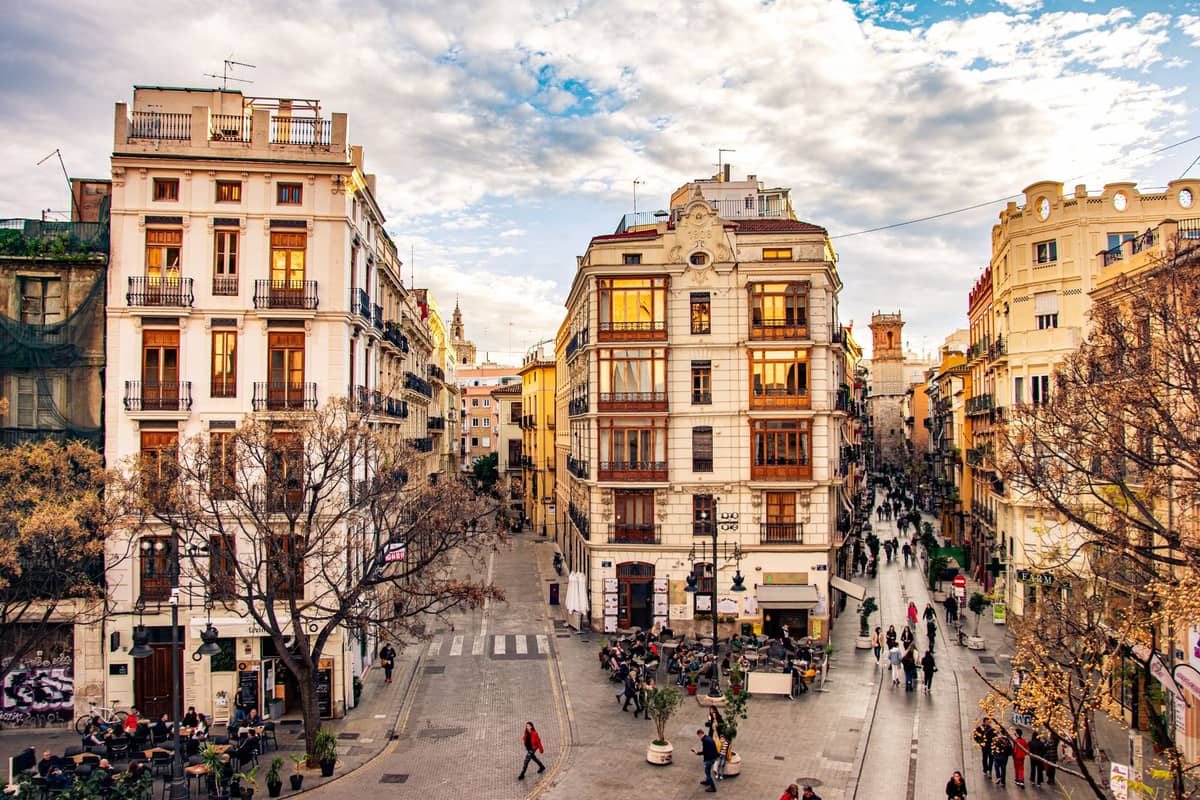
Valencia's Mediterranean climate means nightlife changes shape significantly across the year. Summer (June through September) is when the open-air and beach venues come fully alive. Marina Beach Club, rooftop bars throughout the city, and seafront terraces operate at maximum capacity. Nights are warm enough to stay outside until sunrise without a jacket, which fundamentally changes how people move through the city.
In winter, the scene consolidates. El Carmen and Ruzafa absorb most of the activity, and indoor venues with good sound systems and no outdoor exposure stay consistently busy from October through April. March brings Las Fallas, the city's largest festival, and nightlife during that week operates at an entirely different scale — street parties, open-air stages, and bars serving until dawn across the entire city. If you visit during Las Fallas, normal nightlife rules do not apply.
- January–February: quieter, concentrated in Ruzafa and El Carmen; good for smaller live music venues
- March (Las Fallas): citywide street parties, bars and outdoor stages everywhere, maximum energy
- April–May: warming up, terraces begin opening, student end-of-year energy builds
- June–September: beach clubs and rooftop bars fully open, highest tourist density at the marina
- October–November: locals reclaim the city, quality-over-quantity atmosphere in Ruzafa
- December: Christmas markets add early evening activity, but late-night scene stays focused on El Carmen and Ruzafa
Getting Around Valencia at Night
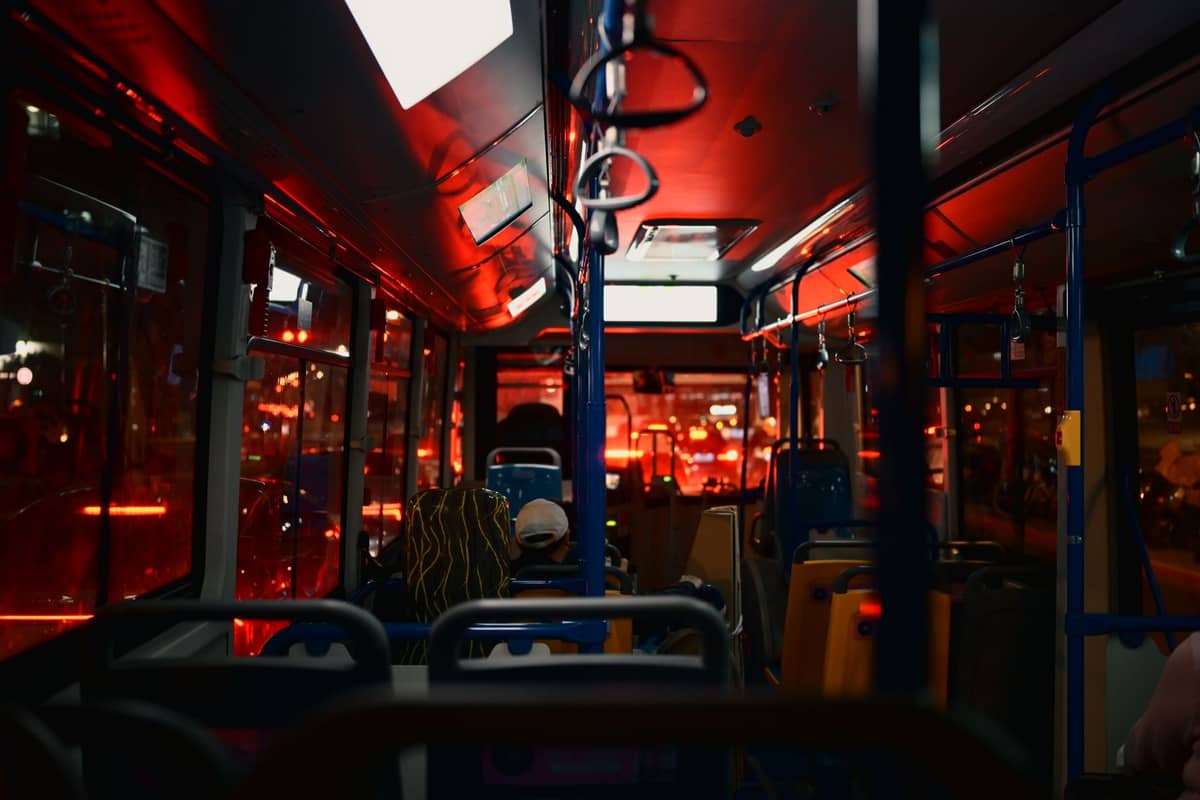
Valencia's night bus network is genuinely useful and underused by visitors. From 22:00 onward, 24 night bus lines (including lines C3, 4, 7, 8, 9, 10, 14, 16, 19, 24, 25, 26, 27, 28, 60, 62, 64, 67, 70, 72, 73, 81, 93, and 99) cover every major neighbourhood. The metro operates until around 23:30 on weekdays and until approximately 00:30 on weekends, which means it does not serve the later part of the night. For journeys after 1 a.m., your options are night buses or taxis.
Taxis are readily available at ranks near the marina, the City of Arts and Sciences, and Plaza del Ayuntamiento. Ride-hailing apps also operate in Valencia — verify current availability before your trip as local regulations can shift. If you are staying near El Carmen or Ruzafa, many venues are walkable from each other and from centrally located accommodation. The beach club area is a 4–5 km trip from the historic centre, so factor in transport time if you are planning to combine both zones in one night.
ℹ️ Good to know
Valencia's city buses (EMT Valencia) use a rechargeable card called the 'bonobús' for discounted fares, but single-journey tickets are available on the bus. Night buses use the same fare structure as daytime routes. Always verify current prices on the EMT Valencia website before your trip.
FAQ
What time does nightlife start in Valencia?
Later than almost anywhere in Northern Europe. Locals have dinner between 9 p.m. and 11 p.m., start pre-drinks around midnight, and arrive at clubs between 1:30 a.m. and 2:30 a.m. Clubs stay open until 7:30 a.m. on weekends, and the busiest hours are typically between 2 a.m. and 5 a.m.
What is the best nightlife area in Valencia?
It depends on what you want. El Carmen (Barrio del Carmen) is best for atmospheric bars in a historic setting. Ruzafa is better for cocktail bars and a slightly older, more relaxed crowd. The marina and beach area suits people who want large clubs, international DJs, and open-air venues — especially in summer.
How much does it cost to get into clubs in Valencia?
Entry fees at larger clubs typically range from around 10 to 20 euros and often include a first drink. Smaller bars and venues in El Carmen and Ruzafa usually have no cover charge. Drink prices in bars average 4–8 euros; cocktails in Ruzafa run 8–12 euros.
Is Valencia nightlife good in winter?
Yes, though it concentrates into fewer venues. El Carmen and Ruzafa remain active year-round, and the absence of tourist crowds in winter often makes the scene feel more authentic. The beach clubs and open-air venues are closed or operating at minimal capacity from October through May.
How do I get home after a night out in Valencia?
Night buses run from 22:00 on 24 lines covering the entire city. The metro closes around midnight to 00:30 on weekends, so it won't serve you in the early hours. Taxis are available at designated ranks near major nightlife areas. From the marina to the historic centre, a taxi typically takes 10–15 minutes depending on traffic.