Shopping in Valencia: Best Markets, Streets & Malls
Valencia rewards shoppers at every level — centuries-old food markets, independent boutiques in converted Art Nouveau buildings, dedicated high-street corridors, and modern malls. This guide covers every format, with honest assessments of what's worth your time and what to skip.
Plan and book this trip
Tools from our partner Travelpayouts help you compare flights and hotels. If you book through them, we may earn a commission at no extra cost to you.
Flights
Hotels map
TL;DR
- Calle Colón is Valencia's main high-street shopping corridor; pair it with the elegant Mercado de Colón nearby for a complete afternoon.
- Mercado Central is open Monday to Saturday, 7:00–15:00 — arrive before 11:00 to avoid queues and get the best produce.
- For independent fashion, ceramics, and vintage finds, Ruzafa and Barrio del Carmen are the two neighbourhoods that matter most.
- Most smaller shops in Valencia close for a midday break (roughly 14:00–17:00); larger stores and chains usually stay open continuously.
- El Saler and Aqua Multiespacio are the most practical malls — both are close to the City of Arts and Sciences and easy to reach by public transport.
How Shopping in Valencia Actually Works
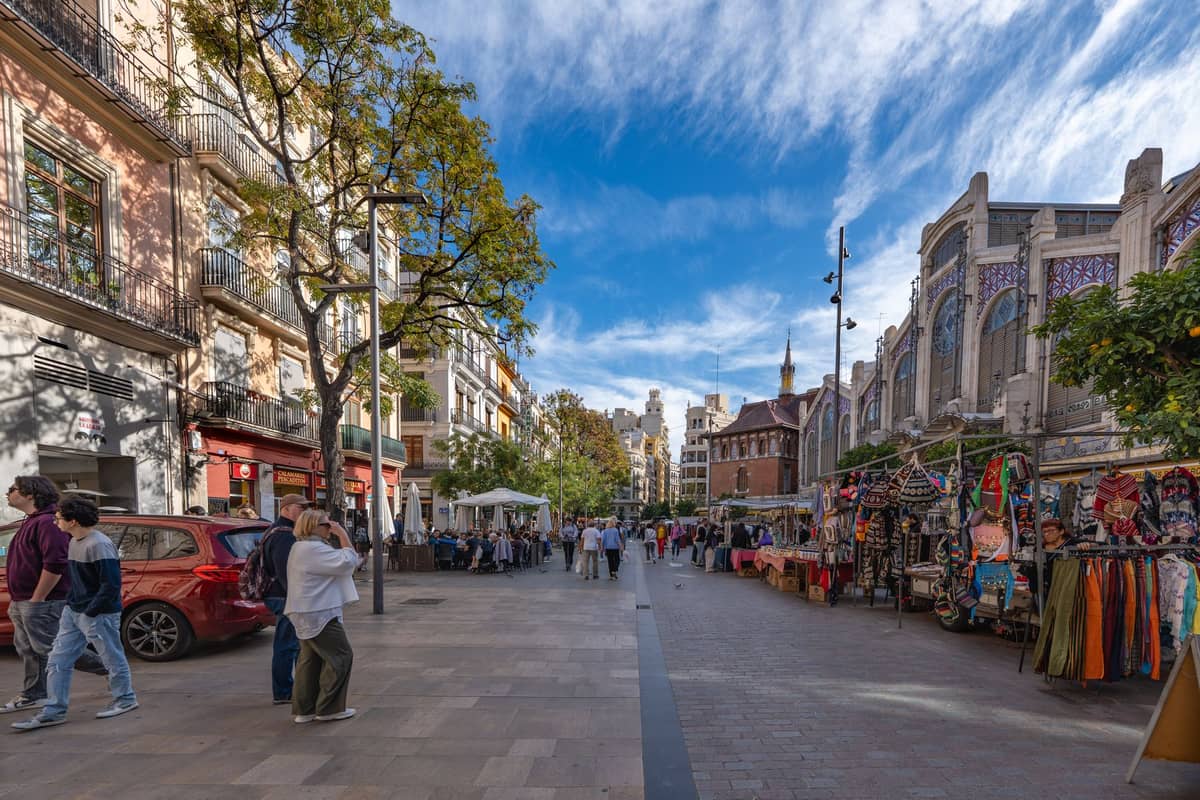
Shopping in Valencia follows rhythms that differ noticeably from northern European or North American norms. Many independent and family-run shops still operate on a split schedule: open from roughly 10:00 to 14:00, closed for the afternoon, then back open from 17:00 to 20:30 or 21:00. On Saturdays, afternoon hours are shorter and some close entirely after lunch. Sundays are quiet for retail — most non-food shops are shut, with the main exceptions being the mall chains and occasional market stalls.
Large national chains, department stores, and shopping centres generally ignore the split-day schedule and trade continuously from around 10:00 to 21:00. Tourist-facing shops in the historic centre also tend to stay open through the afternoon. If you are targeting independent boutiques or specialist food shops, plan your visit for a morning or early evening slot.
💡 Local tip
General shopping hours across Spain (including Valencia) are roughly Monday to Saturday, 10:00–21:00 for larger stores. But verify individual shops before making a special trip — hours shift around public holidays and during August when some businesses reduce schedules.
Valencia uses the euro (EUR). Card payment is widely accepted in malls and larger shops; smaller market stalls and independent traders often prefer cash. Prices are generally lower than Madrid or Barcelona for comparable goods, which makes Valencia worth taking seriously for ceramics, local food products, and Spanish fashion brands.
The Food Markets: Where Locals Actually Shop
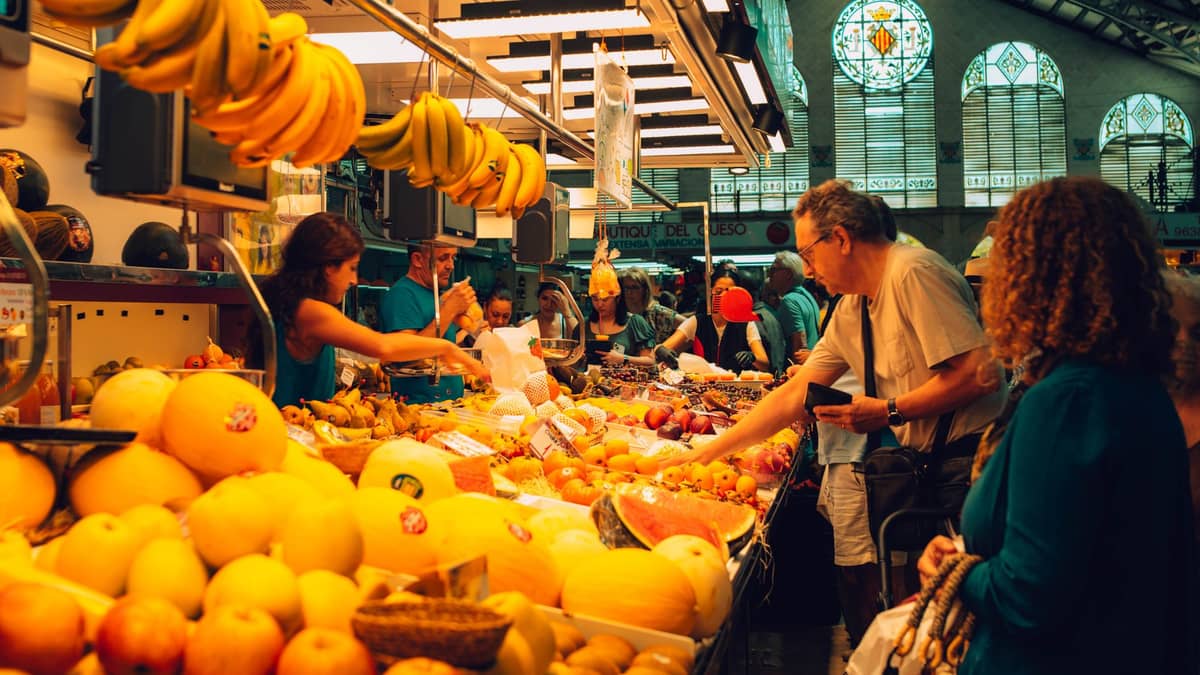
The Mercado Central is Valencia's most photographed market, and with good reason. The 1928 Art Nouveau building covers over 8,000 square metres and houses around 300 stalls selling fresh produce, seafood, meat, charcuterie, cheese, and local specialities. It is open Monday to Saturday, 7:30–15:00, and closed on Sundays. One common misconception is worth clearing up: this is purely a food market. There are no clothing stalls or souvenir vendors inside. What you will find is some of the freshest saffron, smoked paprika, dried peppers, and local citrus in the city — all at prices significantly below what you would pay in a supermarket or tourist shop.
⚠️ What to skip
Mercado Central gets extremely crowded on Saturday mornings, particularly between 10:00 and 13:00. If you want to browse without the pressure, aim for a Tuesday or Wednesday before 10:30. The market closes at 15:00 sharp — late arrivals find many stalls already packing down by 14:30.
The Mercado de Colón offers a very different experience. The 1916 building, with its ornate iron-and-tile facade, was restored and converted into an upmarket food hall and café space. It is less useful for raw grocery shopping and more suited to brunch, artisan food brands, wine shops, and occasional pop-up stalls. Located on Calle de Jorge Juan, it sits right in the Eixample neighbourhood, making it a natural stop on any route down Calle Colón.
For a more local market with less tourist foot traffic, the Mercado de Ruzafa in the Ruzafa neighbourhood is the practical choice. It serves the local residential community and stocks fresh fruit, vegetables, fish, and meat. It has none of the architectural drama of Mercado Central, but it gives a more accurate picture of daily Valencian life. Open Monday to Saturday mornings.
The High Street: Calle Colón and the Eixample Grid
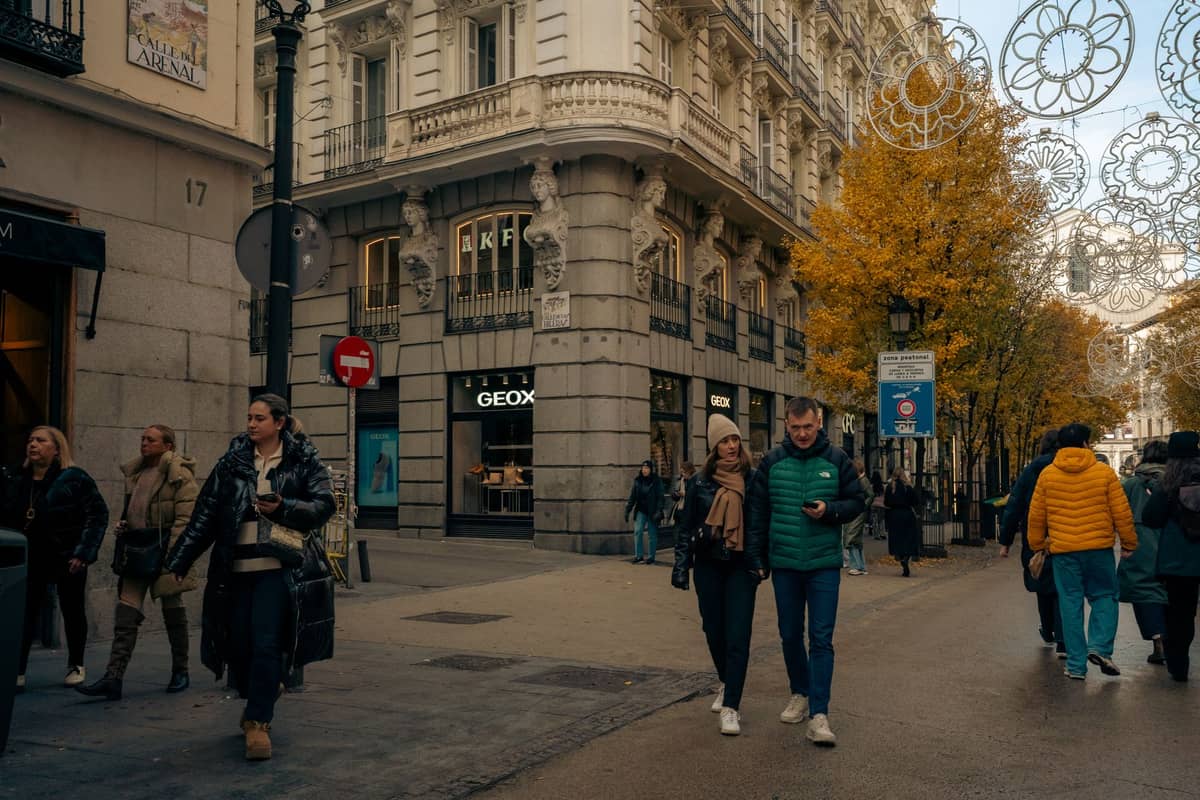
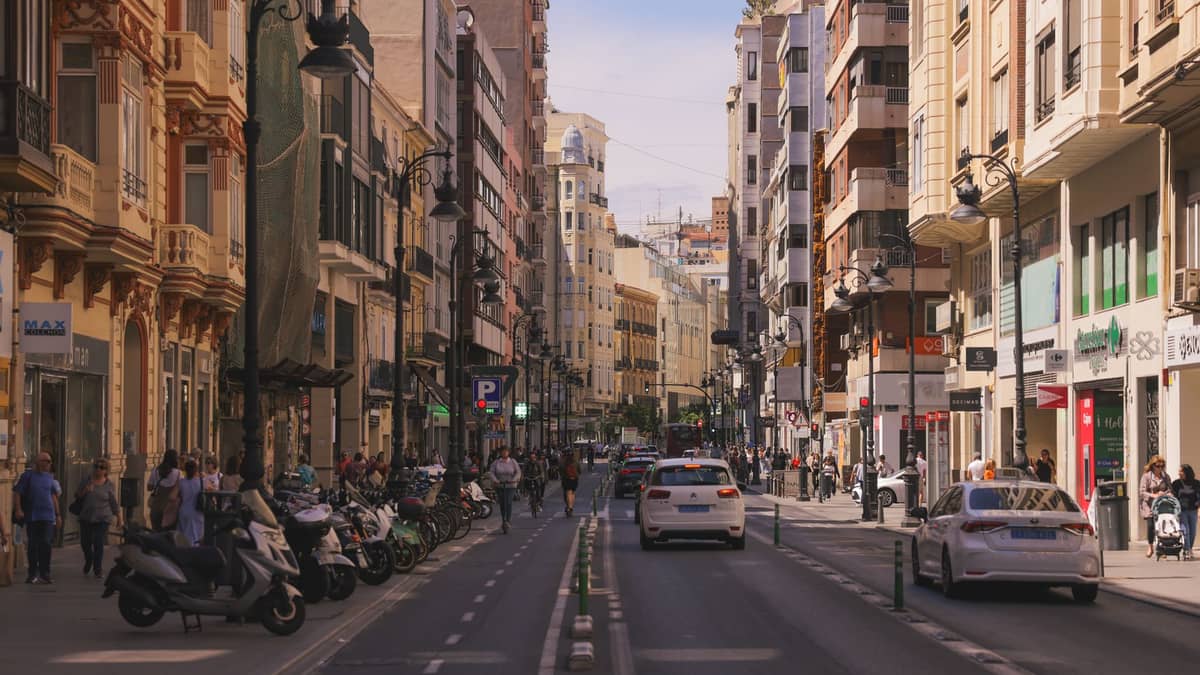
Calle Colón is Valencia's main axis for high-street shopping. The street runs through the Eixample district and concentrates the Spanish and international chains that most visitors will recognise: Zara, Massimo Dutti, El Corte Inglés (the Spanish department store anchor), Mango, and comparable brands. The pedestrianised stretches make browsing straightforward. It connects naturally with Calle Poeta Querol and the surrounding grid, which adds more mid-range fashion, footwear, and accessories.
The El Corte Inglés on Calle Colón deserves a specific mention for practical reasons. Its basement food hall is one of the better places in the city to pick up packaged Valencian food products — horchata mixes, turron, local rice varieties, and wines — in a single stop. The store's ground floor also carries a reliable range of Spanish cosmetics and pharmacy products at slightly better prices than airport equivalents.
- Calle Colón Core high-street corridor with Spanish chains, international brands, and El Corte Inglés. Best for mainstream fashion and packaged food gifts.
- Calle Poeta Querol Quieter extension with independent footwear shops and mid-range fashion. Less crowded than Colón itself.
- Plaza Redonda Circular plaza in the historic centre selling handicrafts, ceramics, and local souvenirs. A Sunday collectors' market also operates in the surrounding streets.
- Calle de la Paz Connects the historic centre to the Eixample and hosts a mix of jewellery, opticians, and specialist shops alongside cafes.
Neighbourhood Shopping: Ruzafa, El Carmen, and Cabanyal
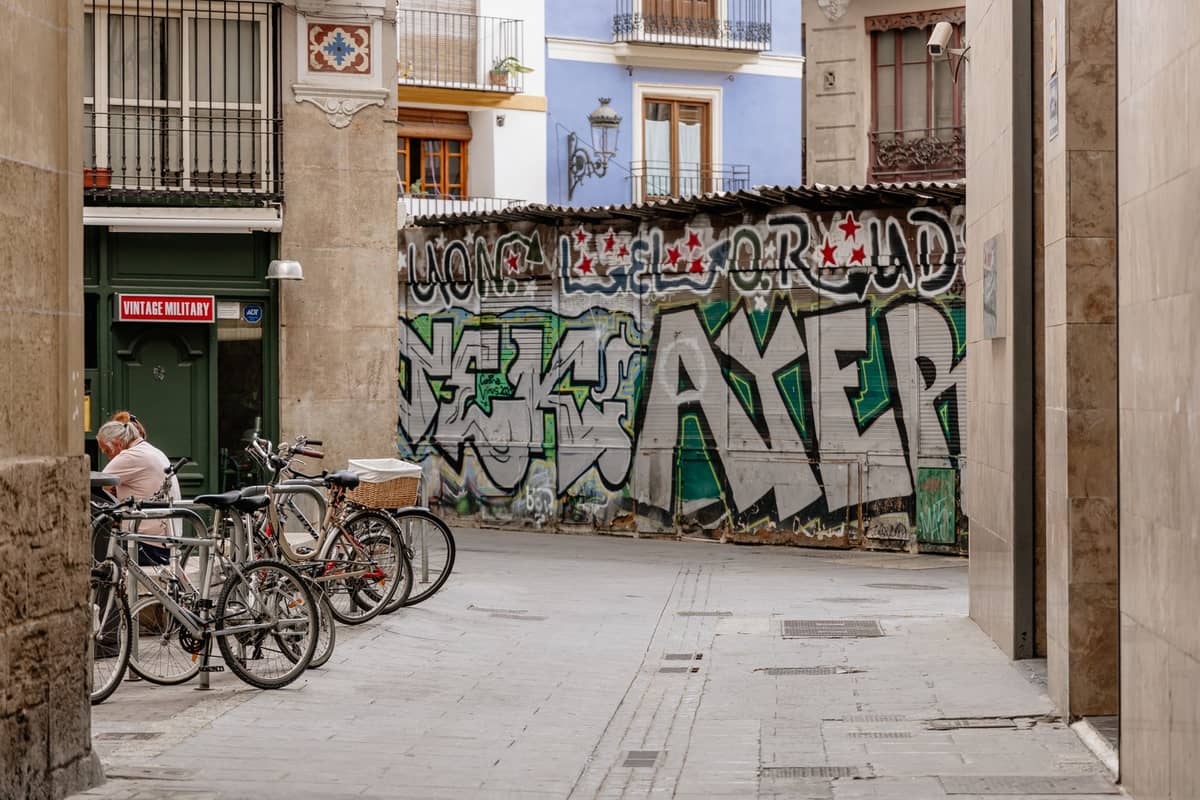
If the high street is for international brands, the neighbourhoods are where Valencia's independent retail lives. Ruzafa has evolved over the past decade into the city's most interesting area for independent boutiques, vintage shops, design stores, and concept spaces. The streets around Calle de Dénia and Calle Cádiz have the highest concentration. Expect locally designed clothing, ceramics, artisan food products, and small galleries. Prices are honest rather than inflated for tourists.
The Barrio del Carmen in the historic centre is older and more atmospheric, with antique shops, second-hand bookshops, and occasional craft stalls weaving between medieval architecture and street art. It rewards slow exploration more than targeted shopping. Note that quality varies widely here — some shops are genuinely interesting, others are pure tourist merchandise with little connection to Valencia.
The El Cabanyal neighbourhood near the beach is undergoing gradual regeneration and has attracted a small but growing cluster of artist studios, ceramics workshops, and independent concept stores. It is worth an afternoon visit combined with the beach, but should not be the primary shopping destination unless you are specifically interested in the area's art scene.
✨ Pro tip
In Ruzafa, Thursday and Friday evenings are when most boutiques stay open late and the neighbourhood is most active. If you have limited time, a Thursday evening in Ruzafa covers shopping, street food, and the neighbourhood's bar scene in a single outing.
Malls and Shopping Centres: When You Need Everything Under One Roof
Valencia has several large shopping centres that serve residents and visitors looking for a full range of retail, dining, and entertainment options in one location. They are not architecturally interesting, but they are practical — particularly if the weather is unpleasant or you need specific items efficiently.
- El Saler The largest mall near the City of Arts and Sciences, with over 130 shops including Primark, H&M, and Leroy Merlin, plus a Carrefour hypermarket. Practical for bulk purchases and everyday items. Easily reached by bus or metro.
- Aqua Multiespacio A smaller, slightly more curated mall adjacent to the City of Arts and Sciences complex. Better for an afternoon browsing session, with some restaurant options and a cinema. Popular with younger local shoppers.
- Arena Multiespacio Near the beach and port area, with a mix of fashion, electronics, and food court options. Less atmospheric but convenient if you are already at the waterfront.
- CC Bonaire Larger out-of-town mall west of the centre, better suited to visitors with a car. Has the most comprehensive range of Spanish mid-market chains under one roof.
Specialist and Seasonal Markets Worth Knowing
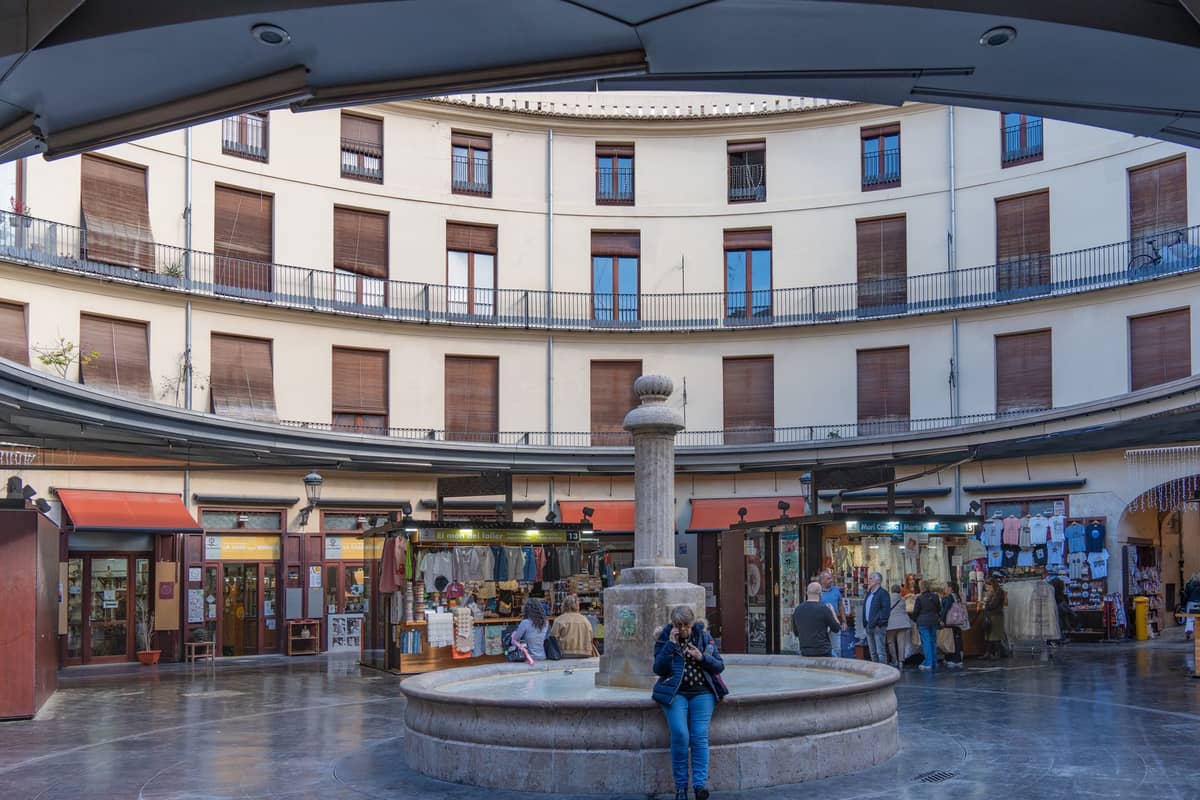
Beyond the permanent food markets, Valencia runs a calendar of specialist and seasonal markets that catch most visitors off guard because they are not heavily advertised in English-language travel content. Plaza Redonda, the circular plaza near Mercado Central in the historic centre, is close to a Sunday collectors' market in the surrounding streets where stamps, coins, antiques, and vintage items change hands. It is small but authentic.
From May to September, the Mercadillo Paseo Marítimo operates along the seafront promenade, running until around 18:00 on summer evenings. It combines crafts, clothing, and accessories with a beach-town atmosphere. Quality is mixed, but it makes for a pleasant browse before dinner if you are staying near Malvarrosa or Las Arenas beach.
During the Las Fallas festival in March, temporary market stalls appear throughout the city selling festivity-related items — firecrackers, traditional sweets, flowers, and regional crafts. It is one of the most concentrated periods for picking up genuinely local souvenirs. See the Las Fallas guide for timing and logistics.
- Horchata and fartons (the traditional accompaniment) make excellent packaged gifts — look for branded versions at Mercado Central or specialist horchatería shops in the city centre.
- Valencian ceramics with traditional blue-and-white patterns are the most distinctive regional craft; the best selection is at Plaza Redonda and specialist shops in El Carmen.
- Local rice varieties (Bomba and Senia) and saffron from La Mancha are worth buying at Mercado Central — prices are lower than at home and quality is traceable.
- Valencia CF merchandise is widely available around Mestalla stadium and in the city centre for football-focused visitors.
ℹ️ Good to know
Valencia is well known for its oranges, and while the city is surrounded by orange groves, you will not find 'Valencia oranges' branded as a retail product in supermarkets the way you might expect. Fresh oranges are sold at Mercado Central and local greengrocers — the season runs roughly November to April for the classic varieties.
For practical context on getting between shopping areas, the Valencia transport guide covers metro, bus, and cycling routes across the city. Most of the key shopping zones — Calle Colón, Mercado Central, Ruzafa — are within walking distance of each other, but the malls near the City of Arts and Sciences require a bus or metro leg from the historic centre.
FAQ
What is the best market in Valencia for food souvenirs?
Mercado Central is the most comprehensive option for food souvenirs — saffron, rice, smoked paprika, local charcuterie, and turron are all available from the stalls inside. It is open Monday to Saturday, 7:00–15:00. Arrive before 11:00 on weekdays for the best experience. The El Corte Inglés food basement on Calle Colón is a useful backup for packaged goods if the market is closed.
When do shops close in Valencia — do they still close for siesta?
Many independent shops still observe a midday break from roughly 14:00 to 17:00, particularly outside the main tourist areas. Large chains, department stores, and shopping malls generally stay open continuously from around 10:00 to 21:00. On Sundays, most non-food retail is closed except for mall chains and market stalls.
Where should I shop in Valencia if I want to avoid tourist traps?
Ruzafa is the best neighbourhood for independent shopping without tourist markup — boutiques, vintage shops, and ceramics studios here cater primarily to local residents. Mercado de Ruzafa is also a more authentic food market than Mercado Central for everyday produce. Barrio del Carmen has some genuinely interesting antique and craft shops, but requires more selectivity as tourist merchandise is mixed in throughout.
Are there any good shopping areas near the City of Arts and Sciences?
El Saler and Aqua Multiespacio are both located close to the City of Arts and Sciences and cover most practical retail needs. El Saler is the larger of the two with over 130 shops and a Carrefour hypermarket. Neither is architecturally interesting, but both are convenient if you are combining shopping with a visit to the science complex or L'Oceanogràfic.
What should I buy in Valencia as a unique local souvenir?
The most distinctively Valencian options are: traditional ceramics with blue-and-white patterns (best found at Plaza Redonda and specialist shops in El Carmen), locally grown saffron and Bomba rice from Mercado Central, horchata in packaged form from specialist shops near the market, and handmade fans (abanicos) from established fan shops in the historic centre. Avoid generic 'Spain' branded items — they are rarely made locally.