One Week in Valencia: The Complete 7-Day Itinerary
Seven days is the ideal amount of time to see Valencia properly. This itinerary covers the medieval Old Town, Calatrava's futuristic City of Arts and Sciences, Albufera Natural Park, the best beaches, and Ruzafa's food scene — with practical logistics, honest timing, and no filler.
Plan and book this trip
Tools from our partner Travelpayouts help you compare flights and hotels. If you book through them, we may earn a commission at no extra cost to you.
Flights
Hotels map
TL;DR
- One week in Valencia is enough to cover the historic centre, City of Arts and Sciences, beaches, and at least one day trip — without rushing.
- The city splits naturally into walkable zones: the historic centre, the Turia Garden corridor, the seafront, and the Ruzafa district — each worth a dedicated half-day or full day.
- March to June and September to November offer the best balance of weather and crowds. Summer works well for beaches but expect higher prices and heat.
- A Valenbisi weekly bike pass (around €13.30) is the smartest transport decision you can make — the Turia Garden runs 9 km through the city and connects almost everything.
- Save traditional paella for Albufera Natural Park, not the tourist-facing beach restaurants along Malvarrosa.
How to Structure Your Week
Valencia rewards slow exploration more than tick-box tourism. The city's major draws are spread across distinct zones, so the smartest approach is to anchor each day to a neighbourhood rather than criss-crossing the city. Days 1 to 3 focus on the historic core and its immediate surroundings. Days 4 and 5 shift to the waterfront, City of Arts and Sciences, and Ruzafa. Days 6 and 7 are best used for day trips and any loose ends.
The city covers around 135 km², but the areas visitors care about are far more compact. Most of the Old Town and Ruzafa are walkable from each other in under 20 minutes. The City of Arts and Sciences sits about 2 km from the historic centre along the Turia Garden — a flat, car-free path that makes cycling the obvious choice. Getting around Valencia on a bike genuinely changes the experience: distances that feel awkward by foot become effortless.
💡 Local tip
Buy a Valenbisi weekly pass (around €13.30) on day one. Pick up the bike at any station and drop it at any other. Journeys under 30 minutes are free with the pass, which covers nearly every urban trip you'll make. Top up credit only if you plan long rides along the full Turia Garden length.
Days 1–2: The Historic Centre
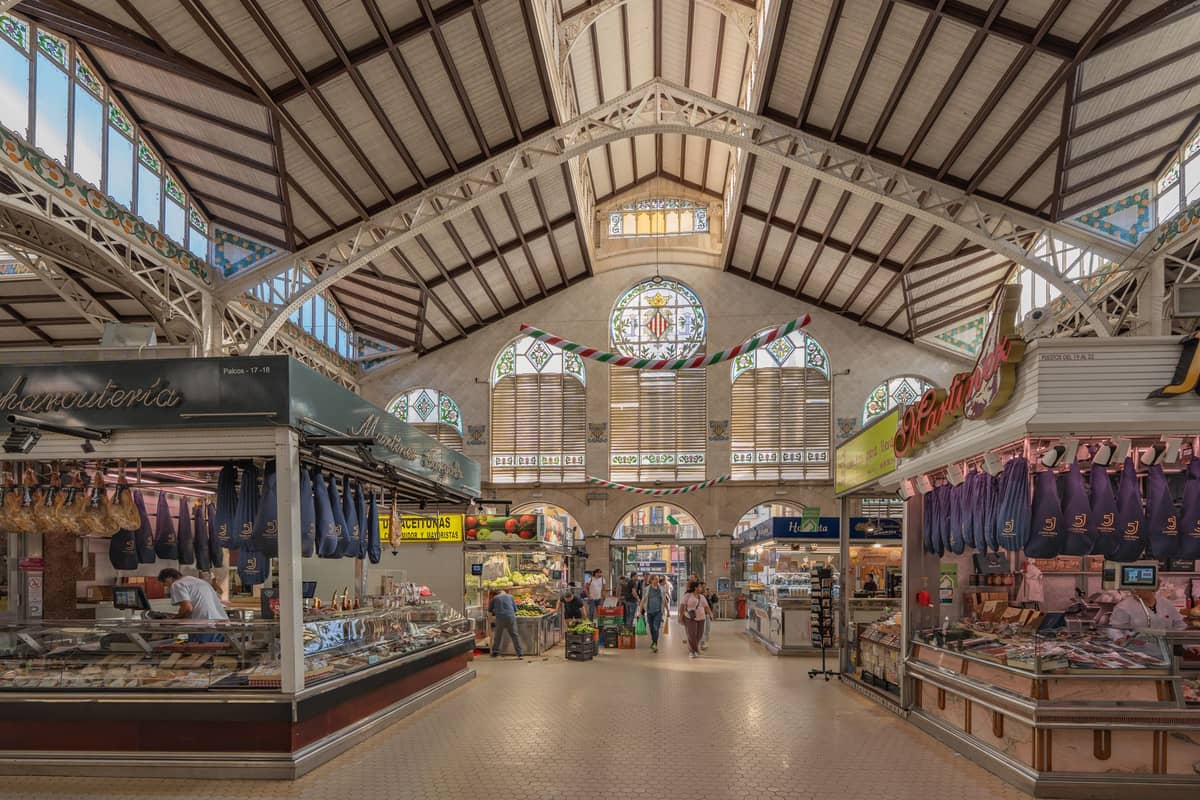
Start at Mercado Central when it opens at 07:00. This is one of Europe's largest covered markets, built in the Art Nouveau style with around 300 stalls. Go early to see it at full intensity before tour groups arrive around 10:00. A coffee and a pastry at the market bar costs under €3. The surrounding streets are quiet at this hour, which makes it a good moment to photograph the exterior properly.
From the market, the historic centre unfolds on foot. The Lonja de la Seda (the UNESCO-listed Silk Exchange) is directly opposite and deserves 45 minutes inside. Entry is around €2, and the Gothic trading hall is one of the finest civic buildings in Spain. A few blocks further brings you to the Cathedral, where entry is around €9, with the Miguelete bell tower adding another €3. The tower climb is 207 steps with no lift, but the view over the Old Town terracotta rooftops justifies it.
Use the second day to go deeper into Barrio del Carmen, the oldest surviving quarter of the city. The medieval street grid here is genuinely dense, and it rewards wandering rather than following a set route. The Torres de Serranos and Torres de Quart are the two surviving 14th-century city gates and worth seeing from both inside and outside. The IVAM contemporary art museum sits near Torres de Quart and offers a useful counterpoint to the medieval surroundings — entry is around €3–6 depending on current exhibitions.
- Mercado Central Open Monday to Saturday, 07:00–15:00. Best before 10:00. Go for breakfast, not lunch — it's a market, not a restaurant zone.
- La Lonja de la Seda UNESCO World Heritage site. Entry around €2. The Gothic spiral columns inside the Sala de Contratación are exceptional.
- Cathedral + Miguelete Cathedral entry around €9, tower €3 extra. The tower is not for anyone with limited mobility — 207 narrow steps, no lift.
- Iglesia de San Nicolás Known as the 'Sistine Chapel of Valencia' for its frescoed ceiling. Entry around €5–8. Book ahead or arrive when it opens to avoid queues.
- Barrio del Carmen Best explored on foot in the late afternoon. The streets between Torres de Serranos and Plaza del Carmen concentrate the best bars and independent galleries.
Days 3–4: Turia Garden, City of Arts and Sciences, and Ruzafa
The Turia Garden is the old riverbed converted into a 9 km linear park after the catastrophic 1957 flood diverted the river. It's one of the best urban parks in Spain: wide, flat, shaded in sections, and completely car-free. Cycling it end to end takes around 40 minutes at a relaxed pace and connects the historic centre directly with the City of Arts and Sciences. On weekday mornings it's mostly used by local joggers. Weekend afternoons see families and cyclists in much larger numbers.
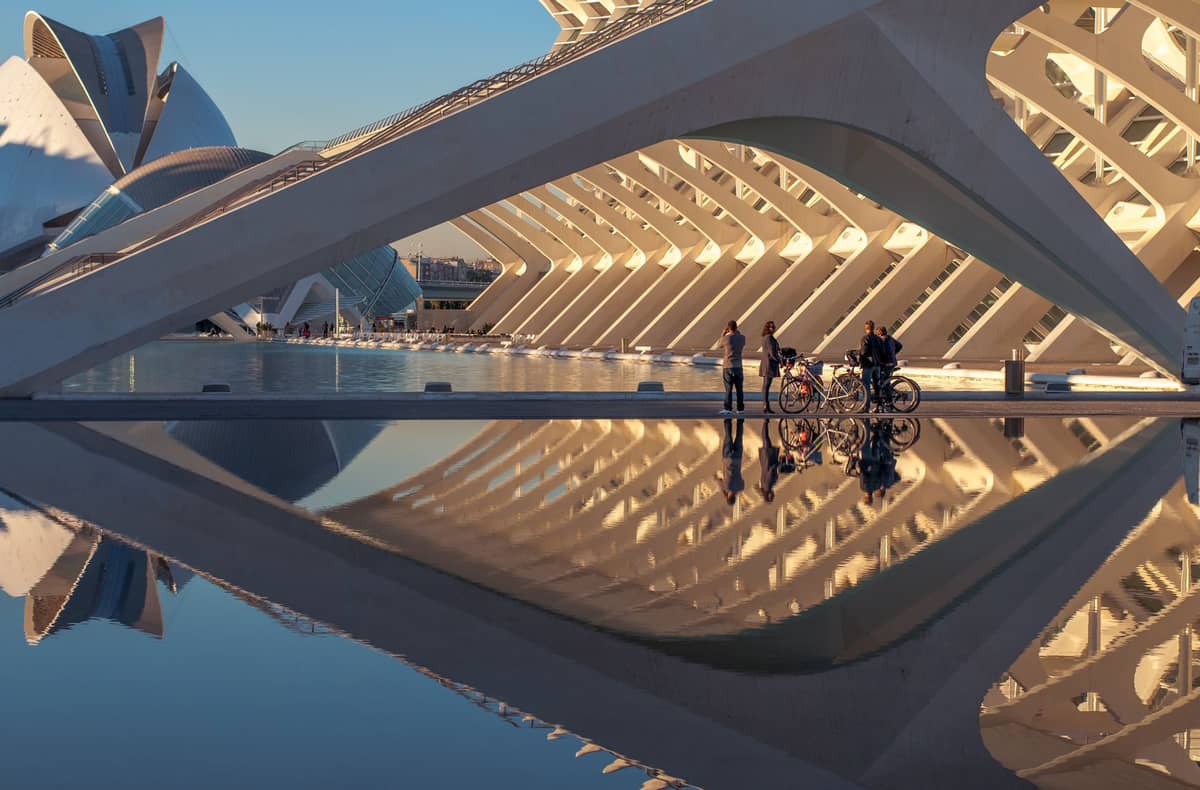
The Ciudad de las Artes y las Ciencias is genuinely worth half a day, but be selective about which buildings you pay to enter. The exterior and grounds are free and architecturally spectacular — Santiago Calatrava's white titanium-clad forms photograph brilliantly in morning light. Of the paid attractions, L'Oceanogràfic is the standout: Europe's largest aquarium, with tunnel tanks you walk through. Allow at least 2.5 hours. The Museu de les Ciències is better for visitors with children than for adults travelling alone.
⚠️ What to skip
The City of Arts and Sciences sells combination tickets that can seem like good value but often include attractions you won't have time for. If you're only spending one day there, buy L'Oceanogràfic separately and spend the remaining time on the free Hemisfèric exterior and grounds rather than rushing through multiple paid venues.
Ruzafa, directly south of the city centre, is where Valencia actually lives. The neighbourhood shifted from working-class immigrant quarter to one of the best food and bar districts in the city over the past 15 years. The Ruzafa grid is small enough to walk in an evening. The Mercado de Ruzafa anchors the neighbourhood and is far less touristy than Mercado Central. Dinner here on a weeknight — a neighbourhood restaurant with a €12–15 menú del día at lunch, or pintxos bars in the evening — costs half what you'd pay near the Cathedral.
Day 5: The Seafront and El Cabanyal
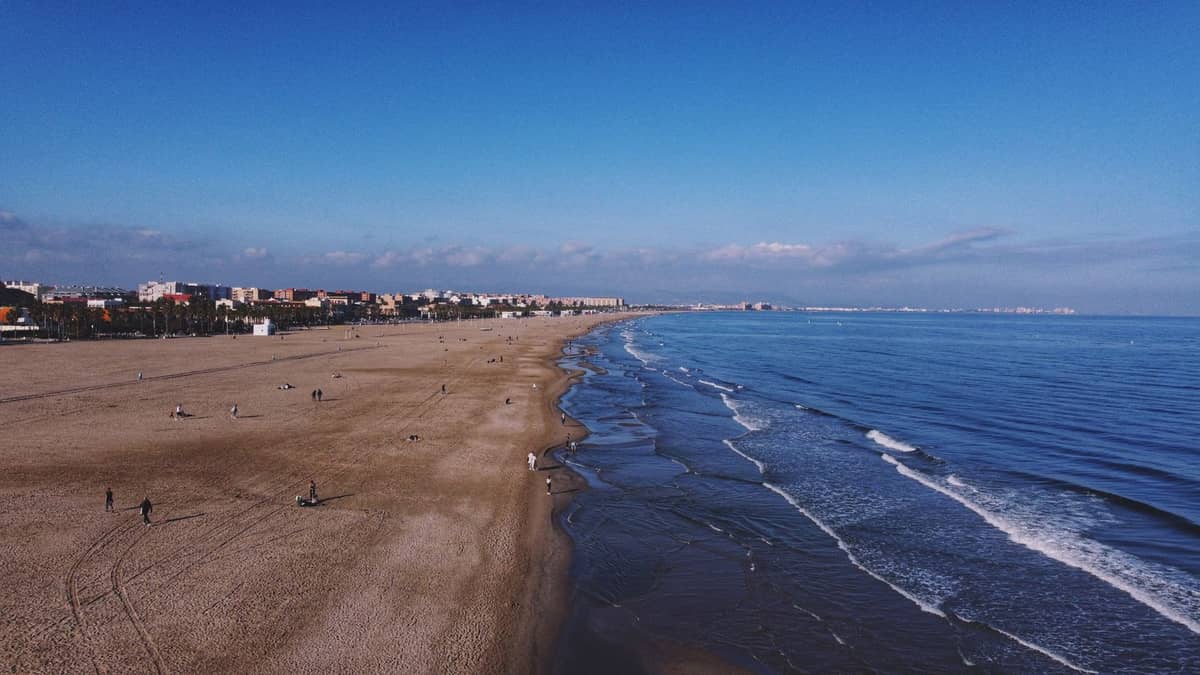
Valencia's beaches sit about 5 km east of the historic centre. The closest and most developed are Playa de las Arenas and Playa de la Malvarrosa — both are wide, clean, and backed by a long promenade with restaurants. In summer they fill up quickly; arrive before 11:00 to find a good spot without fighting for it. The water is warm from June through October, with sea temperatures reaching around 25–26°C in August.
Pair the beach morning with an afternoon in El Cabanyal, the former fishing village that now sits between the beach and the city proper. The neighbourhood has one of Spain's highest concentrations of Valencian Modernista architecture — Art Nouveau-influenced facades on fishermen's houses built between 1900 and 1930. It spent decades under threat of demolition and was only properly protected in 2010. Walking the grid of streets around Calle de la Reina and Calle de José Benlliure takes around 90 minutes and costs nothing.
✨ Pro tip
For horchata — Valencia's signature cold drink made from tiger nuts — go to a traditional horchatería rather than a beach kiosk. The classic pairing is horchata with fartons (elongated sweet pastries for dipping), and the price at a proper horchatería is around €4–5. The beach versions are frequently made from concentrate.
Days 6–7: Day Trips from Valencia
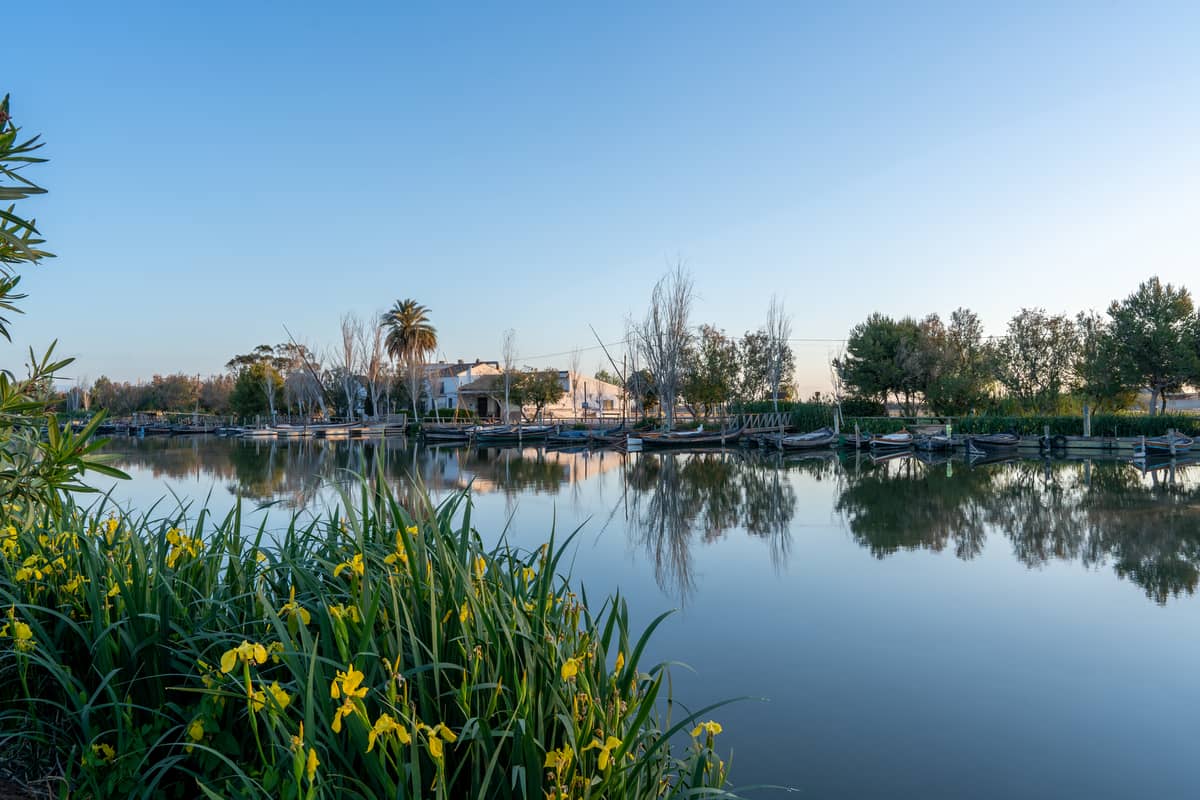
A week in Valencia without at least one day trip misses a significant part of what the region offers. The two most rewarding options are Albufera Natural Park and the medieval city of Xàtiva. Both are manageable without a car, though a car makes Albufera considerably more flexible. For details on getting there and what to do, the Albufera day trip guide covers routes and timings in full.
Albufera is the reason traditional Valencian paella exists. The freshwater lagoon south of the city, surrounded by rice paddies, is where paella valenciana originated and where it's still cooked best. Restaurants in the village of El Palmar, at the lagoon's edge, serve it in the traditional way: rabbit, chicken, green beans, and rice cooked over a wood fire. A full paella for two costs around €25–35. The lagoon boat trips run in the morning and cost around €4–6 per person. Come on a weekday if possible — the village gets very crowded on Sunday lunchtimes.
Use the final day for anything the week hasn't yet covered. Good candidates: the Museo de Bellas Artes (free entry, excellent collection including Sorolla and El Greco), the Jardín Botánico near the university, or the Poblats Marítims area around Marina de Valencia. The latter makes sense if you want to see where the America's Cup infrastructure still shapes the waterfront. Alternatively, use the day for Xàtiva: the hilltop castle there is one of the finest in the entire Valencian Community and takes around 2 hours to explore. It's 60 km south of Valencia by train (around 35–50 minutes, check current Renfe timetables).
- Albufera Natural Park Best on a weekday. Take bus line 25 from Valencia (around 30 min) or drive. Paella lunch in El Palmar is the main event — budget €15–20 per person.
- Xàtiva 60 km south by train. The Castillo de Xàtiva sits on a ridge above the town and requires a moderate uphill walk or a seasonal tourist vehicle. Allow a full day.
- Sagunto 30 km north. Roman theatre and Moorish castle on the same hilltop. Easier half-day trip than Xàtiva, accessible by Cercanías train in around 25 minutes.
- Valencia to Barcelona If you're extending your trip, the high-speed AVE from Joaquín Sorolla station runs to Barcelona in around 2.5–3.5 hours. Worth knowing if you're combining both cities in one itinerary.
Practical Logistics for a Week in Valencia
Valencia Airport (IATA: VLC), also called Manises Airport, sits about 8 km west of the city centre. Metro lines 3 and 5 connect the airport to the city in around 20 minutes. Bus line 150 takes around 35 minutes and costs less, with Sunday service running from 07:35 to 22:15. A taxi covers the same distance in around 15 minutes. For a full breakdown of transport options within the city, the guide to getting around Valencia covers metro routes, bus passes, and cycling in detail.
Valencia's climate is Mediterranean, with an average annual temperature above 18°C. Winters rarely fall below 10°C, which makes the city workable year-round for sightseeing. The rainiest periods are autumn and late winter. Summer is dry but hot, particularly July and August. For a considered view of the tradeoffs across different months, the best time to visit Valencia guide goes into seasonal detail. The practical consensus: March to June and September to November give you the best conditions for walking and outdoor sightseeing without the peak summer heat or prices.
Budget planning for a week varies considerably depending on accommodation choice and eating habits. Eating the menú del día at lunch (typically €10–14 for three courses with wine) is the local habit and by far the best value in Valencia. Dinners at neighbourhood restaurants in Ruzafa or El Cabanyal cost €15–25 per person. Museum entries are mostly €2–9, with several significant collections — including the Museo de Bellas Artes — free. For a detailed breakdown of where to cut costs, the Valencia on a budget guide outlines the key strategies.
ℹ️ Good to know
Valencia is officially bilingual: Spanish (Castilian) and Valencian are both official languages. In practice, Spanish works everywhere, and most tourist-facing businesses use English too. Some signage and menus appear in Valencian first. The international dialing code for Spain is +34, and the emergency number across Spain is 112.
FAQ
Is one week in Valencia enough?
Yes — and it's close to the ideal amount of time. Three to four days covers the main city highlights. The remaining days allow for a proper day trip to Albufera or Xàtiva, time in neighbourhoods like Ruzafa and El Cabanyal, and a slower pace overall. Valencia gets undersold as a short-break destination, but a week lets you move at the speed the city actually rewards.
What is the best time of year to spend a week in Valencia?
March to June and September to November offer the best conditions for a week-long visit: temperatures between 18°C and 26°C, lower hotel prices than peak summer, and manageable crowds. Avoid the last week of March if Las Fallas falls in your dates unless you specifically want to experience the festival — it's spectacular but the city is packed and prices spike sharply. Summer works well for beach-focused trips but expect temperatures above 30°C and higher costs.
How do I get from Valencia to Barcelona as part of a longer trip?
The AVE or Euromed high-speed train from Joaquín Sorolla station in Valencia runs to Barcelona Sants in approximately 2 to 3 hours, depending on the service. Book through Renfe. It's one of the better-value intercity rail journeys in Spain, particularly if booked in advance. Standard class prices vary widely — book early for the best fares.
Where should I eat traditional paella during a week in Valencia?
Avoid the tourist-facing paella restaurants along Malvarrosa beach. Authentic paella valenciana — made with chicken, rabbit, green beans, and rice, cooked over a wood fire — is best at the restaurants around El Palmar village in Albufera Natural Park. In the city itself, the Ruzafa neighbourhood and the area around the old port have more reliable quality than the beach promenade. Budget around €15–20 per person for a proper paella lunch.
Do I need a car to spend a week in Valencia?
No. The city centre, beaches, and City of Arts and Sciences are all connected by metro, bus, and the Valenbisi bike-share network. A car is only useful for Albufera Natural Park (which gives you flexibility to explore the rice paddies and smaller villages beyond El Palmar) and for reaching smaller inland towns. For everything on a standard 7-day itinerary, public transport and cycling are faster and cheaper than dealing with city parking.