Luxury Valencia: Best High-End Hotels, Restaurants & Experiences
Valencia delivers more than its reputation suggests in the luxury travel market. From intimate boutique hotels inside medieval palaces to world-class fine dining and the architectural spectacle of the Ciudad de las Artes y las Ciencias, this guide covers everything you need to plan a genuinely high-end visit to Spain's third-largest city.
Plan and book this trip
Tools from our partner Travelpayouts help you compare flights and hotels. If you book through them, we may earn a commission at no extra cost to you.
Flights
Hotels map
TL;DR
- Valencia's best luxury hotels cluster around the historic centre and Turia Gardens, not just the beachfront — boutique properties often outperform chain hotels on character and service.
- Peak rates spike hard during Las Fallas (mid-March) and summer — book 3-4 months ahead for the best rooms; see our best time to visit Valencia guide for a full seasonal breakdown.
- Fine dining in Valencia is anchored by authentic rice-based cuisine elevated to haute cuisine standards — this is not a city where luxury means ignoring local food culture.
- The Ciudad de las Artes y las Ciencias is the most architecturally dramatic setting for upscale cultural experiences in the city.
- Shoulder seasons (late October to early December, and February) offer the best combination of lower rates, fewer crowds, and still-pleasant Mediterranean weather.
Why Valencia Works for Luxury Travel
Valencia, Spain's third-largest city with a population of around 808,000 in the city proper and roughly 1.7–1.8 million in the greater urban area, has historically been overshadowed by Madrid and Barcelona in the luxury travel conversation. That gap has closed significantly over the past decade. The city offers a Mediterranean climate averaging above 18°C annually, a genuinely walkable historic core, a world-renowned food culture, and a concentration of high-calibre architectural landmarks that rival anything in Spain. What it lacks in the sheer volume of five-star options found in Barcelona, it more than compensates for with value, authenticity, and a pace that feels less transactional.
The city sits on Spain's east coast at roughly 39°N latitude, giving it some of the most reliable sunshine in Western Europe. Winters rarely drop below 10°C on average, and summers are warm rather than brutal by comparison to inland Spain. This makes things to do in Valencia genuinely enjoyable across most of the calendar, which matters when planning a trip built around long lunches, afternoon spa sessions, and evening walks through floodlit heritage streets.
ℹ️ Good to know
Valencia operates on CET (UTC+1) in winter and CEST (UTC+2) in summer. Dinner culture here runs genuinely late — upscale restaurants rarely fill before 9:00 PM. Book accordingly and don't show up at 7:30 PM expecting the kitchen to be at full tilt.
Best Luxury Hotels in Valencia
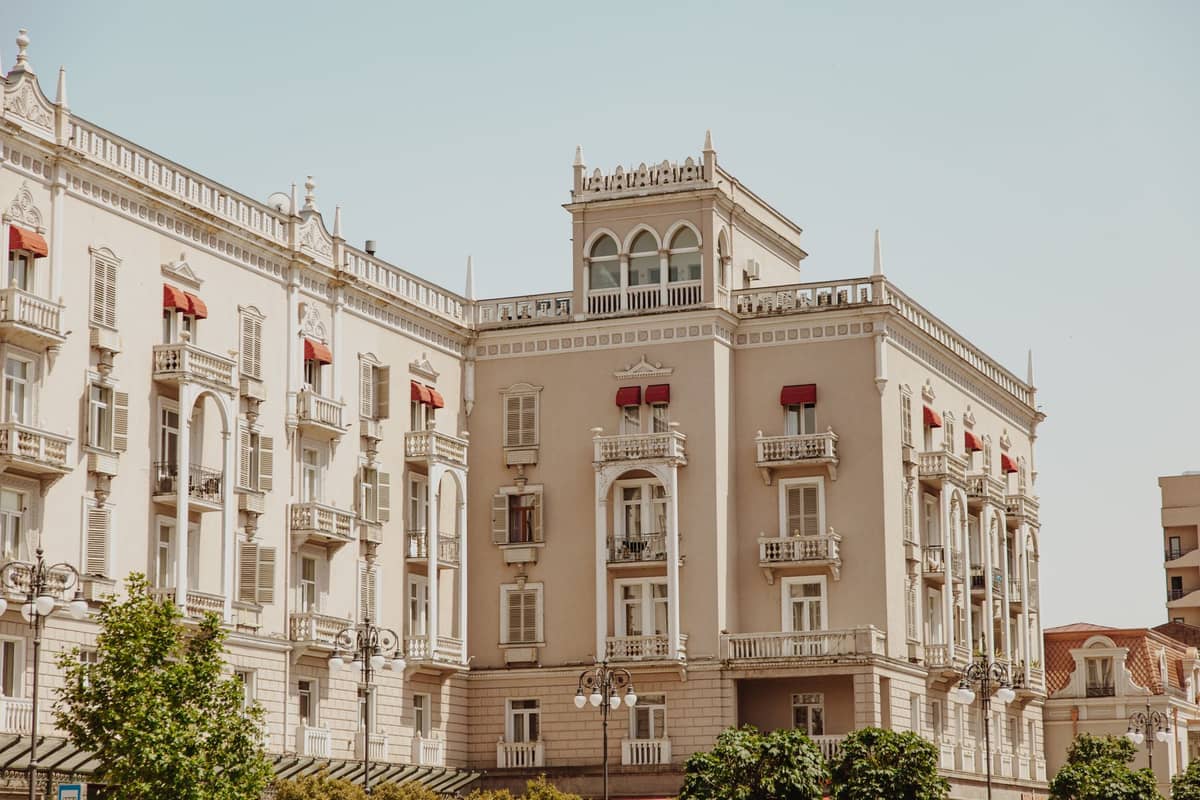
The most important thing to understand about Valencia's luxury hotel market is that it splits into two distinct categories: large-format five-star resort hotels, and smaller boutique properties that prioritise architecture, local identity, and personalised service. Both have their place, but for most travellers seeking a genuinely memorable stay, the boutique end of the market is where Valencia distinguishes itself from other Spanish cities.
- Caro Hotel (5-star boutique, historic centre) Consistently ranked among Valencia's top luxury properties. Built within a 19th-century palace on the foundations of earlier Arab, Roman, and medieval structures, with archaeological remains visible through glass floors in the common areas. Typical high-season rates for standard doubles run around €220–€250 per night. Small room count means it books out quickly; reserve direct for the best rates and to access the full breakfast experience.
- SH Valencia Palace (5-star, Turia Gardens) A larger-format hotel positioned directly alongside the Jardín del Turia, with a full-service spa and multiple dining options. High-season doubles typically run €160–€190 per night, making it one of the more accessible entry points into Valencia's five-star tier. The location is particularly strong for guests who want to use the city's cycling infrastructure.
- The Westin Valencia (5-star, city centre) The most internationally recognisable brand in Valencia's luxury market, occupying a landmark building near the Gran Via. Reliable service standards and strong meeting/event facilities make it the default choice for business travellers. Less architecturally interesting than the boutique options but operationally polished.
- Las Arenas Balneario Resort (5-star, beachfront) The primary choice for guests who want direct beach access combined with spa facilities. Positioned on Playa de las Arenas, it draws heavily from the resort market in summer, and rates reflect that demand. Best value in spring or autumn when crowds thin but the sea is still warm enough for swimming.
- Only YOU Hotel Valencia (4-star superior, Colón area) Design-forward, strong F&B offering, and a rooftop that becomes a social hub in summer. Technically a four-star property but the product quality competes with five-star peers. Well-located for accessing both the historic centre and the Ensanche commercial district.
⚠️ What to skip
During Las Fallas (the week centred on 19 March), Valencia's hotel rates can double or triple, minimum stays of 3-4 nights are common, and cancellation policies tighten significantly. If you want to attend the festival but manage costs, book at least 3-4 months in advance and compare rates carefully — some luxury properties in the outer districts offer significantly better deals than those in the historic core.
Fine Dining and High-End Restaurants
Valencia's culinary identity is built on rice, seafood, and the Huerta — the fertile agricultural plain surrounding the city that supplies some of the best produce in Spain. At the luxury end of the dining market, this translates into restaurants that take those raw materials seriously rather than importing prestige ingredients and ignoring local character. The best fine-dining experiences in the city are ones where you understand, viscerally, that you're eating in Valencia and nowhere else.
Paella, and its broader category of arròs (rice dishes), sits at the top of that hierarchy. Several restaurants in and around the Poblats Marítims area and the Albufera lakeside have been elevated to destination-dining status, with advance bookings essential on weekends. For context on what makes Valencian rice dishes genuinely different from tourist imitations, the best paella in Valencia guide goes deep on where to eat and what to order.
Beyond rice, the city supports a strong tasting-menu culture in the upper price bracket, typically running €90–€180 per person for multi-course menus with wine pairing. Reservations via TheFork or direct restaurant websites are standard practice; many high-end restaurants require a card on file to hold a booking and will charge for no-shows. Weekend dinner slots, particularly Friday and Saturday from 9:00 PM onward, book out several weeks in advance for the most sought-after tables.
✨ Pro tip
Lunch is where Valencia's fine-dining scene offers its best value. Many restaurants with dinner tasting menus at €120+ offer a weekday menú de degustació at lunch for €55–€75 including wine. The kitchen is just as serious, the service is the same, and the bill is dramatically different.
High-End Cultural and Architectural Experiences
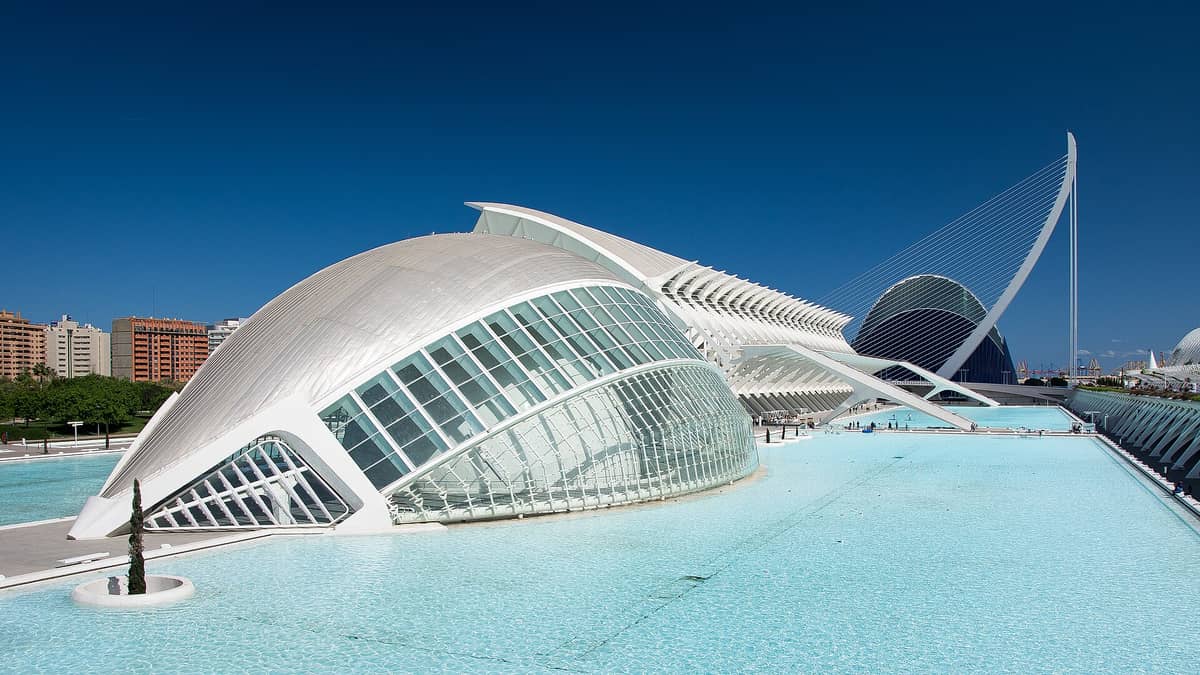
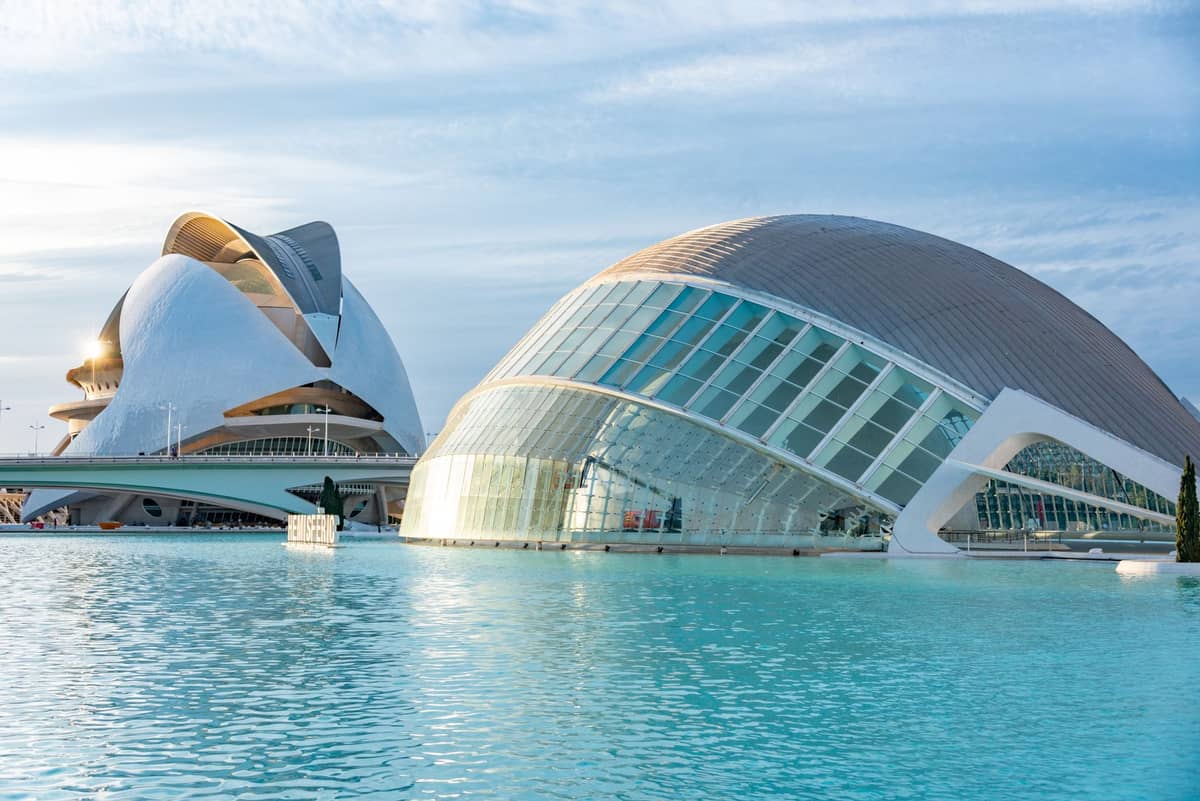
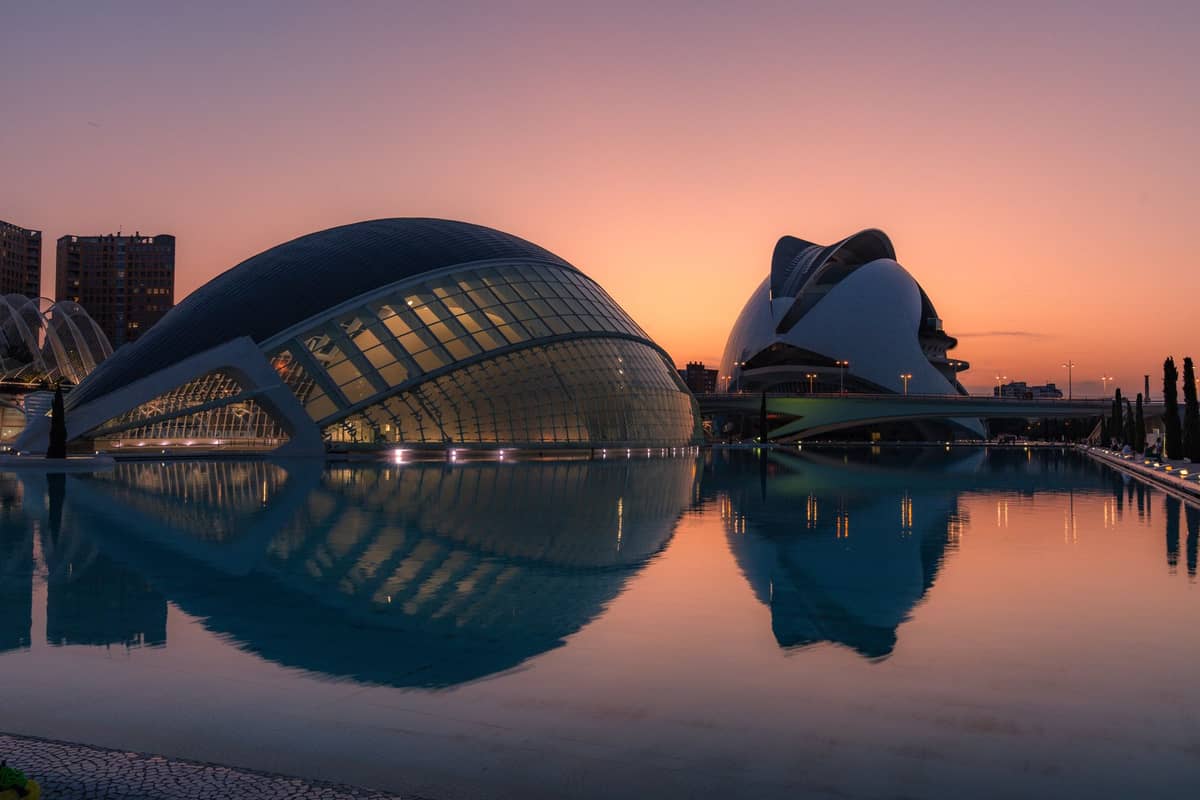
The Ciudad de las Artes y las Ciencias is the anchor of Valencia's upscale cultural offer. Designed by Santiago Calatrava and Félix Candela, the complex occupies the dry bed of the former Turia river channel and houses L'Oceanogràfic (Europe's largest aquarium), the Museu de les Ciències Príncipe Felipe, the Hemisfèric IMAX and planetarium, and the Palau de les Arts Reina Sofía opera house. Combined tickets are available via the official website, and the complex is genuinely worth a full day.
For those who prefer heritage architecture over modernist spectacle, the historic centre delivers. La Lonja de la Seda — a UNESCO World Heritage Site — is arguably the finest example of Valencian Gothic architecture in existence, and it sees a fraction of the crowds that comparable sites attract in other European cities. Pair it with the Catedral de Valencia and the full architecture guide for a structured itinerary.
- Opera at Palau de les Arts Reina Sofía: programme runs October to June; check the official Les Arts website for the season schedule and premium seating options
- Private guided tours of Caro Hotel's archaeological remains: available to guests and by arrangement, offering access to Roman-era foundations beneath the property
- Sunset sailing from Marina de València: several operators offer private charter experiences on the same waters that hosted the 2007 America's Cup
- Spa day packages at Las Arenas Balneario Resort or SH Valencia Palace: bookable by non-guests, typically €80–€150 for half-day access including treatments
- Private market tours of the Mercado Central: early-morning visits with a chef guide before the tourist crowds arrive, ending with a cooking class or guided lunch
Seasonal Timing, Pricing, and Practical Logistics
Valencia's luxury market has three distinct pricing seasons. Peak season covers Las Fallas (mid-March), Semana Santa (Easter week), and July-August. During these periods, five-star hotels frequently require minimum stays, rates at Caro Hotel and comparable properties can exceed €300 per night, and the city's most popular restaurants are booked weeks in advance. Beachfront properties like Las Arenas command a further premium in July and August due to direct sea access.
The shoulder seasons, specifically late April through June and September through October, represent the best overall conditions for luxury travel. Weather is excellent, the city is active but not overwhelmed, and hotel rates drop 20-40% compared to peak. October in particular combines warm temperatures, the tail end of summer beach conditions, and the start of the autumn cultural season at Les Arts and the city's major museums.
The low season from November to February (excluding Christmas and New Year) offers the most competitive rates and near-total freedom from queues at attractions. Winter days in Valencia still average around 12-15°C and are frequently sunny. This is not a city that shuts down in winter — it simply becomes more local, which for many travellers is a feature rather than a drawback.
- Valencia Airport (IATA: VLC) is approximately 8 km from the city centre; Metrovalencia Lines 3 and 5 connect the airport to the centre in around 20 minutes
- Taxis from the airport to the historic centre take approximately 15 minutes via the A-3 motorway — useful for late arrivals with luggage
- The historic centre, Turia Gardens area, and Ensanche are all walkable between each other; the Ciudad de las Artes y las Ciencias is 3-4 km from the centre and best reached by bike, taxi, or metro
- Spain uses Type C and Type F plugs at 230V/50Hz — bring a European adapter if arriving from the UK or outside Europe
- Emergency services: dial 112 for police, fire, and medical emergencies throughout Spain
For guests focused on a shorter luxury itinerary, the 3 days in Valencia guide provides a structured framework that can be easily upgraded with the hotel and dining recommendations in this guide. For longer stays, the one week in Valencia itinerary adds day trips and outer-neighbourhood experiences worth considering at the luxury end.
Common Misconceptions About Luxury in Valencia
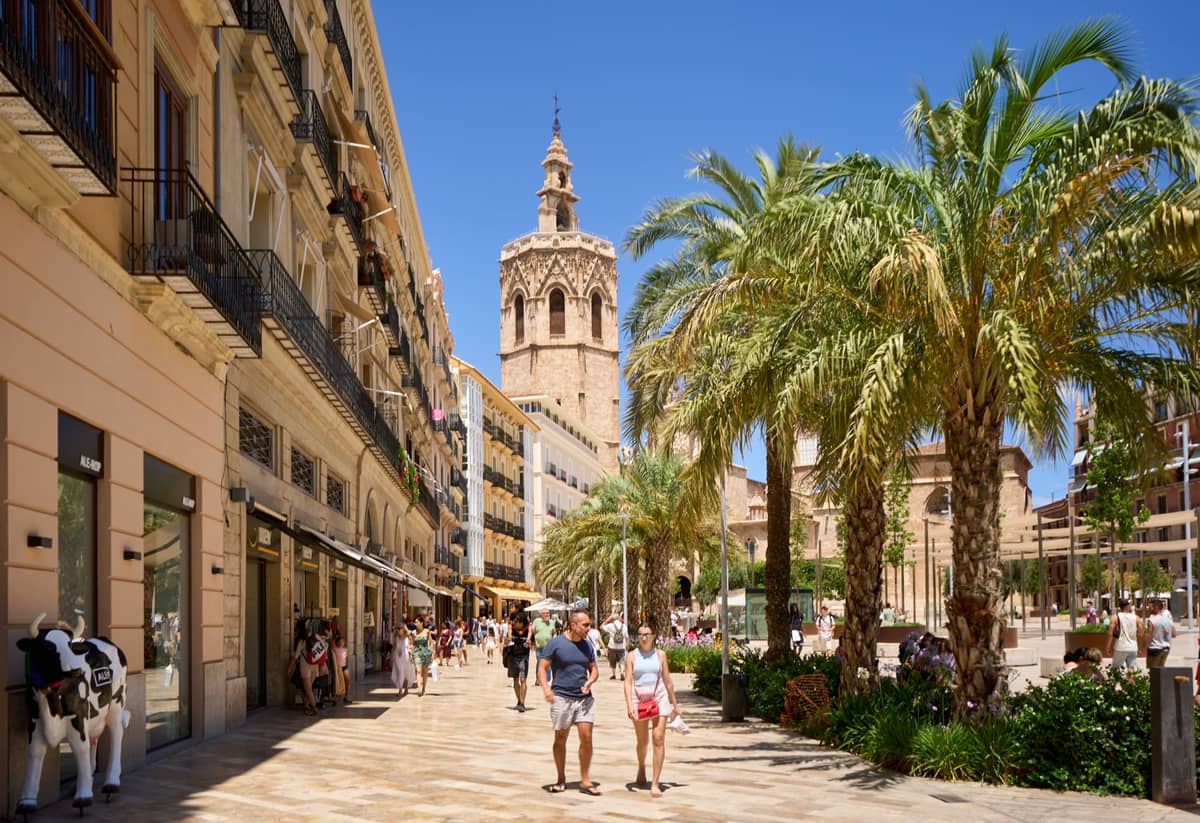
The most persistent misconception is that luxury in Valencia means beachfront. In reality, some of the city's strongest luxury properties — Caro Hotel being the clearest example — are embedded in the historic centre, where the combination of heritage architecture, walkability, and proximity to top restaurants creates a more rounded experience than an isolated resort position. The beach is easily accessible from the centre by bike or taxi, so proximity is rarely a genuine constraint.
The second misconception is that Valencia's luxury tier is thin compared to Madrid or Barcelona. The volume of five-star branded hotels is lower, but the quality ceiling at the boutique level is comparable, and the price-to-quality ratio is consistently better. A room at Caro Hotel at €230 per night delivers an experience that would cost significantly more in an equivalent Barcelona property. That gap matters when building a multi-night itinerary.
Finally, some travellers assume that because Valencia is known for casual beach culture and affordable food, a luxury experience requires ignoring local character and retreating into international hotel comfort. The opposite is closer to the truth. The city's luxury offer is at its strongest precisely when it engages with local identity — the hotel that shows you Roman archaeology under your feet, the restaurant that has spent thirty years perfecting a single arroz a banda, the opera house that looks like it landed from another century. These are the experiences that define Valencia at the high end.
FAQ
What is the best luxury hotel in Valencia, Spain?
Caro Hotel is consistently cited as Valencia's standout luxury boutique property, combining a 19th-century palace setting with visible archaeological remains and a small room count that allows for personalised service. For a larger-format five-star experience, SH Valencia Palace and The Westin Valencia are the strongest options. Rates vary significantly by season, from around €160 to over €300 per night depending on the property and time of year.
How expensive is luxury travel in Valencia compared to Barcelona or Madrid?
Valencia is noticeably more affordable at the luxury level than Barcelona or Madrid. Five-star boutique hotels that would cost €350-400 per night in Barcelona typically run €200-250 in Valencia for comparable quality. Fine-dining tasting menus are similarly priced 15-25% lower on average. The gap narrows during Las Fallas and peak summer, when Valencia's most sought-after properties command premium rates.
When should I visit Valencia for the best luxury experience?
Late April through June and September through October are the optimal windows: weather is excellent, the cultural calendar is active (particularly the opera season at Les Arts, which runs October to June), hotel availability is good, and rates are 20-40% lower than peak. Avoid mid-March (Las Fallas) unless attending the festival is a priority, as prices spike and availability at top properties is severely limited.
Are there Michelin-starred restaurants in Valencia?
Yes, Valencia and the surrounding Valencian Community have a meaningful cluster of Michelin-recognised restaurants. The city's fine-dining scene takes local ingredients seriously — particularly rice, seafood, and Huerta produce — so the best high-end experiences combine technical ambition with strong regional identity. Reservations via TheFork or direct restaurant websites are essential for weekend dinners, often weeks in advance for the most popular tables.
Is the Ciudad de las Artes y las Ciencias worth visiting for luxury travellers?
Yes, particularly for the Palau de les Arts Reina Sofía opera house and L'Oceanogràfic. The architecture alone — a Calatrava-designed complex along the old Turia riverbed — is one of the most dramatic urban settings in Spain. Combined tickets are available through the official website. Evening performances at Les Arts, paired with dinner at one of the nearby restaurants, make for a genuinely high-calibre cultural evening.