Best Beaches in Valencia: Urban Sands, Wild Dunes & Hidden Coves
Valencia sits on the Mediterranean with over three kilometres of urban beach on its doorstep and wilder, pine-backed shores just minutes south. This guide covers every beach worth knowing, from the classic city strips to the natural shorelines of the Albufera.
Plan and book this trip
Tools from our partner Travelpayouts help you compare flights and hotels. If you book through them, we may earn a commission at no extra cost to you.
Flights
Hotels map
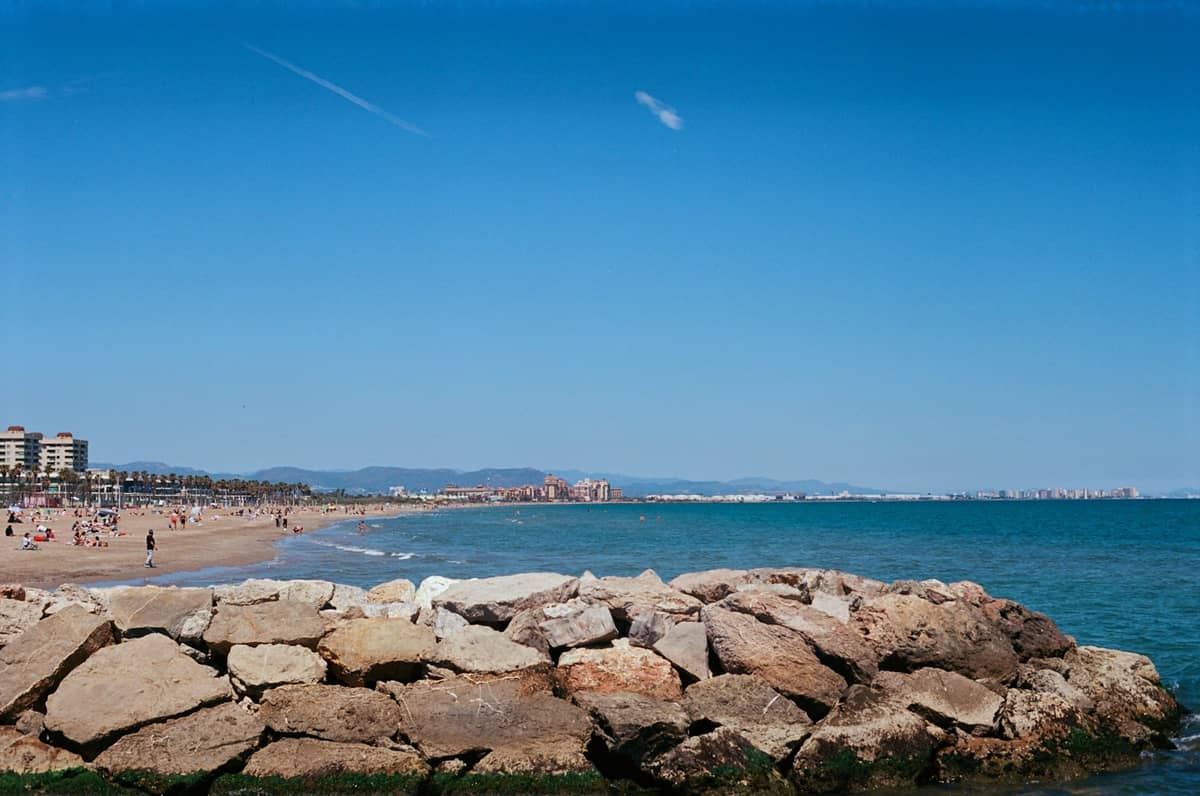
Valencia's coastline divides neatly into two worlds. The city beaches, stretching from the marina north through Las Arenas, Malvarrosa, and Patacona, form a continuous urban seafront with restaurants, tram access, and full summer services. Then, just fifteen kilometres south, the landscape shifts entirely: pine forests, reed lagoons, and undeveloped dune beaches line the coast through the Poblats Marítims district and beyond into protected natural land. Whether you have a single afternoon or a full week, understanding this distinction saves time and sets expectations. For a broader look at the city's coastal neighbourhood, the things to do in Valencia guide covers the full picture. The beaches here are listed in roughly north-to-south order, from the most accessible city sands to the wildest natural shores.
The Classic City Beaches
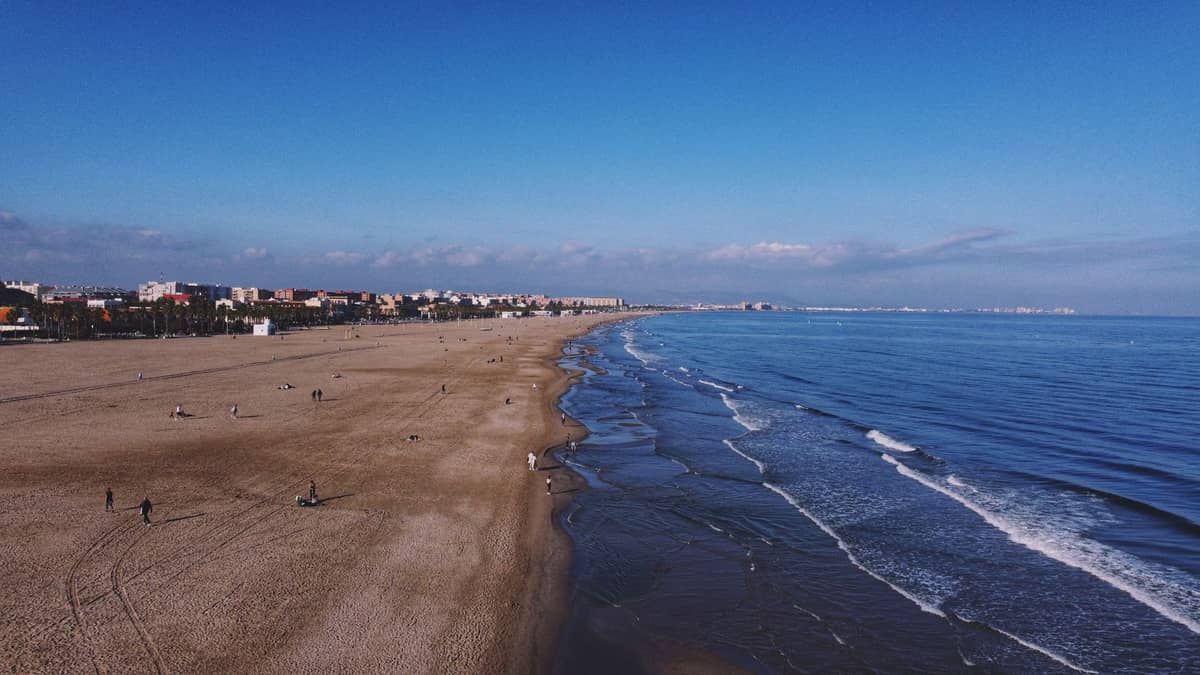
Valencia's urban beaches are the most convenient and best-serviced in the region. Tram lines and EMT buses connect the city centre to the seafront in under 25 minutes, and the broad promenade running the length of the beach is lined with traditional paella restaurants. These are the beaches that define Valencia's coastal identity. If you want to understand the beachside culture, the best paella in Valencia guide is essential reading before you arrive.
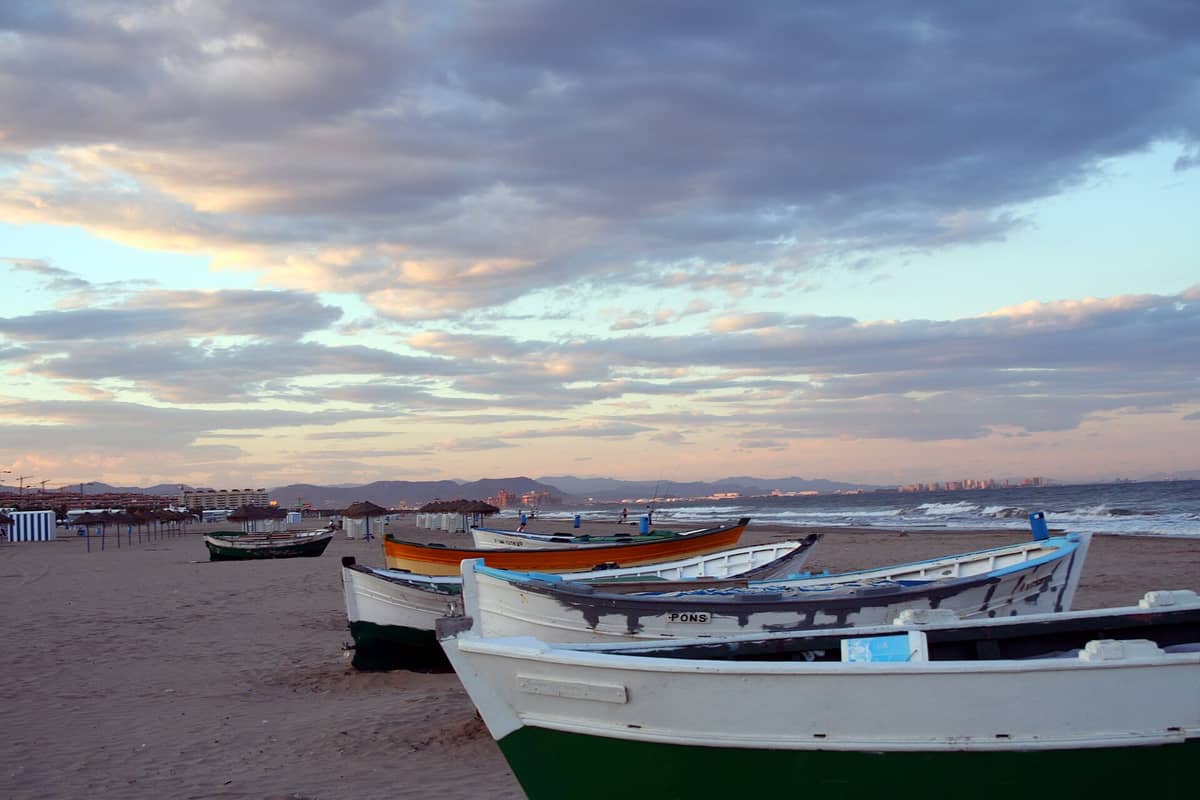
1. Eat Paella at Its Spiritual Home on Playa de las Arenas
Las Arenas is Valencia's most storied beach strip, famous for the row of paella restaurants where city dwellers have eaten rice dishes on Sundays for generations. Wide, clean, and well-serviced, this is the best beach for combining sun with a serious lunch.
Explore1. Eat Paella at Its Spiritual Home on Playa de las Arenas
Las Arenas is Valencia's most storied beach strip, famous for the row of paella restaurants where city dwellers have eaten rice dishes on Sundays for generations. Wide, clean, and well-serviced, this is the best beach for combining sun with a serious lunch.
Explore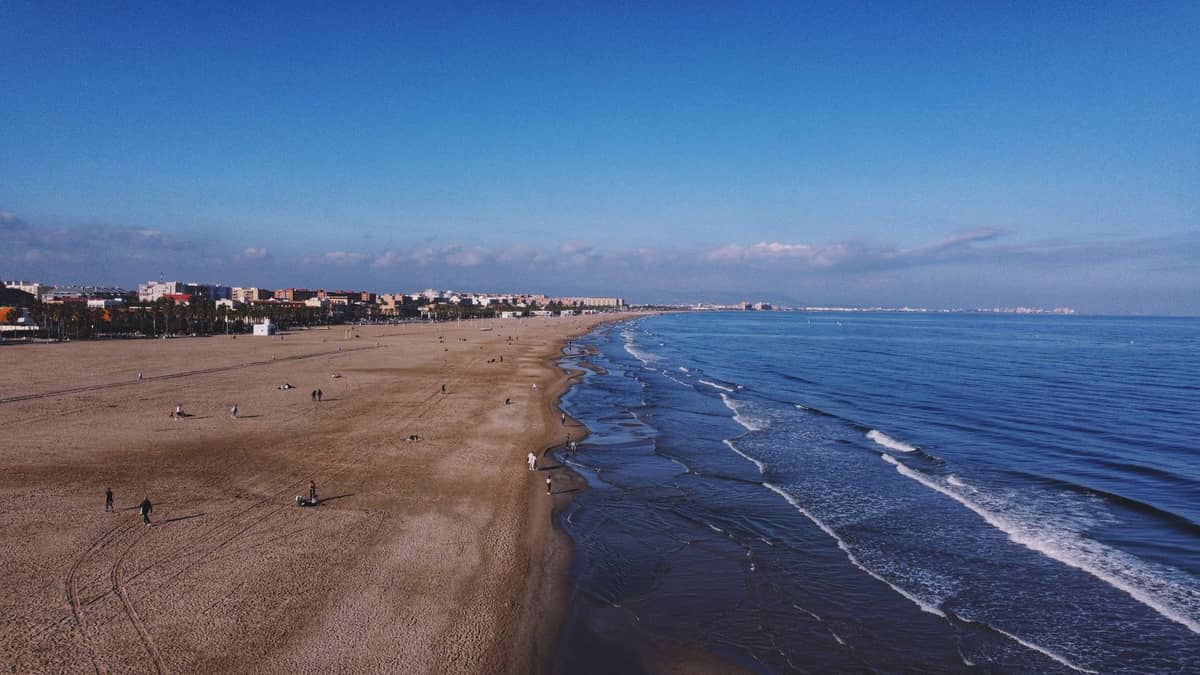
2. Spend a Classic Valencia Beach Day at Malvarrosa
Valencia's most famous urban beach stretches over a kilometre with fine golden sand, showers, lifeguards in season, and a long promenade. Tram line 4 and bus 32 reach it in 20 minutes from the centre. Go early in summer to claim a good spot before crowds build.
Explore2. Spend a Classic Valencia Beach Day at Malvarrosa
Valencia's most famous urban beach stretches over a kilometre with fine golden sand, showers, lifeguards in season, and a long promenade. Tram line 4 and bus 32 reach it in 20 minutes from the centre. Go early in summer to claim a good spot before crowds build.
Explore💡 Local tip
The city beaches are served by Metrovalencia tram line 4 (stop: Eugenia Viñes for Malvarrosa/Las Arenas) and several EMT bus lines. Tram is usually fastest from the historic centre. Avoid driving in July and August as parking near the beach is very limited.
The Marina Waterfront
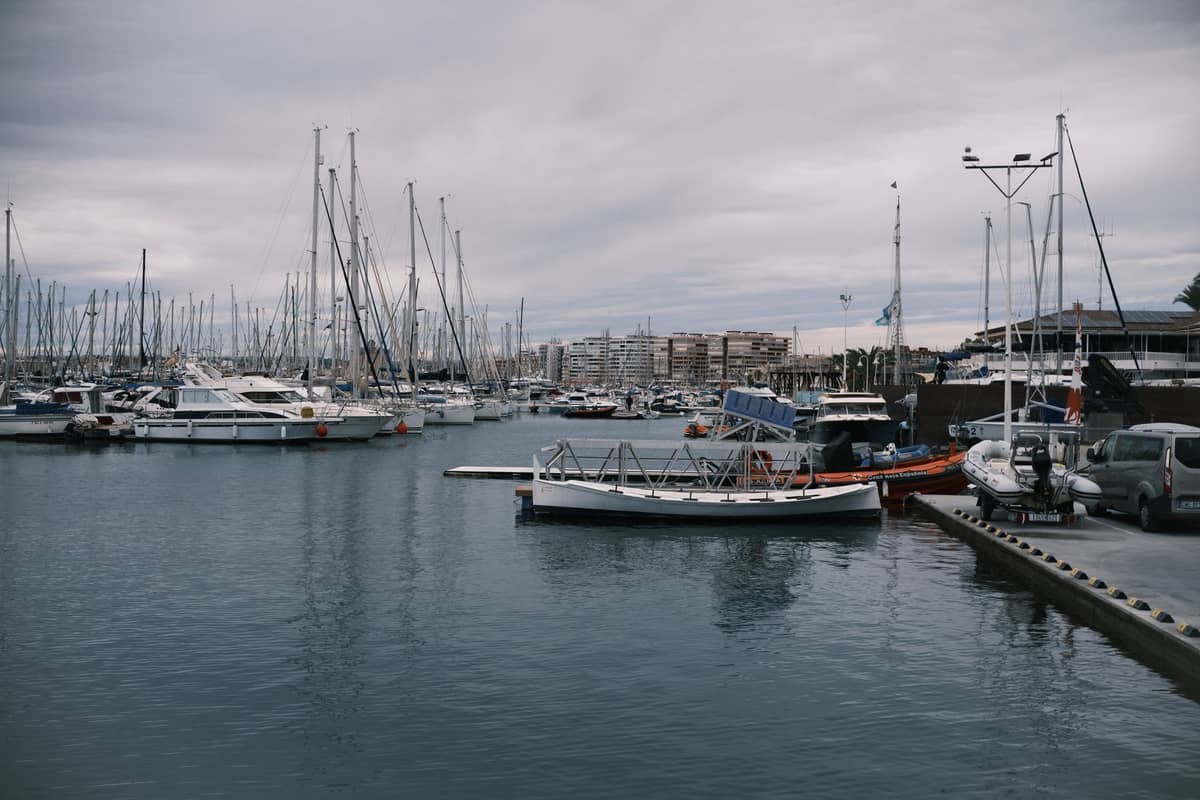
Immediately south of the city beaches, the regenerated port area offers a different kind of coastal experience. This is less about swimming and more about architecture, waterside dining, and understanding how Valencia transformed its relationship with the sea after the 2007 America's Cup. The Poblats Marítims neighbourhood that surrounds it is one of Valencia's most interesting districts to explore on foot.
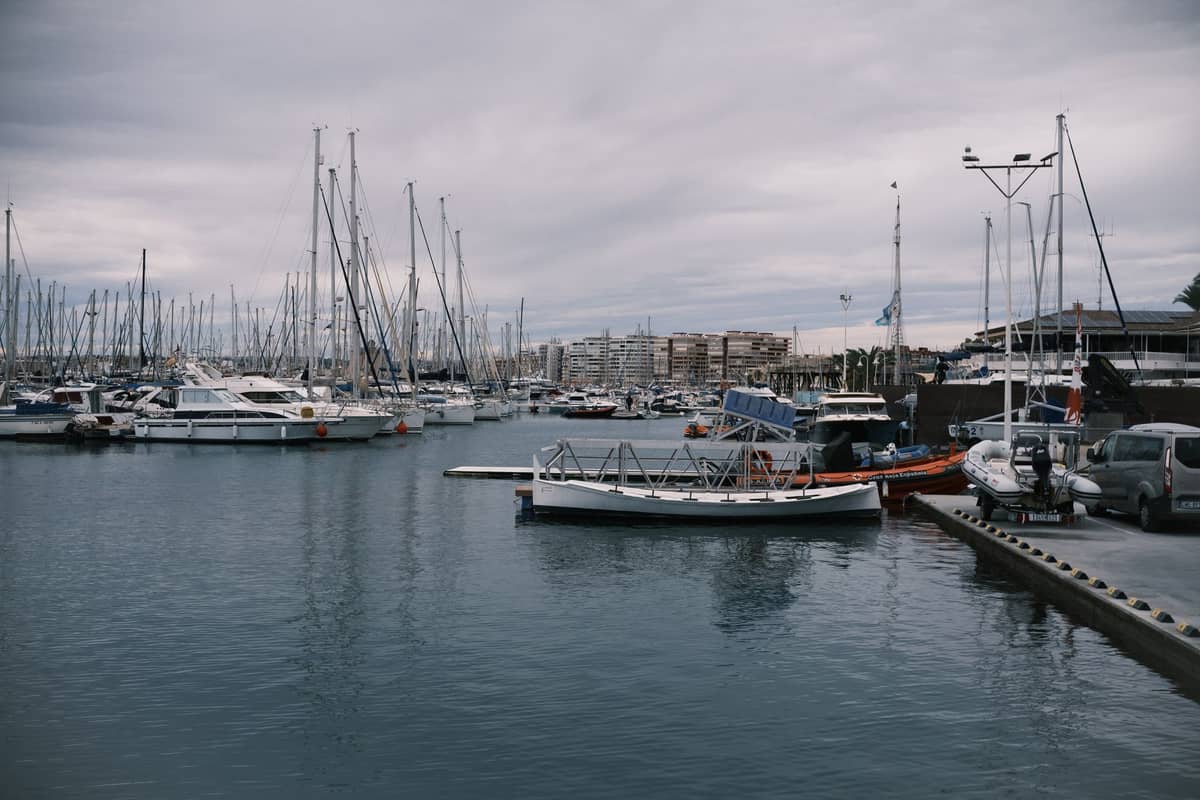
3. Walk the Regenerated Waterfront at Marina de València
Valencia's America's Cup port is a stylish waterfront of restaurants, sailing clubs, and bars. It sits directly between the city beaches and the open sea, making it a natural stop before or after a beach session. The promenade here is quieter than Malvarrosa and has excellent sunset views.
Explore3. Walk the Regenerated Waterfront at Marina de València
Valencia's America's Cup port is a stylish waterfront of restaurants, sailing clubs, and bars. It sits directly between the city beaches and the open sea, making it a natural stop before or after a beach session. The promenade here is quieter than Malvarrosa and has excellent sunset views.
Explore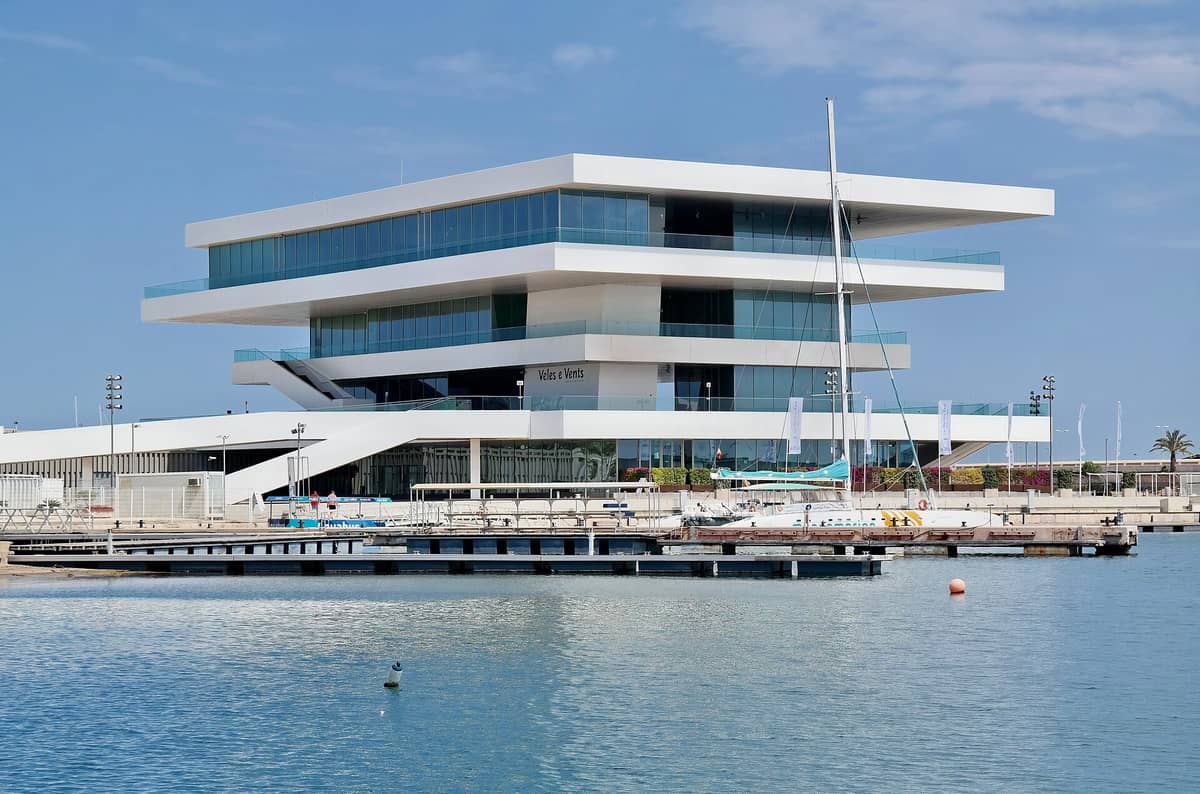
4. Climb to the Rooftop at Veles e Vents for Sea Views
David Chipperfield's stacked white pavilion at the marina heart was built for the 2007 America's Cup. Its rooftop terrace is one of Valencia's best viewpoints over the Mediterranean, free to access when events aren't running. A five-minute walk from Las Arenas beach.
Explore4. Climb to the Rooftop at Veles e Vents for Sea Views
David Chipperfield's stacked white pavilion at the marina heart was built for the 2007 America's Cup. Its rooftop terrace is one of Valencia's best viewpoints over the Mediterranean, free to access when events aren't running. A five-minute walk from Las Arenas beach.
ExploreNatural & Wild Beaches South of the City
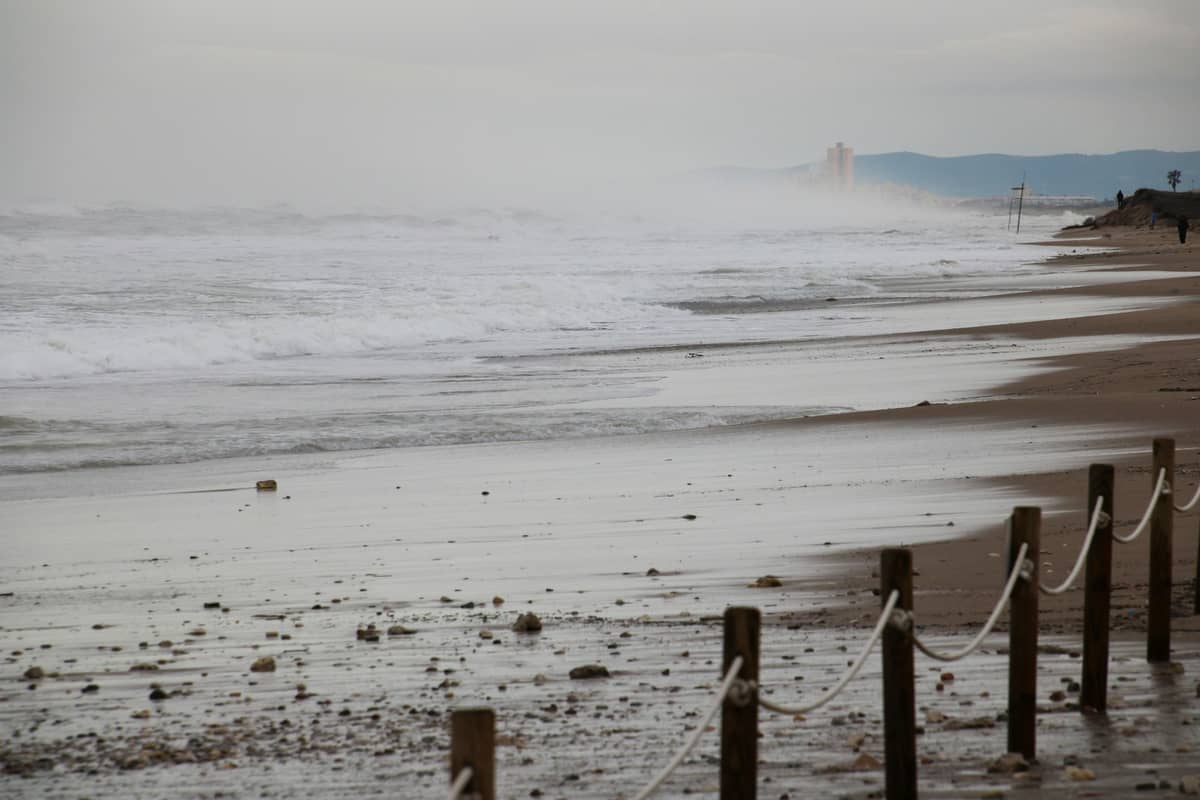
For those willing to travel 15 to 20 minutes south of the city, the coastline changes dramatically. The Devesa del Saler and Playa de Pinedo offer pine-backed dunes, cleaner water, and far fewer crowds than the urban beaches. These beaches sit at the edge of the Albufera Natural Park, and combining a morning at the beach with an afternoon boat trip on the lagoon is one of the best day trips you can make from Valencia. For full planning details, see the day trips from Valencia guide.
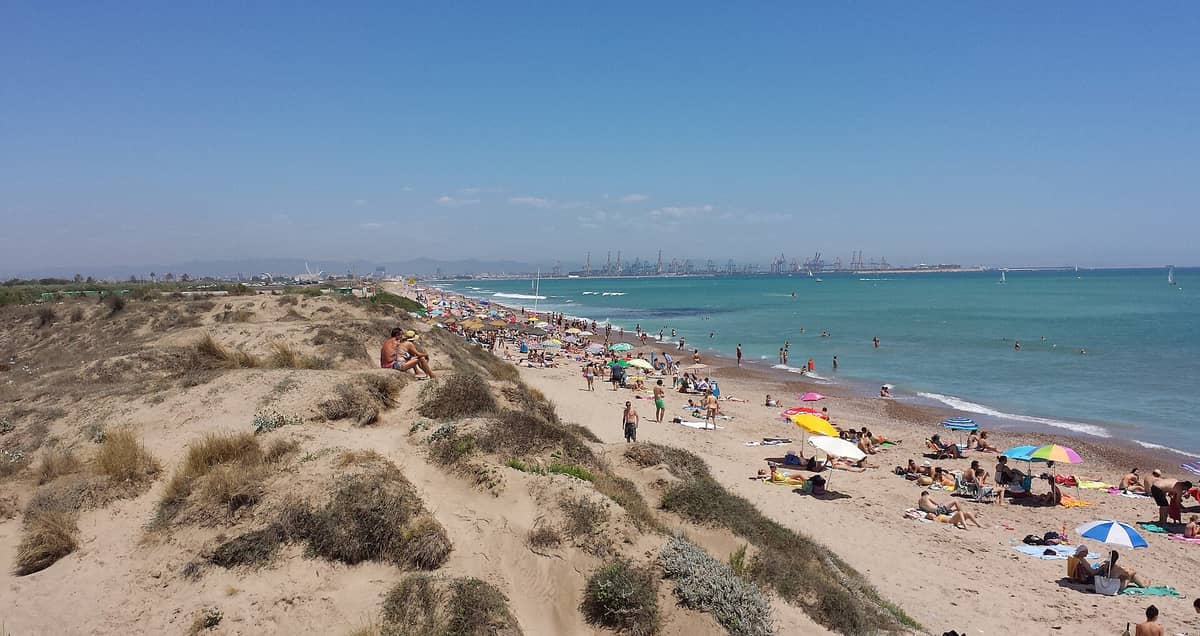
5. Escape the Crowds at Pine-Backed Playa de Pinedo
Pinedo sits just south of the port, where the urban sprawl gives way to pine trees and dunes. The beach is notably quieter than Malvarrosa, the water is cleaner, and the natural backdrop makes it feel far removed from the city. EMT bus line 25 runs here from the centre.
Explore5. Escape the Crowds at Pine-Backed Playa de Pinedo
Pinedo sits just south of the port, where the urban sprawl gives way to pine trees and dunes. The beach is notably quieter than Malvarrosa, the water is cleaner, and the natural backdrop makes it feel far removed from the city. EMT bus line 25 runs here from the centre.
Explore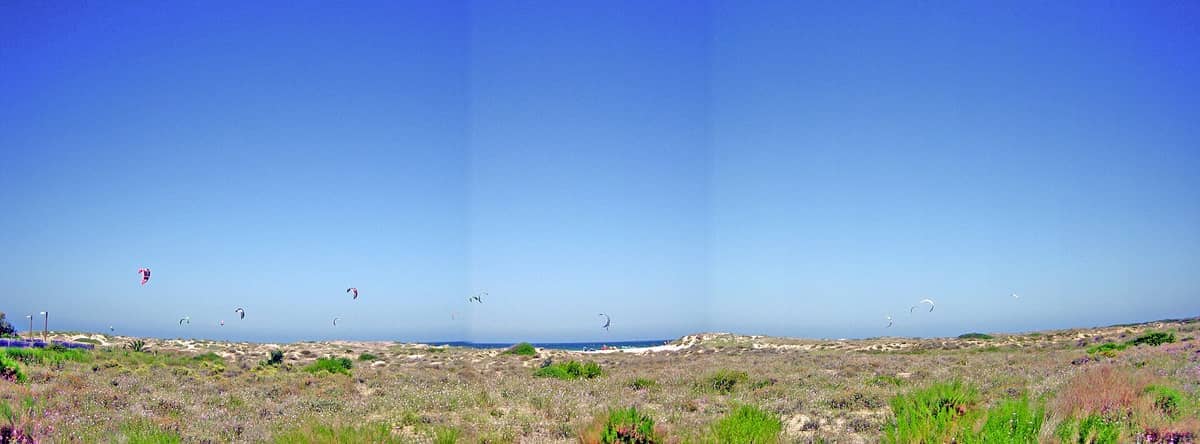
6. Walk the Wild Dunes at Devesa del Saler
The Devesa is a protected strip of pine forest and dune beach between Valencia and the Albufera, with some of the least developed coastline near the city. The beaches here have minimal services but exceptional natural scenery. Cycling paths connect the Devesa to the city along the coast.
Explore6. Walk the Wild Dunes at Devesa del Saler
The Devesa is a protected strip of pine forest and dune beach between Valencia and the Albufera, with some of the least developed coastline near the city. The beaches here have minimal services but exceptional natural scenery. Cycling paths connect the Devesa to the city along the coast.
Explore✨ Pro tip
EMT bus line 25 serves Pinedo and El Saler year-round; frequencies vary by day and season, so check the EMT Valencia app for current timetables before you travel.
The Albufera: Where the Beach Meets the Lagoon
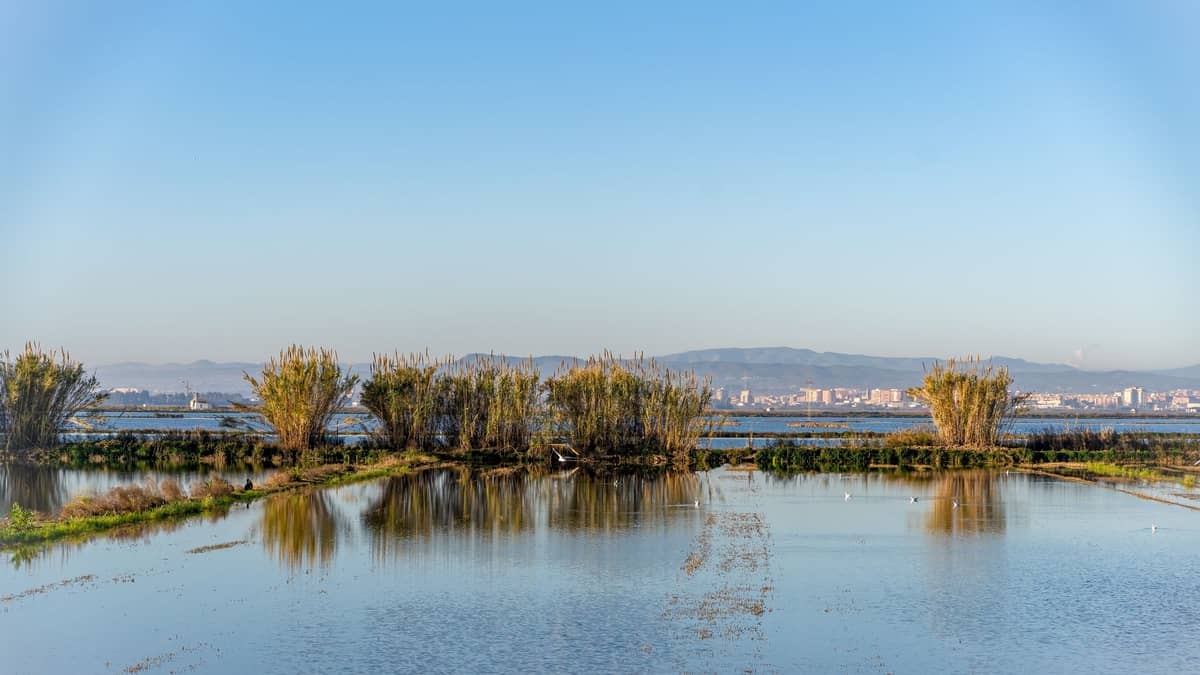
South of the Devesa, the coastline gives way to one of Spain's most extraordinary natural landscapes: the Albufera freshwater lagoon and its surrounding rice paddies. The beaches here are wild and largely undeveloped, backed by the protected wetland rather than any urban infrastructure. This area rewards a full day's visit combining beach time, a sunset boat trip, and lunch at El Palmar. For a complete guide to planning this excursion, see the Albufera day trip guide.
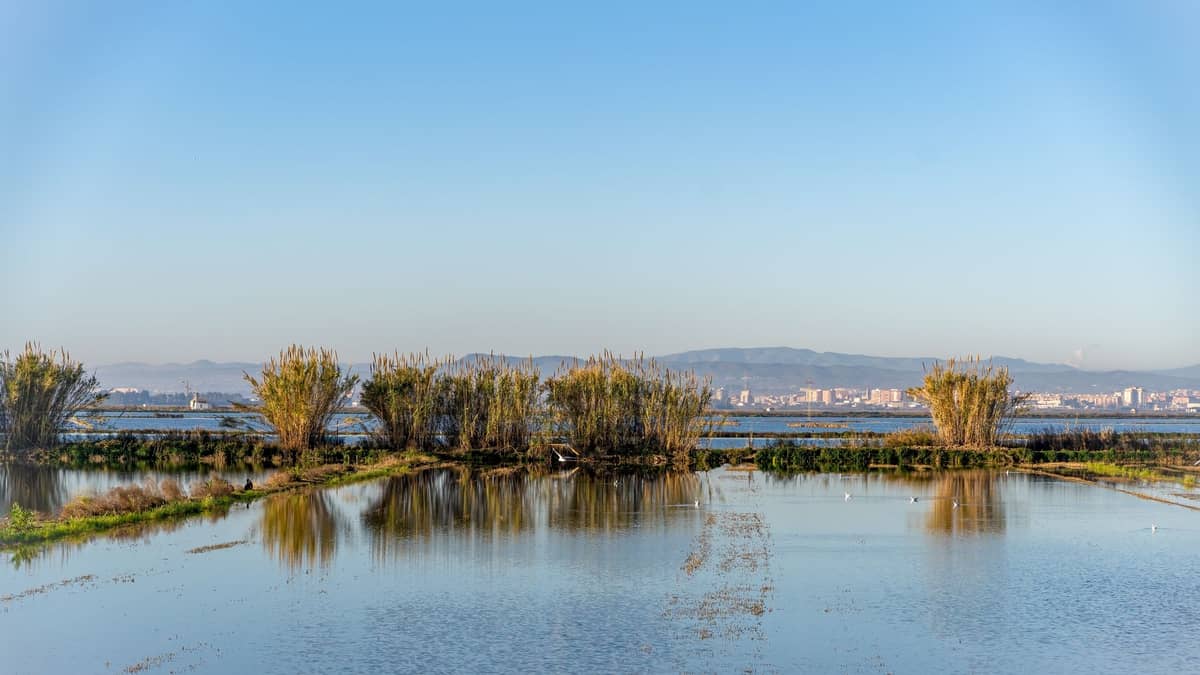
7. Combine a Beach Day with a Sunset Boat Trip at the Albufera
The Albufera's coastline offers wild, quiet beaches backed by protected wetlands rather than development. The real draw is combining shore time with a lagoon boat trip at sunset, when the water turns gold. This is a half-day or full-day excursion, best reached by car or organised tour.
Explore7. Combine a Beach Day with a Sunset Boat Trip at the Albufera
The Albufera's coastline offers wild, quiet beaches backed by protected wetlands rather than development. The real draw is combining shore time with a lagoon boat trip at sunset, when the water turns gold. This is a half-day or full-day excursion, best reached by car or organised tour.
Explore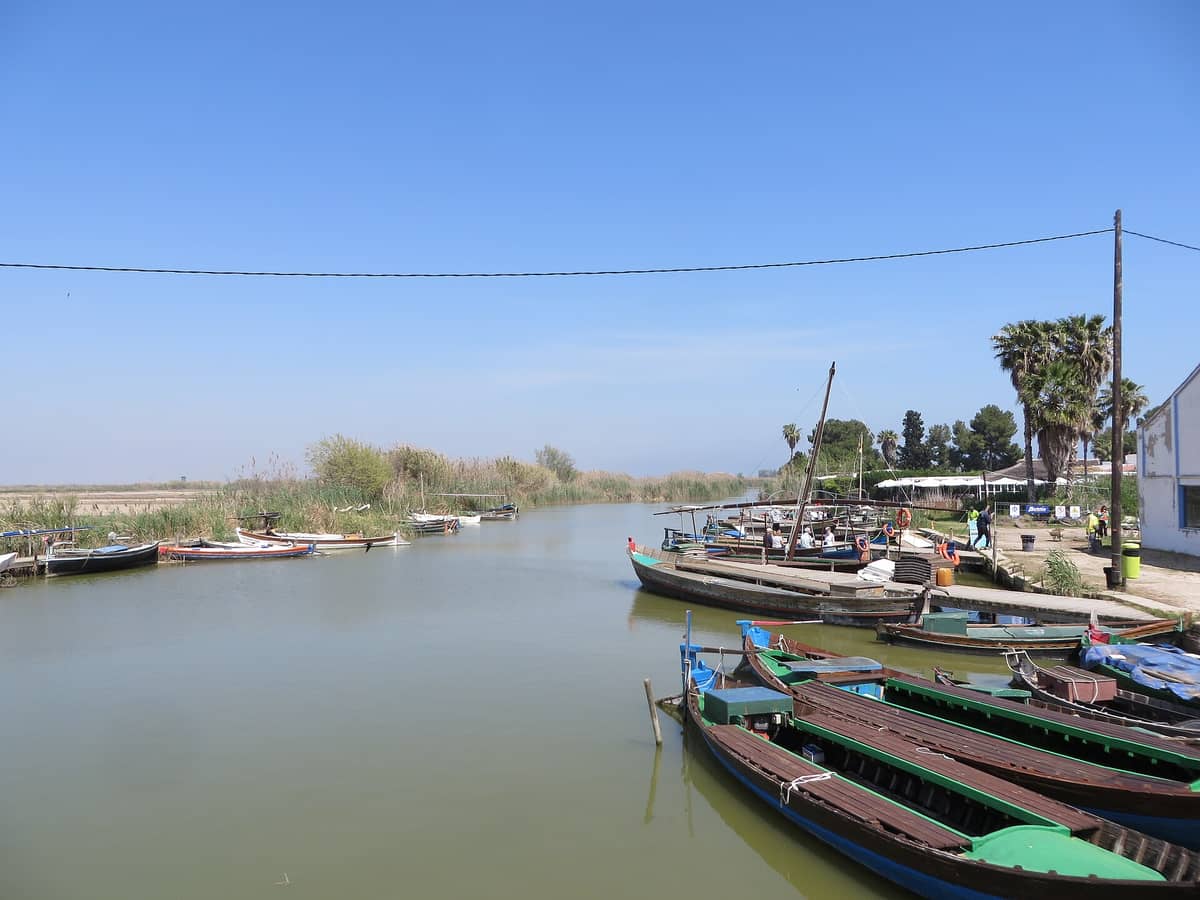
8. Lunch on Authentic Paella in El Palmar After the Beach
El Palmar village sits in the heart of the Albufera, fifteen minutes from the coast, and is the undisputed home of authentic Valencian paella. After a morning at the Devesa beaches, a long lunch here at one of the traditional restaurants is the definitive Valencia coastal day out.
Explore8. Lunch on Authentic Paella in El Palmar After the Beach
El Palmar village sits in the heart of the Albufera, fifteen minutes from the coast, and is the undisputed home of authentic Valencian paella. After a morning at the Devesa beaches, a long lunch here at one of the traditional restaurants is the definitive Valencia coastal day out.
ExploreWhat to Do Near the Beaches
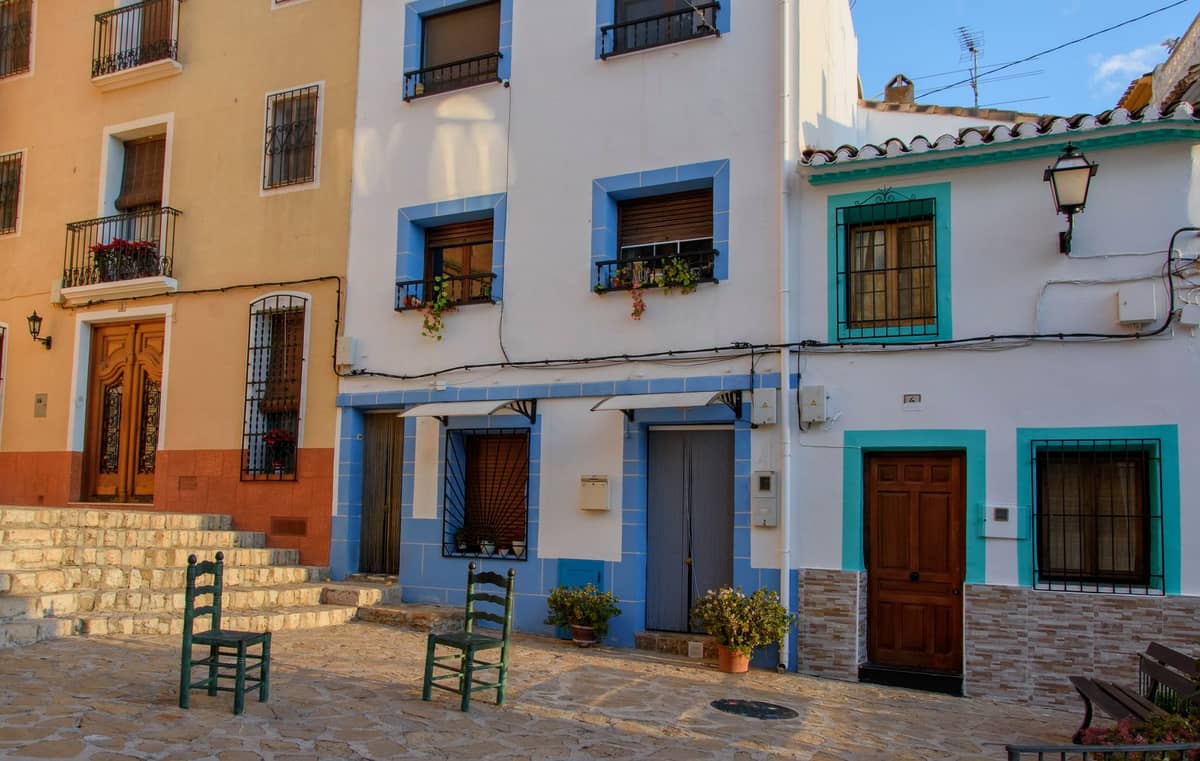
Valencia's beachside neighbourhood, the Cabanyal, is one of the city's most characterful districts to explore between beach visits. The colourful tiled houses, independent cafes, and local market make for an excellent morning before heading to the sand. For everything the neighbourhood offers, see the dedicated El Cabanyal guide. And if you are planning a summer trip, the Valencia in summer guide has seasonal tips on avoiding the midday heat and making the most of the long evenings.
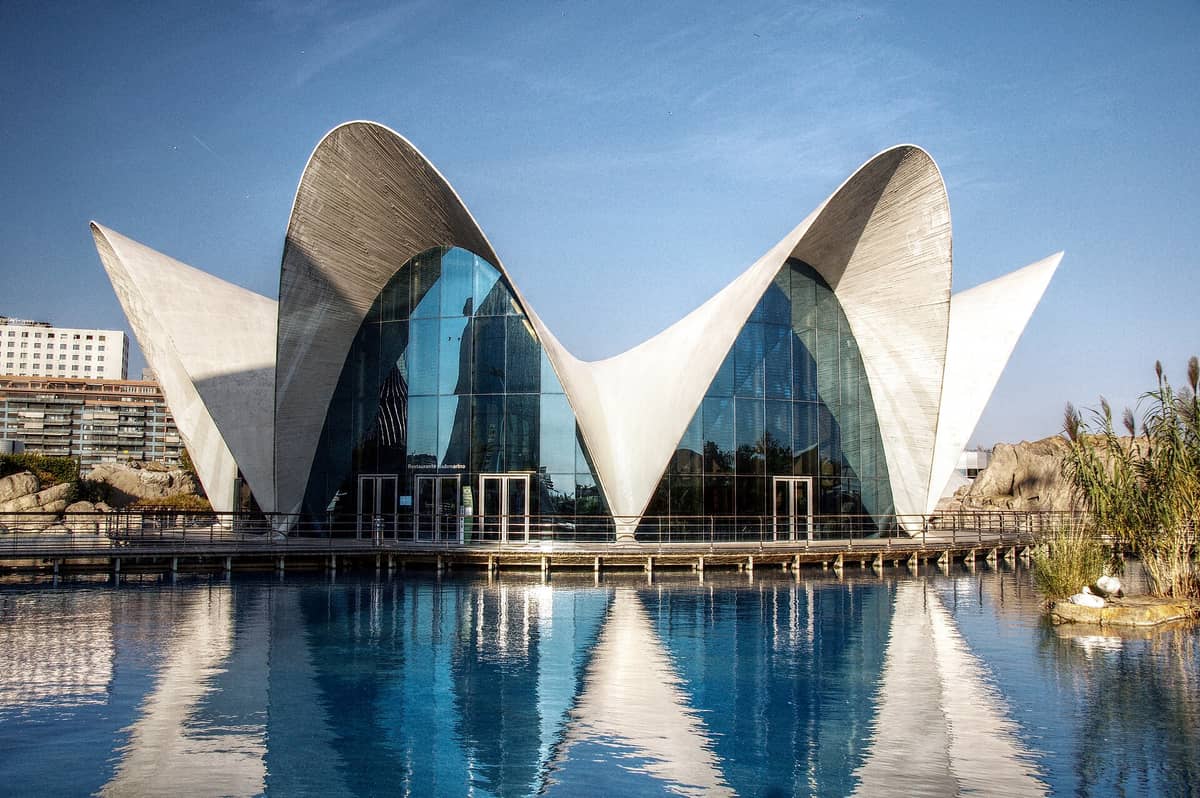
9. Cool Off at L'Oceanogràfic, Europe's Largest Aquarium
On days when the sun is too fierce, L'Oceanogràfic is the best beach alternative in Valencia. Europe's largest aquarium houses sharks, dolphins, belugas, and a walk-through ocean tunnel, set inside remarkable Félix Candela architecture. Plan two to three hours minimum.
Explore9. Cool Off at L'Oceanogràfic, Europe's Largest Aquarium
On days when the sun is too fierce, L'Oceanogràfic is the best beach alternative in Valencia. Europe's largest aquarium houses sharks, dolphins, belugas, and a walk-through ocean tunnel, set inside remarkable Félix Candela architecture. Plan two to three hours minimum.
Exploreℹ️ Good to know
Valencia's city beaches have Blue Flag status on most main stretches. All urban beaches offer adapted access for reduced mobility, rental sunbeds and parasols in summer, and lifeguard coverage from June through September. Facilities are reduced but beaches remain open year-round.
FAQ
Which is the best beach in Valencia for families?
Playa de las Arenas and Malvarrosa are the most family-friendly, with full services including lifeguards, toilets, showers, and sunbed rental in summer. Both are easy to reach by tram or bus from the city centre. For wilder, less crowded options, Playa de Pinedo is a good alternative just 15 minutes south.
How do I get from Valencia city centre to the beach?
Tram line 4 (Metrovalencia), with a transfer from the metro, connects the city to Las Arenas and Malvarrosa in around 25–30 minutes. EMT bus lines 19 and 31 also serve the beach area. For southern beaches like Pinedo or El Saler, take EMT bus line 25. Check the EMT Valencia app for current schedules and fares.
Are Valencia's beaches crowded in summer?
Malvarrosa and Las Arenas are busy throughout July and August, especially on weekends. Arrive before 10am to get a good spot. For a quieter experience in summer, head to Playa de Pinedo or the Devesa del Saler beaches, which are significantly less crowded despite being close to the city.
Are there naturist or quieter beaches near Valencia?
The Devesa del Saler within the Albufera Natural Park has quieter, wilder stretches that attract visitors looking for a more natural beach experience. Services are minimal, so bring water and food. Some sections of the Devesa are informally used for naturism, though there is no designated naturist zone close to Valencia city.
Can you swim at Valencia's beaches in winter?
The beaches are open year-round and the promenade is pleasant for walking even in January. Sea temperatures drop to around 13–15°C in winter, which is cold for most swimmers. Lifeguard services are reduced outside the official bathing season (roughly June to September), so swimming in winter is at your own risk.