Devesa del Saler: Where Mediterranean Pines Meet the Dunes of Albufera
Stretching roughly 8 kilometres between the Mediterranean Sea and Lake L'Albufera, the Devesa del Saler is one of Europe's most intact coastal dune forests. Part of Albufera Natural Park since 1986, this approximately 800-hectare strip of umbrella pines, wetland edges, and wild beach is free to enter and reachable from central Valencia in under 30 minutes.
Quick Facts
- Location
- El Saler, Valencia municipality — about 10 km south of the city centre via CV-500
- Getting There
- EMT bus lines 24 and 25 from central Valencia to El Saler and the Devesa area
- Time Needed
- 2 to 4 hours for a forest walk and beach visit; a full day if combining with Albufera lake or El Palmar
- Cost
- Free — open natural park, no entry ticket required
- Best for
- Nature walks, birdwatching, quiet beaches, cycling, escaping the city without leaving Valencia
What Is the Devesa del Saler?
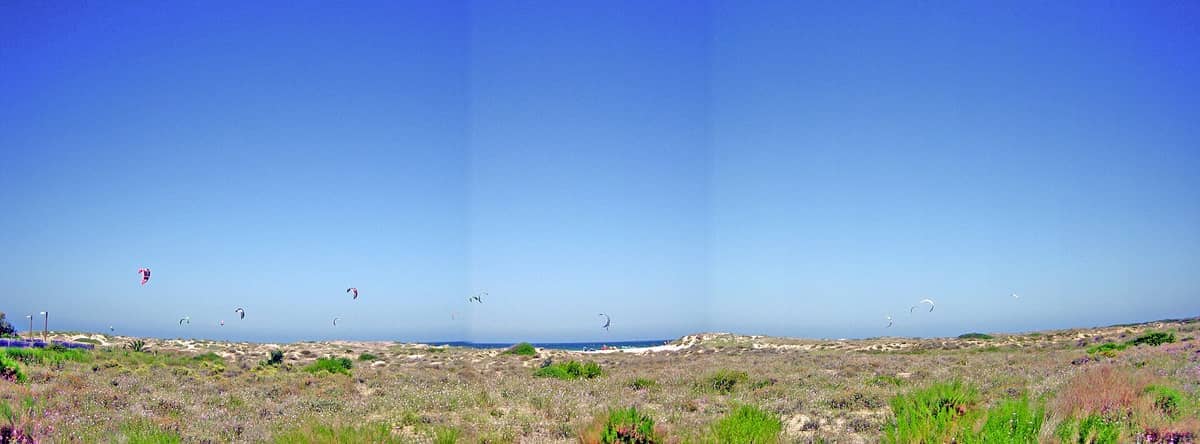
The Devesa del Saler is a long, narrow strip of protected Mediterranean forest that separates the freshwater lagoon of L'Albufera from the open sea. At roughly 8 kilometres long, around 1.2 kilometres wide, and about 800 hectares in area, it is one of the largest intact coastal dune forests remaining on Spain's Mediterranean coast. It falls entirely within Valencia's municipal limits, which makes it unusual: a wilderness of umbrella pines, stabilised dunes, reed-edged lagoon channels, and wild beach, all technically inside the same city boundary as the central market and the Cathedral.
The forest is part of the Parque Natural de L'Albufera, declared a protected natural park by the Generalitat Valenciana in 1986. That designation came after decades of civic struggle: during the 1960s and early 1970s, large sections of the Devesa were cleared and built over with tourist infrastructure. Local pressure eventually reversed much of that development, and today the regenerating forest, restored dunes, and protected shoreline stand as an example of conservation driven by community action rather than top-down policy.
💡 Local tip
Access to the Devesa del Saler is free at all times. The area has no gates or ticketed entrance — you simply arrive, follow the marked itineraries, and walk. No booking is required.
The Forest: Pines, Dunes, and the Smell of Salt and Resin
Walking into the Devesa from the road side, the first thing you notice is the smell: a combination of sea salt, warm pine resin, and the faintly brackish air drifting off the lagoon. The forest is composed primarily of Aleppo pine (Pinus halepensis), a Mediterranean species well-adapted to sandy, low-nutrient soils. The trees here are not ancient cathedral giants — many are relatively young, the result of replanting after the development-era clearances — but they grow densely enough to create genuine shade and a sense of seclusion that feels far removed from the city.
Beneath the pines, the ground shifts between compacted sandy paths, loose dune hollows, and occasional patches of Mediterranean scrub. The Generalitat Valenciana has marked several official itineraries through the forest, ranging from short loops to longer cross-forest routes that move from the lagoon edge to the beach. These are signed and generally easy to follow, though the terrain is natural: expect uneven surfaces, soft sand in places, and no paving. Wheelchairs and pushchairs will find most paths difficult due to the sandy ground conditions.
In the interior of the forest, away from the beach access points, foot traffic drops noticeably. You can walk for 20 minutes between the trees without seeing another person, particularly on weekday mornings. The soundscape changes too: the distant hiss of the sea fades, replaced by birdsong, wind moving through the pine canopy, and the occasional creak of a branch. This is the part of the Devesa that rewards slow exploration over purposeful hiking.
Tickets & tours
Hand-picked options from our booking partner. Prices are indicative; availability and final rates are confirmed when you complete your booking.
Cala del Moraig Hiking and Beach Trip from Valencia
From 32 €Instant confirmationFree cancellationValencia Silk Museum tickets and audio guide
From 7 €Instant confirmationFree cancellationSaint Nicholas Church Entrance Tickets and Audioguide
From 11 €Instant confirmationHistoric Valencia walking tour
From 27 €Instant confirmationFree cancellation
The Beach: Wide, Backed by Dunes, and Genuinely Wild
The Mediterranean shoreline along the Devesa is noticeably different from Valencia's urban beaches to the north. While Playa de la Malvarrosa and Playa de las Arenas are backed by promenades, restaurants, and apartment blocks, the beach along the Devesa is backed by dunes and pine trees. There are no beachfront bars in the forest section itself, no sunlounger rental operations, and no volleyball nets every 50 metres. What there is: clean, reasonably wide sand, direct sea access through dune gaps, and in summer, water that is typically calm and clear.
The beach stretches south from the El Saler urban area towards the mouth of the lagoon near El Palmar, growing quieter the further south you walk. On summer weekends, the northern access points near El Saler village fill up by mid-morning, and parking along the CV-500 becomes difficult by 11:00. Walk 15 to 20 minutes south along the beach from those entry points and the crowds thin out considerably. In spring and autumn, even the popular access points see only modest numbers.
⚠️ What to skip
In summer, there are no shade structures on the beach itself — all shade is inside the forest. Bring sun protection, water, and your own supplies. Facilities are limited to a small number of access points with basic amenities near El Saler village.
The Lagoon Side: Birdwatching and Wetland Edges
The western edge of the Devesa faces L'Albufera, the largest freshwater lagoon in Spain. From certain points along the forest's lagoon-side paths, you can look out over the reed beds and open water that have made the Albufera Natural Park one of the most important bird habitats on the Iberian Peninsula. The park hosts significant populations of herons, egrets, cormorants, and numerous migratory waterbirds depending on the season.
Early morning is the best time for birdwatching along the lagoon edge. Between dawn and 09:00, before day visitors arrive and before the heat of the day builds, the forest is at its most active. Purple herons can be spotted moving through the reed margins, and in autumn and winter, the lagoon hosts notable concentrations of migrating and wintering birds passing through on the Western Mediterranean Flyway. A basic pair of binoculars will significantly improve the experience; a telephoto lens is useful for photography.
How the Devesa Changes by Time of Day and Season
Early mornings, particularly between late spring and early autumn, are when the Devesa is at its most atmospheric. Light filters through the pine canopy at low angles, the air is cooler, and the paths are quiet enough that you can hear individual species of birds rather than a general chorus. By 10:00 on summer weekends, beach-goers begin arriving in numbers, the car parks near El Saler fill, and the mood shifts from contemplative to recreational.
In July and August, midday inside the forest is still significantly cooler than in the city — the pine canopy provides real shade and the sea breeze moves through the trees — but the beach itself is fully exposed and intensely hot between noon and 16:00. Late afternoon, from around 17:00 onwards, is a good window: the heat softens, the water is warm, and the light on the dunes in the final hours before sunset is striking.
Winter visits are underrated. Between November and February, the Devesa sees very few visitors, the vegetation is still largely green (Mediterranean pines do not drop their needles), and the beach is completely deserted. Temperatures in Valencia rarely drop below 10°C even in midwinter, making a forest walk or a quiet beach walk a genuinely pleasant option on clear days.
ℹ️ Good to know
Autumn is both the rainiest season in Valencia and one of the best times to visit the Devesa for nature. Migrating birds are passing through, the forest is largely empty, and the lagoon is at its most dynamic. Check weather forecasts before visiting, as the CV-500 road can flood after heavy autumn rainfall.
Getting There and Getting Around
From central Valencia, EMT bus lines 24 and 25 connect to El Saler and the Devesa area, with a journey of around 30 minutes. This is the most practical option if you want to avoid dealing with parking on a summer weekend. For cyclists, the Devesa is one of the destinations reachable from the city via the extended Turia park cycling network — check the cycling routes through the Turia Garden for the southward connection through the park to the coast.
By car, take the CV-500 south from Valencia towards El Saler. The road runs along the lagoon side of the Devesa, with several marked access points and informal parking areas along the route. On summer weekends, arrive before 10:00 or after 17:00 to avoid the worst of the parking congestion. There is no central car park serving the entire Devesa — access points are distributed along the road, and the best strategy is to park early at any available spot and walk.
Many visitors combine the Devesa with a boat trip on L'Albufera lake or a lunch stop in El Palmar village, the small community known across Valencia for its traditional paella. For a fuller day out, read the Albufera day trip guide which covers how to combine the lagoon, the Devesa, and El Palmar in a single excursion.
Who Will Love It, and Who Might Not
The Devesa del Saler suits travellers who are happy to move slowly, don't need tourist infrastructure to enjoy a place, and find value in a landscape that is quietly impressive rather than dramatically scenic. There are no viewpoints, no architectural highlights, and no visitor centre with audiovisual displays. The reward is the forest itself: the scale of it, the quality of the light, the physical contrast of moving between shade and open dune, lagoon edge and open sea.
Travellers who need a full programme of organised activities, or who are looking for the kind of beach experience found at Valencia's more developed stretches, may find the Devesa underwhelming. The lack of beachside services is a genuine limitation if you plan to spend a full beach day. For those visitors, the northern beaches at Playa de las Arenas or the broader options covered in the guide to Valencia's best beaches will be a better fit.
Mobility-limited visitors should be aware that the forest paths are sandy and uneven throughout. There is no accessible boardwalk or paved route through the Devesa itself. The beach access points near El Saler village are easier to reach by vehicle, but the beach surface is loose sand from that point on.
Insider Tips
- The marked itineraries from the Generalitat Valenciana divide the Devesa into several short routes. The cross-forest route that moves from the CV-500 road through the pines to the beach, and then back along the dune line, takes around 90 minutes at an easy pace and gives you the full range of landscapes — lagoon edge, forest interior, dune crests, and open beach.
- The Casa Forestal de la Devesa del Saler, a historic forestry building within the park, generally opens to visitors on weekends and holidays in the morning. It is a minor point of interest rather than a major attraction, but worth a look if you pass it on the forest path.
- Bring more water than you think you need. There are no fountains or water sources once you are inside the forest, and in summer the combination of sand, sun reflection, and walking generates significant thirst. A 1.5-litre bottle per person is a reasonable minimum for a two-hour walk.
- For the quietest beach experience in summer, park at the southernmost accessible point along the CV-500 and walk south from there. The beach becomes progressively emptier the further you move away from El Saler village, and the dune vegetation becomes more intact.
- The forest is an open natural area with no lighting. If you visit in the early morning in autumn or winter, bring a light source for the pre-dawn portion of any walk, and be aware that the paths can be damp and slippery after overnight rain.
Who Is Devesa del Saler For?
- Nature walkers and hikers looking for a genuine Mediterranean ecosystem within easy reach of Valencia's city centre
- Birdwatchers, particularly in autumn and winter when migrating waterbirds use the Albufera lagoon
- Cyclists wanting to extend a Turia Garden ride all the way to a wild Mediterranean beach
- Families with older children who want a quieter, less developed beach day than the urban shoreline offers
- Photographers interested in landscape and wildlife, especially in the early morning light
Nearby Attractions
Combine your visit with:
- Parc Natural de l'Albufera
Just 10 kilometres south of Valencia, Parc Natural de l'Albufera is a protected coastal lagoon covering 21,120 hectares of freshwater lake, rice paddies, pine forests, and wetlands. It is one of Spain's most important bird sanctuaries, the birthplace of Valencian paella, and a complete change of pace from the city.
- El Palmar Village
Tucked inside Albufera Natural Park roughly 20 kilometres south of Valencia, El Palmar is a small fishing village of around 750 residents that sits on the edge of a freshwater lagoon ringed by rice fields. It is widely credited as one of the birthplaces of authentic Valencian paella, and a visit here combines slow rural atmosphere, boat trips on the lake, and some of the most seriously traditional rice cooking in the region.
- Estadio de Mestalla
Estadio de Mestalla is the historic home of Valencia CF, one of Spain's most decorated football clubs. Inaugurated in 1923, it holds close to 49,430 spectators and ranks among the oldest top-flight grounds in La Liga. Whether you're catching a live match or exploring the stadium on a guided tour, Mestalla delivers a concentrated dose of local identity that few attractions in Valencia can match.
- Monasterio de San Miguel de los Reyes
Founded in the mid-16th century by the Dukes of Calabria and now housing the Biblioteca Valenciana Nicolau Primitiu, the Monasterio de San Miguel de los Reyes is one of the city's most architecturally significant monuments. Entry is free, and guided tours typically run on weekends, though schedules can vary, and the crowds that pack the historic centre rarely make it this far north.