Cycling the Turia Garden: Valencia's Complete Green Route Guide
The Jardí del Túria is Valencia's greatest urban cycling route: a free, 9km green corridor running through the city's former riverbed. This guide covers the full route from Parque de Cabecera to the City of Arts and Sciences, with practical advice on bike rentals, seasonal timing, and the best stops along the way.
Plan and book this trip
Tools from our partner Travelpayouts help you compare flights and hotels. If you book through them, we may earn a commission at no extra cost to you.
Flights
Hotels map
TL;DR
- The Jardí del Túria (Turia Garden) is a free, 8.5–9km linear park running through Valencia's former riverbed, fully open to cyclists at all times.
- The main cycling route connects Parque de Cabecera in the west to the Ciudad de las Artes y las Ciencias in the east, passing 18 historic bridges along the way.
- Entry to the park is completely free; only adjacent attractions like Bioparc and L'Oceanogràfic charge admission.
- Summer cycling is most comfortable in the early morning (before 10:00) or evening (after 19:00) due to Mediterranean heat.
- Bike rental shops are available near the park; expect to pay around €8–15 for a few hours depending on the operator.
What Is the Turia Garden and Why Cyclists Love It
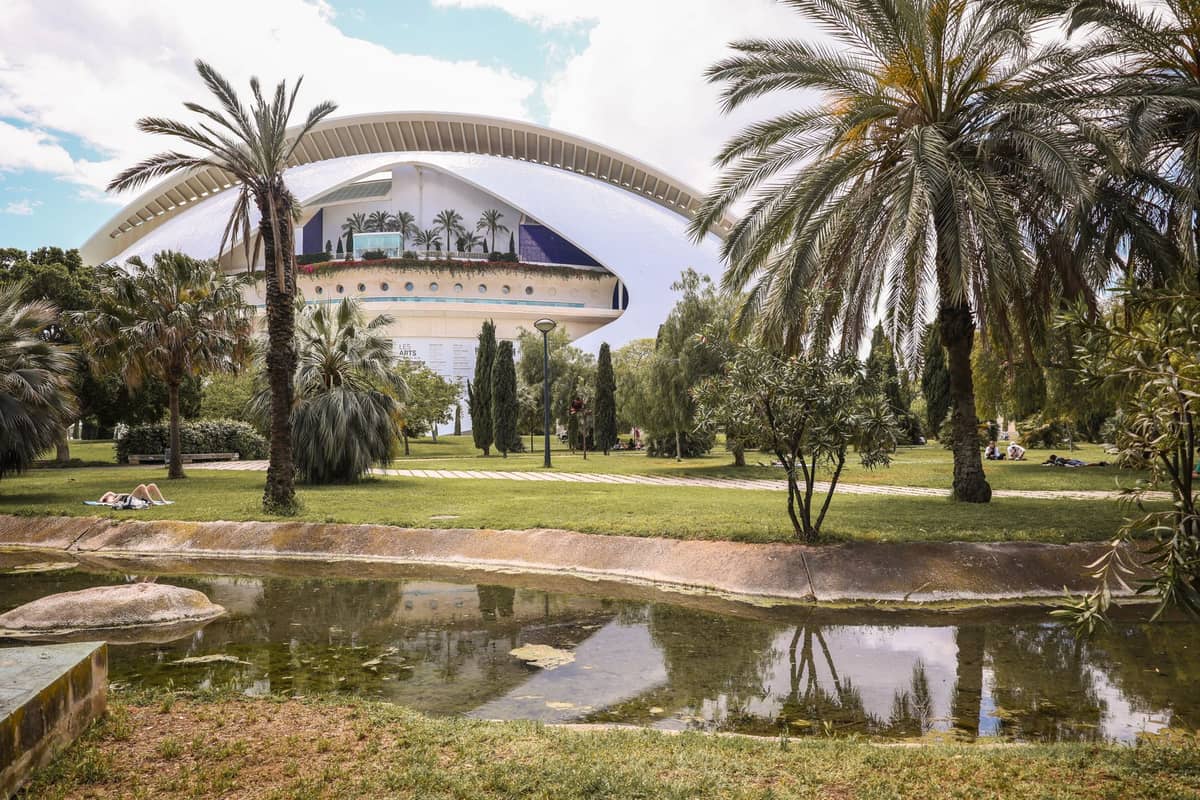
The Jardí del Túria is one of Spain's largest urban parks, built in the dry bed of the Turia River after the catastrophic 1957 floods prompted authorities to divert the river south of the city. Rather than build a motorway through the empty riverbed (as was initially planned), citizens successfully campaigned for a green space, and the result is one of the most intelligent uses of urban land in Europe.
The park is commonly described as covering around 9–10km from west to east across the city. Its average width of around 160 metres gives it enough room to accommodate separated zones for pedestrians, cyclists, sports facilities, and ornamental gardens simultaneously. A future extension called the Parque de Desembocadura will push the total length close to 10km, though that section remains in planning.
For cyclists specifically, the appeal is straightforward: you get a continuous, mostly flat, car-free corridor straight through the centre of Valencia. You can cross the entire city on two wheels without encountering a single traffic light in the riverbed itself. The route passes through a genuinely varied landscape, from shaded tree canopies near the old town to the dramatic modernist architecture at the eastern end.
ℹ️ Good to know
The Turia Garden is free to enter at all times with no gates or admission fees. You can access the riverbed park via multiple ramps, stairs and paths along its length, as well as from the numerous bridges that cross it.
The Full Route: West to East
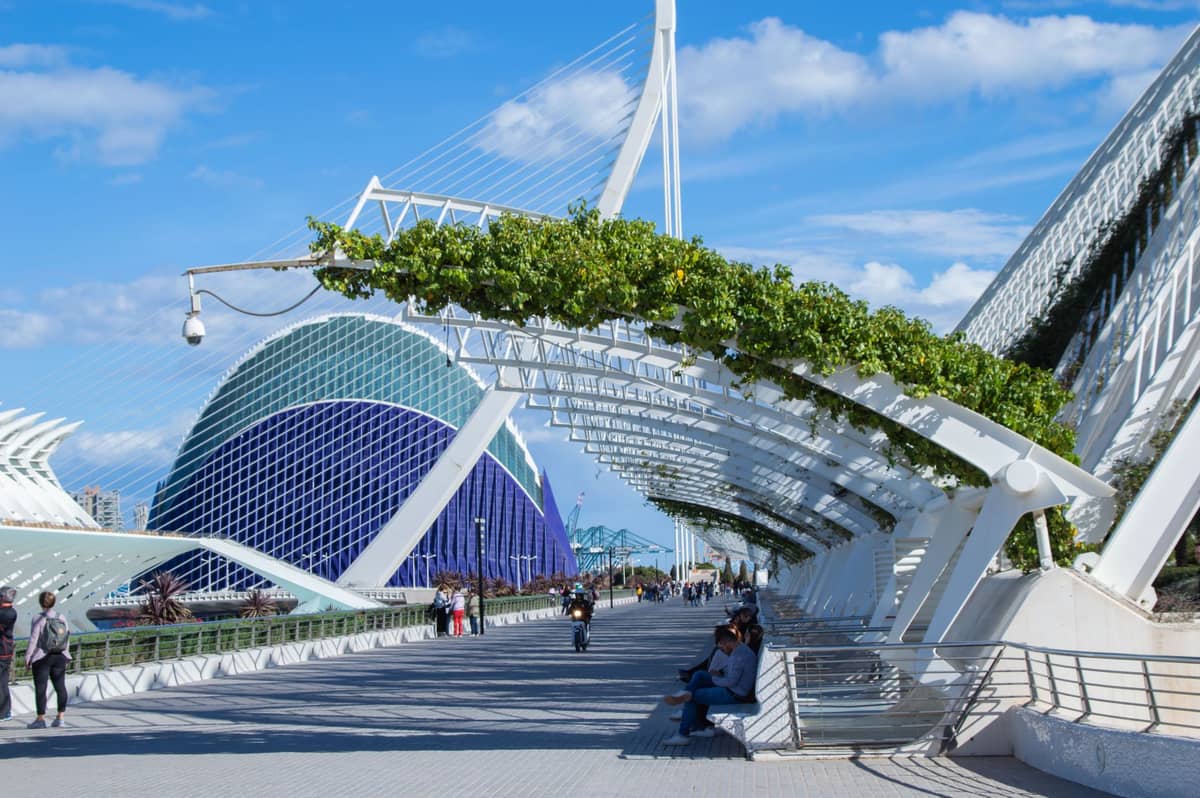
The classic cycling route follows the riverbed from the western edge at Parque de Cabecera (adjacent to Bioparc Valencia) all the way east to the City of Arts and Sciences complex. The total distance is approximately 8.5km one way, making a round trip around 17km, which most casual cyclists complete in 1.5 to 2.5 hours depending on stops.
- Parque de Cabecera (western start) The logical starting point for a west-to-east ride. This lake-centred park connects directly into the Turia Garden corridor and sits beside Bioparc Valencia.
- Barrio del Carmen crossing As you move eastward through the historic centre, the bridges above you date back centuries. This stretch passes beneath the Torres de Quart and Torres de Serranos sections of the old city wall.
- Gulliver Park (Parc de Gulliver) A giant Gulliver-shaped playground in the riverbed, roughly two-thirds of the way along the route. A logical rest stop if cycling with children. Free entry; open 10:00–20:00 daily (17:00–21:00 afternoons in July and August).
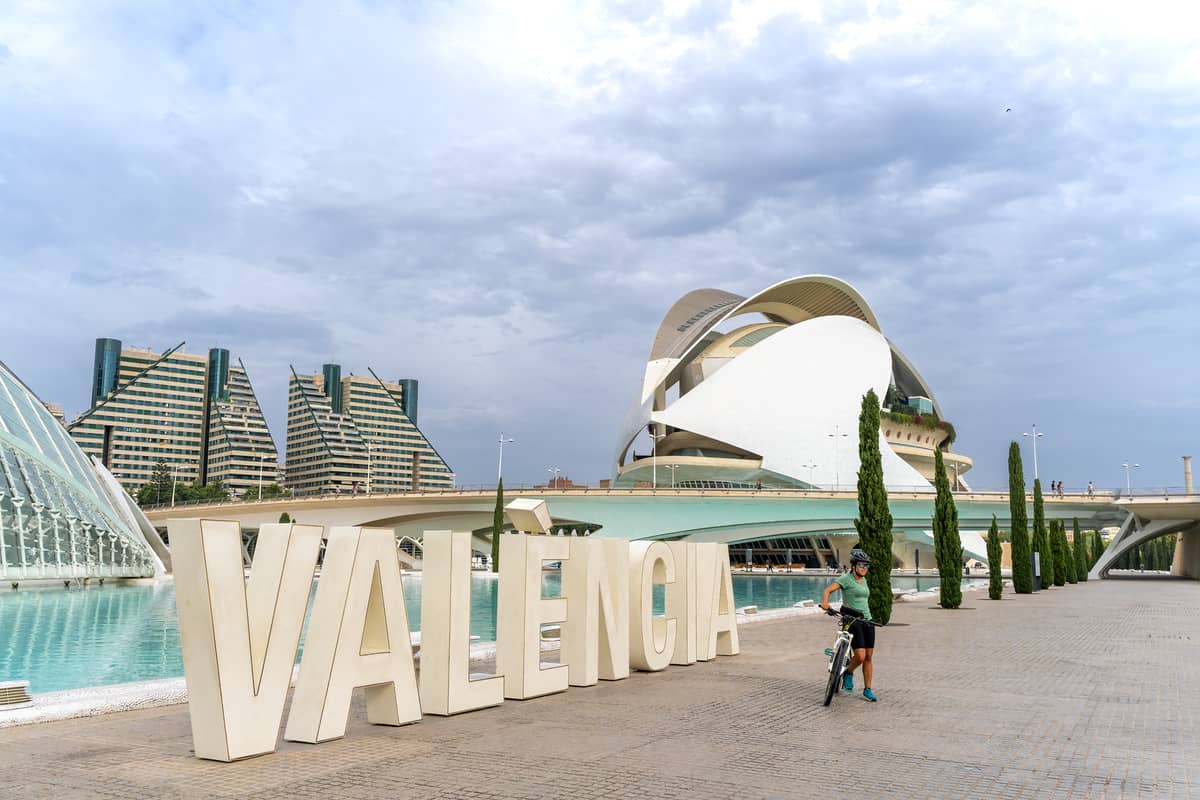
- Ciudad de las Artes y las Ciencias (eastern end) The route ends at Valencia's iconic science and arts complex, with Santiago Calatrava's architecture providing a dramatic finish. Lock your bike and explore the complex on foot.
Most cyclists ride the route from west to east simply because the Bioparc end is slightly easier to access from central accommodation. However, starting from the City of Arts and Sciences end works equally well if you are staying near Ruzafa or the beach district. The path is flat in both directions, so route direction is purely a matter of logistics.
Getting a Bike: Rental Options and What to Expect
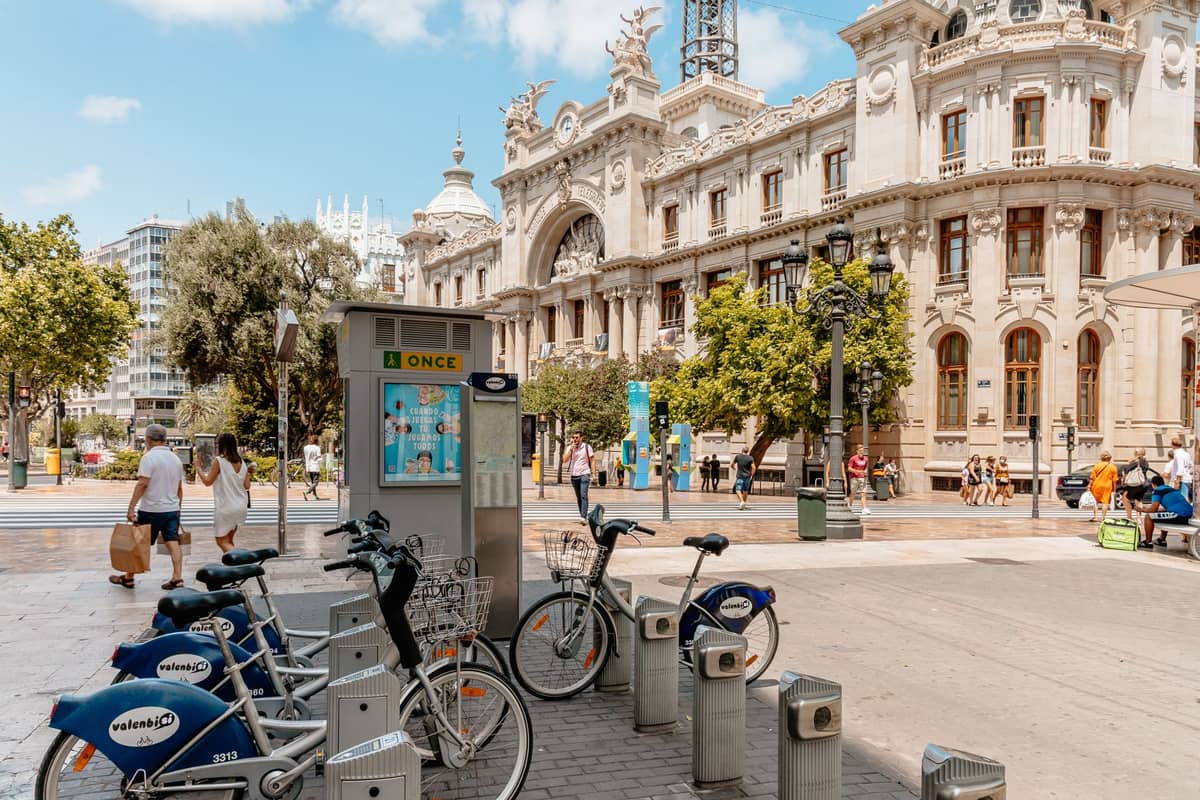
Valencia has a solid cycling infrastructure and multiple ways to get a bike for the Turia route. The city's public bike-sharing scheme, Valenbisi, operates docking stations across the urban area. Day passes and weekly subscriptions are available, though the bikes are heavy urban models better suited for short trips than a full 17km round-trip ride. For a dedicated Turia cycling session, a lightweight rental from a private shop is usually the better choice.
Private rental shops cluster near the Barrio del Carmen and around the Ciudad de las Artes y las Ciencias. Expect to pay roughly €8–15 for a half-day rental of a standard bike, with electric bikes typically costing €15–25 for the same period. Prices vary by operator and season, so confirm directly with the shop. Most will provide a lock and helmet on request; always ask rather than assume.
💡 Local tip
Book bike rentals in advance during peak season (June to September) and during Las Fallas in March. Walk-in availability can be limited, and the better shops sell out early in the day.
Guided cycling tours of the Turia Garden are also available from several Valencia-based operators. These typically run 2.5 to 3 hours, include the bike, and cover historical commentary about the bridges and neighbourhoods along the route. They cost roughly €25–40 per person. For independent travellers comfortable navigating on their own, the route is simple enough that a guide is not necessary, but the historical context can add genuine value.
Seasonal Timing and Weather Considerations
Valencia's Mediterranean climate means cycling in the Turia Garden is viable year-round. Winters are mild (rarely below 10°C) and summers are warm and dry, which is ideal for outdoor activity but requires planning around heat. For a deeper look at seasonal patterns, the best time to visit Valencia guide covers monthly conditions in detail.
- Spring (March to May) The best cycling conditions. Temperatures sit between 15°C and 22°C, the park is green, and crowds are moderate outside of the Las Fallas period in mid-March.
- Summer (June to August) Popular but demanding. Temperatures regularly exceed 30°C by midday. Cycle before 10:00 or after 19:00. The park is at its most photogenic but also busiest on weekends.
- Autumn (September to November) Excellent conditions again, with warm temperatures and thinning crowds after September. October can bring rain but is rarely a full washout.
- Winter (December to February) Quiet, mild, and perfectly pleasant for cycling. Fewer tourists, comfortable temperatures around 12–16°C, and the park still looks attractive with its evergreen sections.
⚠️ What to skip
In July and August, avoid cycling the exposed eastern sections near the City of Arts and Sciences between 11:00 and 18:00. This stretch has minimal shade and the heat can be punishing. The western sections near Parque de Cabecera offer more tree cover and are more forgiving in summer afternoons.
What to See and Do Along the Route
The Turia Garden is not just a cycling corridor; it is a touring route through Valencia's history and culture. The 18 bridges spanning the old riverbed range from medieval stone crossings near the Barrio del Carmen to 20th-century concrete structures in the eastern sections. Looking up from the riverbed gives you sightlines to the city's older districts that you simply cannot get from street level.
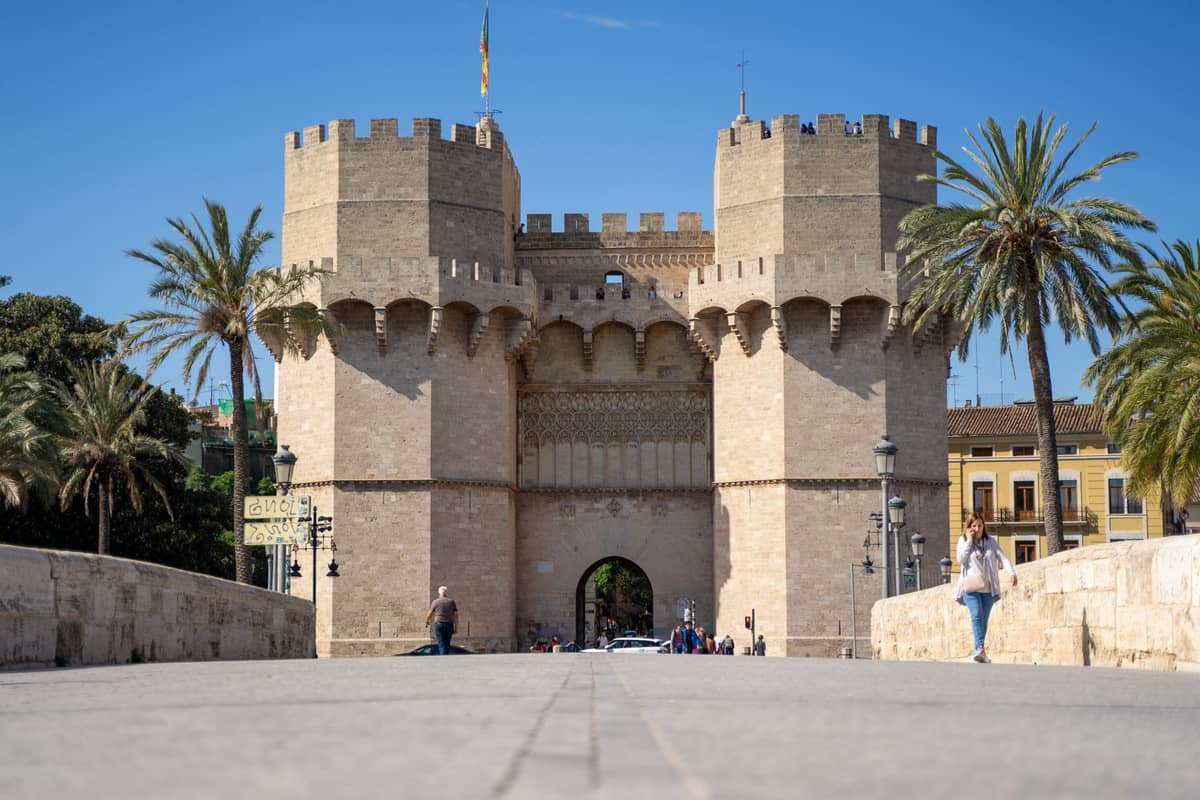
Two medieval gate towers are worth pausing for. The Torres de Serranos and the Torres de Quart both sit directly above the park at opposite ends of the old city walls. You can lock your bike at the base and climb either tower for views over the riverbed itself.
At the eastern end, the City of Arts and Sciences rewards a longer stop. The Hemisfèric IMAX cinema, the Museu de les Ciències, and L'Oceanogràfic all charge separate admission but are individually worth the entry fee depending on your interests. Even if you skip the ticketed attractions, the architecture and the reflecting pools are striking at no cost.
Cyclists who want to extend the route beyond the Turia Garden can continue east toward the beach district of Malvarrosa via dedicated cycle lanes. The Playa de la Malvarrosa is roughly 3–4km from the eastern end of the park, making a beach finish entirely feasible on a full-day outing.
✨ Pro tip
Bring a lock even if your rental includes one. Stopping to explore the towers, Gulliver Park, or the science complex is much easier if you can secure your bike confidently. The purpose-built bike racks along the route are well-maintained and reliable.
Practical Tips Before You Ride
The Turia Garden cycling route pairs well with other Valencia activities. You can combine it with a morning visit to the Mercado Central before heading into the park, or finish with dinner in Ruzafa, which sits just south of the eastern section of the route. For a full-day itinerary that incorporates the park, the 3 days in Valencia guide includes a structured route.
- Water: The route is long and exposed in places. Carry at least one bottle and refill at the drinking fountains located at intervals throughout the park.
- Sun protection: Even in spring and autumn, Valencia's Mediterranean sun is strong. Sunscreen and sunglasses are not optional in summer.
- Path etiquette: The Turia Garden has separate pedestrian and cycling lanes in most sections, but it is not always clearly marked. Yield to pedestrians, particularly near Gulliver Park where children are unpredictable.
- Timing your stop at Gulliver Park: Entry is free but the playground closes in the evening and usually follows a split-shift schedule in summer (with separate morning and late-afternoon opening periods in July and August). Check current hours if cycling with young children.
- Cycling within the riverbed: The park's cycle paths are well-maintained and mostly flat. Occasional sections near the older bridges involve short ramps or steps; these are navigable on standard bikes but awkward on cargo bikes or bikes with trailers.
For travellers trying to plan around Valencia's full transport network, the getting around Valencia guide covers metro, bus, and bike infrastructure in detail. The Turia Garden slots naturally into a wider cycling-friendly city that has invested significantly in dedicated lane infrastructure over the past decade.
FAQ
Is cycling allowed in the Turia Garden in Valencia?
Yes, cycling is fully permitted and actively encouraged throughout the Jardí del Túria. The park has dedicated cycling areas and biking circuits, particularly in the western sections near Parque de Cabecera. Cyclists share the space with pedestrians but most sections have clearly marked separate lanes.
How long does it take to cycle the full Turia Garden route?
The one-way distance from Parque de Cabecera to the City of Arts and Sciences is approximately 8.5km. At a leisurely pace with a few stops, the one-way ride takes around 45–60 minutes. A full round trip with stops at Gulliver Park and the City of Arts and Sciences typically takes 2–3 hours.
Do I need to book a bike rental in advance for the Turia Garden?
Advance booking is advisable in summer (June to September) and during major festivals like Las Fallas in March. Outside peak season, walk-in rentals are usually available, but popular shops near the park can fill up by mid-morning on weekends.
Is the Turia Garden cycling route suitable for children?
Yes, with some caveats. The route is flat and car-free, making it safe and manageable for children on bikes or in bike seats. Gulliver Park in the middle of the route is a natural rest stop for families. The main consideration is the length: 8.5km each way is too much for young children on their own bikes, so plan shorter sections or bring a child seat or cargo bike.
Can I cycle from the Turia Garden to the beach?
Yes. From the eastern end of the Turia Garden near the City of Arts and Sciences, dedicated cycle lanes continue toward the coast. Playa de la Malvarrosa and Playa de las Arenas are roughly 3–4km further east, making a combined Turia-to-beach route around 12km one way from Parque de Cabecera.