Munich's Altstadt is the compact, monument-dense historic center of Bavaria's capital, where Gothic town halls, Baroque churches, and royal courtyards sit within a few minutes' walk of each other. Bounded by the Altstadtring, it draws more visitors than anywhere else in the city — and for good reason.
Munich's Altstadt is where the city began, and in many ways it's still where the city announces itself. Within the ring of the old medieval fortifications, you'll find Marienplatz, the Frauenkirche, the Residenz, and the Hofbräuhaus — the landmarks that define Munich's image to the outside world. It is dense, walkable, historically layered, and relentlessly visited.
Orientation: Where the Altstadt Sits
The Altstadt forms the core of Munich's administrative district Altstadt-Lehel (District 1) and sits at the geographic and cultural center of the entire city. Its boundary follows the Altstadtring, the ring road that traces the line of the old medieval fortifications. The four historic gates mark the rough compass points of this boundary: Isartor to the east, Sendlinger Tor to the south, Karlstor at Karlsplatz (known locally as Stachus) to the west, and the area opening toward Odeonsplatz and the Hofgarten to the north.
The district is small enough to walk end to end in around 20 minutes at a relaxed pace, which is both its greatest strength and part of what makes it feel overwhelming in peak season. Everything clusters tightly: the royal Residenz complex sits barely five minutes on foot from Marienplatz, which is itself a two-minute walk from the Viktualienmarkt. The streets inside the ring follow a rough medieval pattern, with a few main arteries — Kaufingerstrasse and Neuhauser Strasse forming the main east-west pedestrian spine — and a maze of narrower lanes between them.
Surrounding the Altstadt, the city's other major neighborhoods extend outward in every direction. To the north and west lies Maxvorstadt, home to the university quarter and the major art museums. To the east across the Isar sits Haidhausen, a residential district with a markedly different pace. To the south, the Altstadt bleeds into Ludwigsvorstadt-Isarvorstadt, where the Theresienwiese and the city's nightlife quarter begin. Understanding the Altstadt as the hub from which all these areas radiate helps build a mental map of Munich as a whole.
Character and Atmosphere
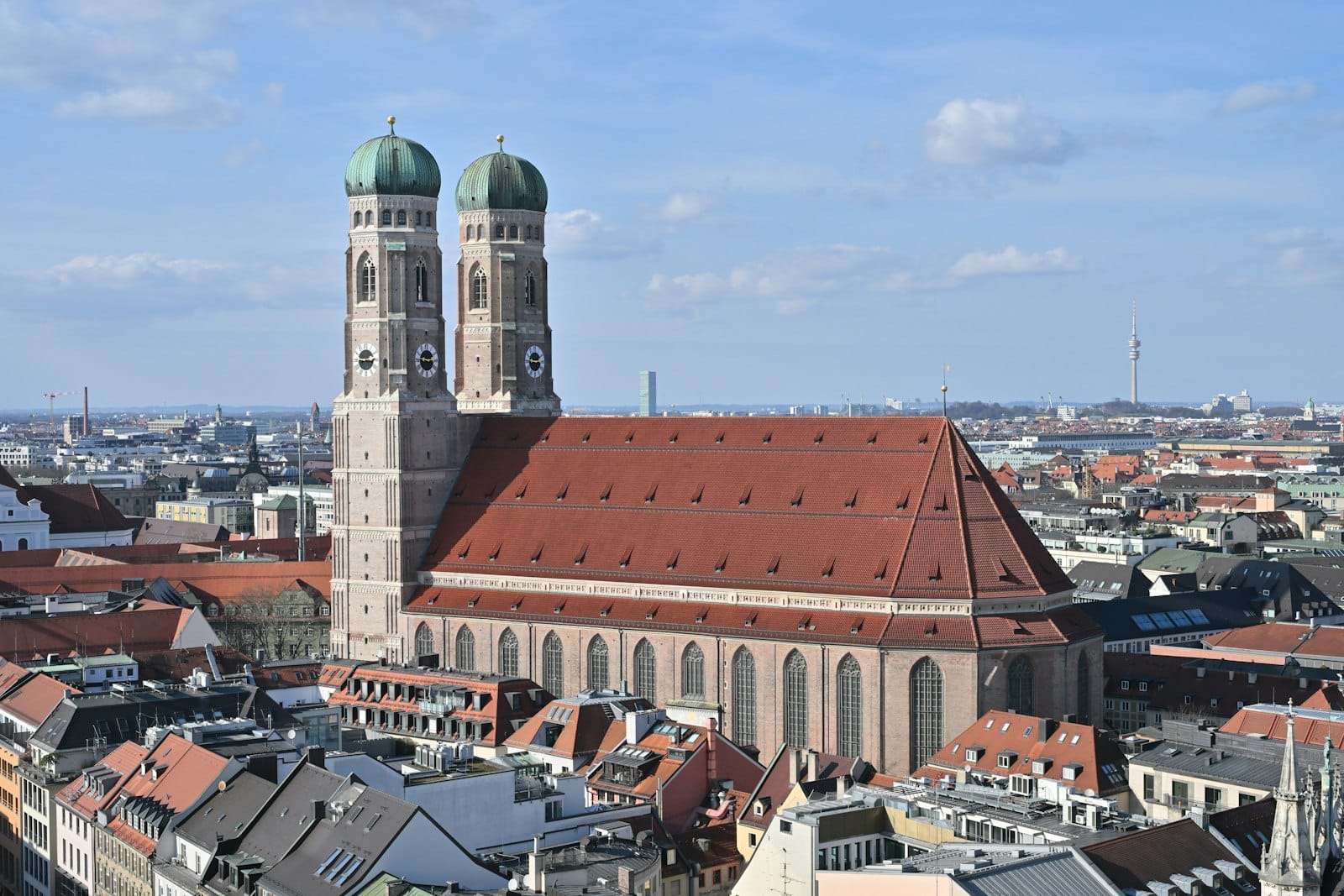
The Altstadt operates in distinct rhythms across the day, and the difference between 7 a.m. and noon is stark. Early in the morning, before the tourist wave arrives, the pedestrian zone along Kaufingerstrasse and the space around Marienplatz belongs mostly to delivery trucks, street sweepers, and locals cutting through on their way to work. The stone pavement is still damp from overnight cleaning. The towers of the Frauenkirche catch the early light from the east and the city feels briefly like its own place rather than a backdrop for photographs.
By mid-morning the character shifts dramatically. The Viktualienmarkt south of Marienplatz has been in full swing since dawn, with stalls selling cheese, bread, seasonal produce, and flowers. The beer garden at the center of the market opens earlier than almost anywhere else in the city. Tour groups form outside the Neues Rathaus waiting for the Glockenspiel to perform at 11 a.m. and noon. The pedestrian zone fills shoulder-to-shoulder with shoppers, sightseers, and school groups. This is Munich at its most visited, and if crowds are not your thing, it is worth being honest with yourself about whether the Altstadt's peak hours suit you.
Afternoons are the most tourist-dense window of the day. The streets between Marienplatz and the Hofbräuhaus can feel like a funnel of foot traffic. The side streets — Burgstrasse, Sparkassenstrasse, the lanes around Alter Hof — offer immediate relief. Step off the main axis and the density drops sharply; you can stand in front of the Alter Hof, Munich's oldest royal courtyard, with almost no one else around.
After dark, the Altstadt transforms again. The daytime shopping crowd thins out after 8 p.m. The restaurants and beer halls around Platzl and along Tal absorb groups well into the night. The Marienplatz itself takes on a different quality after dark, when the Neues Rathaus is floodlit and the square empties enough to actually feel its scale. During Advent, the Christmas market that fills the square is one of the most atmospheric in Germany — the smell of mulled wine, roasting nuts, and wood smoke overlaying the Gothic facade of the town hall.
💡 Local tip
If you want to experience the Altstadt without crowds, aim for weekday mornings between 7 and 9 a.m. The markets are operating, the light is good, and the pedestrian zone is navigable. By 10:30 a.m. the tour groups have arrived.
What to See and Do
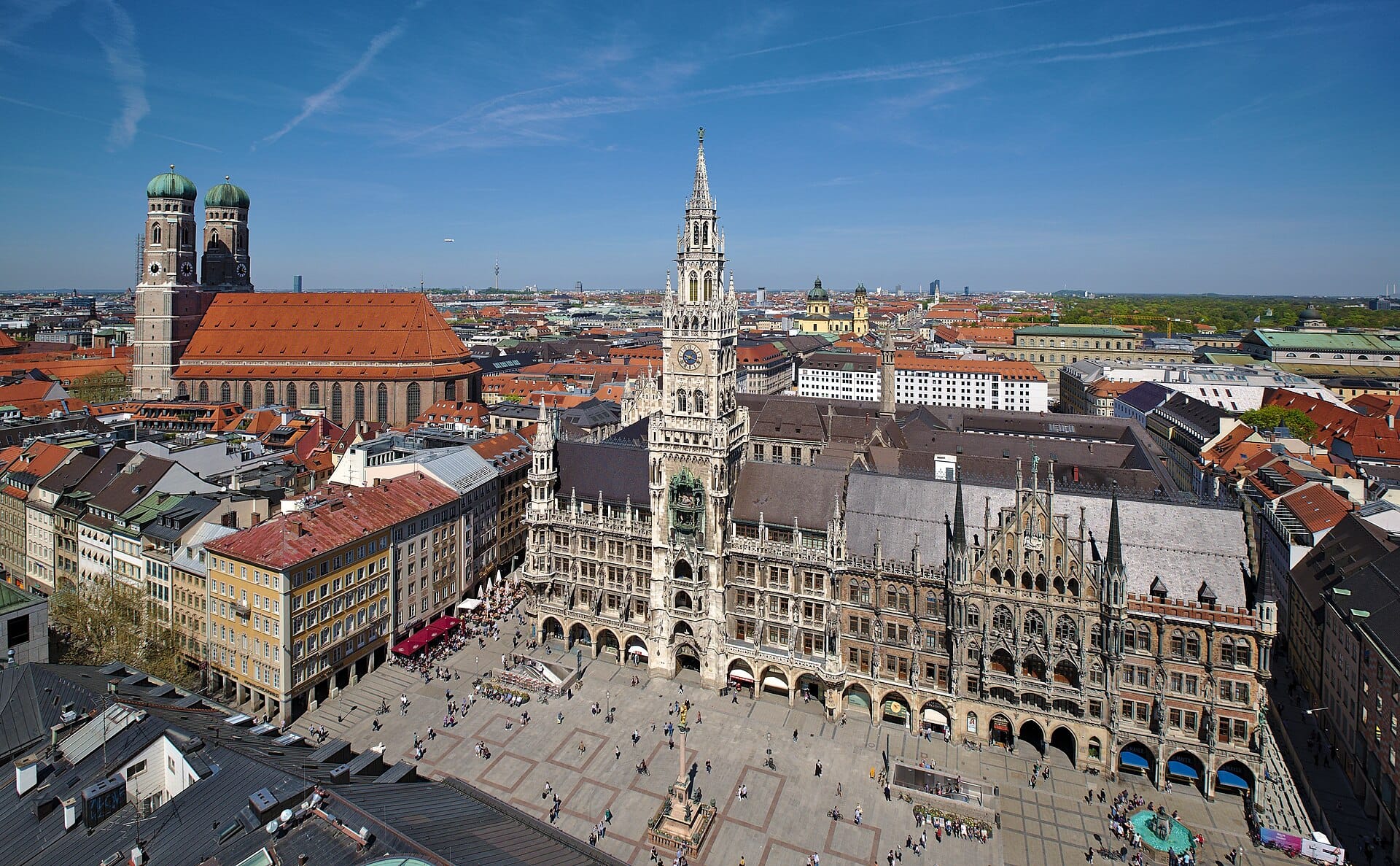
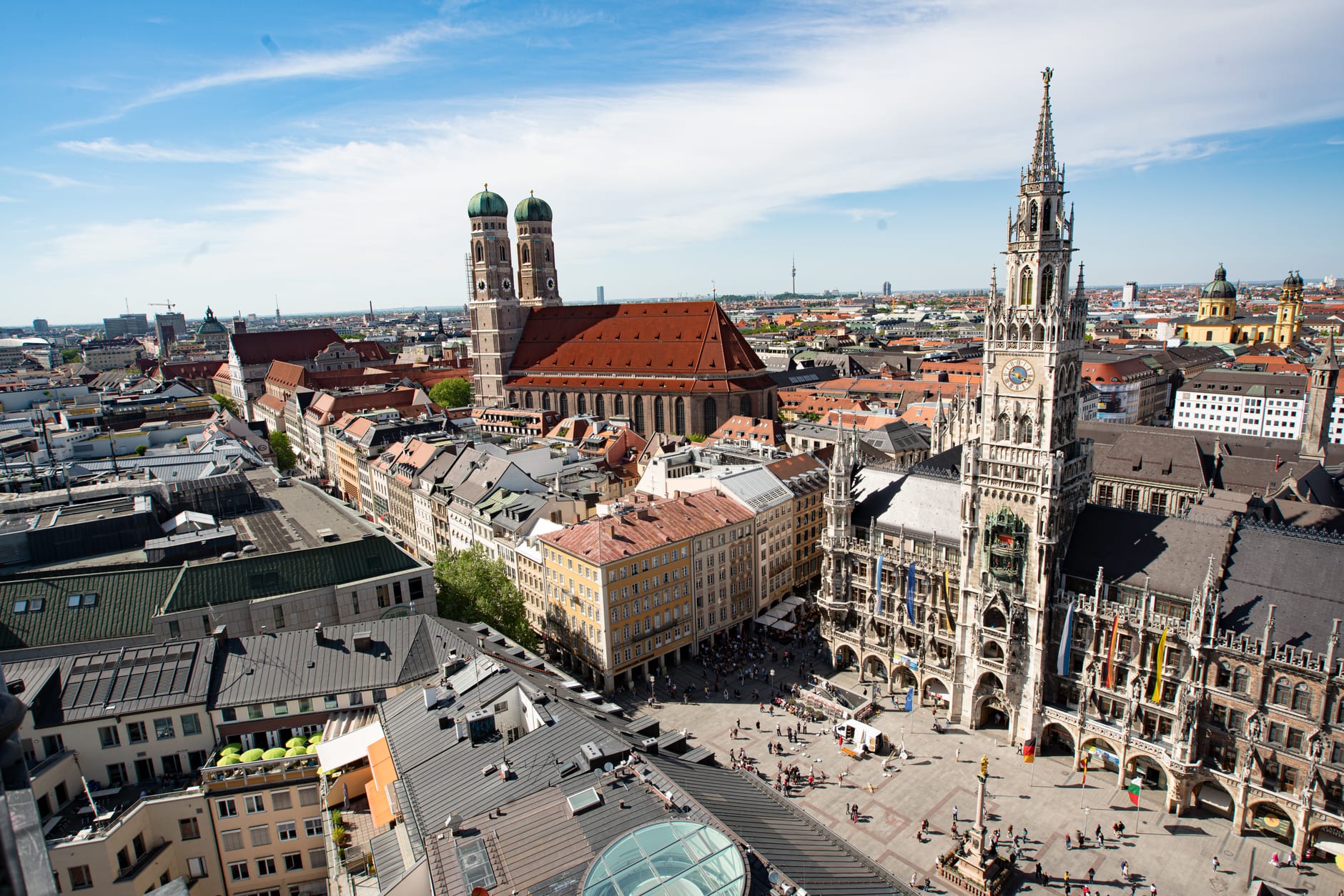
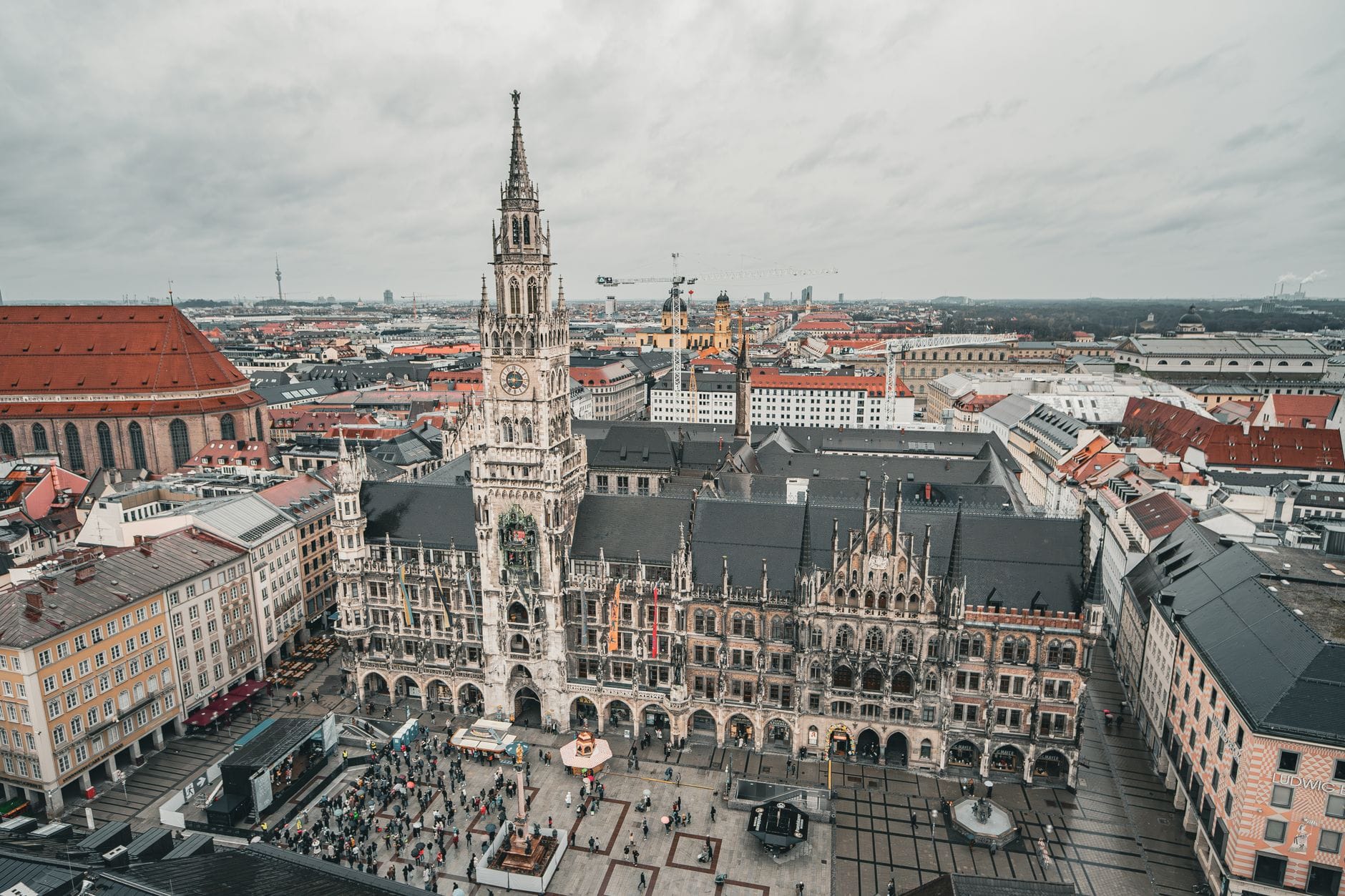
The visual anchor of the entire neighborhood is Marienplatz, Munich's main public square. The square is flanked by the Neues Rathaus (New Town Hall) to the north, whose neo-Gothic facade dates to the late 19th century, and the smaller, older Altes Rathaus to the east. The Glockenspiel in the Neues Rathaus tower performs daily and draws large crowds; position yourself early if you want a clear sightline. The Mariensäule column at the center of the square dates to 1638 and was erected to mark the city's survival of the Thirty Years' War and a plague epidemic.
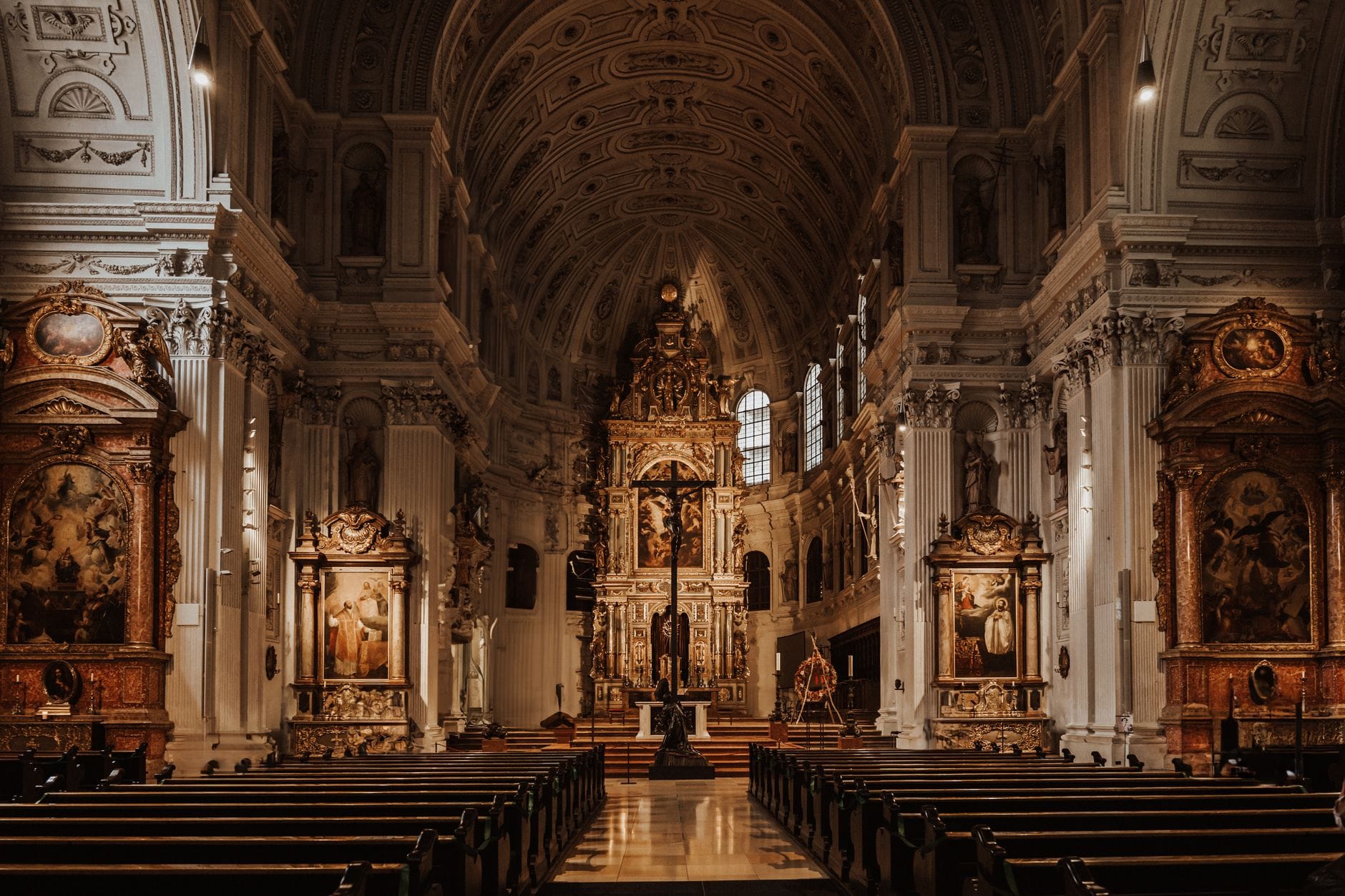
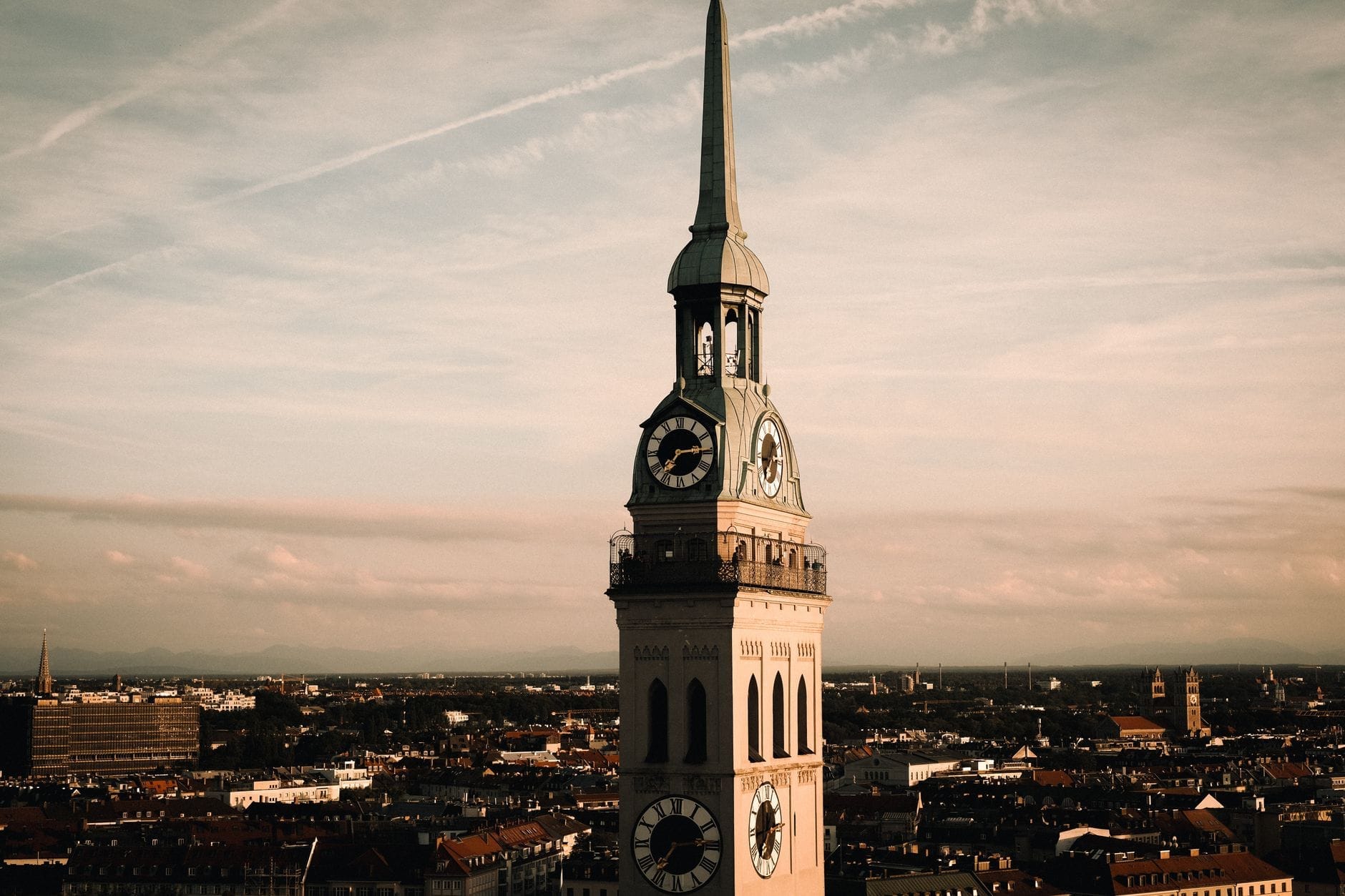
The Frauenkirche is Munich's cathedral and its most recognizable silhouette — the twin onion-domed towers visible from across the city. Construction began in 1468 and the building remains the dominant architectural landmark of the Altstadt. Inside, the nave is impressively austere. The so-called Teufelstritt (Devil's Footprint), a dark mark in the floor near the entrance, is one of those small details that reward visitors who look past the obvious. Entry to the cathedral itself is free.
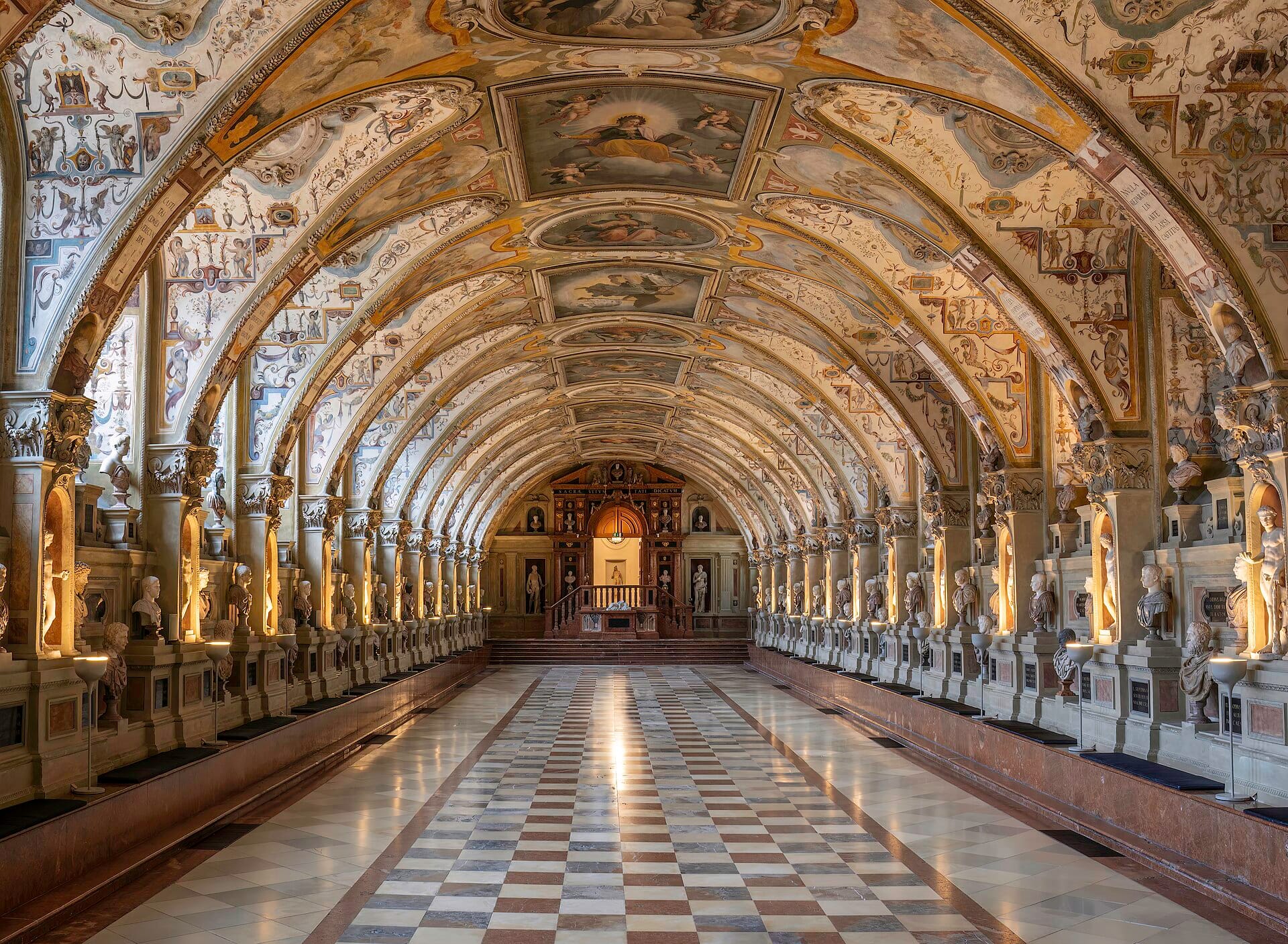
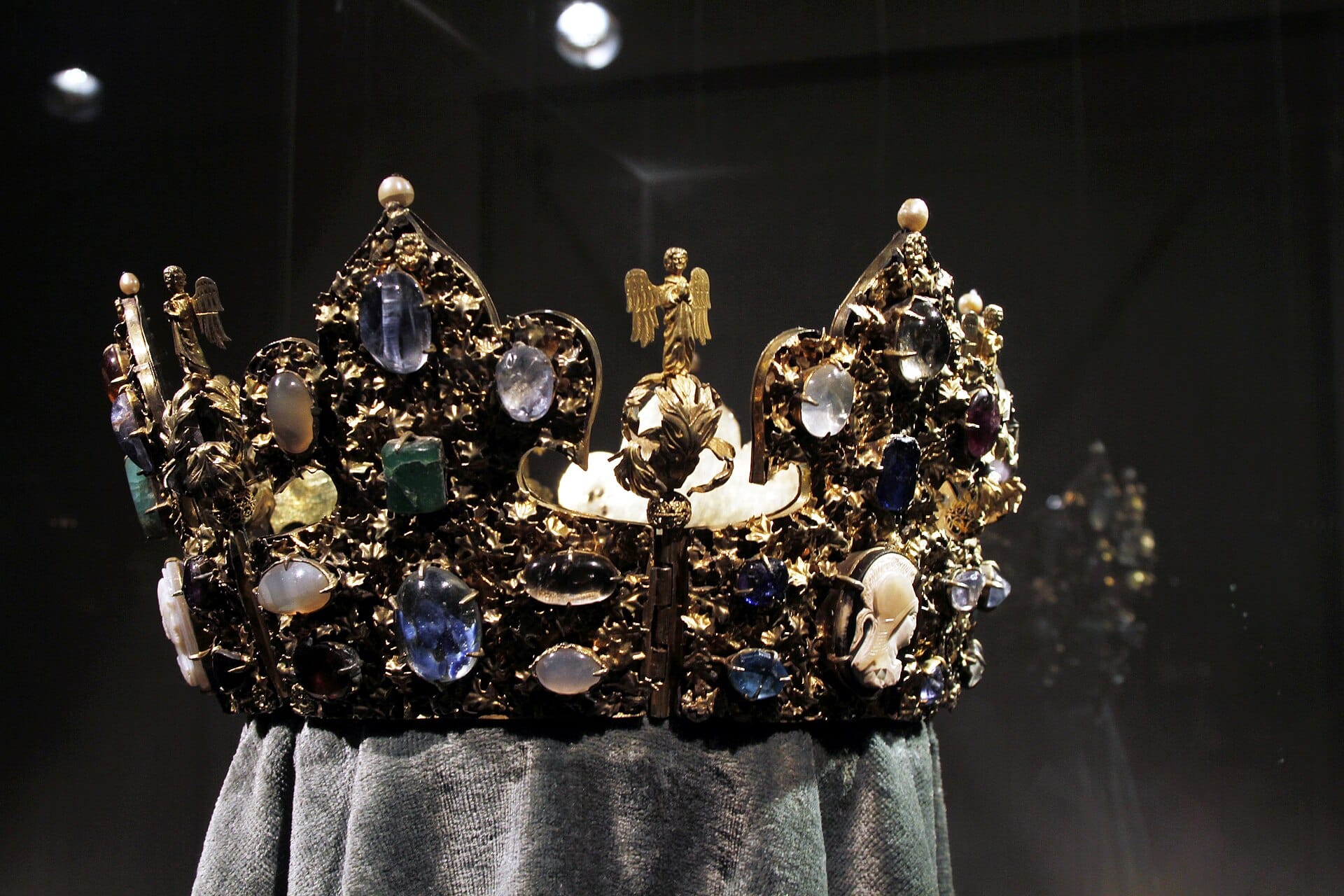
The Munich Residenz complex along Max-Joseph-Platz is one of the largest palace complexes in Germany and anchors the northern edge of the Altstadt. The Residenz was the seat of the Wittelsbach dynasty for centuries and today contains an extraordinary museum spread across around 130 rooms. The Residenz Treasury holds some of the most significant examples of European goldsmithing and royal regalia you'll see anywhere. Plan two to three hours minimum if you intend to do both museum and treasury seriously.
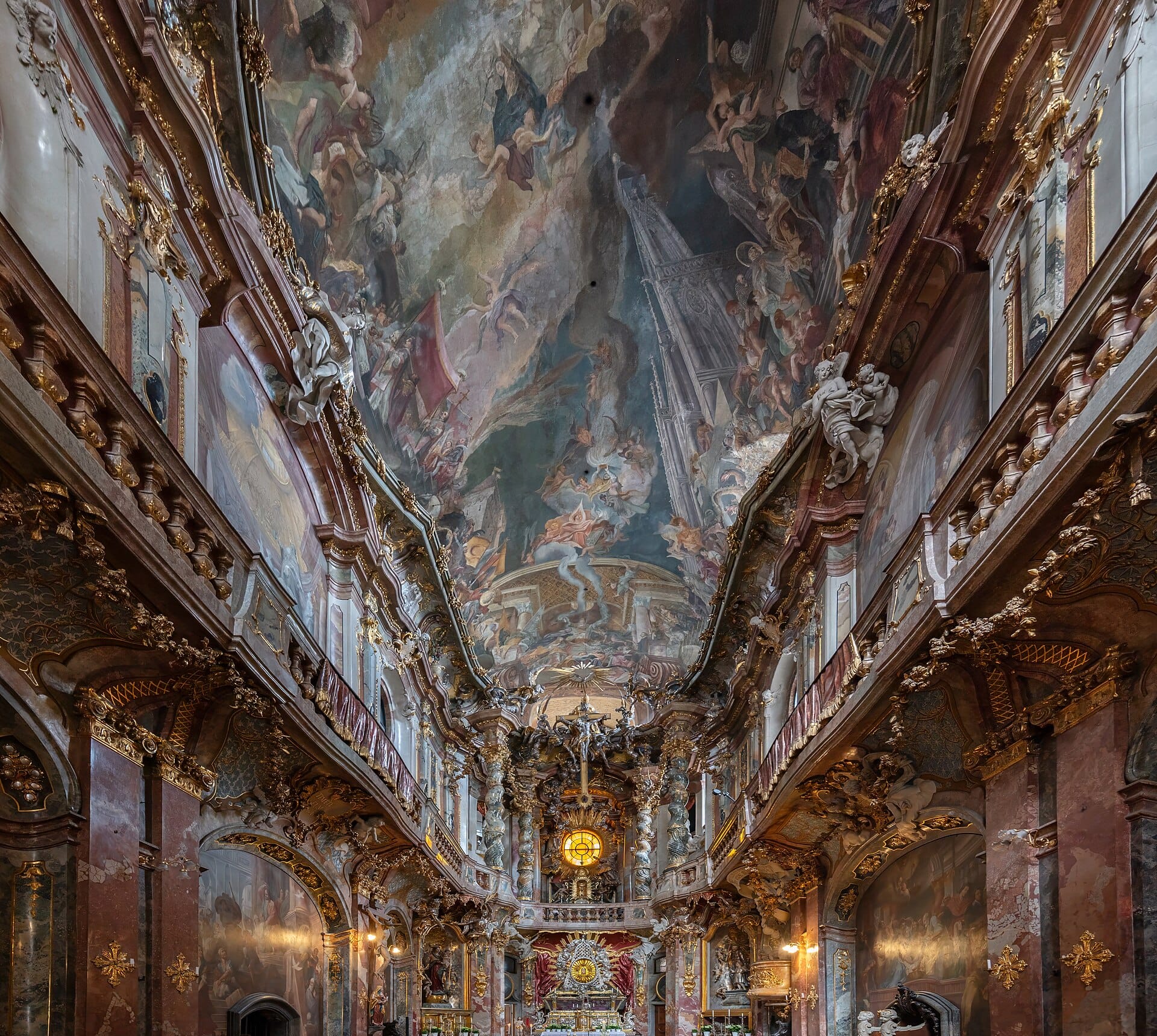
Asamkirche on Sendlinger Strasse: one of the most intensely decorated Baroque churches in Germany, built by the Asam brothers in the 1730s as a private chapel — entry is free
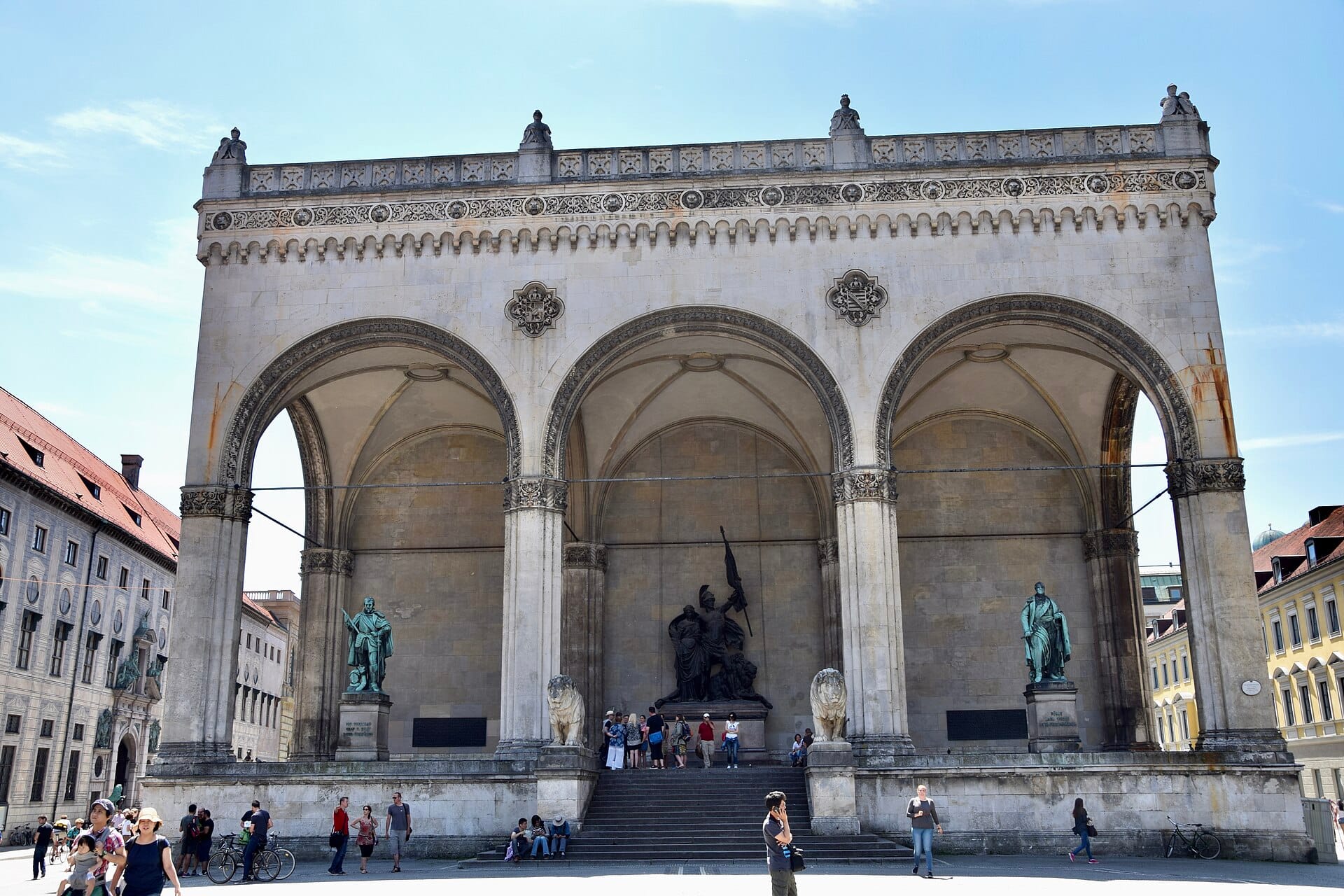
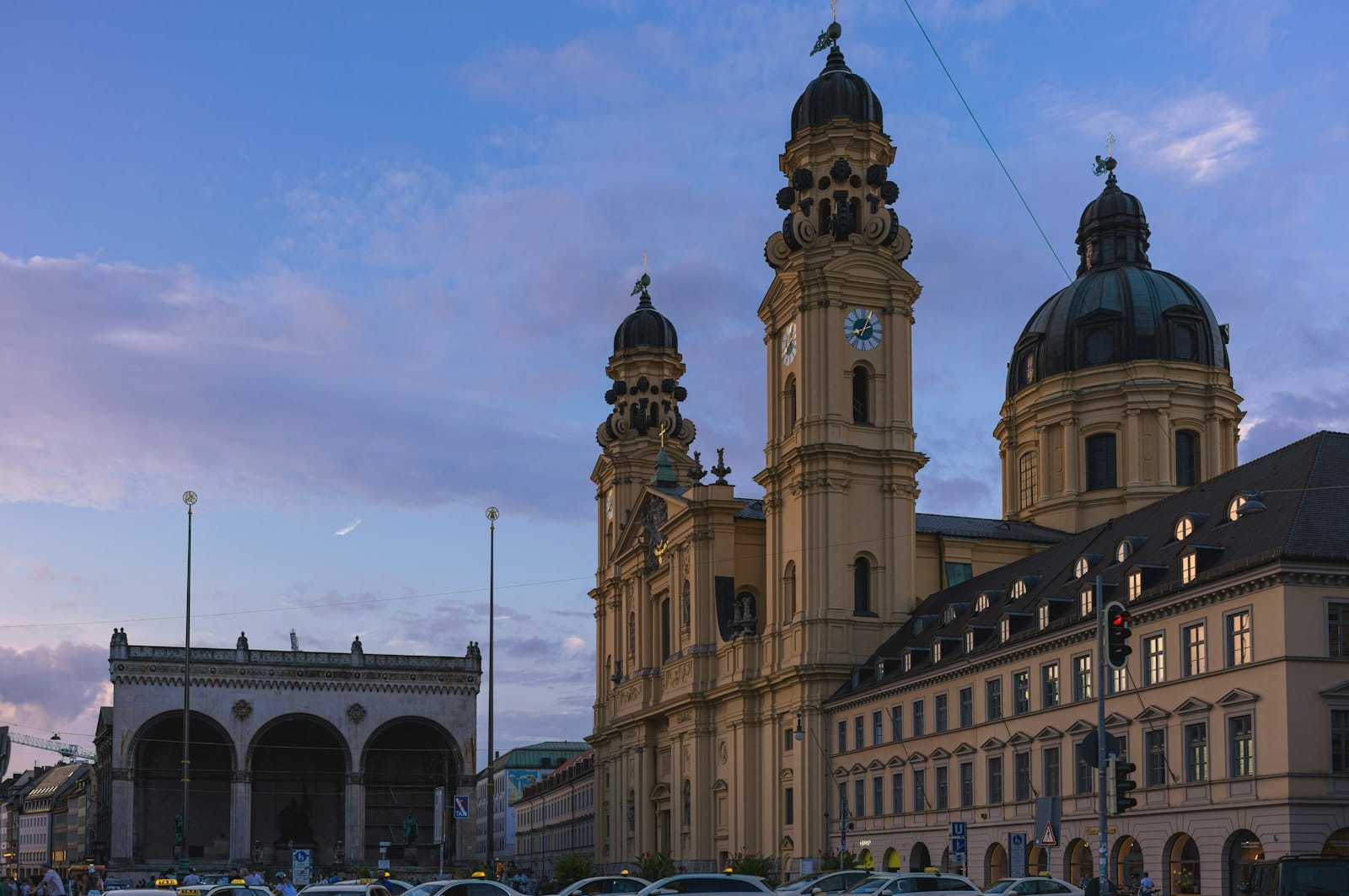
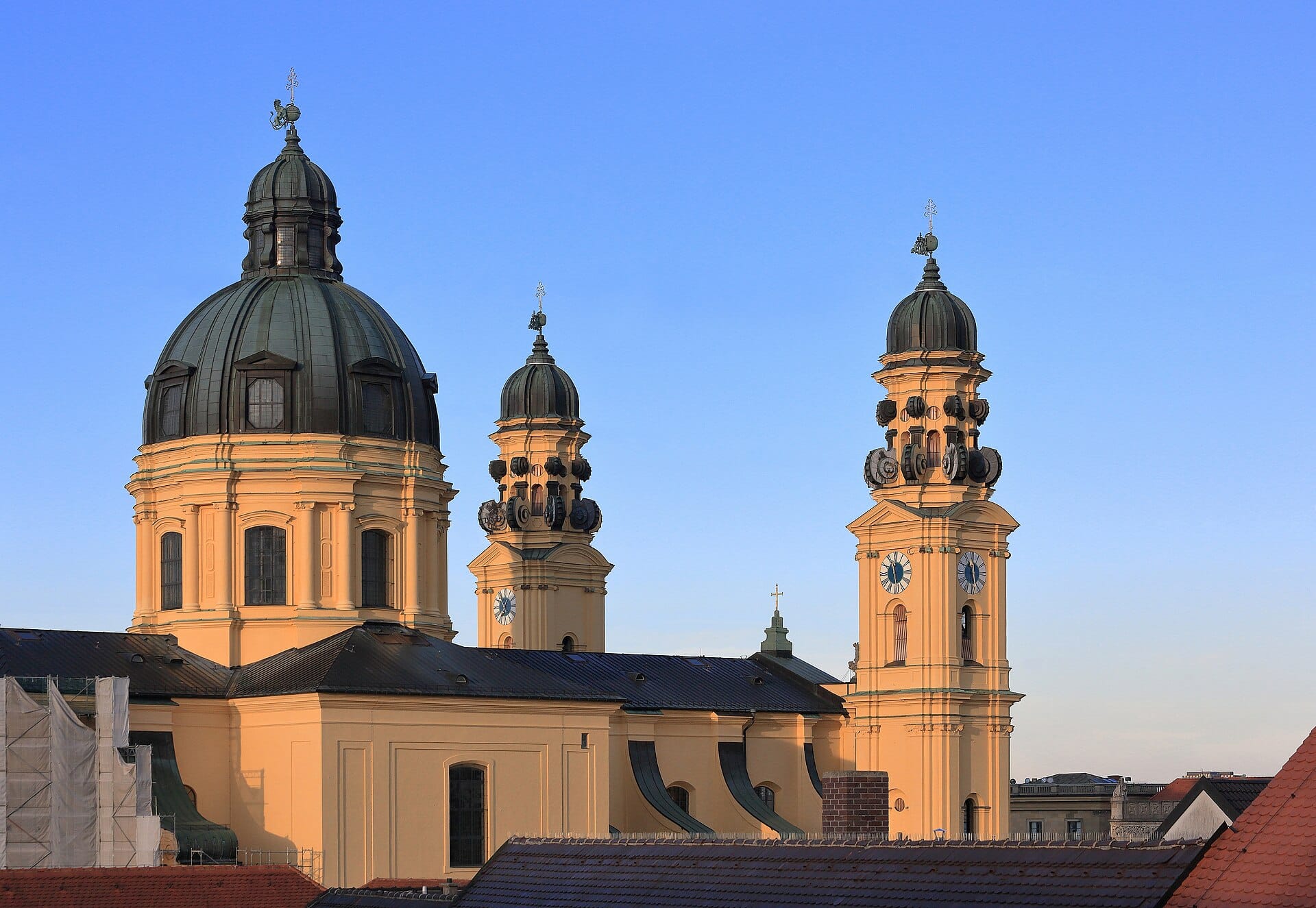
Odeonsplatz and the Feldherrnhalle: the northern gateway to the Altstadt, flanked by the Theatinerkirche's yellow Baroque facade and with direct views down Ludwigstrasse
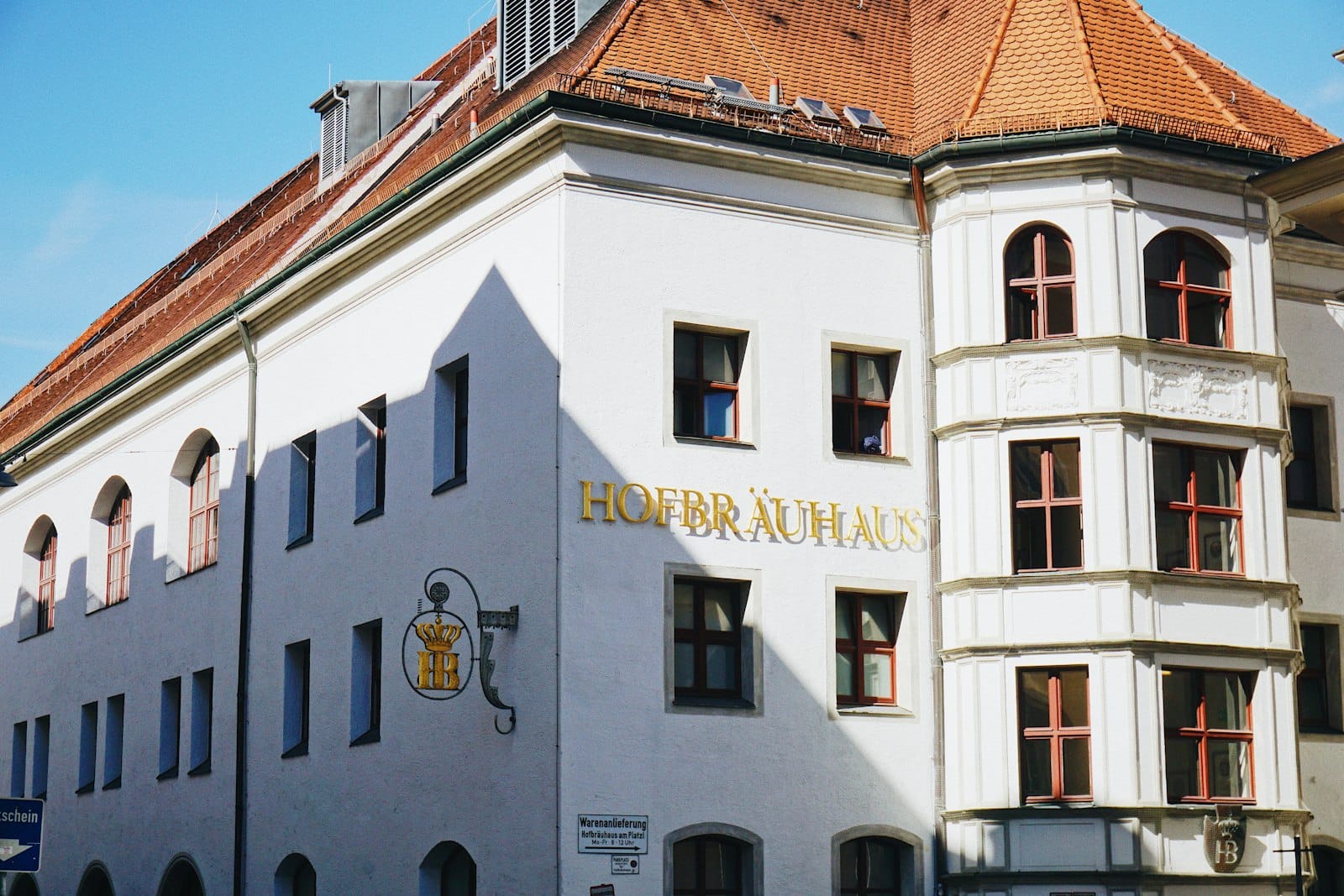
Hofbräuhaus on Platzl: Munich's most famous beer hall, built on the site of a 16th-century ducal brewery — touristy but historically genuine
Alter Hof: Munich's oldest surviving royal courtyard, dating to the 13th century, now surrounded by offices and a small museum beneath it
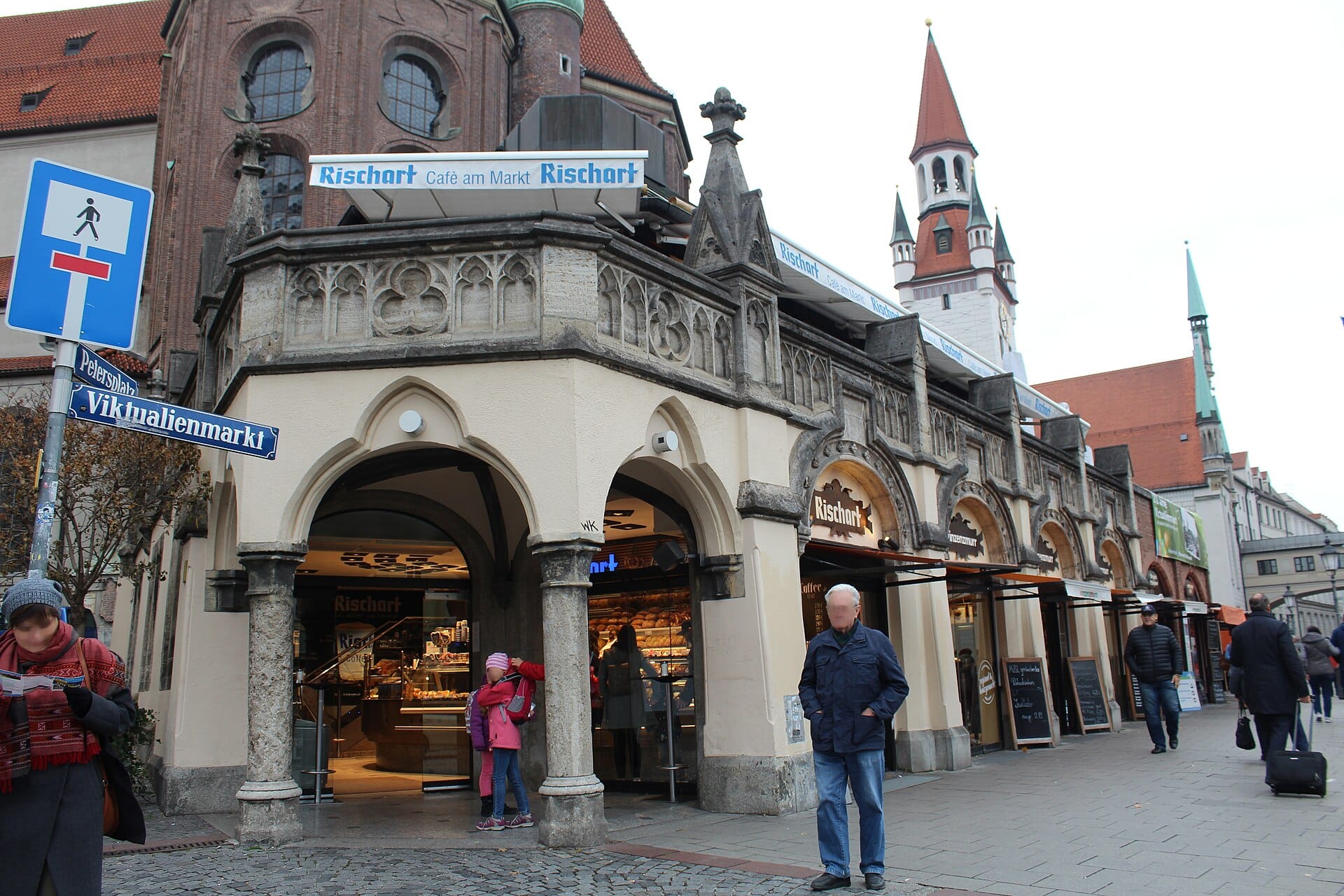
Viktualienmarkt: an open-air food market operating daily except Sundays, with a beer garden at its center
For context on Munich's darkest historical chapter, the NS-Dokumentationszentrum sits just outside the Altstadt's western edge on Brienner Strasse. The Altstadt itself was the geographic center of the early Nazi movement's activity in Munich — Feldherrnhalle at Odeonsplatz, for instance, was the site of the failed 1923 Beer Hall Putsch — and understanding this history adds a significant layer to walking the neighborhood.
ℹ️ Good to know
The Munich City Pass covers entry to several Altstadt attractions including the Residenz and includes unlimited public transport use. Check current validity and pricing before purchase, as the pass structure is updated periodically.
Eating and Drinking
The Altstadt's food scene spans an enormous range, from tourist-trap beer halls charging elevated prices to genuinely excellent restaurants tucked into side streets that locals have been using for decades. Knowing where to look makes a significant difference to what you eat and what you pay.
The Viktualienmarkt is the best place in the neighborhood to eat simply and well. Stalls sell prepared foods including Bavarian sausage, fresh bread, cheeses from across Bavaria and beyond, and seasonal produce. The market beer garden in the center — open from mid-morning — serves rotating seasonal beers from Munich's six major breweries on a monthly schedule. It is one of the few places in the Altstadt where you can sit outside, eat reasonably well, and pay market rather than restaurant prices.
Traditional Bavarian restaurants — serving Schweinsbraten (roast pork), Weisswurst with sweet mustard, Obatzda (a seasoned cheese spread), and pretzels — are concentrated around Platzl, along Tal, and in the lanes south of Marienplatz. Quality ranges widely. The closer a restaurant is to the main tourist flow, the more likely the price-to-quality ratio has shifted in the house's favor. The Hofbräuhaus is worth experiencing once for the spectacle and the genuine history — the cavernous ground-floor hall holds around 1,300 people — but the food is secondary to the experience.
For coffee and lighter eating, the streets around Sendlinger Strasse and the lanes between the Viktualienmarkt and Sendlinger Tor have a denser concentration of independent cafes than the immediate Marienplatz area. The Altstadt is not a neighborhood with a strong independent cafe culture at its core — that is better found in Maxvorstadt or Glockenbachviertel — but good options exist if you walk a few minutes south or west of the main square.
In the evening, the beer halls take on a full character: loud, communal, and genuinely enjoyable if you accept them on their own terms. Munich's beer hall culture involves long shared tables, ordering from circulating servers rather than a fixed menu, and the expectation that you will stay for at least one Mass (a one-liter stein). The experience is particular to Bavaria and worth having at least once, even if it is not representative of how most Munich residents eat on an ordinary evening.
⚠️ What to skip
Restaurants directly on Marienplatz and along the pedestrian zone on Kaufingerstrasse and Neuhauser Strasse charge a premium for location. Food quality rarely matches the price. Walk two or three streets away from the main axis for noticeably better value.
Getting There and Around
The Altstadt has exceptional public transport access from every direction. Marienplatz is served by U-Bahn lines U3/U6 and U4/U5, making it one of the most connected individual stops in the entire Munich network. Odeonsplatz at the northern edge serves U3/U6. Karlsplatz (Stachus) to the west is a major interchange for U1/U2 and several S-Bahn lines. Sendlinger Tor to the south serves U1/U2 and U3/U6. In practical terms this means you are never more than a five-minute walk from a U-Bahn station anywhere in the Altstadt.
From Munich Hauptbahnhof (Central Station), the Altstadt is a single stop or an eight-minute walk east along Neuhauser Strasse, which transitions into Kaufingerstrasse and ends at Marienplatz. From Munich Airport (MUC), the S1 and S8 S-Bahn lines run directly to Marienplatz in approximately 40 minutes. For a full overview of how to move around Munich using public transport, the MVV network covers trams and buses in addition to the U-Bahn and S-Bahn. See the guide to getting around Munich for ticket types, zone structures, and the best options for visitors.
Within the Altstadt itself, walking is both the fastest and most practical way to move. The core pedestrian zone between Karlsplatz and Marienplatz is car-free, and most of the main sights cluster within a 10 to 15-minute walk of each other. Cycling is possible in some parts but the pedestrian zones are restricted to foot traffic during daytime hours, and the density of people on peak days makes cycling impractical on the main routes. The Munich cycling network connects well to surrounding neighborhoods if you are basing yourself here and want to explore outward.
Where to Stay
Staying in the Altstadt puts you within walking distance of most of Munich's major historic sights and offers unbeatable transit connectivity. The tradeoff is that this is the most expensive part of the city for accommodation, and the street-level noise from pedestrian traffic, bar closings, and early morning deliveries means lighter sleepers should request rooms away from the main pedestrian zone. For a broader look at how the Altstadt compares to other neighborhoods for accommodation, the guide to where to stay in Munich covers the full range of options across the city.
Hotels in the Altstadt range from international business-class chains near Marienplatz and Karlsplatz to smaller boutique properties tucked into quieter side streets. The area around Tal and the streets south of Marienplatz toward Isartor tends to be slightly quieter at night than the immediate Kaufingerstrasse corridor, while still offering the same central access. Budget accommodation is limited in the Altstadt itself; travelers on tighter budgets typically find better value in Maxvorstadt, Schwabing, or Haidhausen, all of which are 10 to 20 minutes from the Altstadt by public transport.
During Oktoberfest (late September to the first weekend of October) and the Christmas market period (late November to December 24), accommodation prices across Munich rise sharply, and Altstadt hotels in particular can reach multiples of their standard rates. Book well in advance for these periods — months rather than weeks ahead for Oktoberfest.
Practical Notes and Drawbacks
The Altstadt is Munich's most visited area and that brings predictable pressures. In peak summer months and during major events, the pedestrian zone between Karlsplatz and Marienplatz can feel genuinely uncomfortable in the midday hours. Pickpocketing is a known concern in any dense tourist area, and the Marienplatz zone is no exception. Keep bags closed and in front of you in the densest crowds.
The neighborhood is not representative of how Munich residents live day to day. The residential population of the Altstadt is relatively small compared to the daytime and evening visitor footfall. If you want to understand Munich's actual neighborhood character — the places where locals eat, shop, and spend time — you will need to venture into areas like Schwabing or Glockenbachviertel. The Altstadt is where Munich performs itself for visitors; the other neighborhoods are where it actually lives.
That said, for a first visit to Munich, the Altstadt is the logical starting point. The concentration of historically significant sites is remarkable for a compact area, the public transport access is unmatched, and the walking conditions are good. Those interested in planning a fuller itinerary around the city might find the 3 days in Munich guide a useful framework for how to use the Altstadt as a base while reaching other neighborhoods and attractions efficiently.
TL;DR
The Altstadt is Munich's historic core, bounded by the Altstadtring, and home to Marienplatz, the Frauenkirche, the Residenz, and the Hofbräuhaus — the defining landmarks of Bavaria's capital.
Exceptional transit access via multiple U-Bahn lines at Marienplatz, Karlsplatz, Sendlinger Tor, and Odeonsplatz makes it the easiest neighborhood to reach from anywhere in the city.
Best experienced in the early morning before 9 a.m. or after 8 p.m., when crowds thin and the architectural scale of the squares and streets becomes readable again.
Accommodation and dining carry a location premium; budget travelers will find better value by staying in Maxvorstadt, Schwabing, or Haidhausen and commuting in.
Ideal for first-time visitors to Munich who want to orient themselves around the city's main monuments and history; less suited to travelers looking for neighborhood character, independent food scenes, or a quieter base.
Three days is enough time to cover Munich's historic core, its great palace estates, world-class museums, and one excellent day trip. This itinerary structures each day for maximum efficiency, with practical advice on what to skip, what to prioritize, and how to get around without wasting time.
Bavarian cuisine is one of the most distinctive regional food cultures in Europe, and Munich is its undisputed home. This guide covers the essential dishes, realistic prices, where to find authentic food, seasonal tips, and practical advice on avoiding tourist traps.
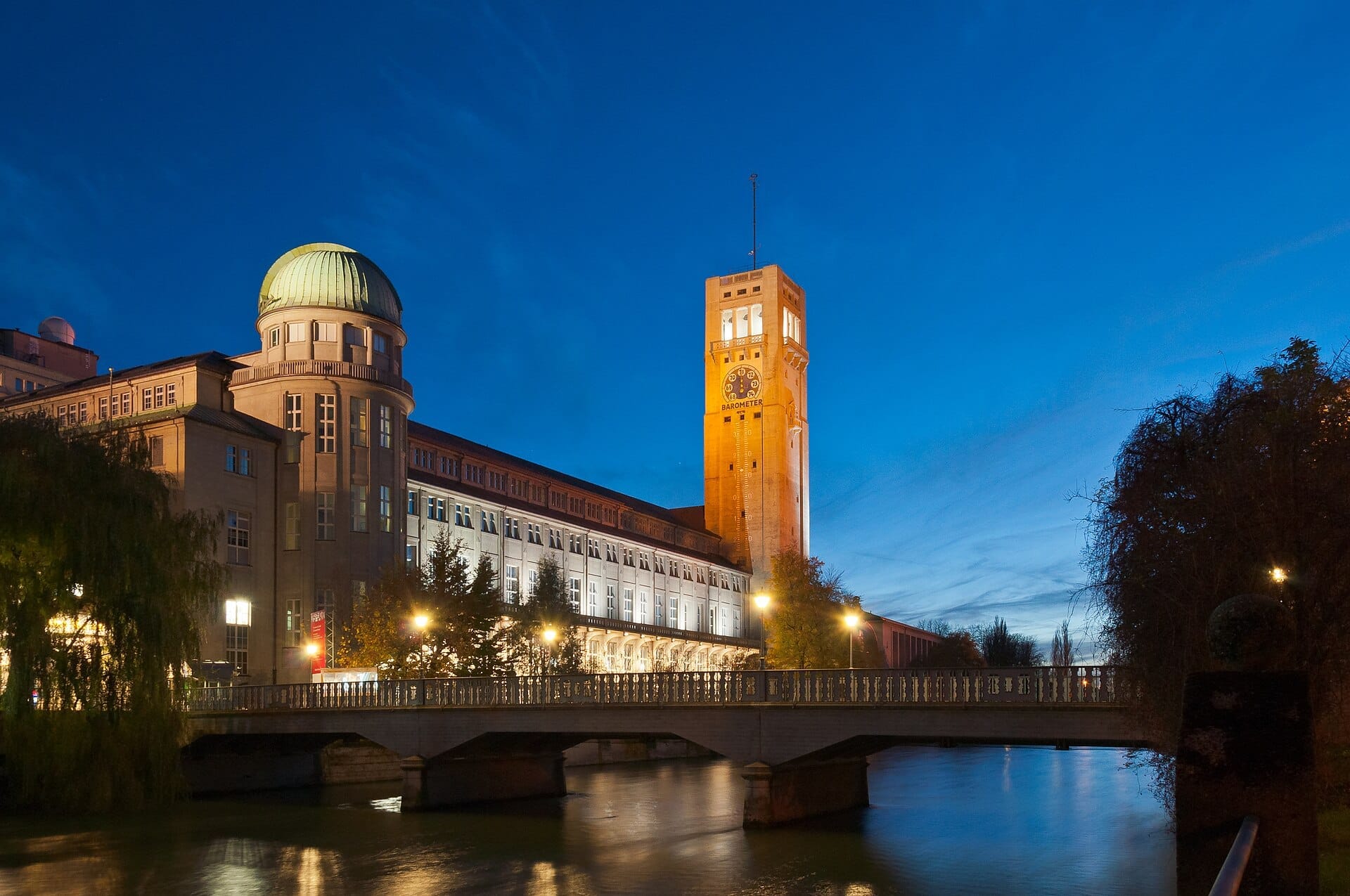
Munich has more than 80 museums, ranging from one of the world's largest science institutions to intimate Art Nouveau villas. This guide covers the 18 best, organized by theme, with practical advice on tickets, free entry days, and how long to spend at each.
Munich rewards visitors in every season, but the right time depends entirely on what you want from the trip. This guide breaks down weather, crowd patterns, hotel prices, and major events month by month so you can make an informed decision before you book.
Munich sits at the center of one of Europe's most rewarding regions for day trips. Within two hours of the city you can reach fairy-tale castles, a sobering memorial site, a foreign capital, and medieval old towns. This guide covers the best options, how to get there cheaply, what to expect, and when to go.
Munich has a reputation for being expensive, but the city rewards those who know where to look. From vast royal parks and free Baroque churches to BMW showrooms and €1 museum Sundays, there is more to experience here without paying full price than most visitors realize.
Munich has one of Europe's most comprehensive public transport networks, covering the entire city and its suburbs through a single ticketing system. This guide breaks down every option, from the S-Bahn airport connection to cycling the Isar, so you can move around Munich with confidence.
Munich consistently ranks as Germany's safest large city, with violent crime against tourists being genuinely rare. But that does not mean you can be complacent. This guide breaks down the real risks, the neighborhoods to know, seasonal crime patterns, and practical safety tips that will help you travel smarter.
The 1972 Munich Olympics were supposed to redefine Germany's image on the world stage. They did, but not in the way anyone intended. This guide covers the full story: the groundbreaking design, the athletic records, the tragedy of September 5th, and how Olympiapark stands today as both a leisure destination and a site of memory.
Munich Airport (MUC) is one of Europe's busy hubs, serving over 1,100 daily flights across two main terminals. This guide covers everything from reading the terminal map and making connections to catching the S-Bahn into Munich city center in under 40 minutes.
Munich was the birthplace of the Nazi movement and home to some of the most significant sites of 20th-century German history. This guide covers the essential locations, how to reach them, what to expect, and how to approach them with the seriousness they deserve.
Munich hosts some of Germany's most celebrated Christmas markets, from the iconic Münchner Christkindlmarkt on Marienplatz to a dozen smaller themed Weihnachtsmärkte spread across the city. This guide covers every major market, what to eat and drink, how to avoid the worst crowds, and what first-timers consistently get wrong.
The Munich City Pass bundles free entry to 40+ attractions with optional public transport into one prepaid card. But at up to €113 per person for five days, it only pays off under specific conditions. This guide breaks down exactly who benefits, how to calculate your savings, and when you're better off paying as you go.
Munich has roughly 1,200 km of bike paths, flat terrain through the city center, and landmark-packed corridors along the Isar and English Garden. This guide covers the best cycling routes, where to rent a bike, what the rules actually say, and when to go.
The Dachau Concentration Camp Memorial Site is one of the most important historical sites in Germany, located just over 20 km northwest of Munich. This guide covers exactly how to get there, what you will find on site, how long to allow, and how to prepare for a visit that demands both practical planning and emotional readiness.
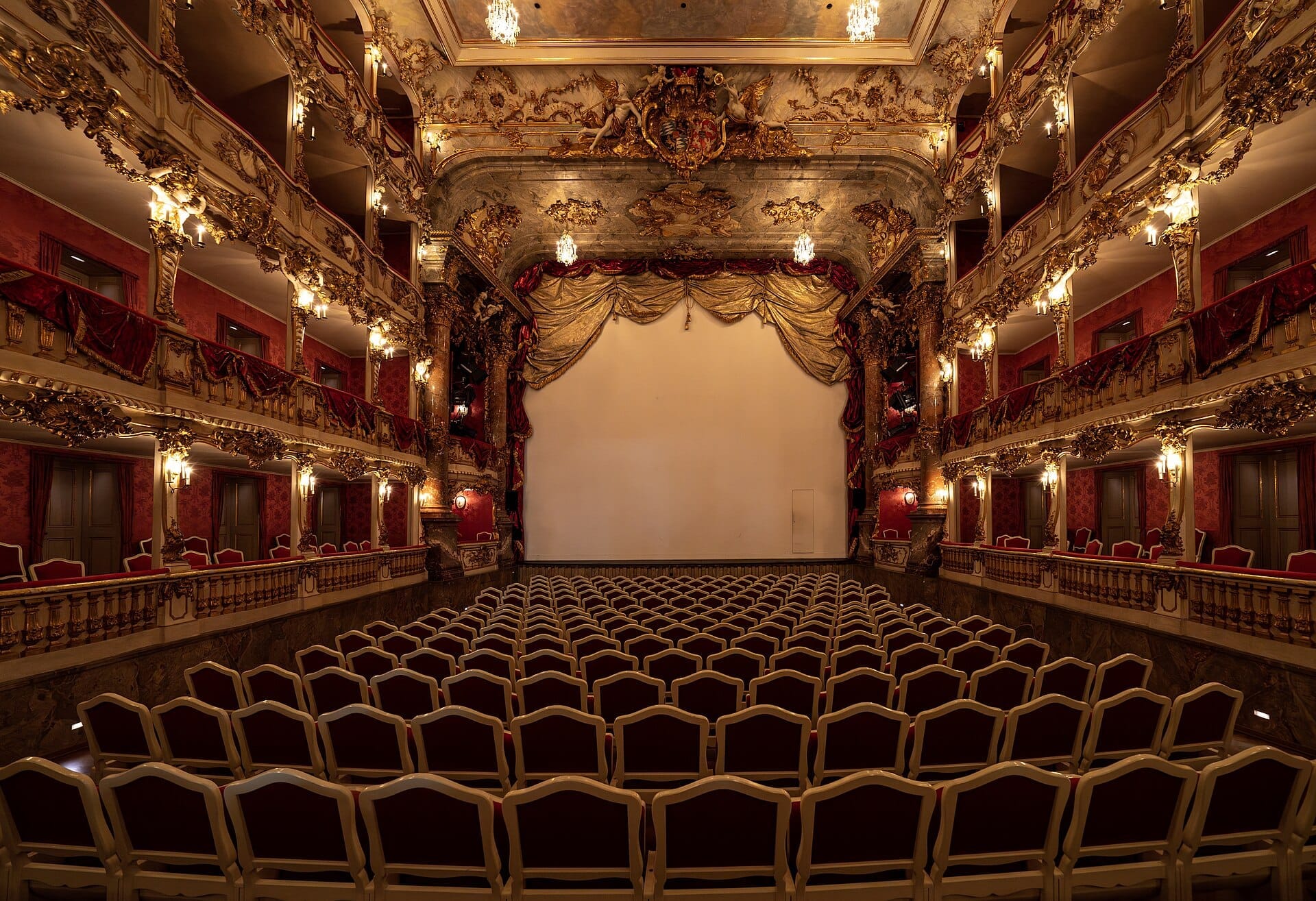
Munich rewards those who look beyond Marienplatz. From a Rococo theatre tucked inside a royal palace to a Baroque beer garden in a former deer park, these lesser-known spots reveal a richer, quieter side of Bavaria's capital.
Summer transforms Munich into one of Europe's most enjoyable cities. From riverside parks and open-air festivals to world-class opera and Alpine day trips, this guide covers everything you need to make the most of June, July, and August in Bavaria's capital.
Munich (München) competes confidently with Europe's established luxury destinations. From storied 5-star hotels steps from Marienplatz to Michelin-starred kitchens and world-class cultural institutions, this guide covers everything you need to plan a genuinely high-end stay, including when to book, what to skip, and how much to budget.
Munich (München) offers far more after dark than beer halls and Oktoberfest. From techno clubs in Werksviertel-Mitte to jazz in Glockenbachviertel and cocktail bars in Schwabing, this guide covers every facet of the city's nightlife scene, with practical advice on prices, transport, and where to go depending on your taste.
Munich Oktoberfest is the world's largest folk festival, drawing nearly 7 million visitors to the Theresienwiese each year. This guide covers dates, beer tent strategy, costs, transport, dress codes, and the practical details that separate a great Wiesn from a chaotic one.
Munich (München) has a reputation as one of Germany's priciest cities, but a well-planned trip can cost far less than you'd expect. This guide breaks down realistic daily budgets, the best free and low-cost attractions, transport savings, and the key timing decisions that will make or break your spending.
Munich (München) offers one of Germany's most diverse retail landscapes, from a 2-kilometer pedestrian shopping mile to Europe-class luxury streets, historic food markets, and independent neighborhood boutiques. This guide breaks down every district, market, and Bavarian buy worth your time and money.
The Munich to Frankfurt corridor is one of Germany's most traveled routes, and you have four real options: train, flight, bus, or car. This guide breaks down journey times, realistic costs, seasonal factors, and which mode of transport actually makes sense for your trip.
Neuschwanstein Castle is one of Bavaria's most iconic sights, and Munich is the natural base for visiting it. This guide covers every transport option, ticket logistics, seasonal considerations, and practical tips for making the most of your day trip from Munich to Neuschwanstein.
The Munich to Prague train is one of central Europe's great cross-border journeys, connecting Bavaria's capital with Bohemia's in around 5.5 hours. This guide covers journey times, fares, booking strategy, route options, and practical tips for making the trip as smooth as possible.
Salzburg sits just 150 km from Munich and is one of the most rewarding day trips in Central Europe. This guide covers every practical detail: which train to take, how to save money with the Bayern Ticket, whether driving makes sense, and how to spend your time in Mozart's birthplace.
The Munich to Vienna train route is one of Central Europe's great rail journeys, covering around 355 km in roughly 4 to 4.5 hours. This guide covers every operator, ticket strategy, and practical detail you need to get from München Hauptbahnhof to Wien Hauptbahnhof without overpaying or getting caught out.
Munich sits about 50 km north of the Alps, and on a clear day, the payoff from its towers and hilltops is extraordinary. This guide covers every worthwhile viewpoint in the city, from free park hills to paid observation decks, with clear-eyed guidance on what's worth the climb and what to skip.
Munich is one of Europe's most underrated family destinations. From the hands-on Deutsches Museum to the sprawling Englischer Garten, the city offers a remarkable range of activities for children of all ages, many of them free or heavily discounted. This guide covers the best family attractions, money-saving strategies, seasonal planning, and logistics to make your trip run smoothly.
Munich rewards couples with an unexpectedly rich mix of romantic experiences: palace parks, candlelit beer halls, canal walks, and winter butterfly gardens. This guide covers the best things to do in Munich for couples across every season and budget, from free afternoon strolls to genuinely memorable evenings.
Munich (München) packs royal palaces, world-class museums, beer halls, sprawling parks, and one of Europe's great food markets into a compact, walkable city. This guide breaks down the best things to do in Munich by category, with real prices, seasonal advice, and practical guidance on what is worth your time.
Munich's dining scene runs deeper than Weißwurst and pretzels. This guide covers the best restaurants in Munich across every budget and neighborhood, from century-old beer halls to modern fine dining, with practical tips on reservations, prices, and where locals actually eat.
Choosing where to stay in Munich shapes your entire trip. This guide breaks down every major neighborhood by price, atmosphere, and proximity to key attractions, so you can book with confidence whether you're here for Oktoberfest, a city break, or a business trip.