Munich to Prague by Train: How to Get There
The Munich to Prague train is one of central Europe's great cross-border journeys, connecting Bavaria's capital with Bohemia's in around 5.5 hours. This guide covers journey times, fares, booking strategy, route options, and practical tips for making the trip as smooth as possible.
Tickets & tours
Live prices and dates from our booking partner. If you book, we may earn a commission at no extra cost to you.
TL;DR
- The Munich to Prague train runs from München Hauptbahnhof (Hbf) to Praha hlavní nádraží, with journey times starting at around 5 hours 30 minutes on the fastest direct services.
- Some schedules require one change (often at Nuremberg); always check for your exact travel date rather than assuming all trains are nonstop.
- Advance fares start around €15–€30 one way; prices rise significantly closer to departure, so book via Deutsche Bahn or České dráhy as early as possible.
- Around 7–15 trains per day operate depending on the day and season, giving reasonable flexibility but not the frequency you'd get on high-speed corridors.
- If you're planning a broader trip, this route pairs well with the Munich to Vienna train or a longer Central European rail pass itinerary.
The Route at a Glance
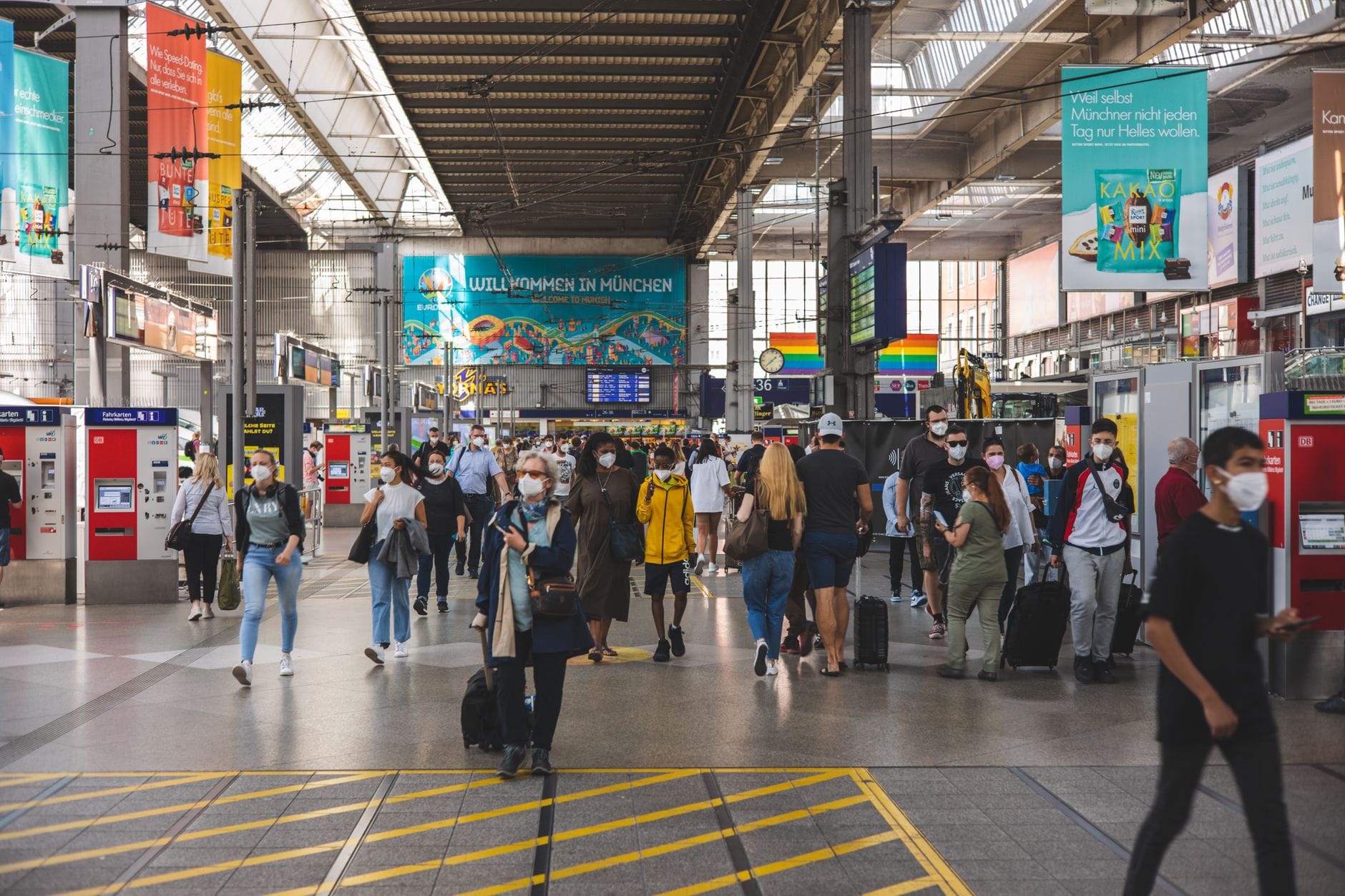
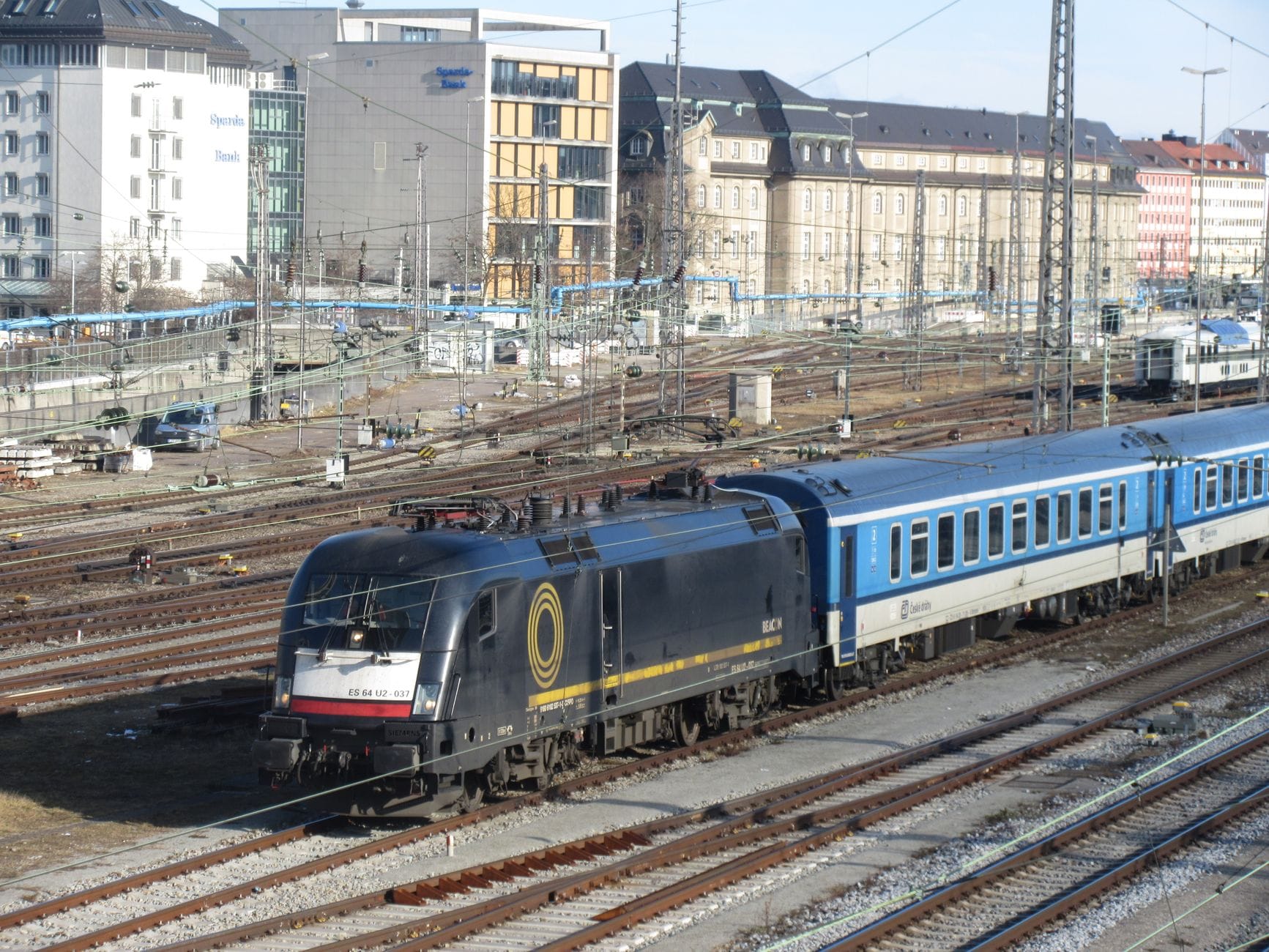
Trains on the Munich to Prague corridor depart from central Munich's main station, München Hauptbahnhof (Hbf), and arrive at Praha hlavní nádraží, Prague's central station. The two cities are roughly 300–400 km apart by rail, crossing from Bavaria into the Czech Republic through a mix of Bavarian countryside, the Franconian highlands, and the Bohemian basin.
The fastest direct services complete the journey in approximately 5 hours 35 to 5 hours 40 minutes. However, not every train on this corridor is nonstop. Some schedules route via Nuremberg (Nürnberg Hbf) and require a single connection, which can push total travel time to 6–7 hours depending on the layover. A smaller number of slower or indirect routings can stretch to 7 hours or more. This variability is the most common source of confusion when passengers compare prices across booking platforms.
⚠️ What to skip
Don't assume all Munich-Prague trains are nonstop. Always check the specific schedule for your travel date. A result showing '5h 38m' and another showing '7h 10m' may both be listed as the same route — the difference is whether a connection is involved and how long that layover runs.
Journey Times and Frequency
On a typical day, somewhere between 7 and 10 train options are available between Munich and Prague, depending on how connections are counted. Direct services (no change required) tend to be operated by Deutsche Bahn (DB) and České dráhy (Czech Railways, abbreviated ČD), sometimes jointly marketed. These are the trains worth targeting: they're faster, less stressful, and often not more expensive than the indirect alternatives.
- Fastest direct trains Approximately 5h 30m to 5h 40m. Look for services with no intermediate change required. These typically operate in the morning and early afternoon.
- One-change itineraries via Nuremberg Around 6h to 7h depending on the connection time at Nuremberg. The Nuremberg-Prague leg is comfortable and the station is well-signed, but a missed connection causes real disruption.
- Slower or indirect routings 7 hours or more. Usually appear in budget search results or when booking very late. Worth avoiding if time matters.
Frequency is decent but not exceptional by European rail standards. Unlike the Munich to Salzburg corridor, which has very frequent departures throughout the day, the Munich-Prague route has meaningful gaps between trains. If you miss a direct service, the next convenient option may be 2–3 hours away. Build buffer time into your schedule, especially if you're connecting onward from Prague.
Ticket Prices and Where to Book
Advance-purchase fares on the Munich to Prague train start from around €19–€30 one way when booked weeks ahead. These discounted tickets are non-refundable and tied to a specific train, so they require commitment. Standard flexible tickets cost considerably more, typically €60–€90 or above depending on class. If your plans are fixed, the advance fares represent strong value for a 380 km international journey. Compare this to the Munich to Salzburg route, which is shorter and cheaper but far less dramatic scenically.
- Deutsche Bahn (bahn.de) The primary German rail operator. Book here for guaranteed access to DB's own discounted fares (Sparpreis tickets). Also shows ČD trains on this corridor.
- České dráhy (cd.cz) Czech Railways' own booking site. Sometimes has different pricing on the same trains, particularly for travel originating in Prague. Worth checking both.
- Trainline / Rail Europe Third-party aggregators that make comparison easy but may add booking fees. Useful for seeing all options at once, but always verify the final price against the official operator.
- Rail passes (Eurail/Interrail) If you're traveling across multiple Central European countries, a pass can make sense. However, seat reservations are often required on cross-border trains and cost extra, so factor that in.
✨ Pro tip
Book directly through Deutsche Bahn or České dráhy first. Third-party platforms occasionally show the same trains with added booking fees of €3–€8 per ticket. On a cheap advance fare, that fee is a significant percentage of the total cost.
What to Expect on Board
The Munich to Prague train typically uses modern regional or EuroCity-style rolling stock. Carriages are compartment-style or open-plan depending on the specific train. First and second class are available on most services. Second class is perfectly comfortable for a 5–6 hour journey and the price difference rarely justifies upgrading unless you specifically need the quieter environment.
An at-seat trolley service is generally available on direct trains, offering drinks and basic snacks. Quality is unremarkable but adequate for a long journey. Bring your own food if you're particular about what you eat — Munich's Hauptbahnhof has good bakeries and supermarket options inside the station before you board.
Border crossing between Germany and the Czech Republic is generally smooth. Passport control, when it occurs, is conducted on board by officers who walk through the train around the time it crosses into Czech territory. EU and Schengen-area travelers typically need only an ID card; non-EU travelers should have their passport accessible. The crossing itself takes a few minutes and is not disruptive.
ℹ️ Good to know
Both Germany and the Czech Republic are Schengen Area members, but passport controls on this corridor do still occur periodically, particularly on cross-border rail. Keep your travel document accessible rather than buried in your luggage.
Train vs. Bus vs. Flying: Which Makes Sense?
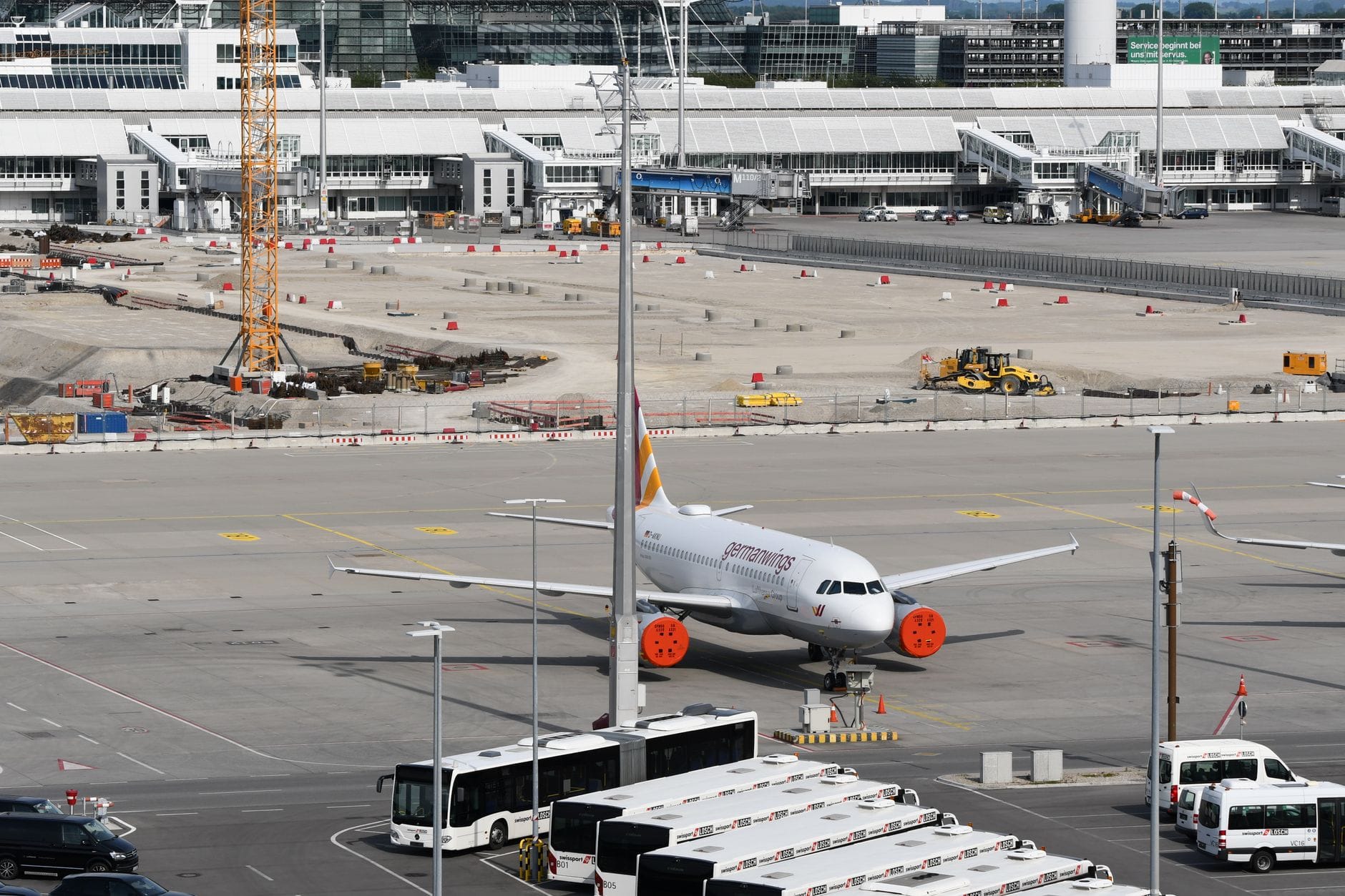
The train is the best option for most travelers on the Munich to Prague route, and it's not particularly close. Budget airlines do connect Munich Airport (MUC) with Prague's Václav Havel Airport, but when you add airport transfer time at both ends (MUC is about 28–30 km from central Munich), security queues, and the time spent arriving early, the total door-to-door time often exceeds 5 hours anyway. The train drops you in the city center at both ends.
Long-distance buses (FlixBus and similar operators) do serve this corridor at lower headline fares, sometimes €10–€20. The journey by bus typically takes 6–7 hours or longer and involves highway driving rather than rail scenery. For most travelers, the comfort and speed difference makes the train worth the extra cost. If budget is the absolute priority, check bus options alongside train fares — on some dates the gap narrows. For other Central European routes, see the guide to day trips from Munich for comparison.
- Train: 5h 35m to 6h city-center to city-center on direct services. Comfortable seating, dining car, scenic route. Fares from ~€15 booked ahead.
- Bus: 6–7+ hours, highway driving, minimal facilities. Fares sometimes as low as €10–€20 but comfort is significantly lower on a long journey.
- Flying: Total door-to-door rarely under 5 hours once airport transfers are included. Higher carbon footprint, more stress, no city-center arrival. Only makes sense for the very cheapest fares or if continuing onward from Prague.
Practical Tips for the Journey
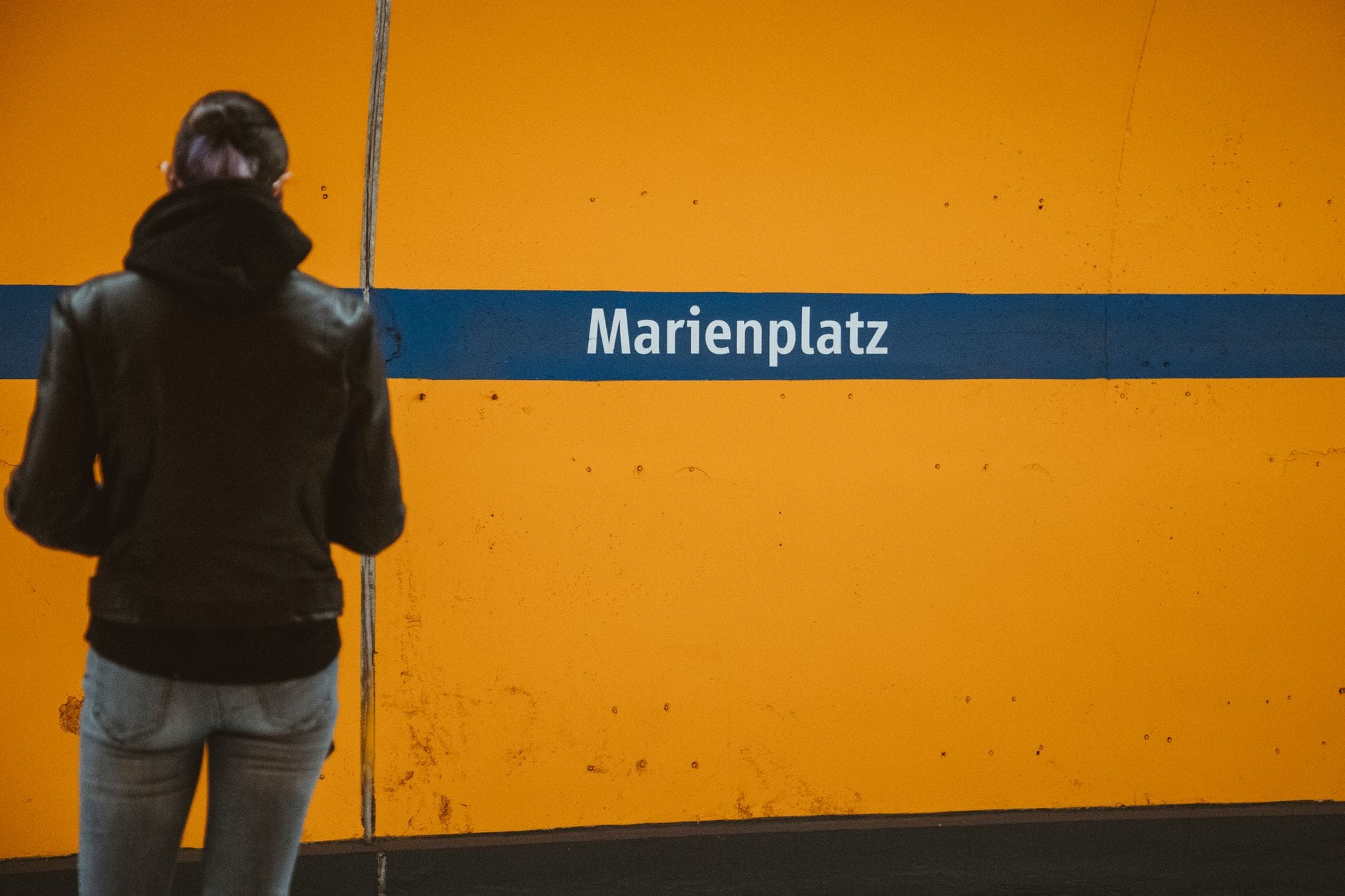
Munich Hauptbahnhof is easy to reach from anywhere in the city on the S-Bahn or U-Bahn network, operated by MVV. If you're arriving in Munich via Munich Airport (MUC), take the S1 or S8 line directly to Hauptbahnhof in around 40–45 minutes Allow at least 20 minutes to navigate the station and find your platform before departure.
Praha hlavní nádraží (Prague Main Station) is centrally located and well-connected to the city's metro system (line C runs directly from the station). Arriving by train means you step out into the city without the additional logistics of an airport transfer.
If you're building a wider Central European rail itinerary, the Munich to Prague route connects naturally with onward trains to Vienna, Budapest, or Berlin from Prague. Alternatively, from Munich you might also consider the Munich to Frankfurt corridor for a different direction entirely. Munich's position as a rail hub makes it one of the best cities in Germany for train-based multi-country travel.
- Book at least 2–3 weeks ahead for the cheapest advance fares. Last-minute bookings can cost 3–4 times more.
- Check whether your chosen service is genuinely direct or requires a change — this is not always obvious on third-party booking sites.
- Seat reservations may be required or recommended on some cross-border EC/IC trains; check whether a reservation is included or needs to be added at checkout. Confirm this at checkout.
- Bring snacks and a water bottle regardless of dining car availability — the trolley service doesn't always make it through the whole train.
- If you're traveling with luggage, note that overhead racks fill quickly on busy trains. The large luggage areas between carriages are more practical for big bags.
- Download your e-ticket or take a screenshot before boarding — mobile data can be unreliable in some sections of the route through Bavaria and Bohemia.
💡 Local tip
The morning direct trains tend to have better availability for advance fares and arrive in Prague in time for a full afternoon. If you're doing this as a one-way leg of a longer trip, departing before 9am from Munich is usually the sweet spot for both price and arrival time.
FAQ
Is there a direct train from Munich to Prague?
Yes, direct trains (no change required) do operate on this corridor, typically marketed as EuroCity (EC) services run jointly by Deutsche Bahn and České dráhy. However, not every departure is direct — some schedules require a change at Nuremberg. Always confirm whether your specific train is direct when booking, as this isn't always clearly labeled on third-party platforms.
How long does the Munich to Prague train take?
The fastest direct services take approximately 5 hours 35 to 5 hours 40 minutes. One-change itineraries via Nuremberg typically take 6–7 hours. Some indirect or slower routings can reach 7 hours or more. The time difference between these options is significant, so it's worth paying attention when selecting a train.
How much does a Munich to Prague train ticket cost?
Advance fares start around €19–€30 one way when booked several weeks ahead. Flexible or last-minute tickets can cost €50–€80 or more. Prices vary by date, time of day, and how far in advance you book. Check both Deutsche Bahn (bahn.de) and České dráhy (cd.cz) for the best available fares on your travel date.
Do I need a passport to travel from Munich to Prague by train?
Both Germany and the Czech Republic are members of the Schengen Area, but passport or ID checks do still occur on cross-border trains periodically. EU and EEA citizens can travel with a national ID card. Non-EU travelers should carry their passport and have it accessible during the journey, as border officers board the train near the crossing point.
Is the Munich to Prague train better than taking a bus or flying?
For most travelers, the train is the best option. It's city-center to city-center, takes around 5.5 hours on direct services, and is significantly more comfortable than a 6–7 hour bus journey. Flying appears faster on paper, but once airport transfers, security, and check-in time are included, the total door-to-door time is often comparable — with far more inconvenience. Budget buses can be cheaper, but the comfort gap over that distance is substantial.
Tickets & tours
Live prices and dates from our booking partner. If you book, we may earn a commission at no extra cost to you.
Planning a trip? Discover personalized activities with the Nomado app.