Munich Airport Guide: Terminals, Transfers & Getting to the City
Munich Airport (MUC) is one of Europe's busy hubs, serving over 1,100 daily flights across two main terminals. This guide covers everything from reading the terminal map and making connections to catching the S-Bahn into Munich city center in under 40 minutes.
Tickets & tours
Live prices and dates from our booking partner. If you book, we may earn a commission at no extra cost to you.
TL;DR
- Munich Airport (IATA: MUC) sits about 28–30 km northeast of central Munich in Erdinger Moos just outside Freising, roughly 35–45 minutes by S-Bahn.
- The airport has two main terminals: Terminal 1 (modules A–F) and Terminal 2 (main building plus satellite gates J/K/L). Free shuttle buses connect the two terminals in 5–7 minutes.
- S-Bahn lines S1 and S8 are the fastest and cheapest way into the city — see our full guide to getting around Munich for ticket options and zone breakdowns.
- Taxis take a similar 35–45 minutes but cost significantly more depending on traffic. Airport buses to Hauptbahnhof take around 45 minutes.
- Always allow at least 45 minutes for connections involving a terminal change, and check Munich Airport's official site for live gate and shuttle schedules.
Munich Airport at a Glance
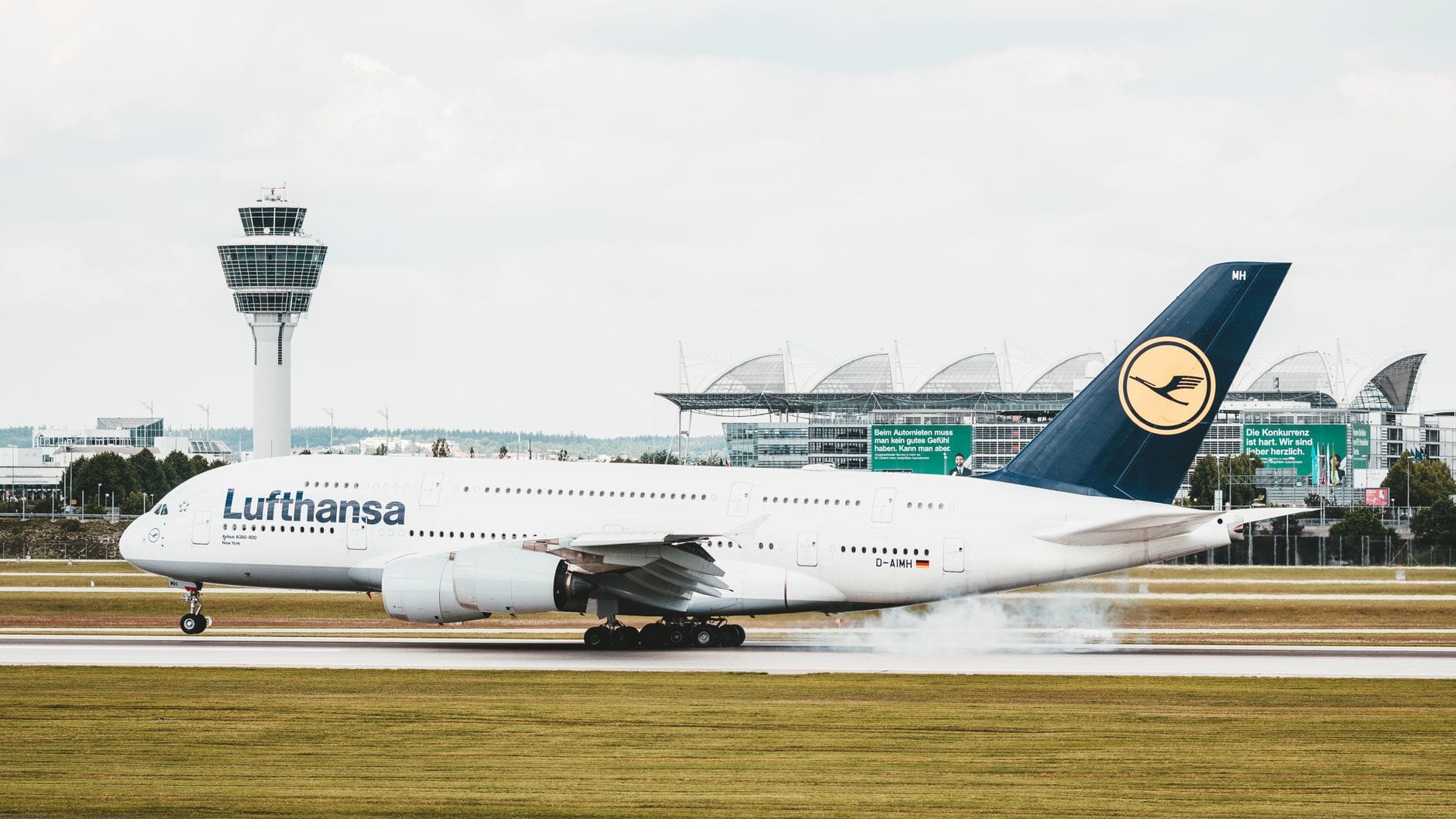
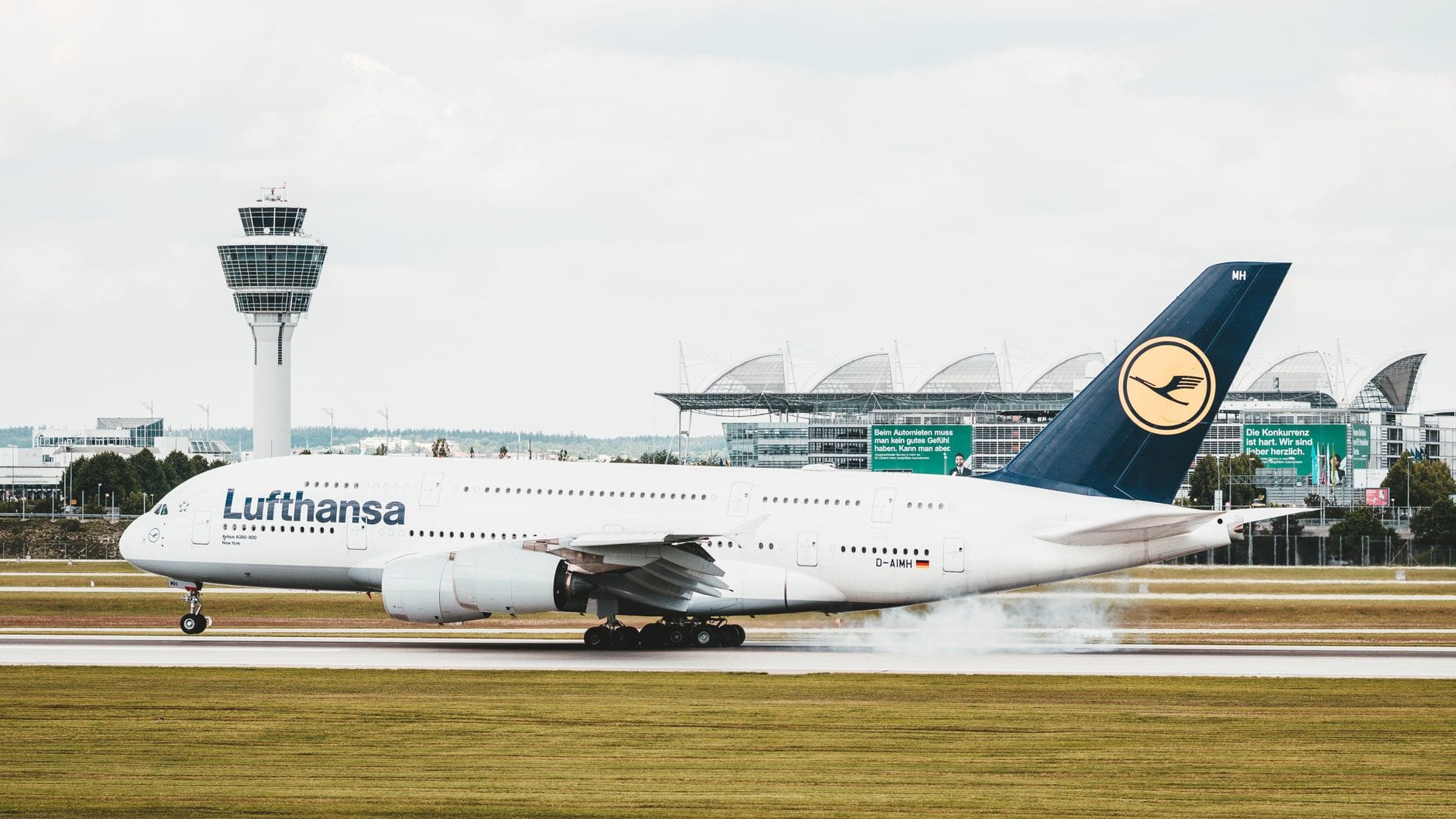
Flughafen München, officially known as Franz Josef Strauss Airport, is Germany's second-busiest airport after Frankfurt. Located in the Erdinger Moos just outside the town of Freising in the Free State of Bavaria, it sits approximately 28–30 km northeast of Marienplatz, Munich's historic central square. The airport handles a wide range of airlines including Lufthansa (whose hub it is), Air France, British Airways, easyJet, and dozens of others across both intercontinental and European routes.
The airport's IATA code is MUC, which also happens to be a common abbreviation for München itself — a point of confusion worth noting when booking. The airport does not operate departures and arrivals around the clock due to night flight restrictions, with the bulk of departures concentrated in morning and late afternoon windows. Arriving on an early morning flight typically means a quieter baggage hall; mid-afternoon arrivals in summer or during Oktoberfest season can mean longer queues at passport control and ground transport.
ℹ️ Good to know
Munich Airport operates on Central European Time (CET, UTC+1) in winter and Central European Summer Time (CEST, UTC+2) from late March to late October. Adjust your departure time calculations accordingly if traveling internationally.
Terminal Map: Understanding the Layout
This is where first-time visitors most often go wrong. Munich Airport has two main terminal buildings — Terminal 1 and Terminal 2 — that are physically separate structures connected by a landside road and a free shuttle bus. Assuming you can walk between them is a mistake that causes missed flights every year.
Terminal 1 is divided into modules labeled A through F. These modules share a common departures hall but split into separate piers for boarding. Terminal 2, used primarily by Lufthansa and its Star Alliance partners, consists of a main building and a separate satellite structure serving gates J, K, and L. The satellite is accessed via an underground shuttle train that runs frequently, with the journey taking approximately 1 minute. This is not an optional walk — passengers must take the train. This is not an optional walk — passengers must take the train.
- Terminal 1 (Modules A–F) Used by most non-Lufthansa carriers including easyJet, Ryanair, and many long-haul airlines. Modules share a single check-in hall but have separate security lanes.
- Terminal 2 (Main Building) Lufthansa's primary hub. Features the Lufthansa Senator and Business Lounges, as well as a higher density of premium shops and restaurants.
- Terminal 2 Satellite (Gates J/K/L) Reached only via the underground shuttle train from Terminal 2. Allow at least 10 extra minutes if your gate is in the satellite building.
- MAC (Munich Airport Center) The central building between Terminal 1 and Terminal 2 that houses additional retail, restaurants, and the S-Bahn station. Luggage storage here is open 05:00–23:30.
⚠️ What to skip
If you have a connecting flight that switches between Terminal 1 and Terminal 2, the free inter-terminal shuttle bus takes 5–7 minutes, but accessing it, waiting, and re-clearing security can add 30–45 minutes to your total transfer time. Munich Airport recommends a minimum connection time — check your itinerary carefully and contact your airline if your layover is under 60 minutes across terminals.
Getting from Munich Airport to the City Center
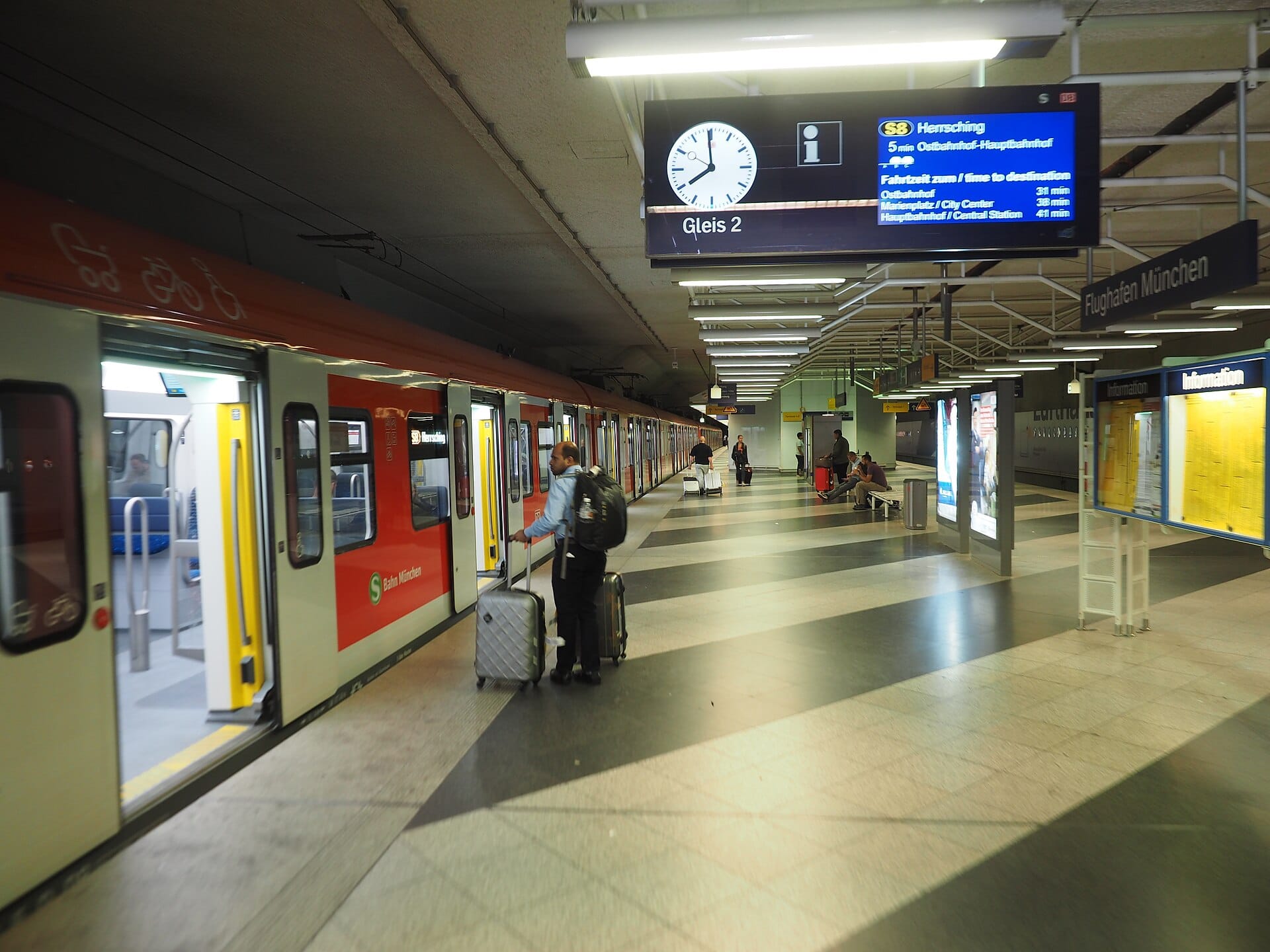
The S-Bahn is the default choice for most travelers, and for good reason. Lines S1 and S8 depart from the underground station beneath the MAC building — you do not need to exit the airport. Both lines connect directly to Marienplatz and Munich Hauptbahnhof (Central Station), making them ideal whether your hotel is in the Altstadt or further afield. Journey time is consistently 35–40 minutes to Hauptbahnhof under normal conditions, though some sources quote up to 45 minutes due to additional stops on certain services.
The key difference between S1 and S8: S8 runs via Ostbahnhof (East Station), making it the better choice if you're heading to Haidhausen or Bogenhausen. S1 loops through the western part of the city and is preferable for Hauptbahnhof-area hotels. Both lines run every 20 minutes during most daytime hours, alternating to give a train every 10 minutes between airport and city, with reduced frequency during the late night. Tickets are purchased from MVV machines at the station — confirm current fares on the MVV website before travel, as zone-based pricing changes periodically.
- S-Bahn (S1/S8) 35–40 minutes to Hauptbahnhof. Departures every 10–20 minutes. Buy MVV zone tickets at machines in the MAC. Most cost-effective option.
- Airport Bus (Lufthansa Airport Bus) Around 45 minutes to Munich Central Station, subject to road traffic. Departs from both terminals. Useful if carrying heavy luggage and prefer above-ground travel.
- Taxi 35–45 minutes depending on traffic, longer during Oktoberfest or rush hour. Significantly more expensive than S-Bahn. Licensed taxis queue outside all terminal arrivals exits.
- Rideshare (Uber / Free Now) Both Uber and Free Now (formerly mytaxi) operate in Munich. Prices are competitive with taxis but vary by demand. Useful during late nights when S-Bahn frequency drops.
- Rental Car Car rental desks are located in the MAC building. Driving into Munich city center is possible but parking is expensive and the ring road can be congested during peak hours.
✨ Pro tip
If you're traveling into Munich city center and plan to use public transport extensively during your stay, check whether the Munich City Pass covers airport transfers — it can represent meaningful savings depending on your itinerary.
For a deeper breakdown of transport options once you're in the city, including tram routes and U-Bahn coverage, the Munich transport guide covers the full MVV network in detail. If you're weighing the cost of a pass versus individual tickets, the Munich City Pass guide gives an honest breakdown of when it's worth buying.
Staying Near the Airport: Hotel Options
A Munich airport hotel makes sense in specific situations: very early morning departures, long layovers, or if you're using MUC as a transit hub rather than visiting Munich itself. The most convenient options sit within the airport complex or a short shuttle ride away.
The Hilton Munich Airport is connected directly to the MAC building, making it accessible without going outside — a genuine advantage during Bavarian winters. Several mid-range and budget hotels operate in Freising and the surrounding Erdinger Moos area, reachable by hotel shuttle or regional train within about 15–20 minutes. These tend to offer lower rates than airport-attached properties, though you lose the convenience of direct access. Freising itself is worth a brief exploration if you have a long layover — it's a small city with a cathedral, a historic old town, and easy S-Bahn access back to MUC.
If the goal is actually visiting Munich rather than just transiting, staying near Marienplatz or Hauptbahnhof is a better choice than paying airport hotel rates. The S-Bahn makes the airport-to-city journey predictable enough that a city-center base works well even for early flights — the first S8 departure toward the airport runs before 04:00. For accommodation advice across all budgets, see the where to stay in Munich guide.
Facilities, Services & Practical Airport Info
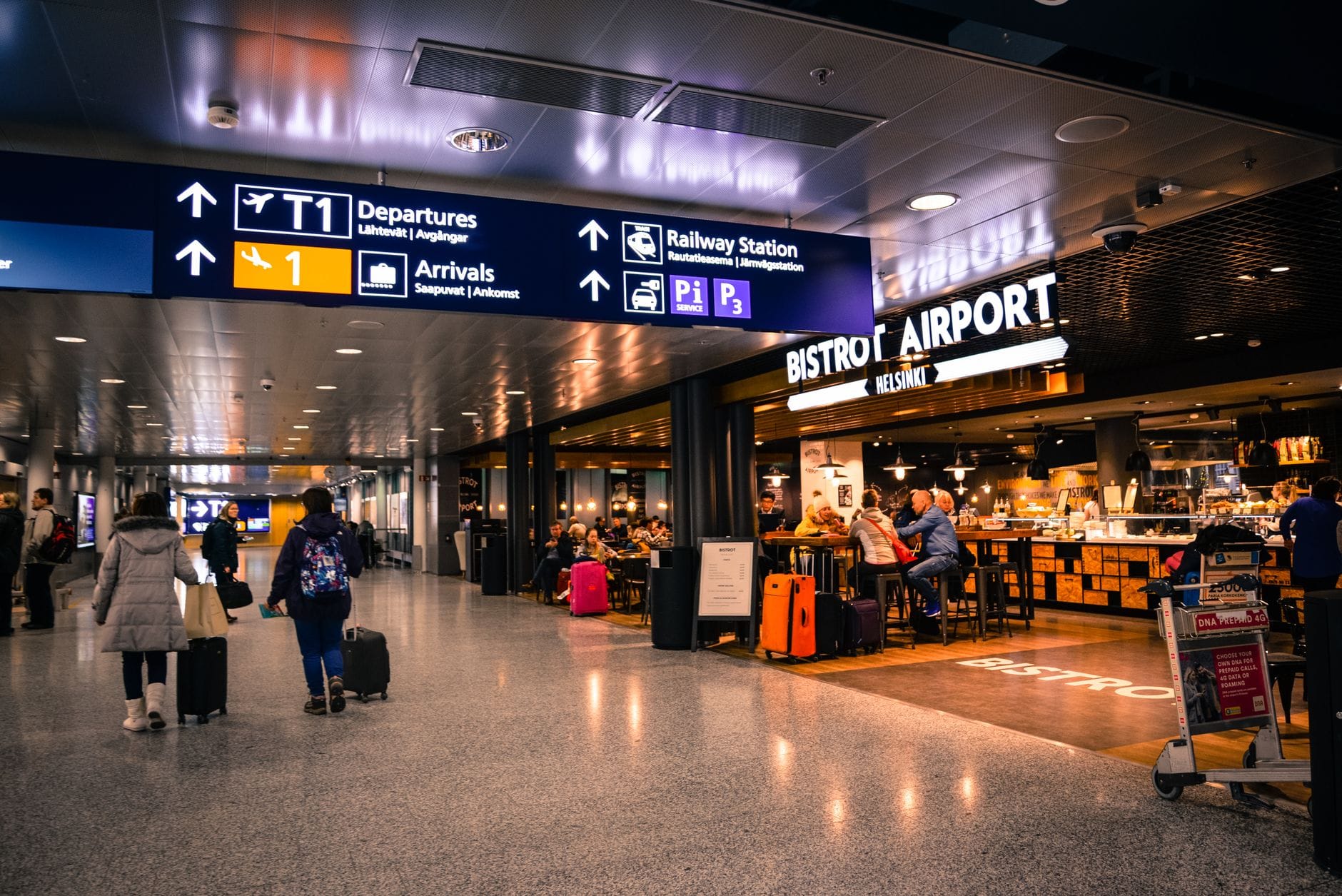
Munich Airport is generally well-equipped by European standards. Both terminals have a solid range of restaurants, cafes, and retail. Terminal 2 skews toward higher-end options due to its Lufthansa clientele, while Terminal 1 has more budget-friendly food options in the modules near the gate areas. The MAC building in the center offers the widest selection for landside visitors.
Luggage storage is available at two locations: the MAC building (open 05:00–23:30) and Terminal 2 (open 06:00–22:00). Overnight storage is available if needed. Free Wi-Fi covers the entire terminal complex. Currency exchange and ATMs are present throughout both terminals, though ATM withdrawal rates for foreign cards are generally better than bureau de change counters. Pharmacies, medical services, and a children's play area are all present airside in Terminal 2.
- Luggage storage: MAC 05:00–23:30, Terminal 2 06:00–22:00, overnight storage available
- Free Wi-Fi throughout both terminals and the MAC
- Currency exchange and ATMs at multiple locations — ATMs generally offer better rates than counters
- Pharmacies and medical services airside in Terminal 2
- Lufthansa Lounges (Business and Senator) in Terminal 2 — accessible with appropriate boarding pass or lounge membership
- Baby-changing facilities and family lanes at security in both terminals
- Lost and found: contact Munich Airport's service center directly via the official airport website
💡 Local tip
Tap water across Germany, including Munich Airport, is safe to drink and meets strict EU quality standards. Bring an empty reusable bottle through security and fill it from designated drinking water taps or fountains to avoid paying inflated prices for bottled water airside.
Connecting Flights and Minimum Transfer Times
Munich is a significant connecting hub, particularly for Lufthansa routes between North America, the Middle East, and European destinations. If you're transiting rather than entering Munich, understanding the layout is especially important because the terminal you arrive at and the one you depart from may not be the same.
For connections within Terminal 2 to the satellite (gates J/K/L), the underground train covers the distance in about 1 minute and runs frequently. For connections between Terminal 1 and Terminal 2, the free landside shuttle bus covers the route in 5–7 minutes, but both the waiting time and the security re-clearance process at the destination terminal must be factored in. Munich Airport publishes minimum connecting time guidelines by airline and route on its official site — check these before booking tight connections.
If you have a longer layover and want to explore the city, 3–4 hours is the practical minimum to reach central Munich, see something like the Marienplatz area or grab a beer at the Hofbräuhaus, and return in time for your flight. Clear immigration on arrival, leave time for security re-entry, and always build in buffer for S-Bahn delays.
FAQ
How do I get from Munich Airport to the city center?
The S-Bahn lines S1 and S8 are the fastest and most cost-effective option. Both depart from the underground station in the MAC area (Flughafen München) and reach Munich Hauptbahnhof in around 40 minutes. Airport buses take around 45 minutes. Taxis and rideshare services (Uber, Free Now) take 35–45 minutes depending on traffic and cost significantly more.
Does Munich Airport have one terminal or two?
Two main terminals. Terminal 1 handles most non-Lufthansa carriers and is divided into modules A through F. Terminal 2 is Lufthansa's hub and includes a main building plus a separate satellite (gates J/K/L) connected by an underground train. The terminals are linked by a free shuttle bus that takes 5–7 minutes.
What is the airport code for Munich?
Munich Airport's IATA code is MUC. This is the code to use when searching flights. Note that MUC is also sometimes used as a shorthand for München (Munich) in non-aviation contexts, which can occasionally cause confusion.
Are there hotels directly at Munich Airport?
Yes. The most convenient option is the Hilton Munich Airport, which is connected directly to the MAC building. Several other hotels operate nearby in the Freising/Erdinger Moos area and offer shuttle services. However, unless you have a very early flight or a long layover, staying in Munich city center is usually better value and more practical.
How long does it take to get from Munich Airport to the city center by taxi?
Typically 35–45 minutes under normal traffic conditions. During peak hours, Oktoberfest, or major trade fairs, journey times can be longer. Fares are metered and regulated by Bavarian tariff rules — confirm an approximate fare range with the driver before departing, or use the Free Now app for price transparency.
Tickets & tours
Live prices and dates from our booking partner. If you book, we may earn a commission at no extra cost to you.
Planning a trip? Discover personalized activities with the Nomado app.