Where to Stay in Munich: The Complete Neighborhood Guide
Choosing where to stay in Munich shapes your entire trip. This guide breaks down every major neighborhood by price, atmosphere, and proximity to key attractions, so you can book with confidence whether you're here for Oktoberfest, a city break, or a business trip.
Tickets & tours
Live prices and dates from our booking partner. If you book, we may earn a commission at no extra cost to you.
TL;DR
- Munich has over 400 hotels spread across distinct neighborhoods, each with a different character and price point.
- Altstadt-Lehel is the most central option, but mid-range rooms start around €180-€250 per night. Check our Munich on a budget guide if you want to spend less.
- Maxvorstadt, Schwabing, and Glockenbachviertel put you 10-15 minutes from the Old Town at noticeably lower rates.
- During Oktoberfest (late September to early October) and major trade fairs, prices can double or more, and central hotels sell out 6-12 months ahead.
- Munich Airport (MUC) is 28-30 km northeast of the city centre. The S-Bahn S1 and S8 lines get you to Hauptbahnhof in about 35-45 minutes. See the Munich Airport guide for full transfer details.
How Munich's Neighborhoods Break Down for Visitors
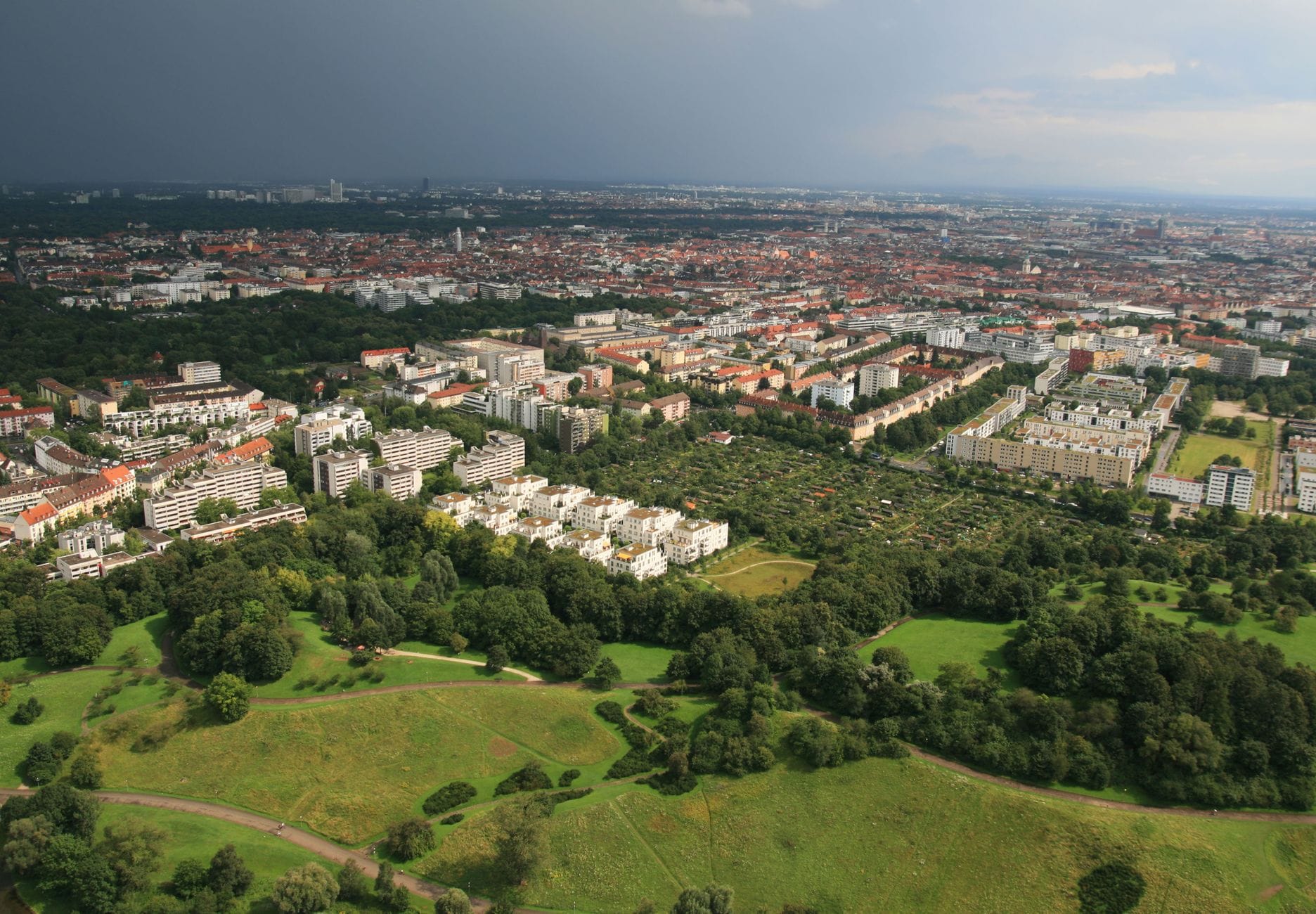
Munich is divided into 25 official boroughs (Stadtbezirke), but for accommodation purposes, most visitors focus on a handful of inner-city areas. The city's U-Bahn and S-Bahn network is dense enough that staying even 3-4 kilometers from Marienplatz adds only 10-15 minutes to your journey. That means the "best" neighborhood really depends on your priorities: proximity to sights, nightlife, quiet streets, or transport connections.
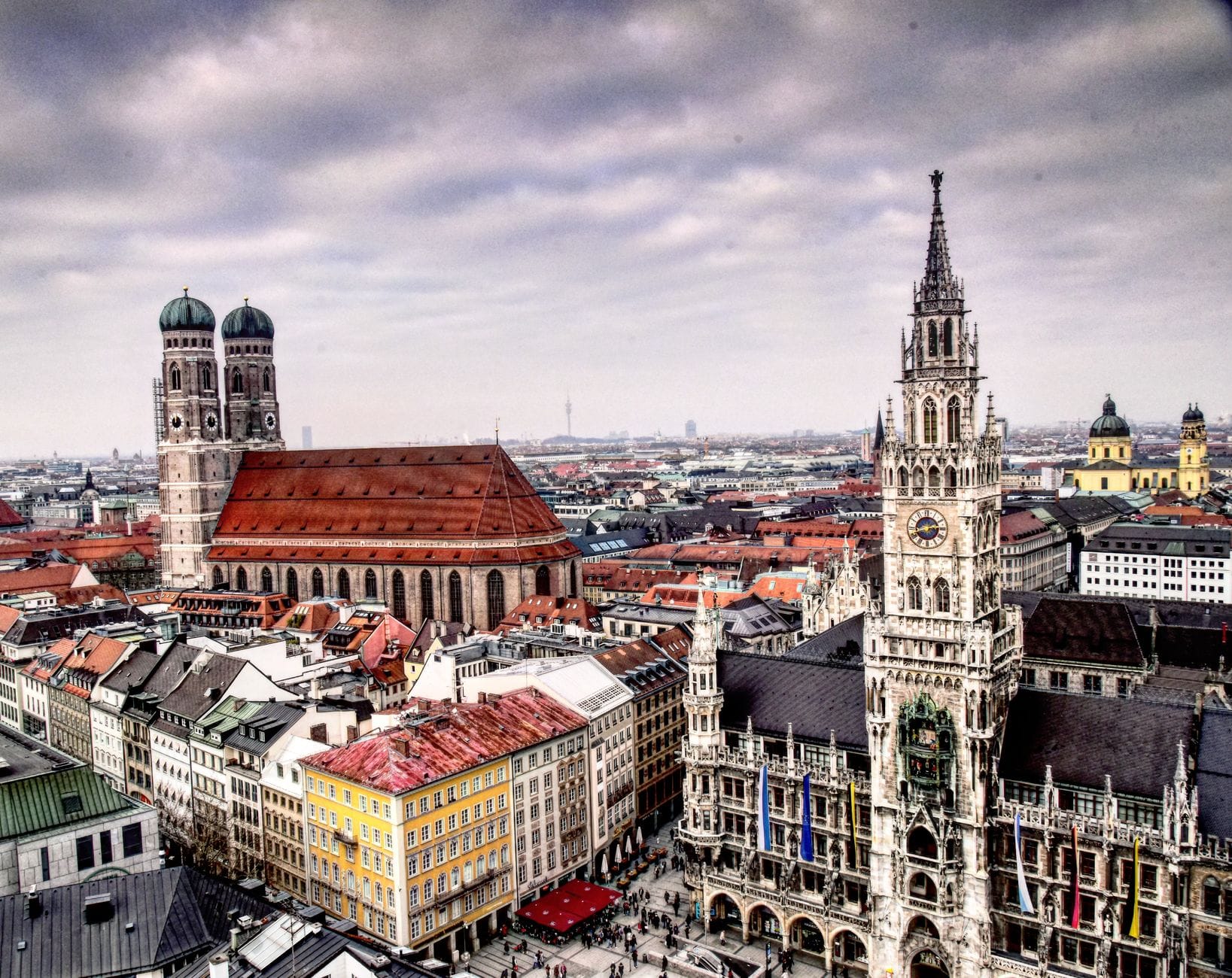
The historic centre, known as Altstadt-Lehel, clusters around Marienplatz and carries the highest price tags. To the north, Maxvorstadt and Schwabing offer museum access and a more residential feel. East of the Isar, Haidhausen is increasingly popular with travelers wanting character without Old Town prices. Each area has its own trade-offs.
ℹ️ Good to know
Munich uses the Euro (EUR). Standard voltage is 230V/50Hz with Type F (Schuko) plugs. Tap water is safe to drink and widely considered excellent quality. Tipping 5-10% by rounding up the bill is the local custom in restaurants and cafes.
Altstadt-Lehel (District 1): Central, Convenient, and Expensive
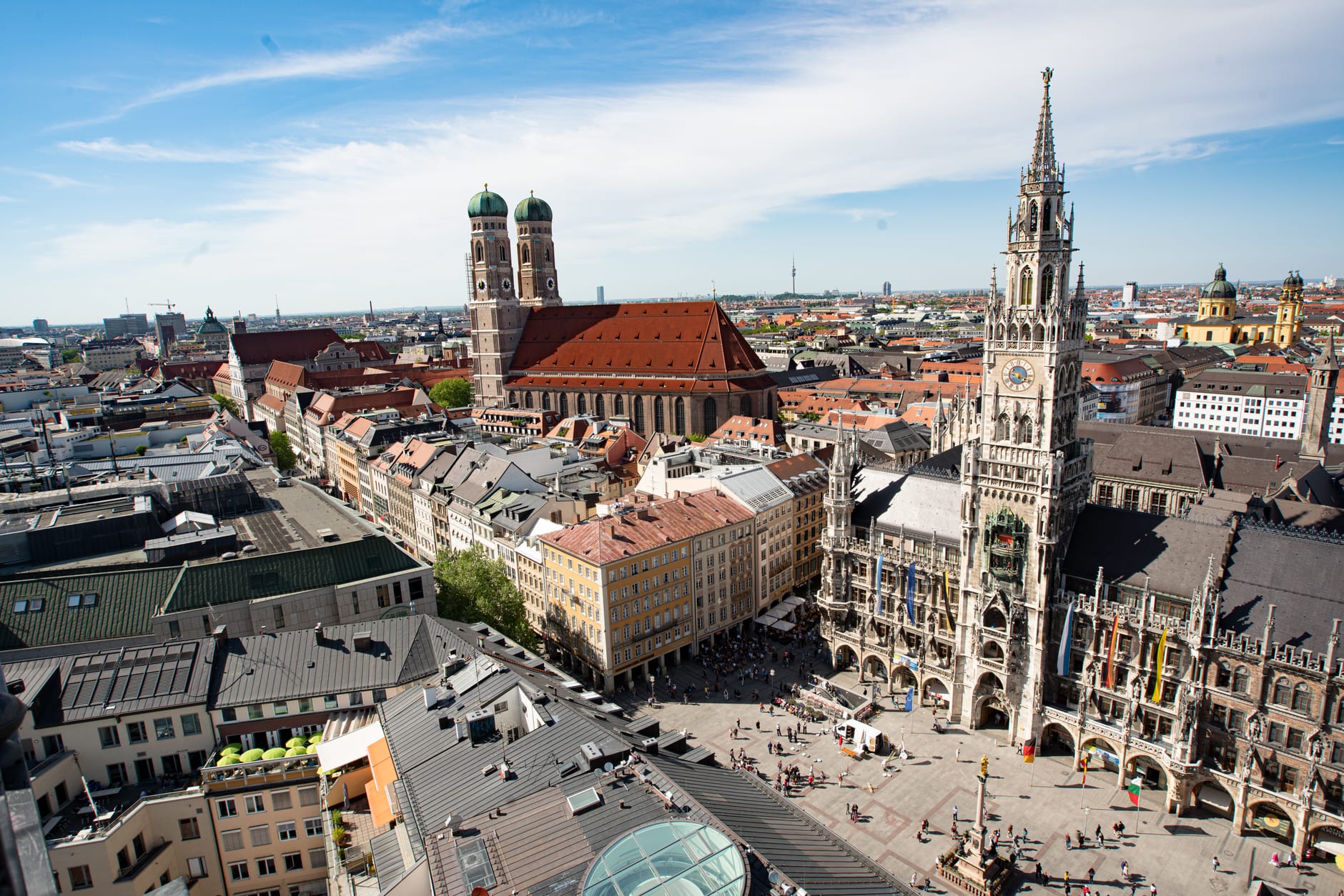
If you want to walk to Marienplatz, the Viktualienmarkt, and the Munich Residenz without consulting a timetable, Altstadt-Lehel is where you want to be. It is Munich's most visited district for a reason: almost every major landmark is within a 15-minute walk of Marienplatz.
The trade-off is cost. Mid-range hotels in this district typically start around €180-€250 per night for a double room booked a few weeks in advance. Luxury properties push well beyond that. The Hotel Vier Jahreszeiten Kempinski, Bayerischer Hof, Mandarin Oriental Munich, and BEYOND by Geisel are the headline five-star addresses here, with rates frequently exceeding €400-€500 per night. For families, larger properties like Bayerischer Hof and The Charles Hotel by Rocco Forte offer dedicated family rooms and child-friendly services.
The Lehel sub-district, just east of the old town core, offers slightly quieter streets with easier access to the English Garden and tends to attract boutique hotels at more bearable rates. It is worth filtering specifically for Lehel if you want the central location without paying the full Altstadt premium.
⚠️ What to skip
During Oktoberfest (typically running late September to early October) and major trade fairs such as BAU and ISPO, hotels across Munich, not just the centre, can charge double their normal rates. Central properties near Theresienwiese sell out 6-12 months in advance. Book the moment dates are announced if you plan to attend.
Hauptbahnhof and Ludwigsvorstadt-Isarvorstadt (District 2): Best for Transport Links
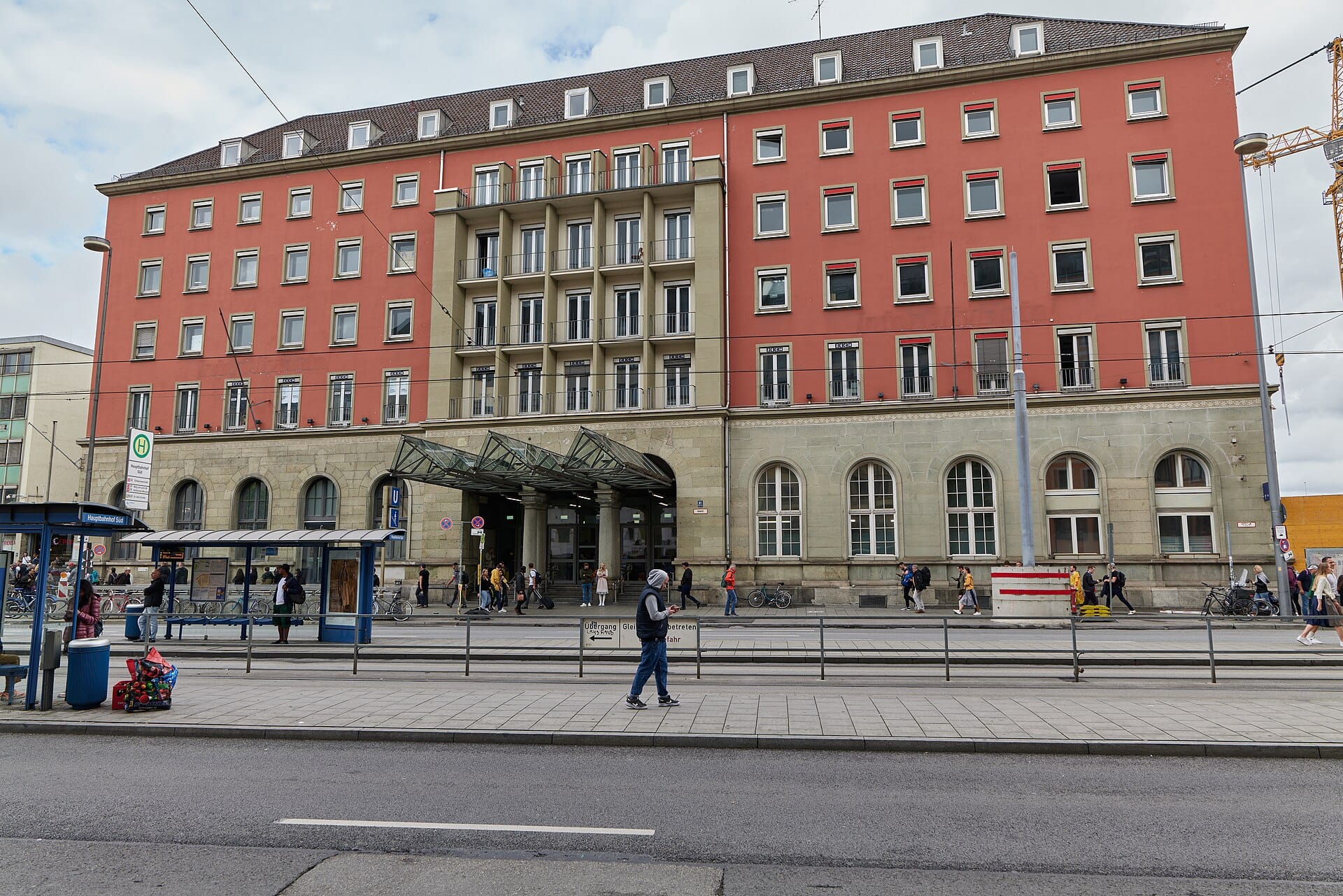
Munich Hauptbahnhof (Central Station) is the city's main rail hub, and the surrounding district is packed with hotels at every price point. Mid-range options here typically run €120-€200 per night, making it noticeably cheaper than Altstadt without sacrificing much in terms of access. The Sofitel Munich Bayerpost, attached to the original Bavarian postal headquarters on Bayerstrasse, is the standout upmarket property in this zone and explicitly caters to families with generously sized rooms.
This area also has the most direct connection to Munich Airport (MUC): S-Bahn lines S1 and S8 run directly to Hauptbahnhof approximately every 10 minutes, with journey times of around 35-45 minutes. The Lufthansa Express Bus also terminates at Hauptbahnhof, running every 15-20 minutes and taking roughly 45 minutes. If you're catching an early flight or arriving late, staying near the Hauptbahnhof is the most logical choice. For full details on all airport transfer options, the Munich Airport guide covers fares, schedules, and practical tips.
One honest note: the streets immediately around the Hauptbahnhof can feel gritty late at night, particularly on the north side of the station. Local police maintain a visible presence and CCTV coverage is extensive, so genuine safety concerns are limited. But if you want peaceful evening streets, look at hotels on the Ludwigsvorstadt side, towards Theresienwiese, rather than the Bahnhofsviertel directly adjacent to the station.
Maxvorstadt, Schwabing, and Glockenbachviertel: Better Value, Still Central
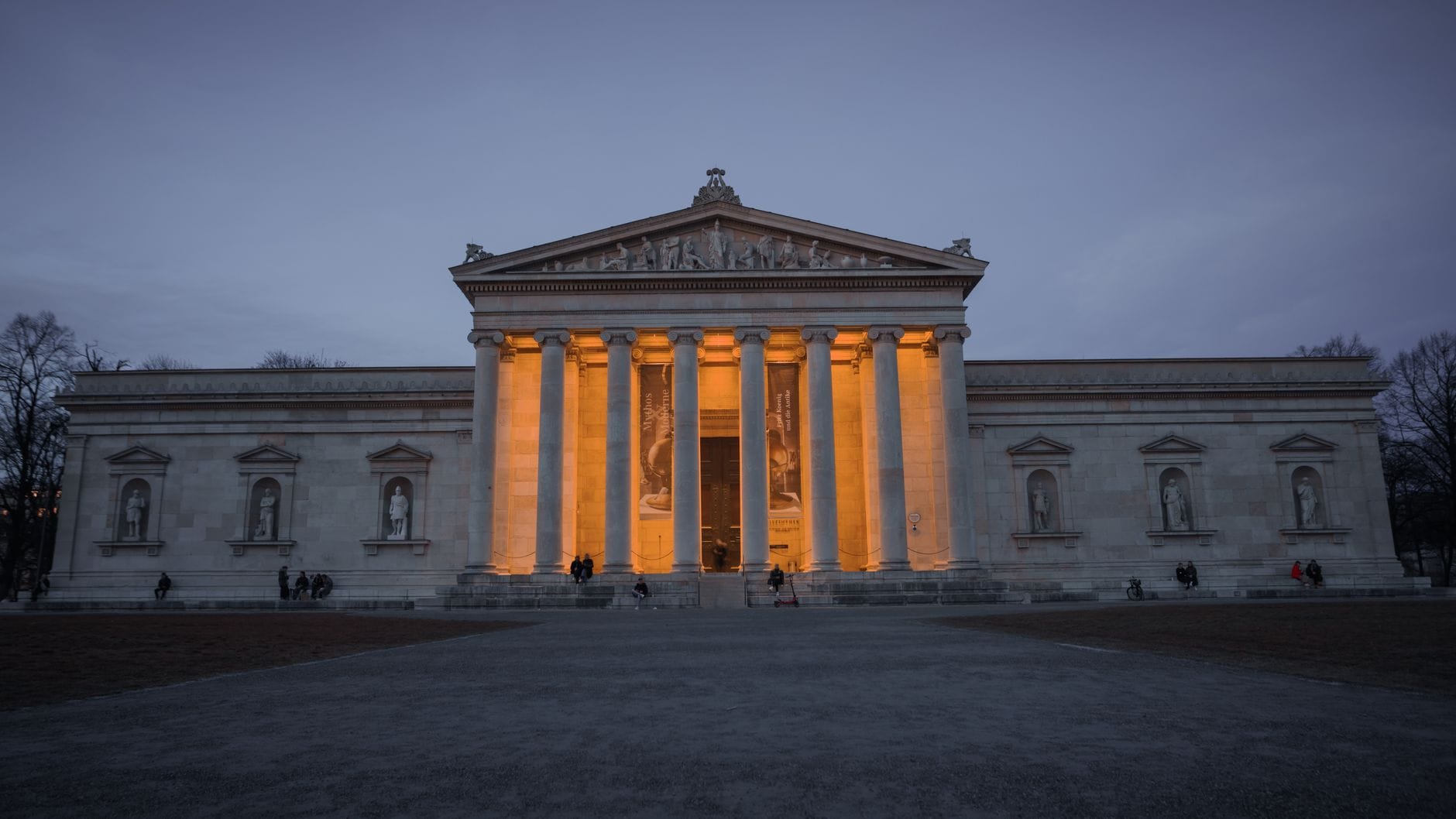
Maxvorstadt (District 3) is Munich's university and museum quarter. It sits directly north of the Altstadt and gives walking access to the Alte Pinakothek, Pinakothek der Moderne, the Glyptothek, and Königsplatz. Boutique and design hotels here tend to start around €150-€200 per night. The Andaz Munich Schwabinger Tor, positioned where Maxvorstadt meets Schwabing, is one of the more distinctive design-led options in this price range.
Schwabing stretches north along Leopoldstrasse and into the outer city, bordering the northern edge of the Englischer Garten. It has a more residential character than the Old Town and suits visitors who prefer a quieter base with good U-Bahn connections into the centre. Accommodation ranges from apartment rentals to small independent hotels.
South of the Altstadt, the Glockenbachviertel is known for its independent restaurants, cafes, and LGBTQ+ scene. It is served by the U1/U2 lines and several tram routes, putting Marienplatz about 10-15 minutes away. Accommodation here leans toward smaller boutique hotels and apartment rentals rather than large chains, with prices generally 20-30% below Altstadt equivalents.
✨ Pro tip
The common assumption that you need to stay in the Old Town to explore Munich efficiently is wrong. Maxvorstadt, Schwabing, and Glockenbachviertel are all within a 10-15 minute U-Bahn or tram ride of Marienplatz, and the MVV public transport network covers all of them under a single zone ticket.
Haidhausen and Bogenhausen: East of the Isar
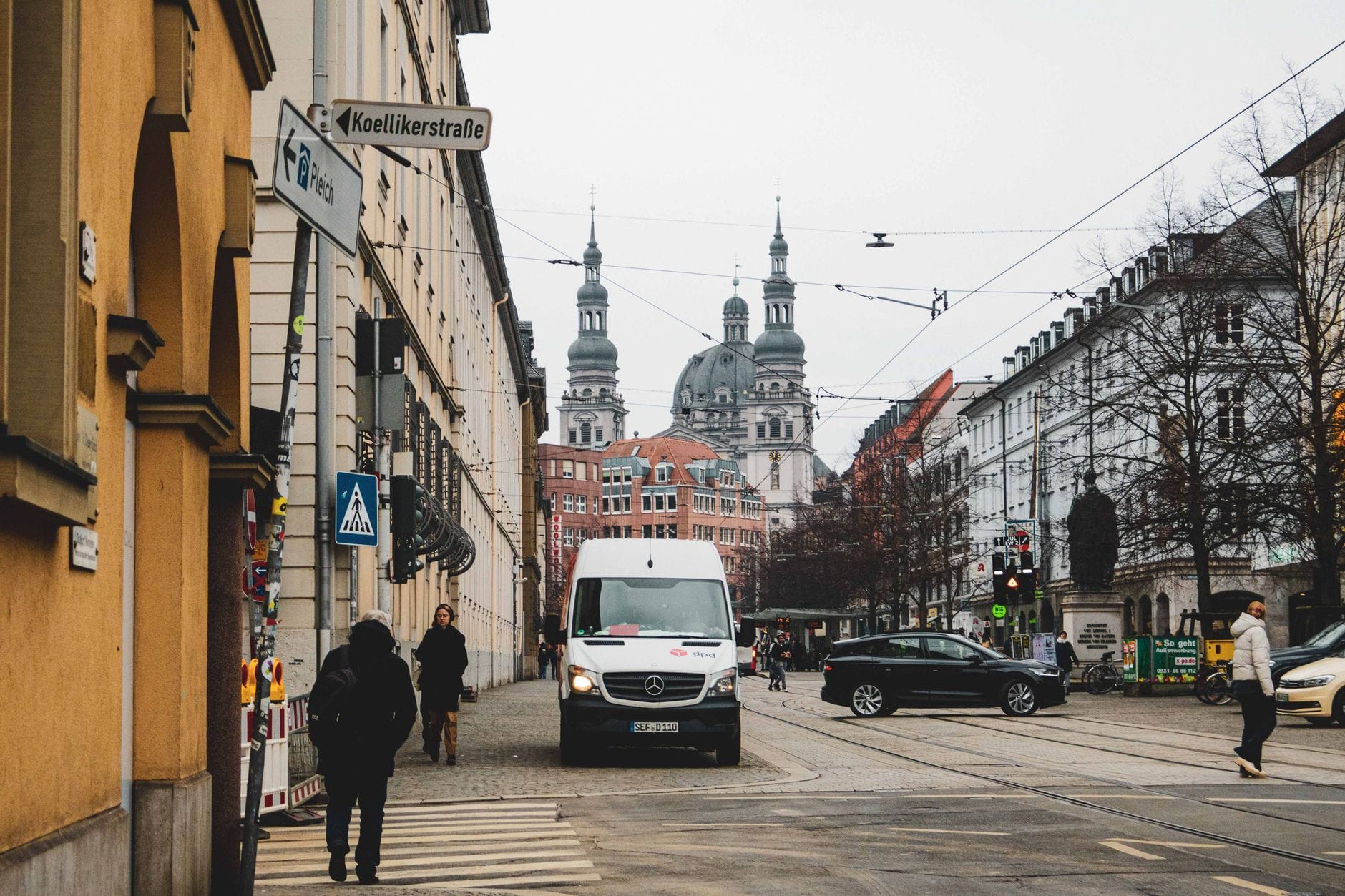
Haidhausen (District 5) sits just across the Isar from the Altstadt, with direct tram and U-Bahn links into the centre. It has kept more of its late 19th-century character than many inner-city districts, with streets of original Gründerzeit architecture. Hotel options are fewer but more distinctive, and the neighbourhood has a genuine local food and bar scene along Weissenburger Platz and Pariser Strasse. If you're visiting Munich primarily for its restaurant culture and want a base that feels less like a tourist zone, Haidhausen earns serious consideration.
Bogenhausen (District 13) is a quieter, more affluent eastern district along the Isar. It is home to several embassies, office developments, and Villa Stuck. Accommodation here is limited mainly to apartment-style rentals and a few business-oriented hotels. It suits visitors attending meetings in the east of the city or those who specifically want residential calm.
Nymphenburg and the Western Districts
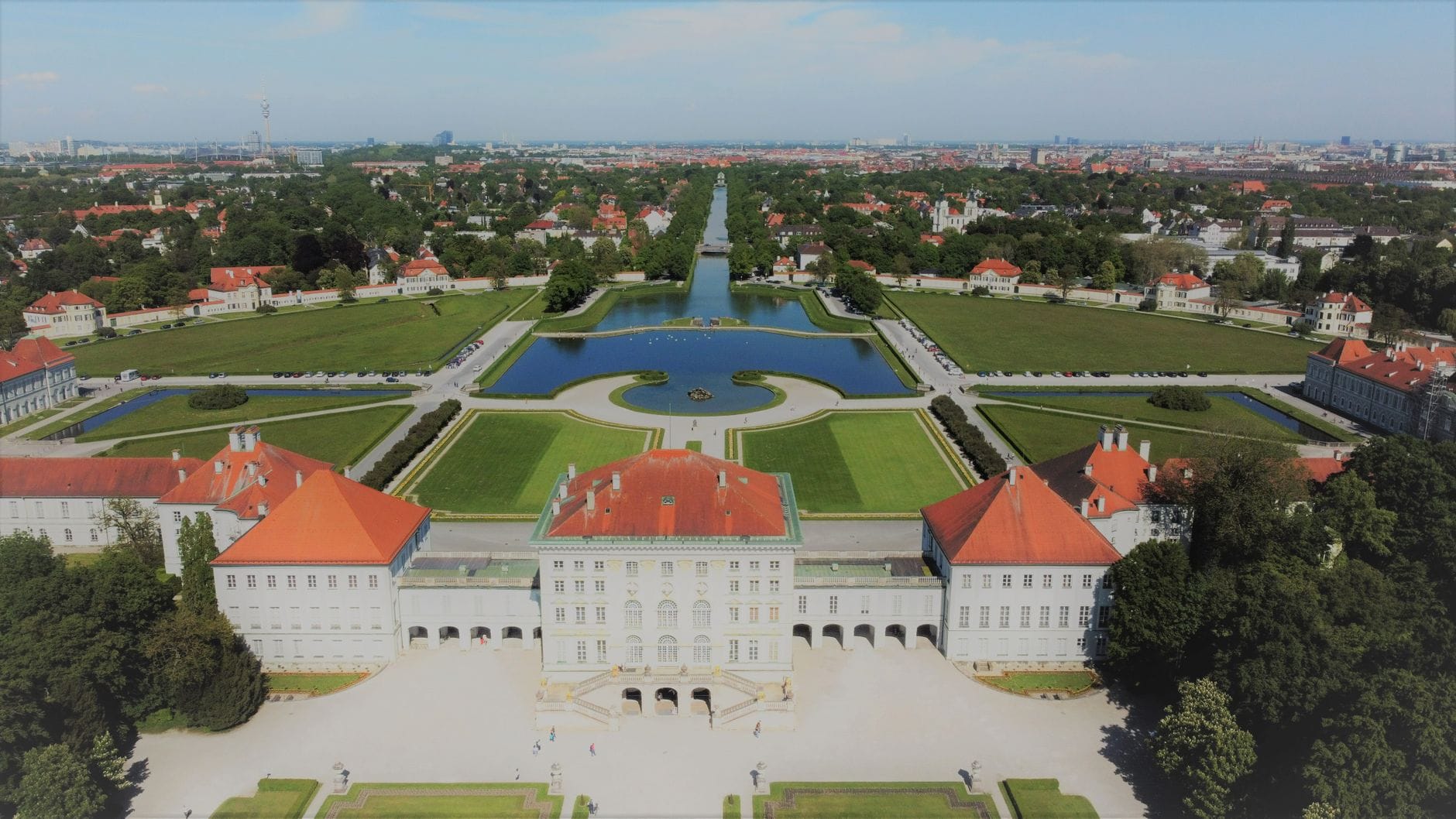
The western district of Neuhausen-Nymphenburg (District 9) gives direct access to Nymphenburg Palace and its surrounding park. Hotels in this area tend to run €130-€200 per night for mid-range options and attract visitors who prioritize the palace, BMW Museum, and BMW Welt over the Old Town.
The Olympiapark area, built for the 1972 Games, also falls in this general western corridor and has a handful of business-oriented properties nearby. Unless your itinerary focuses heavily on the Olympic grounds or BMW campus, most leisure travelers find this zone adds unnecessary commuting time to reach central sights.
Practical Booking Advice and Pricing Reality
- Book early for peak periods Oktoberfest dates (typically late September to early October) and major trade fairs like BAU (January, even years) and ISPO (January) cause citywide price spikes. Six to twelve months lead time is not excessive for central properties during these events.
- Christmas markets raise Altstadt rates The Advent season from late November through December brings elevated demand and limited availability around Marienplatz and the traditional market locations. Rates in the Altstadt can increase 30-60% compared to November shoulder season.
- Compare hostels for budget stays Munich has a well-developed hostel scene, particularly around the Hauptbahnhof and in Maxvorstadt. Dorm beds typically run €25-€45 per night, with private rooms in hostels ranging from €70-€110. The Munich hostels guide has current recommendations.
- Use Munich's public transport instead of location premiums The MVV network (S-Bahn, U-Bahn, tram, and bus) operates under a single ticket system. Staying one or two U-Bahn stops from the centre can save €40-€80 per night without meaningfully extending your travel times.
- Check the city pass for museum districts If your stay focuses on Maxvorstadt's museum quarter (Alte Pinakothek, Pinakothek der Moderne, Glyptothek; the Neue Pinakothek building is closed for renovation until around 2029 with parts of its collection shown elsewhere), the Munich City Pass bundles transport and attraction entry at a significant saving over purchasing separately.
For context on what your money gets you across the city, Munich luxury travel guide covers the top-tier properties in detail, while the Munich on a budget guide addresses hostels, apartment rentals, and strategies for keeping accommodation costs under control.
- Altstadt-Lehel: most central, mid-range from ~€180-€250/night, luxury from €400+
- Hauptbahnhof/Ludwigsvorstadt: best transport hub, mid-range from ~€120-€200/night
- Maxvorstadt/Schwabing: museum access and residential feel, from ~€150-€200/night
- Glockenbachviertel: independent character south of centre, typically 20-30% below Altstadt rates
- Haidhausen: local atmosphere east of Isar, fewer hotels but distinctive character
- Nymphenburg/Neuhausen: western access to palace and BMW campus, mid-range from ~€130-€200/night
💡 Local tip
When comparing hotel rates, check whether breakfast is included. Munich hotels, particularly in the mid and upper range, often charge €20-€35 per person for breakfast separately. A rate that looks €30 cheaper can end up costing more once you add breakfast for two. Factor this into your comparison.
For visitors planning a broader Bavaria itinerary, proximity to the Hauptbahnhof matters beyond the airport connection. Day trips to Neuschwanstein, Salzburg, and the Alps all depart from or near the central station. The day trips from Munich guide covers logistics for all major excursions, and staying near the Hauptbahnhof eliminates an extra transit leg on those mornings.
FAQ
Where is the best area to stay in Munich for first-time visitors?
Altstadt-Lehel puts you walking distance from Marienplatz, the Residenz, and the Viktualienmarkt, making it the most convenient base for a first visit. If the rates feel steep, Maxvorstadt is the next best choice: it is 10-15 minutes by U-Bahn from the Old Town and considerably cheaper, while still giving access to the museum quarter and English Garden.
How far in advance should I book a Munich hotel during Oktoberfest?
For hotels within walking distance of Theresienwiese, the Oktoberfest fairground, booking 6-12 months ahead is realistic rather than excessive. Dates are usually confirmed by the Munich city authorities in October of the preceding year. Even hotels in Maxvorstadt and Schwabing sell out quickly once dates are announced, so set a reminder as soon as you know you want to attend.
Is it worth staying at a Munich airport hotel rather than in the city?
Only if your trip is very short (under 24 hours) or you have a very early departure. The S-Bahn S1 and S8 connect Munich Airport (MUC) to the city centre in 35-45 minutes with frequent services, so airport hotels offer little practical advantage for most visitors. The exception is a same-day transit where you have no reason to enter the city at all.
Are there good budget hotels or hostels in Munich?
Yes, particularly around the Hauptbahnhof and in Maxvorstadt. Dorm beds in well-rated hostels typically run €25-€45 per night, with private hostel rooms from around €70-€110. Mid-range hotels in the Ludwigsvorstadt district often come in below €150 when booked several weeks in advance outside peak season. Avoid booking for Oktoberfest or Christmas market weekends at the last minute if you're on a tight budget.
Do I need a car to get between my hotel and Munich's main attractions?
No. Munich's MVV public transport network is comprehensive, covering all inner-city neighborhoods with U-Bahn, S-Bahn, tram, and bus under a single unified ticket system. A car is actually a disadvantage in the centre, where parking is expensive and limited. For day trips to destinations like Neuschwanstein or Salzburg, trains from Hauptbahnhof are the practical choice for most visitors.
Tickets & tours
Live prices and dates from our booking partner. If you book, we may earn a commission at no extra cost to you.
Planning a trip? Discover personalized activities with the Nomado app.