Luxury Munich: The Definitive Guide to High-End Hotels, Restaurants & Experiences
Munich (München) competes confidently with Europe's established luxury destinations. From storied 5-star hotels steps from Marienplatz to Michelin-starred kitchens and world-class cultural institutions, this guide covers everything you need to plan a genuinely high-end stay, including when to book, what to skip, and how much to budget.
Tickets & tours
Live prices and dates from our booking partner. If you book, we may earn a commission at no extra cost to you.
TL;DR
- Munich has 17 classified luxury hotels; average nightly rates sit near US$270, but May and Oktoberfest weeks regularly push suites past US$1,000.
- December is statistically the cheapest month for 5-star stays, with some aggregators showing average rates just above US$100 per night.
- The Altstadt is the obvious luxury base, but upscale clusters also exist in Schwabing and near the Englischer Garten, with average district rates above €400.
- Luxury Munich extends well beyond hotels: Michelin-starred restaurants, private Residenz tours, and BMW Welt experiences round out a premium itinerary.
- Book at least 3–4 months ahead for Oktoberfest and major Messe München trade fairs; see our best time to visit Munich guide for a full seasonal breakdown.
Why Munich Belongs on Any Luxury Travel Shortlist
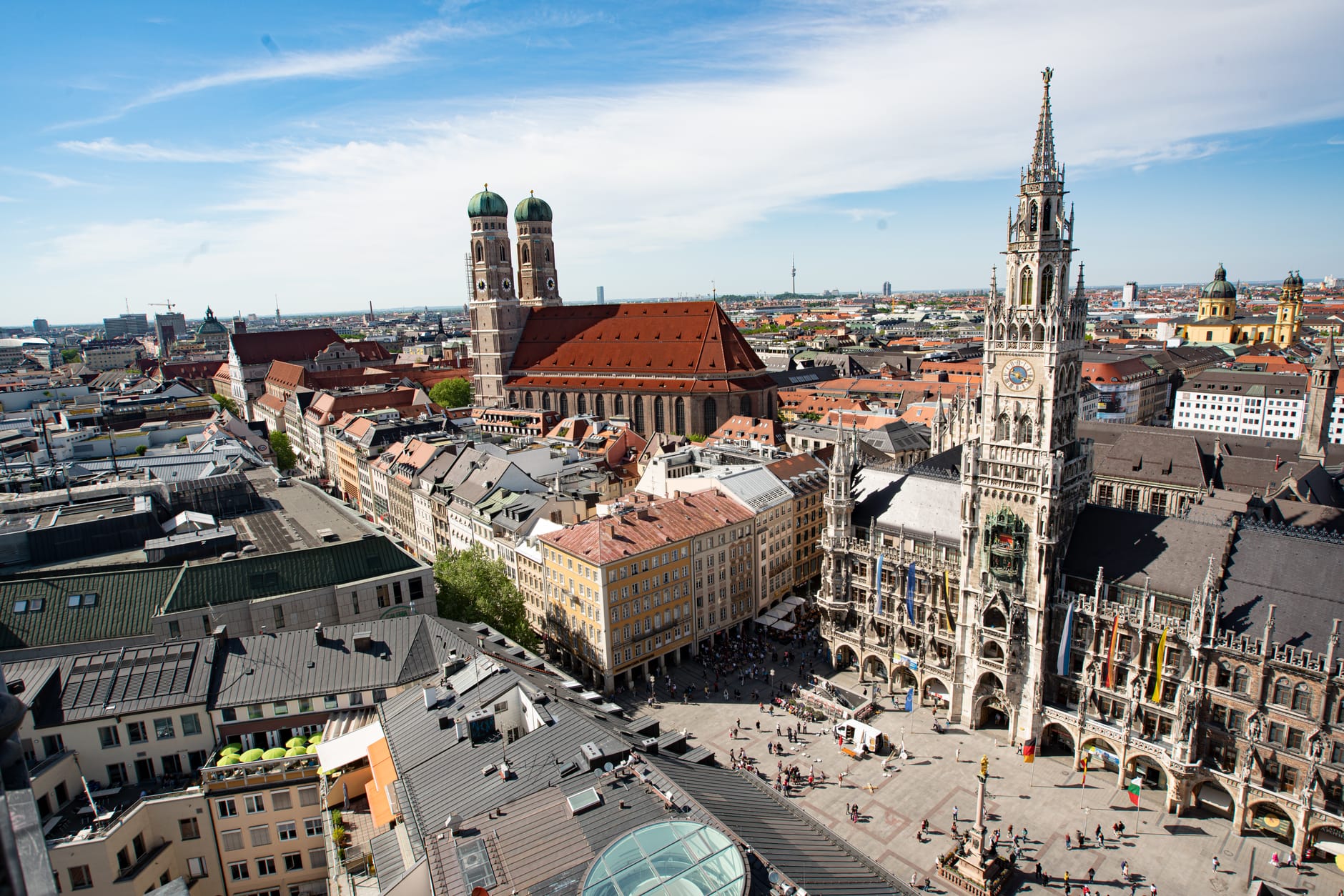
Munich is Germany's third-largest city by population (around 1.5 million residents as of the early 2020s) and the capital of Bavaria, but it operates at a scale and confidence that rivals cities twice its size. It sits roughly 50 km north of the Alps at around 520 metres above sea level, which gives it a clarity of air and light that more northern German cities simply lack. The combination of baroque architecture, world-class museums, and a genuinely affluent local economy, anchored by BMW, Siemens, and Allianz, means the infrastructure for luxury travel is deep and well-established.
That economic base matters for travelers. High-end demand from business visitors and wealthy Bavarians sustains a market of top restaurants, premium retailers, and five-star properties that would struggle in less prosperous cities. The Munich Residenz, the largest urban palace in Germany, sets the architectural tone: this is a city that has taken grandeur seriously for centuries. Today that tradition continues in its luxury hospitality sector.
ℹ️ Good to know
Munich uses the Euro (EUR). Germany is in the Schengen Area, so most Western passport holders can visit for up to 90 days without a visa. Tap water is safe to drink. Tipping 5–10% directly to the server is customary at high-end restaurants. Plug type is F (Schuko), 230V/50Hz.
5-Star Hotels in Munich: What to Expect and Where to Look
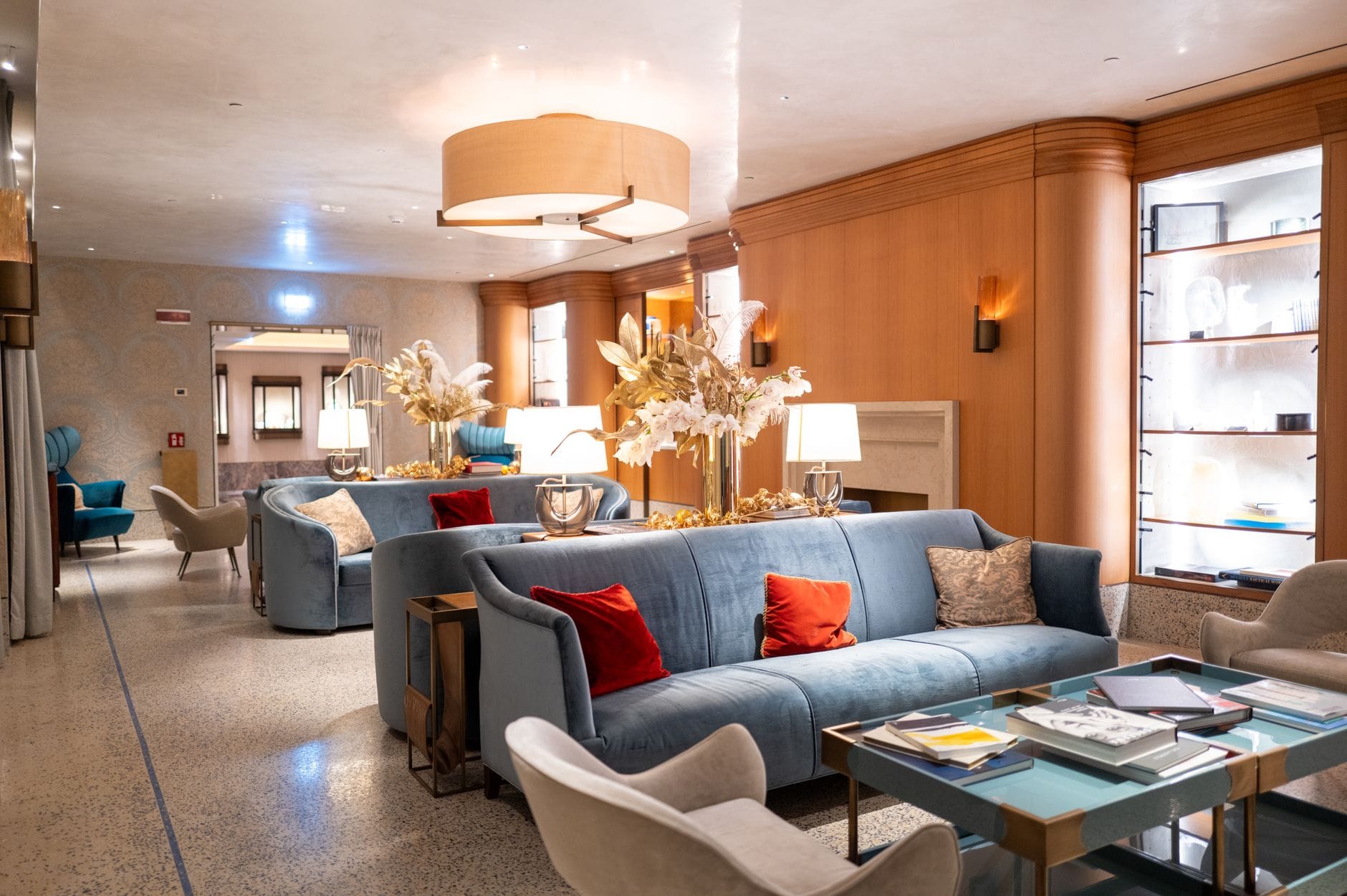
Munich has 17 properties that meet standard luxury classifications across major booking platforms, out of about 1,100 total hotels in the city. That ratio reflects something important: Munich is not Dubai or Las Vegas. The luxury market here is measured and curated rather than sprawling, which works in the traveler's favour because standards at the top end remain consistently high.
Average nightly rates for classified luxury hotels hover around US$270, but that figure masks enormous variation. Entry-level luxury rooms can dip to around US$100 on slower mid-week nights in low season, while top suites during peak periods have been listed around US$2,000 per night. The single biggest pricing event is Oktoberfest in late September and early October. Rates at 5-star properties near Theresienwiese or the Altstadt can triple or quadruple during the festival's opening weekend. The second major driver is Messe München, the city's enormous trade fair complex, which hosts events like BAU, Automatica, and ISPO that each draw tens of thousands of international business visitors.
- Bayerischer Hof The most storied address in Munich, family-run since 1897. Five bars including a seasonal rooftop Polar Bar, four-level spa with indoor-outdoor pool, in-house cinema, and multiple dining concepts. Central location steps from Theatinerkirche and Odeonsplatz.
- Mandarin Oriental Munich Smaller and more intimate than Bayerischer Hof, with a strong reputation for personal service. Rooftop pool with Frauenkirche views. Located in the Altstadt, within walking distance of the Viktualienmarkt.
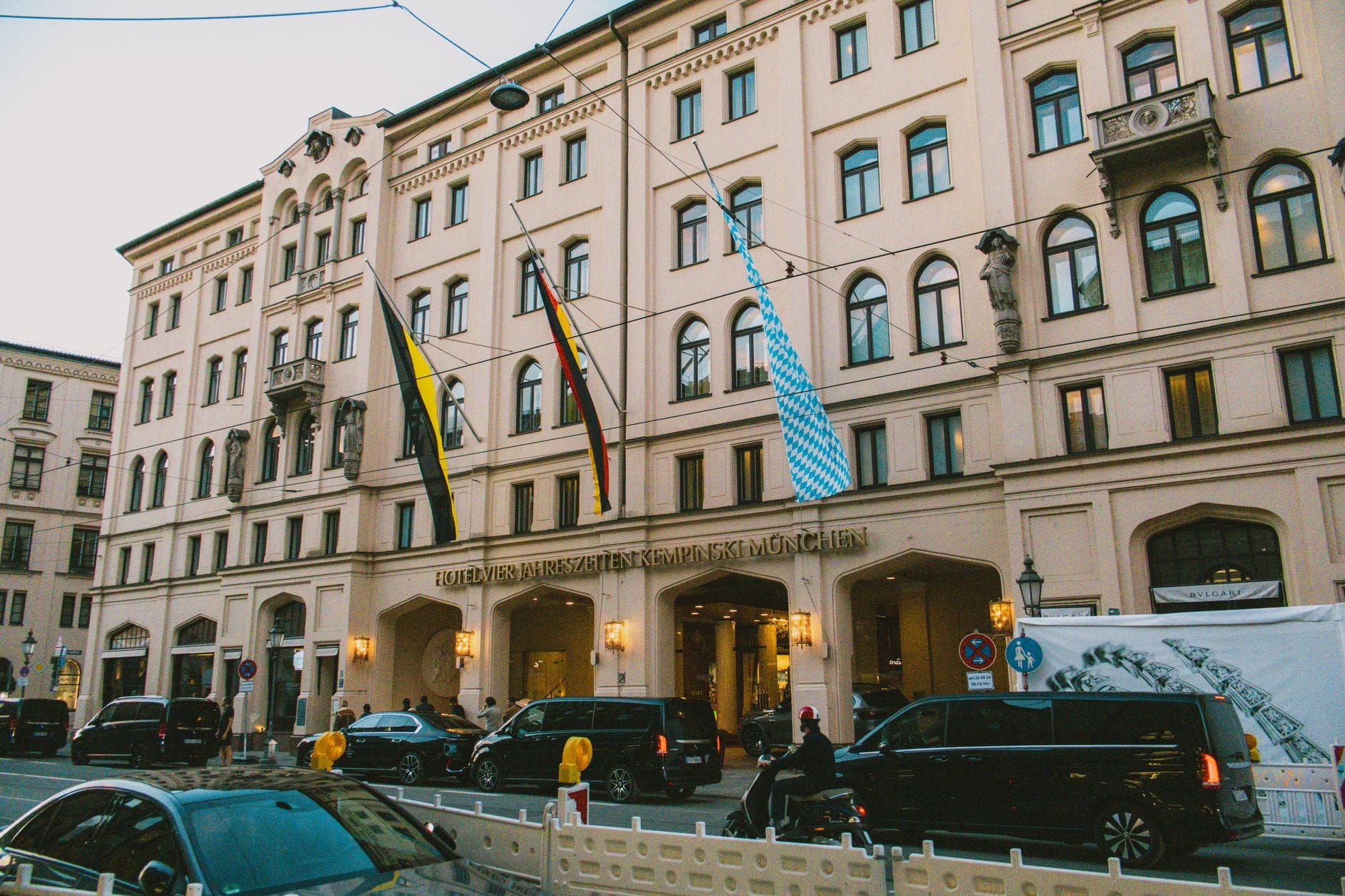
- Hotel Vier Jahreszeiten Kempinski On Maximilianstrasse, Munich's premier luxury shopping boulevard. The hotel's heritage dates to 1858. Favoured by business travelers and fashion-week visitors for its proximity to high-end boutiques.
- Sofitel Munich Bayerpost Housed in a restored 1900s post office building near Hauptbahnhof. The blend of original Wilhelmine architecture with contemporary French hotel design is one of Munich's more architecturally interesting luxury stays.
- Munich Marriott Hotel A reliable upper-upscale option in Schwabing, popular with corporate travelers. Less atmospheric than historic Altstadt properties but often more competitively priced, particularly on weeknights outside event periods.
⚠️ What to skip
Do not assume 'luxury' automatically means Altstadt. Schwabing and the Englischer Garten district also have premium properties with average rates around €400 per night. The tradeoff is a slightly longer walk or one U-Bahn stop to the main sights, which for some guests is a worthwhile exchange for quieter streets and easier parking.
On seasonality: December is statistically the cheapest month for luxury hotels in Munich, with some aggregators showing averages near just over US$100 per night. This surprises many visitors who assume Christmas market season equals peak pricing. The reality is that Christmas markets attract day-trippers and mid-market tourists rather than the business and conference crowd that drives 5-star demand. May, counterintuitively, can be one of the most expensive months, driven by trade fairs and the start of European corporate travel season.
Munich Airport Hotels: Arrivals, Layovers, and Pre-Flight Stays
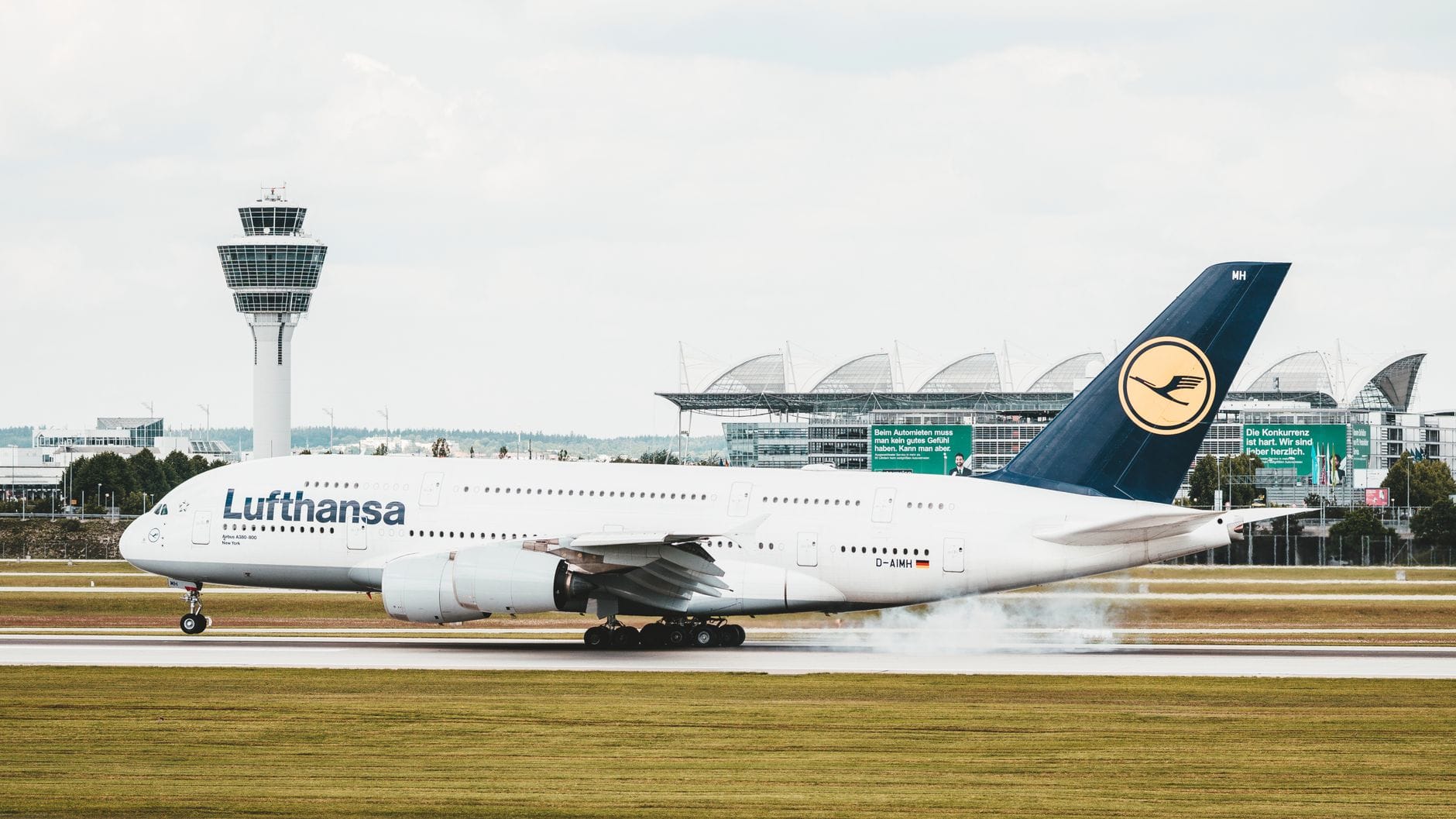
Munich Airport (IATA: MUC) sits near Freising in the municipality of Oberding, approximately 30–35 km northeast of Marienplatz. The S1 and S8 S-Bahn lines connect the airport to Hauptbahnhof and Marienplatz in roughly 40–45 minutes, making an airport hotel unnecessary for most stays. However, if you have a very early morning flight, a late inbound arrival, or a long layover, staying at or near the airport is practical. Our dedicated Munich airport guide covers transport options and terminal logistics in detail.
The best airport hotel option for luxury travelers is the Hilton Munich Airport, connected directly to the airport’s central area between Terminal 1 and Terminal 2 by an enclosed walkway. It is a full-service property with a spa, pool, and multiple dining outlets, not a standard transit hotel. Rates are predictably higher than comparable city-centre options on the same night, so it only makes sense financially if the convenience genuinely saves you time or stress. The Moxy Munich Airport (a Marriott-affiliated property near the terminal area) is another solid upper-upscale choice at the airport.
High-End Dining: Michelin-Starred Restaurants and Premium Tables
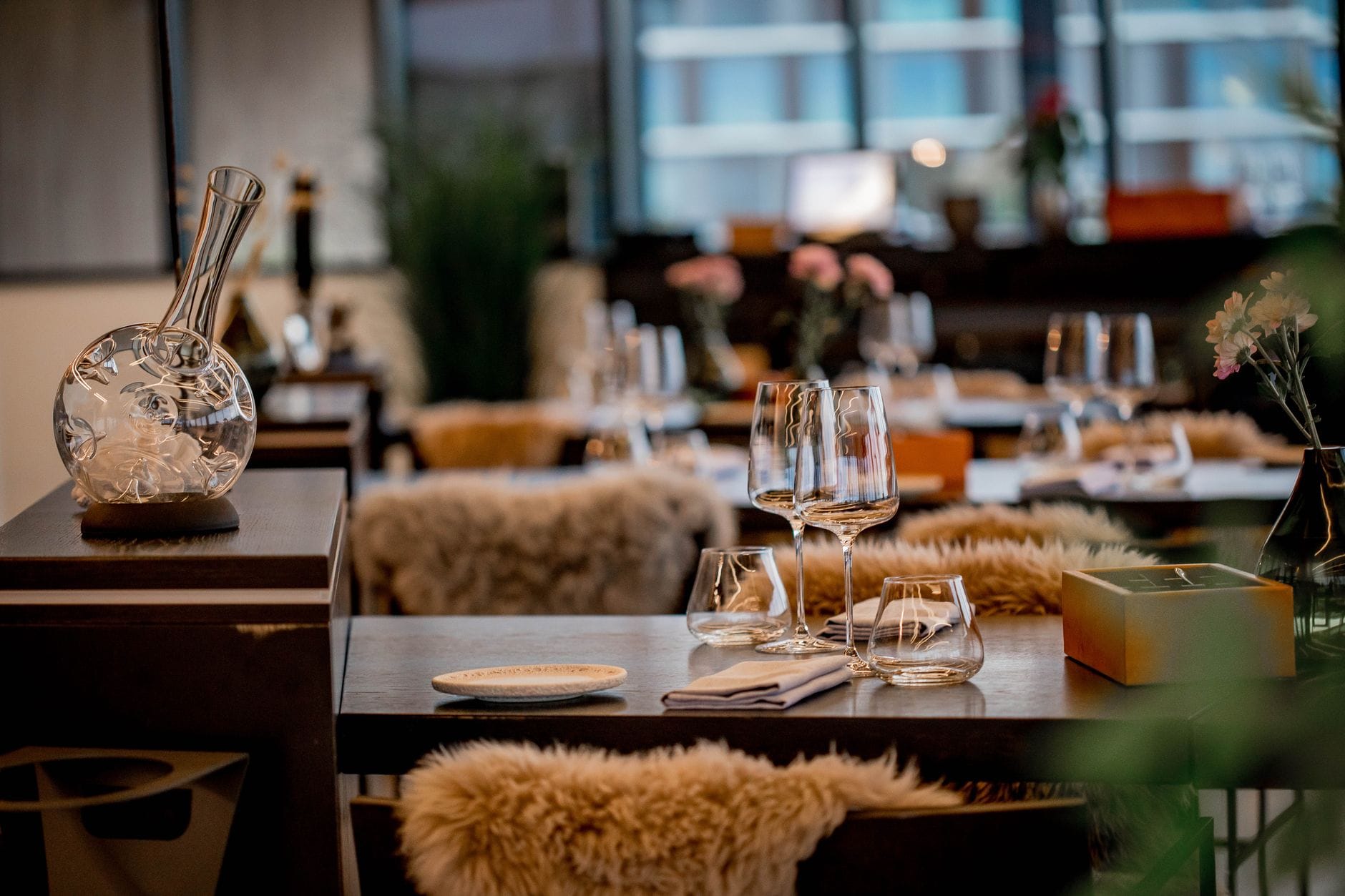
Munich's fine dining scene has grown substantially over the past decade. The city holds multiple Michelin-starred restaurants, and the concentration of serious money from the automotive, insurance, and tech sectors sustains the kind of repeat clientele that high-end kitchens need to survive. For context on broader dining across price points, the where to eat in Munich guide covers everything from Michelin tables to market lunches.
At the top of the market, Atelier at Bayerischer Hof held three Michelin stars under chef Jan Hartwig before his departure; the restaurant has since evolved, so verify current status before booking. Tantris in Schwabing is Munich's most iconic fine dining address, having held stars almost continuously since the 1970s, and the recently redesigned Tantris DNA concept offers a more accessible tasting format in the same building. EssZimmer at BMW Welt is a genuinely interesting option that currently holds one Michelin star and combines a high-level kitchen with one of Munich's most distinctive architectural settings.
- Book Michelin-starred restaurants at least 4–6 weeks in advance; during Oktoberfest or major trade fair weeks, 8–12 weeks is not excessive.
- Most high-end Munich restaurants offer lunch menus at 40–60% of dinner tasting menu prices, often with the same kitchen quality.
- Dress codes at Munich fine dining are smart casual to formal; jackets are expected at the most traditional addresses, though few places enforce a strict tie requirement.
- The Viktualienmarkt area supports several premium lunch options and specialty food retailers that pair well with a morning at the Altstadt markets.
- Bavarian cuisine at its highest level appears at Showroom, Spezlwirtschaft, and a handful of other restaurants reinterpreting regional traditions with contemporary technique.
✨ Pro tip
EssZimmer at BMW Welt earns its two Michelin stars and also gives you a legitimate reason to spend time in one of Munich's most architecturally striking buildings. Combine dinner with a daytime visit to BMW Welt and the BMW Museum next door for an efficient upmarket half-day in the Olympic Park district.
Luxury Experiences Beyond Hotels and Restaurants
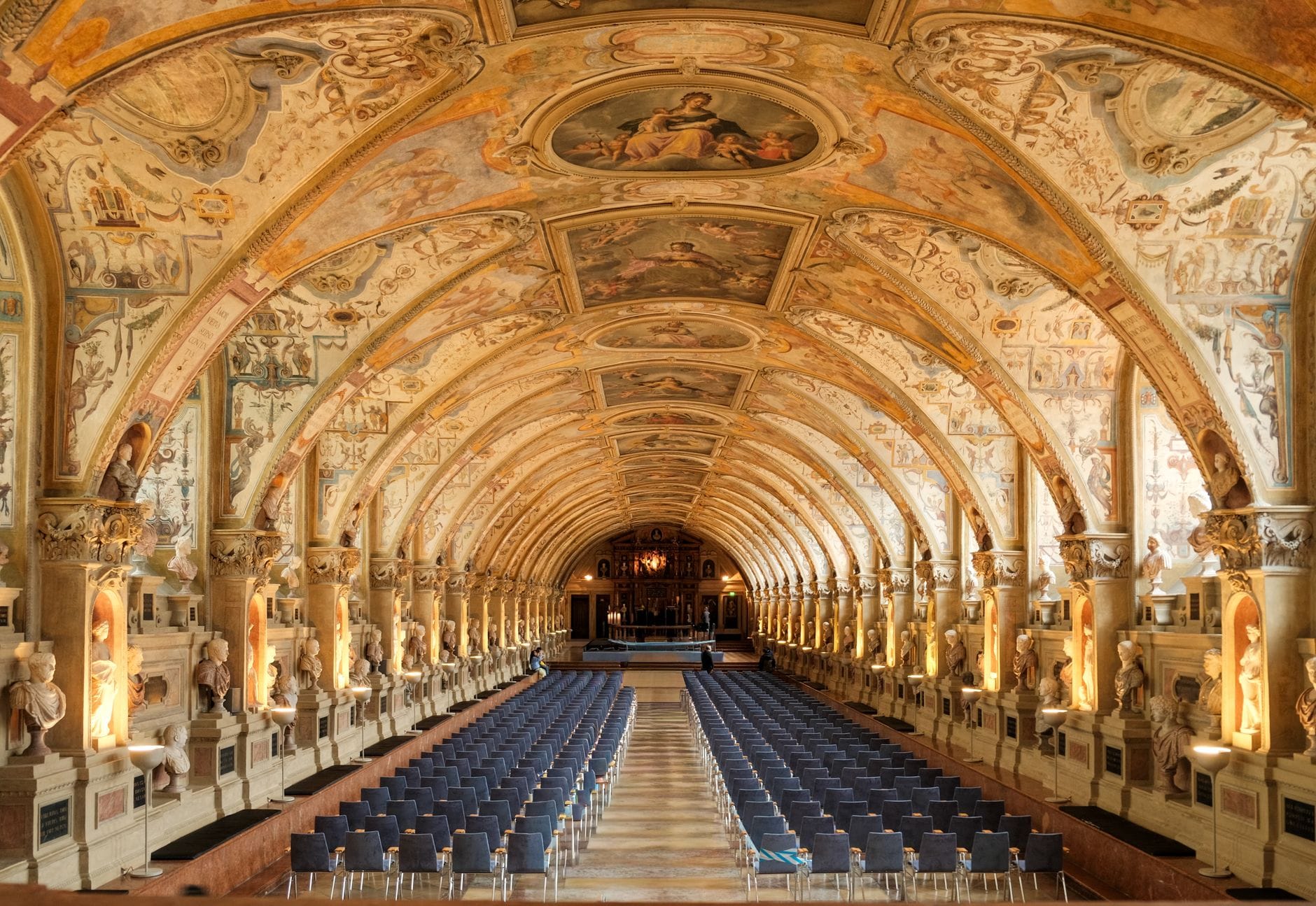
A high-end Munich stay is not just about where you sleep and eat. The city's cultural infrastructure is genuinely world-class. The Munich Residenz Treasury holds one of Europe's finest collections of crown jewels, reliquaries, and goldsmith work. The Cuvilliés Theatre, the restored rococo court theatre inside the Residenz complex, hosts opera and chamber performances in a setting that is genuinely without equal in Germany.
For art, the Kunstareal in Maxvorstadt clusters the Alte Pinakothek, Neue Pinakothek, Pinakothek der Moderne, and Museum Brandhorst within a 10-minute walk of each other. A serious collector or art traveler could spend two full days here without repeating a room. Private after-hours tours of the Alte Pinakothek can be arranged through the Bavarian State Painting Collections for groups, making it one of Munich's more exclusive cultural experiences.
For outdoor luxury, Nymphenburg Palace and its 200-hectare park in the western district of Nymphenburg offer a quieter alternative to the Altstadt crowds. Early morning visits before 10am in spring and summer give you the formal gardens and canals almost to yourself. Private guided tours of the palace's state rooms and porcelain collection can be arranged through specialist Munich tour operators.
BMW Welt (BMW World) is not a traditional luxury experience, but it functions as one for automotive enthusiasts. The delivery hall where customers collect new vehicles is open to the public and gives access to an architecturally remarkable building with no admission charge. The BMW Museum next door charges a small entry fee and covers the company's history from early motorcycles to current concept cars. For a deeper engagement, BMW offers private factory tours and driving experiences through BMW Welt’s visitor programme, arranged via the BMW Welt concierge.
Practical Logistics for Luxury Travelers
Munich's public transport network, operated under the MVV umbrella, is excellent and covers the entire city with S-Bahn, U-Bahn, trams, and buses. For luxury travelers, the more relevant consideration is whether to use it at all. Most 5-star properties offer airport transfer services, and licensed taxis from Hauptbahnhof or the Altstadt to the airport take 35–45 minutes depending on traffic. Rideshare apps including Uber and Free Now operate in Munich. For a full breakdown of transport options, see the getting around Munich guide.
For shopping, Maximilianstrasse is Munich's equivalent of Bond Street or Avenue Montaigne, running from the Maximilianeum west toward the Altstadt. Hermès, Chanel, Rolex, and comparable names cluster here. Theatinerstrasse and the Fünf Höfe shopping complex (a covered arcade near Theatinerkirche) offer a slightly broader range including premium German and European brands. The Munich shopping guide covers the full retail landscape in detail.
💡 Local tip
Munich does not currently levy a general city tax (Kurtaxe) on hotel stays, but some Bavarian spa towns do. At high-end properties in Munich, check for any service charges or local levies and confirm whether quoted rates are inclusive before booking.
On safety and practicality: Munich consistently ranks among Europe's safest large cities across global quality-of-life indices. Tap water is of high quality and safe to drink throughout the city. German is the official language, but English is widely spoken in hotels, high-end restaurants, and tourist-facing businesses throughout the Altstadt and major shopping districts. The international dialing code for Germany is +49; Munich's local area code is 089.
FAQ
When is the cheapest time to book a luxury hotel in Munich?
December is statistically the most affordable month for 5-star stays, with some properties averaging just over US$100 per night. May, Oktoberfest weekends (late September to early October), and major Messe München trade fair dates are consistently the most expensive periods. Always check the Messe München event calendar before booking, as trade fair weeks can push rates as high as Oktoberfest even when they receive less media attention.
Where do luxury hotels cluster in Munich?
The highest concentration of 5-star properties is in and around the Altstadt (Maximilianstrasse, Promenadeplatz, and the immediate Marienplatz area). A secondary cluster exists in Schwabing, near the Englischer Garten, where some luxury properties offer quieter surroundings with average rates above €400 per night. The airport area (Freising/Terminal 2) has high-quality full-service hotels for transit stays.
Is there a Munich Marriott Hotel and is it worth staying there?
Yes, there are two Marriott‑affiliated Munich properties relevant here: the Munich Marriott Hotel in Schwabing and the Moxy Munich Airport near the terminals. The Schwabing property is an upper-upscale business hotel that is reliably comfortable and often more competitively priced than historic Altstadt 5-star properties on the same dates. It suits corporate travelers and those prioritising value within the luxury tier over heritage atmosphere.
Do I need to book Michelin-starred restaurants far in advance?
For Munich's top-rated restaurants (Tantris, EssZimmer, and equivalent), booking 4–6 weeks ahead is a reasonable baseline outside event periods. During Oktoberfest and major trade fairs, extend that to 8–12 weeks. Most top kitchens release cancellations on short notice, so checking a few days before your visit can occasionally yield a last-minute table, but this is not a reliable strategy.
What luxury experiences in Munich are not well-known to tourists?
Private after-hours tours of the Alte Pinakothek, BMW factory driving experiences arranged through BMW Welt, early morning visits to Nymphenburg Palace before tour groups arrive, and performances at the Cuvilliés Theatre inside the Residenz complex are all high-quality experiences that attract far smaller crowds than headline attractions. The Munich Residenz Treasury is also chronically undervisited given the quality of its collection.
Tickets & tours
Live prices and dates from our booking partner. If you book, we may earn a commission at no extra cost to you.
Planning a trip? Discover personalized activities with the Nomado app.