Best Time to Visit Munich: A Complete Season-by-Season Guide
Munich rewards visitors in every season, but the right time depends entirely on what you want from the trip. This guide breaks down weather, crowd patterns, hotel prices, and major events month by month so you can make an informed decision before you book.
Tickets & tours
Live prices and dates from our booking partner. If you book, we may earn a commission at no extra cost to you.
TL;DR
- Late spring (May) and early autumn (September, before Oktoberfest starts) offer the best balance of good weather, moderate crowds, and reasonable prices.
- Oktoberfest runs from late September to early October and is the most crowded period in Munich's calendar — book accommodation months in advance.
- Winter is not dead season: the Munich Christmas markets (late November through Christmas Eve) draw large crowds and push hotel rates up noticeably.
- January through early March is the cheapest window, with hotel rates lower than peak season and minimal queues at major attractions.
- Summer is prime time for beer gardens, the Englischer Garten, and long evenings, but June brings the most rainfall of the year.
Munich's Climate at a Glance
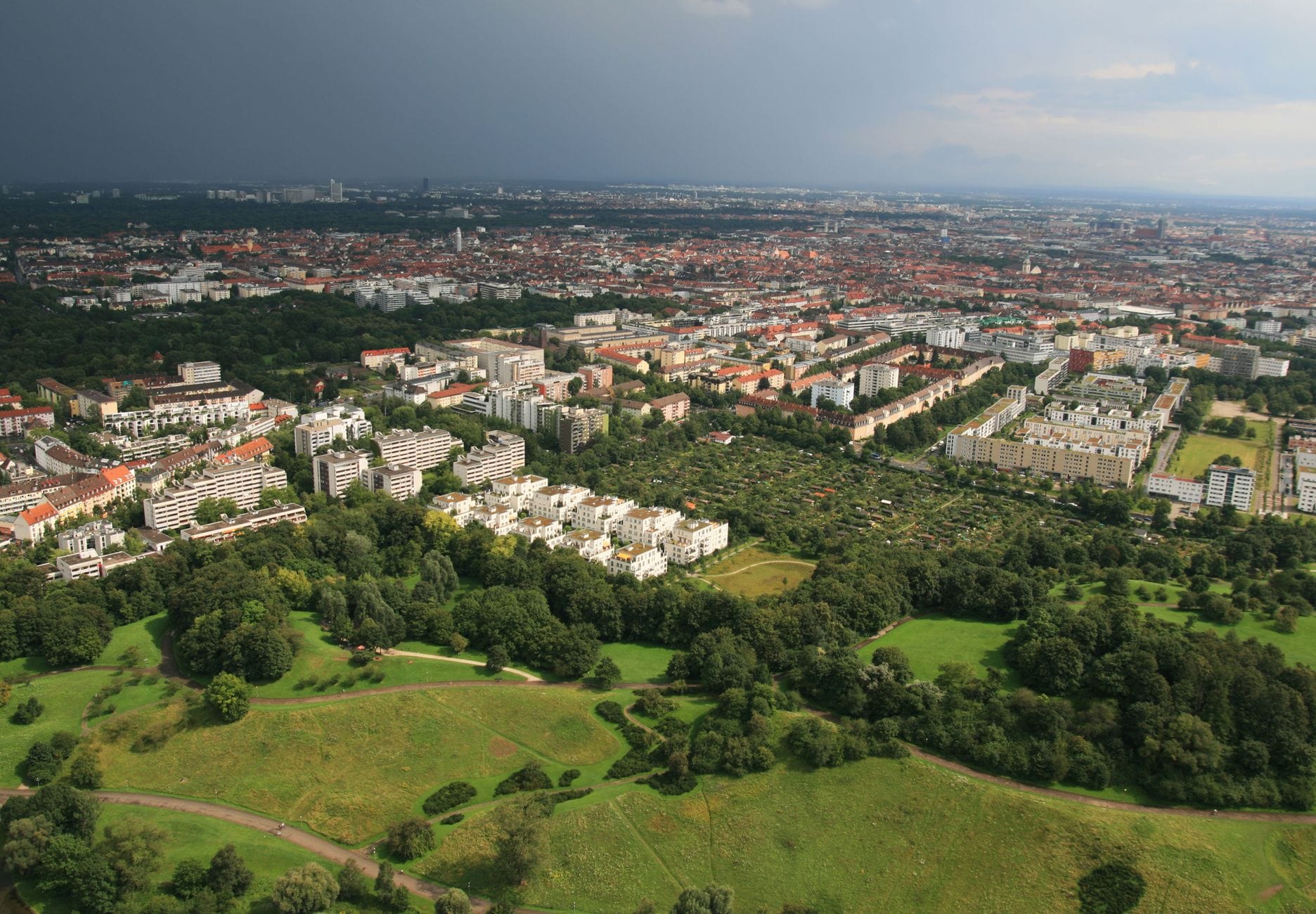
Munich sits at roughly 520 metres above sea level, about 50 km north of the Alps. That elevation and proximity to the mountains give the city a climate that feels more continental than its official oceanic (Köppen Cfb) classification suggests. Winters are genuinely cold, summers are warm rather than hot, and rainfall is spread across the whole year with a lean toward late spring and early summer.
- Winter (Dec–Feb) Average highs around 3–5°C, lows dropping to -3 to -1°C. Snow is possible but not guaranteed every year. Days are short and grey.
- Spring (Mar–May) A gradual warm-up from around 9°C in March to 19°C in May. April can be unpredictable — sunny one day, cold and wet the next.
- Summer (Jun–Aug) Average highs of 22–24°C. July is the warmest month. June is the wettest. Occasional heat spikes above 30°C are possible but not typical.
- Autumn (Sep–Nov) Temperatures fall from around 19°C in September to 8°C in November. September feels like a continuation of summer; November turns properly cold.
ℹ️ Good to know
Munich's alpine proximity means weather can shift quickly, especially in spring and autumn. A bright morning can turn cold and rainy by afternoon. Layering is practical year-round, and a compact rain jacket takes up almost no luggage space.
Spring (March to May): The Underrated Window
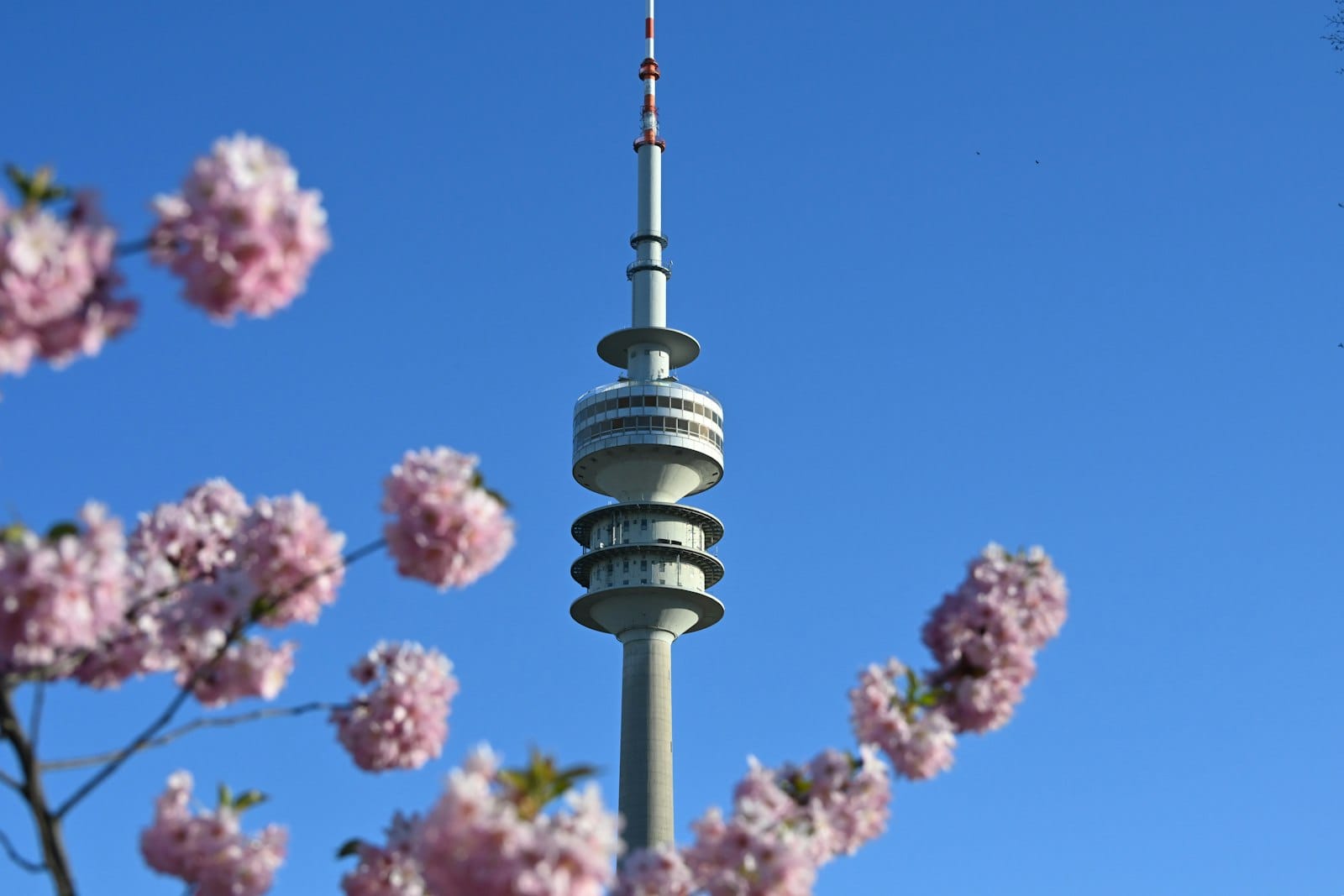
May is arguably the single best month to visit Munich for first-timers. Temperatures are genuinely pleasant, the Viktualienmarkt beer garden opens for the season, and the city's museum quarter in Maxvorstadt operates without the summer queues. Hotel rates are still reasonable before the summer surge.
March is the tricky shoulder month. Prices are low and crowds are thin, but the weather can be genuinely unpleasant — cold, wet, and occasionally snowy. Beer gardens are mostly still closed. If your priority is saving money and you do not mind spending more time indoors at museums and galleries, late March can work well. April improves steadily, though rain remains frequent.
One underused spring advantage: the Nymphenburg Palace grounds and the English Garden come into bloom in late April and May, and they look genuinely spectacular with almost none of the July crowds. The same goes for Schloss Schleissheim on a day trip north of the city.
Summer (June to August): Beer Gardens, Long Days, and Real Crowds
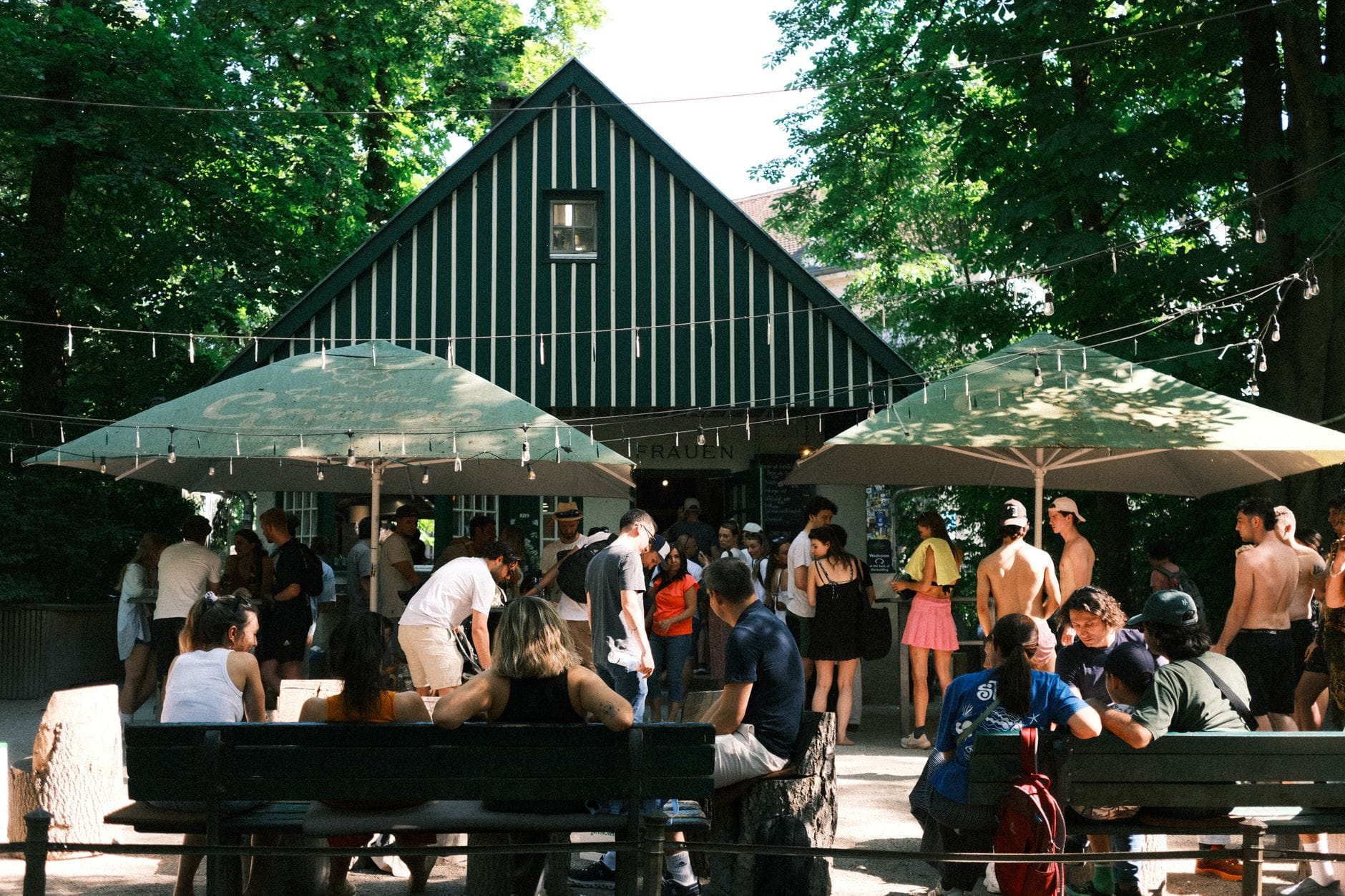
Summer is Munich's most social season. Beer gardens across the city operate at full capacity, the Isar riverbanks fill with locals sunbathing, and the days stretch until well past 9 pm. For visitors who want to experience Munich's outdoor culture at its liveliest, June through August delivers on that promise.
The trade-off is crowds and cost. Hotels are more expensive than in spring, popular attractions like the Deutsches Museum and the Residenz see longer queues, and the city receives a large share of its annual international visitors between July and August. June, despite being the rainiest month, tends to be slightly less crowded than July and August.
If you are travelling with children, summer has clear advantages: school holidays, outdoor spaces fully open, and a full programme of events and outdoor cinema screenings around the Olympiapark. Munich genuinely works well as a summer family destination in a way that some European capitals do not.
💡 Local tip
The Eisbach wave in the Englischer Garten draws surfers year-round, but summer crowds turn it into a spectator event. Arrive before 10 am or after 6 pm to watch without battling tour groups for a viewing spot.
Autumn (September to November): Oktoberfest and the After-Party
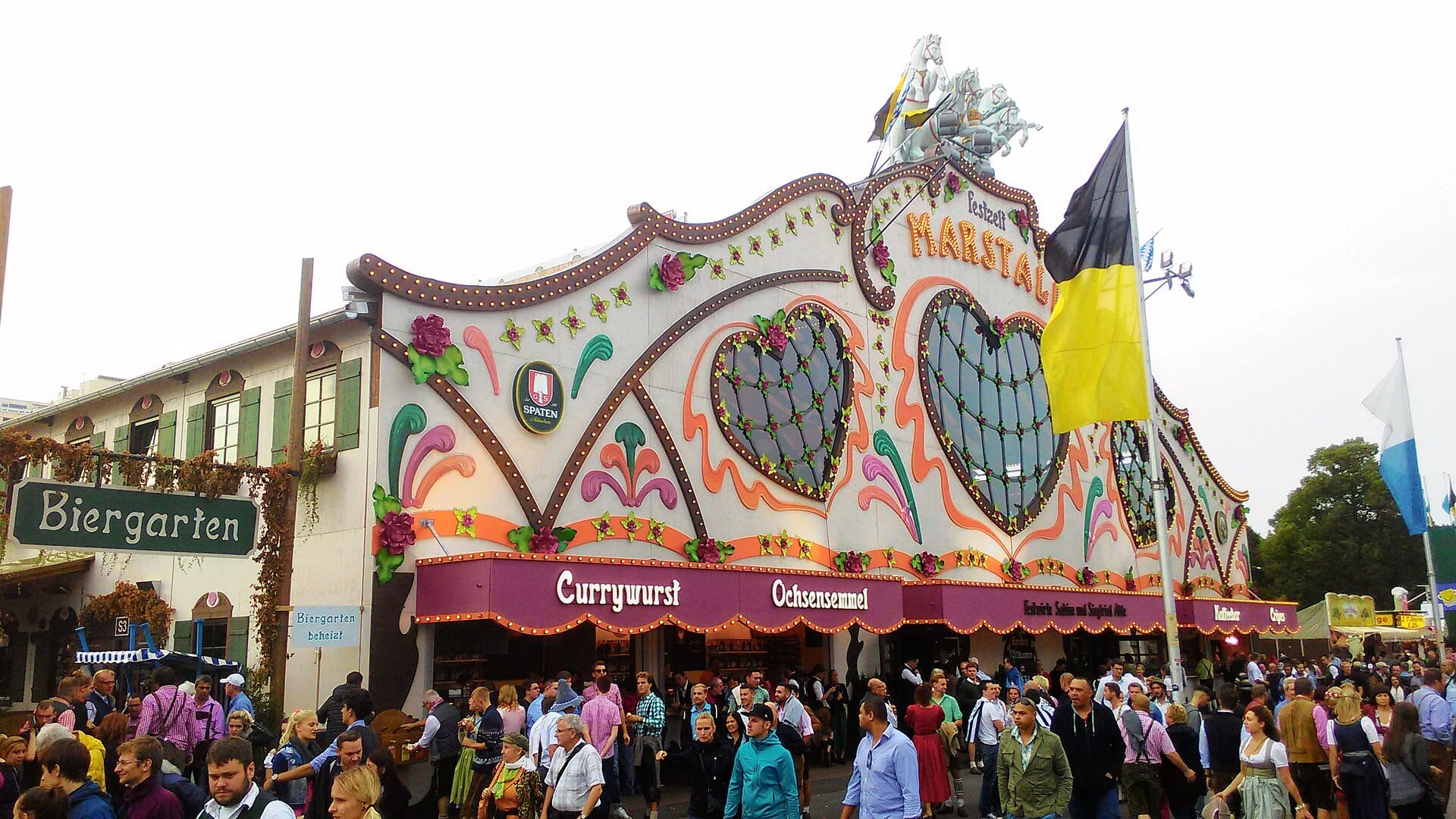
September is the month that defines Munich in the global imagination. Oktoberfest runs from the penultimate Saturday in September through the first Sunday in October, on the Theresienwiese grounds in central Munich. Exact annual dates are set and published by the city each year, so verify them before booking travel.
One common planning mistake: assuming Oktoberfest is an October event. It starts in September and typically ends in the first week of October. Visitors who book only October dates sometimes arrive after the festival has closed. Another misconception is that the festival is purely about drinking: it is also a genuine folk festival with traditional Bavarian food, fairground rides, and live music across multiple tents and styles.
Accommodation during Oktoberfest is the most expensive and hardest to find of any period in the Munich calendar. Prices at central hotels can double or triple compared to shoulder season rates. Book at least four to six months ahead for anything reasonably priced within walking distance of the city centre. The MVV public transport system handles the crowds well.
Once Oktoberfest ends, mid-October through early November is one of Munich's most pleasant and underappreciated windows. The autumn colours in the Englischer Garten and around Bogenhausen are genuinely striking, hotel prices drop significantly, and the city regains a calmer pace. If Oktoberfest is not the goal, the weeks immediately after it can be the real sweet spot of autumn.
⚠️ What to skip
Do not underestimate the accommodation crunch during Oktoberfest. Even hotels in the outer districts and nearby towns like Dachau and Freising sell out quickly. If you are attending the festival, treat accommodation booking as your first and most urgent task after deciding to go.
Winter (November to February): Cheaper, Quieter, and Not What You Expect
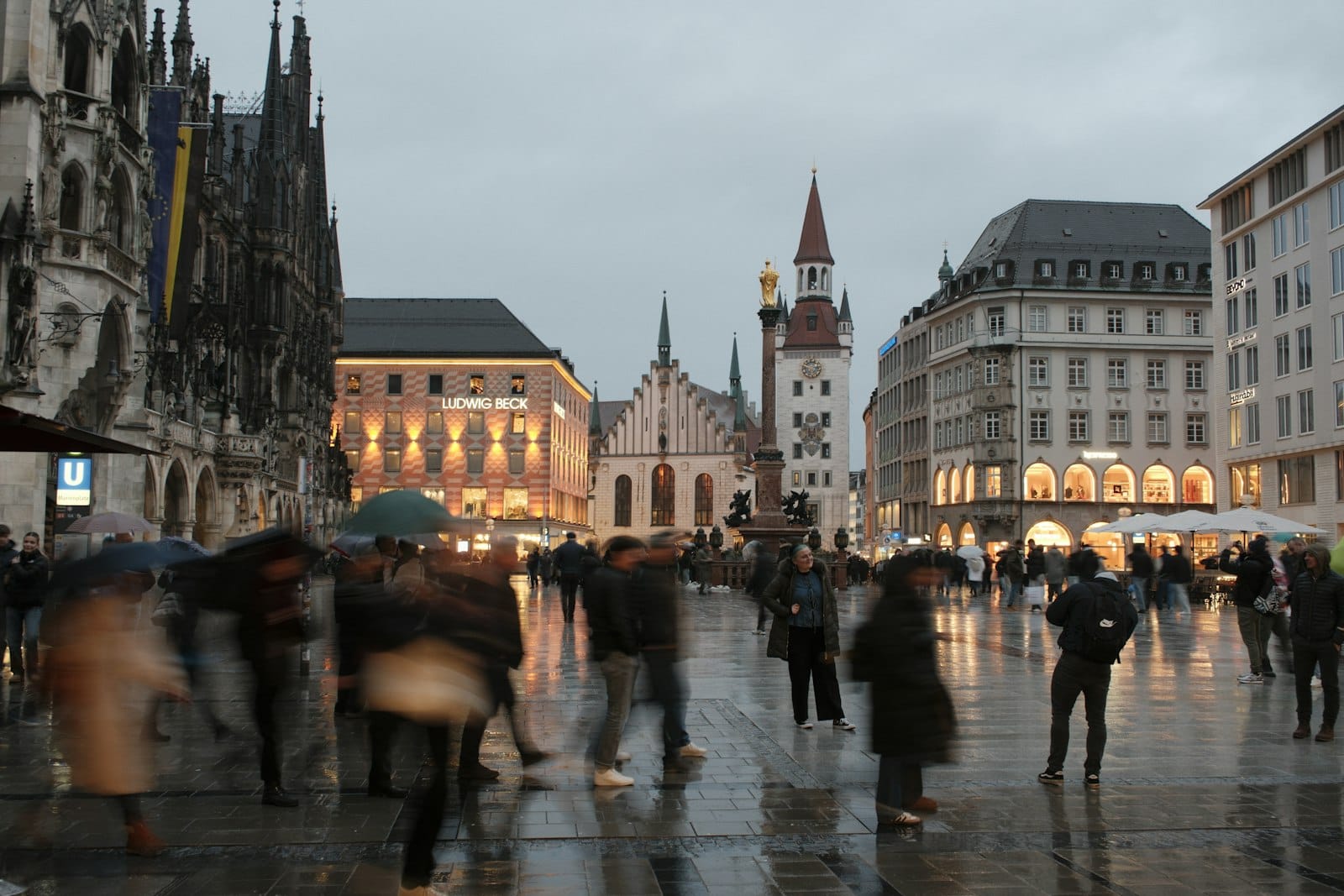
November sits in an awkward gap. The autumn colour is fading, beer gardens have closed, and the Christmas markets have not yet opened. It is the quietest and in many ways the least appealing month for tourism, which makes it ideal for anyone who wants to explore Alte Pinakothek, the Pinakothek der Moderne, or the BMW Museum without any of the usual wait times.
Late November through Christmas Eve is a distinct sub-season. Munich's most famous Christmas market is at Marienplatz, but the city runs several markets across different neighbourhoods, each with a different character. This period sees a real spike in visitors and hotel rates, particularly on weekends. It is festive and genuinely atmospheric, but it is not a quiet escape: plan accordingly.
January and February are when Munich prices drop furthest. Hotel rates in this window can be lower than peak season. The city's museums and cultural institutions operate normally, and the ski resorts within a 90-minute drive of Munich are running at full capacity. If the goal is combining city culture with day trips to the Alps for skiing or winter hiking, January and February make logistical sense.
- January–February: lowest hotel prices of the year, minimal queues, good for museums and alpine day trips
- Late November to Christmas Eve: Christmas markets in full swing, higher prices on weekends, book ahead
- Christmas Eve to New Year: many shops and restaurants may be closed on Dec 24–26; the city is quieter than expected
- February: Fasching (Bavarian carnival) brings costumes and events, particularly on the days before Ash Wednesday
Month-by-Month Verdict: Who Should Visit When
No single month is objectively best. The right time depends on priorities. Here is a direct breakdown:
- Budget travellers January, February, and early March offer the lowest prices across accommodation and fewer premium surcharges. Avoid the Christmas market weeks in late November if budget is the overriding concern.
- First-time visitors wanting balanced conditions May and late September (immediately before Oktoberfest starts) hit the sweet spot of reasonable weather, most attractions fully open, and manageable crowds.
- Outdoor and beer garden focus July and August are peak season for outdoor Munich. Beer gardens operate at full capacity, the Isar river is a social hub, and the Englischer Garten is at its best.
- Oktoberfest experience Book for the penultimate Saturday in September through the first Sunday in October. Confirm exact dates on the official Munich city website for the year you are travelling.
- Christmas market atmosphere Arrive in the first two weeks of December for the full market experience without the peak weekend crowds of late November. The Marienplatz market typically runs until Christmas Eve.
- Day trips and alpine access Winter (December to March) pairs city culture with accessible ski areas. Summer gives the best conditions for Neuschwanstein and other Bavarian highlights by train or bus.
For practical logistics on getting around once you arrive, the getting around Munich guide covers the MVV transport network in detail. If you are considering extending your trip, day trips from Munich can be planned for any season, though summer offers the most reliable conditions for alpine excursions.
✨ Pro tip
The Munich City Pass (München Card or CityTourCard) can offset museum and transport costs significantly in any season. It makes most sense during May–August when you are likely to pack more sightseeing into each day. In winter, if you spend more time at free or discounted venues, the pass may not pay off unless you plan four or more paid attractions per day.
FAQ
What is the best time to visit Munich for good weather?
May, June, and July offer the most reliable warm and sunny conditions. May has the advantage of lower prices and fewer crowds compared to July. If warm evenings and long days are the priority, July is Munich's peak summer month with average highs around 24°C.
Is Munich worth visiting in winter?
Yes, but with realistic expectations. The Christmas market season (late November through Christmas Eve) is genuinely atmospheric, though prices rise and weekends get crowded. January and February are quieter and significantly cheaper, making them good for museum-focused trips or combining with a ski trip to the nearby Alps.
How far in advance should I book for Oktoberfest?
At minimum four to six months ahead for central accommodation at a reasonable price. If you want a reserved seat inside one of the major festival tents, reservation slots through the official tent operators open early in the year for that year's festival and fill up quickly. Winging Oktoberfest accommodation with short notice is possible but expensive and likely to mean staying in suburbs or nearby towns.
When is Munich the cheapest to visit?
January through early March, excluding any major trade fair weeks at the Messe München exhibition centre, which temporarily push up hotel prices. Hotel rates in this window can be 30–40% lower than the summer or Oktoberfest peak.
Does Munich get very crowded in summer?
July and August are the busiest months for international tourism, and popular attractions like Marienplatz, the Deutsches Museum, and the Residenz see their longest queues. That said, Munich is a large city and the crowds rarely feel overwhelming outside of specific pinch points. Arriving at major attractions when they open (typically 9 or 10 am) avoids the worst of it. Late September during Oktoberfest is actually busier and more disruptive to everyday city life than any summer month.
Tickets & tours
Live prices and dates from our booking partner. If you book, we may earn a commission at no extra cost to you.
Planning a trip? Discover personalized activities with the Nomado app.