Munich Oktoberfest: The Complete Visitor Guide
Munich Oktoberfest is the world's largest folk festival, drawing nearly 7 million visitors to the Theresienwiese each year. This guide covers dates, beer tent strategy, costs, transport, dress codes, and the practical details that separate a great Wiesn from a chaotic one.
Tickets & tours
Live prices and dates from our booking partner. If you book, we may earn a commission at no extra cost to you.
TL;DR
- Munich Oktoberfest 2026 runs September 19 to October 4 at the Theresienwiese fairground. Entry to the grounds is free; budget around €15–18 per Mass (liter) of beer inside the tents.
- Despite the name, Oktoberfest is mostly held in September. The festival spans 16–18 days, ending on the first Sunday in October.
- You don't need tickets to enter. But if you want a seat in a major tent on a Friday or Saturday evening, a table reservation is effectively mandatory.
- Dress code is optional but widely observed: Lederhosen for men, Dirndl for women. Wearing traditional Bavarian dress is genuinely appreciated by locals, not just a tourist gimmick.
- The U-Bahn and S-Bahn are the only sensible way to arrive. Check getting around Munich before you go.
Dates, Location, and the Basics
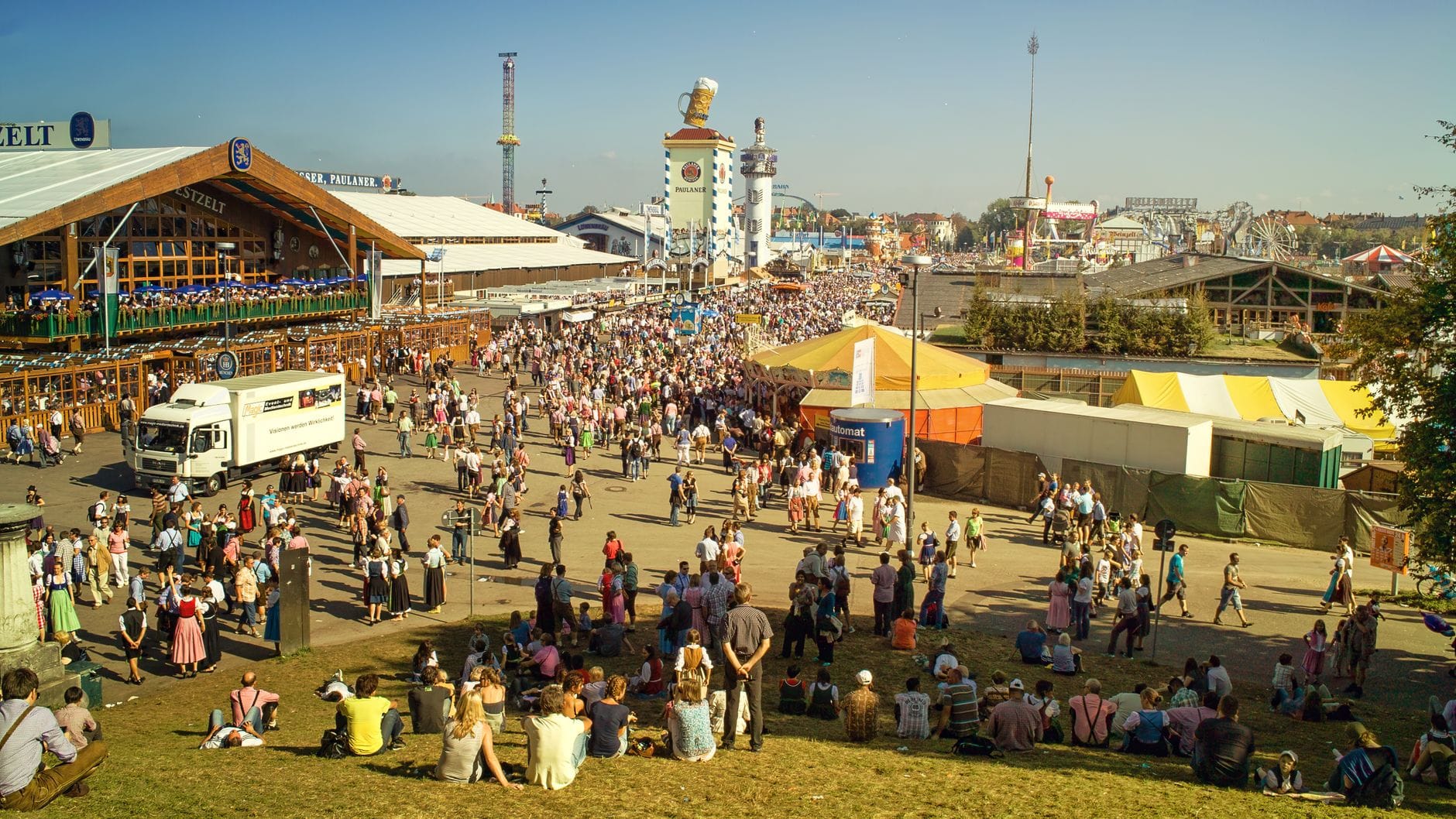
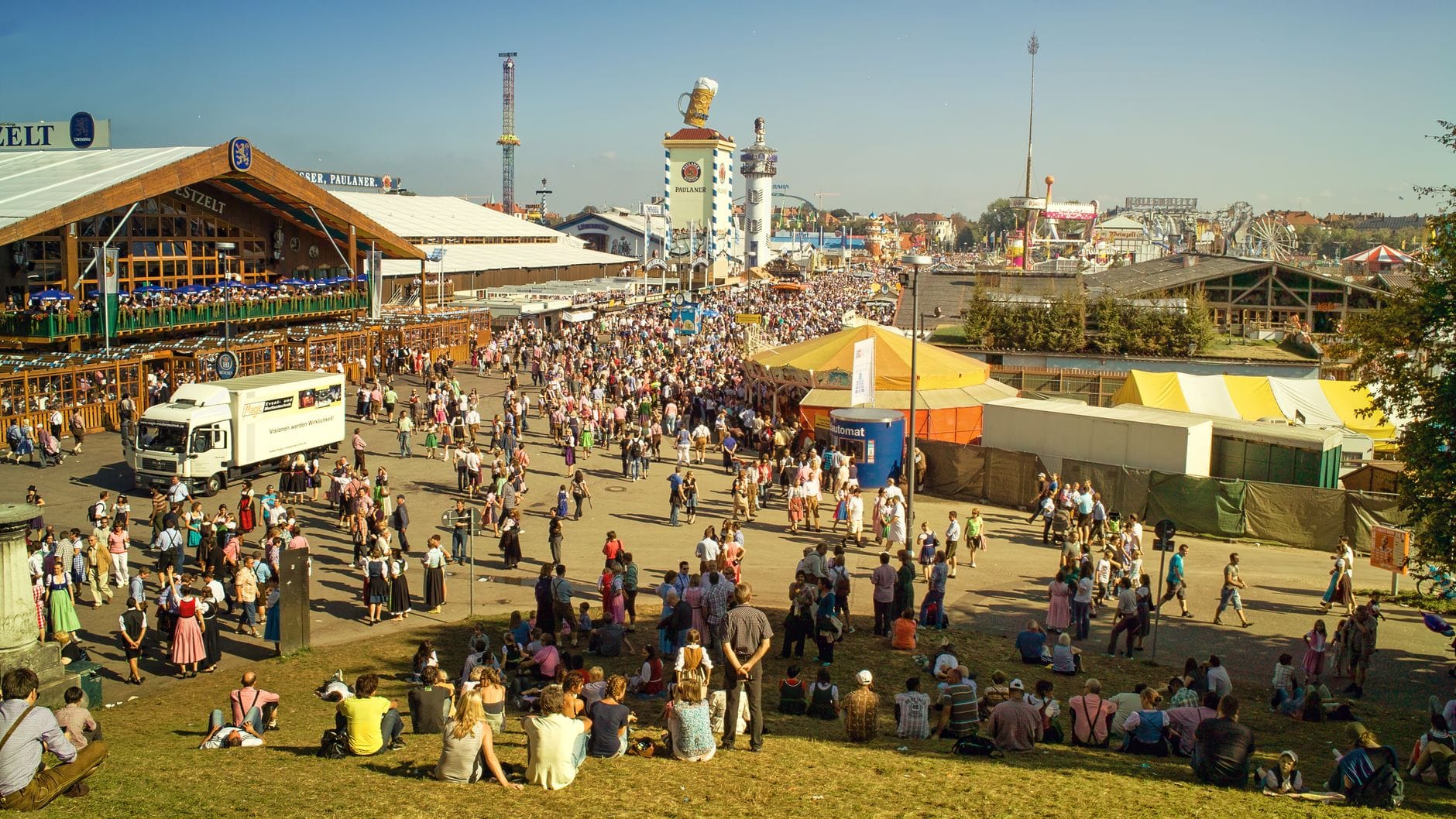
Munich Oktoberfest is held annually at the Theresienwiese, a large open fairground about 1 km southwest of Munich Hauptbahnhof in the Ludwigsvorstadt-Isarvorstadt district. The festival follows a fixed scheduling rule: it begins on the Saturday after September 15 and runs until the first Sunday in October, which gives it either 16 or 17 days depending on the year. If October 1 or 2 falls on a Sunday, it can extend to October 3 (German Unity Day). For 2026, the dates are September 19 to October 4.
One thing that surprises first-timers: despite the name, the vast majority of the festival takes place in September. Only the final weekend falls in October. The confusion dates back to 1810, when the original royal celebration was held in October, but the dates were later shifted forward to take advantage of longer daylight hours and warmer weather. For current official dates and the festival program, the Theresienwiese hosts everything from the giant beer tents to fairground rides and the traditional Oide Wiesn (Old Oktoberfest) section with folk music and historical attractions.
ℹ️ Good to know
Entry to the Oktoberfest grounds is completely free. Costs accumulate quickly inside through drinks, food, rides, and games, but you can walk in, soak up the atmosphere of the fairway, and leave without spending a cent.
The Beer Tents: What You're Actually Getting Into
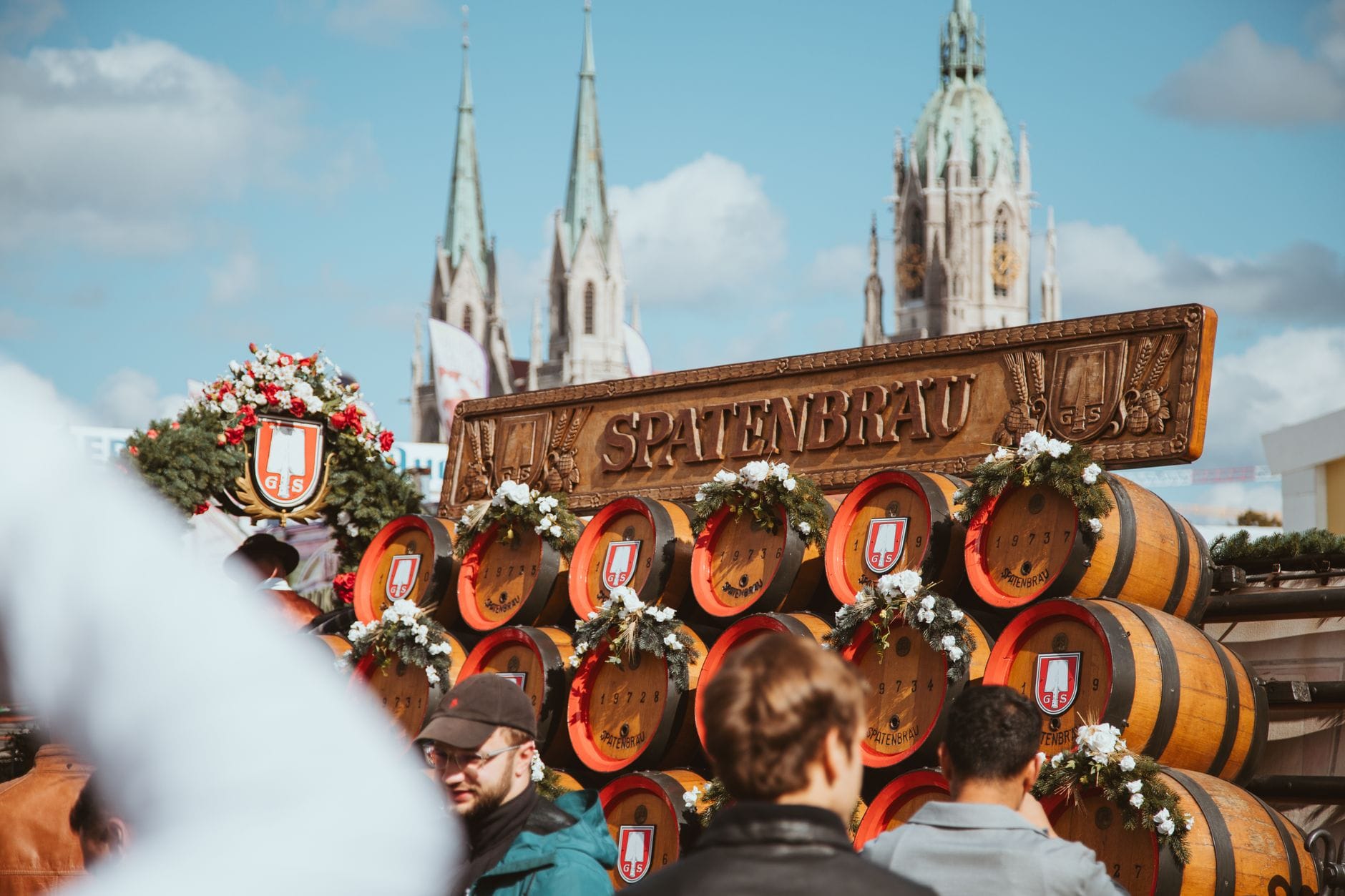
The Wiesn (as locals call it) has 14 large tents and 21 smaller ones, and the beer served in the large tents comes from one of Munich's six traditional breweries: Augustiner, Hacker-Pschorr, Hofbräu, Löwenbräu, Paulaner, and Spaten. Each tent has its own character, crowd, and reputation. Augustiner-Festhalle is widely considered the most traditional, and it's the only tent still serving beer from wooden barrels rather than steel kegs. Hofbräu-Festzelt draws a younger international crowd and gets very loud. Käfer's Wiesn-Schänke tends to attract a slightly older, more affluent crowd and has a rooftop terrace.
A Mass (pronounced 'moss'), the standard one-liter ceramic stein, costs around €15–18 per Maß. Tent operators set their own prices, and costs have risen steadily each year. Halbe (half-liter) glasses are available in some tents but are not always offered at the large tables. Food runs from roast chicken (Hendl) and pork knuckle (Schweinshaxe) to pretzels and Obatzda, the Bavarian cheese spread. Expect to spend €30–50 per person on food and two drinks if you're pacing yourself, considerably more if you're not.
- Augustiner-Festhalle Most traditional tent, wooden barrel beer, beloved by Munich locals. Book reservations early — it fills up fast.
- Hofbräu-Festzelt International crowd, high energy, good for groups. Less representative of local Oktoberfest culture but undeniably fun.
- Schützen-Festzelt Smaller, more relaxed atmosphere, popular with Bavarian families and traditional folk music enthusiasts.
- Käfer's Wiesn-Schänke Upscale food hall with rooftop terrace. More of a restaurant experience than a traditional beer tent. Reservations extremely hard to get.
- Oide Wiesn (Old Oktoberfest) A separate section within the grounds with historical rides, folk dancing, and a lower-key atmosphere. Small admission fee applies (around €4–5).
⚠️ What to skip
On Friday and Saturday evenings, unreserved seating in the major tents becomes nearly impossible by early afternoon. If you arrive after 3pm without a reservation on a weekend night, plan on standing at the fairway or visiting a smaller tent. This is not an exaggeration — locals plan tent visits for weekday afternoons specifically to avoid the crowds.
Reservations: Do You Actually Need One?
No reservation is required to enter the festival grounds. But for seated service inside the main tents, especially on weekends and evenings, the practical reality is that unreserved guests are only seated once reserved tables turn over. Large tent operators release reservations for a specific number of seats per session, and those go months in advance through the tent operators' official websites. Reservations typically open in spring for the same year's festival.
The smarter strategy for visitors without reservations: go on a weekday, arrive before noon, and choose a mid-size or smaller tent. Tuesday through Thursday mornings are genuinely relaxed. You'll find Munich families with children, older Bavarians in Tracht, and a fraction of the weekend crowd. The beer tastes the same, the band still plays, and you'll actually be able to have a conversation.
✨ Pro tip
Avoid third-party 'reservation services' charging fees to secure tent seats. Legitimate reservations come directly from each tent operator's own website at no booking surcharge. Any site charging a premium for a basic table reservation is exploiting demand.
What to Wear: Tracht, Dress Codes, and Practical Clothing
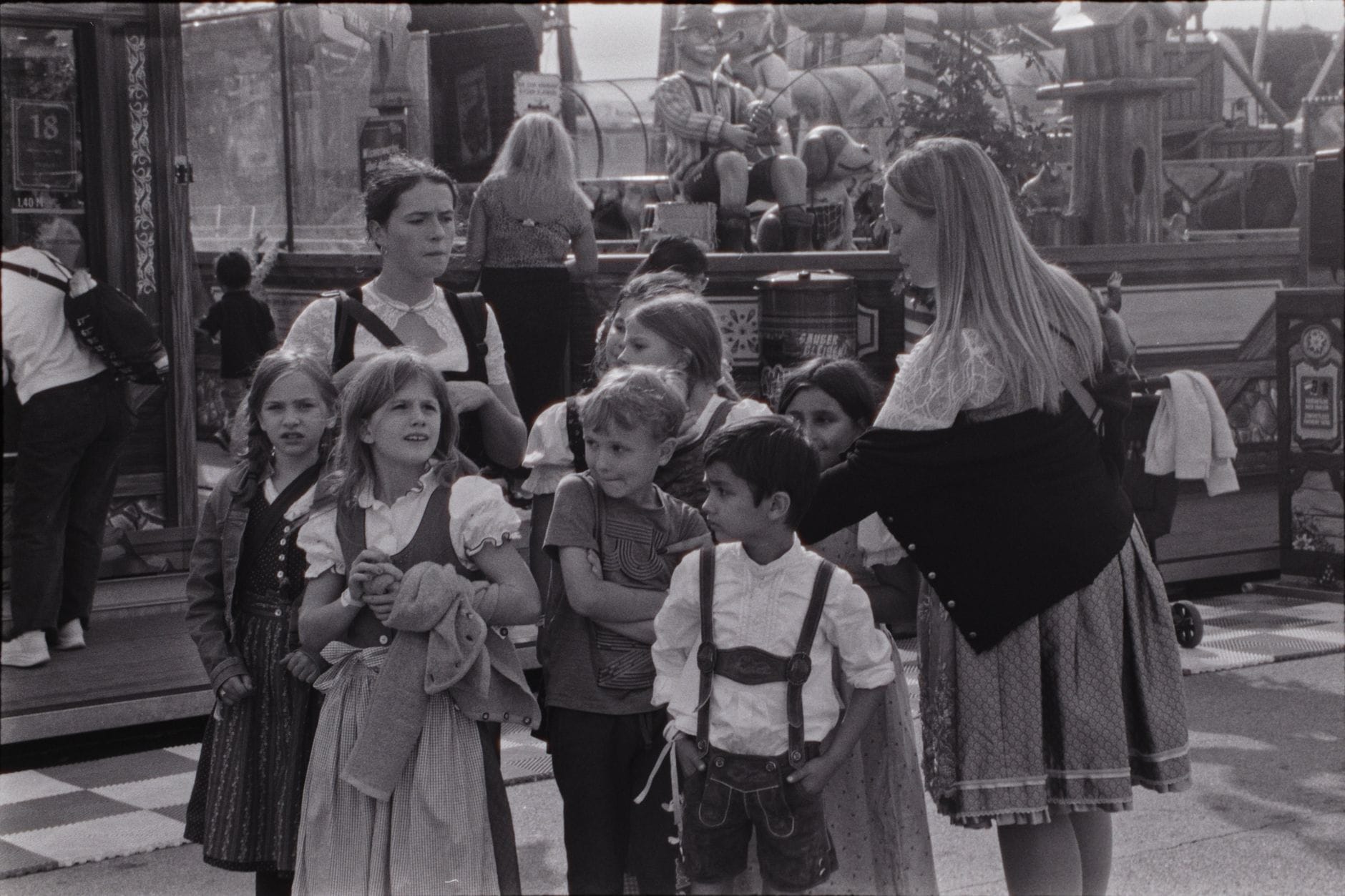
Traditional Bavarian dress is not required, but wearing it is genuinely part of the experience and will not make you look like a tourist if done respectfully. Men wear Lederhosen (leather shorts or trousers) with a checkered shirt, suspenders, and sturdy shoes like Haferlschuhe. Women wear Dirndl dresses, which consist of a bodice, blouse, skirt, and apron. The apron bow carries meaning: tied on the left means available, on the right means taken, at the back means widowed or working. Tied in front in a knot means married.
Quality Tracht can be purchased or rented in Munich in the weeks before and during the festival from shops in the city centre and Schwabing. Renting is fine for a one-time visit. If you plan to return, buying is better value long-term. Budget Lederhosen start around €80–120 for a serviceable pair; Dirndl quality ranges dramatically from €50 supermarket sets to several hundred euros for handmade versions. Avoid novelty versions with flags or slogans printed on them. They're not appreciated by locals, and they wear poorly.
- Wear closed-toe shoes. Beer gets spilled constantly, and the tent floors are wet.
- Bring a light layer or jacket for evenings — temperatures in late September drop sharply after sunset.
- Leave valuables at the hotel. Pickpockets operate at crowded events, and bulky bags are discouraged inside tents.
- Hats are common in Tracht but become impractical inside crowded tents.
- Children's Tracht is widely available and many Munich families dress their kids in traditional clothing for the festival.
Getting to Theresienwiese: Transport That Actually Works
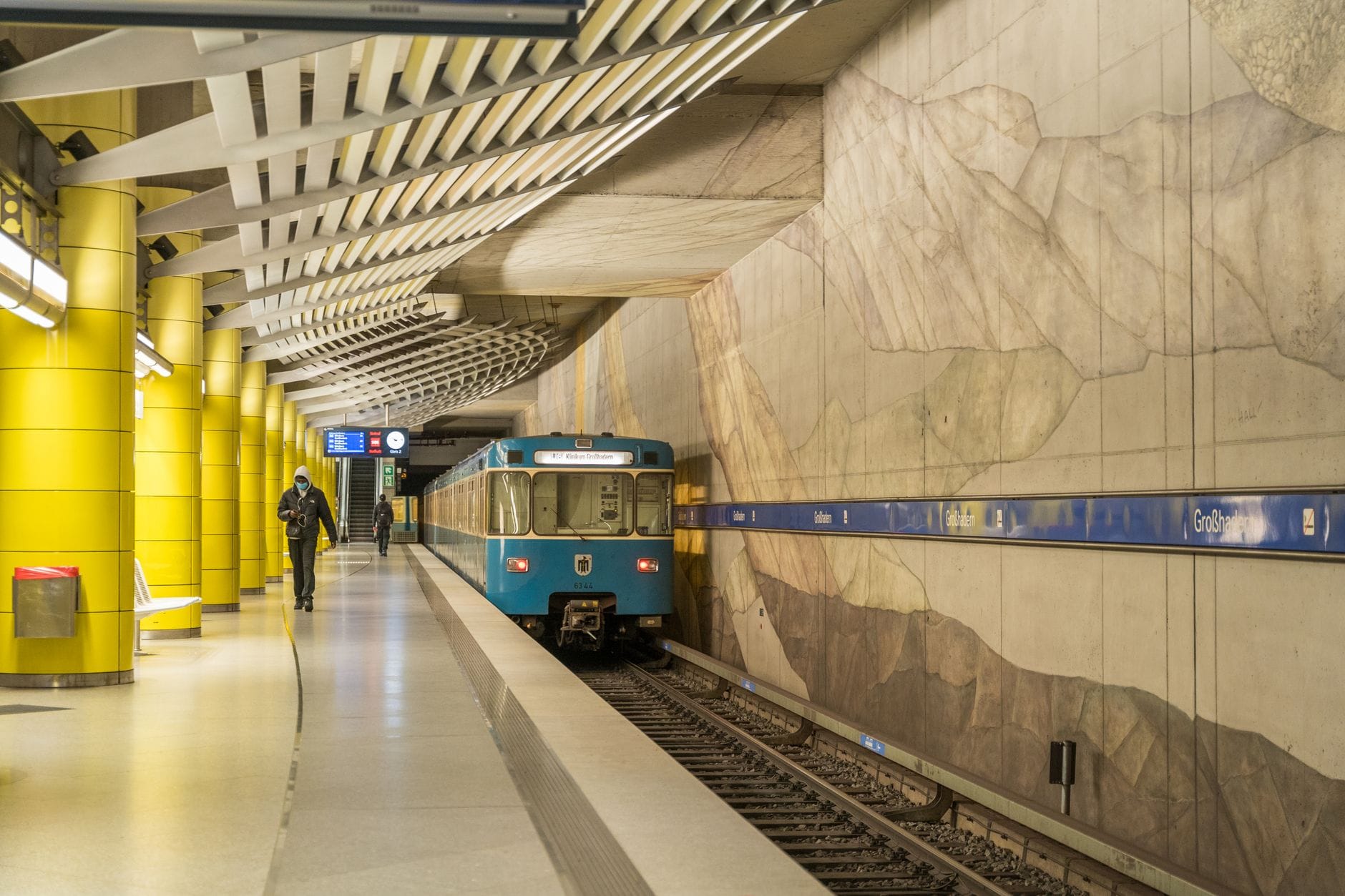
The Theresienwiese has its own U-Bahn stop, 'Theresienwiese' on the U4 and U5 lines. It runs directly to the grounds and is the easiest option if you're coming from the city centre. U-Bahn frequency increases significantly during Oktoberfest. The nearest S-Bahn hub is Munich Hauptbahnhof, about a 15-minute walk from the main entrance. If you're arriving from Munich Airport (MUC), take the S1 or S8 to Hauptbahnhof, then walk or switch to the U4/U5. Total journey from the airport runs around 45–55 minutes depending on connections. For full details on navigating Munich's transit network, see our guide to getting around Munich.
Do not drive to the festival. Parking near Theresienwiese is extremely limited and officially discouraged. Taxis become nearly impossible to find after tent closing (generally around 11:30pm, and midnight on Fridays and Saturdays), and rideshare surge pricing makes it an expensive last resort. The U-Bahn runs extended hours during Oktoberfest. Check MVV's official schedule for specific dates as hours are adjusted each year.
If you're planning to stay in Munich during Oktoberfest, accommodation prices increase substantially, and central hotels sell out months in advance. The where to stay in Munich guide covers the best neighborhoods to base yourself. Staying near Hauptbahnhof or in Schwabing gives you fast access without paying the absolute premium of the Altstadt.
💡 Local tip
The Munich City Pass (MVV CityTourCard) covers unlimited public transport in selected zones and may offer discounts on some attractions. During Oktoberfest it can save meaningful money if you're riding transit multiple times a day. Verify current pricing and coverage before purchasing.
Beyond the Beer: What Else Oktoberfest Offers
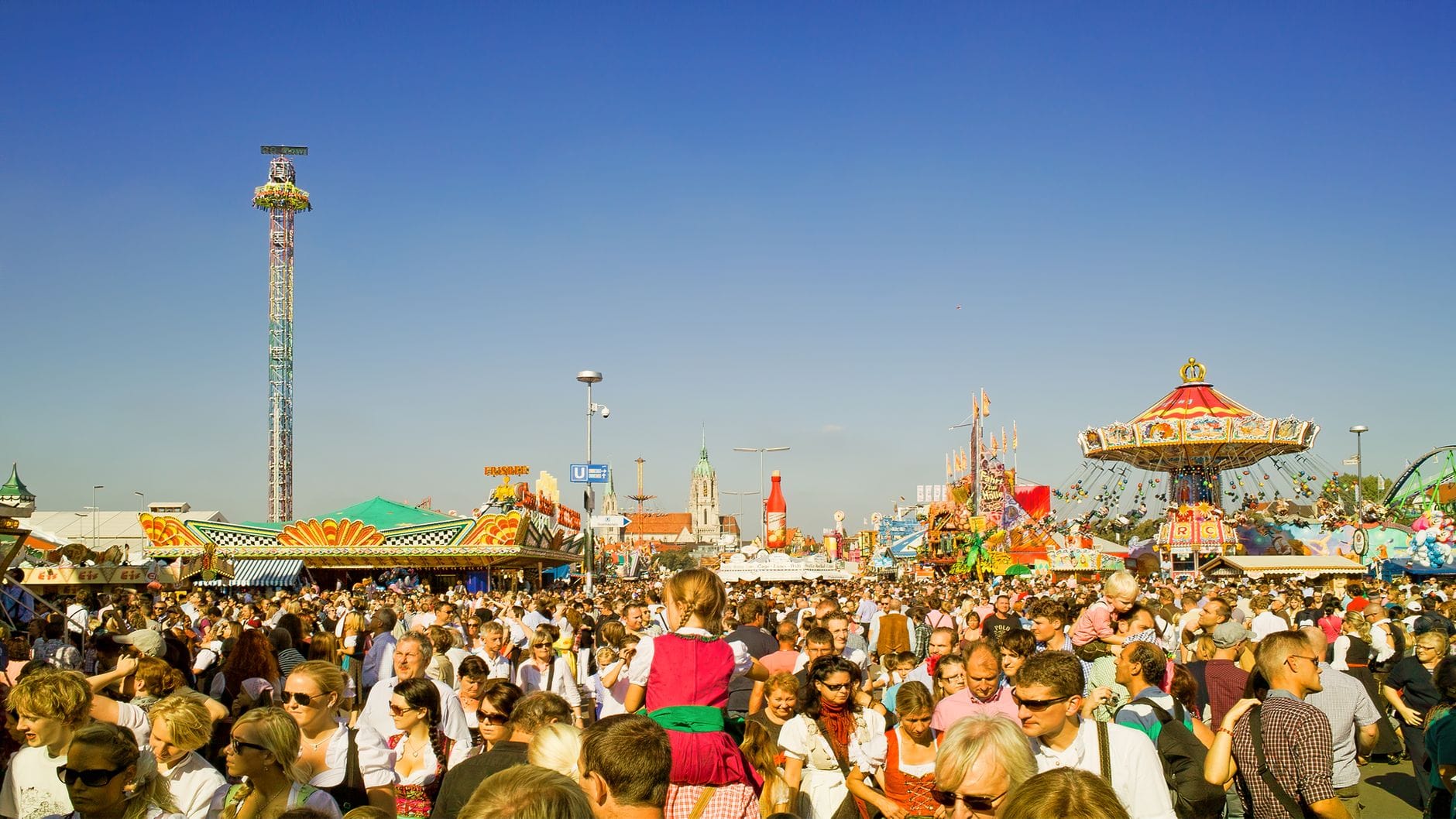
Oktoberfest is a full-scale Volksfest, meaning it's as much a fairground as it is a drinking event. The Theresienwiese hosts roller coasters, traditional carnival games, historic rides, and food stalls selling everything from roasted almonds to gingerbread hearts (Lebkuchenherzen) with affectionate German inscriptions. The Oide Wiesn section, accessible for a small fee, focuses on traditional Bavarian culture: maypole dancing, historical carousel rides from the early 20th century, and folk music in a calmer setting.
For families or visitors who want a broader Munich experience, Oktoberfest is one piece of a much larger city. The Englischer Garten is about 3 km north and offers a complete contrast to the festival energy. The Viktualienmarkt in the Altstadt operates daily and gives a grounded sense of everyday Munich food culture. Both are worth combining with a Wiesn visit, particularly if you have multiple days in the city.
If you're building a broader Munich itinerary around Oktoberfest, the 3 days in Munich guide structures a solid visit that balances the festival with the city's museums, architecture, and food scene. The Bavarian food guide is also worth reading before you go so you know what to order beyond the obvious.
FAQ
When is Munich Oktoberfest 2026?
Oktoberfest 2026 runs from Saturday, September 19 to Sunday, October 4, 2026, at the Theresienwiese in Munich. This will be the 191st Oktoberfest. The festival always begins on the Saturday after September 15 and ends on the first Sunday in October, with an extension to October 3 (German Unity Day) in years when October 1 or 2 falls on a Sunday.
Do you need tickets for Oktoberfest?
No tickets are required to enter the festival grounds. Entry to the Theresienwiese is free. Costs come from food, drinks, carnival rides, and the Oide Wiesn section (which has a small admission charge of around €4–5). You only need a reservation if you want guaranteed seating inside a specific beer tent.
How much does a beer cost at Oktoberfest?
A Mass (one-liter stein) cost around €14–18 in recent years, varying by tent operator. Prices increase slightly each year. Budget at least €30–50 per person per session to cover drinks and a meal.
What is the best way to get to Oktoberfest from central Munich?
Take the U4 or U5 U-Bahn to the Theresienwiese stop, which delivers you directly to the grounds. Alternatively, walk from Munich Hauptbahnhof in about 15 minutes. Do not drive. Parking is scarce and taxis become unreliable at closing time.
Is Oktoberfest suitable for families and children?
Yes. The festival is genuinely family-friendly during daytime hours, particularly on weekdays. The fairground rides, food stalls, and Oide Wiesn section are all appropriate for children. The atmosphere changes significantly on weekend evenings when the tents become very crowded and loud. Families are best advised to visit between 10am and 4pm on weekdays.
Tickets & tours
Live prices and dates from our booking partner. If you book, we may earn a commission at no extra cost to you.
Planning a trip? Discover personalized activities with the Nomado app.