Best Day Trips from Munich: The Definitive 2026 Guide
Munich sits at the center of one of Europe's most rewarding regions for day trips. Within two hours of the city you can reach fairy-tale castles, a sobering memorial site, a foreign capital, and medieval old towns. This guide covers the best options, how to get there cheaply, what to expect, and when to go.
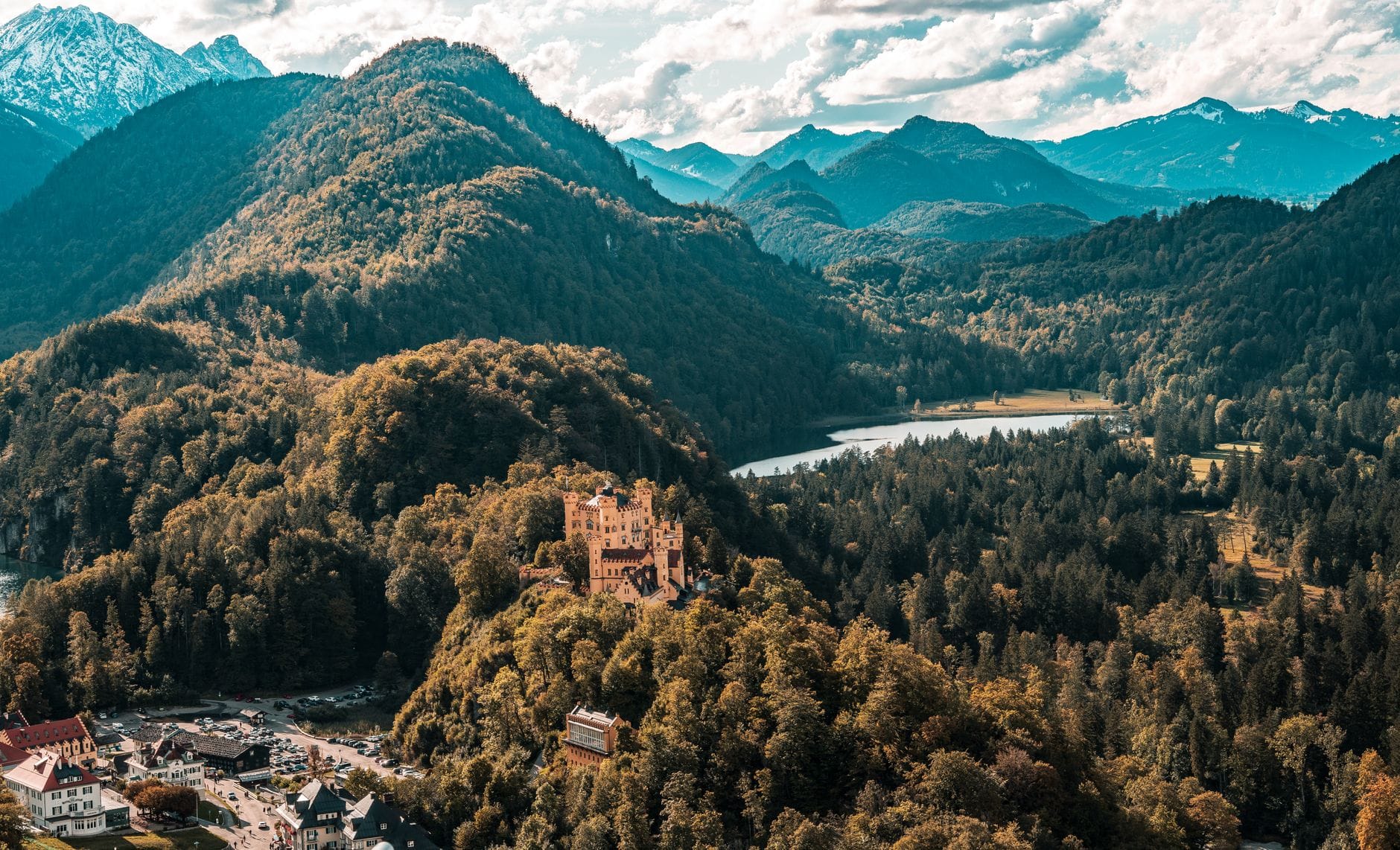
Tickets & tours
Live prices and dates from our booking partner. If you book, we may earn a commission at no extra cost to you.
TL;DR
- The Bayern-Ticket day pass covers regional trains across Bavaria from 09:00 onward on weekdays (all day on weekends) and is the cheapest way to reach most destinations. See getting around Munich for full transport details.
- Neuschwanstein Castle is the most popular day trip from Munich — book timed entry tickets weeks in advance in summer, not the day before.
- The Bayern-Ticket does NOT cover ICE/IC/EC high-speed trains. Nuremberg takes 2 hours on regional trains instead of 1, but costs a fraction of the price.
- Dachau Concentration Camp Memorial is 25 minutes from Munich by S-Bahn and is one of the most historically significant sites in Germany. Read the full Dachau visitor guide before you go.
- May and September offer the best balance of weather, crowds, and accessibility across all destinations.
Why Munich Is the Perfect Day Trip Base
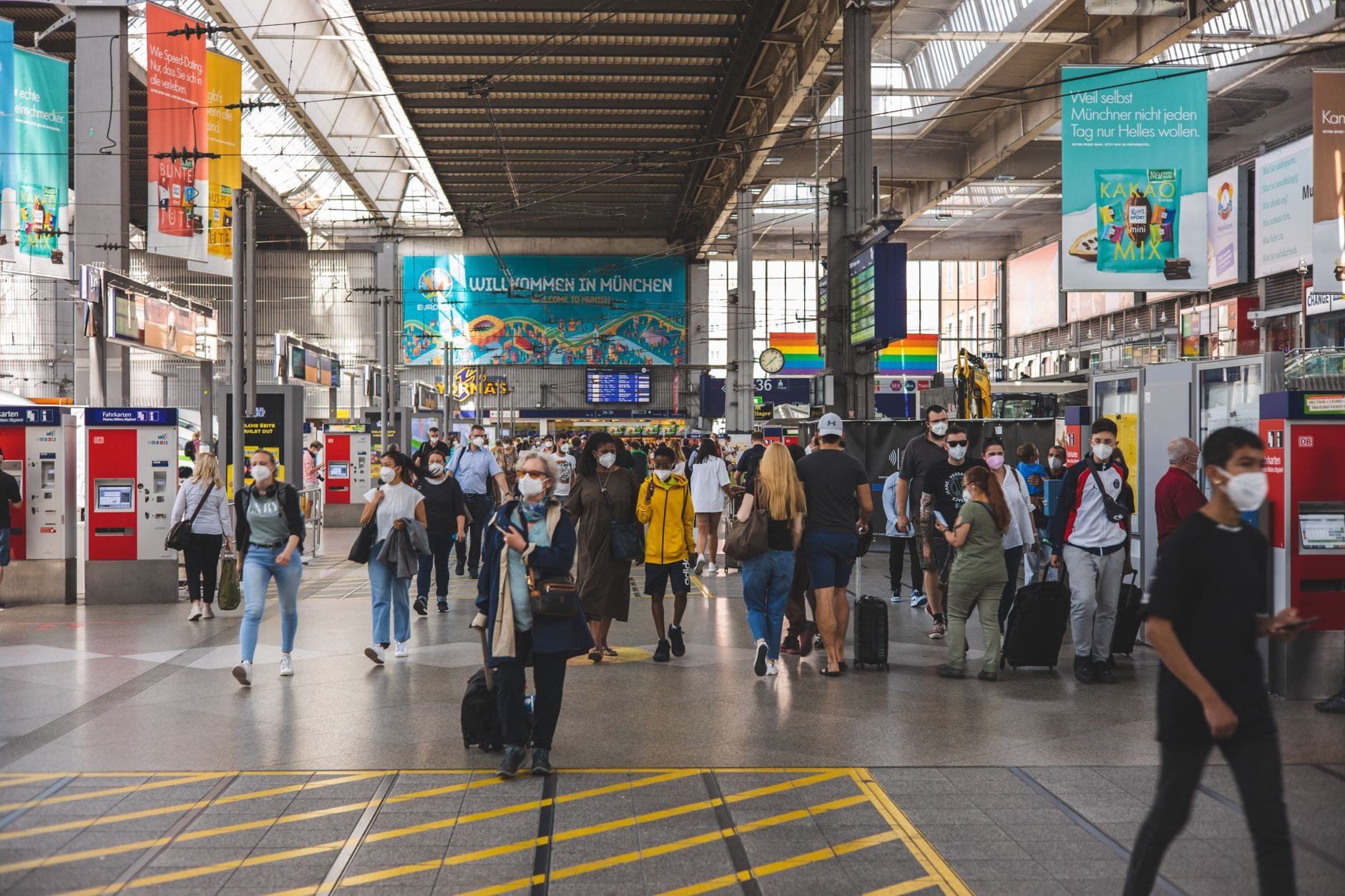
Munich (München) occupies a geographic sweet spot in southern Bavaria, roughly 50 km north of the Alps. The main train station, München Hauptbahnhof, feeds into one of Germany's densest regional rail networks, putting an extraordinary range of destinations within reach before lunch. You can be standing in front of Neuschwanstein Castle, walking Salzburg's Baroque old town, or standing at the gates of Dachau, all without a rental car and without spending a fortune.
The key to affordable day tripping from Munich is the Bayern-Ticket, Deutsche Bahn's regional day pass for Bavaria. It covers one traveler on all RB, RE, and S-Bahn trains plus most local buses and trams in Bavaria from 09:00 to 03:00 the following day on weekdays, and from midnight on weekends and public holidays. Additional travelers can be added for a small surcharge each, up to five people total, which makes it excellent value for groups. Current prices are on the Munich transport guide, but always confirm on the Deutsche Bahn website before you travel as fares are updated periodically.
⚠️ What to skip
The Bayern-Ticket does NOT cover ICE, IC, or EC high-speed trains. If you buy one expecting to take the 1-hour ICE to Nuremberg, you will need to buy a separate ticket for that train or take the slower regional route (around 2 hours). The regional route is perfectly comfortable — just plan accordingly.
Neuschwanstein Castle and the Royal Palaces
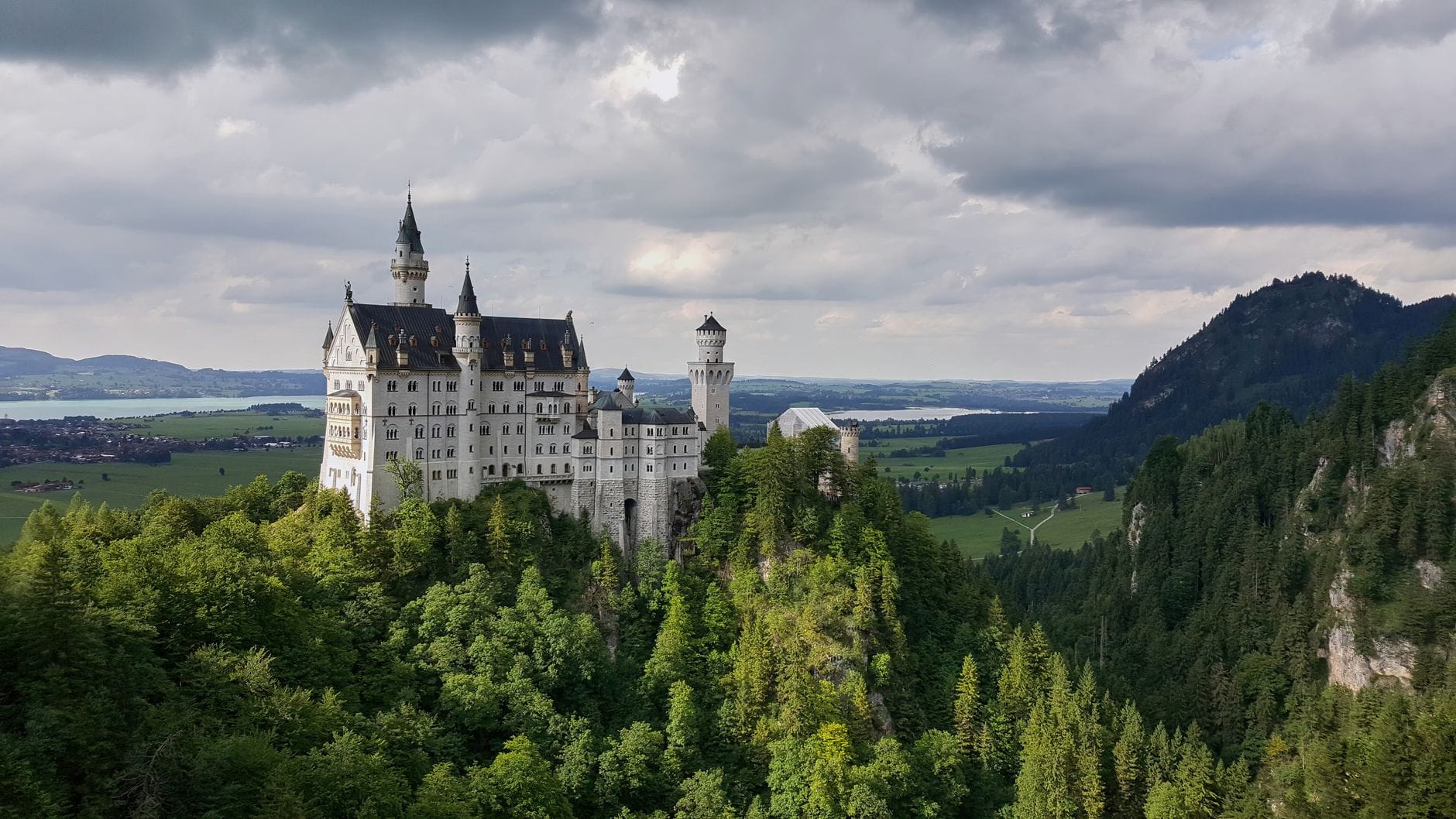
No day trip from Munich generates more demand than Neuschwanstein Castle, the 19th-century fantasy palace commissioned by King Ludwig II that inspired Disney's Sleeping Beauty castle. The images are everywhere, and the reality does not disappoint, though the logistics require more planning than most visitors expect.
The standard route from Munich Hauptbahnhof is a regional train to Füssen (roughly 2 hours, covered by the Bayern-Ticket with one change at Buchloe), then Bus 73 or 78 from Füssen station to Hohenschwangau village at the foot of the castle. From there, it is a 30-40 minute uphill walk to the castle itself, or you can take a shuttle bus. Timed entry tickets for the interior must be booked in advance through the official Bavarian Palace Department website. In peak summer, popular slots sell out weeks ahead. Arriving without a ticket means joining a long standby queue with no guarantee of entry.
A strong combination for the day is pairing Neuschwanstein with Linderhof Palace, Ludwig II's smaller and more intimate rococo retreat. To do this efficiently, take the train to Oberammergau (around 1 hour 45 minutes from Munich Hbf, Bayern-Ticket valid), then Bus 9606 to Linderhof (around 22 minutes). Linderhof is open roughly 09:00 to 18:00 from April through mid-October, and 10:00 to 16:00 in winter. Entry is around €10 for one palace, or around €26 for a combination ticket, with under-18s admitted free. Prices are set by the Bavarian Palace Department, so verify on their official site before visiting.
✨ Pro tip
If you visit Neuschwanstein independently, book the timed interior ticket online as early as possible, especially for June through August. The exterior and the viewpoint from Marienbrücke bridge are free to access, so even if the interior is sold out, you can still make the trip worthwhile.
Salzburg, Austria: A Foreign Capital in Under 2 Hours
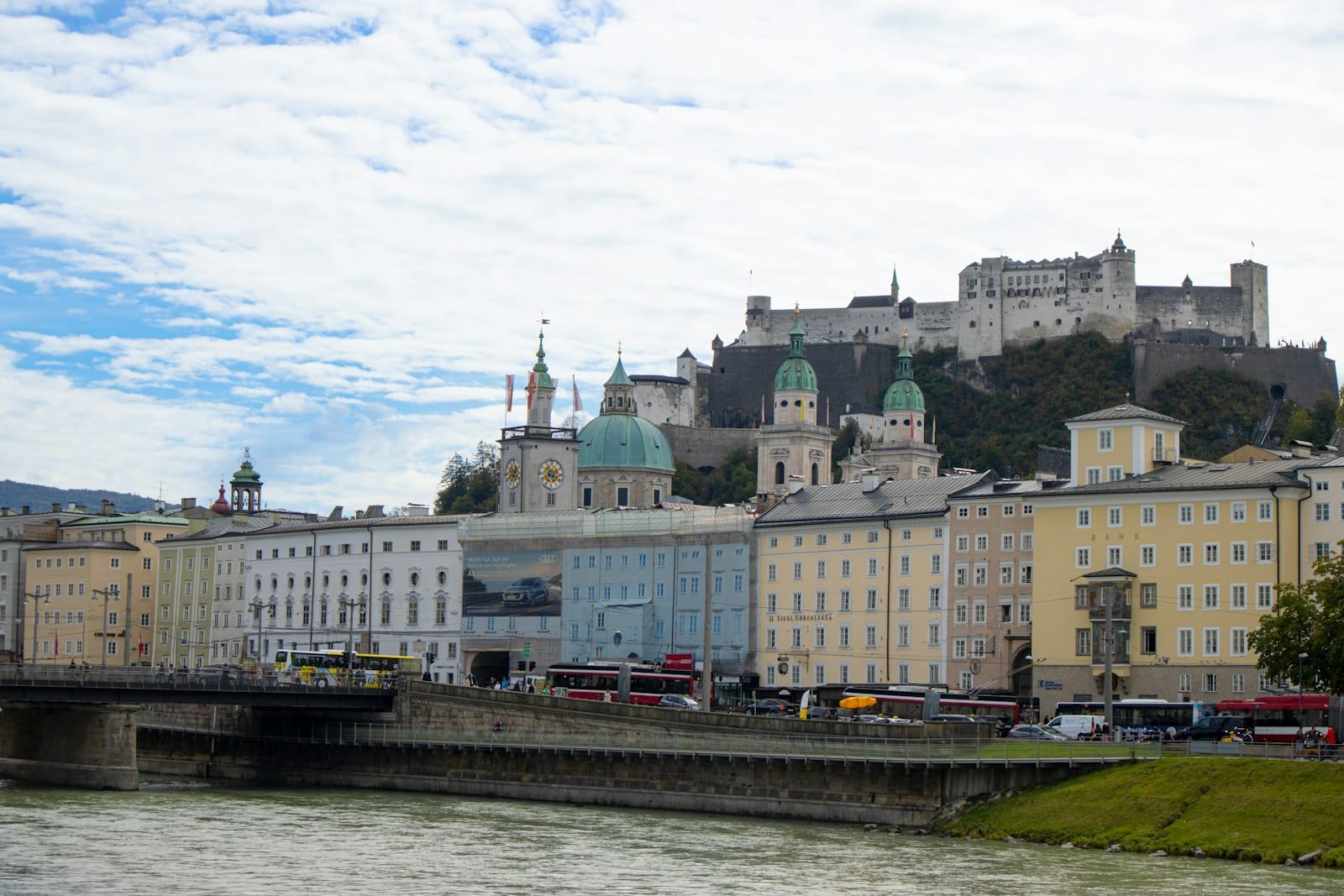
Salzburg is one of the most rewarding day trips from Munich, partly because it feels genuinely different: another country, another cultural register, the birthplace of Mozart, and a Baroque old town that earned UNESCO World Heritage status. The journey from Munich Hauptbahnhof takes around 1 hour 45 minutes on regional trains, typically with one change at Freilassing. The Bayern-Ticket is valid on this route via Freilassing, which is one of the exceptions to the rule that it only covers Bavaria. Check the Munich to Salzburg day trip guide for step-by-step route details and what to see on arrival.
In Salzburg, the compact old town is easily walkable from the train station. The Hohensalzburg Fortress dominates the skyline from a hilltop above the city. Getreidegasse, the historic shopping street where Mozart was born, is dense with visitors in summer but worth navigating. Note that Salzburg is in Austria, so if you plan to visit Schloss Mirabell gardens or the catacombs at St. Peter's Cemetery, Austrian entry rules and fees apply independently of any German passes.
Dachau: The Most Historically Essential Day Trip
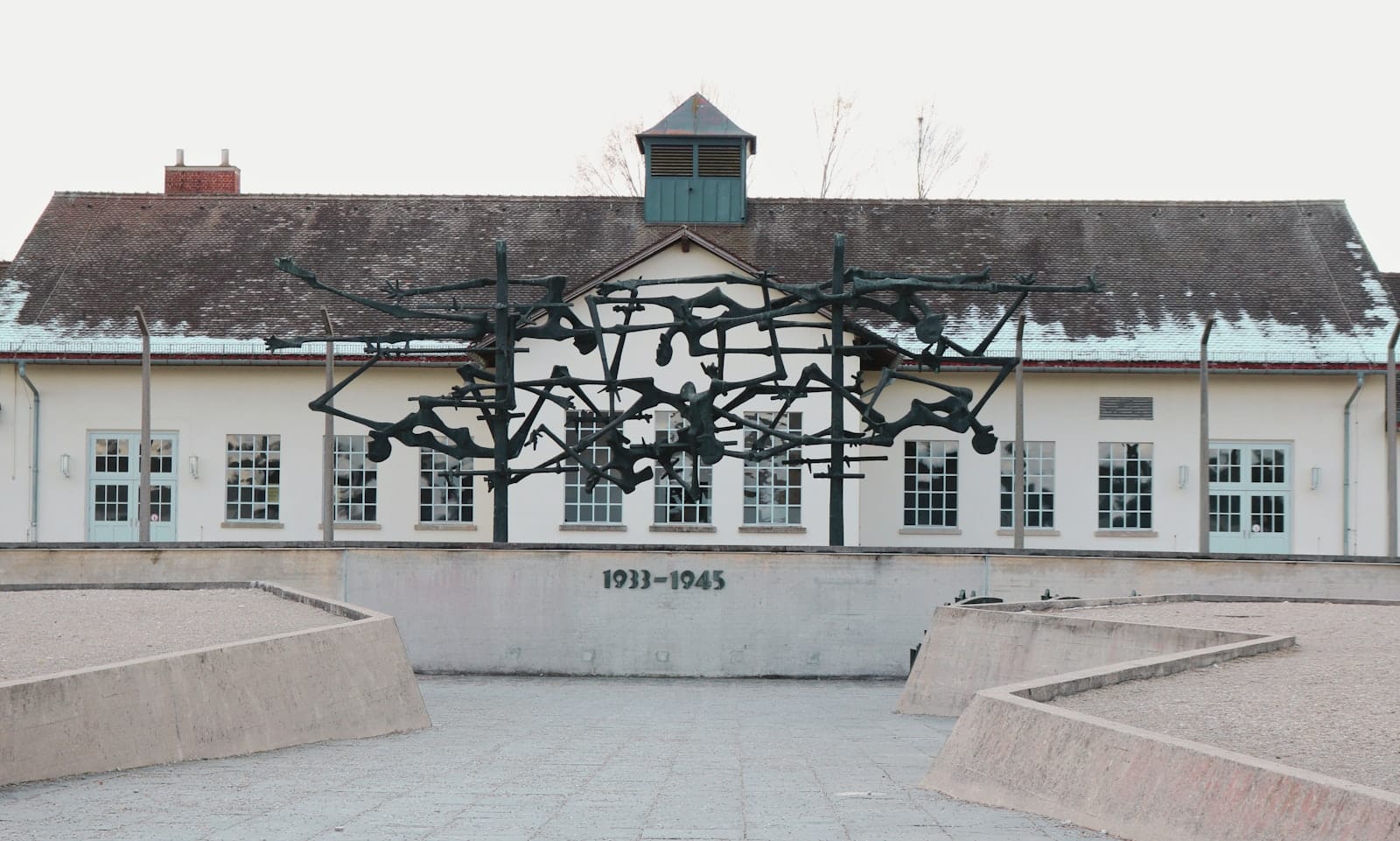
Dachau Concentration Camp Memorial sits just 25 minutes northwest of central Munich by S-Bahn (line S2 to Dachau, then Bus 726 to the memorial). It is the easiest day trip logistically and arguably the most significant historically. The original camp, established in 1933, was the first of the Nazi concentration camps and served as the model for those that followed. The memorial site includes the original camp buildings, reconstructed barracks, the crematorium, and a comprehensive documentation center. Entry is free. Plan a minimum of 3-4 hours; many visitors find they need longer. Audio guides are available in multiple languages for a small fee. Read the full Dachau visitor guide for practical details, emotional preparation tips, and what the memorial covers.
ℹ️ Good to know
Dachau is not a comfortable visit, and that is the point. It is suitable for teenagers and adults. The documentation center uses graphic historical material. The site asks visitors to maintain respectful behavior throughout — this includes no food near the memorial buildings and no recreational photography of other visitors.
Nuremberg, Regensburg, and the Bavarian Cities
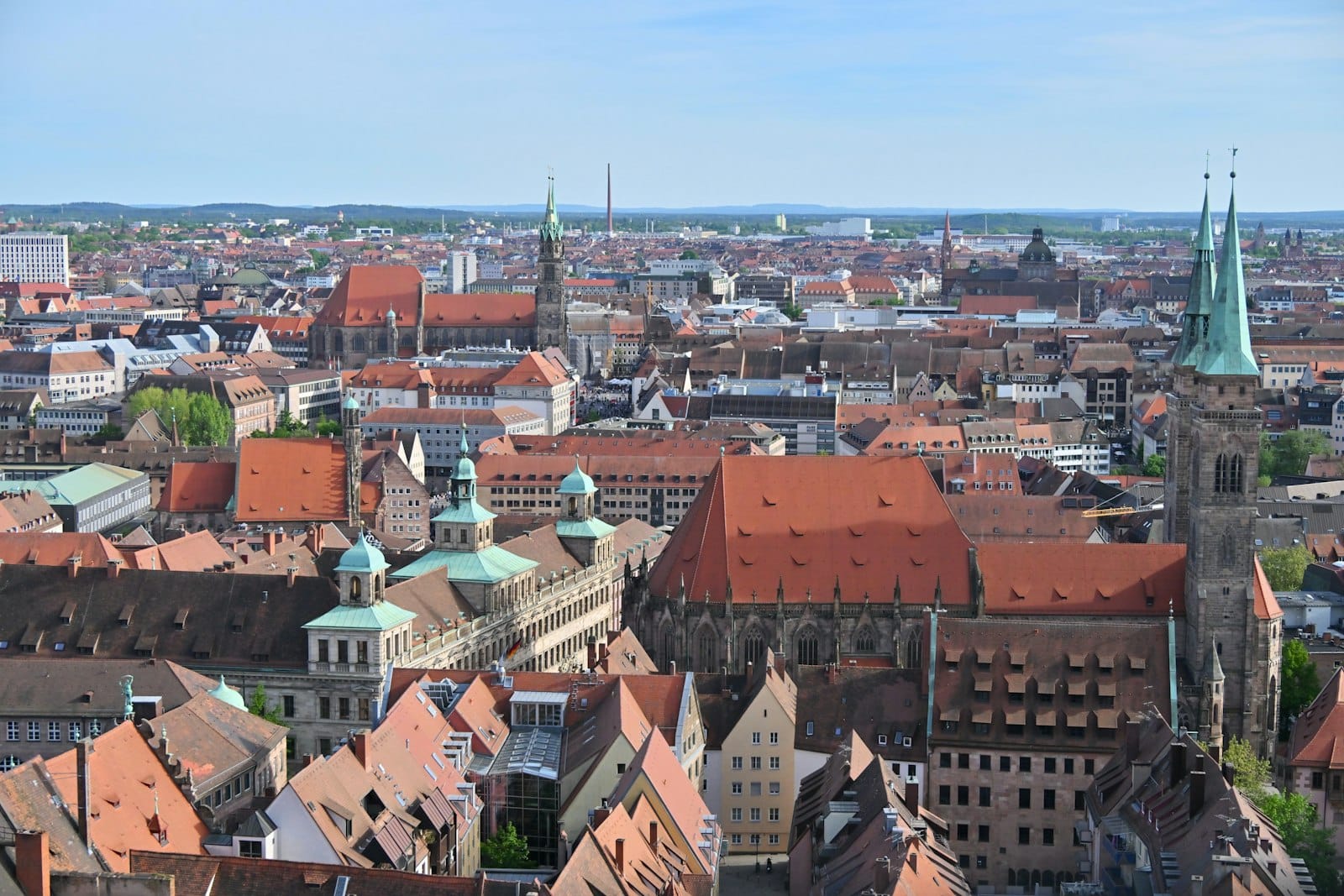
Bavaria contains several medieval cities that reward a full day of exploration. Nuremberg (Nürnberg) is the largest and most visited. On regional trains covered by the Bayern-Ticket, the journey from Munich takes around 2 hours each way — slower than the ICE but very comfortable, and the savings are significant. Nuremberg's walled old town, rebuilt after wartime destruction, contains the Imperial Castle (Kaiserburg), the German National Museum, and the somber Documentation Center Nazi Party Rally Grounds on the city's southern edge. The Christmas Market in Nuremberg (late November to Christmas Eve) is among the most traditional in Germany.
Regensburg is less well known internationally but arguably more authentic. The 2,000-year-old city on the Danube has one of the best-preserved medieval old towns in Germany, a UNESCO World Heritage designation, and the famous Wurstkuchl sausage kitchen operating on the riverbank since at least the 12th century. From Munich Hauptbahnhof, Regensburg is around 1 hour 20 minutes by regional train, Bayern-Ticket valid. If you are planning a longer Germany trip and want variety, alternating between Munich's Alpine surroundings and these Bavarian city options is a solid approach. See the 3 days in Munich guide for how to sequence city sights with day trips.
Alpine and Nature Day Trips: Garmisch and Berchtesgaden
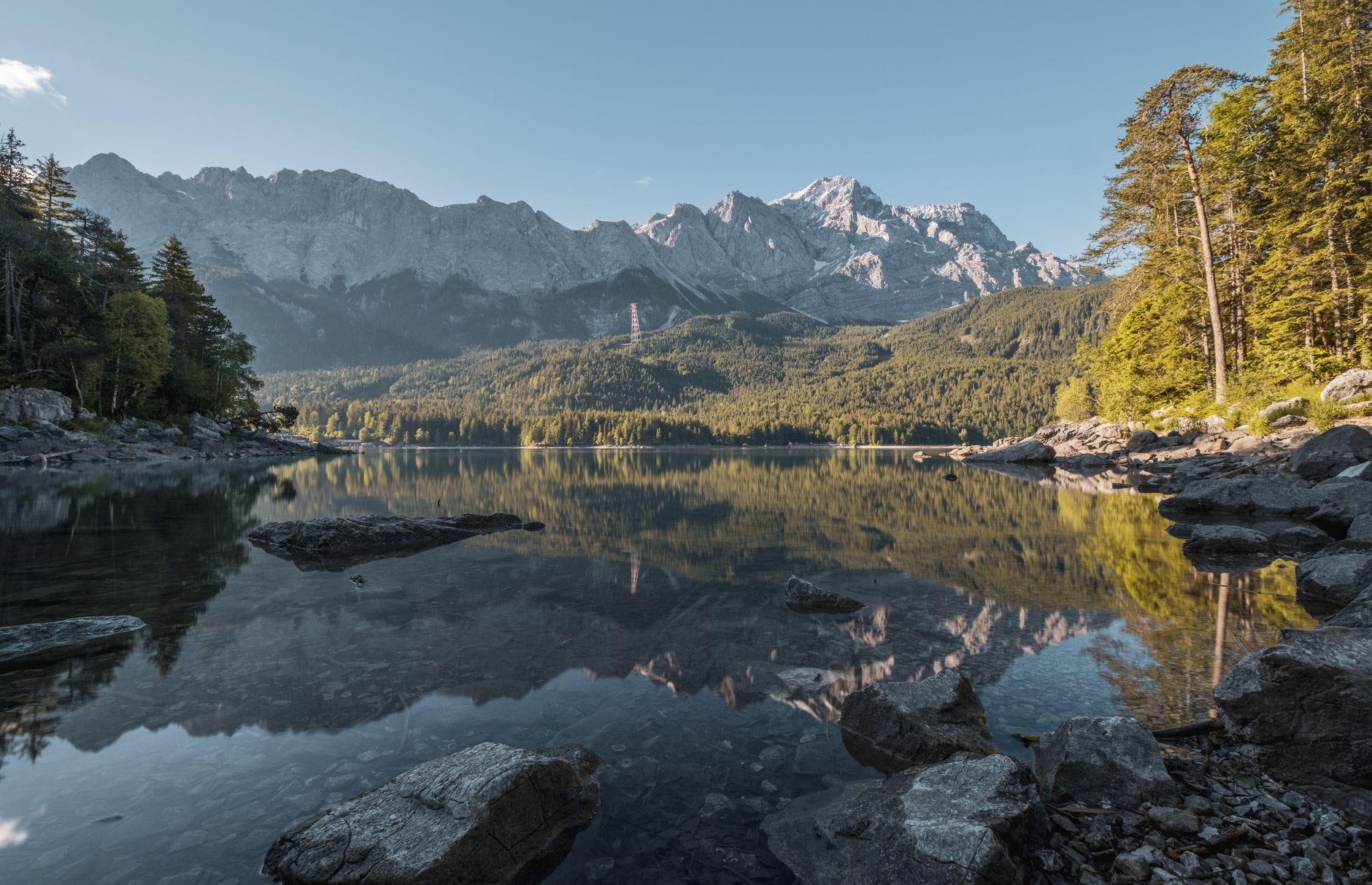
For mountain scenery, two destinations stand above the rest. Garmisch-Partenkirchen sits at the foot of the Zugspitze, Germany's highest peak at 2,962 meters. The town is around 1 hour 20 minutes from Munich by regional train, Bayern-Ticket valid. From Garmisch, you can take the Zugspitze railway up to the summit for panoramic views into Austria, Italy, and Switzerland on clear days. The summit gondola and cog railway tickets are expensive (around €60-70 for adults in recent years, verify before visiting) and not covered by any rail pass. The town itself, with its painted facades and the Partnach Gorge walking trail, is worth visiting even without the summit trip.
Berchtesgaden, in the far southeast corner of Bavaria near the Austrian border, combines extraordinary Alpine scenery with a layer of 20th-century history. The Königssee, a narrow glacial lake surrounded by vertical rock faces, is the main natural attraction. Boat tours run year-round. Above the town, the Eagle's Nest (Kehlsteinhaus), built for Hitler's 50th birthday and now a restaurant with views across the Alps, is open from mid-May to late October most years. The journey from Munich takes around 2.5 to 3 hours by regional train and bus, so an early start is essential. This is also a destination where joining an organized tour often saves significant time.
- Neuschwanstein Castle (via Füssen) 2 hours by regional train. Bayern-Ticket valid. Book timed entry in advance. Combine with Linderhof via Oberammergau.
- Salzburg, Austria 1 hr 45 min by regional train via Freilassing. Bayern-Ticket valid on this route. Compact old town, walkable from the station.
- Dachau Memorial 25 minutes on S2 + Bus 726. Free entry. Allow 3-4 hours minimum. The most accessible and historically significant day trip.
- Nuremberg (Nürnberg) 2 hours on regional trains, Bayern-Ticket valid. Medieval old town, Imperial Castle, and the Nazi Documentation Center.
- Regensburg 1 hr 20 min by regional train, Bayern-Ticket valid. Best-preserved medieval old town in Bavaria, UNESCO listed, far fewer crowds than Nuremberg.
- Garmisch-Partenkirchen 1 hr 20 min by regional train. Gateway to the Zugspitze. Partnach Gorge trail is free; summit access costs around €60-70.
- Berchtesgaden and Königssee 2.5-3 hours by regional train and bus. Glacial lake, Eagle's Nest (May-Oct only). Early start required; organized tours save time.
Organized Tours vs. Going Independently
For most destinations, going independently on the Bayern-Ticket is cheaper and gives you more flexibility. But there are cases where an organized tour makes genuine sense. Neuschwanstein in peak summer is one: a tour includes transport, timed entry tickets, and a guide, removing all the logistical headaches. Berchtesgaden is another, given the complex connections and the benefit of a guide at the Eagle's Nest. Group day tours from Munich typically cost around US$65-110 per person (roughly €60-100), depending on the destination and what is included. Private full-day tours generally start around US$600 per group, increasing with distance.
When booking organized tours, check whether the entrance fees for attractions are included or extra. Many advertised prices cover transport and guiding only. For Neuschwanstein specifically, castle entry is often listed as a separate cost even on package tours. Read the small print before paying.
- Book Neuschwanstein timed entry tickets directly through the Bavarian Palace Department website (schloesser.bayern.de) as far in advance as possible
- Use the Bayern-Ticket for any destination reachable in under 3 hours on regional trains: Salzburg, Nuremberg, Regensburg, Garmisch, and more
- Start early: most day trips benefit from leaving Munich Hauptbahnhof before 08:30 to maximize time at the destination
- For Berchtesgaden and the Eagle's Nest, check opening dates carefully: the Kehlsteinhaus is closed from late October through mid-May
- In summer (June-August), book organized tours at least 2-3 weeks ahead; popular Neuschwanstein tours sell out regularly
- Carry a small amount of cash: some rural bus stops and smaller attractions do not accept cards reliably
Seasonal Planning: When to Go and What Changes
The best time to visit Munich overlaps with the best time for day trips. May and September are the strongest months: temperatures are comfortable (roughly 15-19°C), alpine trails and mountain facilities are open, and the summer crowds have not yet peaked or have already thinned. The Königssee boats run year-round but with reduced frequency in winter. The Eagle's Nest closes entirely from late October to mid-May.
Summer (June through August) brings the best weather but also the highest crowds, especially at Neuschwanstein, Salzburg, and Garmisch. Tickets for popular tours sell out weeks in advance. Winter day trips are viable to Dachau, Nuremberg (especially for the Christmas Market, late November to Christmas Eve), and Regensburg. Alpine destinations have shorter daylight and some mountain facilities close, though the scenery can be dramatic. Avalanche risk and road closures can affect some alpine routes; check conditions before traveling.
FAQ
What is the Bayern-Ticket and how much does it cost?
The Bayern-Ticket is a Deutsche Bahn day pass valid on all regional trains (RB, RE), S-Bahn services, and most local buses and trams throughout Bavaria, and on certain cross-border routes such as to Salzburg and Kufstein. It covers one traveler from 09:00 to 03:00 the following day on weekdays, and from midnight on weekends, public holidays, and on 24 and 31 December. Additional travelers can be added for a per-person surcharge, up to five people total. Prices are updated periodically, so check the current rate on the Deutsche Bahn website or DB Navigator app before buying. It is the cheapest way to reach Neuschwanstein, Salzburg, Nuremberg, Regensburg, Garmisch, and most other day trip destinations.
How far in advance should I book Neuschwanstein Castle tickets?
As far in advance as possible if you are traveling between June and August. Popular entry slots regularly sell out 4-6 weeks ahead in peak season. Book directly on the Bavarian Palace Department website (schloesser.bayern.de). If the interior is sold out, the exterior and Marienbrücke viewpoint bridge are still accessible for free, but the interior tour is the main event. In shoulder season (May, September-October) and winter, last-minute bookings are more feasible but still not guaranteed.
Can I visit Salzburg from Munich in a day?
Yes, comfortably. The journey takes around 1 hour 45 minutes by regional train with one change at Freilassing. The Bayern-Ticket is valid on this route. Salzburg's old town is compact and walkable from the station, so even with travel time you can spend 4-5 hours exploring the city. Leave Munich before 08:30 to maximize your time there.
Is Dachau appropriate for children?
The Dachau Concentration Camp Memorial is generally recommended for teenagers and adults rather than young children. The documentation center contains graphic historical photographs and detailed accounts of atrocities. Younger children may not have the emotional or historical context to process the site. That said, many families with older children (12+) visit and find it a powerful educational experience. Entry is free for all ages.
What is the best day trip from Munich for someone with only one day?
That depends on your priorities. For natural scenery and iconic imagery, Neuschwanstein Castle is the default answer, but requires advance planning and an early start. For historical significance with minimal logistics, Dachau is only 25 minutes away and free to enter. For a city experience in a foreign country, Salzburg is hard to beat. If you want medieval Bavaria without the crowds of Nuremberg, Regensburg is underrated and very easy to reach on the Bayern-Ticket.
Tickets & tours
Live prices and dates from our booking partner. If you book, we may earn a commission at no extra cost to you.
Planning a trip? Discover personalized activities with the Nomado app.