Visiting Dachau from Munich: What to Know Before You Go
The Dachau Concentration Camp Memorial Site is one of the most important historical sites in Germany, located just over 20 km northwest of Munich. This guide covers exactly how to get there, what you will find on site, how long to allow, and how to prepare for a visit that demands both practical planning and emotional readiness.
Tickets & tours
Live prices and dates from our booking partner. If you book, we may earn a commission at no extra cost to you.
TL;DR
- Admission to the memorial is free, and no advance booking is required for individual visitors.
- Take the S2 S-Bahn from Munich Hauptbahnhof to Dachau Bahnhof (around 25 minutes), then Bus 726 to the memorial stop (10 minutes more).
- The site opens daily at 09:00 and closes at 17:00, except 24 December when it is closed entirely.
- Allow at least 2.5 to 4 hours on site; the full experience including key exhibition buildings takes closer to a full half-day.
- Guided tours in English run daily at 11:00 and 13:00 for around €4; audio guides cost around €3. See also our guide to things to do in Munich for broader trip planning.
Why Visiting Dachau Matters
Dachau was the first concentration camp established by the Nazi regime, opened on 22 March 1933, initially to hold political prisoners. Over the twelve years it operated, more than 200,000 people from across Europe were imprisoned there. At least 41,500 were killed. American troops liberated the camp on 29 April 1945. The memorial site itself was established in 1965, largely on the initiative of survivors, and has since become one of the most visited and historically significant memorials in Europe.
This is not a trip you take for entertainment. Visitors come to Dachau to understand, to bear witness, and to confront one of the most thoroughly documented episodes of state-organized murder in modern history. The site is designed as an educational and commemorative space, and the tone throughout reflects that. There are no gift shops selling novelty items. The documentation center is serious, the outdoor spaces are austere, and the experience of walking the grounds is unlike anything in Munich's city center.
ℹ️ Good to know
The memorial site recommends that guided tours are appropriate for visitors aged 13 and over. The documentary content, including photographs and accounts of violence, is graphic and presented without sanitization. Parents visiting with children should assess suitability carefully.
Getting to Dachau from Munich by Public Transport
The journey from central Munich to the Dachau memorial involves two legs: an S-Bahn train followed by a local bus. Both are covered by the standard MVV ticketing system, meaning you do not need to buy a separate ticket for each leg, but you do need a ticket that covers the correct zones. Verify the current fare on the MVV website before your visit, as zone structures and prices are updated periodically.
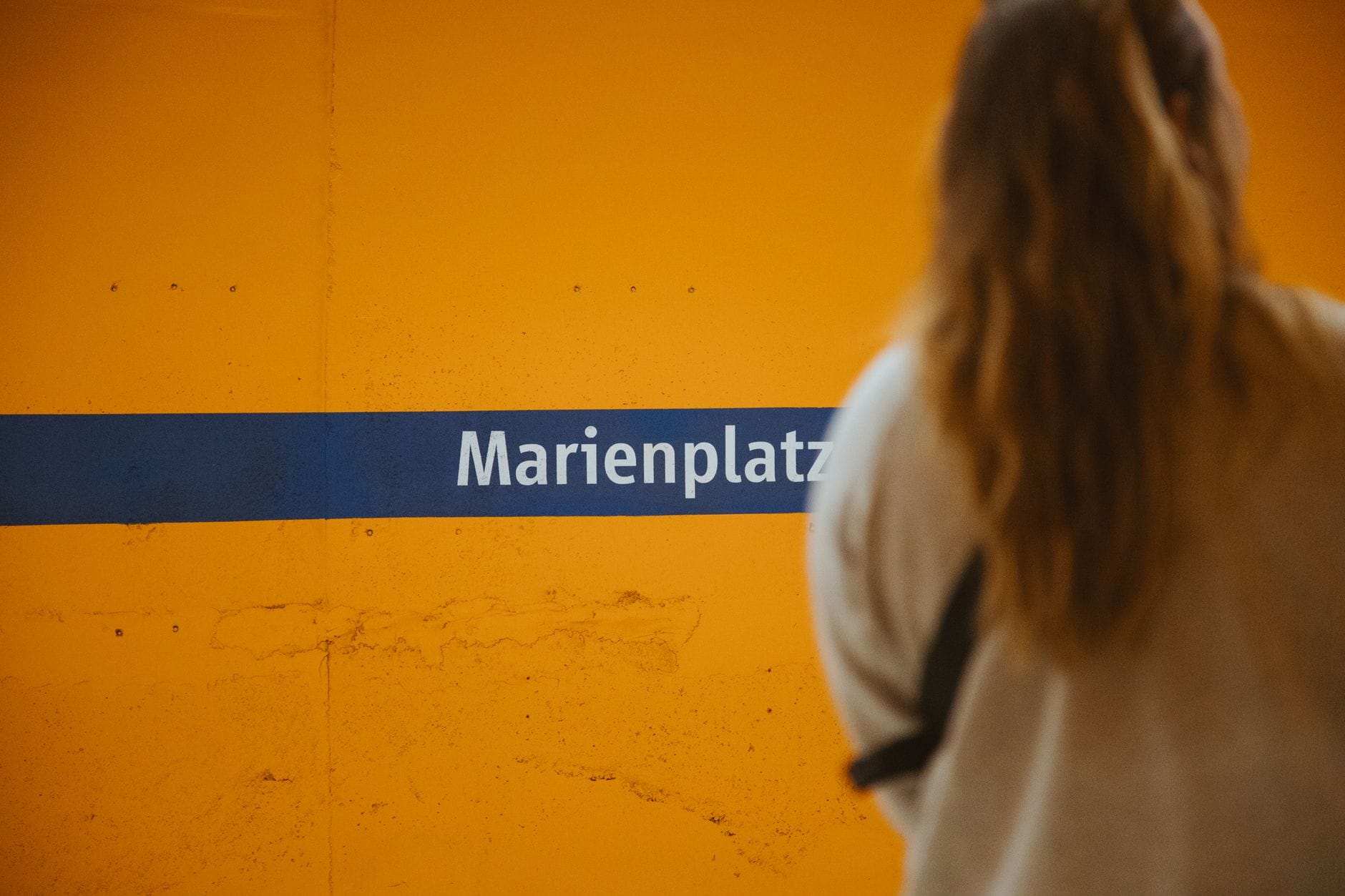
- Step 1: S2 from Munich Hauptbahnhof Take the S2 line in the direction of Dachau or Petershausen. Travel time from Hauptbahnhof to Dachau Bahnhof is around 25 minutes. Trains run frequently throughout the day. You can also board the S2 at Marienplatz or Ostbahnhof.
- Step 2: Bus 726 from Dachau Bahnhof From outside Dachau station, take Bus 726 in the direction of Saubachsiedlung. Ride to the stop called 'Dachau, KZ-Gedenkstätte'. The bus ride takes around 10 minutes.
- Total travel time Allow 45 to 60 minutes each way from central Munich. Factor in waiting time at the bus stop, which can add 5 to 15 minutes depending on the schedule.
If you are using the Munich public transport network on a day pass, check whether your ticket's zone coverage extends to Dachau before boarding. A standard inner-city day pass does not always cover the outer zones. The MVV website and its app both show current zone maps and ticket options.
💡 Local tip
If you are planning a broader Munich trip and want to combine Dachau with other day excursions, check the MVV's group and day ticket options. A group day ticket covering the extended network can be more economical than individual tickets for two or more people traveling together.
Opening Hours, Admission, and What It Costs
The KZ-Gedenkstätte Dachau is open every day from 09:00 to 17:00. The crematorium area closes slightly earlier, at 16:30. The only day the site closes entirely is 24 December. There is no admission charge to enter the memorial grounds or the documentation center, though parking by car currently costs €3 and by bus €5. You do not need to reserve a time slot or book tickets in advance as an individual visitor.
- Site entry: free, no reservation needed
- Official English guided tours (daily at 11:00 and 13:00, approximately 2.5 hours): around €4 per adult, first-come first-served with limited places
- Audio guides in multiple languages: around €4, available at the visitor center
- Car parking on site: around €3 (if arriving by private vehicle)
- Commercial guided tours from Munich via private operators: prices vary, typically €15 to €35 depending on group size and inclusions
The official guided tours are led by staff from the memorial and offer a depth of historical context that self-guided visits can lack. Places fill quickly in summer and on busy weekends, so arriving before the stated start time is advisable. The audio guide is a solid alternative if you miss the guided tour, covering the main areas of the site in a logical sequence.
⚠️ What to skip
Third-party tour operators running 'Dachau tours from Munich' vary significantly in quality and price. Some add meaningful historical narration on the train journey; others simply accompany you to the site. Read reviews carefully and check whether the fee includes anything beyond what is available free or cheaply on site already.
What to Expect When You Arrive
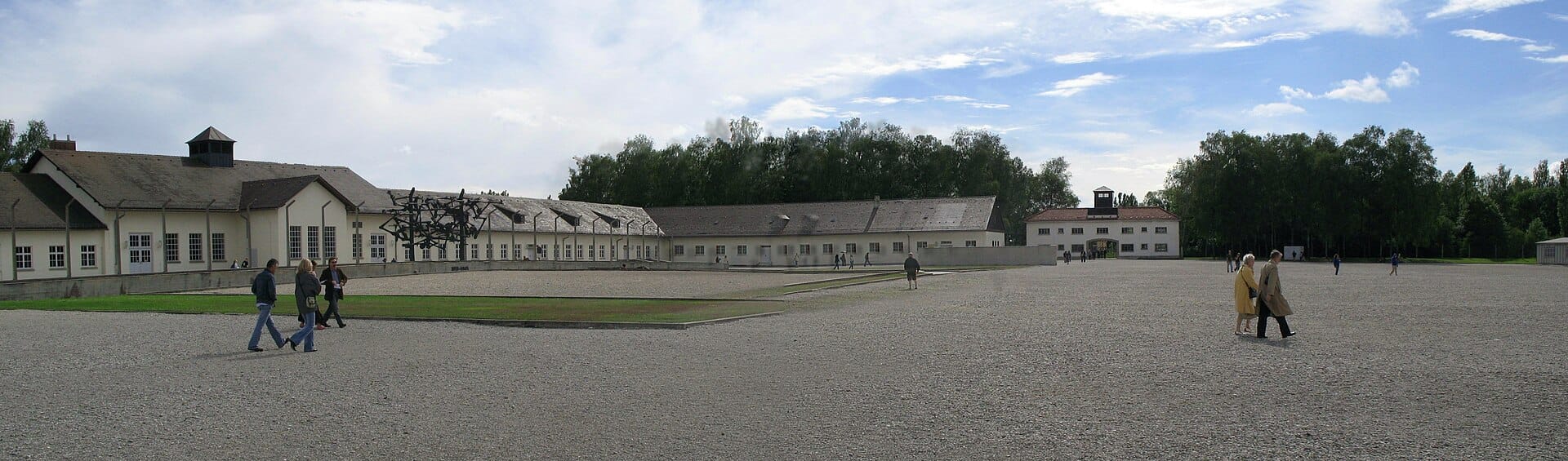
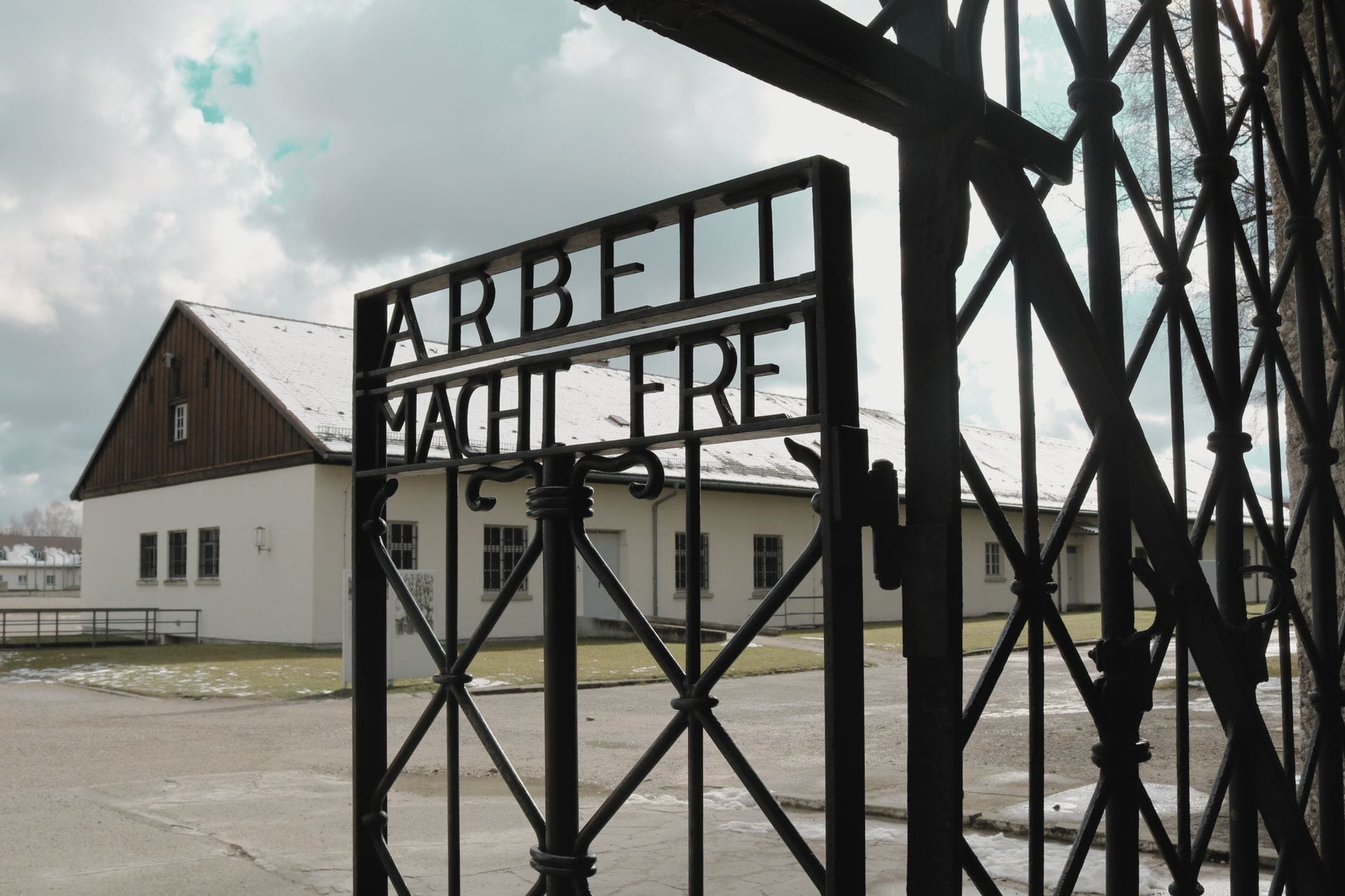
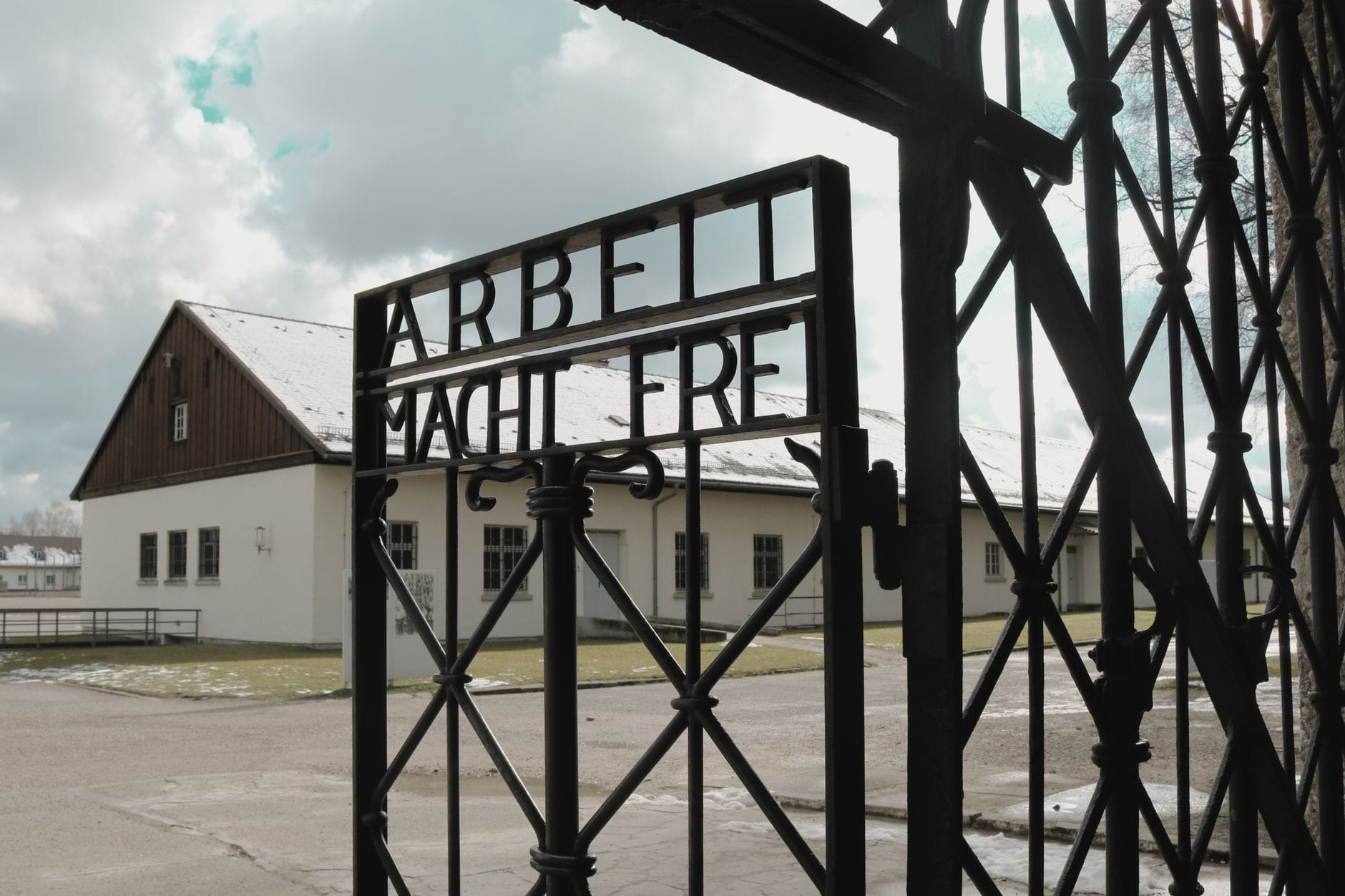
The memorial site sits on the grounds of the original camp. Much of the physical infrastructure has been preserved or reconstructed: the main gate with the infamous 'Arbeit Macht Frei' inscription, the roll-call square, the prisoner barracks foundations, the maintenance building (now the documentation center), and the crematorium complex at the far end of the grounds. The scale of the site is larger than most first-time visitors anticipate. Walking from the entrance to the crematorium and back covers roughly 1 km.
The documentation center is the core of the site's historical interpretation. It houses a permanent exhibition tracing the history of Dachau from 1933 to 1945, with extensive archival photographs, prisoner testimonies, and detailed records. The exhibition is presented in German and English. Expect to spend at least an hour here alone if you engage seriously with the material. There is also a cinema showing documentary films.
Two prisoner barracks have been reconstructed to show conditions inside. The remaining barracks were demolished after the war, but their foundations remain visible across the roll-call square, giving a physical sense of the camp's capacity. The religious memorial buildings near the crematorium represent different faith communities and are open to visitors throughout the day.
- Documentation Center Permanent exhibition in the former maintenance building. The most comprehensive historical record on site. Plan at least 60 to 90 minutes here.
- Roll-Call Square and Barracks The vast open ground used for prisoner roll calls. Two reconstructed barracks illustrate living conditions. Foundations of the other 32 barracks remain visible.
- Crematorium and Gas Chamber Located at the western end of the site. The gas chamber at Dachau was constructed but historians note that evidence of its use for mass murder at this location is debated; the documentation center addresses this directly.
- Memorial Sculptures and Religious Buildings A Jewish memorial, a Catholic chapel, a Protestant church, and a Russian Orthodox chapel stand within or near the camp grounds. These were built after the war and are open to visitors.
How Long to Spend and How to Plan Your Day
A serious visit to Dachau takes between 2.5 and 5 hours on site, not counting travel time. If you arrive for the 11:00 guided tour and stay through the afternoon, you can cover the full site with real depth. The memorial is best treated as the primary focus of the day rather than a quick stop squeezed between other Munich activities. If you are putting together a broader Munich itinerary, read our 3-day Munich itinerary for how to structure the rest of your trip around a Dachau visit.
A practical note on timing: the site opens at 09:00, and arriving early gives you the documentation center largely to yourself before group tours begin. The lunch hour (around 12:00 to 14:00) sees the highest footfall in summer. Afternoon visits are quieter. The last entry to the main areas should be timed with the 17:00 closing, though the crematorium closes 30 minutes earlier, so factor that in if you want to see the full site.
The site is almost entirely outdoors apart from the documentation center and barracks interiors. Munich weather is changeable, particularly in spring and autumn. Even in summer, the roll-call square is exposed and can feel cold on overcast days. Bring layers, and if visiting in winter, waterproof footwear is sensible. There is a small cafe near the entrance for basic refreshments.
✨ Pro tip
Visit on a weekday if possible. School groups arrive in large numbers on weekdays, but they tend to follow the guided tour schedule and clear the documentation center by early afternoon. Weekends in summer bring tour buses and larger private groups. The overall experience is more reflective when the site is less crowded.
Practical Details and Common Questions
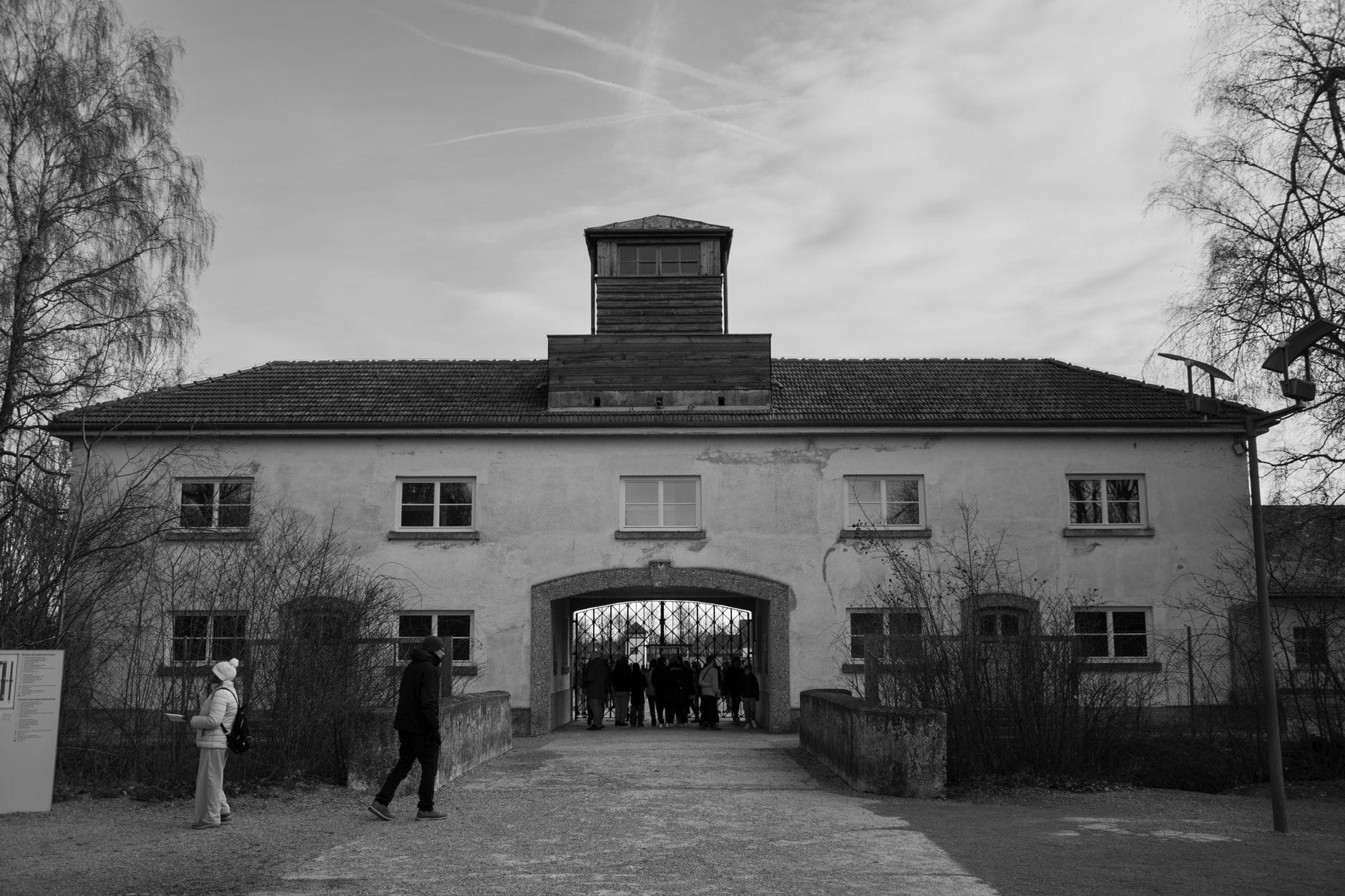
The memorial is officially the KZ-Gedenkstätte Dachau, with the Memorial Site located at Alte Römerstraße 75 and the visitors’ center and entrance at Pater-Roth-Str. 2a, 85221 Dachau. The official website at kz-gedenkstaette-dachau.de is the authoritative source for current opening hours, tour schedules, and educational resources. Photography is permitted throughout most of the site; specific restrictions, if any, are posted at the entrance. The site is accessible to wheelchair users, though some areas of the outdoor grounds involve gravel paths. If you are planning other historical visits in Munich, the NS-Dokumentationszentrum in Munich's Maxvorstadt district provides important context on the Nazi period within the city itself.
For visitors interested in the broader history of Munich during this period, the Munich Beer Hall Putsch history guide covers the 1923 coup attempt that marked an early chapter in the rise of the Nazi movement in Bavaria. Combining both visits gives a fuller picture of how Munich fits into twentieth-century German history.
FAQ
Do I need to book tickets to visit Dachau Concentration Camp Memorial?
No. Admission to the memorial site is free, and individual visitors do not need to book tickets or reserve time slots in advance. You can arrive during opening hours (09:00 to 17:00 daily, except 24 December) and enter without any reservation. Only the official guided tours require you to arrive early, as places are limited and allocated on a first-come basis on the day.
How do I get from Munich to Dachau by public transport?
Take the S2 S-Bahn from Munich Hauptbahnhof (or Marienplatz) toward Dachau or Petershausen. The journey to Dachau Bahnhof takes around 25 minutes. From the station, take Bus 726 toward Saubachsiedlung and get off at the 'Dachau, KZ-Gedenkstätte' stop, about 10 minutes further. Total travel time from the city center is roughly 45 to 60 minutes. You need an MVV ticket covering the relevant zones; verify current fares at mvv-muenchen.de.
How long should I spend at the Dachau memorial?
Allow a minimum of 2.5 hours on site, and ideally 4 hours if you want to engage fully with the documentation center, take a guided tour, walk the full grounds, and visit the crematorium area. It is a large site with substantial exhibition content. Treat the visit as the main activity for that half-day or full day.
Is the Dachau memorial suitable for children?
The memorial itself recommends that guided tours are appropriate for visitors aged 13 and over. The documentary content includes graphic historical photographs and detailed accounts of violence and death. Younger children may find the material overwhelming or distressing. Parents should review what the site contains before deciding whether to bring children under 13.
Can I combine a Dachau visit with other Munich sightseeing on the same day?
Technically yes, but it requires careful planning and a realistic sense of emotional capacity. A thorough visit to Dachau is mentally taxing. Most visitors find that pairing it with the NS-Dokumentationszentrum in Maxvorstadt on the same day is feasible for historically focused travelers, but combining it with lighter tourism activities like the Englischer Garten or Viktualienmarkt can feel jarring. Many visitors choose to dedicate the entire day to Dachau, returning to Munich for dinner rather than more sightseeing.
Tickets & tours
Live prices and dates from our booking partner. If you book, we may earn a commission at no extra cost to you.
Planning a trip? Discover personalized activities with the Nomado app.