Things to Do in Munich: The Definitive Guide
Munich (München) packs royal palaces, world-class museums, beer halls, sprawling parks, and one of Europe's great food markets into a compact, walkable city. This guide breaks down the best things to do in Munich by category, with real prices, seasonal advice, and practical guidance on what is worth your time.
Tickets & tours
Live prices and dates from our booking partner. If you book, we may earn a commission at no extra cost to you.
TL;DR
- The historic core around Marienplatz and Viktualienmarkt is walkable and largely free to explore.
- Major museums average €7–15 per adult, and several charge just €1 on Sundays — plan around this.
- Munich's beer culture runs year-round: the Hofbräuhaus and Biergarten scene are not Oktoberfest exclusives.
- Day trips to Neuschwanstein Castle and Salzburg are straightforward by rail from München Hauptbahnhof.
- May to October is peak season; January to March offers low prices and small crowds outside the Christmas market period.
The Historic Centre: Marienplatz, the Residenz, and the Old Town
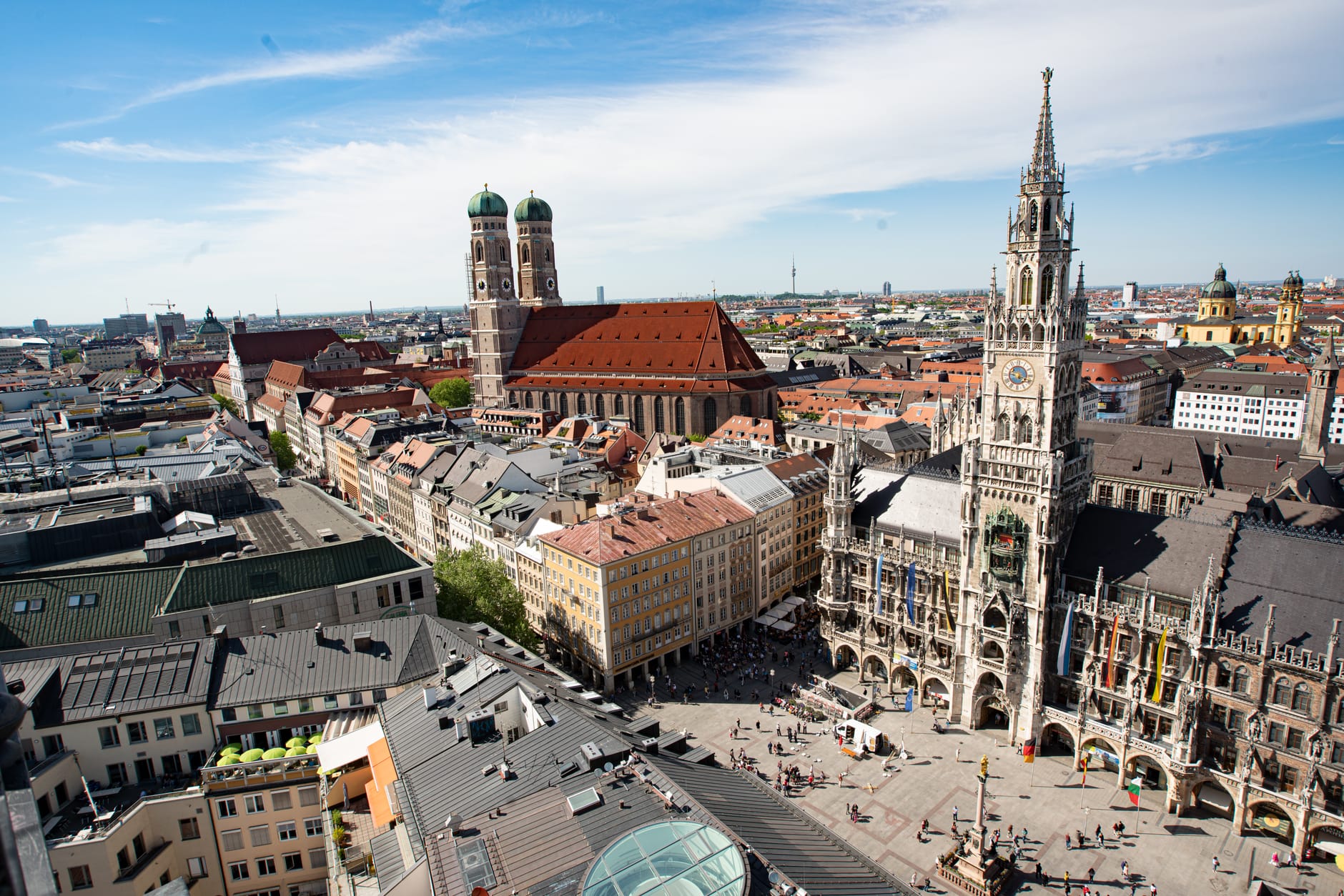
Most visits to Munich begin at Marienplatz, the central square that has anchored the city since 1158. The square itself costs nothing to stand in, which makes the instinct to tick it off quickly a mistake. Spend time looking at the Neues Rathaus Glockenspiel — the 43-bell carillon performs at 11:00 and 12:00 daily, plus 17:00 in summer — but be aware it is exactly as crowded as you expect and the mechanical figures are less impressive in person than in photographs.
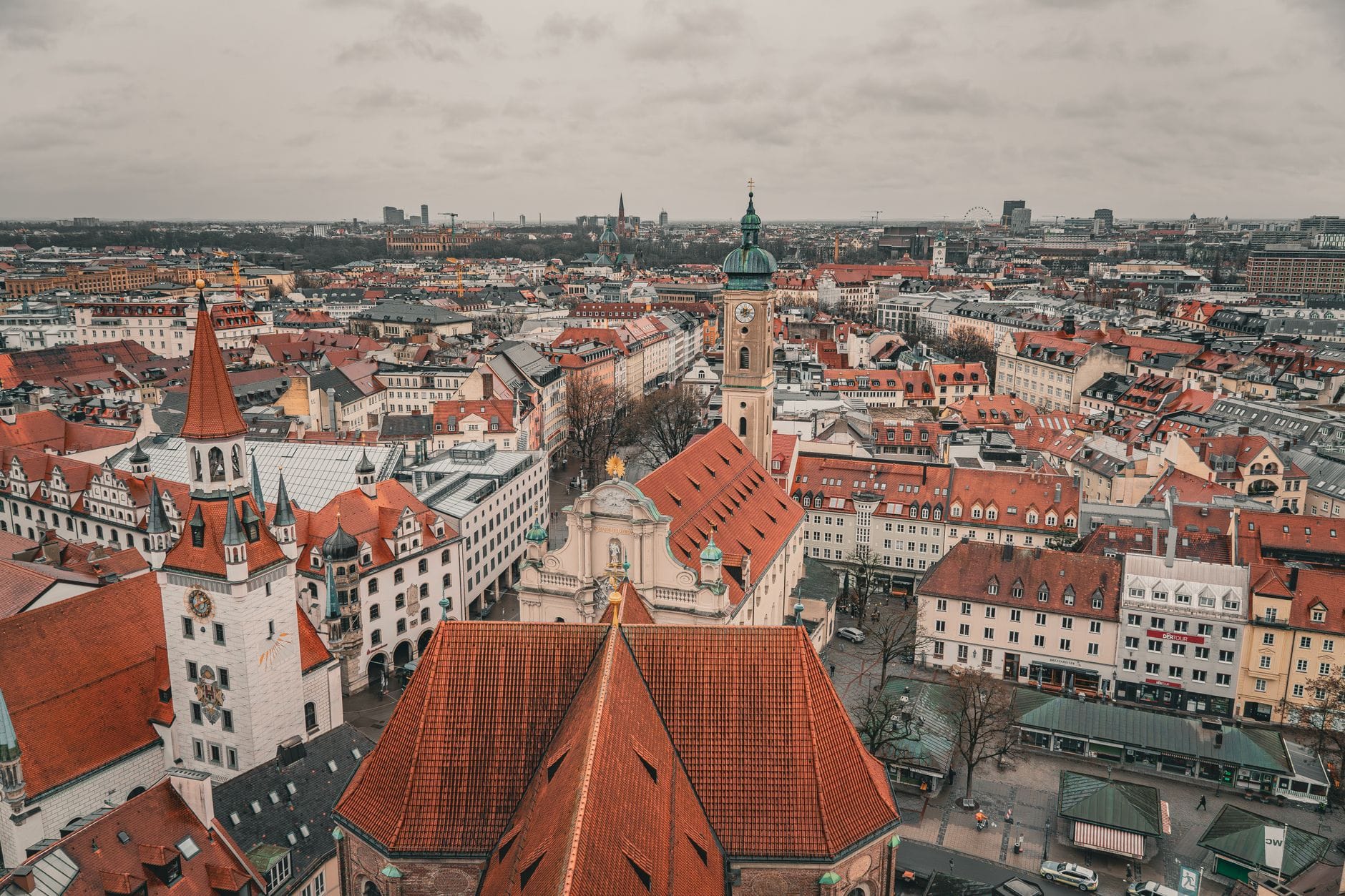
The real reward nearby is climbing St. Peter's Church tower (Alter Peter) for around €5.50. The 306-step climb gives you the best rooftop view over the old town. On a clear day the Alps are visible on the southern horizon. Far fewer people do this than queue for the Glockenspiel, which makes it one of the better value-to-crowd ratios in the city centre.
A few minutes north of Marienplatz sits the Munich Residenz, the former Wittelsbach royal palace. Standard adult admission runs around €9, with combination tickets covering the palace museum, Antiquarium, and Cuvilliés Theatre available at higher prices. The Residenz is genuinely vast — 130 rooms across three main wings — and deserves at least two hours. If you have limited time, prioritize the Antiquarium (the largest Renaissance hall north of the Alps) and the Residenz Treasury, which holds the Wittelsbach crown jewels. Sunday admission across the major state museums drops to €1, which is the single best money-saving move in Munich for art lovers.
💡 Local tip
Most state-run Munich museums (including the Alte Pinakothek, Glyptothek, and others) charge €1 on Sundays. If your schedule allows, shift museum visits to Sunday mornings — the Pinakotheken in Maxvorstadt are especially good value at this price.
Parks, Rivers, and Outdoor Life
The Englischer Garten is one of the largest urban parks in the world, covering around 375 hectares — bigger than New York's Central Park. Entry is free. The park absorbs enormous numbers of visitors without feeling overcrowded except on the hottest summer weekends. In warm weather, locals strip off in the designated Nacktbadezone (naturist sunbathing area) along the Eisbach canal without any fanfare; this is a normal part of Munich park culture and catches many first-time visitors off guard.
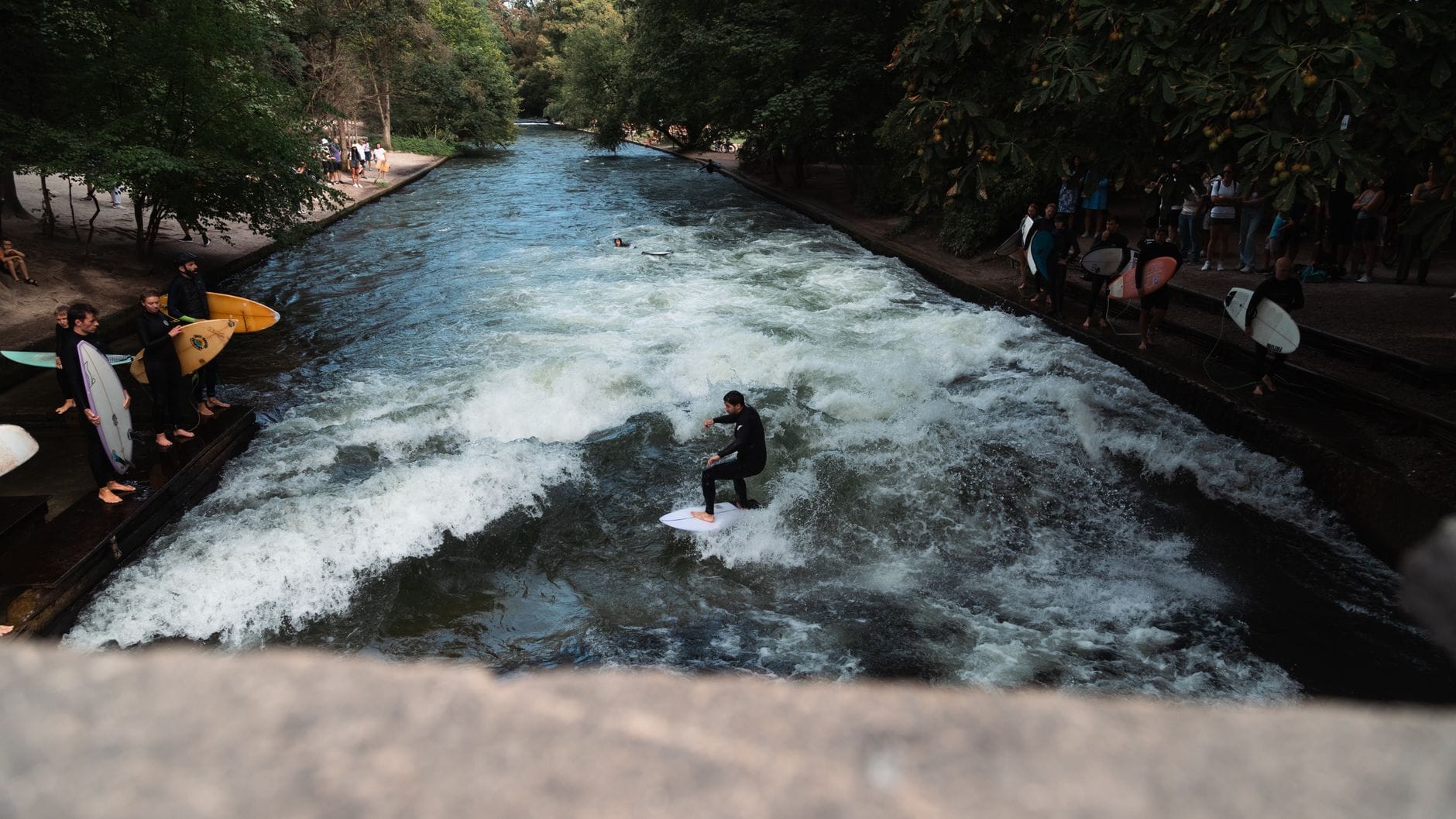
At the southern entrance of the Englischer Garten, the Eisbach wave is a permanent standing wave where skilled surfers ride year-round in the Eisbach channel. There is no entry fee to watch. The wave is only rideable by experienced surfers — beginners occasionally ignore the warning signs and pay for it. As a spectacle, it is genuinely unique and draws crowds from mid-morning onwards in good weather.
Further west, the Hirschgarten in Nymphenburg holds Europe's largest beer garden (seating capacity around 8,000) alongside a deer enclosure. It is far less tourist-heavy than the Englischer Garten beer gardens and attracts mostly local families on weekends. Prices are roughly in line with other city beer gardens: expect around €8–11 for a Masskrug (one-litre stein) depending on the beer. You can bring your own food to the self-service sections, which is standard Biergarten etiquette.
ℹ️ Good to know
Munich sits about 50 km north of the Alps at an elevation of around 520 metres. On clear days — most common in autumn after a Föhn wind event — the Alps appear surprisingly close on the southern skyline. The Olympic Tower in the Olympiapark (291 metres tall) is normally the best elevated viewpoint for this view, but it has been closed for renovation since 1 June 2024 and is not expected to reopen until late 2027; for 2026, aim for the Frauenkirche south tower or Alter Peter instead.
Museums Worth Your Time (and Which to Skip)
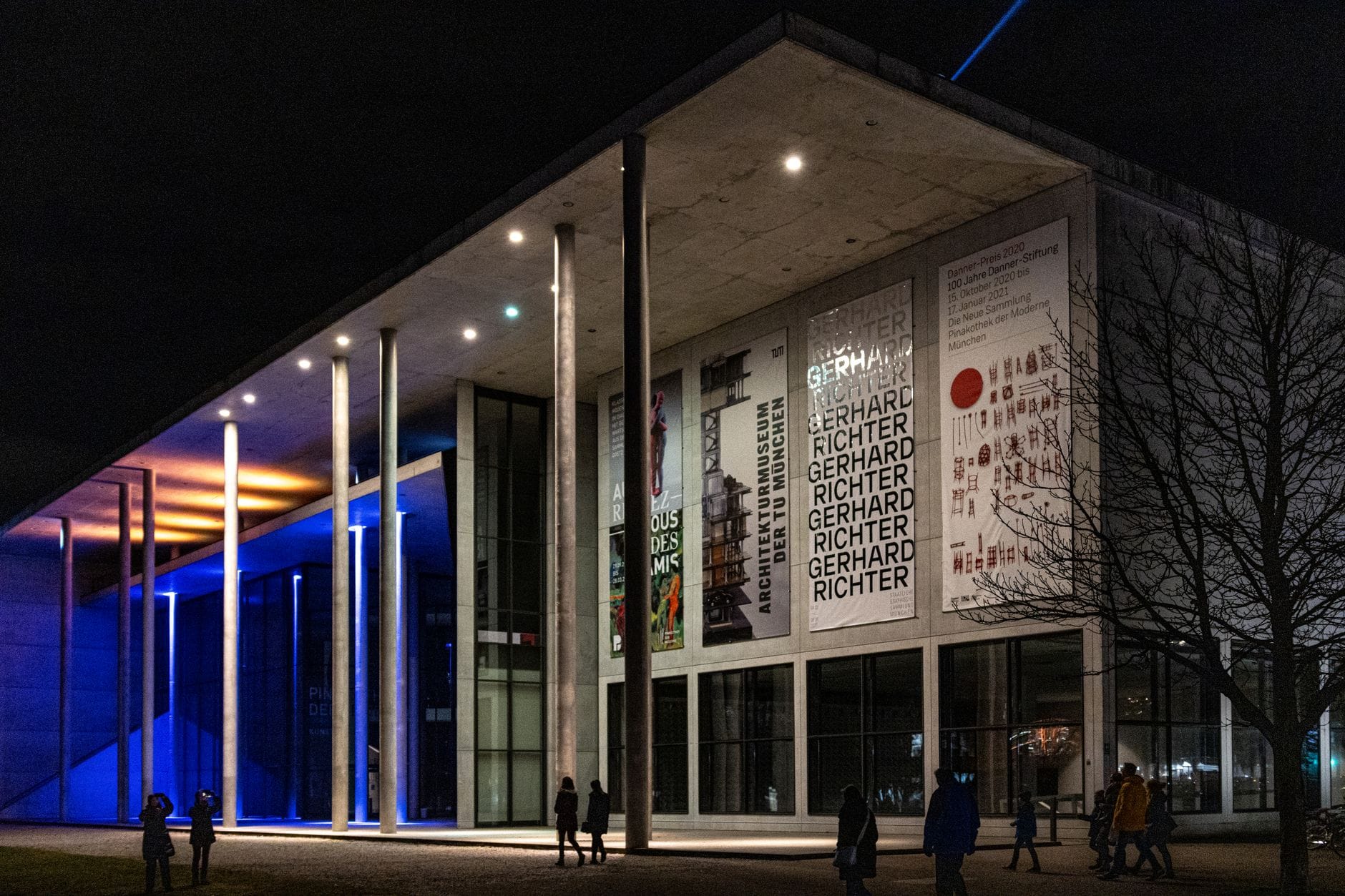
Munich's museum district, the Kunstareal in Maxvorstadt, concentrates more world-class collections within walking distance than almost any other European neighbourhood. The challenge is pacing yourself. Trying to cover the Alte Pinakothek, Pinakothek der Moderne, and Lenbachhaus in a single day produces diminishing returns fast. Pick two and do them properly.
- Deutsches Museum The world's largest science and technology museum, covering everything from mining to aerospace across multiple floors. Adult admission around €15. Genuinely absorbing for adults and children alike — budget at least four hours, ideally a full day. Located on an island in the Isar River.
- Alte Pinakothek European masterworks from the 14th to 18th centuries, including a standout collection of Rubens. Adult admission around €7; €1 on Sundays. The building itself was heavily damaged in WWII and the restoration is visible — part of the experience.
- BMW Museum and BMW Welt The BMW Museum (around €10 adult) covers automotive history and design. BMW Welt next door is a free showroom and delivery centre — architecturally striking and worth 30–45 minutes even if cars leave you cold. Located in the Olympiapark area.
- NS-Dokumentationszentrum Munich's documentation centre on National Socialism, opened in 2015. Located on the site of the former Nazi Party headquarters. Thoughtful, serious, and important — essential context for understanding why Munich has a complicated 20th-century history. Permanently free admission.
- Glyptothek and Antikensammlungen Facing each other across Königsplatz, these hold Munich's Greek and Roman antiquities. Both €1 on Sundays. The Glyptothek's collection of ancient sculpture — particularly the Aegina pediment figures — is exceptional and rarely overcrowded.
⚠️ What to skip
The Haus der Kunst does not participate in the €1 Sunday discount scheme — it operates independently from the Bayerische Staatsgemäldesammlungen group. Check each museum's pricing independently before visiting, as admission policies and opening hours change seasonally.
Beer Culture: Beyond the Oktoberfest Cliché
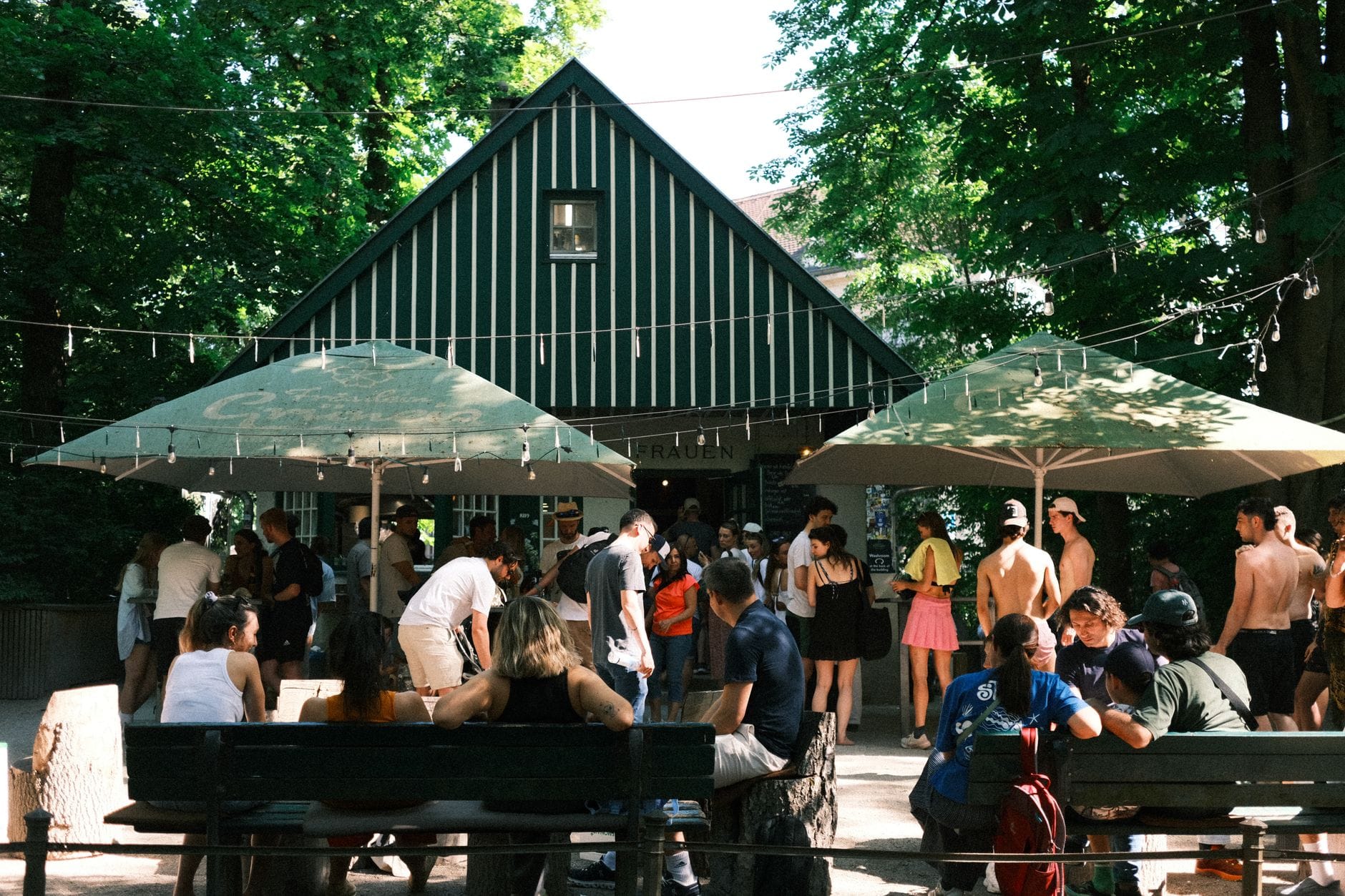
Beer is woven into Munich's civic identity in a way that is not just marketing. The city has operated under the Reinheitsgebot (German Beer Purity Law) tradition since 1516, and six major breweries — Augustiner, Hofbräu, Löwenbräu, Paulaner, Hacker-Pschorr, and Spaten — supply both the city's beer halls and the famous Theresienwiese Oktoberfest tents.
The Hofbräuhaus am Platzl is the most famous beer hall in the world and is, frankly, a tourist experience rather than a local one. That is not necessarily a reason to skip it — the hall dates to 1589, the architecture is genuine, and a Masskrug of Hofbräu in the ground floor hall is a legitimate Munich experience. Just do not mistake it for where locals drink. Augustinerkeller on Arnulfstrasse and the Augustiner Stammhaus on Neuhauser Strasse are better options for a less-staged atmosphere, with Augustiner beer widely considered the most traditional of the six.
For those interested in Oktoberfest, the festival runs for roughly 16–18 days from mid-to-late September into early October at Theresienwiese. A single day in the tents — covering entry (free before noon on weekdays, queues from 8am for popular tents on weekends), beer at around €14–15 per Masskrug, food, and fairground rides — realistically costs €80–120+ per person. Accommodation prices in Munich spike dramatically during this period; booking 6–12 months out is standard.
Royal Palaces and Architecture
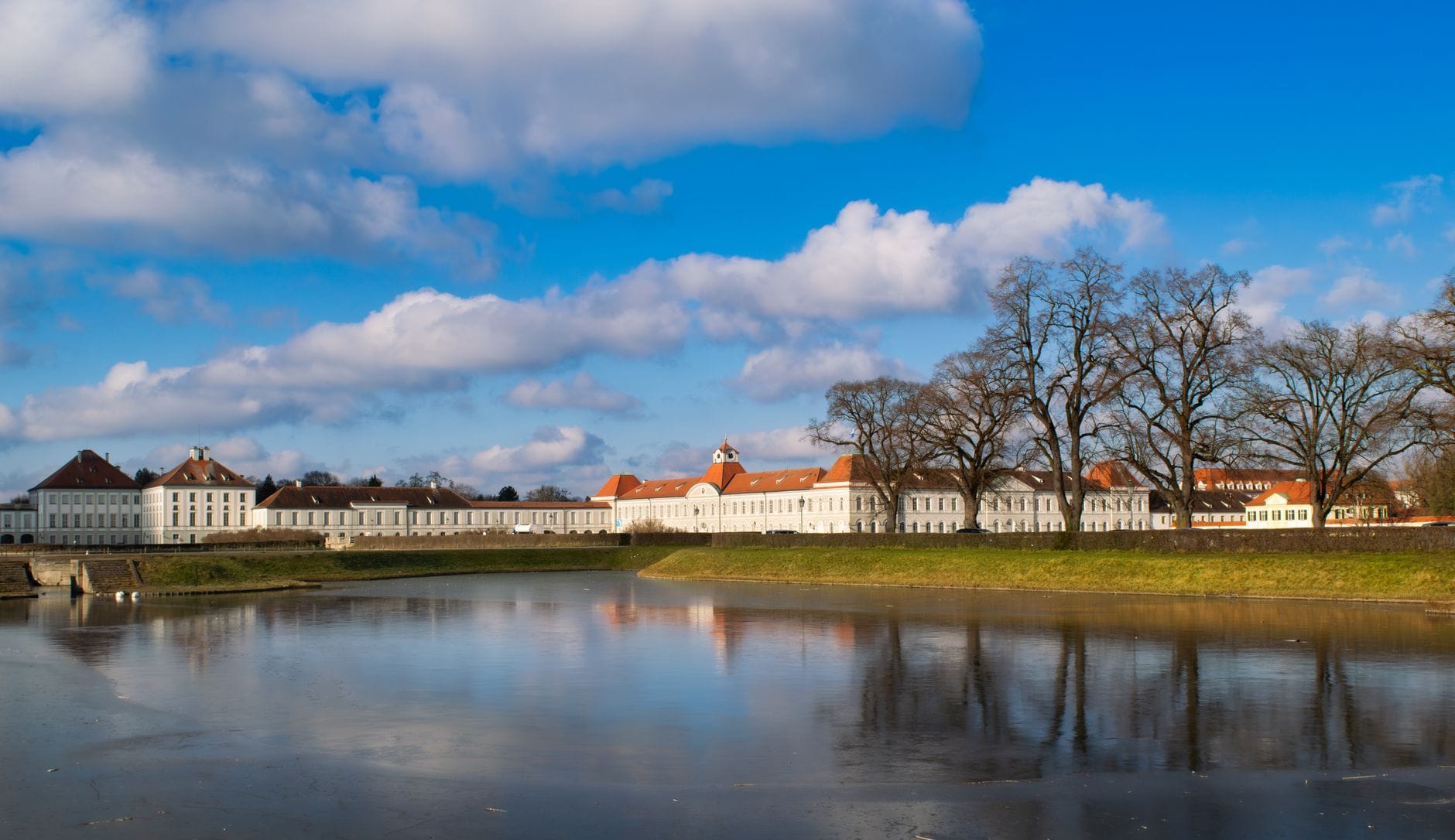
Outside the city centre, Nymphenburg Palace in the western district of Nymphenburg is the summer residence the Wittelsbachs actually used for pleasure. The baroque main palace with its famous Gallery of Beauties (commissioned by Ludwig I) costs around €8 for the main building alone, with combination tickets for the park pavilions priced higher. The 200-hectare park is free to walk year-round and is one of the more pleasant escapes from the city centre, particularly in spring when the canal is mirror-calm.
Architecture enthusiasts will find the sequence along Ludwigstrasse and around Odeonsplatz rewarding. The Theatinerkirche (yellow baroque facade, free entry) and the Feldherrnhalle — the loggia modelled on Florence's Loggia dei Lanzi — sit within 100 metres of each other and frame one of the finest urban squares in Germany. The Feldherrnhalle carries weight beyond its architecture: it was the site of the failed 1923 Beer Hall Putsch, and the NS-Dokumentationszentrum a short walk away puts that history in full context.
Practical Planning: Timing, Transport, and Costs
Munich is walkable in the centre but covers about 310 km², so the U-Bahn and S-Bahn network (coordinated by MVV) becomes essential for reaching outlying attractions like the BMW Museum, Nymphenburg, or the Olympiapark. Single tickets and day passes are available; fares are zone-based and updated periodically, so verify current pricing at mvv-muenchen.de before travel. For a structured itinerary framework, the 3 days in Munich guide maps out a logical sequence.
- Spring (March–May): ideal for parks and outdoor sights, mild temperatures 9–19°C, lower crowds than summer
- Summer (June–August): beer gardens and Englischer Garten at their best, highs around 22–24°C, peak tourist season
- Autumn (September–October): Oktoberfest period plus excellent walking weather, but accommodation prices surge
- Winter (November–February): Christmas markets (late November–December) are genuine and atmospheric; January–February is the quietest period with the lowest prices
- December specifically: Christmas markets at Marienplatz and Schwabing run from late November; the Residenz and major museums are open; expect cold (0–5°C highs) but the city is rarely icy
Budget travellers can operate comfortably in Munich. A realistic daily budget (hostel dormitory at €30–45, self-catering lunch from Viktualienmarkt, one paid museum, public transport day pass) sits around €60–80. The €1 Sunday museum scheme, free parks, free entry to BMW Welt, and the free-to-enter churches mean a weekend itinerary can be built with minimal outlay. For a detailed breakdown, the Munich on a budget guide covers accommodation tiers, food costs, and transport hacks.
Getting from Munich Airport (MUC, located in Freising, approximately 28–30 km northeast of Marienplatz) to the city centre takes about 35–45 minutes on the S1 or S8 S-Bahn lines, which run every 20 minutes and connect directly to Marienplatz and Hauptbahnhof. Taxis cover the same route in similar time under normal traffic conditions but at significantly higher cost. The full Munich Airport guide covers all transport options with current fare guidance.
✨ Pro tip
The München CityTourCard and the Bayern Ticket each cover different use cases. The CityTourCard bundles unlimited MVV transport with discounts at around 80 attractions — useful if you plan to visit multiple paid museums in a day. The Bayern Ticket is a flat-rate regional rail day pass ideal for day trips to Neuschwanstein, Salzburg, or Dachau. Do not buy both for the same day.
For day trips, Munich is one of the best-positioned cities in Central Europe. Neuschwanstein Castle is around 2 hours by rail and bus from Hauptbahnhof. Salzburg takes under 2 hours by fast train. The Dachau Concentration Camp Memorial is 30 minutes by S-Bahn and S2 connection — a sombre but historically essential visit that is managed respectfully by the Bavarian memorial foundation.
FAQ
What are the best free things to do in Munich?
The Englischer Garten (375 hectares, free entry), the Eisbach wave, Viktualienmarkt (free to browse), Marienplatz, Odeonsplatz, Nymphenburg Palace park, and BMW Welt are all free. Several state museums charge €1 on Sundays. The NS-Dokumentationszentrum has permanently free admission. Children and young people up to 18 have free admission at the Pinakotheken, Lenbachhaus, and Museum Brandhorst.
How many days do you need in Munich?
Three days is the practical minimum to cover the historic centre, at least two major museums, the Englischer Garten, and one beer hall experience without rushing. Five days allows for a day trip (Neuschwanstein or Salzburg) and deeper exploration of neighbourhoods like Maxvorstadt and Haidhausen. A weekend (2 days) is only realistic if you skip outlying attractions and focus tightly on the Altstadt and Kunstareal.
Is Munich worth visiting in December?
Yes, with caveats. The Christmas markets — particularly at Marienplatz, Schwabing, and the Residenz courtyard — run from late November to around December 24 and are genuine rather than performative. Temperatures hover around 0–5°C with occasional snow. Museums are open and less crowded than in summer. The main drawback is short daylight hours (sunset around 4pm) limiting outdoor time. It is one of the better months for a city-focused cultural visit.
What is the best way to get around Munich as a tourist?
The U-Bahn and S-Bahn cover all major attractions and run frequently (every 5–10 minutes on main lines during the day). The historic centre between Marienplatz and Odeonsplatz is compact enough to walk. Trams serve inner neighbourhoods efficiently. Cycling is practical in spring and summer — Munich has an extensive bike lane network. Taxis and ride-hailing apps (Uber, Free Now) are available but rarely necessary for sightseeing purposes given the public transport coverage.
Is Oktoberfest the only time to experience Munich's beer culture?
No. Munich's beer halls and Biergärten operate year-round. The Hofbräuhaus, Augustinerkeller, and Hirschgarten beer garden are open throughout the year (weather permitting for outdoor seating). The Beer and Oktoberfest Museum near Marienplatz covers brewing history year-round. Oktoberfest is an intensified, festival version of something Munich does every day — the advantage of visiting outside September–October is lower prices, easier seating, and a more local crowd.
Tickets & tours
Live prices and dates from our booking partner. If you book, we may earn a commission at no extra cost to you.
Planning a trip? Discover personalized activities with the Nomado app.