Munich on a Budget: How to Visit Without Breaking the Bank
Munich (München) has a reputation as one of Germany's priciest cities, but a well-planned trip can cost far less than you'd expect. This guide breaks down realistic daily budgets, the best free and low-cost attractions, transport savings, and the key timing decisions that will make or break your spending.
Tickets & tours
Live prices and dates from our booking partner. If you book, we may earn a commission at no extra cost to you.
TL;DR
- A realistic daily budget for Munich runs €40–€90 per person, depending on season and how often you eat out.
- Avoid late September to early October if you're budget-conscious: Oktoberfest inflates accommodation prices dramatically.
- The MVV public transport network covers the entire city efficiently — a day pass is far cheaper than taxis. See our guide to getting around Munich for full fare details.
- Major green spaces like the Englischer Garten and Olympiapark are completely free, and some museums offer reduced or free entry on Sundays.
- January through March is the cheapest window to visit. For a full seasonal breakdown, read our best time to visit Munich guide.
What Does Munich Actually Cost? Realistic Daily Budgets
Munich sits in the higher tier of German cities for costs, but it is not in the same league as Zurich or Oslo. With some planning, budget travellers can get by on around €40–€60 per day in low season — covering a hostel dorm bed, supermarket meals, and public transport. A more comfortable mid-range approach, with a private room, one sit-down restaurant meal daily, and a museum or two, lands closer to €90–€130 per day. These figures rise sharply during Oktoberfest and other major events.
- Budget tier (€40–€65/day) Hostel dorm bed (€23–€35/night), supermarket and bakery meals, MVV day pass, free parks and walking tours.
- Mid-range tier (€90–€130/day) Private room in a mid-range hotel or guesthouse, one restaurant meal daily, a couple of paid attractions or museum entries.
- Oktoberfest premium During late September to early October, accommodation prices can double or triple. Book months in advance or budget significantly more per night.
⚠️ What to skip
Oktoberfest runs for roughly 16–18 days each year, ending on the first Sunday of October. If your travel dates overlap, expect hostel dorms to cost €60–€100+ and private rooms to be near impossible to find last-minute. This single event does more to blow Munich travel budgets than any other factor.
When to Go: The Cheapest and Most Expensive Windows
Timing your Munich trip correctly is the single biggest lever you have on overall costs. January through March is consistently the cheapest period: crowds are thin, accommodation is at its seasonal floor, and flights are cheaper from most European hubs. The trade-off is cold weather, with average highs around 3–5°C and occasional snow. This suits visitors who prioritise museums and indoor culture over outdoor exploration.
April and May offer a genuinely attractive balance: temperatures climb toward 19°C by late May, beer garden season begins, and prices remain well below summer peaks. September is similar on the weather front, but the approach of Oktoberfest creates a price spike in the final two weeks of the month. October, once the festival ends, drops off quickly and can be excellent value. November and December bring the Christmas markets, which draw significant crowds but don't cause the same accommodation inflation as Oktoberfest.
💡 Local tip
If you want Bavarian festival culture without Oktoberfest prices, Munich's Starkbierfest (Strong Beer Festival) takes place in March at the Paulaner Nockherberg brewery. It's far smaller, far cheaper, and considered by many locals to be the more authentic experience.
Free and Low-Cost Things to Do in Munich
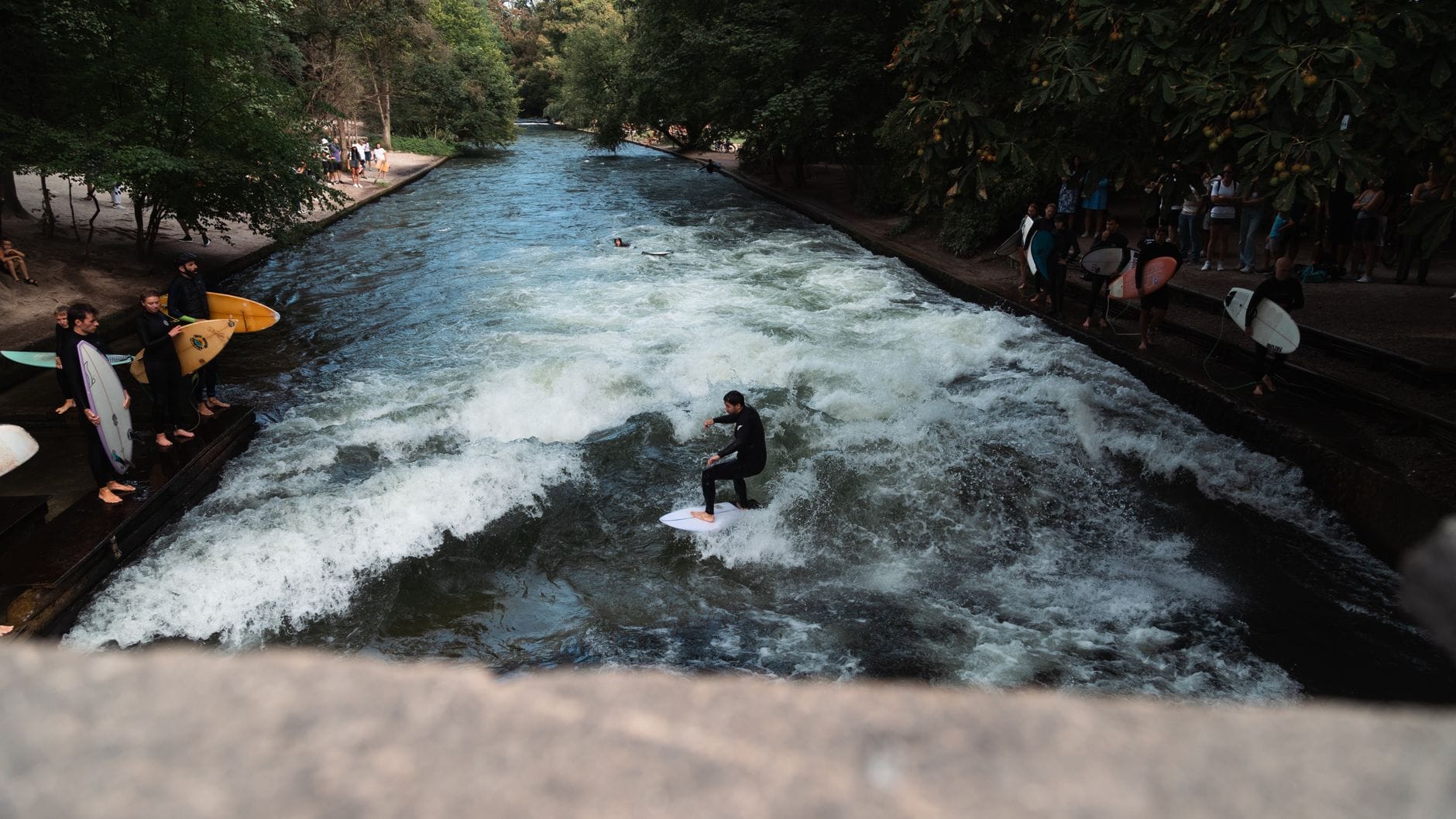
Munich's most significant budget advantage is its parks. The Englischer Garten is one of the largest urban parks in the world, larger than Central Park in New York, and entirely free. In summer, people sunbathe along the Isar, watch surfers ride the Eisbach wave at the park's southern entrance, and gather in the beer gardens inside the park. The Chinese Tower beer garden inside the Englischer Garten is an affordable spot to sit — you pay for what you drink, and food from street stalls is reasonably priced.
The Olympiapark grounds are free to walk through. The park, built for the 1972 Summer Olympics, offers a pleasant mix of architectural history, green space, and views toward the Alps on clear days. The Olympic Tower observation deck normally charges a fee, but it is closed for renovation until late 2027, so budget-conscious visitors are effectively left with the free park to enjoy in 2026. Free walking tours, typically tip-based, depart daily from Marienplatz and cover the Altstadt efficiently — they are worth doing in the first day or two to orient yourself.
- Englischer Garten: free entry, 3.7 km² of parkland, beer gardens, Eisbach surfing
- Olympiapark grounds: free access, remnants of 1972 Olympics architecture
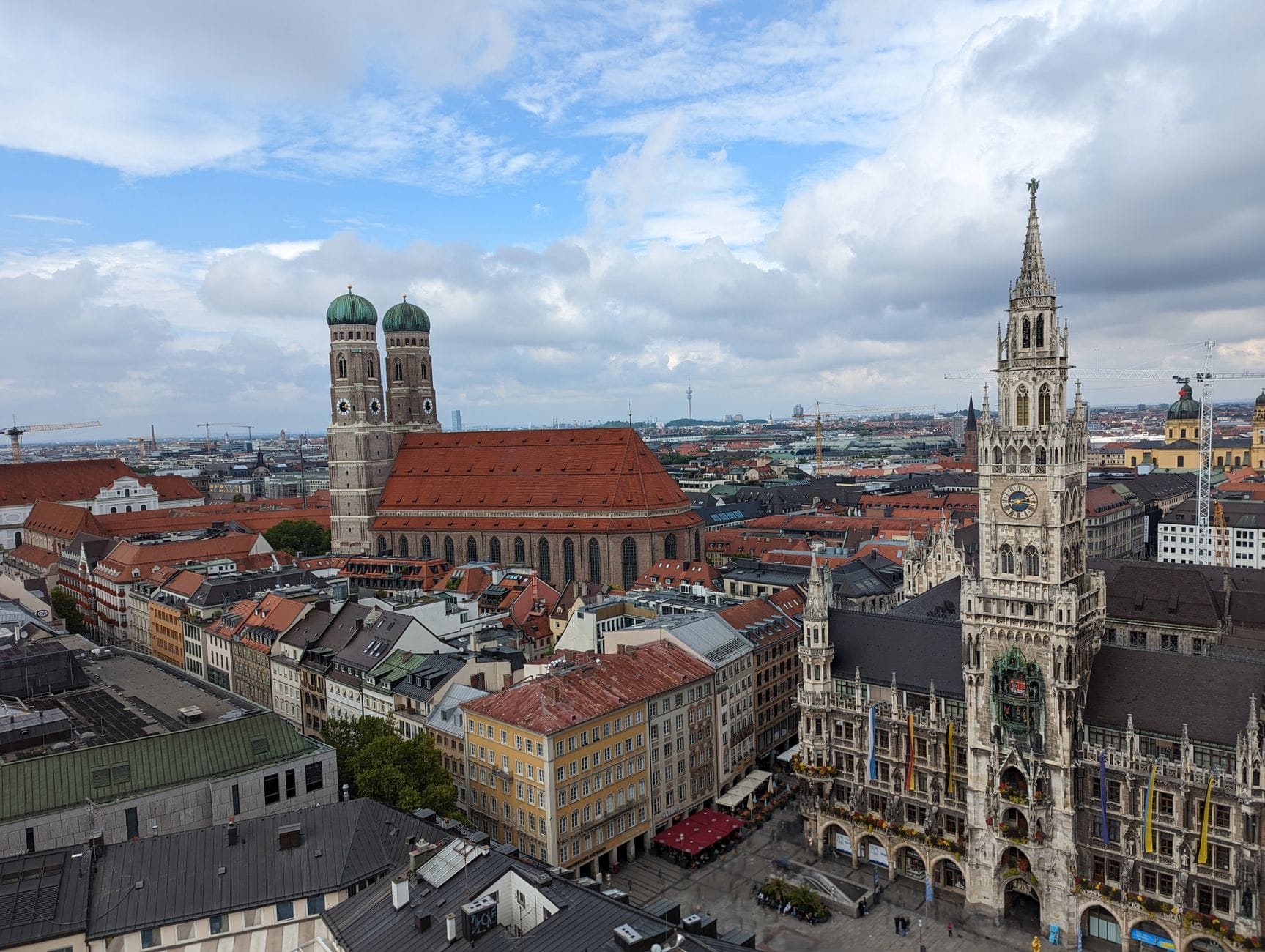
- Marienplatz and the Neues Rathaus Glockenspiel: free to watch the carillon show at 11:00 and 12:00 (and 17:00 in summer)
- Viktualienmarkt: Munich's main food market, free to browse, competitively priced fresh produce
- Isar River banks: popular with locals for picnics, swimming in summer, completely free
- NS-Dokumentationszentrum: the Nazi documentation centre has no permanent collection entry fee for EU residents under 18; adult entry is modest
- Tip-based walking tours from Marienplatz: budget €10–€15 in tips for a 2.5–3 hour tour
For a broader overview of what you can do in Munich without spending much, see our dedicated free things to do in Munich guide, which covers more than a dozen options in detail.
Museum Costs and How to Reduce Them
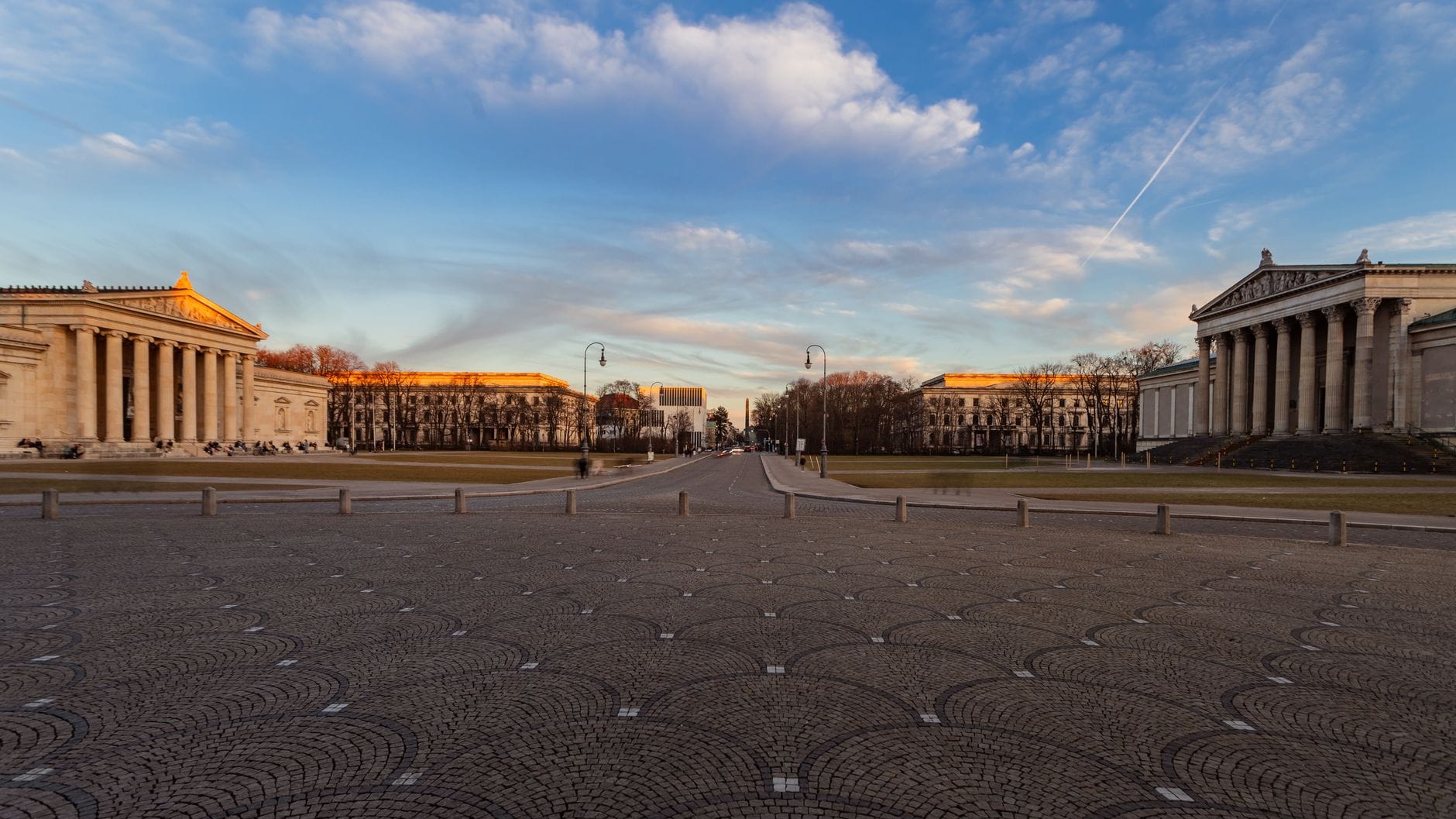
Munich's Kunstareal in Maxvorstadt is one of the densest concentrations of world-class museums in Europe, which is both an attraction and a potential budget drain if you try to see everything at full price. Standard adult admission across the major state museums runs roughly €7–€14 per venue. The Deutsches Museum, the largest science and technology museum in the world, charges around €14 for adults. Planning which museums matter most to you and using available discounts makes a real difference.
Several Bavarian state museums, including the Alte Pinakothek, Pinakothek der Moderne, and the Glyptothek, charge just €1 on Sundays. This is one of the most under-utilised budget tricks in Munich: you can visit three major art institutions in a single Sunday for €3 total. Note that Sundays are busier at these venues precisely because of this policy, so arrive early.
✨ Pro tip
The Munich City Pass (München Card or CityTourCard) bundles unlimited MVV public transport with museum discounts. Whether it saves you money depends entirely on how many paid attractions you plan to visit. Run the numbers against your actual itinerary before buying — it is not automatically cheaper for everyone. Our Munich City Pass guide breaks down the maths.
If museums are a priority, review our roundup of the best museums in Munich to prioritise which are worth full price and which are best saved for a Sunday visit.
Getting Around Munich Without Overspending on Transport
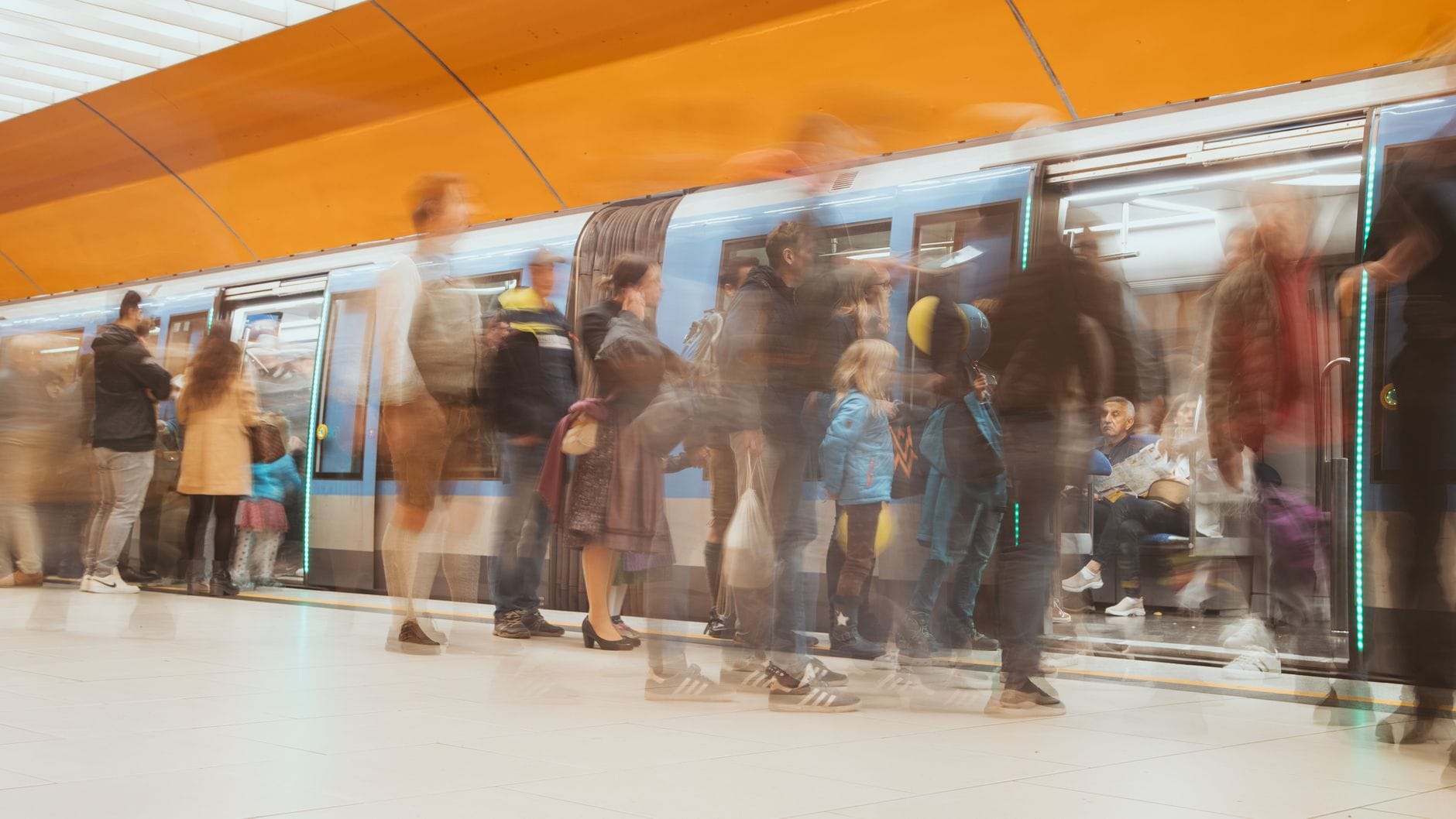
Munich's public transport system, operated under the MVV (Münchner Verkehrs- und Tarifverbund) ticketing umbrella, covers the city comprehensively via U-Bahn (metro), S-Bahn (suburban rail), trams, and buses. For most visitors staying in the inner city, the U-Bahn and trams cover everything you need. The network runs on a zone-based fare structure, and most central attractions fall within the Zone M (the central Munich city area).
Single tickets for Zone M run approximately €4.20. A day pass for Zone M costs around €10.10 for a single traveller, which pays for itself after three single journeys. Groups of up to five people can share a group day ticket, which reduces the per-person cost significantly — one of the better transport savings available. Weekly passes are worth considering for stays of five days or more.
From Munich Airport (MUC), the S1 and S8 S-Bahn lines connect to central stations including Marienplatz and Hauptbahnhof in around 35–45 minutes. The airport lies in zone 5, so you need a ticket covering zones M–5 rather than a standard Zone M pass; check current MVV pricing (for example the Airport-City-Day-Ticket) before your trip. Taxis from the airport to the city centre take a similar amount of time in normal traffic but cost significantly more. The airport bus to Hauptbahnhof takes around 45 minutes and can be cheaper than the S-Bahn with certain ticket combinations.
ℹ️ Good to know
Munich's central attractions are walkable from each other. Marienplatz to the Englischer Garten southern entrance is about a 15-minute walk. Marienplatz to the Viktualienmarkt is 3 minutes on foot. If your accommodation is in the Altstadt or Maxvorstadt, you may find you barely need public transport at all during the day — saving day pass costs entirely on some days.
Eating Well Without Spending a Fortune
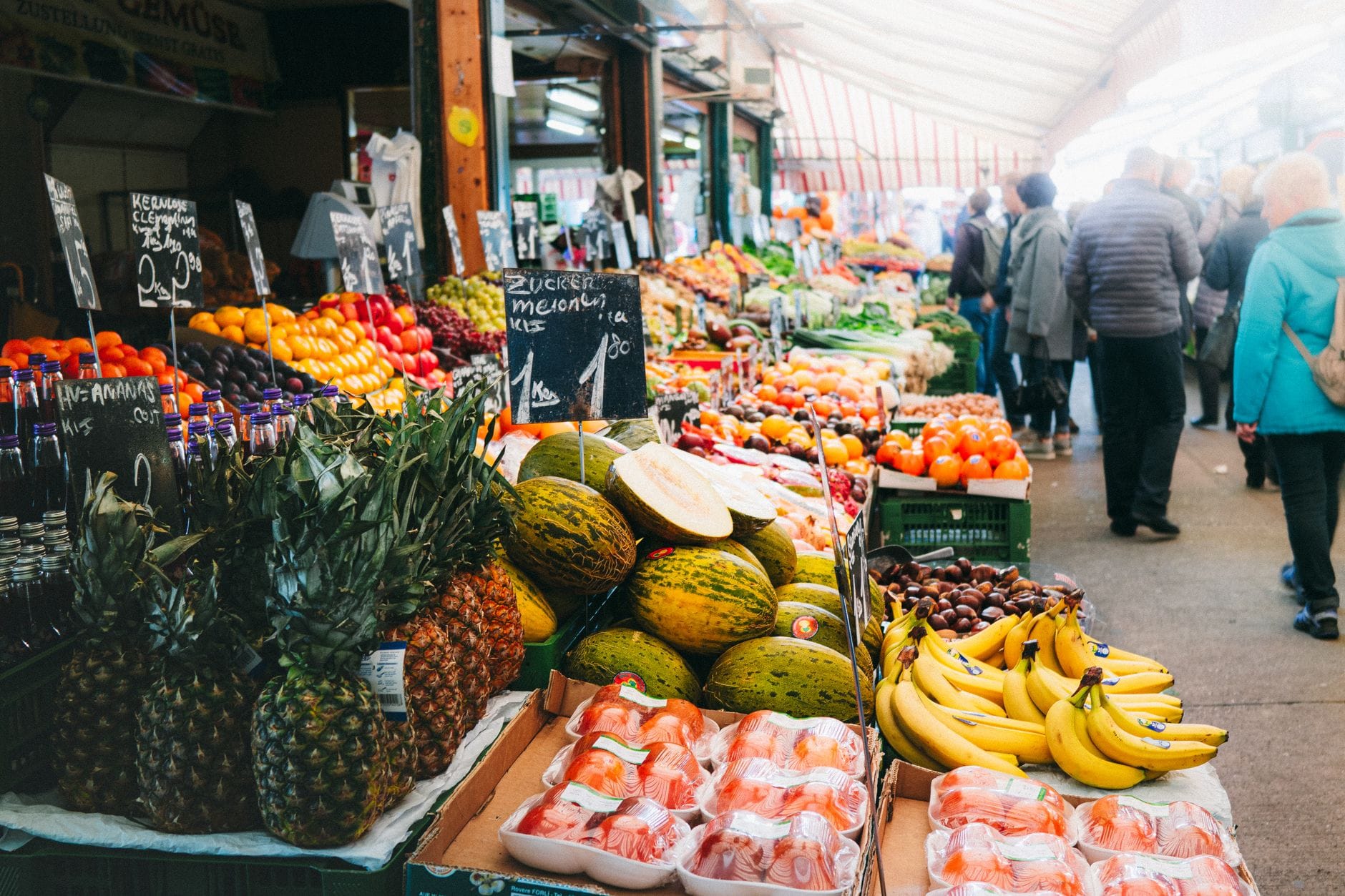
Food costs in Munich are manageable if you know where to look. The Viktualienmarkt is the city's main fresh food market and a good place to assemble a cheap lunch from market stalls, cheese vendors, and bakeries. A Brotzeit (bread-based snack meal) from a bakery chain like Hofpfisterei or Zeit für Brot costs €4–€7 and is a genuinely satisfying meal, not a compromise.
Supermarket chains including Edeka, Rewe, and Aldi are widespread across the city and carry ready-made meals, salads, and baked goods at prices well below any restaurant. For those on a strict daily food budget of €15–€20, combining one supermarket or bakery meal with one sit-down lunch (the cheapest restaurant meal of the day in Germany, where lunch menus often offer better value than dinner) is the most practical approach.
The famous Hofbräuhaus is a tourist institution rather than a budget option — a litre of beer (Mass) costs around €14–€15, and food prices reflect its central location and global name recognition. For more authentic and affordable Bavarian food, look at Haidhausen or Schwabing, where local restaurants and döner kebab shops offer filling meals for €6–€10. For a broader guide to eating well in Munich across all budgets, see our where to eat in Munich guide.
Accommodation: Where to Stay to Keep Costs Down
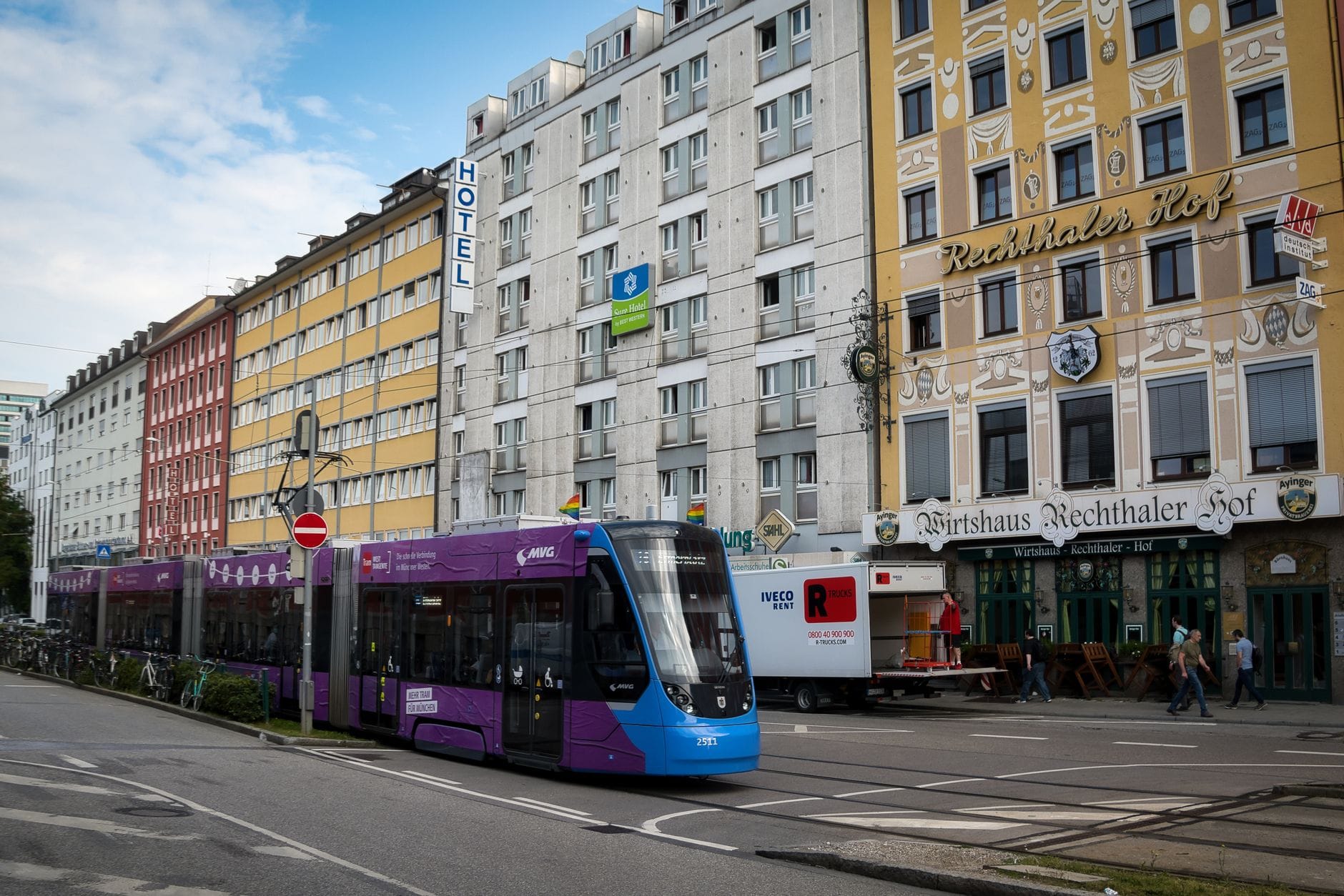
Hostel dorm beds in Munich typically run €23–€35 per night in shoulder and low seasons, rising to €60+ during Oktoberfest and other major events. The most affordable options are generally in Schwabing, Maxvorstadt, and areas around the Hauptbahnhof (Central Station), which also happen to be well-connected by public transport. Private rooms in budget guesthouses start around €60–€80 in low season.
Staying in neighbouring districts rather than directly in the Altstadt can reduce nightly costs while keeping you within easy transit range of the centre. MaxvorstadtMaxvorstadt For a full neighbourhood breakdown to help with accommodation decisions, see our where to stay in Munich guide.
FAQ
Is Munich expensive to visit compared to other German cities?
Munich is generally the most expensive of Germany's major cities, ahead of Hamburg, Berlin, and Frankfurt for accommodation and food costs. That said, its excellent public transport, large free parks, and Sunday museum discounts mean a budget trip is entirely feasible. Expect to pay roughly 20–30% more than Berlin for equivalent accommodation.
What is the cheapest time of year to visit Munich?
January through March offers the lowest prices across accommodation and flights. February can be particularly cheap outside of Fasching (Carnival) events. The trade-off is cold weather (average highs of 3–5°C). April and May offer a good balance of moderate prices and improving weather.
Are there free museums in Munich?
Several major Bavarian state museums charge just €1 on Sundays, including the Alte Pinakothek, Pinakothek der Moderne, Museum Brandhorst, and Glyptothek. The NS-Dokumentationszentrum (Nazi Documentation Centre) has free entry for under-18s from EU countries. A handful of smaller galleries and the city's parks are always free.
Is Munich's public transport budget-friendly for tourists?
Yes, for those staying multiple days. A single Zone M ticket costs roughly €4.20, while a day pass runs around €10.10. Groups of up to five can share a group day pass, making per-person costs very low. The system covers all major tourist sites. Always verify current fares at mvv-muenchen.de before travelling, as prices are updated periodically.
Can I do Munich on €50 a day?
Yes, but it requires discipline. You would need a hostel dorm bed (€23–€35), primarily supermarket and bakery meals, an MVV day pass or selective use of single tickets, and mostly free activities. It is more comfortable in winter when accommodation is cheapest. During Oktoberfest or summer peak season, €50 a day would be very tight even in a dorm.
Tickets & tours
Live prices and dates from our booking partner. If you book, we may earn a commission at no extra cost to you.
Planning a trip? Discover personalized activities with the Nomado app.