Where to Eat in Munich: Beer Halls, Bavarian Classics, and Fine Dining
Munich's dining scene runs deeper than Weißwurst and pretzels. This guide covers the best restaurants in Munich across every budget and neighborhood, from century-old beer halls to modern fine dining, with practical tips on reservations, prices, and where locals actually eat.
Tickets & tours
Live prices and dates from our booking partner. If you book, we may earn a commission at no extra cost to you.
TL;DR
- Munich food spans traditional Bavarian beer halls, modern European fine dining, and strong international options — budget to luxury.
- Altstadt, Schwabing, and Glockenbach hold the highest concentration of restaurants worth seeking out.
- Top fine-dining tasting menus (Tantris, Alois, Atelier) run €180–€320 per person before wine — book weeks in advance.
- Beer hall mains average €12–€20; budget meals like döner kebab come in under €10.
- During Oktoberfest and the Christmas markets, central restaurant bookings fill up fast — reserve early or eat off-center.
Understanding Munich's Food Scene
Munich (München) sits at a culinary crossroads. It's the capital of Bavaria, a region with one of the most distinct food identities in Germany, and yet it's also a wealthy, cosmopolitan city of over 1.6 million people with serious appetite for global flavors. The result is a dining scene that ranges from 350-year-old beer halls serving pork knuckle by the kilo to intimate twelve-seat restaurants with tasting menus that rival anything in Paris or Copenhagen.
The city's restaurant geography splits fairly cleanly. The Altstadt (Old Town) around Marienplatz and the Viktualienmarkt concentrates the tourist-facing spots — some excellent, some overpriced. Schwabing and Maxvorstadt to the north attract a younger, more international crowd. The Glockenbach and Haidhausen — Glockenbach sitting just west of the Isar in Munich's central Ludwigsvorstadt-Isarvorstadt district, Haidhausen just across the river to the east — have developed lively independent dining scenes away from the main tourist drag.
💡 Local tip
Tipping in Munich: round up the bill or add 5–10% directly to the server when paying — not left on the table. Say the amount you want to pay when handing over cash (e.g., 'Machen Sie 28 Euro' for a €25 bill).
Traditional Bavarian Restaurants and Beer Halls
Bavarian food is built around pork, bread dumplings (Knödel), pretzels, sauerkraut, and dark beer. The canonical dishes are Schweinshaxe (roasted pork knuckle), Weißwurst (white veal sausage, traditionally eaten before noon), Obatzda (a spiced soft cheese spread), and Leberknödelsuppe (liver dumpling soup). These aren't tourist inventions — they're genuinely what people in Bavaria eat.
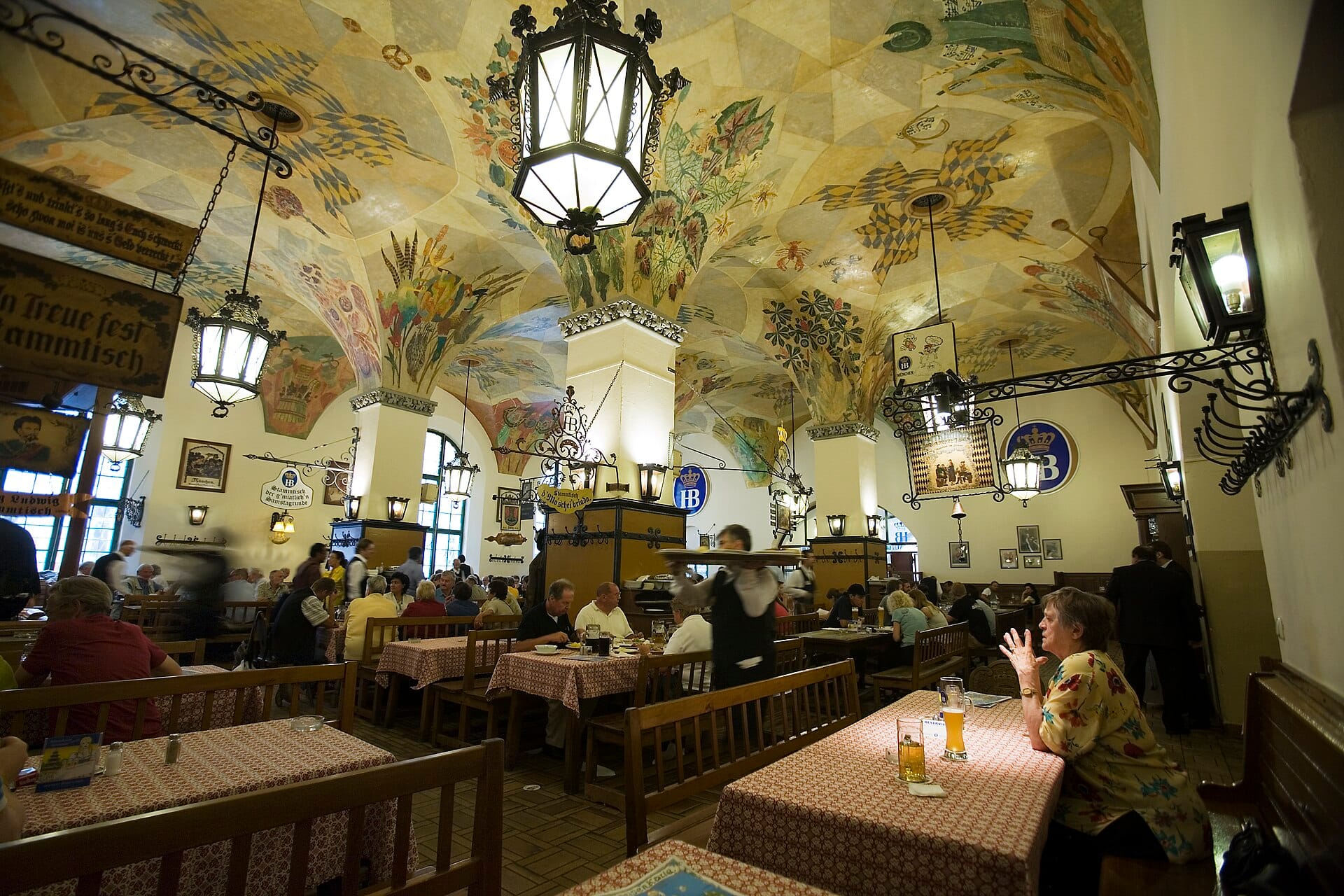
The Hofbräuhaus is the world's most famous beer hall and draws enormous crowds, particularly in summer and during Oktoberfest. It's worth seeing once for the sheer spectacle — the barrel-vaulted hall, the oompah band, the one-liter Maß steins. But it's not where locals go for a regular dinner. Expect tourist pricing and a room full of international visitors.
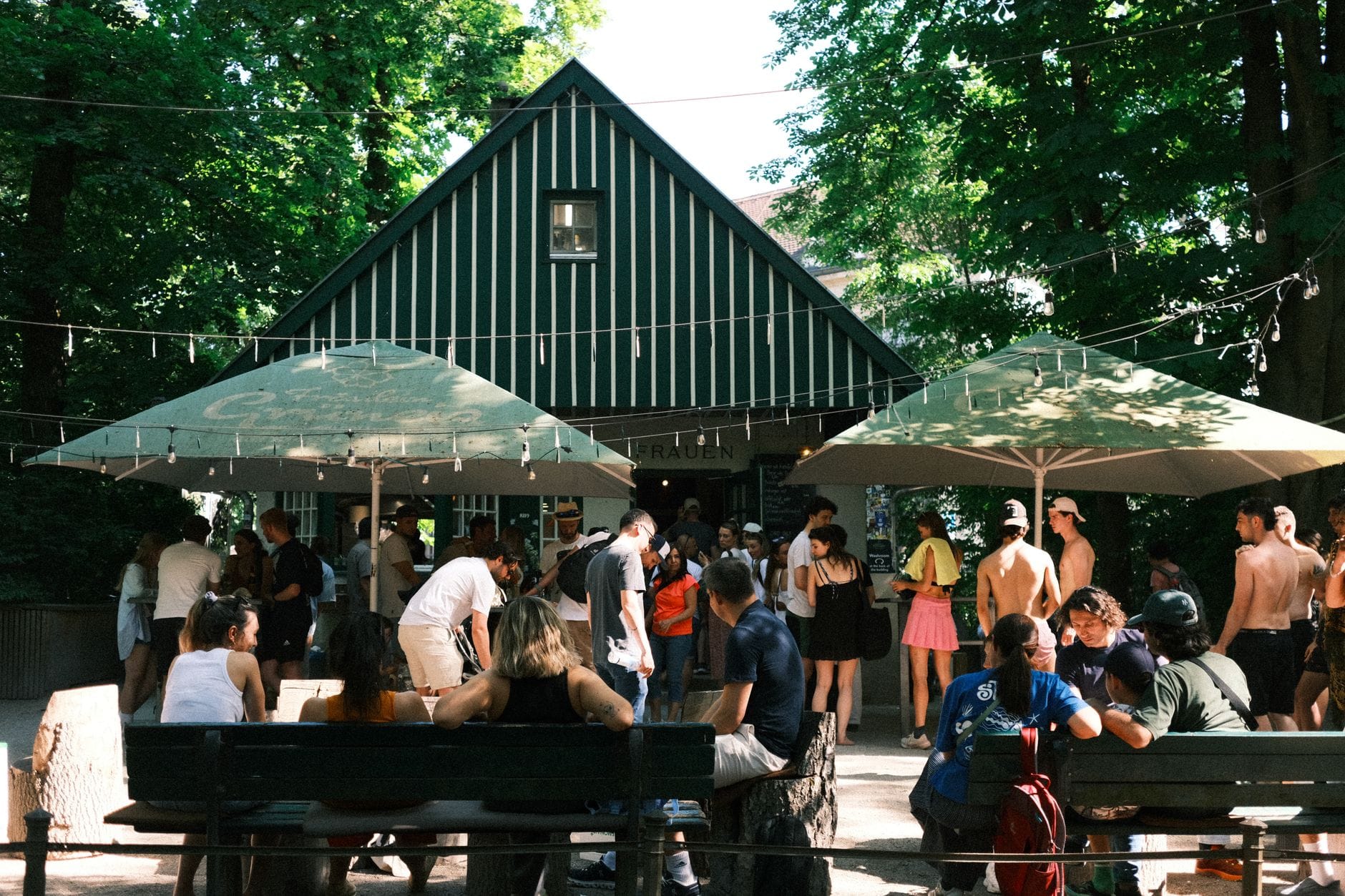
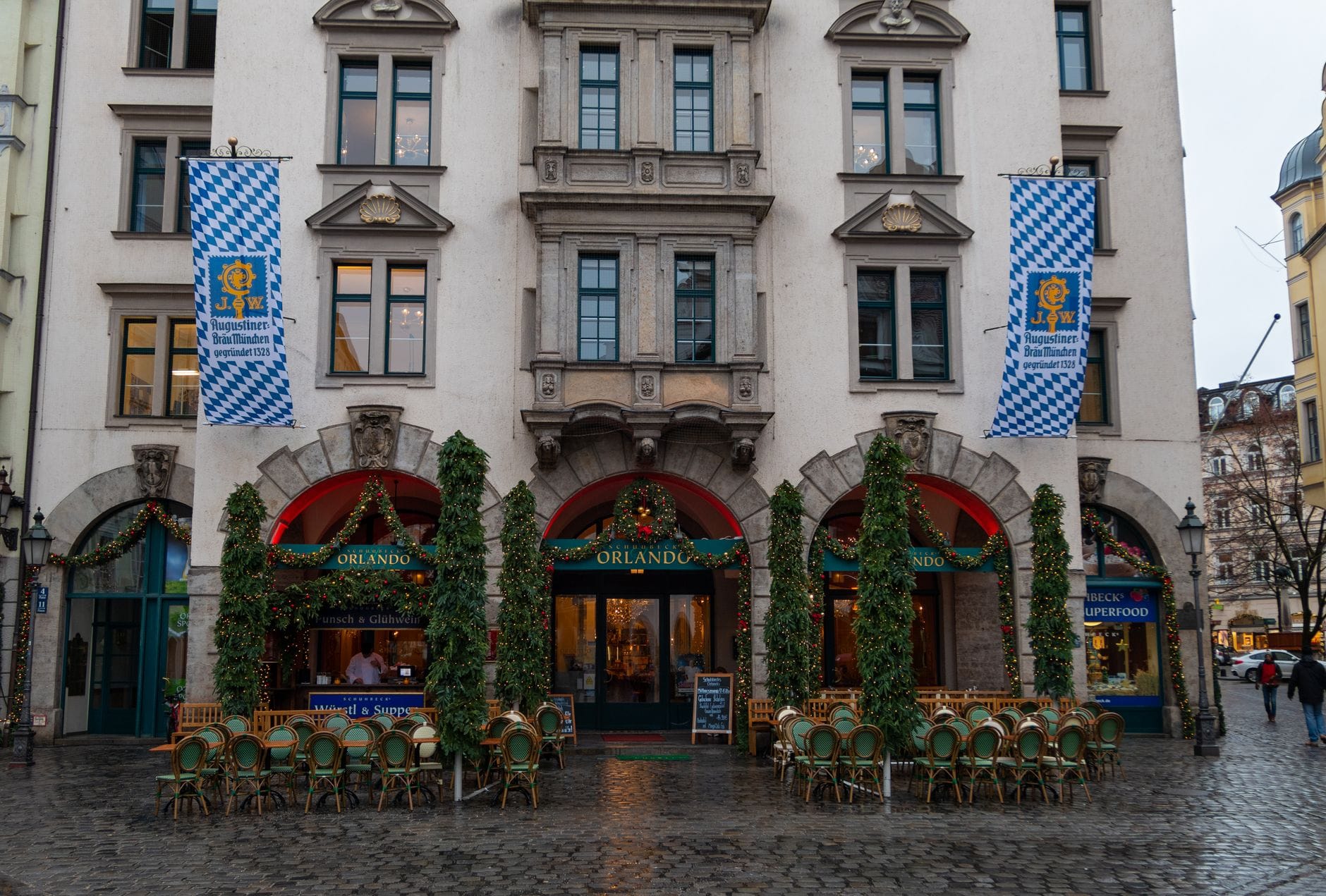
For a more grounded Bavarian experience, Augustiner Klosterwirt near the Frauenkirche is widely preferred by both residents and informed visitors. The Augustiner brewery has been brewing since 1328 and their Edelstoff lager pours beautifully. Paulaner am Nockherberg, on a hill in the Au district south of the center, is another strong option with a beer garden attached — and a fraction of the Hofbräuhaus crowds. Mains at these places typically run €12–€20.
- Hofbräuhaus The iconic beer hall — overwhelming, touristy, and worth seeing once. Platzl 9, central Altstadt.
- Augustiner Klosterwirt More local atmosphere than Hofbräuhaus, excellent Augustiner beer, solid Bavarian food. Near the Frauenkirche.
- Paulaner am Nockherberg Hillside location in Au with a large beer garden. Strong traditional menu, less central but worth the trip.
- Steinheil 16 Smaller, relaxed, neighborhood-feel spot in Maxvorstadt with classic Bavarian dishes. Opens around 11:00.
- Andy's Krablergarten Traditional Bavarian with outdoor seating and a homey atmosphere. Takes online reservations via their website.
⚠️ What to skip
During Oktoberfest (late September to early October) and the Christmas markets in December, beer halls and Bavarian restaurants near Marienplatz and the Viktualienmarkt become extremely busy. If you're visiting during these periods, book at least two to three weeks in advance or plan to eat at off-peak hours (before 12:00 or after 21:00).
Fine Dining in Munich: The Tasting Menu Scene
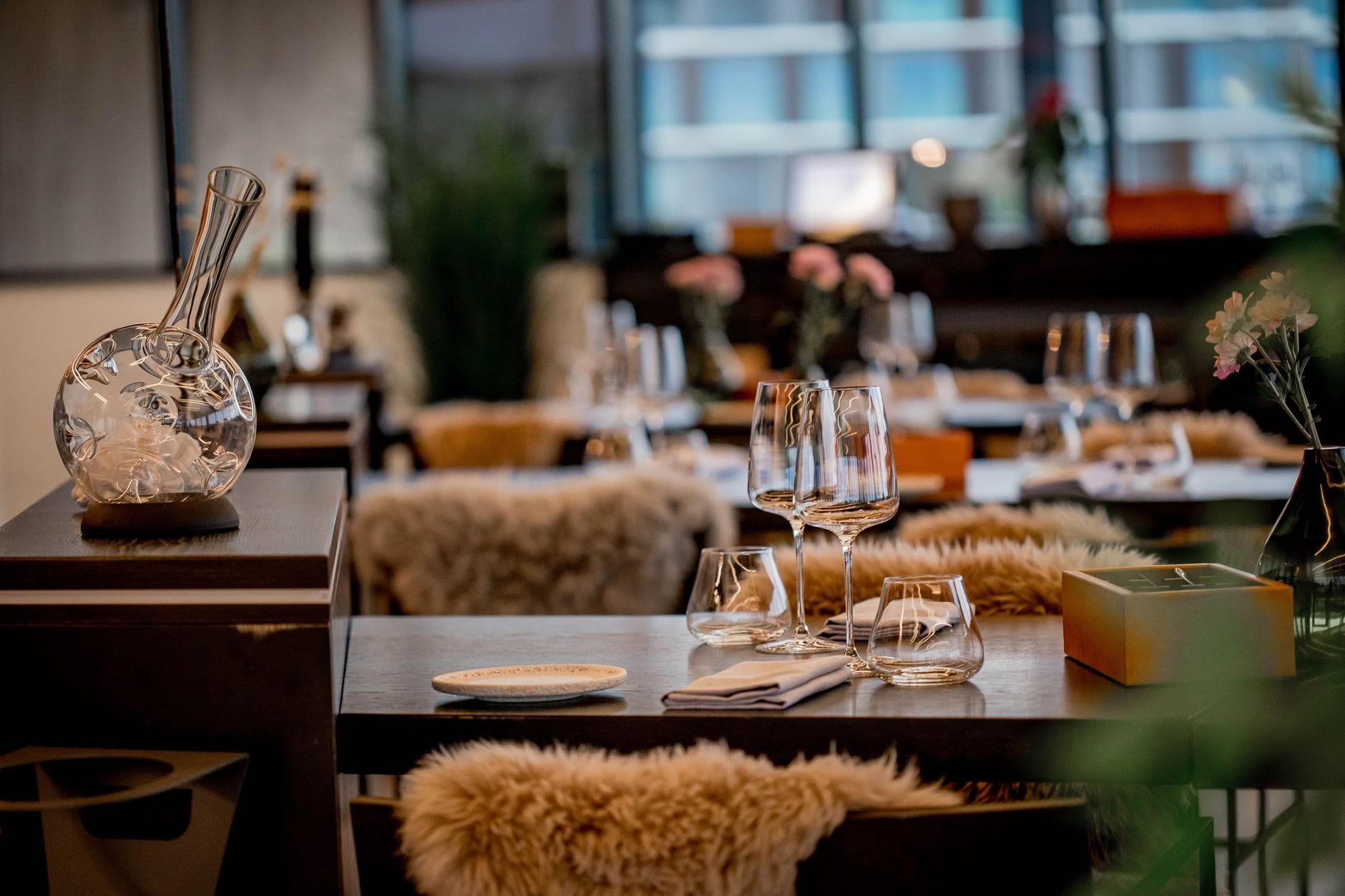
Munich punches hard in the fine-dining rankings. The city has held multiple Michelin stars for decades and the scene has evolved well beyond classic French-influenced cuisine into something more personal and regionally grounded. If you're going to spend money on one extraordinary meal in Germany, Munich is the place to do it.
Tantris in Schwabing is arguably Munich's most storied fine-dining address. Opened in 1971, it earned its first Michelin star quickly and the building's brutalist architecture is itself a statement. Tantris DNA, a more casual spinoff operating from the same venue at lunch, offers a way into the kitchen's philosophy at a lower price point. For something more contemporary, Tohru in der Schreiberei offers a tasting menu blending Japanese technique with Bavarian ingredients — a combination that sounds incongruous but has earned serious acclaim. Alois – Dallmayr Fine Dining, above the famous Dallmayr delicatessen in the Altstadt, serves a refined modern European menu in an exceptional room.
Budget for €180–€320 per person for tasting menus at these top addresses, not including wine pairings which can add another €80–€150. Reservations at the most sought-after spots should be made four to six weeks in advance, sometimes more. Most operate evenings only, with limited or no lunch service.
- Tantris Schwabing institution. Iconic 1970s interior, exceptional modern cuisine. Book well in advance.
- Tohru in der Schreiberei Japanese-Bavarian tasting menu. One of Munich's most distinctive culinary concepts.
- Alois – Dallmayr Fine Dining Above the legendary Dallmayr deli in Altstadt. Modern European, impeccable room.
- JAN South African-influenced cooking from Jan Hartwig, former Atelier chef. Personal and precise.
- THE CLOUD by Käfer Panoramic views from above the Käfer catering group's flagship, with an upscale seasonal menu.
Budget Eating and Market Food
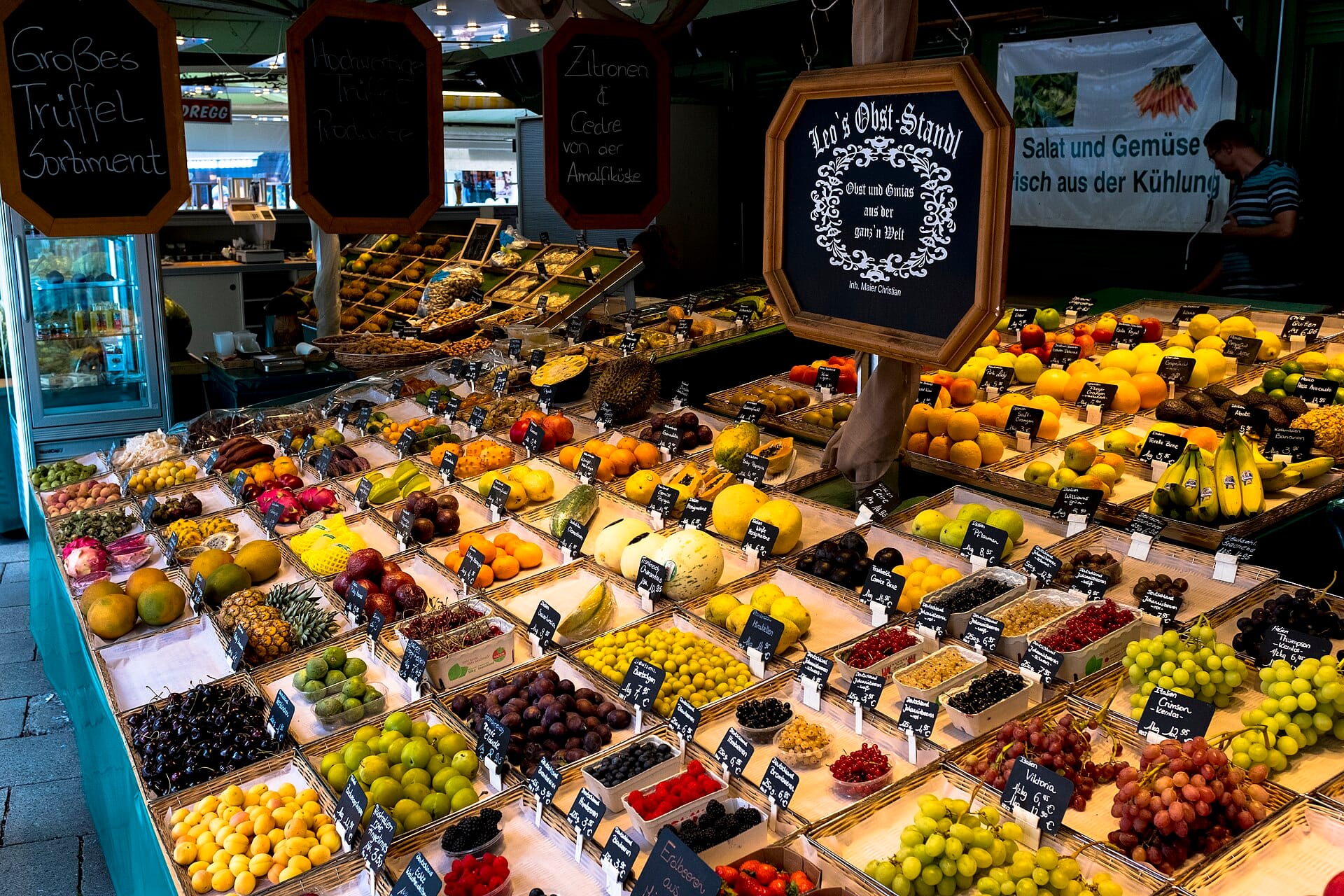
Eating affordably in Munich is entirely possible if you know where to look. The Viktualienmarkt, Munich's permanent open-air market just south of Marienplatz, is the best single destination for good cheap food in the city center. Cheese stalls, sausage vendors, bakers, and fresh produce sellers operate six days a week (closed Sundays). Pick up a Weißwurst with a pretzel for under €5, or graze across a few stalls for a full meal under €10.
Döner kebab has become an everyday staple across Munich, with numerous spots near the university districts and the central station area offering solid options under €7–€9. Asian noodle bars, falafel spots, and Turkish bakeries fill out the under-€10 landscape especially well in Maxvorstadt and Schwabing. For sit-down lunches, look for the Mittagstisch (daily lunch special) that many restaurants post — typically a two-course meal for €10–€14, including places that would cost significantly more at dinner.
✨ Pro tip
The Viktualienmarkt beer garden at the center of the market is one of Munich's most pleasant spots for a midday lager. You bring your own food from market stalls; the beer garden only sells drinks. This is a legitimate local tradition, not a tourist workaround.
Vegetarian, Vegan, and Dietary Considerations
Traditional Bavarian cuisine is overwhelmingly meat-heavy, so visitors with plant-based diets should plan ahead. The good news is that Munich's non-traditional restaurant scene has fully caught up with dietary diversity. Max Pett, a long-running vegan restaurant in the city, serves convincing vegan takes on German classics — think plant-based Schnitzel and dumplings — and is consistently well-reviewed. Note that Max Pett is closed Sundays and Mondays and opens for both lunch and dinner Tuesday through Saturday.
The Glockenbach and Haidhausen neighborhoods have the highest concentration of independent cafes and modern bistros with vegetarian-forward menus. The organic food movement is strong in Munich — partly due to the city's affluence, partly due to proximity to Bavarian farms — and several supermarkets and delis around Schwabing carry excellent prepared foods. For travelers following a Bavarian food itinerary, it's worth noting that a few traditional dishes (Käsespätzle, Obatzda, Dampfnudeln with vanilla sauce) are naturally meat-free.
Practical Tips: Reservations, Hours, and Neighborhoods
Most traditional restaurants and beer halls open around 10:00–11:00 and close between 23:00 and 01:00, though this varies by day. Fine-dining venues typically open evenings only from around 18:30. Sunday closures are more common in Munich than in many other European capitals, so check ahead if planning a Sunday dinner — particularly for independent or non-tourist-oriented spots.
For reservations, most restaurants accept bookings through their own websites. TheFork (formerly LaFourchette) covers a wide range of Munich restaurants for online booking, from bistros to fine dining. For high-end meals, calling directly or emailing in German often gets better results. If you're planning a larger trip and want help structuring your dining around sightseeing, the 3-day Munich itinerary includes practical meal-timing suggestions. Travelers watching their budget should read the Munich on a budget guide for a full breakdown of affordable eating strategies.
- Book fine-dining restaurants 4–6 weeks ahead, especially on weekends.
- Use the Mittagstisch (daily lunch special) at mid-range restaurants for serious savings.
- Eat at the Viktualienmarkt for the best quality-to-price ratio in central Munich.
- Avoid restaurants immediately adjacent to major tourist sites — the Hofbräuhaus excepted — where quality drops and prices rise.
- Schwabing, Haidhausen, and Glockenbach offer better value and more authentic neighborhood dining than central Altstadt.
- Cash is still widely preferred at smaller restaurants and market stalls; carry euros.
- Tap water is safe to drink, but many restaurants prefer to serve bottled water and may charge for Leitungswasser when requested.
If you're exploring Munich beyond the center, the Bogenhausen district has several upscale neighborhood restaurants that don't appear in typical tourist guides. For travelers with more time, pairing a meal with a visit to the Englischer Garten makes for a natural half-day: picnic from the Viktualienmarkt, beer garden in the park at the Chinesischer Turm, dinner in Schwabing afterward.
FAQ
What is the best area in Munich to find restaurants?
Altstadt around Marienplatz has the highest concentration, but Schwabing (for fine dining and international cuisine), Glockenbach (for independent modern spots), and Haidhausen (for neighborhood dining east of the Isar) often offer better value and fewer tourists. For traditional beer halls, the Altstadt-Lehel and Ludwigsvorstadt areas are best.
How much does a meal in Munich cost on average?
Budget meals (market stalls, döner, bakeries) run €5–€10. Mid-range restaurant mains average €12–€20, with a two-course dinner including drinks typically landing around €30–€45 per person. Fine-dining tasting menus at top addresses cost €180–€320 per person before wine pairings.
Do I need to book restaurants in Munich in advance?
For fine dining, yes — book 4–6 weeks ahead. For popular beer halls like the Hofbräuhaus or Augustiner Klosterwirt, reservations are recommended for evenings and weekends, especially during Oktoberfest (late September to early October) and the Christmas market season in December. Casual spots and market stalls don't require bookings.
Is Bavarian food vegetarian or vegan-friendly?
Traditional Bavarian cuisine is meat-heavy, but Munich has a well-developed vegetarian and vegan restaurant scene. Max Pett is the standout for vegan German classics. Several naturally meat-free Bavarian dishes exist (Käsespätzle, Obatzda, Dampfnudeln), and modern bistros throughout Glockenbach, Haidhausen, and Schwabing offer plant-based menus.
Is Hofbräuhaus worth going to for a meal?
It's worth experiencing once for the atmosphere — the historic hall, the Maß steins, the music. But go in with realistic expectations: it's heavily tourist-oriented, prices are mid-range rather than cheap, and the food, while decent, is not the best Bavarian cooking in Munich. If you want better Bavarian food with less tourist noise, Augustiner Klosterwirt or Paulaner am Nockherberg are stronger choices.
Tickets & tours
Live prices and dates from our booking partner. If you book, we may earn a commission at no extra cost to you.
Planning a trip? Discover personalized activities with the Nomado app.