Glockenbachviertel
Glockenbachviertel is Munich's most self-consciously lively inner-city quarter, a compact grid of 19th-century apartment blocks south of the Altstadt where independent boutiques, packed café terraces, and some of the city's best bars coexist with genuine residential life. Once a working-class district named after a long-vanished stream, it has evolved into the heart of Munich's LGBTQ+ community and a barometer for where the city's creative energy is pointed.
Located in Munich
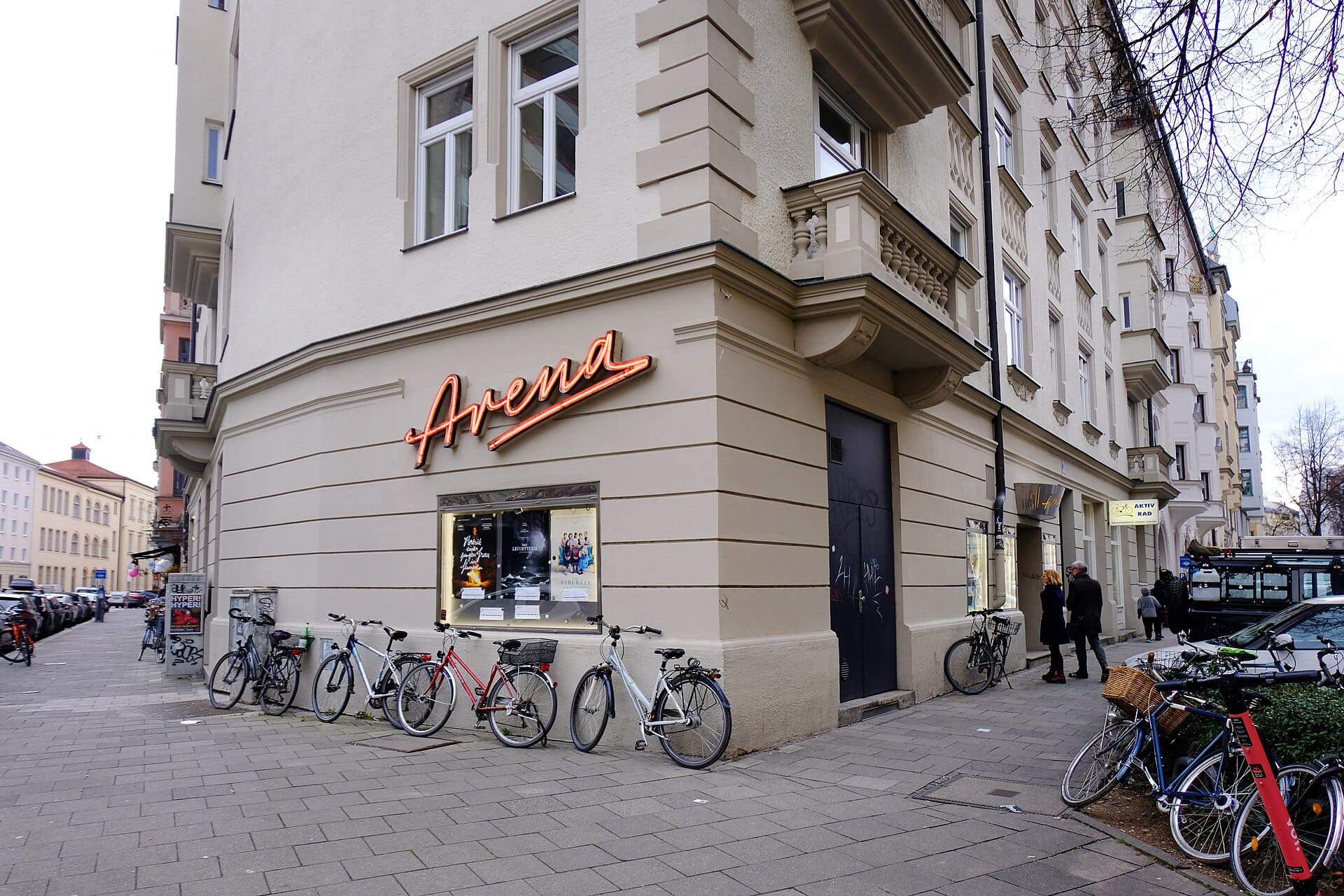
Overview
Glockenbachviertel occupies a few square kilometers between Sendlinger Tor and the Isar, yet it contains more character per block than most Munich districts manage across an entire postcode. This is where old Bavarian apartment facades look down onto wine bars, drag nights, and Sunday morning flea markets, and where the gap between locals and visitors is smaller than almost anywhere else in the city.
Orientation
Glockenbachviertel sits within Munich's borough 2, Ludwigsvorstadt-Isarvorstadt, directly south of the Altstadt. Its commonly accepted boundaries run from Fraunhoferstraße in the north, east to the Isar riverbanks, south along Thalkirchnerstraße, and west to the Alter Südfriedhof (Old South Cemetery), which marks the western edge in many descriptions. The neighborhood takes its name from the Glockenbach stream, which once ran through the area and was later built over.
One source of confusion for first-time visitors is the relationship between Glockenbachviertel and the neighboring Gärtnerplatz district, which lies immediately to the east. The two quarters share a similar atmosphere and are often grouped together in tourist literature, but they have distinct identities. Gärtnerplatz centers on a circular garden square anchored by the Staatstheater am Gärtnerplatz, while Glockenbachviertel is more residential and, at street level, more likely to surprise you with a corner bar or a small design shop where you expected nothing.
Geographically, the quarter sits between two major Munich reference points: the Marienplatz is roughly a 15-minute walk north through Sendlinger Tor, and the Isar River forms the eastern boundary, giving the neighborhood a natural green edge that most inner-city Munich districts lack. The wide, grassy riverbanks are accessible within minutes on foot from most of the quarter.
Character & Atmosphere
Mornings in Glockenbachviertel are deceptively quiet. The wide-silled 19th-century Gründerzeit facades catch the early light, and the street-level noise is mostly the scrape of café chairs being set out and the hiss of espresso machines. Hans-Sachs-Straße, the quarter's most photogenic street, has a particular quality at this hour: the boutiques are still shuttered, but the florist has her buckets out and the smell of fresh bread drifts from the bakery two doors down.
By midday the energy shifts. The café terraces on Hans-Sachs-Straße and around the side streets near Müllerstraße fill with a mix of people that tells you something true about this neighborhood: students with laptops, older residents reading newspapers, younger professionals who clearly live here rather than having made a special trip. This is not a neighborhood that exists purely for visitors, and that resistance to full touristification is part of what makes it worth spending time in.
After dark the quarter changes register entirely. The bars along Müllerstraße and on the smaller cross streets come to life from around 9pm, and by midnight the LGBTQ+ venues that have defined the district since the 1960s are in full swing. The atmosphere is noticeably more relaxed and mixed than in purpose-built nightlife districts elsewhere in Munich. Straight, gay, young, and older crowds share the same streets without much territorial friction, which is a rarer quality in a European city nightlife scene than it should be.
Historically this was a working-class and artisans' quarter, and traces of that earlier identity persist in the building stock, the small-scale plot sizes, and the occasional workshop still operating behind a residential ground floor. The gentrification is real and has accelerated since the 2010s, but the neighborhood has not yet lost the texture that comes from a genuine mix of residents and uses.
ℹ️ Good to know
Glockenbachviertel has been a recognized center of Munich's LGBTQ+ community since the 1960s. The area around Müllerstraße and Hans-Sachs-Straße contains the highest concentration of LGBTQ+ bars, cafés, and community spaces in Bavaria. The neighborhood is broadly welcoming to all visitors, but this context is worth knowing when choosing where to stay or go out.
What to See & Do
The Alter Südfriedhof, the Old South Cemetery on the western edge of the quarter, is the neighborhood's most underrated space. Established in the 16th century and used as Munich's main burial ground until the 19th century, it contains the graves of a remarkable number of figures from Bavarian history, including artists, scientists, and architects whose names are on the streets and institutions across the city. On a weekday afternoon it functions as a park as much as a cemetery: locals cut through it, sit on the benches, and let dogs off their leads in the outer areas. The old trees and lichen-covered tombstones make it one of the more atmospheric corners of inner Munich.
Hans-Sachs-Straße rewards a slow walk at any time of day. The independent shops here have more range than a single street usually manages: design and homeware, secondhand clothing with real curation, specialist food shops, and small galleries that feel like projects rather than commercial operations. The street connects the northern end of the quarter near Sendlinger Tor with the residential interior and is effectively the neighborhood's main axis.
The Isar riverbanks at the eastern edge of the quarter are worth building into a walk. The gravel banks and the grass embankments above them are where Munich residents come to swim in summer, read, or simply sit by the water. The Eisbach Wave in the English Garden is just upriver, and the park itself begins a short distance to the north. For a longer outing, the Isar path connects south to the zoo and north through Haidhausen on the opposite bank.
- Alter Südfriedhof: historic cemetery with notable graves, functioning as a green public space
- Hans-Sachs-Straße: the quarter's main street for independent shopping and café culture
- Isar riverbanks: walking, cycling, and summer swimming within minutes of the neighborhood
- Gärtnerplatz: the circular square and gardens on the eastern boundary, with the Staatstheater
- Müllerstraße corridor: the social spine of the LGBTQ+ scene and general nightlife
💡 Local tip
The Alter Südfriedhof is open to the public and free to enter. It is rarely crowded and offers a quieter alternative to the Englischer Garten when you want green space closer to the city center. Check opening times before visiting as they vary by season.
Eating & Drinking
The food and drink scene in Glockenbachviertel is built around independent operators rather than chains, and the price range reflects that independence: you can spend very little at a bakery or Turkish snack place on Müllerstraße, or considerably more at one of the wine bars or Italian restaurants that have opened in the past decade as the demographic has shifted upward. The overall quality-to-price ratio is better than in the Altstadt, where tourist proximity drives up costs without improving the product.
Café culture is serious here in a way that goes beyond the coffee itself. The terraces on Hans-Sachs-Straße and the side streets around Fraunhoferstraße are treated as extensions of living rooms by the people who use them regularly. Breakfast or brunch on a weekend morning can mean waiting for a table, especially at the more popular spots. The ritual of a long late breakfast followed by a walk through the neighborhood and a stop at one of the small food shops is a Glockenbachviertel rhythm that visitors can slot into without much effort.
Bars in the quarter range from small wine bars with serious lists and knowledgeable staff, to easy neighborhood spots where the beer is cold and the music is loud enough to require leaning in. The LGBTQ+-specific bars on and around Müllerstraße tend to be welcoming to all comers rather than exclusionary, and several have been operating for decades. The newer cocktail bars that have opened in the last five years are a sign of the neighborhood moving slightly upmarket, but the older venues have not been displaced.
For a broader survey of where to eat across Munich, the where to eat in Munich guide covers the full range of the city's food scene. For specifically Bavarian food, the Bavarian food guide is a useful companion before arriving.
⚠️ What to skip
Weekend brunch is genuinely competitive in Glockenbachviertel. Popular cafés on Hans-Sachs-Straße and around Fraunhoferstraße fill up by 10am on Saturdays and Sundays. Arriving early or being willing to wait is the practical approach; reservations are not always available at the smaller spots.
Getting There & Around
The most useful U-Bahn station for Glockenbachviertel is Sendlinger Tor, served by the U1, U2, U3, U6, and U7 lines, which makes it one of the better-connected points in the entire Munich metro network. From Sendlinger Tor, you are at the northern edge of the quarter within two minutes on foot. The station also connects directly to Marienplatz (one stop on U3/U6) and to Hauptbahnhof (U1/U2, two stops), so getting into the neighborhood from almost any other part of Munich is straightforward.
Fraunhoferstraße U-Bahn station on the U1 and U2 lines sits at the northeastern edge of the quarter, on the boundary with the Gärtnerplatz area. This is a useful entry point if you are coming from the east side of the city or want to start a walk from the Isar end of the neighborhood and work back west.
Tram and bus services run along the main bordering streets, including Müllerstraße, providing additional access points. The neighborhood itself is compact enough that once you are inside it, everything is on foot. A full circuit from the Alter Südfriedhof to the Isar riverbank takes under 20 minutes at a walking pace. For planning transit connections across the wider city, the Munich transit guide covers the MVV network, day tickets, and the differences between S-Bahn and U-Bahn coverage in detail.
Cycling is a practical way to move through and around Glockenbachviertel. Munich's flat topography and dedicated cycling infrastructure make it easy to reach the neighborhood from Maxvorstadt, Haidhausen, or Schwabing by bike, and the Isar path on the eastern edge is a particularly pleasant cycling route connecting the quarter to the English Garden to the north and the zoo to the south.
Where to Stay
Glockenbachviertel is not a neighborhood dominated by hotels. Accommodation options are relatively limited compared to the Altstadt or the area around Hauptbahnhof, and most of what exists is smaller: boutique hotels, serviced apartments, and guesthouses rather than large business hotels. This is actually a point in its favor for certain types of traveler. Staying here puts you in a working neighborhood rather than a tourist zone, and the morning-to-night rhythm of the quarter is a better representation of Munich life than you get from a hotel on the main pedestrian spine.
The best-positioned accommodations are those within walking distance of Hans-Sachs-Straße and the Sendlinger Tor U-Bahn: close enough to the center to reach Marienplatz quickly on foot or by metro, but far enough out to feel like you are staying in the real city. The neighborhood is generally well-suited to visitors who prioritize nightlife, café culture, and independent exploration over proximity to specific tourist landmarks.
If you are still deciding between neighborhoods, the where to stay in Munich guide compares Glockenbachviertel with other central options including Altstadt and Maxvorstadt to help match the neighborhood to your travel style.
ℹ️ Good to know
Noise is a real consideration if you are a light sleeper. Streets near Müllerstraße and the bar-heavy blocks around Fraunhoferstraße can be loud on Thursday, Friday, and Saturday nights until 2am or later. Rooms facing interior courtyards, common in the Gründerzeit apartment buildings converted to accommodation, are noticeably quieter.
Practical Notes
Glockenbachviertel is considered safe by central Munich standards, with no specific security advisories from official or tourism sources. Munich as a whole has a reputation for personal safety, and the quarter's density of residents and active street life at most hours means it rarely feels deserted. For general context on safety across the city, the Munich safety guide covers the key points without overstating either the risks or the reassurances.
The neighborhood has obvious appeal during Munich's summer months, when the Isar riverbanks become an extension of local social life and the café terraces are in constant use. But it also works well in other seasons: the indoor-outdoor balance of the bar and café scene means rain or cold does not shut things down the way it would in a neighborhood reliant on large open squares. Visitors planning around specific Munich events, including Oktoberfest, should note that Theresienwiese, where the festival takes place, is within a 15-minute walk west of the quarter.
For visitors with a broader city agenda, the Munich nightlife guide maps out how Glockenbachviertel fits into the wider after-dark picture, and the Munich cycling guide is useful if you want to use the neighborhood as a base for reaching the Isar path or exploring the city on two wheels.
TL;DR
- Glockenbachviertel is Munich's most credible inner-city neighborhood for visitors who want café culture, independent shops, and nightlife without being inside the tourist core.
- It is the established center of Munich's LGBTQ+ scene, with a concentration of welcoming bars and community spaces around Müllerstraße and Hans-Sachs-Straße.
- Transit access is excellent: Sendlinger Tor U-Bahn (U1, U2, U3, U6) puts the neighborhood one stop from Marienplatz and two from Hauptbahnhof.
- Not ideal for travelers whose priority is proximity to the major museums (Maxvorstadt), the English Garden (Schwabing), or the main tourist landmarks (Altstadt), though all are reachable within 20-30 minutes.
- Best suited to independent travelers, repeat Munich visitors who already know the Altstadt, and anyone whose interest in the city extends to where people actually live and spend their evenings.
Related Travel Guides
- 3 Days in Munich: The Perfect Itinerary (2026 Guide)
Three days is enough time to cover Munich's historic core, its great palace estates, world-class museums, and one excellent day trip. This itinerary structures each day for maximum efficiency, with practical advice on what to skip, what to prioritize, and how to get around without wasting time.
- What to Eat in Munich: A Complete Guide to Bavarian Food
Bavarian cuisine is one of the most distinctive regional food cultures in Europe, and Munich is its undisputed home. This guide covers the essential dishes, realistic prices, where to find authentic food, seasonal tips, and practical advice on avoiding tourist traps.
- Best Museums in Munich: 18 Essential Picks Across Art, Science, History & More
Munich has more than 80 museums, ranging from one of the world's largest science institutions to intimate Art Nouveau villas. This guide covers the 18 best, organized by theme, with practical advice on tickets, free entry days, and how long to spend at each.
- Best Time to Visit Munich: A Complete Season-by-Season Guide
Munich rewards visitors in every season, but the right time depends entirely on what you want from the trip. This guide breaks down weather, crowd patterns, hotel prices, and major events month by month so you can make an informed decision before you book.
- Best Day Trips from Munich: The Definitive 2026 Guide
Munich sits at the center of one of Europe's most rewarding regions for day trips. Within two hours of the city you can reach fairy-tale castles, a sobering memorial site, a foreign capital, and medieval old towns. This guide covers the best options, how to get there cheaply, what to expect, and when to go.
- Free Things to Do in Munich: 20 Ways to Explore the City for Less
Munich has a reputation for being expensive, but the city rewards those who know where to look. From vast royal parks and free Baroque churches to BMW showrooms and €1 museum Sundays, there is more to experience here without paying full price than most visitors realize.
- Getting Around Munich: The Complete Transport Guide
Munich has one of Europe's most comprehensive public transport networks, covering the entire city and its suburbs through a single ticketing system. This guide breaks down every option, from the S-Bahn airport connection to cycling the Isar, so you can move around Munich with confidence.
- Is Munich Safe? Everything Travelers Need to Know
Munich consistently ranks as Germany's safest large city, with violent crime against tourists being genuinely rare. But that does not mean you can be complacent. This guide breaks down the real risks, the neighborhoods to know, seasonal crime patterns, and practical safety tips that will help you travel smarter.
- Munich 1972 Olympics: History, Legacy & What to See Today
The 1972 Munich Olympics were supposed to redefine Germany's image on the world stage. They did, but not in the way anyone intended. This guide covers the full story: the groundbreaking design, the athletic records, the tragedy of September 5th, and how Olympiapark stands today as both a leisure destination and a site of memory.
- Munich Airport Guide: Terminals, Transfers & Getting to the City
Munich Airport (MUC) is one of Europe's busy hubs, serving over 1,100 daily flights across two main terminals. This guide covers everything from reading the terminal map and making connections to catching the S-Bahn into Munich city center in under 40 minutes.
- Munich's Nazi History: Key Sites & How to Visit Them Responsibly
Munich was the birthplace of the Nazi movement and home to some of the most significant sites of 20th-century German history. This guide covers the essential locations, how to reach them, what to expect, and how to approach them with the seriousness they deserve.
- Munich Christmas Markets: Your Complete Guide to the Best Weihnachtsmärkte
Munich hosts some of Germany's most celebrated Christmas markets, from the iconic Münchner Christkindlmarkt on Marienplatz to a dozen smaller themed Weihnachtsmärkte spread across the city. This guide covers every major market, what to eat and drink, how to avoid the worst crowds, and what first-timers consistently get wrong.
- Munich City Pass: Is It Worth It? An Honest Breakdown
The Munich City Pass bundles free entry to 40+ attractions with optional public transport into one prepaid card. But at up to €113 per person for five days, it only pays off under specific conditions. This guide breaks down exactly who benefits, how to calculate your savings, and when you're better off paying as you go.
- Cycling in Munich: Best Bike Routes, Rental Tips & Rules
Munich has roughly 1,200 km of bike paths, flat terrain through the city center, and landmark-packed corridors along the Isar and English Garden. This guide covers the best cycling routes, where to rent a bike, what the rules actually say, and when to go.
- Visiting Dachau from Munich: What to Know Before You Go
The Dachau Concentration Camp Memorial Site is one of the most important historical sites in Germany, located just over 20 km northwest of Munich. This guide covers exactly how to get there, what you will find on site, how long to allow, and how to prepare for a visit that demands both practical planning and emotional readiness.
- Munich Hidden Gems: Off the Beaten Path in Bavaria's Capital
Munich rewards those who look beyond Marienplatz. From a Rococo theatre tucked inside a royal palace to a Baroque beer garden in a former deer park, these lesser-known spots reveal a richer, quieter side of Bavaria's capital.
- Munich in Summer: What to Do in June, July & August
Summer transforms Munich into one of Europe's most enjoyable cities. From riverside parks and open-air festivals to world-class opera and Alpine day trips, this guide covers everything you need to make the most of June, July, and August in Bavaria's capital.
- Luxury Munich: The Definitive Guide to High-End Hotels, Restaurants & Experiences
Munich (München) competes confidently with Europe's established luxury destinations. From storied 5-star hotels steps from Marienplatz to Michelin-starred kitchens and world-class cultural institutions, this guide covers everything you need to plan a genuinely high-end stay, including when to book, what to skip, and how much to budget.
- Munich Nightlife: Best Bars, Clubs & Evening Entertainment
Munich (München) offers far more after dark than beer halls and Oktoberfest. From techno clubs in Werksviertel-Mitte to jazz in Glockenbachviertel and cocktail bars in Schwabing, this guide covers every facet of the city's nightlife scene, with practical advice on prices, transport, and where to go depending on your taste.
- Munich Oktoberfest: The Complete Visitor Guide
Munich Oktoberfest is the world's largest folk festival, drawing nearly 7 million visitors to the Theresienwiese each year. This guide covers dates, beer tent strategy, costs, transport, dress codes, and the practical details that separate a great Wiesn from a chaotic one.
- Munich on a Budget: How to Visit Without Breaking the Bank
Munich (München) has a reputation as one of Germany's priciest cities, but a well-planned trip can cost far less than you'd expect. This guide breaks down realistic daily budgets, the best free and low-cost attractions, transport savings, and the key timing decisions that will make or break your spending.
- Shopping in Munich: Best Areas, Markets & What to Buy
Munich (München) offers one of Germany's most diverse retail landscapes, from a 2-kilometer pedestrian shopping mile to Europe-class luxury streets, historic food markets, and independent neighborhood boutiques. This guide breaks down every district, market, and Bavarian buy worth your time and money.
- Munich to Frankfurt: Train, Flight, Bus & Road Trip — Which Is Best?
The Munich to Frankfurt corridor is one of Germany's most traveled routes, and you have four real options: train, flight, bus, or car. This guide breaks down journey times, realistic costs, seasonal factors, and which mode of transport actually makes sense for your trip.
- Munich to Neuschwanstein Castle: How to Get There & Visit
Neuschwanstein Castle is one of Bavaria's most iconic sights, and Munich is the natural base for visiting it. This guide covers every transport option, ticket logistics, seasonal considerations, and practical tips for making the most of your day trip from Munich to Neuschwanstein.
- Munich to Prague by Train: How to Get There
The Munich to Prague train is one of central Europe's great cross-border journeys, connecting Bavaria's capital with Bohemia's in around 5.5 hours. This guide covers journey times, fares, booking strategy, route options, and practical tips for making the trip as smooth as possible.
- Munich to Salzburg: The Complete Day Trip Guide by Train & Car
Salzburg sits just 150 km from Munich and is one of the most rewarding day trips in Central Europe. This guide covers every practical detail: which train to take, how to save money with the Bayern Ticket, whether driving makes sense, and how to spend your time in Mozart's birthplace.
- Munich to Vienna by Train: The Complete Guide to Tickets, Times & Tips
The Munich to Vienna train route is one of Central Europe's great rail journeys, covering around 355 km in roughly 4 to 4.5 hours. This guide covers every operator, ticket strategy, and practical detail you need to get from München Hauptbahnhof to Wien Hauptbahnhof without overpaying or getting caught out.
- Best Views in Munich: Top Viewpoints & Rooftop Spots
Munich sits about 50 km north of the Alps, and on a clear day, the payoff from its towers and hilltops is extraordinary. This guide covers every worthwhile viewpoint in the city, from free park hills to paid observation decks, with clear-eyed guidance on what's worth the climb and what to skip.
- Munich with Kids: The Complete Family Activity Guide
Munich is one of Europe's most underrated family destinations. From the hands-on Deutsches Museum to the sprawling Englischer Garten, the city offers a remarkable range of activities for children of all ages, many of them free or heavily discounted. This guide covers the best family attractions, money-saving strategies, seasonal planning, and logistics to make your trip run smoothly.
- Romantic Munich: The Best Things to Do for Couples
Munich rewards couples with an unexpectedly rich mix of romantic experiences: palace parks, candlelit beer halls, canal walks, and winter butterfly gardens. This guide covers the best things to do in Munich for couples across every season and budget, from free afternoon strolls to genuinely memorable evenings.
- Things to Do in Munich: The Definitive Guide
Munich (München) packs royal palaces, world-class museums, beer halls, sprawling parks, and one of Europe's great food markets into a compact, walkable city. This guide breaks down the best things to do in Munich by category, with real prices, seasonal advice, and practical guidance on what is worth your time.
- Where to Eat in Munich: Beer Halls, Bavarian Classics, and Fine Dining
Munich's dining scene runs deeper than Weißwurst and pretzels. This guide covers the best restaurants in Munich across every budget and neighborhood, from century-old beer halls to modern fine dining, with practical tips on reservations, prices, and where locals actually eat.
- Where to Stay in Munich: The Complete Neighborhood Guide
Choosing where to stay in Munich shapes your entire trip. This guide breaks down every major neighborhood by price, atmosphere, and proximity to key attractions, so you can book with confidence whether you're here for Oktoberfest, a city break, or a business trip.