Romantic Munich: The Best Things to Do for Couples
Munich rewards couples with an unexpectedly rich mix of romantic experiences: palace parks, candlelit beer halls, canal walks, and winter butterfly gardens. This guide covers the best things to do in Munich for couples across every season and budget, from free afternoon strolls to genuinely memorable evenings.
Tickets & tours
Live prices and dates from our booking partner. If you book, we may earn a commission at no extra cost to you.
TL;DR
- Munich's most romantic experiences are largely free: the Englischer Garten, Nymphenburg Park, and the Isar riverbanks cost nothing and reward a slow afternoon.
- Nymphenburg Palace's aquatic plant house runs a free-flying butterfly exhibition from December to March, making it a strong winter date option — see Nymphenburg Palace for full details.
- The city works year-round for couples: long summer evenings suit beer gardens and park picnics, while December brings Christmas markets and Glühwein warmth.
- Tram 19 is an underrated do-it-yourself sightseeing route past some of Munich's grandest architecture, including the National Theater and Maximilianstraße — it is a regular MVV line, so you ride it on a standard MVV ticket rather than for free.
- For timing, crowds, and seasonal planning, check the best time to visit Munich guide before booking.
Parks, Palaces, and Gardens: The Romantic Backbone of Munich
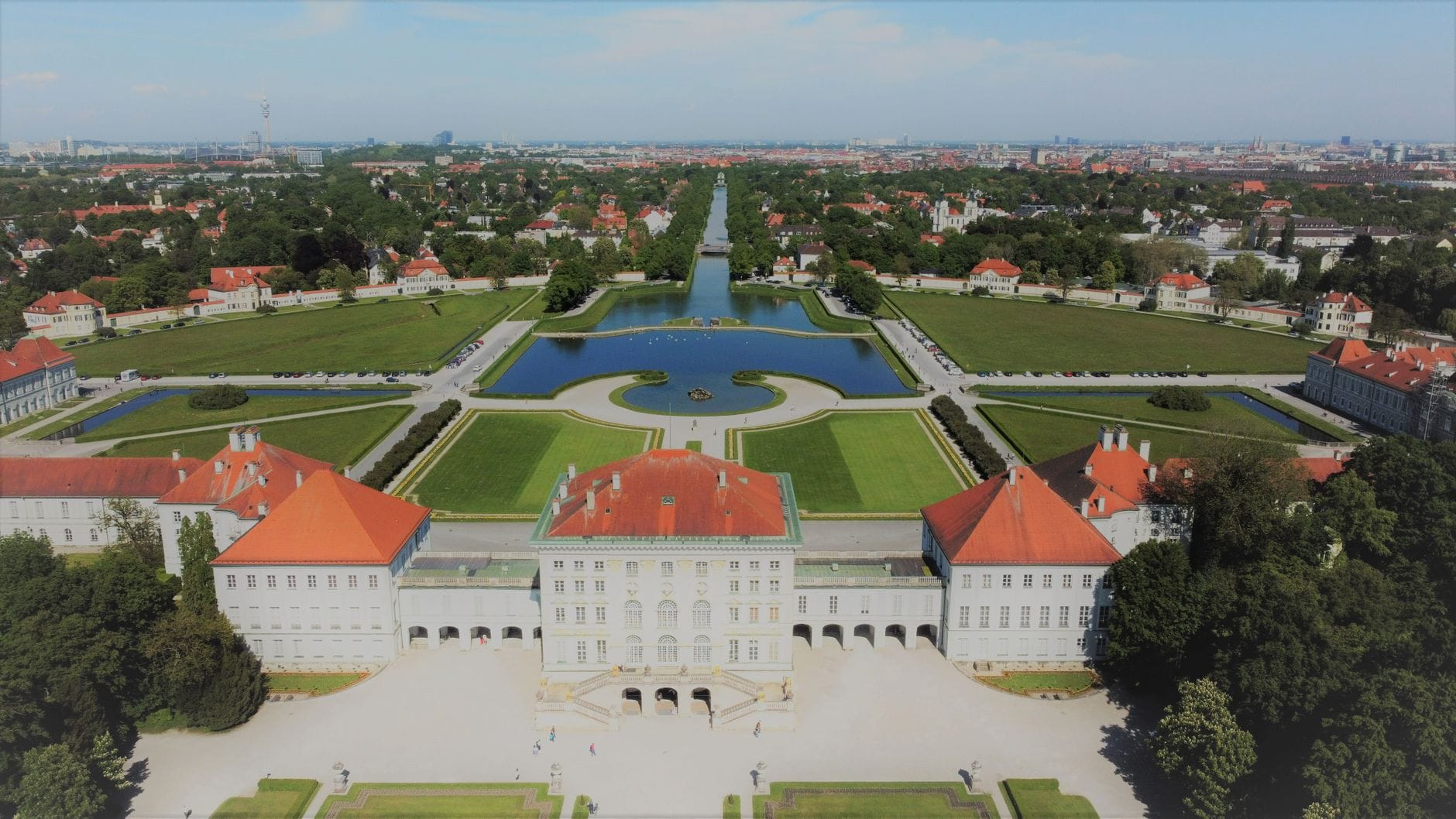
No guide to romantic things to do in Munich starts anywhere other than Nymphenburg Palace and its surrounding park. The formal baroque gardens stretch west of the city in the Neuhausen-Nymphenburg district, covering around 180 hectares of canals, woodland paths, and manicured lawns. Couples can walk the main canal axis, rent a rowing boat in summer, or simply find a quiet bench near one of the park's smaller pavilions — the Amalienburg hunting lodge and the Pagodenburg tea house are both worth a slow detour.
The palace interior itself is optional. The park is free and open year-round, with main gate hours varying by season (typically from 6 am until between 6 pm and 9:30 pm), and for many couples it is the setting rather than the building that matters. In winter, from December through early March, the Botanischer Garten’s aquatic plant house adjacent to the palace grounds hosts freely flying exotic butterflies as part of a special exhibition that requires a timed ticket and paid admission — a genuinely unusual and warm date in the middle of a grey Bavarian winter.
The Englischer Garten is Munich's other essential outdoor space for couples. At roughly 375 hectares, it is larger than New York's Central Park, and its scale means you can find genuine solitude even on a busy Saturday. The Monopteros, a small Greek-style rotunda on a hill in the southern section, is one of the city's most photographed sunset spots. Get there 30 minutes before golden hour in summer, find a patch of grass on the hill, and you will understand why locals treat it as their default date location.
💡 Local tip
The Rosengarten rose garden near the Westpark is at its best from late May through July, when thousands of roses are in full bloom. If you are visiting in summer, this is worth adding to a half-day in the southwestern part of the city — it is free, relatively uncrowded, and far more fragrant than anything you will find in the tourist centre.
Walking Routes Worth Your Time
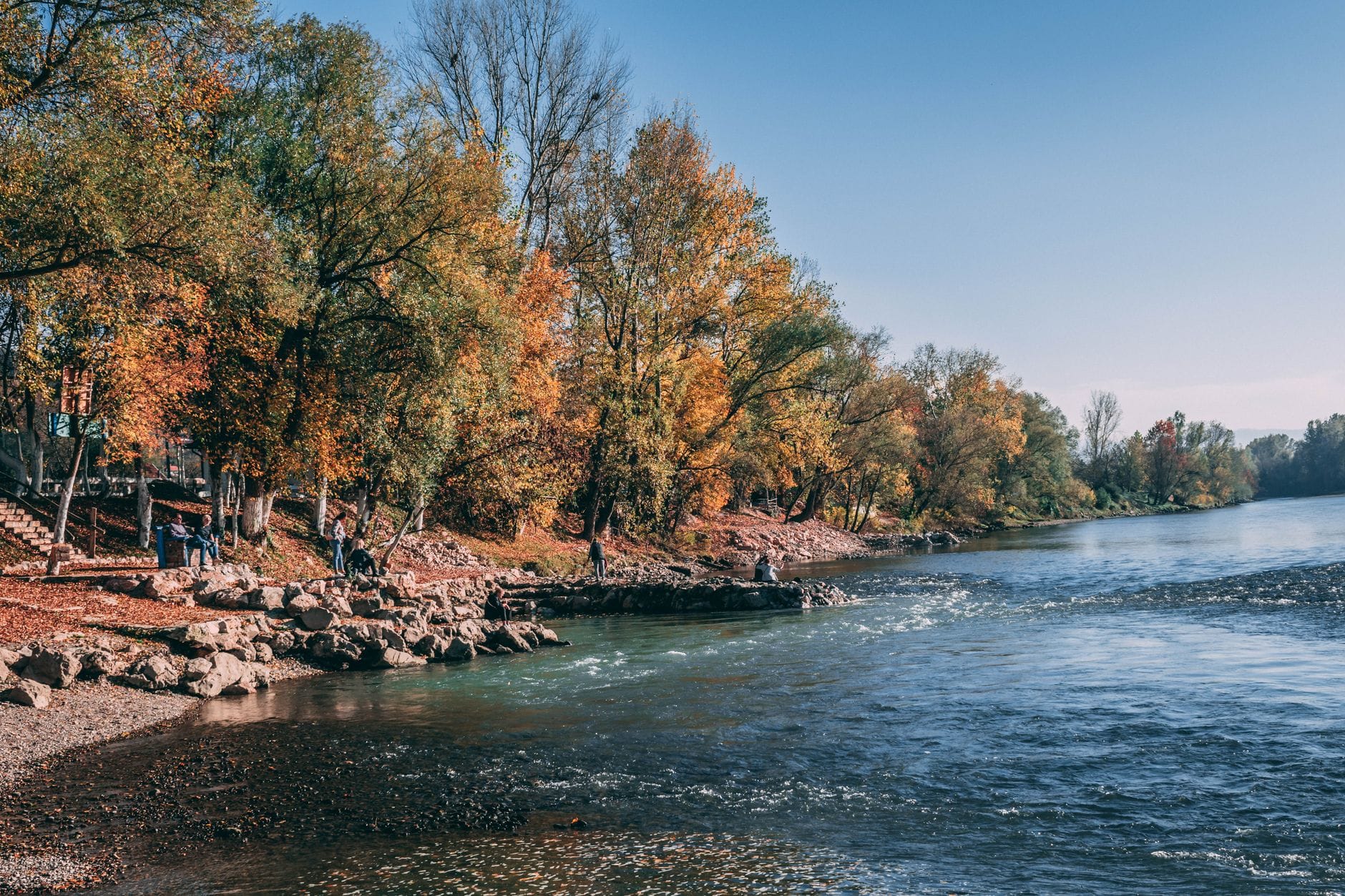
The Isar River corridor is Munich's least-hyped romantic asset. The riverbanks between Deutsches Museum and the Flaucher beer garden in the south run through a surprisingly wild stretch of urban nature — gravel banks, fast-moving green water, and poplar trees that turn gold in October. A walk here on a weekday afternoon feels nothing like the tourist Munich of Marienplatz and Hofbräuhaus.
For something with a more deliberate romantic payoff, continue south along the Isar to the Großhesseloher Brücke, a 19th-century railway bridge where visitors have attached love locks to the railings — Munich's quieter answer to Paris's Pont des Arts. The bridge is in the Thalkirchen district, a 20-minute bike ride or U3 train ride from the city centre, and the walk along the riverbank to reach it is the point as much as the destination itself.
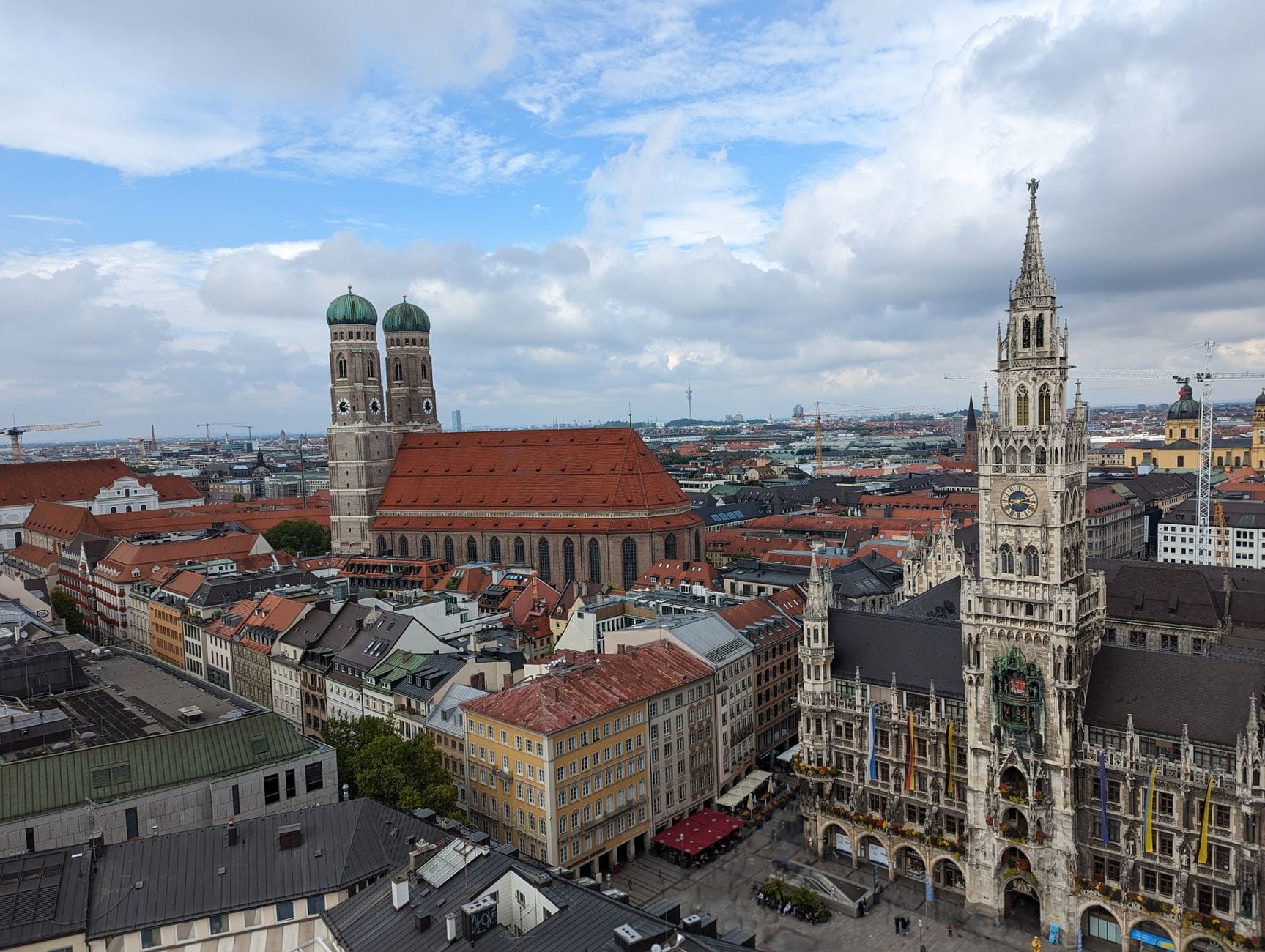
For an architectural perspective on the city without paying for a tour bus, take Tram 19 from Karlsplatz (Stachus) eastward. The route passes the Palace of Justice, the Bayerischer Hof hotel, the National Theater on Odeonsplatz, then runs the full length of Maximilianstraße — one of Europe's grandest 19th-century boulevards — ending near the Maximilianeum, the Bavarian state parliament building overlooking the Isar. It is a 20-minute ride that costs a standard MVV ticket on a regular tram line and delivers more architectural drama per euro than most paid tours.
Romantic Munich After Dark: Bars, Restaurants, and Evenings Out
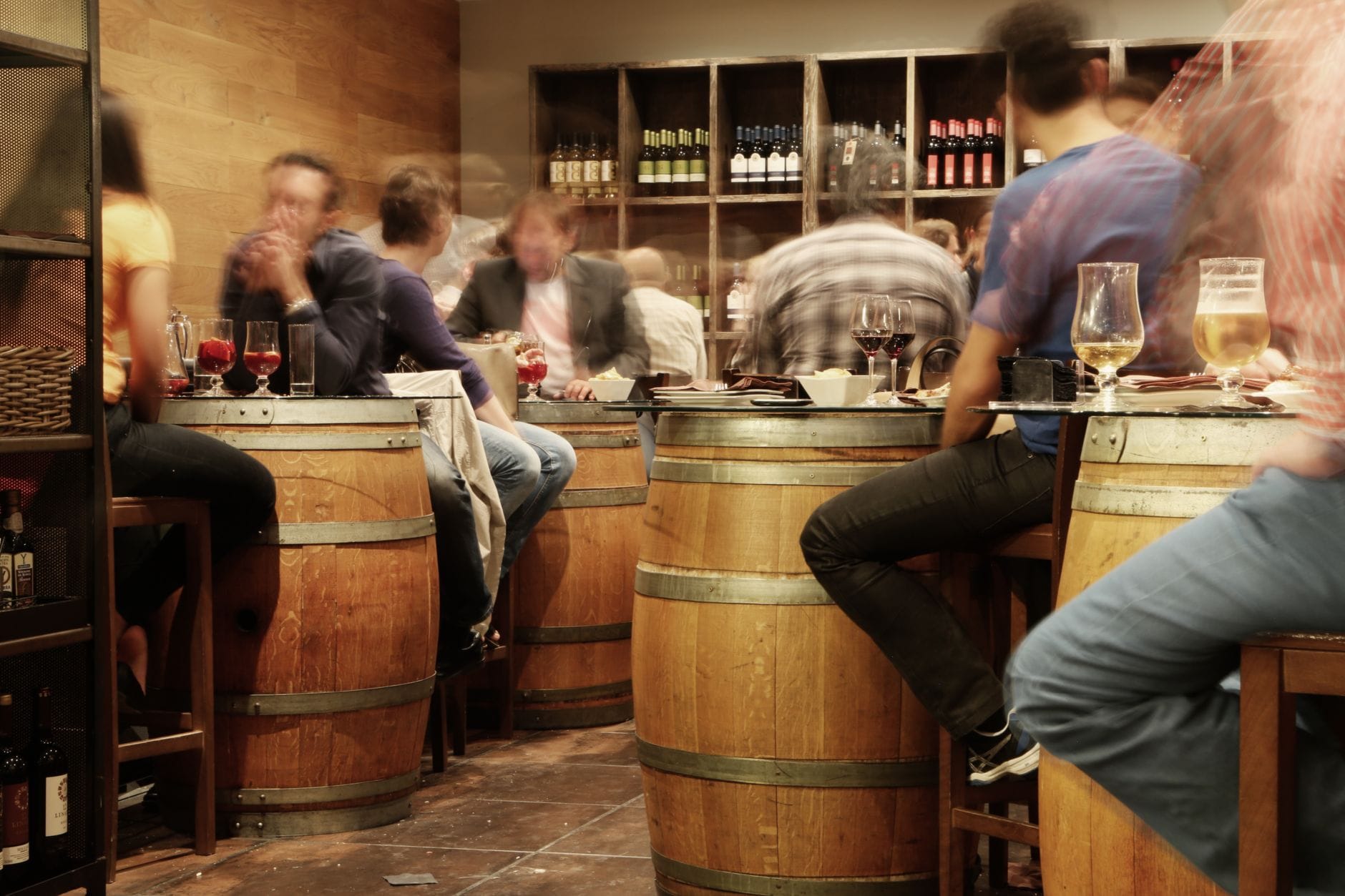
Munich's Glockenbachviertel district, south of the Altstadt, is where the city loosens its collar. The streets around Hans-Sachs-Straße and Müllerstraße are dense with wine bars, cocktail bars, and small restaurants that feel personal rather than tourist-facing. An evening here — starting with an Aperol spritz at a pavement table, moving to dinner at one of the neighbourhood trattorias or Thai kitchens, and ending at a low-lit bar — is a reliable Munich date night that most visitors never find.
The Hofgarten, a formal Renaissance garden directly adjacent to the Munich Residenz, deserves mention for evening walks. Its arcaded loggias and central round pavilion are lit at night, and the garden sits between the Residenz and the Odeonsplatz, making it a natural stop on any evening route through the centre. In summer, concerts and folk dancing sometimes happen here — check Munich Tourism's event listings for current programming.
⚠️ What to skip
The Hofbräuhaus is genuinely famous, but it is not a romantic dinner venue. The benches seat 10 people per table, the noise level on a Friday evening is significant, and you will be sharing your space with several hundred tourists. Save it for a quick beer at lunch; find a smaller Wirtschaft in Haidhausen or Schwabing for an actual date night.
- Haidhausen The 'French quarter' east of the Isar has a concentration of wine bars and bistros on Pariser Straße and Weißenburger Platz — less crowded than Glockenbach, slightly more neighbourhood-feel.
- Maxvorstadt The museum district around Königsplatz has several wine bars and restaurants that fill with a post-exhibition crowd on Friday and Saturday evenings. Good for combining with a late museum visit.
- Schwabing The traditional artists' district north of the Englischer Garten has a long bar and restaurant strip on Leopoldstraße and quieter options on the side streets. Summer evenings here are long, warm, and sociable.
- Nymphenburg canal The canal running east from the palace into the city has a string of beer gardens and restaurants on its banks — the Hirschgarten is the largest, with seating for thousands under chestnut trees.
Culture and Art: Shared Experiences Worth Planning
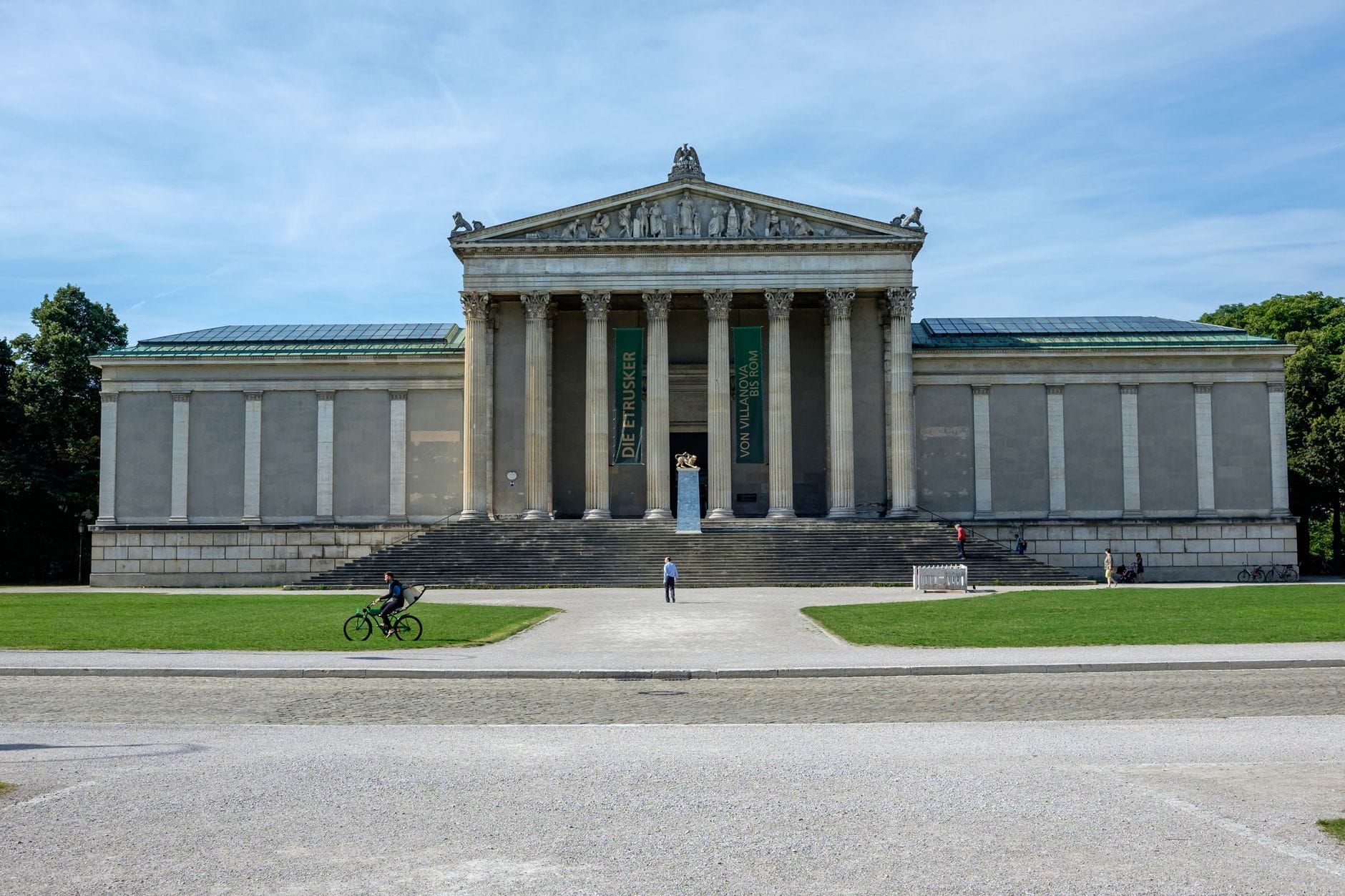
Munich's museum district, the Kunstareal in Maxvorstadt, groups several world-class collections within walking distance of each other. For couples, the Lenbachhaus is probably the most rewarding single visit: the collection of Blue Rider paintings by Kandinsky, Macke, and Marc is emotionally engaging in a way that encyclopedic museums often are not. The building itself, a renovated Jugendstil villa with a modern extension, gives the visit a satisfying sense of occasion.
For something more theatrical, the Cuvilliés Theatre inside the Residenz complex is one of the most beautiful Rococo interiors in Europe. It operates as a working performance venue, hosting opera, theatre, and concerts. Tickets for evening performances often start at accessible prices for standing or upper-circle positions. Even if a specific performance doesn't interest you, the building itself justifies the visit — check the Cuvilliés Theatre booking calendar before your trip.
✨ Pro tip
The Pinakothek der Moderne is effectively free on Sundays, with entry reduced to €1 for the permanent collection. If you are in Munich over a weekend, this is the most elegant low-cost cultural date in the city: spend two hours in one of Germany's best modern art collections, then walk five minutes to the Königsplatz for the late afternoon light on the Greek Revival temples.
Seasonal Angles: When to Go and What Changes
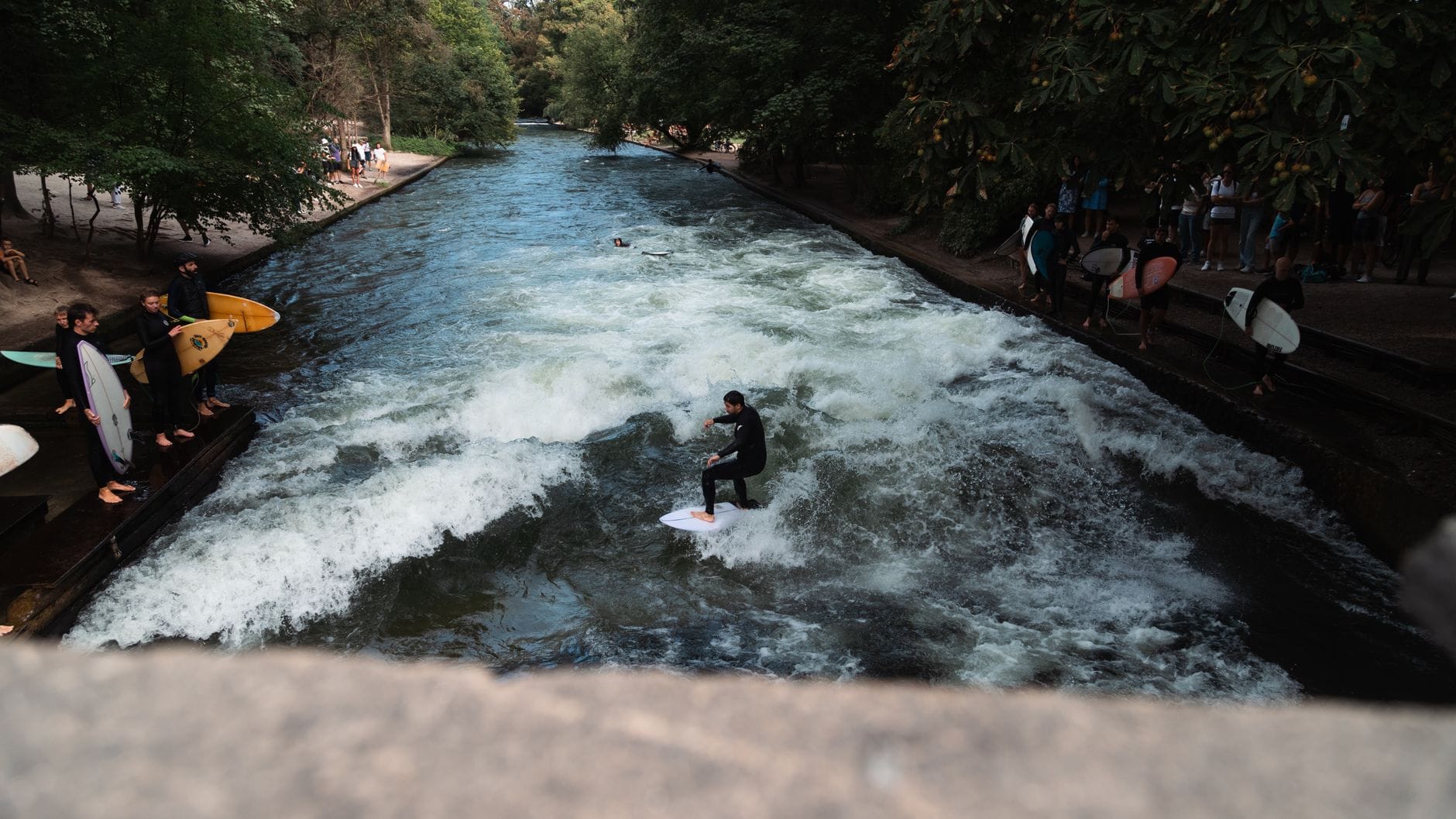
Munich is legitimately a four-season city for couples, but the experience shifts considerably depending on when you visit. Summer (June to August) offers the longest evenings, and the city's beer gardens, park picnics, and Isar swimming spots are at their best. The Englischer Garten's Eisbach wave draws surfers year-round, but evenings along the river in July, with locals barbecuing on the gravel banks and the sky staying light until 9pm, represent Munich at its most relaxed and sociable.
December is underrated for couples. The Christmas markets at Marienplatz, Schwabing, and the medieval market at the Residenz run through most of the month, and the combination of Glühwein, snow on baroque facades, and shorter daylight that forces you indoors earlier creates a different but equally appealing atmosphere. The tropical butterfly exhibition at the Botanischer Garten next to Nymphenburg, mentioned above, is specifically a winter draw. For a full breakdown of what changes by month, the Munich Christmas markets guide covers the December options in detail.
- Spring (March to May): Nymphenburg canal walks as the park reopens after winter, Rosengarten starts blooming by late May, long evenings begin returning in April.
- Summer (June to August): Beer gardens at their peak, Isar riverbank evenings, Englischer Garten Monopteros sunsets, outdoor concerts at Olympiapark.
- Autumn (September to October): Golden-hour light on the Isar, Oktoberfest in late September (very crowded but culturally unmissable), park colours by mid-October.
- Winter (November to February): Christmas markets, tropical butterfly exhibition at the Botanischer Garten from mid-December to early March, ice skating at Karlsplatz and other city rinks, cosier bar culture.
One honest note on Oktoberfest as a couple's activity: it is exhilarating and very much worth experiencing once, but it is not inherently romantic. The festival tents seat thousands, reservations for tables fill months in advance, and the crowds on peak weekends are substantial. If you want a calmer version, visit on a weekday morning when the atmosphere is more local and less chaotic. The Munich Oktoberfest guide has practical detail on navigating it well.
Budget Reality: What Romantic Munich Actually Costs
The persistent misconception about Munich is that it is expensive for couples. It can be, particularly for accommodation during Oktoberfest or major trade fairs, when hotel rates spike dramatically. But the city's most consistently cited romantic activities cost very little. Nymphenburg Park: free. Englischer Garten: free. Isar riverbanks: free. Tram 19 city tour: one standard MVV ticket on a regular tram line. Monopteros sunset: free. The Rosengarten: free.
Where costs add up is dining and drink. A dinner for two with wine in a mid-range restaurant in Glockenbach or Haidhausen runs roughly €60-100. A beer garden meal at somewhere like the Hirschgarten costs a fraction of that. Museum entry for two ranges from around €10-30 depending on the collection and whether you visit on a Sunday. The city rewards couples who treat the streets and parks as the main event and use restaurants selectively. For a structured budget breakdown, the Munich on a budget guide covers daily cost estimates across accommodation and activity tiers.
FAQ
What is the most romantic thing to do in Munich?
The Monopteros hill in the Englischer Garten at golden hour is the most consistently cited romantic spot among Munich locals and visitors. It is free, reliably beautiful in good weather, and requires no booking. For a more structured experience, an evening performance at the Cuvilliés Theatre inside the Residenz delivers a genuine sense of occasion.
Is Munich good for couples in winter?
Yes. The Christmas markets from late November through December 24 are genuinely atmospheric, particularly the smaller ones in Schwabing and the medieval market at the Residenz. The Botanischer Garten München-Nymphenburg hosts a tropical butterfly exhibition with freely flying butterflies in the aquatic plant house from mid-December to early March, which is an unusual and warm indoor date requiring a timed ticket. The city's bar and restaurant culture also becomes more intimate in winter.
Are there free romantic activities in Munich?
Most of Munich's best couple activities cost nothing. Nymphenburg Palace Park, the Englischer Garten, the Isar riverbanks, the Hofgarten, the Rosengarten, and the Großhesseloher Brücke with its love locks are all free. Tram 19 offers an architectural city tour for the price of a standard MVV ticket. The Pinakothek der Moderne reduces entry to €1 on Sundays.
What are the best romantic restaurants in Munich?
The Glockenbachviertel district (around Hans-Sachs-Straße) and Haidhausen (around Weißenburger Platz and Pariser Straße) have the highest concentration of intimate, non-touristy restaurants. For beer garden romance, the Nymphenburg canal-side options and the Hirschgarten are the most atmospheric. Avoid Hofbräuhaus and the immediate Marienplatz area for a sit-down dinner — the tourist volume undermines the experience.
How many days do couples need in Munich?
Three full days covers the core romantic itinerary comfortably: day one for the Altstadt, Englischer Garten, and Monopteros sunset; day two for Nymphenburg Palace and park, then an evening in Glockenbach; day three for the Kunstareal museums and an Isar walk. A fourth day opens up day trips to Neuschwanstein or Salzburg, both well-suited to a couple with their own transport.
Tickets & tours
Live prices and dates from our booking partner. If you book, we may earn a commission at no extra cost to you.
Planning a trip? Discover personalized activities with the Nomado app.