Cycling in Munich: Best Bike Routes, Rental Tips & Rules
Munich has roughly 1,200 km of bike paths, flat terrain through the city center, and landmark-packed corridors along the Isar and English Garden. This guide covers the best cycling routes, where to rent a bike, what the rules actually say, and when to go.
Tickets & tours
Live prices and dates from our booking partner. If you book, we may earn a commission at no extra cost to you.
TL;DR
- Munich has around 1,200 km of bike paths, making it one of Germany's most cycle-friendly cities for visitors.
- The best routes connect landmarks like the English Garden, Isar River corridor, and Nymphenburg Palace — most loops run 8–25 km and take 2–4 hours.
- Rent through MyRadl — Munich's official city bike share (launched 7 May 2026 as the successor to MVG Rad, which ended on 30 September 2025) — accessible via the MVV, MVGO and nextbike apps, or use private shops near Marienplatz and Hauptbahnhof; daily rates typically range from around €12–20.
- Bikes are allowed on S-Bahn and U-Bahn with a separate bike ticket, but rush-hour restrictions apply — check MVV rules before you travel.
- Cycling is banned in pedestrian-only zones like Marienplatz itself; riding on unmarked sidewalks is also prohibited, so stick to dedicated lanes and shared roads.
Why Munich Works So Well for Cycling
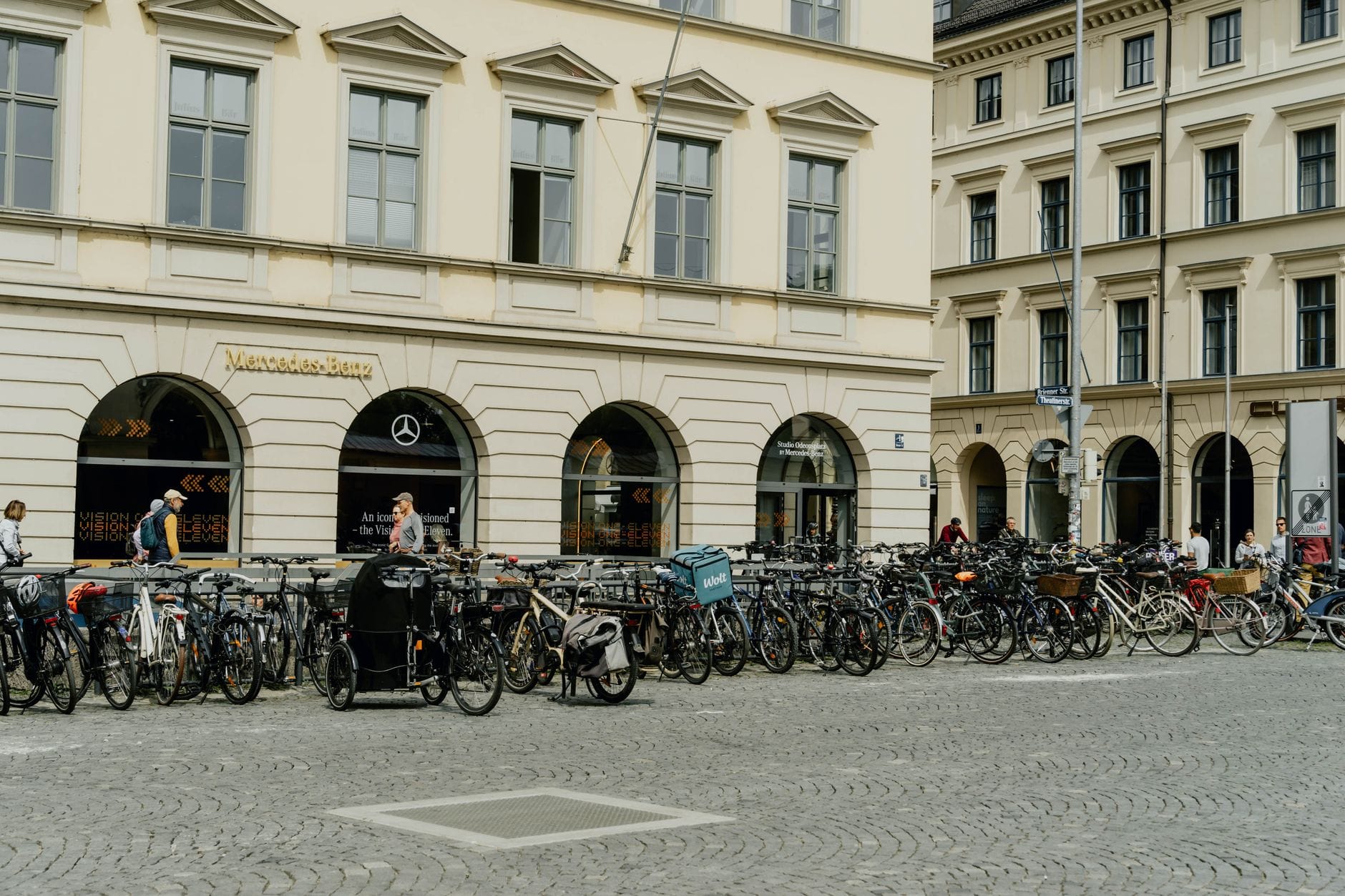
Munich sits at around 520 metres above sea level on the Isar River plain, and that elevation is mostly uniform across the city. What that means in practical terms: very few hills. The inner districts from Altstadt-Lehel to Maxvorstadt to Schwabing are almost entirely flat, which makes cycling accessible even for casual riders who haven't been on a bike in years. Add a network of roughly 1,200 km of bike infrastructure — dedicated cycle tracks, shared lanes marked on road surfaces, and signed routes through parkland — and you have a city that genuinely rewards two-wheeled exploration.
The cycling infrastructure is coordinated partly through Munich's official city planning and partly through the MVV transport network, which integrates bikes with public transit. For visitors who want context on how cycling fits into broader city movement, the getting around Munich guide covers the full picture of transport options including the U-Bahn, S-Bahn, and tram network.
⚠️ What to skip
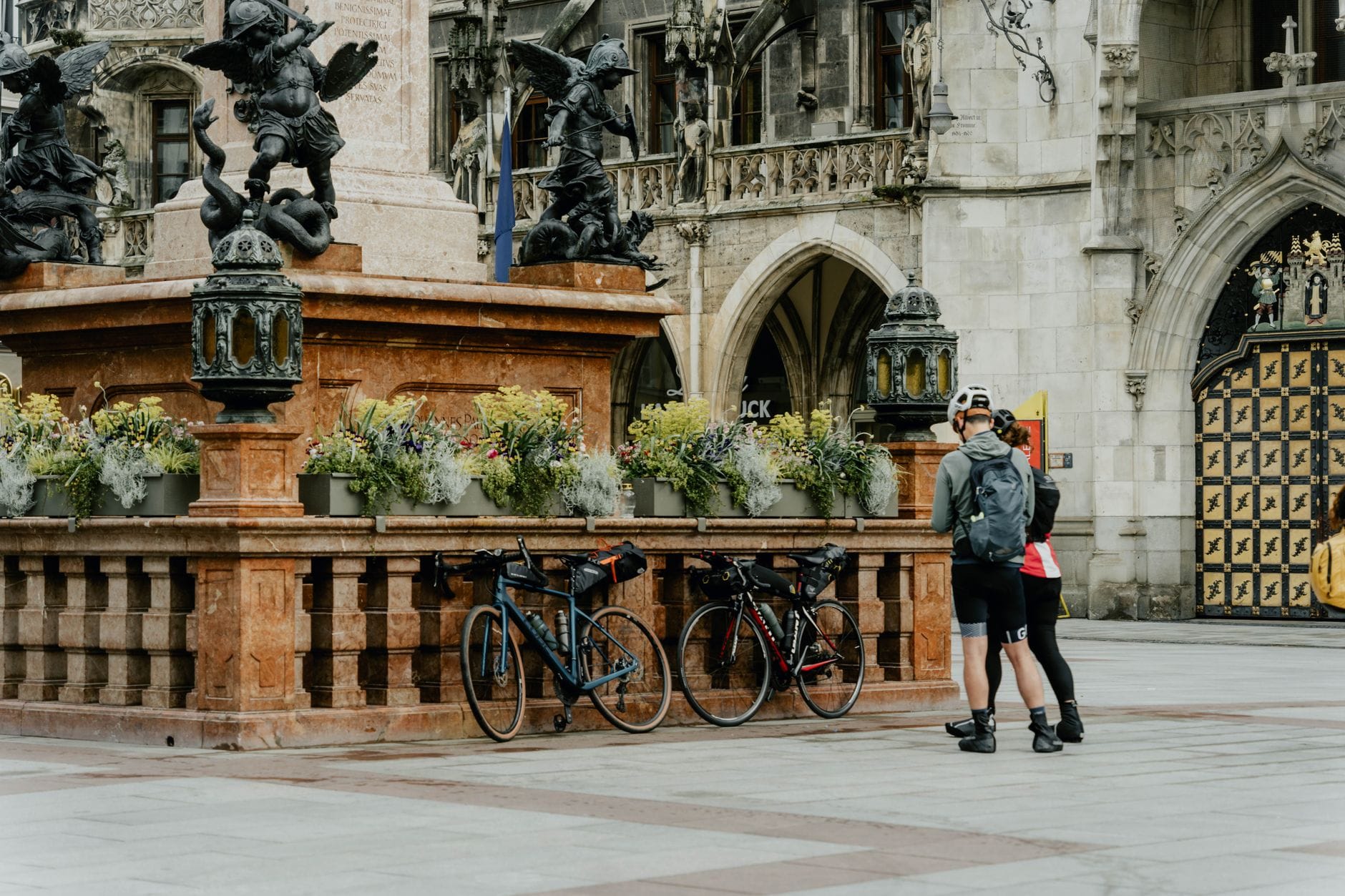
Marienplatz and much of the central pedestrian zone (including stretches of Kaufingerstrasse and Neuhauser Strasse) have strict cycling restrictions, with riding only permitted in certain signed sections and/or time windows; violations can lead to fines. Navigate around the old town core, not through it, and always check whether a footpath is marked for shared use before cycling on it.
The Best Cycling Routes in Munich
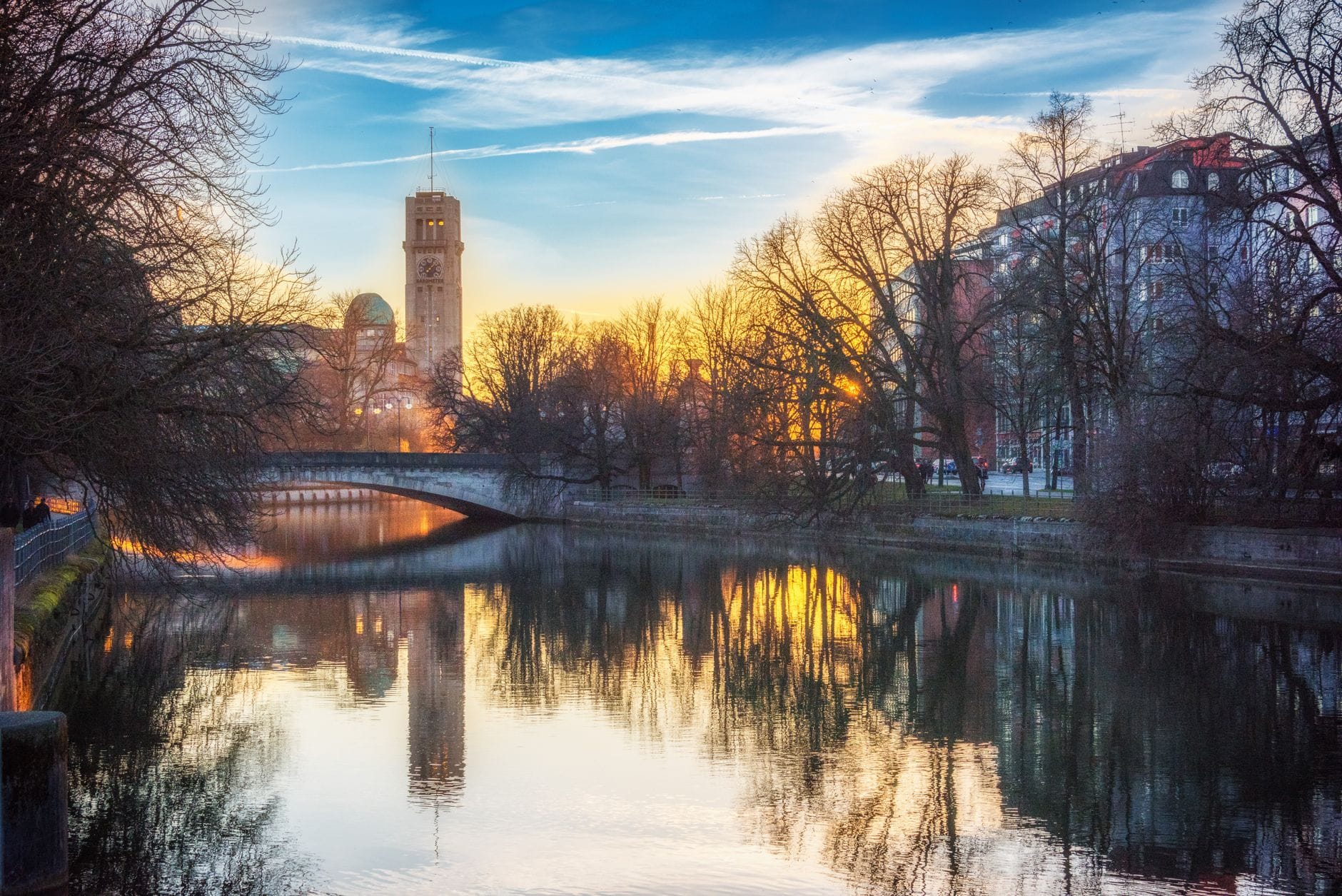
Most visitors will do best with one of three corridor types: riverside routes along the Isar, parkland loops through the English Garden, or cross-city rides connecting landmark districts. These aren't mutually exclusive — the best full-day rides combine all three.
- Isar River Corridor (south to north) The Isar path runs along both banks of the river through the heart of Munich, connecting the zoo at Hellabrunn in the south to the English Garden in the north. The southern stretch passes gravel banks and meadows popular with locals; the northern section near Maximiliananlagen is greener and quieter. A one-way ride from Hellabrunn to the English Garden is roughly 8–10 km. Round trip takes about 2 hours at a relaxed pace with stops.
- English Garden Loop (8–12 km) Starting from the southern entrance near the Eisbach wave, a loop through the Englischer Garten takes you past the Chinese Tower (Chinesischer Turm), the Japanese tea house, and the beer garden at Seehaus on Kleinhesseloher See. Paths are wide and well-maintained, though weekend afternoons get crowded with pedestrians. Early morning on weekdays is ideal.
- Nymphenburg Canal Route (18–22 km round trip) Head west from the city centre along the Nymphenburg Canal through the Neuhausen-Nymphenburg district. The canal path is flat, tree-lined, and largely separated from traffic. It terminates at Nymphenburg Palace and its extensive baroque park, which has additional cycling paths inside the grounds. This is one of Munich's most scenic urban rides and rarely feels overcrowded outside of summer weekends.
- Olympiapark Circuit (6–8 km) A shorter option in the northwest of the city, combining the Olympiapark grounds with the adjacent BMW Welt area. The park has wide paths and good views of the Olympic Tower. Combine with a visit to the BMW Museum next door for a half-day itinerary.
- Cross-City Cultural Route (12–16 km) A point-to-point route linking Schwabing in the north through Maxvorstadt (the museum quarter), past Königsplatz and the Lenbachhaus, down through Altstadt, across the Isar to Haidhausen, and ending at the Deutsches Museum island. This route mixes bike lanes with quieter residential streets and gives a strong sense of how Munich's districts connect.
One practical note: some published route maps, including certain Google Maps segments near the Isar, have been flagged as inaccurate by local cycling sources. Always cross-reference with physical signage on the ground. For specific attractions along these corridors, see what's worth stopping at in the full Munich things-to-do guide.
✨ Pro tip
Start any major ride before 9am on weekdays or before 8am on weekends. The Isar banks and English Garden paths become genuinely crowded by mid-morning in summer, especially near the Eisbach and the Chinese Tower beer garden. Early starts also mean cooler temperatures in July and August when afternoon highs regularly reach 22–24°C.
Where to Rent a Bike in Munich
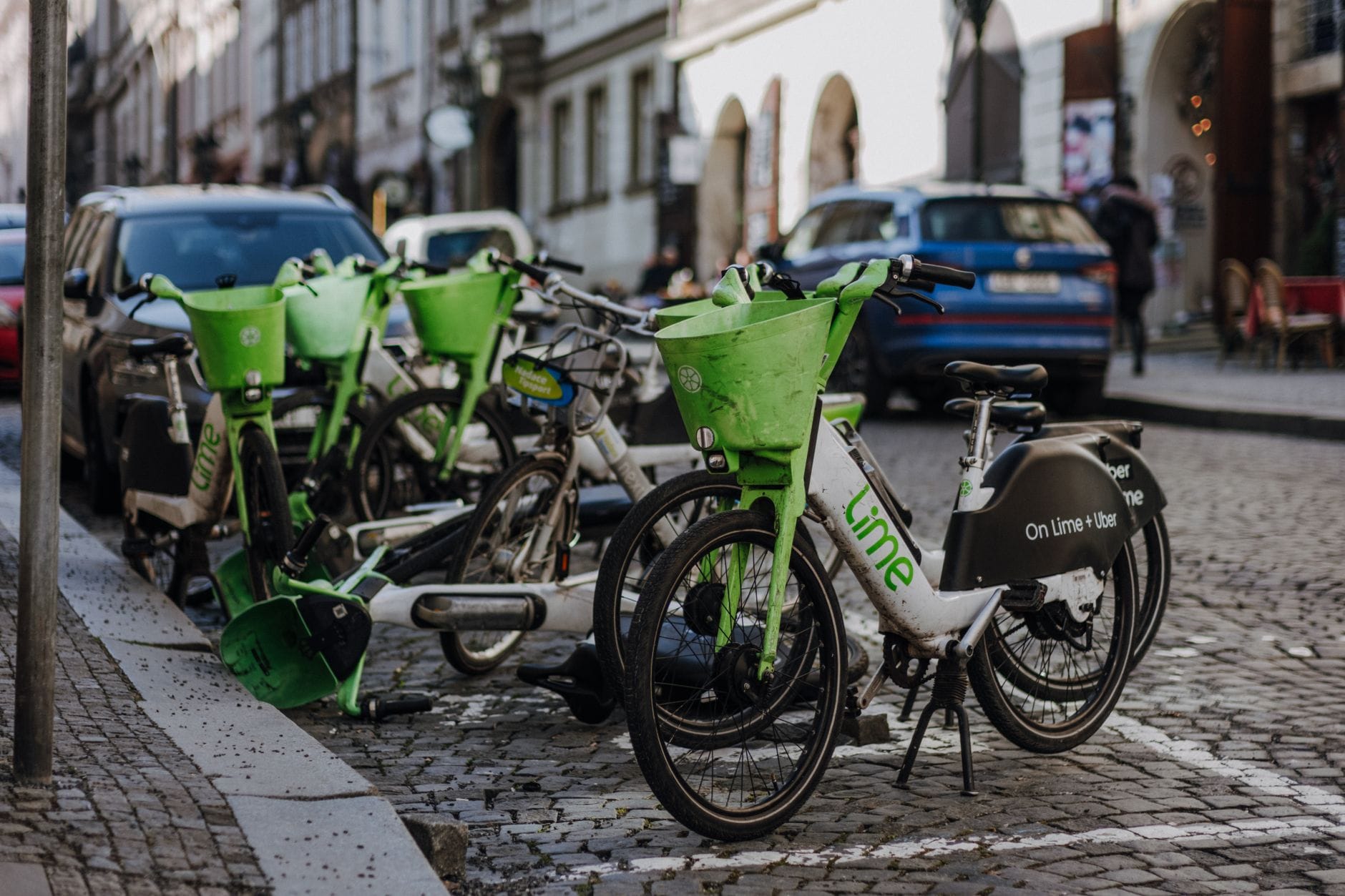
Munich has two main categories of rental: docked city bike-share systems and private rental shops. Each suits different trip types.
MyRadl is Munich's official city bike-share system, launched on 7 May 2026 as the replacement for MVG Rad (which was shut down on 30 September 2025). It is operated on behalf of the city and accessed through the MVV, MVGO and nextbike apps rather than a standalone MVG Rad app. The system covers a large portion of the inner city with a mix of standard bikes and e-bikes: you register in one of the supported apps, unlock bikes at any station, and return them to any other station in the network. For short trips and spontaneous exploration, this is the most flexible option. Pricing is distance and time based; check the current rate card in the app before you ride, as these figures are updated periodically.
DB Call a Bike (operated by Deutsche Bahn) has historically also offered rentals in Munich, though the network presence varies seasonally. Private rental shops cluster around Hauptbahnhof and near popular cycling entry points. These are better for longer day rides: you get a properly fitted bike, a lock, a helmet if needed, and usually a printed map. Daily rates from private shops typically run around €12–20 for a standard city bike, with e-bikes higher. Many hostels and mid-range hotels in the Altstadt and Maxvorstadt also rent or loan bikes to guests, sometimes at lower rates than commercial shops.
- MyRadl (via the MVV, MVGO or nextbike apps): best for short city hops and spontaneous routes, e-bikes available. Replaced MVG Rad on 7 May 2026.
- Private shops near Hauptbahnhof: better for full-day rides, includes lock, helmet, and map
- Hotel/hostel rentals: worth asking — often cheaper than shops, especially for multi-day stays
- Guided bike tours: several operators run 3–4 hour city tours covering major landmarks with commentary; useful if you want structure on your first day
- Bring or rent a lightweight lock: even at staffed rental shops, an additional lock for convenience stops is worth having
Cycling Rules and Transit Integration
Germany's cycling rules apply uniformly in Munich, with a few local additions worth knowing. Dedicated cycle lanes marked with a blue sign are mandatory — you must use them when present, not the road. Shared lanes marked in white on the road surface are optional but recommended. Sidewalks are off-limits for cycling unless a shared-use sign (a blue circle with bike and pedestrian symbols) is posted.
Helmets are not legally required for adults in Germany, but wearing one is strongly advisable, especially in traffic. Lights front and rear are legally required after dark and during poor visibility — most rental bikes include these, but check before you take one out. Cycling two abreast is permitted on roads where it doesn't impede traffic, but single-file is standard practice in the city.
Bikes are allowed on most S-Bahn services with a valid bike ticket, purchased separately from your personal ticket through the MVV system. On the U-Bahn, bike transport is only permitted on certain sections (for example, parts of line U6) under MVV rules, and not system-wide. Rush-hour restrictions apply on many services, typically banning bikes during morning and evening peak periods on weekdays. Exact restrictions vary by line and are subject to change — always verify current rules at MVV's official network information before your trip. Trams generally do not allow bikes.
ℹ️ Good to know
If you plan to combine cycling with a day trip by S-Bahn — for example, riding out to the Isar meadows south of the city — buy your bike ticket at the same time as your personal ticket. Bike tickets cannot be purchased retroactively on board. The MVV app and ticket machines both offer this option.
Seasonal Conditions and When to Ride
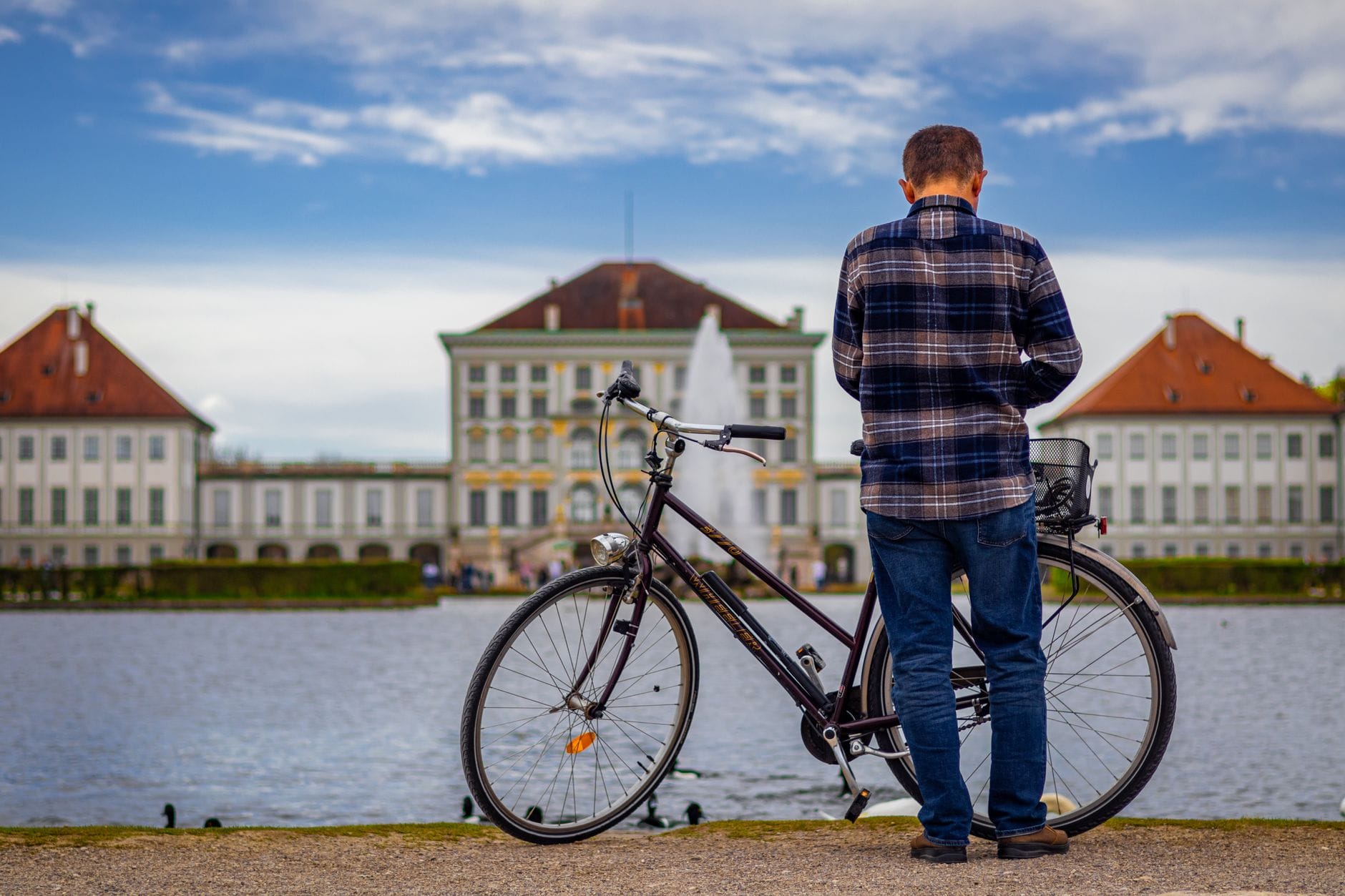
Munich's cycling season runs effectively from April through October. The city sits at roughly 520 metres elevation, and winter brings average highs of only 3–5°C with ice and occasional snow — conditions that make cycling genuinely unpleasant and paths potentially dangerous. Some locals cycle year-round, but visitors are better served by the comprehensive public transport network between November and March.
Spring (April–May) is arguably the best time for cycling in Munich. Temperatures reach 15–19°C by May, paths are not yet crowded, and the Isar banks and English Garden look their best with new greenery. Summer (June–August) is the peak season with long daylight hours — sunset doesn't come until after 9pm in late June — but popular routes become crowded by late morning. Autumn (September–October) brings cooler temperatures and reduced crowds, and the light along the canal and river routes is excellent. For more on timing your visit overall, see the best time to visit Munich guide.
Rainfall in Munich is fairly evenly distributed through the year, with May through August being wetter months. Afternoon thunderstorms are common in summer, sometimes developing quickly. If you're planning a long ride, check the morning forecast and aim to finish major routes by early afternoon in July and August.
Practical Tips for Getting the Most Out of Munich by Bike
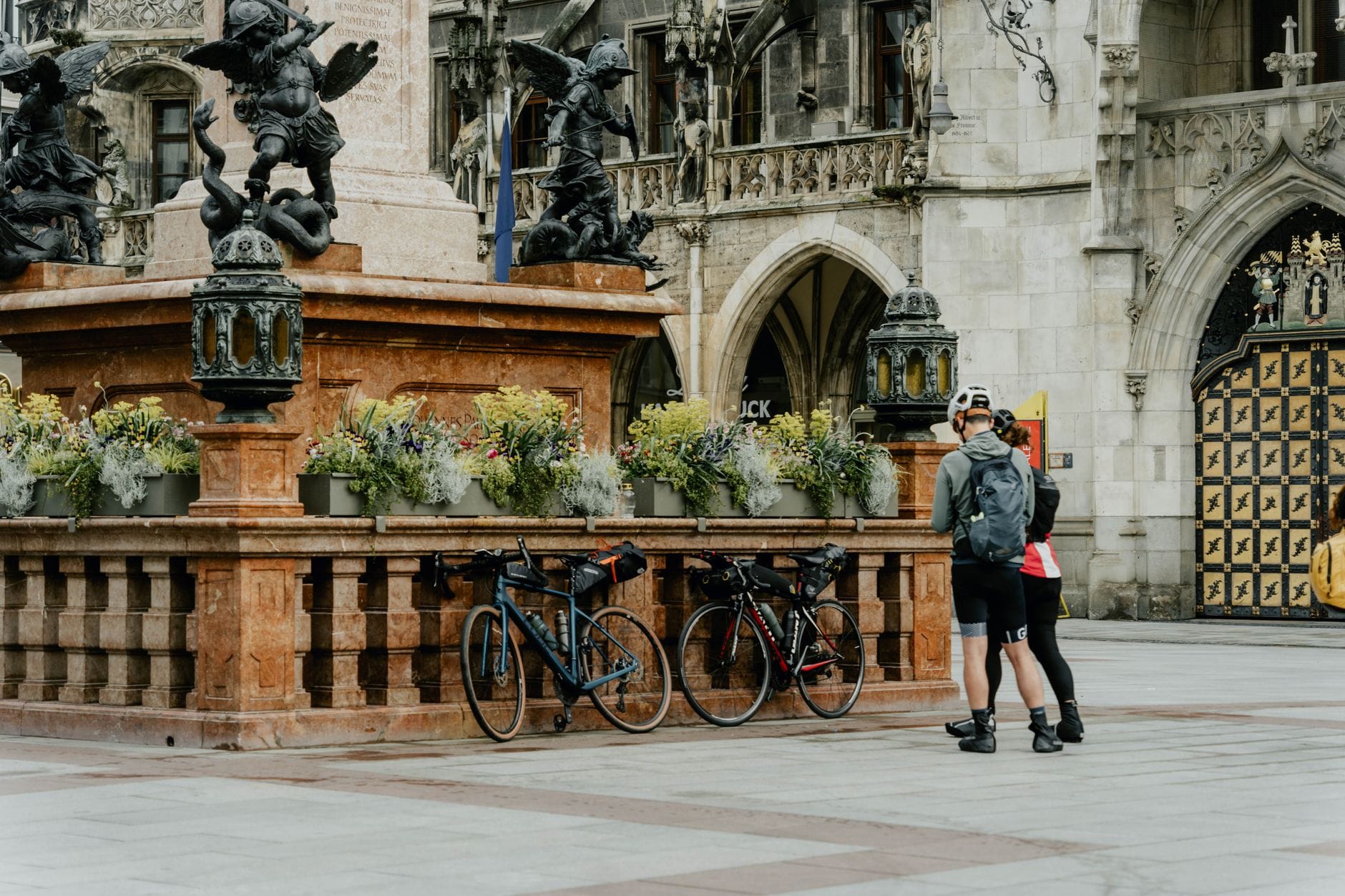
Munich's cycling network connects most of the major visitor attractions without needing to navigate heavy traffic. The Viktualienmarkt is reachable by bike from most central districts within 10 minutes, as are the museum quarter around Maxvorstadt and the beer gardens along the Isar. Bike parking in Munich is generally plentiful near major attractions, though secure racks fill quickly at places like the English Garden on summer weekends.
For a structured first day, a logical sequence runs from the Altstadt edge south along the Isar to the zoo at Hellabrunn, then back north along the opposite bank toward the English Garden and the Eisbach wave at the park's southern tip. This covers roughly 18–22 km total and takes 3–4 hours including stops. It also showcases some of Munich's best green infrastructure without touching the crowded pedestrian centre.
- Download an offline map before you leave: Google Maps has known errors near the Isar; OpenCycleMap or the official Munich city cycling map (available as a PDF from the city website) are more reliable
- Carry water and snacks on longer rides — beer garden stops are plentiful but can mean a longer break than planned
- Lock your bike to a fixed object even for short stops; bike theft exists in Munich as in any large city
- E-bikes from MyRadl (the successor to MVG Rad) are worth the premium on hot days or longer routes — the flat terrain means a standard bike is fine for most, but the e-assist removes any hesitation on warm afternoons
- If cycling with children, the Olympiapark and the Nymphenburg Palace park have the widest, most traffic-free paths in the city
Cycling in Munich pairs naturally with several of the city's free outdoor attractions. The English Garden is one of the world's largest urban parks, entry is free, and cycling through it costs nothing. For a broader list of no-cost experiences, the free things to do in Munich guide covers parks, viewpoints, and outdoor spaces that work well as cycling waypoints.
FAQ
Is cycling in Munich safe for tourists?
Generally yes. Munich has well-marked bike lanes across most of the city, flat terrain, and drivers who are accustomed to sharing roads with cyclists. The main risks are in the central pedestrian zones (where cycling is banned), on tram tracks (cross them at a right angle to avoid wheel slip), and in heavy traffic near Hauptbahnhof. Stick to marked cycling infrastructure and you'll find the city very manageable.
Can I take my rental bike on the S-Bahn or U-Bahn?
Yes, but you need a separate bike ticket in addition to your personal travel ticket. Rush-hour restrictions typically ban bikes on most lines during morning and evening peak periods on weekdays. Trams generally do not accept bikes. Check current MVV rules before your trip as restrictions can change seasonally.
Where is the best place to rent a bike near Munich city centre?
MyRadl (the city's official bike-share, launched 7 May 2026 as the successor to the discontinued MVG Rad) is the most convenient for short trips — unlock via the MVV, MVGO or nextbike apps from stations across the inner city. For full-day rentals with a proper fit, private shops near Hauptbahnhof (München Hauptbahnhof) are the most practical option. Many central hostels and hotels also rent bikes to guests, sometimes at lower prices.
How long does a cycling tour of Munich typically take?
A standard city highlights loop — English Garden, Isar riverbank, and back via the museum quarter — covers roughly 12–18 km and takes 2.5 to 3.5 hours at a relaxed pace with stops. The longer Nymphenburg Palace route is an 18–22 km round trip and suits a half-day. A full-day ride combining Isar south to Hellabrunn and north through the English Garden is 20–25 km and fills 4–5 hours comfortably.
Is cycling allowed in the English Garden?
Yes, cycling is permitted on the designated paths within the English Garden. Some areas are pedestrian-only, so follow the signage. Weekend afternoons in summer get crowded enough that walking your bike through pinch points is often faster and safer. The main cycling paths through the park are wide and well-maintained for most of the route.
Tickets & tours
Live prices and dates from our booking partner. If you book, we may earn a commission at no extra cost to you.
Planning a trip? Discover personalized activities with the Nomado app.