Tierpark Hellabrunn (Munich Zoo): The World's First Geozoo
Tierpark Hellabrunn has organized its animals by geographic region since 1928, making it the world's first geozoo. Spread across 40 hectares along the Isar River in southern Munich, it is one of Bavaria's most popular family destinations and a serious conservation institution. This guide covers everything you need to plan a rewarding visit.
Quick Facts
- Location
- Tierparkstraße 30, 81543 München (Thalkirchen district)
- Getting There
- U3 to Thalkirchen (Tierpark), short walk to Isar entrance; MetroBus 52 to Tierpark (Alemannenstraße) for Flamingo entrance
- Time Needed
- 3–5 hours for a thorough visit; half-day is comfortable
- Cost
- Approx. €15 adult day ticket (verify current prices at hellabrunn.de before visiting)
- Best for
- Families with children, animal photography, a relaxed day in green surroundings
- Official website
- www.hellabrunn.de/en
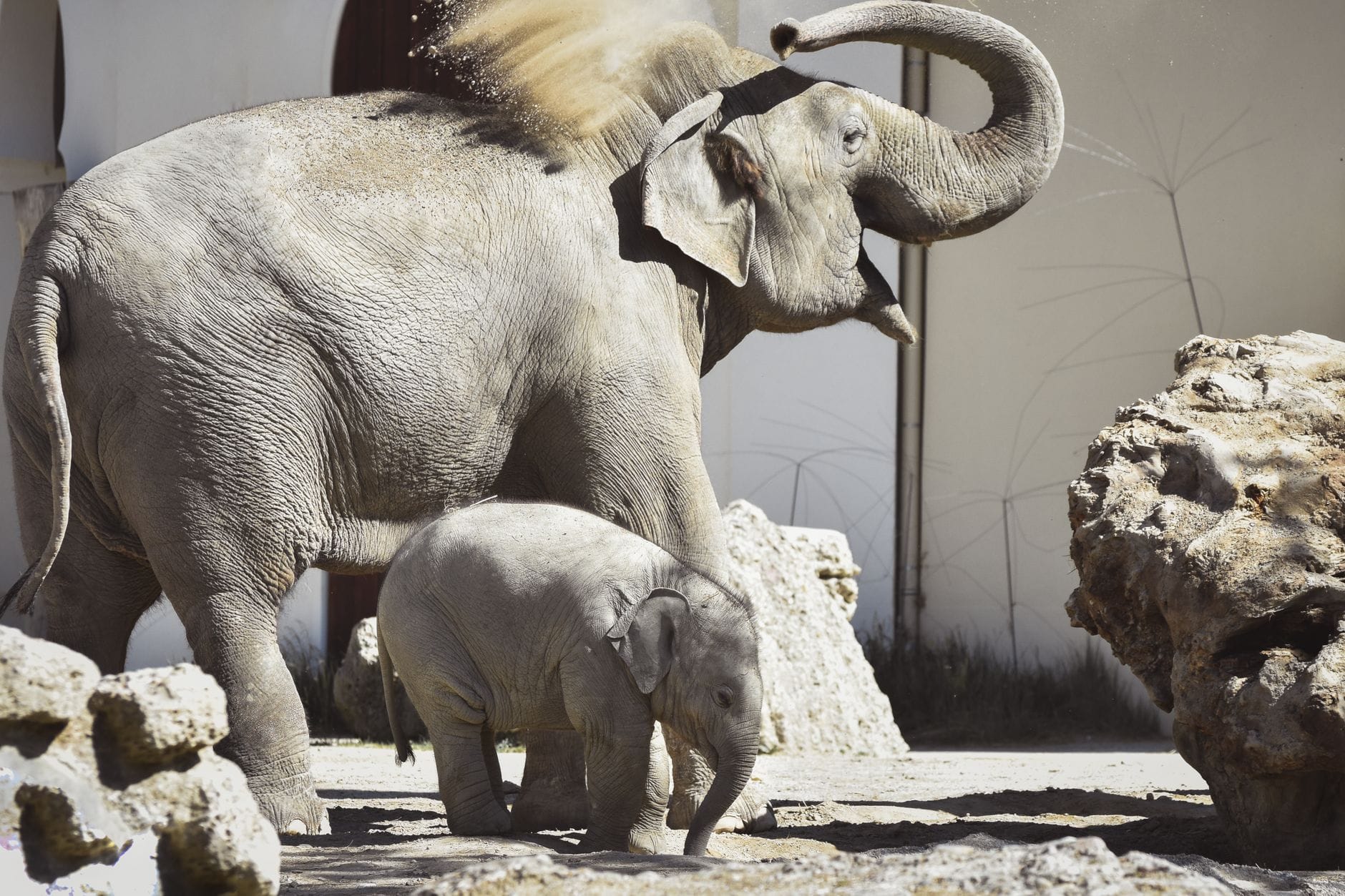
What Makes Hellabrunn Different from Other European Zoos
Tierpark Hellabrunn is not simply Munich's city zoo. When it reorganized its animal collection in 1928 under the geozoo principle, grouping animals by their continent and bioregion of origin rather than by species type, it became the first zoo in the world to do so. That design philosophy is still the backbone of the park today. Walking through Hellabrunn feels less like cycling through a catalog of species and more like moving between ecosystems. The African savanna section has a different quality of light and open sight lines than the compact forest enclosures of the South American zone.
The zoo was originally founded in 1911 on a sweeping bend of the Isar River, giving the grounds natural topography that most urban zoos simply do not have. The river boundary to the east creates a genuine edge to the park, and on summer mornings the smell of the Isar, that faint mineral coolness, drifts across the outer paths. The site covers approximately 40 hectares (around 99 acres), which is large enough to require some planning before you arrive.
💡 Local tip
Download the official Hellabrunn Zoo app or pick up a printed map at the entrance before heading in. The two main entrances, Isar entrance (from the U3 stop) and Flamingo entrance (from Bus 52), place you at different ends of the park, so your route depends on which gate you use.
Opening Hours, Tickets, and Getting There
Hellabrunn is open every day of the year, including public holidays. Summer hours run from 1 April to 31 October, with the zoo open 09:00 to 18:00. From 1 November the gates close at 17:00. On 24 and 31 December, closing time is typically brought forward to around 16:00, so plan accordingly in the holiday period.
Adult day tickets are approximately €18, though prices are revised periodically. Family tickets and annual passes are available and represent good value if you are visiting Munich with children who will want to return. Always confirm the current pricing directly on the official website at hellabrunn.de before your visit, as the figures listed on third-party travel sites often lag behind official updates.
The most straightforward way to arrive without a car is U-Bahn line U3 to Thalkirchen (Tierpark). The walk from the platform to the Isar entrance takes under ten minutes, passing through a quiet residential street before the park wall comes into view. Bus line 52 drops you at Alemannenstraße, which leads directly to the Flamingo entrance on the western side. If you are already using Munich's integrated MVV public transport network, no separate ticket is needed. For more on getting around the city, see our guide to Munich's public transport.
Parking is available at Tierparkstraße (Isar entrance) and Siebenbrunner Straße (Flamingo entrance), but on warm weekends and school holidays the car parks fill early. Arriving by U-Bahn avoids this problem entirely and takes about 25 minutes from Marienplatz.
Tickets & tours
Live prices and dates from our booking partner. If you book, we may earn a commission at no extra cost to you.
Luggage Storage in Munich
From 6 €Instant confirmationFree cancellationOne hour city sightseeing bus tour in Munich
From 21 €Instant confirmationFree cancellationMunich Third Reich walking tour
From 32 €Instant confirmationFree cancellation24-hour grand hop-on hop-off bus tour of Munich
From 29 €Instant confirmationFree cancellation
What to Expect: A Walkthrough of the Grounds
Entering from the Isar gate on a weekday morning, the first thing you notice is how quickly the city noise drops away. The canopy coverage is dense in the older central sections, and the paths are wide enough for pushchairs and wheelchairs to move comfortably. The zoo does not feel overcrowded until late morning on weekends in July and August, when school groups and families with toddlers converge around the large carnivore and elephant areas.
The African zone is consistently a highlight. The giraffe enclosure is large by European standards and set on slightly elevated ground, which means that at eye level from the viewing platform you are genuinely close to the animals' faces rather than looking up at them from a pit. The lion house has been modernized, with outdoor sections that get direct afternoon sun from around 14:00, which is when the animals tend to be most visible and active.
The polar world section houses polar bears in a facility with underwater viewing panels, one of the few places in the zoo where children reliably press their faces to the glass. The South American enclosures, by contrast, are quieter and often less crowded. The tapir habitat sits near a wooded path that most visitors cut through quickly on their way elsewhere, which makes it a calmer stop if you want to spend time observing without crowds at your shoulders.
Hellabrunn's indoor tropical houses — including the jungle house, the aquarium and the rainforest-style animal halls — are among the most distinctive features of the zoo. Inside, the humidity and temperature shift noticeably from the Bavarian outdoors, and the layered sounds of birds and primates feel genuinely removed from Munich in February. On cold winter days these are some of the few spots in the zoo that reward a visit regardless of weather.
ℹ️ Good to know
Some of the indoor tropical houses and animal halls close for portions of the day for maintenance and feeding. Check the daily schedule board at the entrance or on the zoo app to confirm access times, especially during the winter months.
Best Time to Visit: Time of Day and Season
Arriving at opening time (09:00) on weekdays gives you roughly ninety minutes before the first large visitor groups arrive. Animals, particularly big cats and primates, are noticeably more active in the cool of the morning, and the light for photography is better before midday haze sets in. Late afternoon, from about 16:00 onward in summer, sees a second period of animal activity as temperatures drop and enclosures empty of crowds.
Spring (April and May) and early autumn (September and October) combine moderate temperatures with good animal visibility. Summer visits are perfectly manageable but expect the zoo to be substantially busier, particularly during Bavarian school holidays. A light rain in spring actually improves the experience: the crowds thin, the outdoor enclosures smell of wet earth, and deer and goats in the petting areas become more playful.
Winter visits have genuine appeal for adults without children. The grounds are quiet, the deciduous trees strip back to reveal the zoo's architectural structures more clearly, and the indoor habitats like the jungle house and the aquatic facilities take on greater importance. Many outdoor enclosures are less interesting in December and January, as some animals are kept indoors or in reduced-access sections. If you are coming primarily for the winter atmosphere rather than maximum animal sightings, a three-hour visit is enough.
⚠️ What to skip
On weekends in July and August, the zoo can reach its daily capacity limit by mid-morning. If you are visiting during peak summer school holidays, arrive at 09:00 or pre-purchase tickets online to avoid waiting at the ticket booths.
Families, Photography, and Practical Details
Hellabrunn is genuinely well-suited to families with children across a wide age range. The children's zoo section includes petting enclosures with goats and sheep that operate in the warmer months. Playgrounds are distributed across the grounds so that younger children can alternate between animal encounters and physical play without parents needing to navigate back to a single area. Pushchairs are available for hire at the entrance, and the main paths are paved and accessible throughout.
For photography, a 70-200mm equivalent zoom lens covers most situations. The enclosure fences at Hellabrunn use either invisible wire mesh or moat barriers in many sections, which means it is possible to photograph without bars dominating the frame. The giraffe platform and the bear terraces offer the best unobstructed angles. The indoor tropical and jungle houses require patience and a higher ISO setting given the diffuse, low-contrast light.
Hellabrunn sits near the southern edge of the Isar River corridor. The Thalkirchen area around the zoo is one of the more relaxed parts of Munich, and combining a zoo visit with a walk along the Isar banks is a straightforward extension of the day that requires no additional transit.
Historical Context and Conservation Role
Hellabrunn's founding in 1911 came during a period of rapid expansion of European city zoos, but its adoption of the geozoo model seventeen years later was an unusual intellectual step. The principle, organizing animals by geographic origin rather than taxonomic category, was intended to give visitors an intuitive geographic education and to allow animals from similar climatic zones to share enclosures. The approach has since influenced zoo design worldwide, though Hellabrunn continues to refine and update what that means in practice as conservation standards evolve.
Today the zoo participates in European Endangered Species Programmes (EEP) and coordinates with international breeding networks. It is not a passive display institution. If you are interested in Munich's broader cultural and scientific landscape, the zoo sits in context with institutions like the Deutsches Museum, which similarly reflects the city's long tradition of combining public education with serious scientific purpose.
Who Should Reconsider This Attraction
Visitors with limited time in Munich who are focused primarily on architectural or historical sights may find a full half-day at Hellabrunn a significant investment. The zoo is set away from the city centre and does not combine naturally with Altstadt sightseeing in the same day unless you have an early start. It is also worth being honest that, like all zoos, Hellabrunn has enclosures of varying sizes, and some species, particularly the primates, are housed in areas that feel constrained by contemporary standards even if they meet current regulatory requirements. Visitors expecting the kind of vast open reserves seen at some British or Dutch wildlife parks may find certain sections underwhelming.
Travelers focused on Munich's cultural depth might prioritize the Alte Pinakothek or the NS-Dokumentationszentrum before considering Hellabrunn, unless they are specifically visiting with children or have a particular interest in the geozoo concept.
Insider Tips
- The zoo has two separate entrances that place you at opposite ends of the grounds. If you arrive by U3 (Isar entrance), start with the African and South American zones, which are closest, and work toward the Flamingo entrance. This avoids retracing steps at the end of the day.
- Feeding times for selected animals are posted on information boards at each entrance and on the zoo app. The seal and sea lion feeding draws the largest crowds; arrive five minutes early to get a front-row position at the pool edge.
- The Isar riverside path just outside the eastern zoo wall is a pleasant walk north toward the city centre and, for those willing to walk longer, eventually toward the English Garden. After a full zoo day, this decompression route along the water is more rewarding than taking the U-Bahn immediately.
- Annual passes pay for themselves after two visits and are available for individuals and families. If you are staying in Munich for more than a few days and traveling with children, the maths usually favor the annual pass even over a standard family day ticket.
- The zoo's restaurant areas get very crowded at 12:00 to 13:30. Eat before noon or after 14:00. Alternatively, the picnic areas near the petting zoo are well-maintained and significantly more relaxed than the main food court.
Who Is Tierpark Hellabrunn (Munich Zoo) For?
- Families with children aged 3 to 12, who will find a full day of structured activity without needing to manage urban crowds
- Wildlife photographers looking for accessible, bar-free shooting conditions in a well-maintained European zoo
- Visitors in Munich for 4 or more days who want one half-day away from the city's historic centre
- Travelers interested in the history of zoo design and conservation science, given Hellabrunn's role as the world's first geozoo
- Winter visitors seeking an indoor option on cold days, using Hellabrunn's tropical houses, aquarium and jungle enclosures
Nearby Attractions
Combine your visit with:
- Allianz Arena & FC Bayern Museum
The Allianz Arena is one of Europe's most recognizable stadiums, home to FC Bayern München and capable of holding over 75,000 spectators. Paired with the FC Bayern Museum, it offers a full day of football history, architectural spectacle, and behind-the-scenes access for fans and curious visitors alike.
- Bavaria Statue & Ruhmeshalle
Standing 18.52 metres tall above Theresienwiese, the Bavaria Statue is one of the largest bronze figures in the world, and you can climb inside it. Behind her rises the Ruhmeshalle, a sweeping Doric colonnade commissioned by King Ludwig I to honour distinguished Bavarians. Together they form one of Munich's most undervisited monumental sites.
- Dachau Concentration Camp Memorial
The Dachau Concentration Camp Memorial Site, located 25 minutes from Munich by train, preserves the grounds of the first Nazi concentration camp, opened in 1933. With free admission, a comprehensive documentary exhibition, and guided tours in English, it draws many visitors each year who come to understand one of history's darkest chapters. Plan for at least three to four hours, and go prepared — emotionally as much as practically.
- Neuschwanstein Castle
Schloss Neuschwanstein is the 19th-century Romanesque Revival palace that defined the world's image of a fairy-tale castle. Built for King Ludwig II starting in 1869 and never finished, it draws about 1.5 million visitors a year. This guide covers what the experience actually looks like, when to go, and how to get there without wasting a day.
Planning a trip? Discover personalized activities with the Nomado app.