Munich Nightlife: Best Bars, Clubs & Evening Entertainment
Munich (München) offers far more after dark than beer halls and Oktoberfest. From techno clubs in Werksviertel-Mitte to jazz in Glockenbachviertel and cocktail bars in Schwabing, this guide covers every facet of the city's nightlife scene, with practical advice on prices, transport, and where to go depending on your taste.
Tickets & tours
Live prices and dates from our booking partner. If you book, we may earn a commission at no extra cost to you.
TL;DR
- Munich nightlife is concentrated in four main areas: Glockenbachviertel, Werksviertel-Mitte, Schwabing, and Maxvorstadt.
- Expect Berlin-level club culture in places, but earlier closing times overall. Most bars wind down by 3-4 am; serious clubs run until around 6 am on weekends.
- Beer is expensive by German standards. Going out in Munich costs roughly as much as London. See our Munich on a budget guide if costs are a concern.
- The U-Bahn runs overnight on Friday and Saturday nights and before public holidays, with trains every 30 minutes, so getting home from clubs on those nights is straightforward.
- Beer garden season runs May to September. For the full picture on drinking culture, read the Bavarian food and drink guide.
Understanding Munich's Nightlife Scene
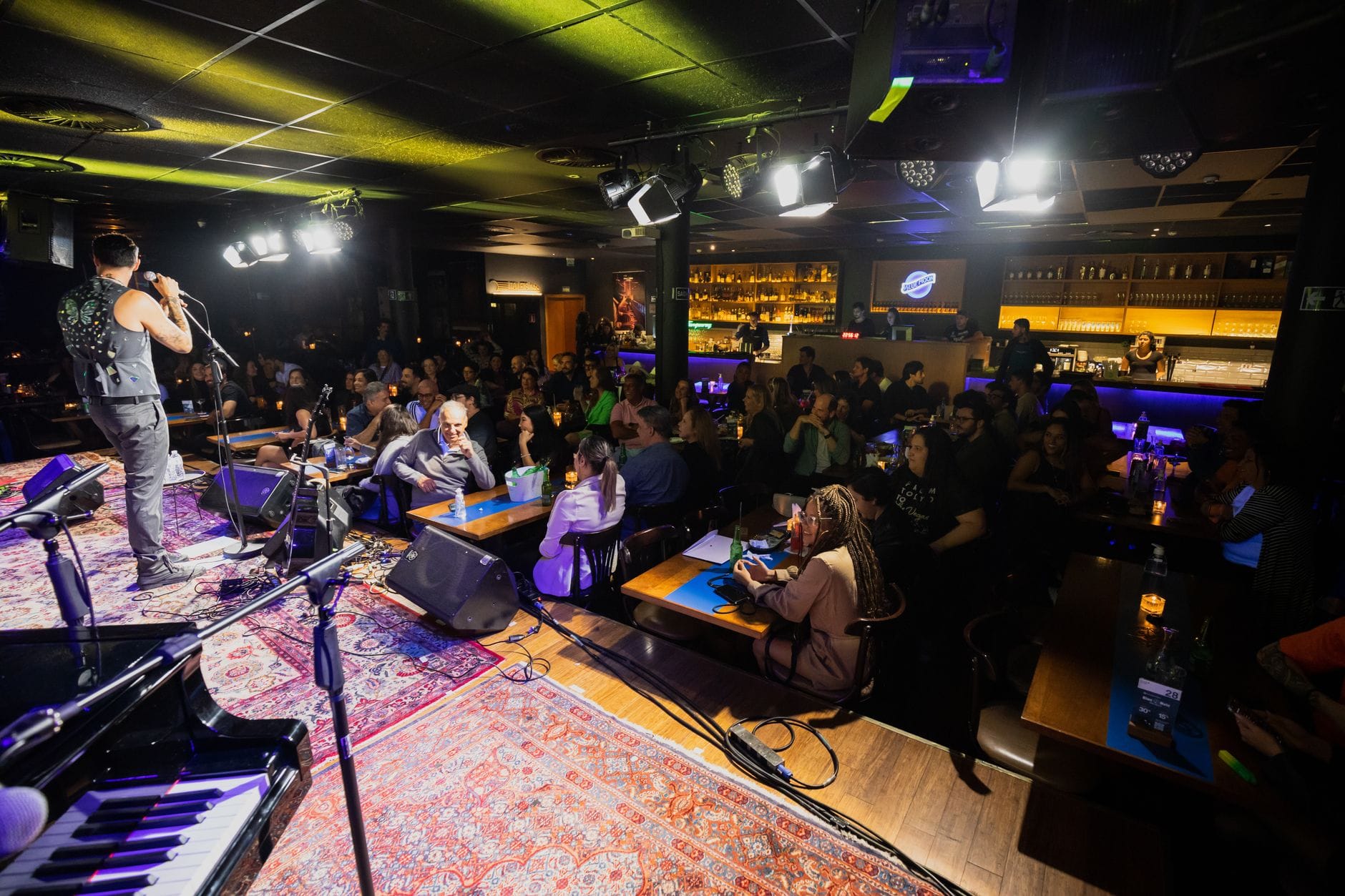
Munich has a reputation that can mislead first-time visitors: beer halls, Lederhosen, and early nights. The reality is more layered. The city of 1.6 million people supports a genuine club scene, a respected live music circuit, a well-developed LGBTQ+ nightlife quarter, and a cocktail bar culture that has grown steadily over the past decade. What Munich doesn't do is pretend to be Berlin. The scene is tighter, somewhat more expensive, and generally wraps up earlier. That is not a flaw, it is just the character of the place.
Geographically, nightlife is not evenly distributed. The historic Altstadt has tourist-facing beer halls and a handful of late bars around Marienplatz, but serious nightlife clusters elsewhere. Glockenbachviertel (south of the centre) and Werksviertel-Mitte (east, near Ostbahnhof) are the two areas that reward deliberate exploration. Schwabing and Maxvorstadt serve the student and creative crowd with a more relaxed, mid-week energy. Understanding which district matches your plans for the evening saves a lot of wasted travel.
ℹ️ Good to know
Munich operates on Central European Time (CET, UTC+1), switching to CEST (UTC+2) from late March to late October. Clubs that advertise 'midnight opening' mean local time, not an adjusted party start. Pre-gaming at bars from 9 pm is standard practice.
The Main Nightlife Districts
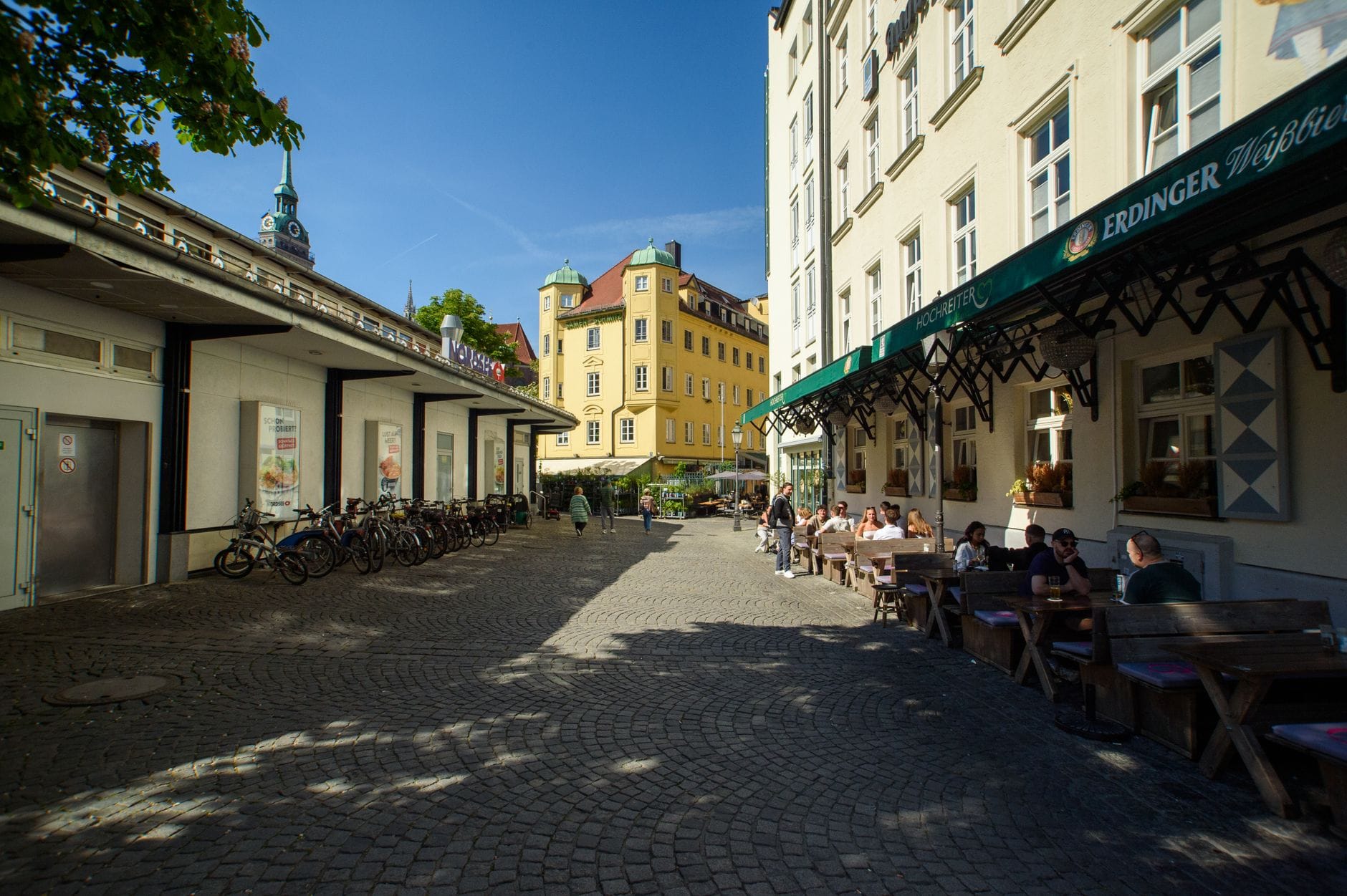
The Glockenbachviertel is Munich's most concentrated bar district, anchored around Gärtnerplatz and spilling along Müllerstraße and Rumfordstraße. It is also the city's primary LGBTQ+-friendly zone, with a mix of relaxed wine bars, cocktail lounges, and late-night spots that attract a broad, mixed crowd. The area starts getting busy around 9 pm and stays lively until 2-3 am on weekdays, later on weekends. It is walkable, compact, and easy to navigate on foot between venues.
Werksviertel-Mitte, the industrial district near Ostbahnhof in the city's east, is where the harder electronic music scene lives. Converted factory buildings and warehouse spaces host large club nights focused on techno, house, and experimental music. This is Munich's answer to the post-industrial club culture found in Hamburg or Berlin, though the venue count is smaller. Expect door policies at the serious clubs, so dress accordingly and avoid arriving in tourist groups.
Schwabing and Maxvorstadt cater to students and young professionals. The bars along Leopoldstraße and Schellingstraße tend toward the cheaper and louder end of the spectrum, with student bars and late-night cafés doing steady business through the week. These areas are not the place to look for refined cocktails, but they are reliable for an affordable, social night out, and many venues stay open until 3-4 am.
Haidhausen, just east of the Isar, is worth knowing about for a slightly calmer evening. The neighbourhood has a number of independent bars with character, less tourist traffic than the Altstadt, and an easy connection back to the centre. It borders Werksviertel-Mitte and the two areas work well together for an east-side evening itinerary.
Clubs and Live Music Venues
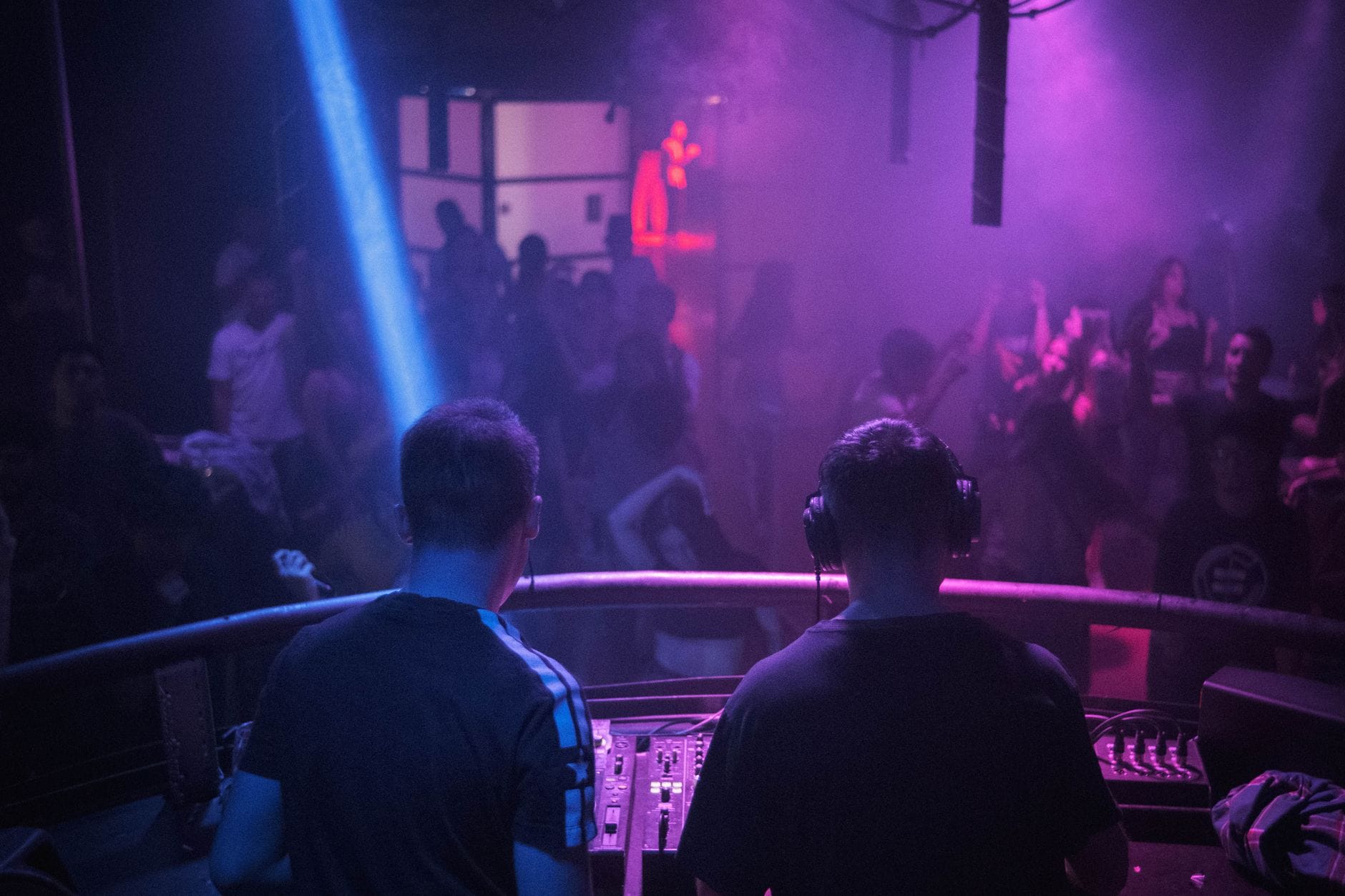
Blitz Club (Museumsinsel 1) is Munich's most internationally recognized electronic music venue. Located in a former air raid shelter beneath a museum island, it programmes techno and house nights with strong bookings from the European club circuit. Door policy exists, dress codes are enforced, and it fills late, typically peaking after 1 am. This is not the place for a casual stroll-in on a Saturday at 11 pm.
Muffatwerk (Zellstraße 4) is a more versatile venue in a 19th-century heating plant on the Isar. It handles both live concerts and club nights, with a programme that ranges from indie and electronica to world music. The outdoor Muffatcafé beer garden operates in summer, making it a useful pre-club location on warm evenings. Capacity is moderate, which means a more personal atmosphere than Blitz, and it is more accessible to casual visitors.
Backstage (Reitknechtstraße) fills the gap for anyone whose tastes run toward punk, metal, hardcore, and alternative music. It operates multiple indoor stages and an outdoor area, handling everything from small touring acts to mid-size concerts. Club nights run on weekends alongside the gig calendar. It is further west from the central nightlife cluster, so factor in a short U-Bahn journey.
- Blitz Club Museumsinsel 1. Techno and house in a former air raid shelter. International bookings, strict door policy, fills after 1 am.
- Muffatwerk Zellstraße 4. Live concerts and club nights in a converted heating plant on the Isar. More accessible atmosphere, summer beer garden.
- Backstage Reitknechtstraße. The city's best venue for punk, metal, and alternative. Multiple stages, outdoor area, club nights on weekends.
- Jazzbar Vogler Rumfordstraße 17, Glockenbachviertel. Small, intimate jazz club with live sets most nights. No cover charge; you pay for drinks only.
- Werksviertel-Mitte clubs The wider Werksviertel district near Ostbahnhof houses several industrial club venues. Check current listings as individual venues in this area open and reformat regularly.
⚠️ What to skip
Munich clubs with a door policy take it seriously. Arriving in large tourist groups, wearing sportswear, or being visibly intoxicated before entry will result in rejection. Research the specific venue's dress and group norms before turning up on a Saturday night.
Beer Halls, Beer Gardens, and Classic Munich Evening Drinking
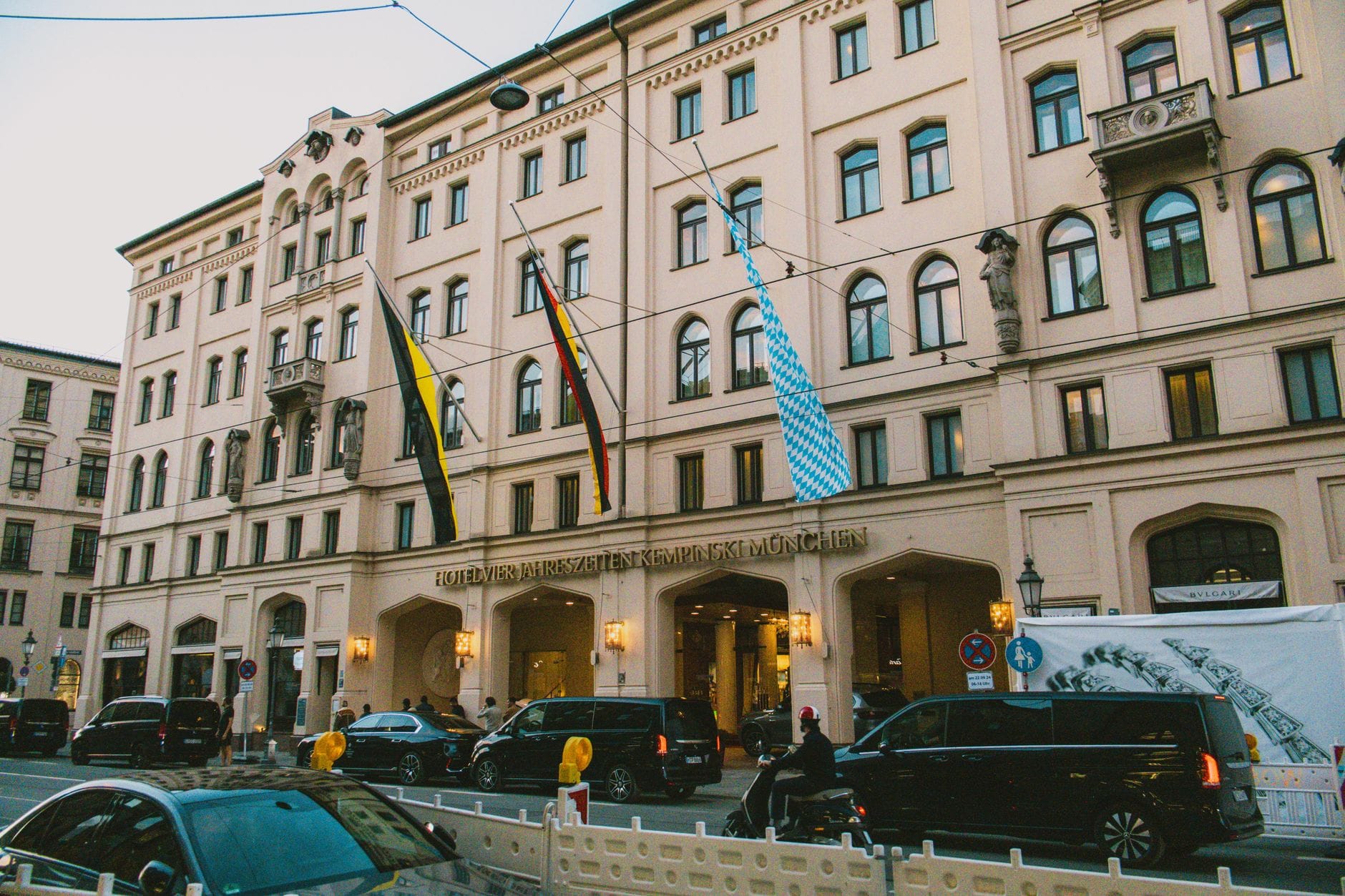
No guide to Munich nightlife is complete without addressing the beer hall and beer garden tradition, because they genuinely dominate early-evening culture for locals and tourists alike. The Hofbräuhaus on Platzl is the most famous beer hall in the world. It is also, by most honest assessments, extremely touristy. It is loud, crowded, and efficient at processing large groups. Visit it once if you want the experience, but do not mistake it for a representative Munich evening.
Beer gardens are a different proposition entirely. The Hirschgarten in the city's west is the largest beer garden in Munich with a capacity of around 8,000, surrounded by deer enclosures in a park setting. The Englischer Garten beer gardens, including the Chinesischer Turm, are centrally located and popular with a mixed local and tourist crowd. Beer garden culture is seasonal: May through September is the main window, and on warm evenings tables fill by 5-6 pm. These are early-evening destinations, not late-night ones.
💡 Local tip
At most Munich beer gardens, you are allowed to bring your own food (Mitbringen is the tradition) but you must buy your drinks at the venue. Bringing your own beer is not acceptable. Tables with tablecloths are reserved for waiter service; plain bench tables are self-service.
Prices, Practical Logistics, and Transport
Munich is consistently rated among the most expensive cities in Germany for a night out, comparable to London by some measures. A half-litre glass of beer at a central beer hall runs around 8-12 EUR depending on the venue. Cocktails at mid-range bars are typically 12-16 EUR. Club entry varies widely: smaller venues and early nights may be free or 5-8 EUR; established clubs with international DJs charge 15-25 EUR. Budget accordingly before you head out, because the costs accumulate quickly.
Getting around after midnight used to be the main challenge. It no longer is. Munich's U-Bahn now runs overnight on Friday and Saturday nights and before public holidays, with trains every 30 minutes and 15‑minute intervals in the inner city, which covers the main nightlife districts well. On other nights, night buses (Nachtbus network) fill the gaps. Trams and S-Bahn have their own late-night schedules. Ride-hailing apps including Uber and Free Now (formerly mytaxi) operate across the city and can be a practical fallback from areas with less direct public transport links, such as Backstage venue in the west.
- Beer: 8-12 EUR for a half-litre at central venues; cheaper in student bars
- Cocktails: 12-16 EUR at standard cocktail bars
- Club entry: free to 8 EUR at smaller venues; 15-25 EUR for major bookings
- Pub crawl packages: typically 20-35 EUR including multiple stops, shots, and club entry
- Taxi or Uber from club areas to central hotels: roughly 10-20 EUR depending on distance and time
- U-Bahn single ticket: around 4-5 EUR (verify current MVV fare before travel)
Tipping in bars and clubs follows German norms: rounding up the bill or adding 5-10% is standard when paying at a bar tab. For large rounds or bottle service, a slightly more generous tip is appropriate. Cash is still widely used in Munich bars and clubs; do not assume card payment will be accepted everywhere, particularly at smaller venues and beer gardens. See our guide on getting around Munich for full transport details.
Seasonal Highlights and Events
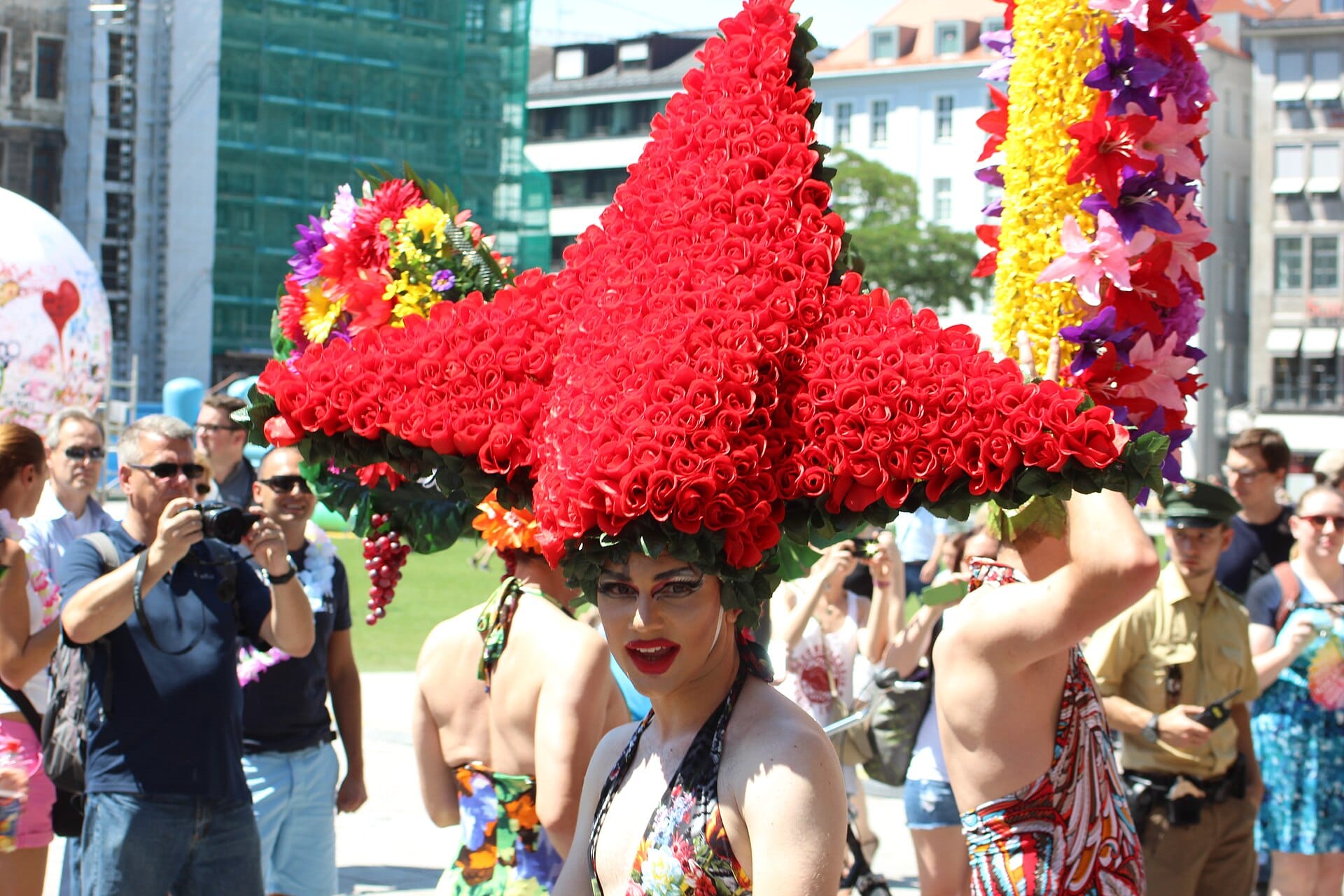
The nightlife calendar has two major seasonal peaks. Summer (May to September) brings beer garden culture to the forefront and outdoor events increase significantly across all districts. Christopher Street Day (CSD Munich), the city's Pride celebration, takes place in July each year with a large parade through the city centre and extended parties in Glockenbachviertel. The area around Gärtnerplatz sees some of the highest foot traffic of the year during CSD weekend. For more on summer events and activities, see the Munich in summer guide.
Late September and early October bring Oktoberfest to Theresienwiese. This is the world's largest folk festival and it transforms the city's drinking culture for roughly two and a half weeks. Tent-based beer drinking starts from late morning and winds down around 10:30 pm when the tents close. The city's bars and clubs run parallel programming throughout the festival period, often with themed nights. One important note: Oktoberfest itself is not late-night club culture. It ends earlier than most visitors expect, and the post-tent crowd disperses quickly.
Winter nightlife is quieter in terms of outdoor activity but the indoor scene remains consistent. Munich's Christmas markets (late November to December) create a specific evening atmosphere centred on Glühwein (mulled wine) and market stalls rather than clubs, drawing large crowds to Marienplatz and surrounding squares. This period compresses the usual nightlife into fewer but busier indoor venues.
✨ Pro tip
During Oktoberfest, book any nightlife venue, pub crawl, or bar table well in advance. The city's accommodation fills months ahead, and the bar districts become extremely crowded. If you are visiting solely for the club scene rather than the festival, the weeks immediately before or after Oktoberfest offer better prices, shorter queues, and a more relaxed atmosphere.
FAQ
What time do clubs close in Munich?
Most bars wind down between 3 and 4 am. Serious clubs, particularly in Werksviertel-Mitte and venues like Blitz Club, run until around 6 am on Friday and Saturday nights. Munich does not have the all-night club culture of Berlin, but weekend nights at dedicated clubs extend well into the morning.
Is Munich nightlife expensive?
Yes, Munich is among the most expensive cities in Germany for a night out. Beer at central venues costs around 8-12 EUR for a half-litre. Cocktails run 12-16 EUR. Club entry ranges from free to 25 EUR depending on the event. Budget around 50-80 EUR for a full night out including drinks and entry.
How do I get home from clubs in Munich after midnight?
Munich's U-Bahn runs 24 hours on Friday and Saturday nights, covering all main nightlife districts. On other nights, the Nachtbus (night bus) network operates across the city. Uber and Free Now also operate in Munich for door-to-door service from club areas.
What is the best area for nightlife in Munich?
Glockenbachviertel (around Gärtnerplatz) is the most concentrated bar district, best for bar-hopping and LGBTQ+-friendly venues. Werksviertel-Mitte near Ostbahnhof is the hub for electronic music and large club nights. Schwabing and Maxvorstadt suit a student-budget bar crawl. The Altstadt is convenient but leaning heavily tourist-facing.
Is Munich nightlife good compared to Berlin?
Munich has a solid club and bar scene but it is smaller and less experimental than Berlin's. Hours are shorter, venues are fewer, and the culture is somewhat more mainstream. If you are primarily visiting Germany for club culture, Berlin has the edge. But Munich's nightlife is genuinely varied and high quality for a city of its size, particularly for live music, jazz, and beer garden evenings.
Tickets & tours
Live prices and dates from our booking partner. If you book, we may earn a commission at no extra cost to you.
Planning a trip? Discover personalized activities with the Nomado app.