Munich in Summer: What to Do in June, July & August
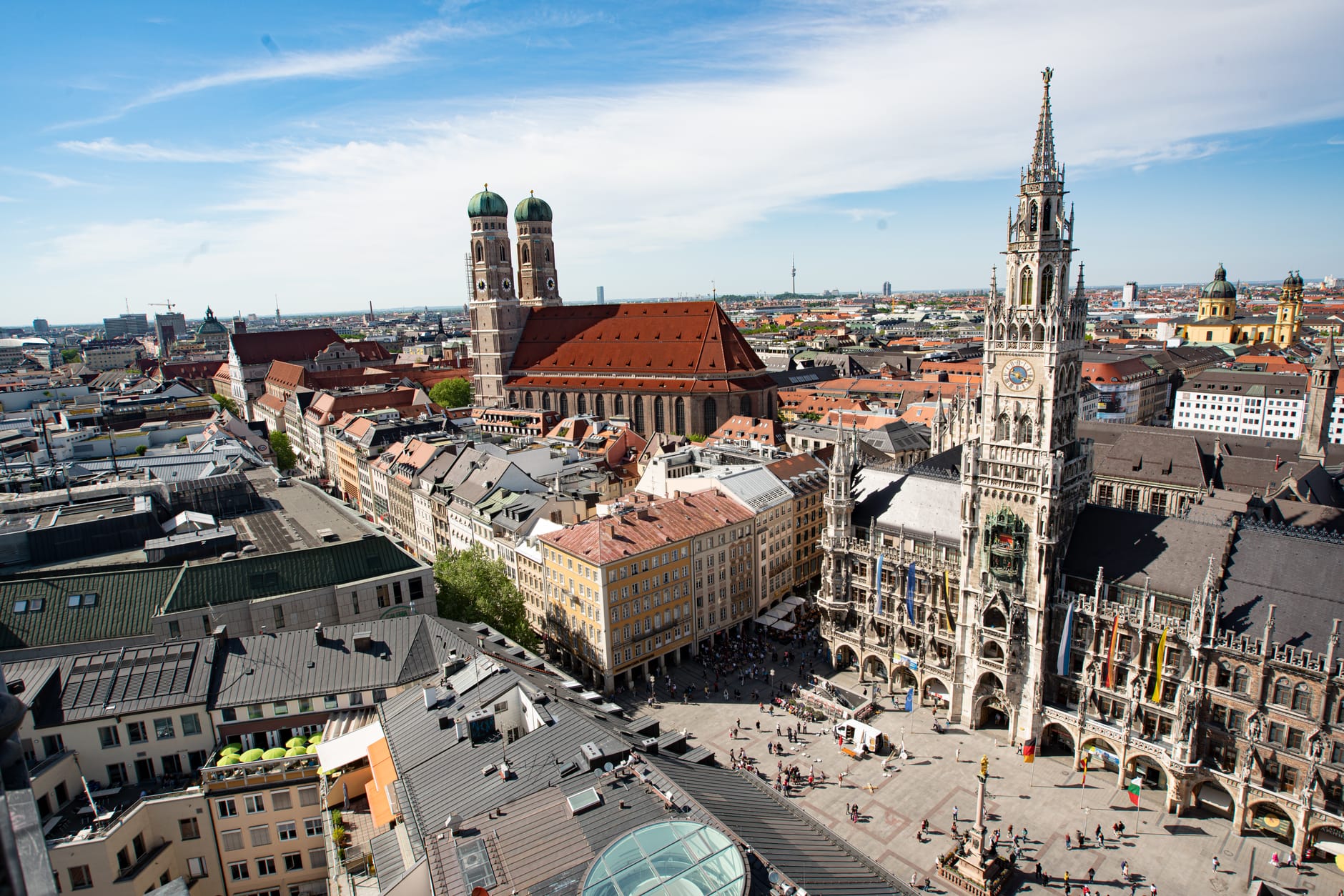
Summer transforms Munich into one of Europe's most enjoyable cities. From riverside parks and open-air festivals to world-class opera and Alpine day trips, this guide covers everything you need to make the most of June, July, and August in Bavaria's capital.
Tickets & tours
Live prices and dates from our booking partner. If you book, we may earn a commission at no extra cost to you.
TL;DR
- Munich in summer means long daylight hours, warm temperatures averaging 23–25°C, and a packed calendar of outdoor festivals, concerts, and cultural events.
- Hotel prices run 25–40% higher than shoulder season, with peaks during Bavarian school holidays (late July to early September) — book accommodation early using our Munich accommodation guide.
- The Eisbach river wave in the Englischer Garten is spectacular to watch — but swimming there is officially prohibited and genuinely dangerous.
- Major events including Tollwood Summer Festival, Munich Opera Festival, and Olympiapark Summerfestival run across June, July, and August, each requiring advance tickets.
- Summer is also the ideal season for day trips from Munich to Neuschwanstein, the Zugspitze, and the Alpine lakes.
What Munich Summer Actually Feels Like
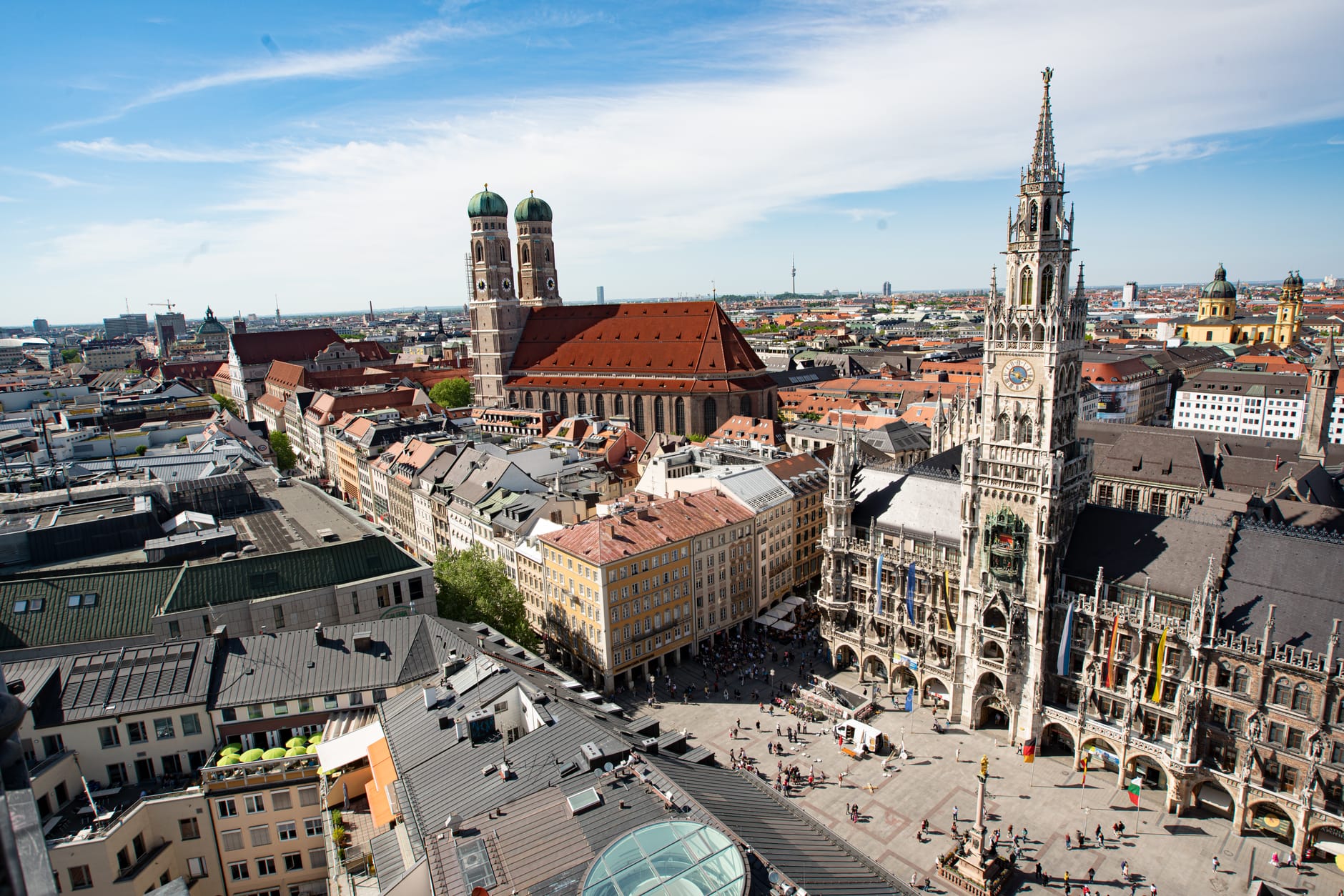
Munich sits at roughly 520 metres above sea level, about 50 km north of the Alps, and that elevation matters in summer. Average highs run between 22°C and 24°C from June through August, with overnight lows staying comfortable at 12–14°C. The city rarely gets the sustained 35°C+ heat waves that hit Berlin or Frankfurt, but hotter days do happen, and when they do, the entire population migrates to the Isar riverbanks and the Englischer Garten. This is not a metaphor. On a 30°C afternoon in July, the meadows along the Isar look like a beach.
Daylight is generous: sunrise around 5:30am and sunset after 9pm in June and early July. Evenings are long and warm enough to sit in a beer garden until dark, which locals treat as a near-sacred summer ritual. The flip side is that late spring and summer are also Munich's wettest months. Afternoon thunderstorms roll in off the Alps with little warning, typically from late June onwards. Pack a compact rain jacket — not because it rains all day, but because a 20-minute downpour followed by sunshine is a standard summer afternoon.
💡 Local tip
Munich's beer gardens are first-come, first-served on most benches. Arrive before 6pm on weekday evenings or by noon on weekends to secure a table at the larger gardens like the Hirschgarten or Englischer Garten's Chinesischer Turm. Bringing your own food is a genuine local custom at most traditional gardens — buy only your beer from the brewery stand.
Major Summer Events: June, July & August
Munich's event calendar in summer is surprisingly deep for a city that most visitors associate primarily with Oktoberfest (which actually starts in late September). The summer months have their own distinct festival identity, spread across multiple venues and neighbourhoods.
- Munich Pride / CSD München (June) Running across the second and third weeks of June, the Christopher Street Day celebrations include a major street parade through the city centre and weeks of associated cultural events. The parade itself draws large crowds and is one of southern Germany's biggest Pride events.
- Munich City Birthday (mid-June) A two-day celebration in the Altstadt marking the city's founding. Free street performances, music, and cultural programming fill Marienplatz and surrounding streets.
- Munich Opera Festival (mid-June to late July) The Bayerische Staatsoper runs its annual summer festival from mid-June to the end of July, featuring high-profile productions across its main venues. Tickets sell out months in advance for popular performances — check staatsoper.de early. The Odeonsplatz Opernfestspiele open-air screening is free and draws thousands.
- Tollwood Summer Festival (late June to mid-July) Held at Olympiapark Süd, Tollwood is a world music, arts, and food festival with a strong sustainability ethos. The market section is free to enter; concerts require tickets. The food stalls offer genuinely diverse international cuisine — one of the better eating experiences in Munich during summer.
- Olympiapark Summerfestival (late July to late August) Concerts, beach volleyball, and open-air cinema on the Olympiapark grounds. Programming varies year to year, so check the Olympiapark website for the current lineup.
- Superbloom Festival (late August to early September) A newer electronic music and arts festival staged in Olympiapark, aimed at a younger demographic. Growing in profile each year and worth watching if that's your scene.
⚠️ What to skip
School holidays in Bavaria typically run from late July to mid-September. During this window, hotel prices spike, popular attractions get crowded, and transport to Alpine destinations fills up fast. If you're travelling specifically for cultural events like the Opera Festival or Tollwood, the first three weeks of July offer the best combination of programming and slightly lower accommodation costs.
Parks, Rivers, and Outdoor Life
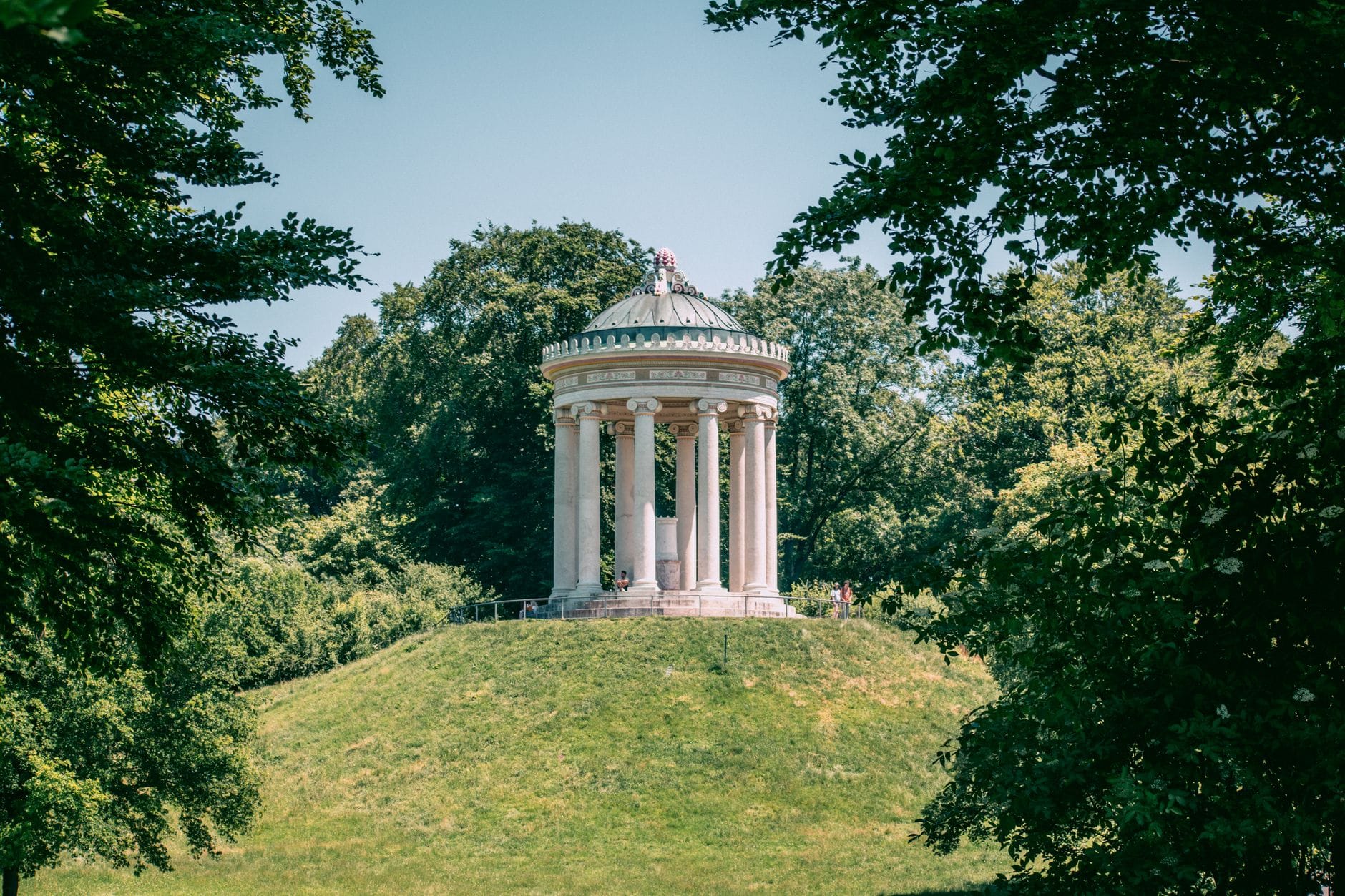
The Englischer Garten is Munich's outdoor centrepiece in summer, covering 375 hectares in the heart of the city — larger than Central Park. In June and July it functions simultaneously as a sunbathing meadow, a beer garden complex, a cycling route, and the unlikely home of the Eisbach river wave, where experienced surfers ride a permanent standing wave beneath a bridge on Prinzregentenstrasse. It's one of the most genuinely surprising sights in any European capital, and watching it costs nothing.
The Eisbach wave draws spectators year-round, but summer is when crowds gather thick along the railings. To be absolutely clear: swimming in the Eisbach is officially prohibited and the ban is enforced. The currents are strong, the concrete channel edges are unforgiving, and a fatal accident in 2025 hardened enforcement. Watch the surfers; do not enter the water.
For actual swimming, Munich's best options are its surrounding lakes. Langwieder See and Feldmochinger See are both reachable by public transport and have designated swim zones. The Isar River within the city also has specific designated bathing spots, particularly around the Flaucher area in the south — a flat gravel bank popular with locals for picnics and paddling. Always check local signage; currents in the Isar can be deceptively strong, especially after Alpine snowmelt.
The Hirschgarten in the Nymphenburg district is home to what may be Munich's most traditional beer garden, with seating for up to 8,000 people under chestnut trees. It adjoins a deer enclosure — yes, there are actual deer — and is less tourist-heavy than the Chinesischer Turm garden in the Englischer Garten. Both are worth visiting, but Hirschgarten feels more like where locals actually go.
✨ Pro tip
Munich's Olympiapark is underused by most visitors outside of event weekends. Note that the Olympic Tower (Olympiaturm) is closed for renovation until late 2027, so its observation deck is off-limits for 2026 visits; the park itself still has open lawns, a lake for paddleboats, and an outdoor climbing wall. Combine it with a visit to BMW Welt next door for a half-day that covers a lot of ground without queuing or paying much.
Culture and Museums: Don't Skip These in Summer
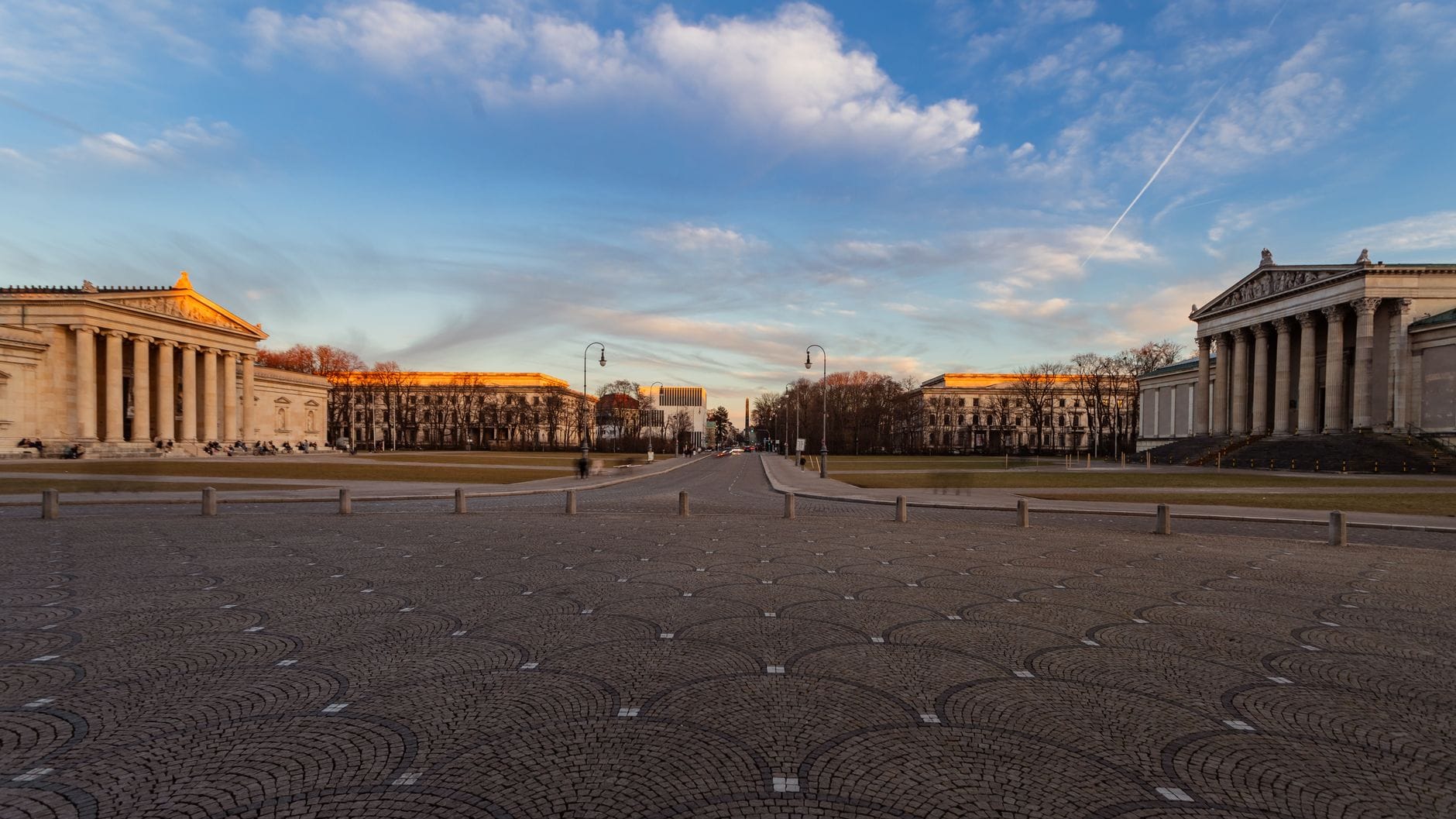
The assumption that Munich's cultural life shuts down in summer for outdoor pursuits is wrong. The city's museum cluster in Maxvorstadt, known as the Kunstareal, operates year-round, and summer adds open-air extensions and extended evening hours at several institutions.
The Deutsches Museum on Museum Island is the world's largest science and technology museum and a genuine all-day destination. Its scale means it never feels overwhelmed even on busy summer days. The Alte Pinakothek and Pinakothek der Moderne in Maxvorstadt are world-class art museums that are significantly less crowded than equivalents in Paris or London, even in peak season.
The Nymphenburg Palace and its grounds deserve a full morning in summer. The formal gardens are at their best between June and August, and the surrounding canals attract cyclists and walkers. This is one of the more underrated royal complexes in Europe — the interior rooms, including the famous Gallery of Beauties commissioned by Ludwig I, are genuinely worth the entrance fee. Arrive before 10am to beat tour groups.
Day Trips from Munich in Summer
Summer is the optimal season for leaving Munich for a day. The city's S-Bahn and regional rail network make it straightforward to reach Alpine foothills, lakes, and historic towns without a car. Our full day trips from Munich guide covers logistics in detail, but here are the top summer-specific options.
- Neuschwanstein Castle (2 hours by train + bus) The most visited attraction in Germany after Cologne Cathedral, Neuschwanstein looks at its most dramatic against summer skies. Book tickets weeks in advance — timed entry is mandatory and same-day availability is essentially zero in July and August. Our dedicated Neuschwanstein guide has the logistics.
- Zugspitze (2.5 hours by train and cable car) Germany's highest peak at 2,962m is accessible by cogwheel train and cable car from Garmisch-Partenkirchen. Even in August, temperatures at the summit hover near freezing — bring a layer regardless of what Munich feels like. Panoramic views extend into Austria, Italy, and Switzerland on clear days.
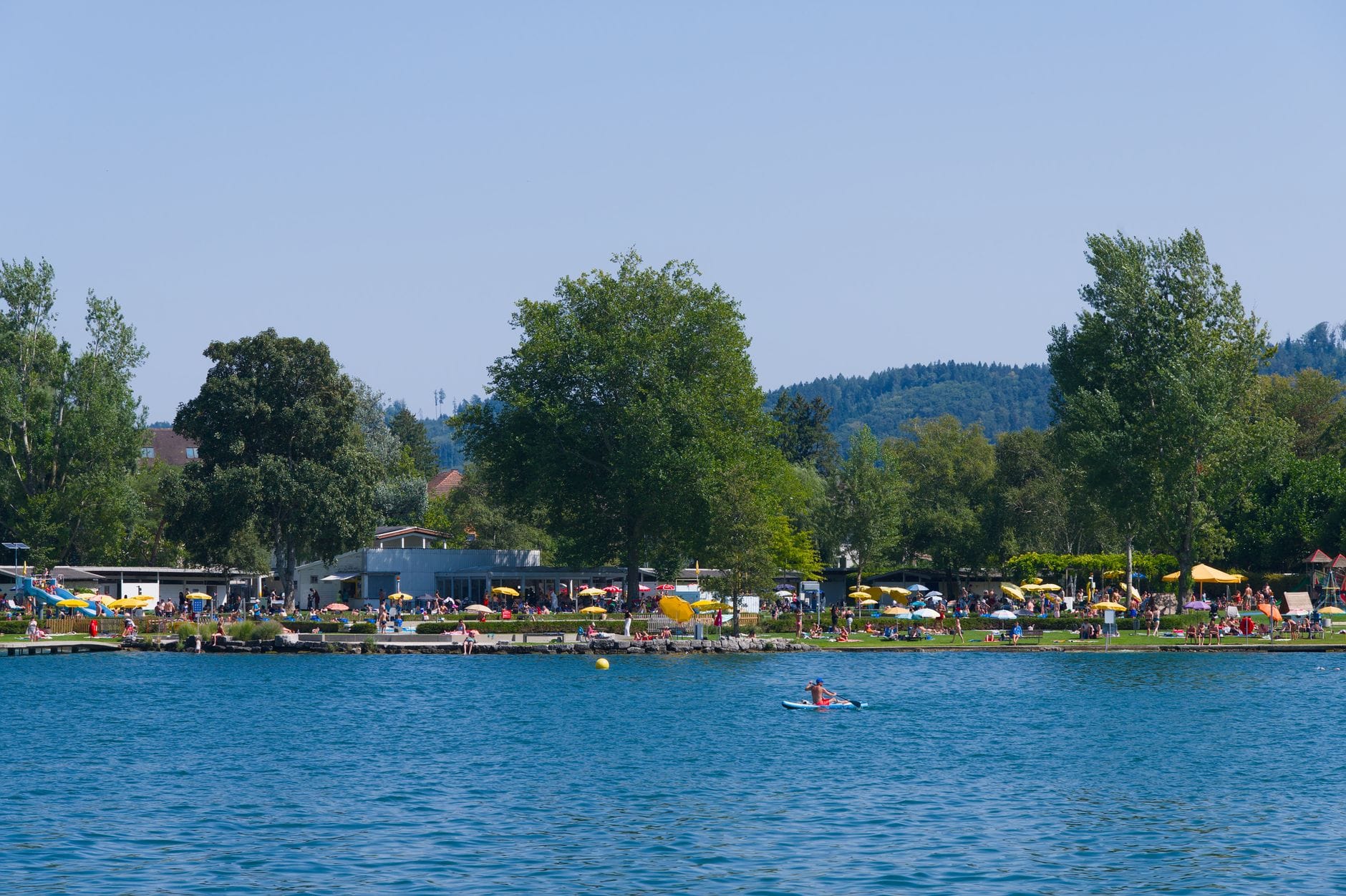
- Lake Starnberg / Starnberger See (35 minutes by S-Bahn) The closest significant lake to Munich, Starnberger See is served by the S6 line and has multiple swimming and sailing spots along its shores. The town of Starnberg itself is pleasant but busy; take the train one stop further to Possenhofen or Feldafing for a quieter stretch of shoreline.
- Salzburg, Austria (1.5 hours by train) Reachable in about 90 minutes on direct trains from Munich Hauptbahnhof, Salzburg is an easy and rewarding summer day trip. The Salzburg Festival runs in late July and August — if you want tickets, plan well ahead, as it's one of Europe's most prestigious classical music events.
- Andechs Monastery (S-Bahn S8 to Herrsching, then bus or 30-min walk) A working Benedictine monastery brewing some of Bavaria's most respected beer since the 15th century. The hillside setting above Ammersee lake is genuinely beautiful, the beer garden serves food, and the whole trip takes about 90 minutes each way from central Munich.
Practical Tips for Summer in Munich
Munich in summer is well-organised but genuinely expensive. Accommodation at the lower end of the market fills quickly, and the closer you get to Bavarian school holidays — typically late July through mid-September — the higher rates climb. Booking 6–8 weeks ahead for July travel is sensible; for the last two weeks of July and early August, 3 months ahead is not excessive if you have specific hotel preferences.
Getting around the city in summer is straightforward on the MVV public transport network, which covers U-Bahn (metro), S-Bahn (suburban rail), trams, and buses under one ticketing system. For day trips to lakes and Alpine areas, the same network extends outward. Check the Munich transport guide for zone maps and fare structures, as these change periodically. For cycling, Munich has an extensive dedicated network and several bike-share operators — summer is when the Munich cycling infrastructure really shows its value.
Tap water in Munich is safe to drink and actively promoted as such by city utilities — you do not need to buy bottled water. Carry a refillable bottle. Most restaurants will serve tap water if asked directly, though some may push bottled alternatives. Tipping conventions follow standard German practice: round up the bill or add 5–10%, paid directly to the server rather than left on the table.
- Book museum tickets and major attraction entries online in advance — Nymphenburg Palace and Deutsches Museum both offer skip-the-line advantages for pre-booked tickets
- Carry cash: many traditional beer gardens, smaller restaurants, and market stalls in Munich still operate cash-only or have minimum card payment thresholds
- Pack a compact umbrella or rain jacket — afternoon storms from late June onwards are common and can last 15–30 minutes before clearing
- Consider a Munich City Pass if you plan to visit multiple paid attractions in a single day — run the numbers first, as it only saves money for genuinely heavy attraction days
- Beware of tourist-trap lunch spots around Marienplatz charging 20–25 EUR for average food; walk two streets in any direction for significantly better value
- The Bayern Ticket covers unlimited regional rail travel in Bavaria for up to 5 people on a single day ticket — ideal for day trips to the lakes or Neuschwanstein
ℹ️ Good to know
Munich operates on Central European Summer Time (CEST, UTC+2) from late March to late October, so the sun doesn't set until well after 9pm in June and July. This means dinner at 8pm still feels like late afternoon, and evening events at Olympiapark or Tollwood get the benefit of natural light for the first hour or two. Plan your days longer than you might elsewhere.
For budget-conscious travellers, Munich in summer is harder than other seasons but not impossible. The free things to do in Munich guide covers no-cost options in detail, but the headline items are: the Englischer Garten, Marienplatz and the Glockenspiel (free to watch), the Isar riverside, most church interiors including the Frauenkirche, and the exterior grounds of Nymphenburg. The Munich budget travel guide has more strategies for keeping costs manageable during peak season.
FAQ
Is Munich worth visiting in summer despite the crowds and high prices?
Yes, for most travellers. Summer offers the best weather for Munich's considerable outdoor assets — the Englischer Garten, beer gardens, Isar riverbanks, and surrounding lakes — plus a uniquely rich events calendar that includes the Opera Festival and Tollwood. The trade-off is real: accommodation costs 25–40% more than in spring or autumn, and popular attractions like Neuschwanstein get very crowded. If you're flexible on timing, early June or mid-September gives you most of the upside with fewer people and lower prices.
What are the best things to do in Munich in December compared to summer?
Summer and December are essentially opposite Munich experiences. December revolves around the Christmas markets (Christkindlmarkt) at Marienplatz and several specialist markets around the city, plus ice skating and mulled wine. Summer is about outdoor life: parks, beer gardens, swimming lakes, and open-air festivals. Neither is objectively better — they suit different travel preferences. Our Munich Christmas markets guide covers December in detail if you're considering a winter visit.
Can you swim in the Eisbach or the Isar in Munich in summer?
Swimming in the Eisbach is prohibited due to dangerous currents and has been subject to stricter enforcement following a fatal accident in 2025. The Isar within the city has specific designated bathing areas — most notably the Flaucher gravel banks in the south — where paddling and wading is common. Always check current local signage and water level warnings, as Alpine snowmelt can significantly increase current strength. For safe open-water swimming, the surrounding lakes (Starnberger See, Langwieder See, Feldmochinger See) are better options.
How far in advance should I book hotels for Munich in summer?
For July travel, book at least 6–8 weeks ahead; for the peak Bavarian school holiday period (roughly late July to mid-September), 3 months ahead is more realistic if you want good mid-range options in central locations. Prices rise sharply as availability tightens. Staying in slightly outer neighbourhoods like Haidhausen or Schwabing and using the excellent U-Bahn network is a practical way to reduce costs while remaining well-connected.
What are the best day trips from Munich in summer?
The top summer day trips are Neuschwanstein Castle (book timed-entry tickets weeks in advance), the Zugspitze summit, Starnberger See by S-Bahn for lake swimming, Salzburg by train (90 minutes), and Andechs Monastery for a Bavarian countryside experience. The Bavaria Bayern Ticket covers unlimited regional rail travel in Bavaria and makes multi-leg day trips cost-effective for groups of 2–5 people.
Tickets & tours
Live prices and dates from our booking partner. If you book, we may earn a commission at no extra cost to you.
Planning a trip? Discover personalized activities with the Nomado app.