Is Munich Safe? Everything Travelers Need to Know
Munich consistently ranks as Germany's safest large city, with violent crime against tourists being genuinely rare. But that does not mean you can be complacent. This guide breaks down the real risks, the neighborhoods to know, seasonal crime patterns, and practical safety tips that will help you travel smarter.
Tickets & tours
Live prices and dates from our booking partner. If you book, we may earn a commission at no extra cost to you.
TL;DR
- Munich is statistically Germany's safest large city, with around 5,798 offences per 100,000 residents — compared to roughly 13,600 in Berlin and 11,500 in Hamburg.
- Violent crime against tourists is rare; the primary risk is opportunistic petty theft around Hauptbahnhof, Marienplatz, and busy beer gardens.
- Oktoberfest significantly raises crowd density and pickpocketing risk — see our Oktoberfest guide for event-specific safety advice.
- Emergency numbers: 112 for ambulance and fire, 110 for police. Tap water is safe to drink. Public transport is reliable day and night.
- Solo female travelers, families, and first-time visitors consistently report feeling safe across Munich's city center and major neighborhoods.
How Safe Is Munich, Really? The Data Behind the Reputation
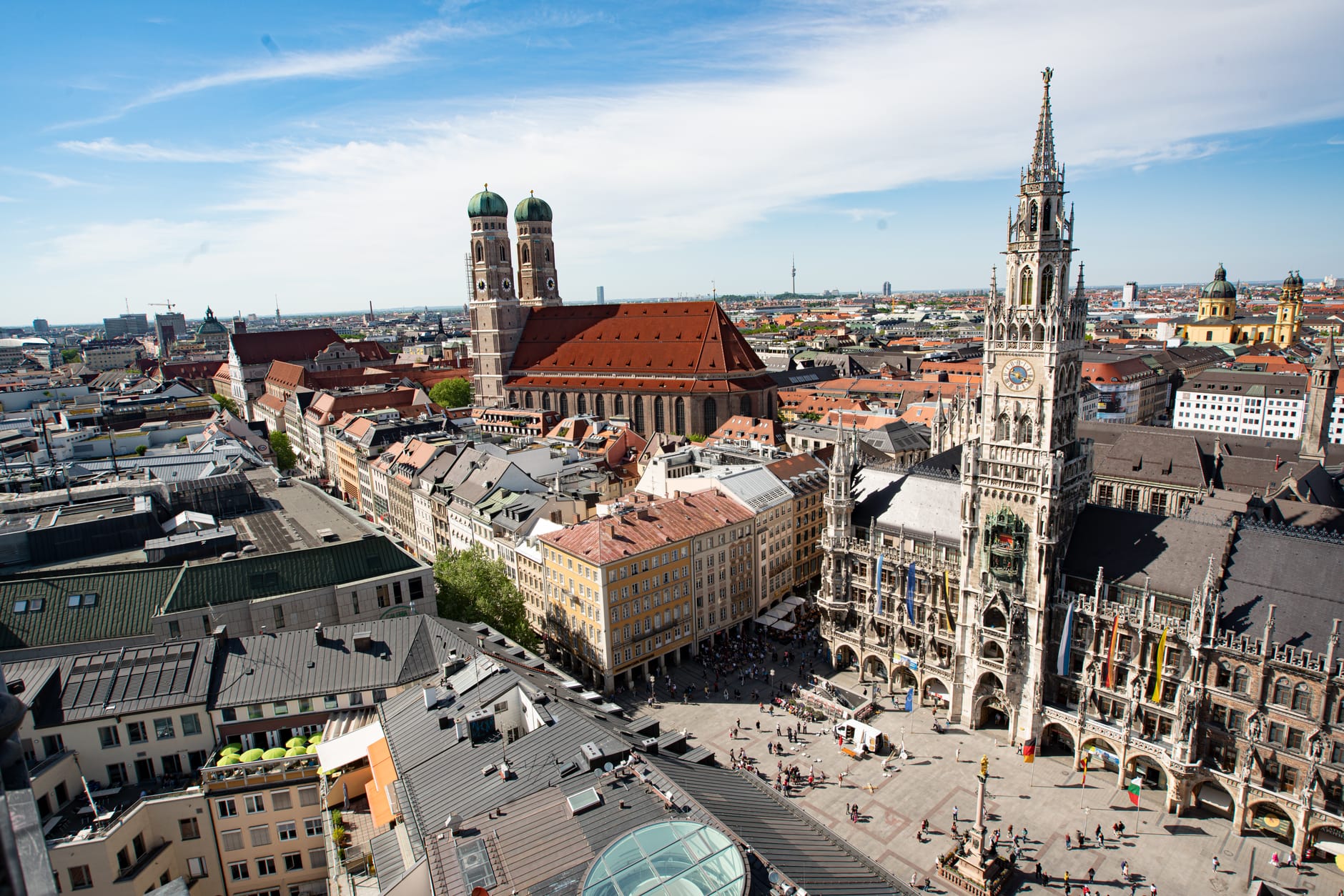
Munich (München) is the capital of Bavaria and Germany's third-largest city with over 1.6 million residents. Despite its size and international profile, it has been rated Germany's safest large city for decades, including in the most recent police reports, based on official crime statistics. That is not a marketing claim — it reflects a genuine statistical gap between Munich and other major German cities.
Numbeo's recent data assigns Munich a crime index in the low‑20s and a safety index in the high‑70s, placing it firmly in the 'low crime' category. For context, a score below 40 on the crime index is considered low by Numbeo's methodology. Munich sits well below that threshold, making it broadly comparable to cities like Zurich and Copenhagen in terms of day-to-day safety perception.
It is worth being precise about what this means for travelers. Low crime statistics do not translate to zero crime. Munich has pickpocketing, bag theft, bike theft, and occasional scams — concentrated heavily in specific locations and times. The overall threat profile is one of nuisance crime, not personal violence. Understanding that distinction lets you calibrate your precautions accurately rather than being either reckless or unnecessarily anxious.
ℹ️ Good to know
Germany's emergency numbers: dial 112 for fire and ambulance, and 110 for police. These work from any phone, including mobiles without a SIM card. For non-emergency administrative questions, the public service line is 115.
Where Petty Crime Concentrates: Areas to Watch
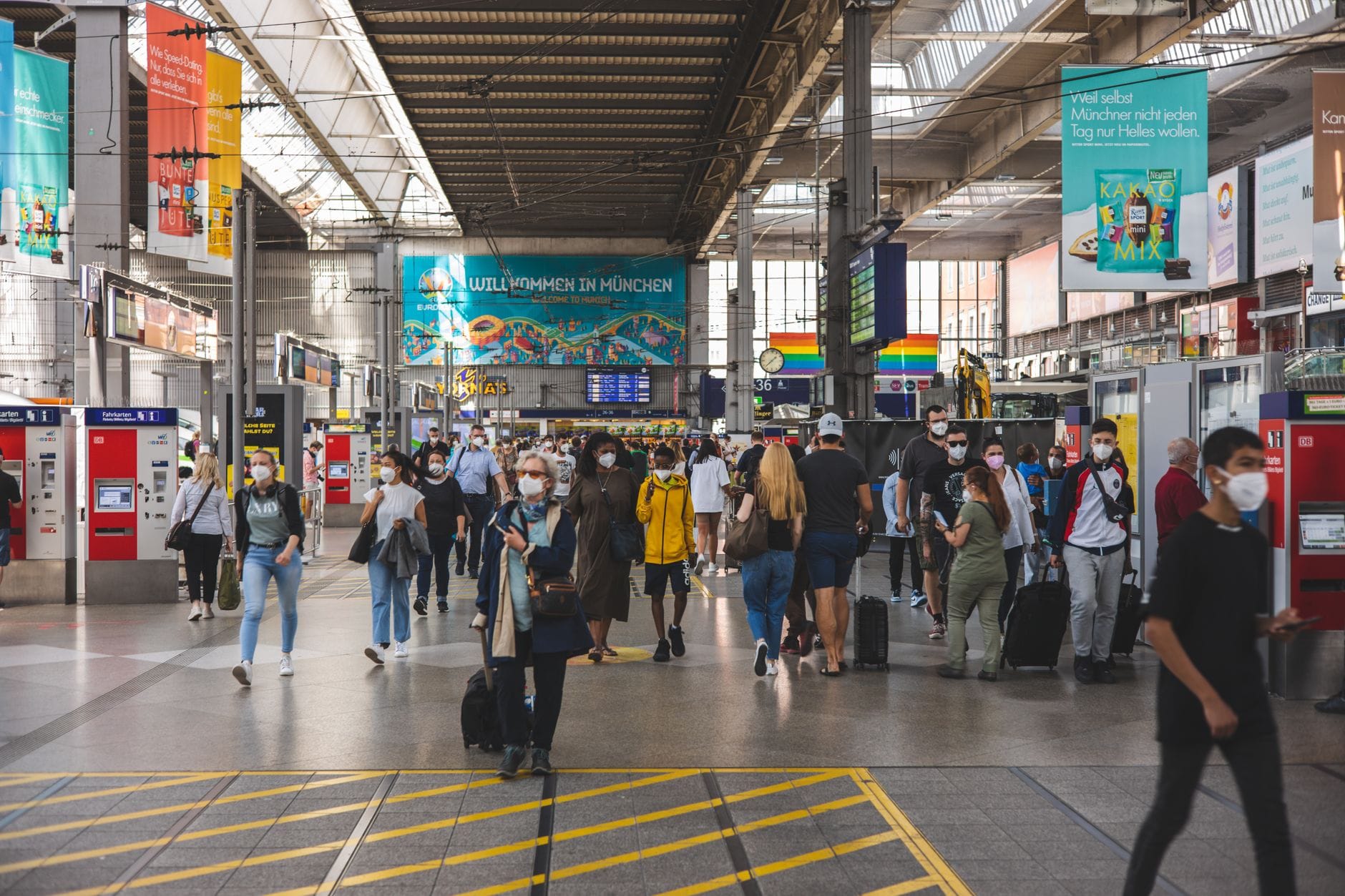
Most tourist-related theft in Munich is opportunistic and location-specific. The area around Marienplatz and the Hauptbahnhof (central station) sees the highest concentration of pickpocketing incidents, largely because they combine dense crowds, distracted tourists, and easy exit routes. The Viktualienmarkt and the U-Bahn platforms at busy interchange stations are secondary hotspots.
- Hauptbahnhof and surrounding streets Munich's main train station attracts pickpockets during peak hours and drunk or disorderly individuals late at night. Keep bags zipped and in front of you on platforms and in the station hall.
- Marienplatz and Kaufingerstrasse The pedestrian shopping zone between Marienplatz and Karlsplatz is one of Europe's busiest retail corridors. Crowded pavements, street performers, and Glockenspiel gatherings are prime pickpocketing environments.
- Viktualienmarkt The open-air food market sees very high foot traffic. Bags left open or on chair backs while you eat are the most common theft scenario here.
- Beer gardens during events Large beer gardens like the Hirschgarten can get very crowded. Phones and wallets left on benches or in jacket pockets on coat hooks are regularly taken.
- Ostbahnhof at night The eastern station is quieter and less policed than Hauptbahnhof, and late-night journeys here warrant more situational awareness.
Away from these hotspots, the picture changes substantially. Neighborhoods such as Maxvorstadt, Bogenhausen, Schwabing, and Haidhausen are residential areas where petty crime is low and the street atmosphere is calm even late in the evening. You are not going to encounter trouble walking back from a museum or restaurant in these districts.
💡 Local tip
Use a crossbody bag or a money belt for passports and large amounts of cash in crowded areas. Keep your phone in a front trouser pocket rather than a jacket pocket, and never hang a bag on the back of a chair at cafes or beer gardens.
Seasonal Safety: How Oktoberfest and Summer Change the Risk Profile
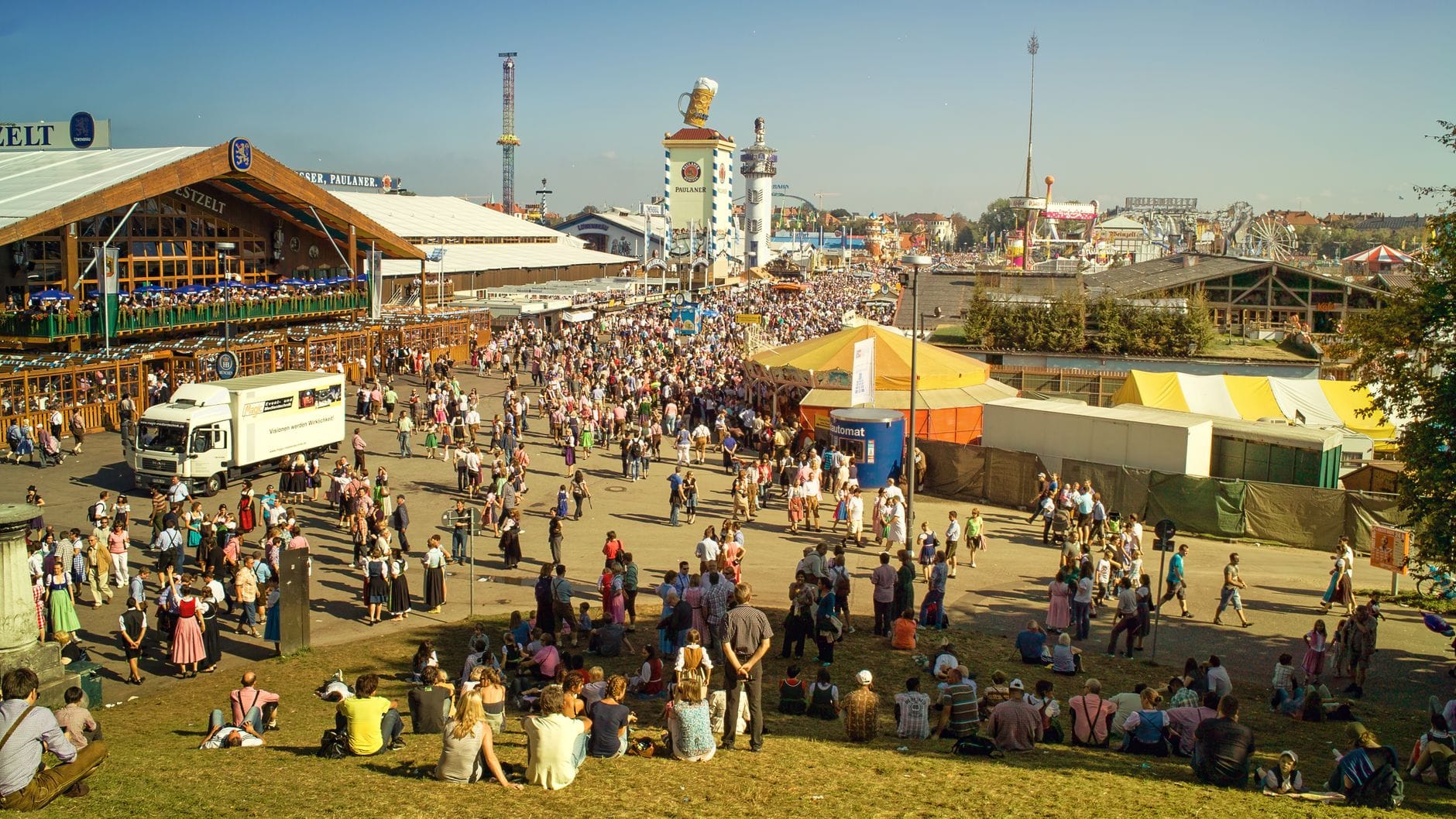
Munich's safety profile is not static across the year. The city receives around 15 million overnight visitors annually, but that load is unevenly distributed. Two periods spike both crowd density and associated petty crime: the summer peak (June to August) and Oktoberfest (typically late September to early October).
During Oktoberfest, the Theresienwiese fairgrounds and the surrounding Ludwigsvorstadt district experience a sharp rise in pickpocketing, aggressive begging, and alcohol-fueled altercations. This is not a reason to avoid the festival, but it does mean your standard urban precautions need to be more deliberate. Keep valuables in inside pockets, go easy on alcohol if you are unfamiliar with the crowds, and arrange your return transport before you arrive — not while you are trying to navigate a sea of people in Lederhosen.
Summer tourism raises baseline theft risk around the main tourist corridor from Hauptbahnhof through Marienplatz to the English Garden. This is also when U-Bahn and S-Bahn trains get crowded enough that pickpocketing on carriages becomes a real rather than theoretical risk. It is worth checking the best time to visit Munich if you want to balance good weather with lower crowd density.
Winter is genuinely quieter in terms of tourist crime, with the exception of the Christmas markets in December, which draw large crowds to Marienplatz and surrounding squares. The same pickpocketing logic applies: dense, distracted crowds plus the emotional buzz of markets equals opportunity for opportunistic thieves.
⚠️ What to skip
During Oktoberfest, unofficial 'ticket sellers' outside the festival grounds sometimes offer advance entry or reserved tent seats for cash. These are almost always scams. Tent reservations must be made directly through the official beer hall operators months in advance.
Public Transport Safety and Common Scams
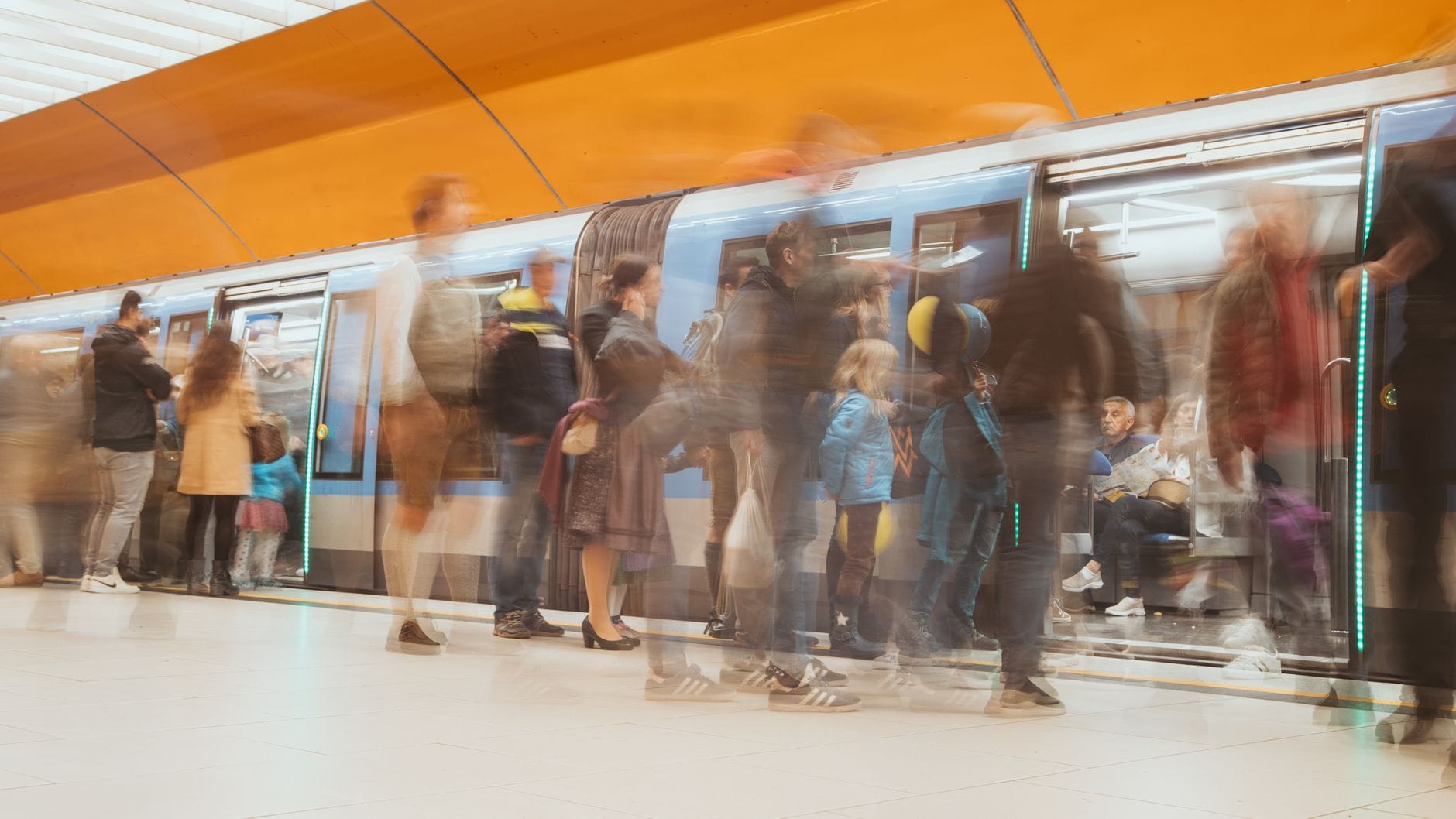
Munich's public transport network, coordinated by MVV (Münchner Verkehrs- und Tarifverbund), covers S-Bahn suburban rail, U-Bahn metro, trams, and buses. By any reasonable measure it is safe. There are no lines or time periods where travelers are regularly targeted for violence or robbery. That said, there are a handful of practical points worth knowing.
- Buy tickets only from official MVV machines at stations, the MVV website, or the official app. Do not buy tickets from individuals claiming they have 'spare' validated tickets — this is a common scam and you may still be fined if caught without a properly validated personal ticket.
- Validate your ticket before boarding on lines that require it. Plain-clothes inspectors (Kontrolleure) operate regularly, and the standard fine for fare evasion is €60.
- On crowded U-Bahn carriages during peak hours or after major events, keep bags in front of you and maintain awareness of anyone pressing close without obvious reason.
- Night buses (Nachtlinien) run when U-Bahn services reduce overnight. They are generally safe, though as with any late-night public transport in any major city, basic awareness is sensible.
- Taxis and ride-hailing: use licensed taxis (cream-coloured with rooftop light) or apps like Uber and Free Now. Avoid unofficial taxis offering rides outside the airport or main station.
Getting from Munich Airport (MUC) to the city is straightforward and safe. The S1 and S8 S-Bahn lines connect the airport to Marienplatz and Hauptbahnhof in around 35 to 45 minutes. Check our Munich Airport guide for current fare information, as MVV prices are periodically updated.
Safety for Specific Groups of Travelers
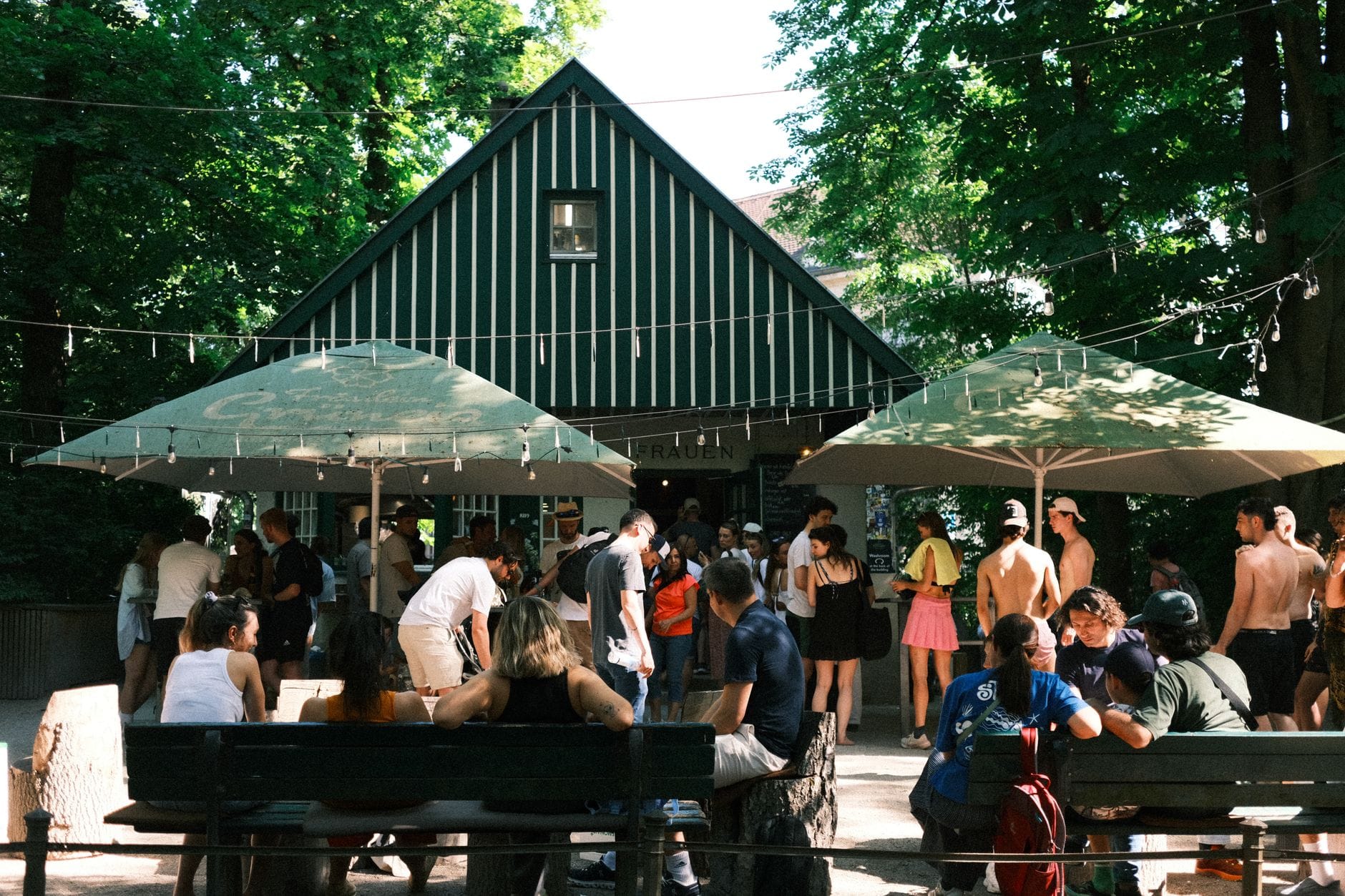
The question 'is Munich safe' often has a different meaning depending on who is asking. The general answer is yes, but the specifics vary by situation.
- Solo female travelers Munich is consistently rated as very safe for women traveling alone, including at night in the city center. The primary risk remains petty theft rather than harassment. Stick to well-lit areas late at night around the Hauptbahnhof area specifically, which can feel less comfortable after midnight during weekends.
- Families with children Munich is a highly family-friendly city. Public spaces are clean and well-maintained, and there is no meaningful threat to children beyond the usual urban awareness. The Munich Zoo (Hellabrunn), the Deutsches Museum, and the English Garden are all very safe, relaxed environments.
- LGBTQ+ travelers Munich has an established and visible LGBTQ+ community, particularly in the Glockenbachviertel neighborhood. The city is generally welcoming and tolerant. As in any city, public displays of affection may attract attention in more conservative contexts, but harassment is uncommon.
- Budget travelers and backpackers Staying near the Hauptbahnhof is convenient but puts you in the area with the highest petty theft concentration. Use lockers for valuables in hostels, and be especially alert on the night trains back from bars and clubs.
If you are planning to explore beyond the city center, Munich's neighborhoods each have their own character but are broadly safe. Maxvorstadt is Munich's university and museum district, quiet and relaxed even late at night. Haidhausen across the Isar is residential and calm. Schwabing in the north has a livelier bar scene but no meaningful safety concerns.
Practical Safety Checklist Before and During Your Trip
Most safety problems in Munich are entirely preventable with basic preparation. The following is not an exhaustive security briefing — it is the short list of things that actually matter for the typical traveler.
- Check your government's current travel advisory for Germany before departure. Germany carries very low risk ratings from the US, UK, Australian, and Canadian governments, but it is good practice to verify.
- Carry a photocopy or phone photo of your passport. Germany requires you to carry official ID, but a photocopy is useful for routine situations and is less damaging to lose than the original.
- Inform your bank before travel. Card skimming at ATMs is rare in Munich, but foreign card declines due to fraud alerts are common if your bank is not notified.
- Use ATMs inside bank branches or supermarkets rather than standalone machines on quiet streets at night.
- Keep the emergency numbers saved: 112 (fire and ambulance) and 110 (police). Non-emergency city services: 115.
- Travel insurance that covers medical evacuation and trip cancellation is standard advice for any international travel, including Germany.
- Tap water throughout Munich is safe to drink and of high quality — no need to buy bottled water.
✨ Pro tip
The MVV app (available in English) lets you buy and store tickets digitally, shows real-time departures, and includes network maps. It eliminates the need to handle cash or use ticket machines in crowded stations, which is a meaningful convenience during busy periods.
For a broader overview of how to get around Munich safely and efficiently, the getting around Munich guide covers transport options in detail. And if you are planning your first trip, the things to do in Munich guide will help you build an itinerary centered on the city's safest and most rewarding areas.
FAQ
Is Munich safe for tourists?
Yes. Munich is statistically Germany's safest large city and ranks among the lower-crime major cities in Europe. Violent crime against tourists is rare. The main risk is opportunistic petty theft in crowded tourist areas such as Marienplatz, Hauptbahnhof, and the Viktualienmarkt. Standard urban precautions — secure bags, awareness in crowds — are sufficient for the vast majority of visitors.
Is Munich safe at night?
Generally yes, including for solo travelers. The city center, Schwabing, Maxvorstadt, and Haidhausen are all calm after dark. The area around Hauptbahnhof is the one exception: late on weekend nights, the station and nearby streets can attract drunk and occasionally disorderly individuals. It is not dangerous in a serious sense, but it is the one part of Munich where heightened awareness at night is genuinely warranted.
Is Munich safe for solo female travelers?
Yes. Munich is widely considered very safe for women traveling alone. Harassment is uncommon by major city standards, and the city's public spaces and transport network are well-policed and well-lit. The same advice applies as anywhere: avoid poorly lit shortcuts late at night around the Hauptbahnhof area and keep your belongings secure in crowded markets and transit hubs.
Is Oktoberfest safe?
Oktoberfest is safe to attend but comes with elevated risk of petty theft and alcohol-related incidents compared to regular Munich. Pickpocketing inside and around the Theresienwiese fairgrounds is well-documented. Keep valuables in inside pockets, be skeptical of anyone offering 'reserved tent seats' for cash outside the gates, and plan your transport home before you arrive — the crowds at closing time are substantial.
What areas of Munich should I avoid?
There are no 'no-go zones' in Munich in any meaningful sense. The areas requiring extra awareness are: the immediate surroundings of Hauptbahnhof late at night, and dense tourist corridors (Marienplatz, Kaufingerstrasse, Viktualienmarkt) during peak hours when pickpockets operate. Every major residential neighborhood in Munich — Schwabing, Maxvorstadt, Bogenhausen, Haidhausen, Glockenbachviertel — is safe for visitors.
Tickets & tours
Live prices and dates from our booking partner. If you book, we may earn a commission at no extra cost to you.
Planning a trip? Discover personalized activities with the Nomado app.