Munich to Vienna by Train: The Complete Guide to Tickets, Times & Tips
The Munich to Vienna train route is one of Central Europe's great rail journeys, covering around 355 km in roughly 4 to 4.5 hours. This guide covers every operator, ticket strategy, and practical detail you need to get from München Hauptbahnhof to Wien Hauptbahnhof without overpaying or getting caught out.
Tickets & tours
Live prices and dates from our booking partner. If you book, we may earn a commission at no extra cost to you.
TL;DR
- Journey time is roughly 4 to 4.5 hours on direct services; the Munich to Vienna train covers about 355 km.
- Advance fares start around €20–€26 in Standard Class; waiting until the day of travel can push prices above €100.
- Main operators are Deutsche Bahn (ICE/EC), ÖBB Railjet, and WESTbahn — each with different stations and ticket rules.
- Trains run roughly every 30–60 minutes during peak hours, so there is plenty of flexibility. See our guide to getting around Munich for city transport connections.
- Book through Deutsche Bahn or ÖBB directly for the best price control; third-party aggregators add service fees.
Route Overview: What to Expect
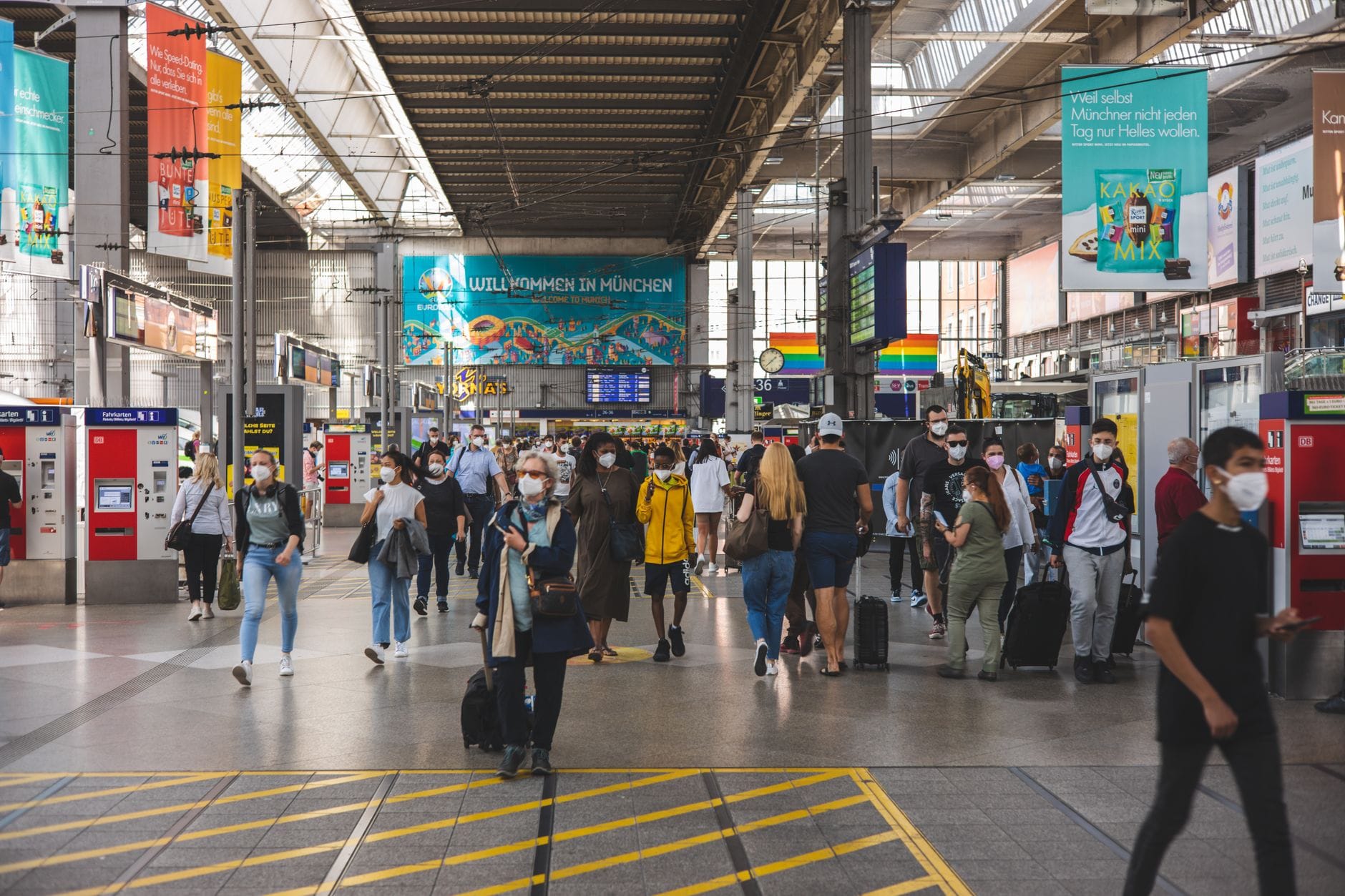
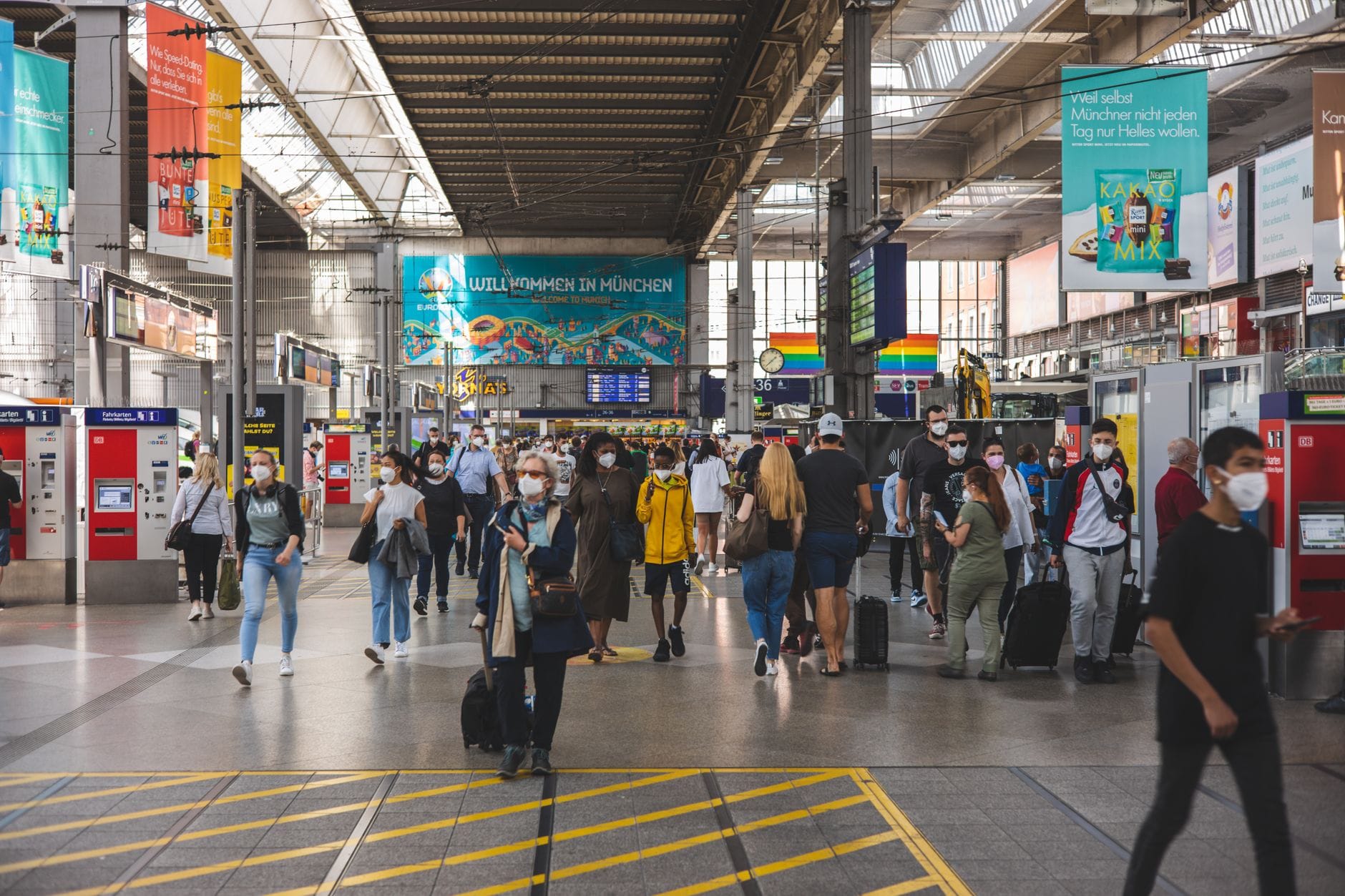
The Munich to Vienna train route is a cross-border corridor connecting two of Central Europe's most significant cities. Trains depart from Munich Hauptbahnhof (München Hbf), the city's central station, and arrive at Wien Hauptbahnhof, Vienna's main terminus, which opened in its current form in 2015 and sits about 3 km south of the city centre. The route passes through Upper Bavaria and then into Austria, crossing at Salzburg before continuing east through the Salzach and Danube corridors. The scenery during the Austrian section, particularly between Salzburg and Linz, is genuinely appealing: rolling hills, river valleys, and occasional alpine backdrops.
The distance is around 355 to 357 km, and the fastest direct services complete the journey in just under 4 hours. Most services cluster around 4 hours 15 minutes to 4 hours 30 minutes. Connections through Salzburg or other intermediate stops can add 30 to 60 minutes, so always filter for direct trains when you book if speed matters.
ℹ️ Good to know
Munich and Vienna are both in the Central European Time (CET) zone, so there is no time difference to account for when planning your arrival. Both cities also use the euro, which simplifies budgeting across the border.
Operators: DB, ÖBB Railjet, and WESTbahn Compared
Three operators run services on this corridor, and they are not interchangeable. Understanding the differences will save you confusion at the station.
- Deutsche Bahn ICE / EC (Eurocity) DB runs both high-speed ICE trains and classic Eurocity services on this route. Tickets can be booked via bahn.de or the DB Navigator app. ICE trains are faster and more modern; EC trains are older but perfectly comfortable. Both depart from Munich Hauptbahnhof and arrive at Wien Hauptbahnhof. DB's Sparpreis advance fares can be genuinely cheap, but they are non-refundable and train-specific.
- ÖBB Railjet Austria's national railway operates the Railjet, a high-quality train with three classes: Economy, First, and Business (the latter being a premium quiet zone with complimentary catering at full-price fares). Railjets run between Munich Hbf and Wien Hbf and are often the preferred choice for business travellers. Book via oebb.at or the ÖBB app. ÖBB's Sparschiene advance fares rival DB's cheapest tickets.
- WESTbahn WESTbahn is a private Austrian operator running open-access services. A key difference: WESTbahn typically departs from München Ost (East station, about 4 km from the city centre) and terminates at Wien Westbahnhof rather than Wien Hbf. This matters for your onward connections. WESTbahn is often competitively priced and has a loyal following for its no-fuss service, but check which Vienna station suits you before booking.
⚠️ What to skip
Do not assume every Munich to Vienna train is direct. Some itineraries shown on aggregator sites involve one or more changes, often in Salzburg or Linz. Always check the 'direct only' filter when booking, especially if you have luggage or tight connections in Vienna.
Tickets and Prices: How to Avoid Overpaying
Pricing on the Munich to Vienna train route follows a dynamic yield-management model, exactly like short-haul flights. The cheapest tickets are released months in advance and sell out quickly. Advance Standard Class fares on DB and ÖBB typically start around €20 to €26. The average price for flexible tickets bought within a week of travel is more commonly €70 to €86. On-the-day purchases, especially on busy Thursdays or during holiday periods, can easily exceed €100 each way.
Tickets can be booked up to 6 months ahead on DB and ÖBB, and some third-party platforms open bookings up to 9 months out. The sweet spot for price versus availability tends to be 6 to 10 weeks before travel. For major event periods, including Oktoberfest in Munich (late September to early October) or the Vienna Music Festival weeks, book as early as possible: demand spikes and prices follow.
- Book directly via bahn.de or oebb.at to avoid third-party service fees of €3–€7 per ticket.
- DB Sparpreis and ÖBB Sparschiene are the cheapest fare types but are non-refundable and tied to a specific train.
- Flexible tickets (DB Flexpreis, ÖBB standard flex fares) allow same-day rebooking but cost significantly more.
- Railpass holders (Eurail, Interrail) can use this route but may need a reservation supplement — check before boarding.
- Thursdays are statistically the most expensive and crowded days on this route; Tuesday or Wednesday travel is often cheaper.
- First Class fares on DB and ÖBB Railjet First roughly double the Standard Class price but include seat reservations and quieter coaches.
✨ Pro tip
If you are travelling as a pair or small group, compare splitting individual tickets versus group booking. DB occasionally runs companion discount promotions (Mitfahrer-Sparpreis) that cut the second ticket to a fraction of the first. These deals appear and disappear, so check the DB website directly rather than relying on aggregators.
Schedules: When Trains Run and How Frequent They Are
On a typical weekday, there are roughly 20 to 35 departures between Munich and Vienna depending on which operators and counting methods you use. In practical terms, during peak daytime hours trains leave approximately every 30 to 60 minutes. The first departures from Munich Hauptbahnhof tend to leave around 06:00, and the last services depart close to 23:00 or later, giving genuine all-day coverage.
Weekday morning rush hours (07:00 to 09:00) and late-afternoon slots (16:00 to 19:00) tend to be both busier and more expensive. If your schedule allows, a mid-morning or early-afternoon departure often combines reasonable prices with a less crowded carriage. Weekend schedules are broadly similar in frequency but demand patterns differ: Friday evenings and Sunday afternoons are peak travel windows in both directions.
The journey also makes an excellent base for planning day trips. Since Vienna is about 4 hours from Munich, it sits at the boundary of what works as a long day out. More realistically, this is a one-night minimum trip to do Vienna justice. If you are building a broader Central European itinerary, you might also consider the Munich to Prague train or the popular Munich to Salzburg day trip as alternative or complementary legs.
On Board: What the Journey Is Actually Like
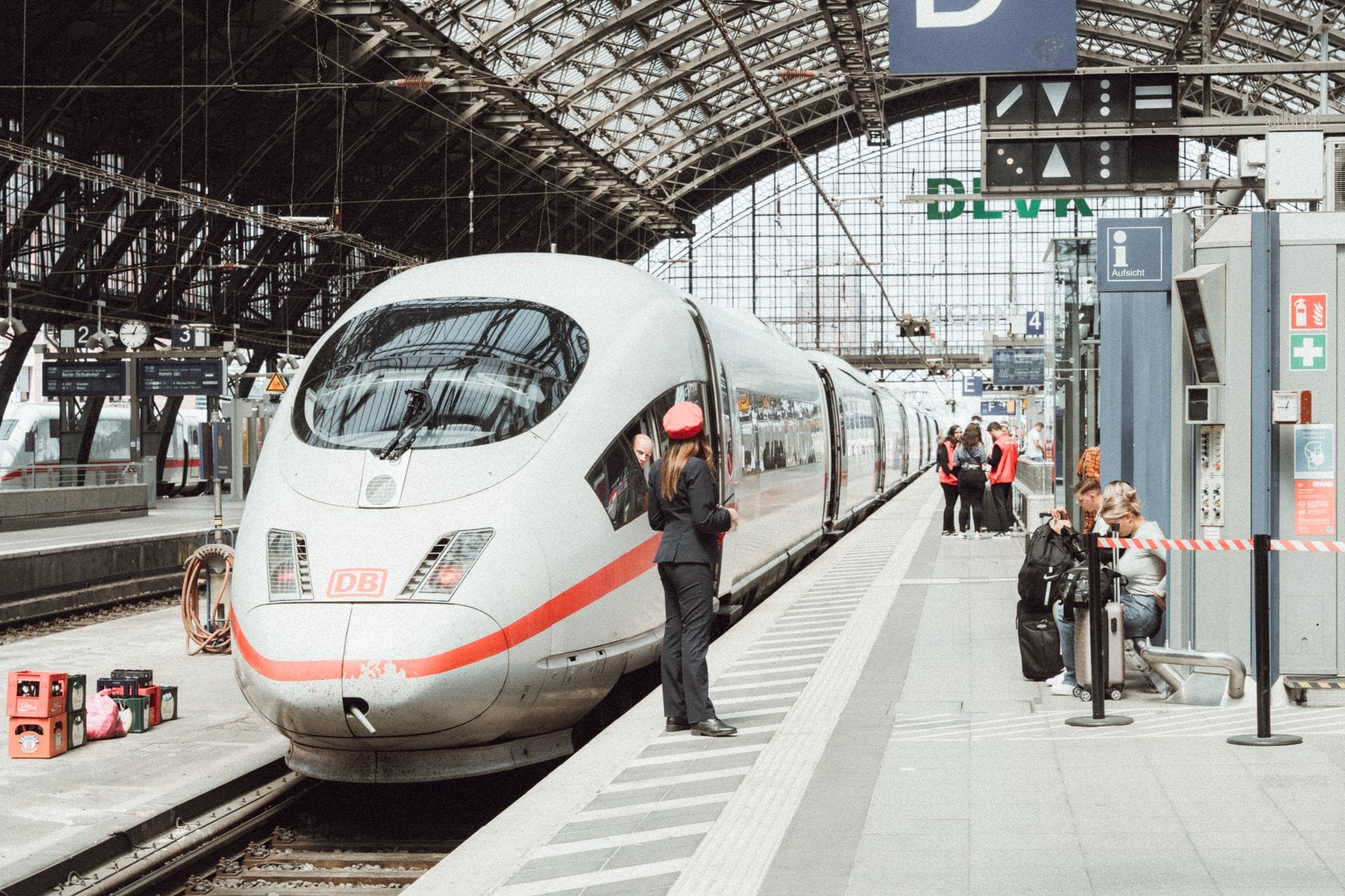
Both the DB ICE and ÖBB Railjet are comfortable, modern trains with air conditioning, power sockets at most seats, and a dining/bistro car. Wi-Fi is available on most services but cross-border connectivity can be patchy, particularly through rural Austria. Do not count on reliable streaming. Download any content you need before boarding.
The ÖBB Railjet Business Class is worth noting separately. At full flex fares it is priced for corporate travellers, but if you catch a Sparschiene deal on Business Class, it can be a surprisingly affordable upgrade. You get a dedicated quiet zone, complimentary snacks and drinks from the attendant, and more generous seat pitch. For a 4-hour journey, it is a comfortable working environment.
WESTbahn is a different experience: open-plan, all-inclusive in terms of no reservation fees, and with a more informal atmosphere. Onboard catering is available for purchase. The rolling stock is relatively modern. The trade-off is the less central Munich Ost departure point, which requires an extra U-Bahn or S-Bahn leg from Munich city centre.
💡 Local tip
If departing from Munich Hauptbahnhof, arrive at least 10 to 15 minutes before departure. The station is large and platform assignments are sometimes confirmed only 10 minutes before the train arrives.
Getting to Munich Hauptbahnhof and Arriving in Vienna
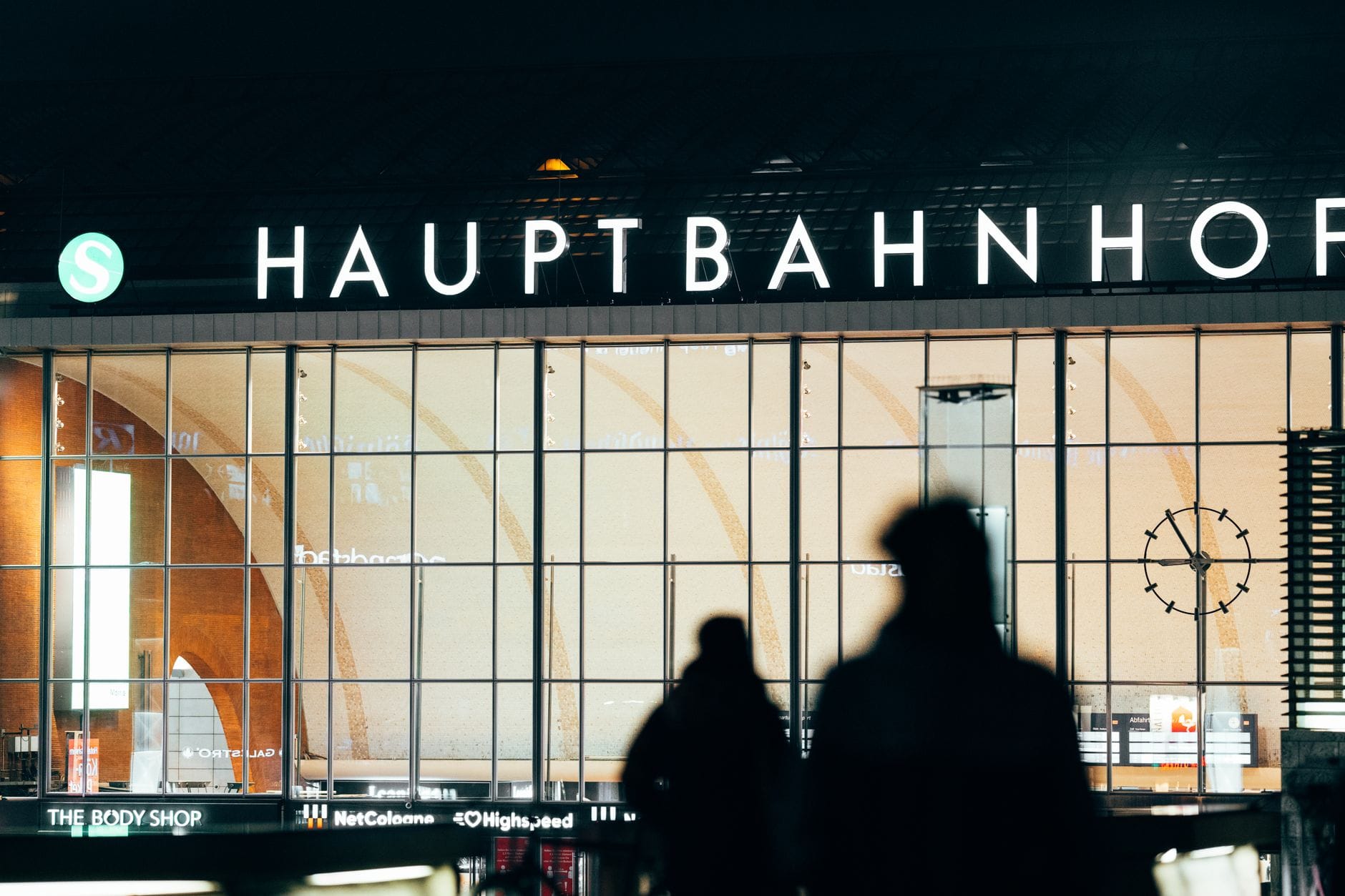
Munich Hauptbahnhof is the central hub of the city's public transport network, served by U-Bahn lines U1, U2, U4 and U5, as well as multiple S-Bahn and tram lines. From Marienplatz in the heart of the Altstadt, the Hauptbahnhof is about a 3-minute S-Bahn ride or a 15-minute walk west. From Munich Airport (MUC), the S1 and S8 lines connect directly to Hauptbahnhof in around 40 minutes.
Wien Hauptbahnhof is well-connected to Vienna's city centre via U-Bahn line U1, which reaches Stephansplatz (the heart of Vienna's first district) in about 7 minutes. The station itself has a large supermarket, luggage lockers, and ample food options — useful if you arrive hungry or need to store bags before hotel check-in.
If you are planning a broader trip from Munich, the city works well as a base for Central European rail travel. Beyond Vienna, comparable routes include the day trip to Neuschwanstein Castle and longer hauls toward Frankfurt or Berlin. For context on what Munich itself offers before you depart, the complete Munich things-to-do guide covers the city's major attractions and neighbourhoods.
FAQ
How long is the train from Munich to Vienna?
Direct trains take approximately 4 hours to 4 hours 30 minutes, covering around 355 km. The fastest ICE and Railjet services can complete the journey in just under 4 hours, while slower EC trains or connections with a change in Salzburg may take 4 hours 45 minutes or longer.
How much does a Munich to Vienna train ticket cost?
Advance Standard Class fares start around €20 to €26 when booked early through Deutsche Bahn or ÖBB. Average prices for tickets bought within a week of travel are typically €70 to €86. On-the-day and fully flexible fares can exceed €100 each way.
Do I need to book in advance or can I just show up?
You can technically buy tickets at the station on the day, but you will pay the highest available fare and may find popular trains fully booked. For the cheapest prices, book 6 to 10 weeks ahead. During Oktoberfest, Christmas, or Easter, book even earlier — availability tightens and prices rise sharply.
What is the difference between DB and ÖBB on this route?
Both depart from Munich Hauptbahnhof and arrive at Wien Hauptbahnhof. Deutsche Bahn runs ICE and Eurocity trains; ÖBB operates the Railjet, which has three classes including a Business Class cabin with complimentary catering. Ticket conditions and pricing structures differ slightly, so it pays to compare both operators before booking.
Is there a night train from Munich to Vienna?
The Munich to Vienna daytime journey is short enough (4 to 4.5 hours) that dedicated overnight sleeper trains are not commonly offered on this specific leg. The last evening departures from Munich Hauptbahnhof tend to leave close to 22:00 to 23:00, arriving in Vienna late at night. ÖBB's Nightjet network operates other Austrian overnight routes, but Vienna is typically reached via day trains from Munich.
Tickets & tours
Live prices and dates from our booking partner. If you book, we may earn a commission at no extra cost to you.
Planning a trip? Discover personalized activities with the Nomado app.