Things to Do in Berlin: The Definitive Guide
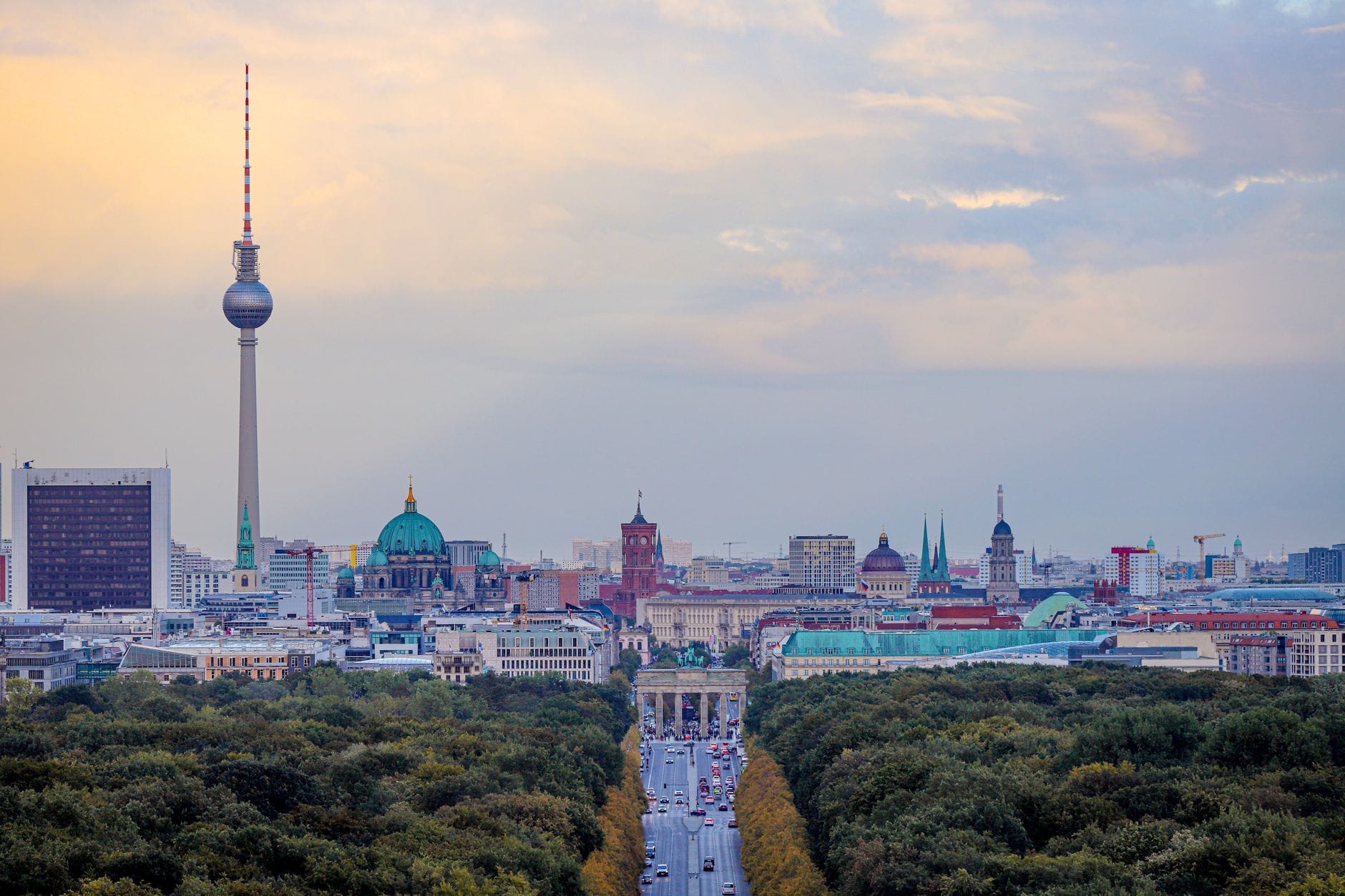
Berlin rewards curious travelers with an extraordinary range of experiences, from free Cold War memorials and five-museum island complexes to legendary nightlife and Sunday flea markets. This guide cuts through the noise with specific prices, honest assessments, and practical logistics to help you plan the city your way.
Plan and book this trip
Tools from our partner Travelpayouts help you compare flights and hotels. If you book through them, we may earn a commission at no extra cost to you.
Flights
Hotels map
TL;DR
- Many of Berlin's best things to do are free: the Brandenburg Gate, East Side Gallery, Holocaust Memorial, and most outdoor memorials cost nothing to visit.
- The Reichstag dome is free but requires advance online registration through the Bundestag portal — walk-ins are rarely possible, so book before you land.
- Museum Island is five separate museums, not one — a combined day ticket saves money if you plan to visit more than two. Note that the Pergamon Museum is under phased renovation; check current status before visiting.
- May to September is the best window for outdoor activities, lake swimming, and boat tours on the Spree. February brings the Berlinale film festival and higher hotel prices. See our guide to the best time to visit Berlin for a full seasonal breakdown.
- Berlin is large (891 km²) and spread across distinct neighborhoods — plan by district to avoid wasting half your day on the U-Bahn.
Free Things to Do in Berlin: The Essentials
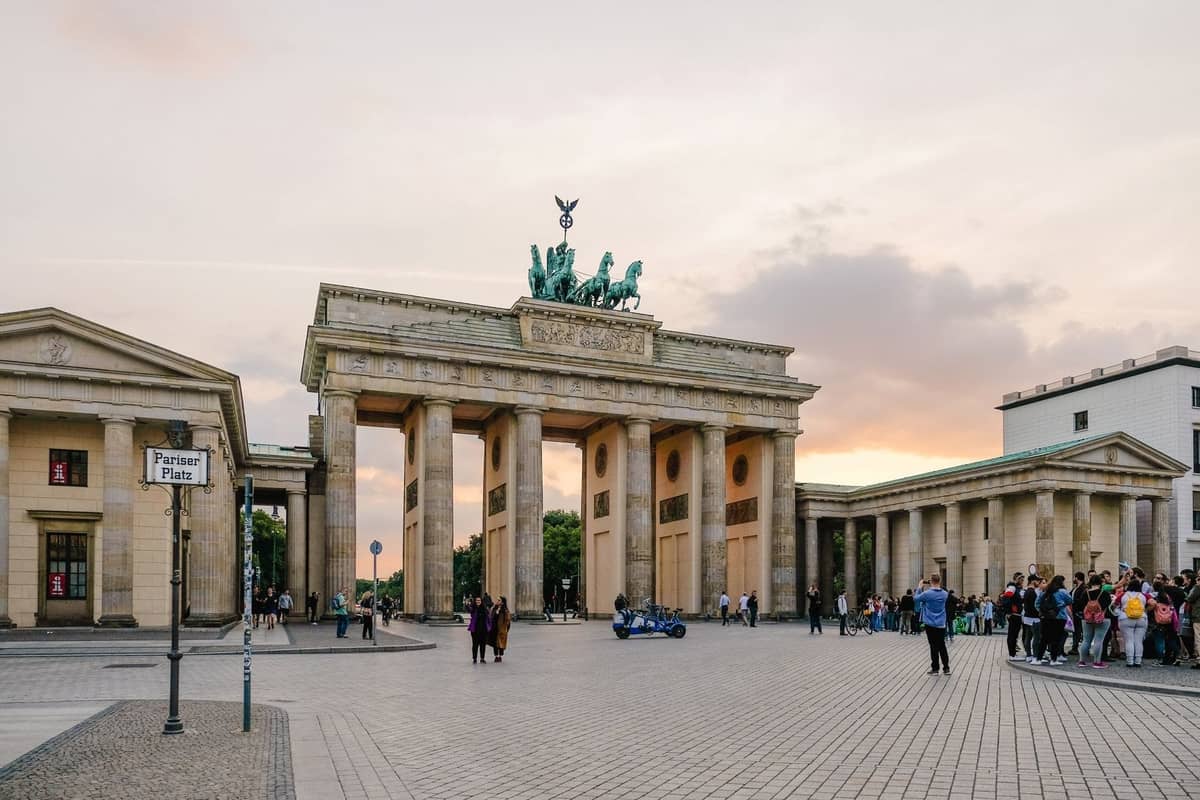
The biggest misconception about Berlin is that great sightseeing is expensive. In reality, some of the most significant things to see in Berlin cost absolutely nothing. The Brandenburg Gate is the obvious starting point — open at all hours, photographed obsessively, and still genuinely impressive when you're standing in front of it. Pair it with a walk down Unter den Linden toward Museum Island, and you've built a free morning with serious historical weight.
The Holocaust Memorial (Memorial to the Murdered Jews of Europe) is free to walk through at street level, with an underground information centre that charges a small entry fee. A few blocks away, the Topography of Terror — built on the former Gestapo and SS headquarters — offers one of the most rigorous free history exhibitions in Europe. Neither of these is light entertainment, but both are essential for understanding the city.
On the eastern side of the city, the East Side Gallery stretches 1.3 km along the Spree River — the longest remaining section of the Berlin Wall, now an open-air gallery of international murals. It's free to walk at any time, though weekend afternoons get crowded. Come early on a weekday morning for photographs without tour groups blocking the frame.
⚠️ What to skip
The Reichstag dome is technically free, but it is not spontaneous. Online pre-registration through the official Bundestag website is required, and popular slots fill up days or even weeks in advance. Register before your trip, not on arrival.
Museum Island and the Major Museums
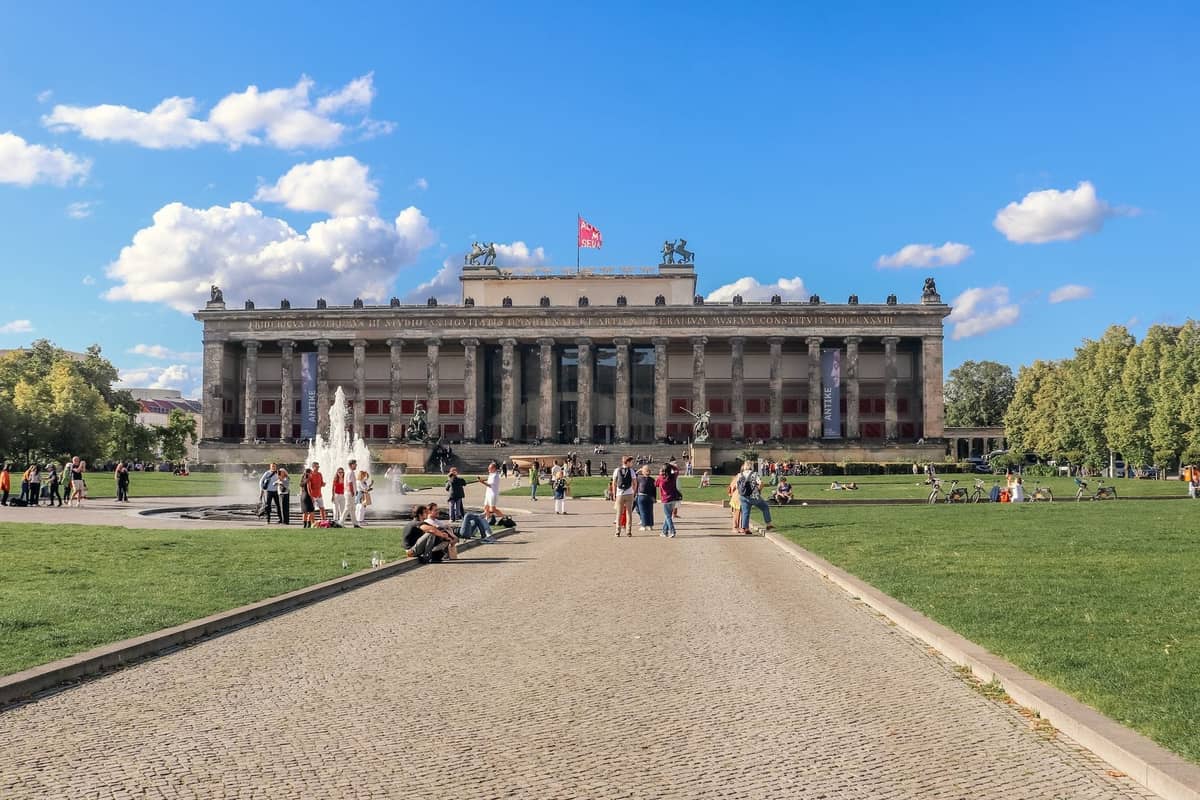
Museum Island (Museumsinsel) sits in the middle of the Spree River in Mitte and contains five of Germany's most significant museums: the Altes Museum, Neues Museum, Alte Nationalgalerie, Bode Museum, and Pergamon Museum. A combined day ticket covers all five and is significantly cheaper than paying individual entry for more than two. If you're planning a serious cultural day, this is the most efficient option.
One important practical note: the Pergamon Museum is undergoing extensive renovation and is currently completely closed to visitors until at least 2027. Parts of the collection — including some of the most famous pieces — will only gradually reopen, and others will remain inaccessible for longer. Always check current status on the Staatliche Museen zu Berlin website before making it the centerpiece of your visit. Don't build your entire Museum Island day around an exhibition that might be closed.
Beyond Museum Island, the Neue Nationalgalerie in Tiergarten deserves attention — it holds one of Europe's best collections of 20th-century art in a Mies van der Rohe building that is itself worth the trip. Crucially, entry is free every Thursday from 16:00 to 20:00 under the Volkswagen Art4All initiative. Standard tickets run around €9 (reduced €5). For a broader museum strategy across your stay, the 3-day Berlin Museum Pass is often the best value. See our detailed breakdown in the best museums in Berlin guide.
✨ Pro tip
The 3-day Berlin Museum Pass covers permanent collections at over 30 state museums, including all five Museum Island institutions and the Neue Nationalgalerie. If you're spending more than two days in the city and have genuine museum interest, it typically pays for itself by day two.
Berlin's Neighborhoods: Where to Go and Why
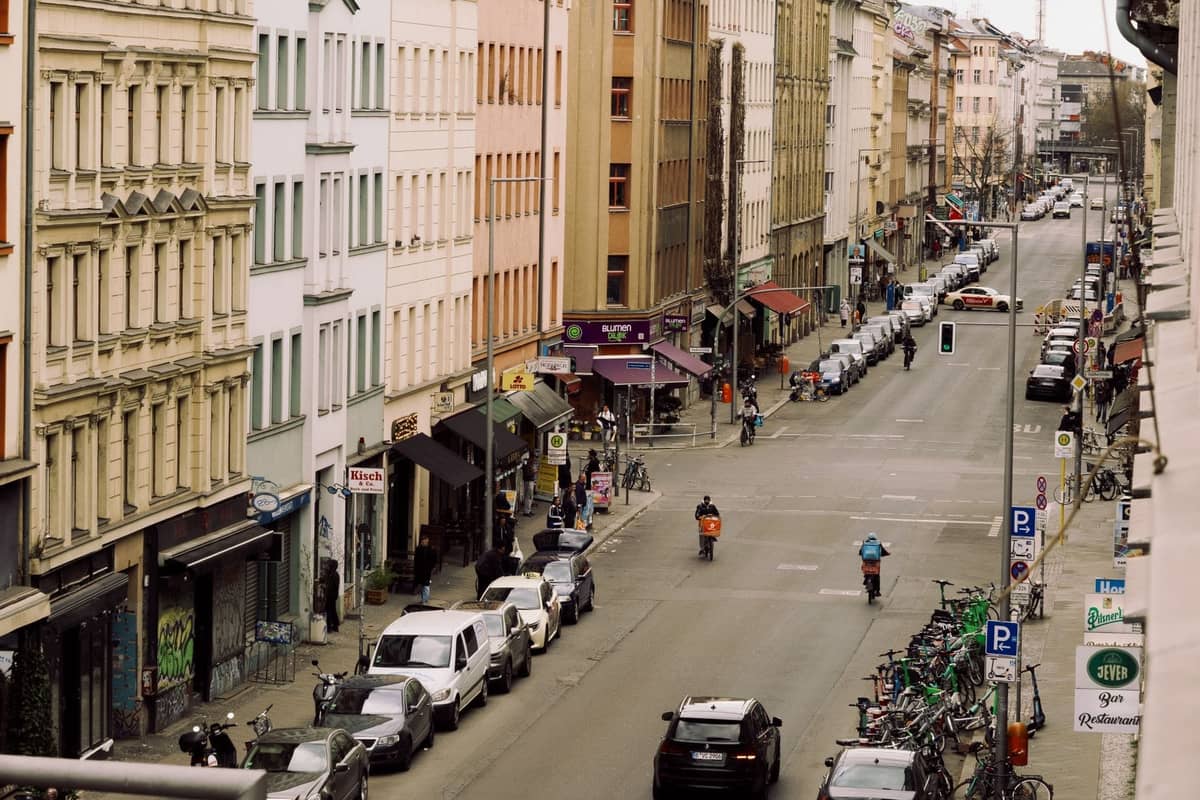
Berlin's neighborhoods are distinct enough that choosing the right area to base yourself — or spend a day — makes a real difference. Mitte is the historical and political center: government buildings, Museum Island, the Reichstag, and Gendarmenmarkt are all here. It's efficient for landmark-ticking but less interesting for street-level atmosphere.
Kreuzberg is where the city's alternative culture has been most concentrated since the 1970s. The Turkish Market on Maybachufer runs every Tuesday and Friday along the canal — fresh produce, street food, and a genuinely local atmosphere. Prenzlauer Berg is quieter, with well-maintained Wilhelmine apartment blocks, independent cafés, and the Sunday flea market at Mauerpark — running roughly 7:00 to 17:00, free entry, one of the best flea markets in the city.
- Mitte Landmarks, government, museums — best for a first-day orientation walk from Brandenburg Gate to Museum Island.
- Kreuzberg Canal walks, street food, the Turkish Market, and the city's densest street art. Better atmosphere than Mitte for an afternoon.
- Prenzlauer Berg Residential calm with good coffee, Mauerpark on Sundays, and the Kulturbrauerei cultural complex in a converted brewery.
- Charlottenburg Western Berlin's historic core: the KaDeWe department store, Kurfürstendamm shopping, and Charlottenburg Palace with its formal gardens.
- Friedrichshain East Berlin's nightlife district, home to the East Side Gallery, Karl-Marx-Allee's GDR architecture, and the RAW Gelände cultural complex.
- Neukölln Increasingly mixed neighborhood with Markthalle Neun-adjacent energy, good cheap restaurants, and a younger local crowd. Less polished than Prenzlauer Berg, which is part of the appeal.
Tours, Activities, and Paid Experiences Worth Booking
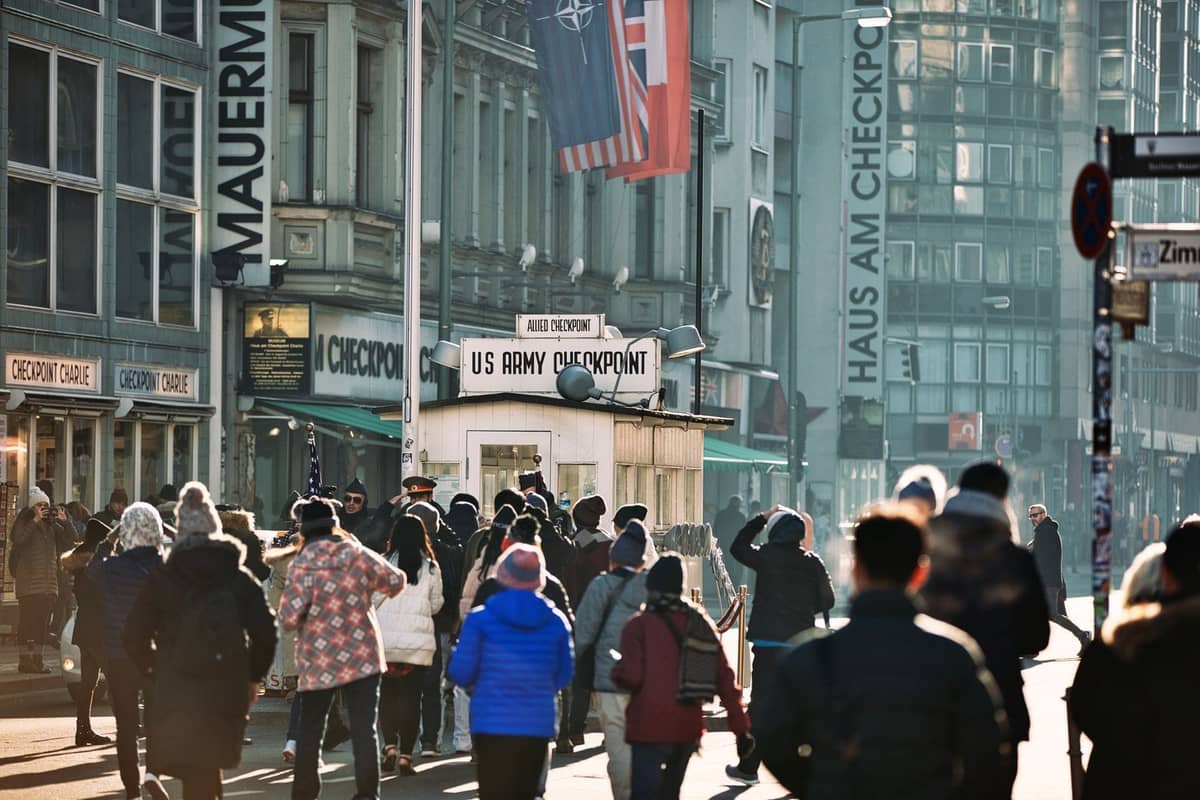
Berlin has a well-developed tour scene, and the best options are genuinely worth paying for. Walking tours focused on Cold War history or Third Reich sites typically run about 2 hours and cost around €22 through major booking platforms. These cover ground that's hard to contextualize without a guide — the Checkpoint Charlie area, Topography of Terror, and the remnants of the Wall need explanation to make sense historically. Checkpoint Charlie itself, for reference, is free to walk past, but the commercial checkpoint area has become one of the city's more tourist-trap-heavy zones. Avoid paying for photos with costumed 'soldiers'.
Street art walking tours around Kreuzberg and Friedrichshain typically last around 3 hours and cost about €14 — decent value given the depth of context a knowledgeable guide adds. Berlin's street art scene is layered and constantly changing; see our Berlin street art guide for self-guided options. Spree River boat tours are a relaxed way to see central Berlin from the water and are particularly pleasant in summer. One-hour cruises with live commentary are widely available and bookable through GetYourGuide and similar platforms; check operator schedules as winter services are significantly reduced.
- Cold War / Third Reich walking tour: approx. €22, 2 hours, covers Checkpoint Charlie, the Wall, Topography of Terror.
- Street art walking tour: approx. €22, 3 hours, Kreuzberg and Friedrichshain focus.
- Spree River boat tour: 1 hour minimum, widely available spring through autumn — verify winter availability directly with operators.
- Reichstag dome visit: free, but requires advance registration via the Bundestag portal.
- Tempelhofer Feld cycling: rent a bike and use the former airport runways — one of the city's more unusual free activities.
- Sachsenhausen concentration camp day trip: a sobering but important excursion, roughly 35 km north of central Berlin.
Seasonal Highlights and What Changes Through the Year
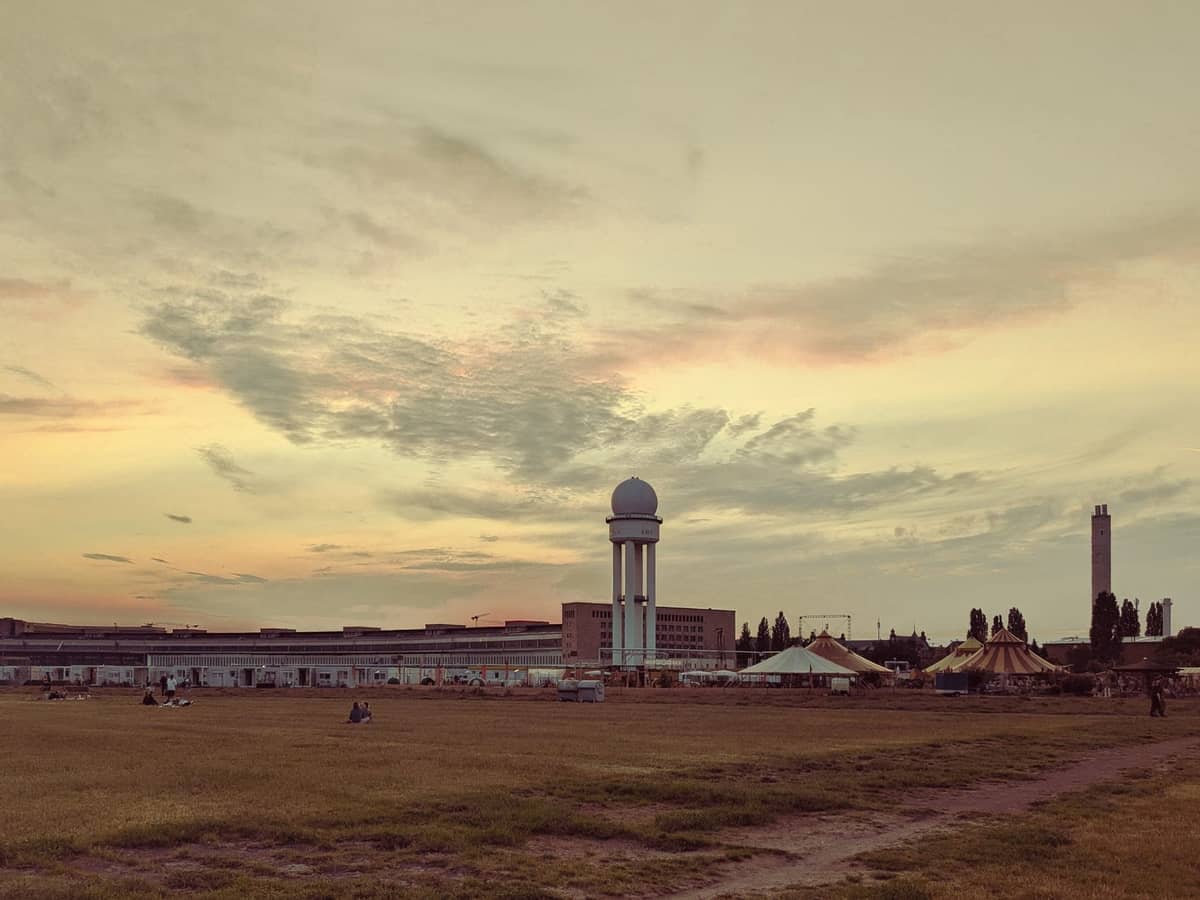
Berlin's best outdoor season runs from May through September, when average temperatures climb to around 18°C and the city's lakes, parks, and outdoor bars come to life. Tempelhofer Feld, the converted airfield in the south of the city, becomes a vast social space for cycling, barbecues, and kite-flying. The Wannsee and Müggelsee lakes draw swimmers and sunbathers on hot weekends, and Spree boat tours run at full capacity.
Late April through early May brings Spargel season — white asparagus appears on restaurant menus across the city in a tradition that Germans take seriously. If you're visiting in this window, try it at least once. February is Berlinale month: the Berlin International Film Festival draws filmmakers and press from around the world over about ten days, which creates real energy in the city but also pushes central hotel prices significantly higher. Book accommodation early if your trip overlaps with the festival.
Winter is genuinely cold (average temperatures around 0°C), but Berlin doesn't shut down. The Christmas markets that appear across the city from late November through December are among Germany's best. Gendarmenmarkt hosts the most atmospheric market, though entry requires a small ticket fee. For a full overview of the winter experience, see our Berlin in winter guide.
💡 Local tip
If you're visiting in summer, build at least one afternoon around Berlin's lakes. Wannsee is easily reached by S-Bahn from the city center and has designated swimming areas with facilities. It gets busy on hot weekends — arrive before noon or go on a weekday.
Practical Logistics: Getting Around and Spending Wisely
Berlin is served by a comprehensive public transport network operated by BVG (U-Bahn, buses, trams) and S-Bahn Berlin (suburban rail). The two systems use the same ticketing zones and are well integrated. A day ticket covers unlimited travel within the city zones and makes financial sense if you're making more than two or three journeys. The Berlin WelcomeCard adds museum discounts on top of unlimited transport, which can increase its value significantly depending on your itinerary.
For first-time visitors, the city is large enough that neighborhood planning matters. Trying to mix Museum Island in the morning with Charlottenburg Palace in the afternoon and Kreuzberg at night is doable but tiring — the transit connections work, but you'll spend more time commuting than experiencing. A smarter approach is to cluster activities by area. Our 3 days in Berlin itinerary does exactly this. If budget is a primary concern, the free things to do in Berlin guide shows how to fill multiple days without spending much at all.
The city's electricity standard is 230V with Type F (Schuko) plugs — bring an adapter if you're coming from the UK or North America. Emergency services can be reached on 112. Tipping is customary at restaurants but modest by US standards: rounding up the bill or leaving 5-10% is standard. Tap water is safe to drink.
FAQ
What are the best free things to do in Berlin?
Several of Berlin's most significant attractions cost nothing: the Brandenburg Gate, East Side Gallery (1.3km of Berlin Wall murals), Holocaust Memorial, Topography of Terror documentation center, Soviet War Memorial in Tiergarten, and the Mauerpark Sunday flea market. The Reichstag dome is also free but requires advance online registration through the Bundestag website.
How many days do you need in Berlin?
Three to four days covers the major landmarks and gives you time to explore two or three neighborhoods properly. Five or more days allows for day trips to Potsdam or Sachsenhausen, deeper dives into specific museum areas, and a more relaxed pace. Berlin rewards a slower approach — rushing through it misses the point.
Is the Berlin Museum Pass worth it?
If you plan to visit more than two or three state museums during your stay, the 3-day Museum Pass typically pays for itself. It covers permanent collections at over 30 institutions including all five Museum Island museums and the Neue Nationalgalerie. It does not cover temporary exhibitions, so check what's on before buying. Tickets are available at participating museums.
What is the best time of year to visit Berlin?
May through September offers the best weather for outdoor activities, lake swimming, and long evenings. June and July are peak tourist months. February brings the Berlinale film festival with higher prices and cultural energy. Winter is cold but Christmas markets (late November to December) and lower prices make it a reasonable option for cultural trips.
Is Berlin safe for tourists?
Berlin is generally safe for tourists by major European city standards. Pickpocketing occurs in crowded tourist areas and on busy public transport routes, so standard precautions apply. Some areas around large transit hubs can feel rough late at night, but violent crime targeting tourists is uncommon. Trust your judgment as you would in any large city.