3 Days in Berlin: The Perfect Itinerary
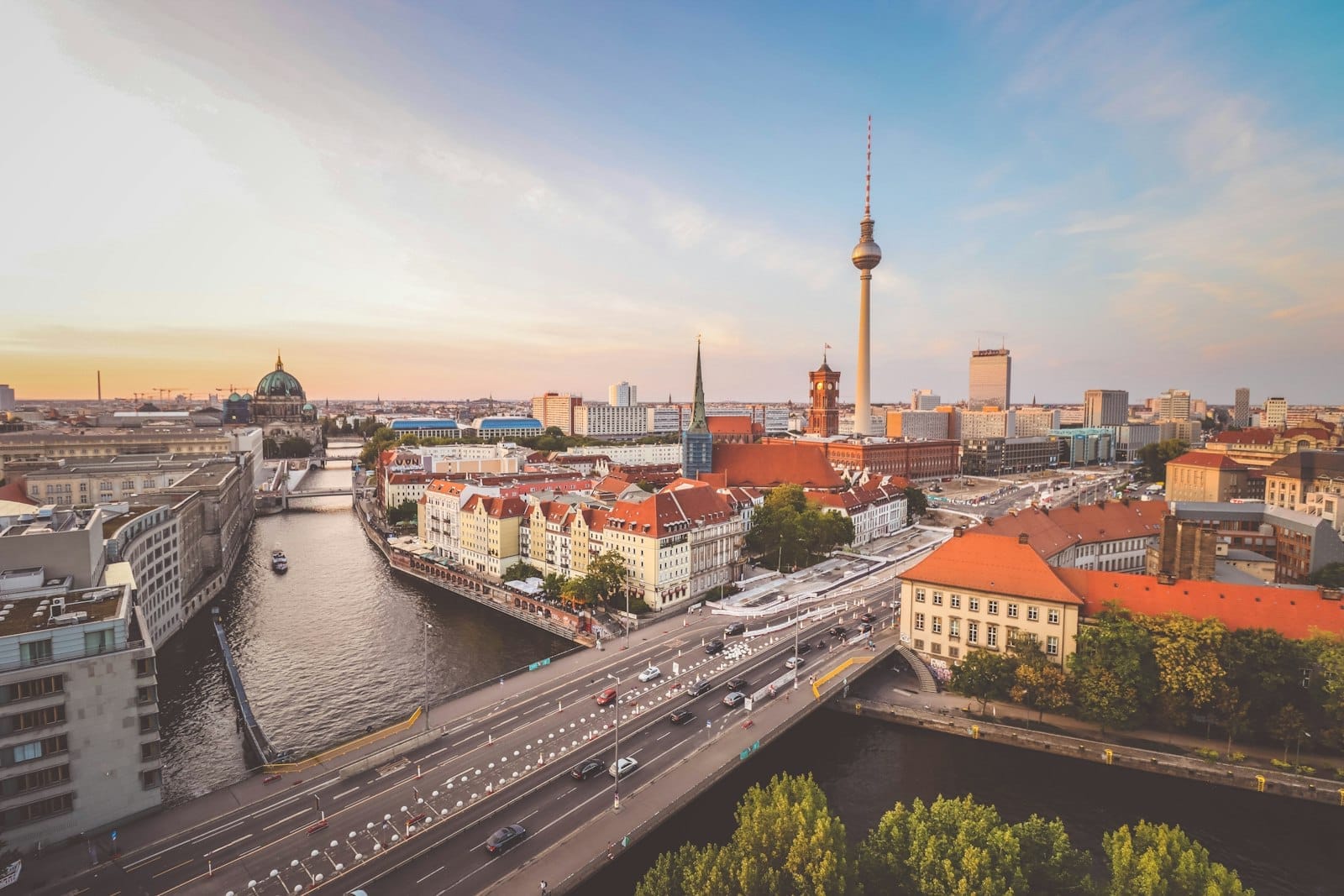
Three days in Berlin is enough to cover the essential history, art, and culture of Germany's capital, but only if you plan smartly. This day-by-day itinerary groups attractions by location, cuts the tourist traps, and gives you the practical details to make every hour count.
Plan and book this trip
Tools from our partner Travelpayouts help you compare flights and hotels. If you book through them, we may earn a commission at no extra cost to you.
Flights
Hotels map
TL;DR
- Three days covers Berlin's highlights, not everything. Sachsenhausen, Potsdam, and most of Friedrichshain require extra time.
- Day 1 focuses on central Mitte: the Brandenburg Gate, Reichstag dome, Holocaust Memorial, and Unter den Linden.
- Day 2 is built around Museum Island and the East Side Gallery. Do not try to rush both in a morning.
- Day 3 heads west to Charlottenburg Palace, Kurfürstendamm, and the Kaiser Wilhelm Memorial Church.
- Book the Reichstag dome in advance. It is free but requires a reservation through the Bundestag portal or in person at the nearby service centre if same-day slots are available.
Before You Arrive: Logistics That Make or Break the Trip
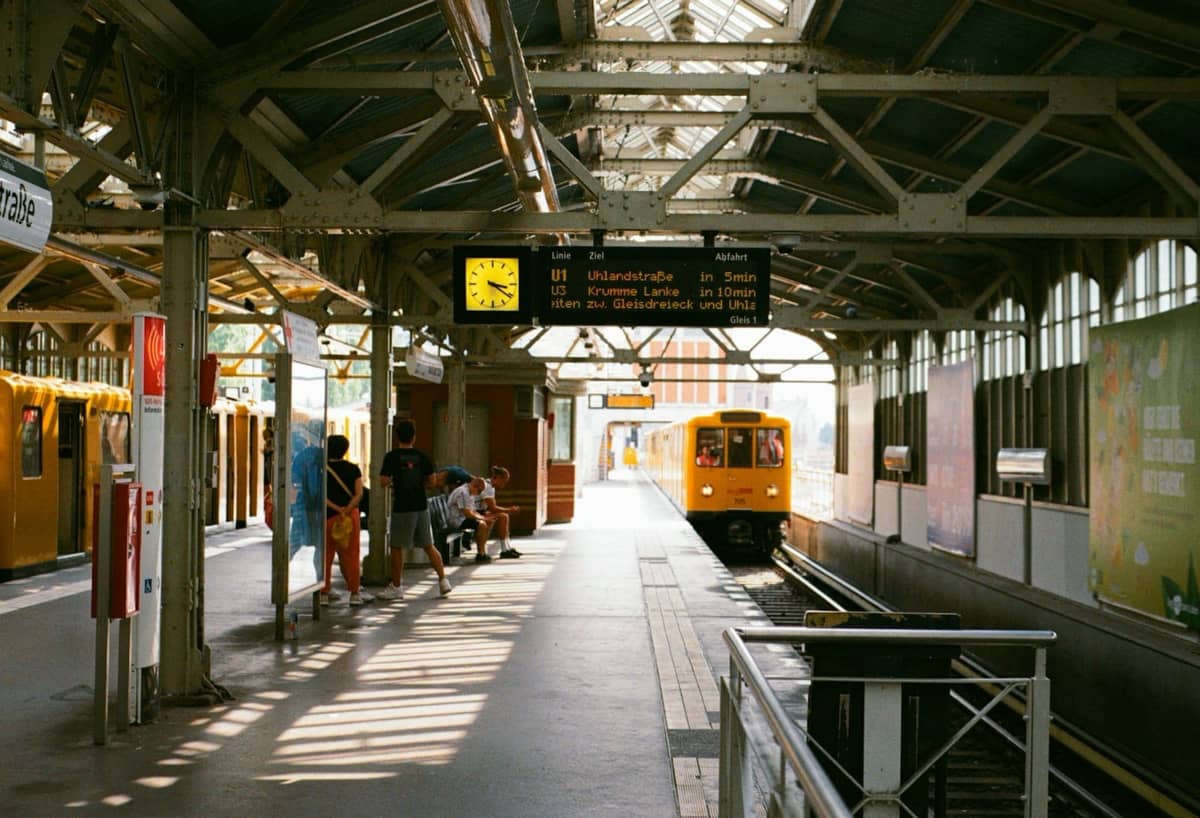
Berlin is served by an excellent public transport network run by BVG and S-Bahn Berlin. The U-Bahn, S-Bahn, trams, and buses connect almost every sight on a standard three-day itinerary. For most visitors, buying a multi-day ticket or the Berlin WelcomeCard covers all zones you need and removes the mental load of buying individual fares.
Berlin Brandenburg Airport (BER) is the city's only commercial airport. The S9 and S85 S-Bahn lines connect it to central Berlin in around 30-45 minutes depending on your destination. The Airport Express (FEX) is the fastest option, reaching Hauptbahnhof via Südkreuz and Potsdamer Platz in about 23 minutes. Check the Berlin WelcomeCard options before you land as the card can include airport transfer zones.
⚠️ What to skip
The Reichstag dome is free but requires registration through the official Bundestag visitor portal (bundestag.de/en/visits) or in person at the nearby service centre if same-day slots are available. Slots fill up weeks ahead in summer. Book before you finalize your itinerary, not after.
Where you stay shapes how much time you waste in transit. Mitte is the most convenient base for this three-day plan, putting you walking distance from Day 1 attractions and easy S-Bahn access for Days 2 and 3. Prenzlauer Berg is a quieter alternative with good tram connections. Read our Berlin accommodation guide to find the right neighbourhood for your budget and travel style.
Day 1: Historic Heart of Berlin
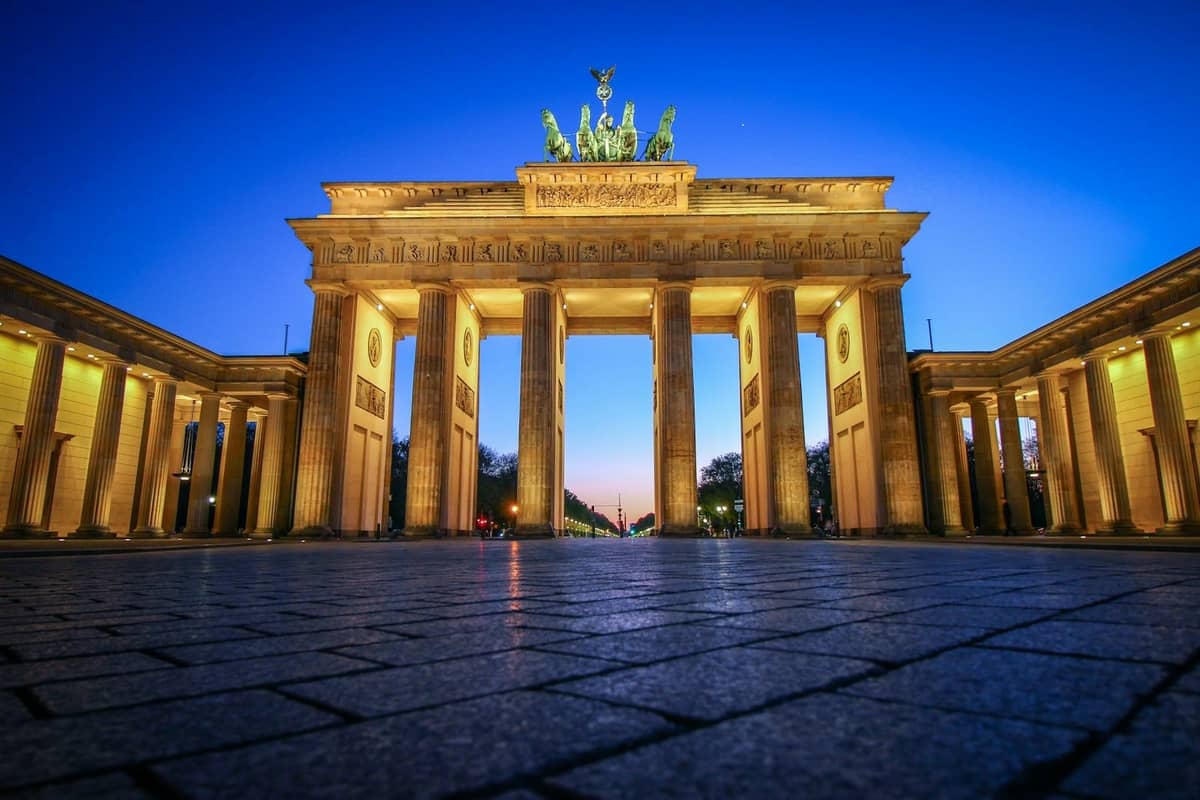
Start at the Brandenburg Gate early, around 8 or 9am, before the tour groups arrive. The Gate itself takes 15-20 minutes to walk around and photograph properly. From there, it is a short walk north to the Reichstag building. If you booked the dome tour, this is the morning slot to use it. The dome visit takes roughly an hour including the audio guide, which explains the parliament chamber below you as you spiral up the glass walkway.
After the Reichstag, walk south through the Tiergarten edge to the Holocaust Memorial. The Field of Stelae above ground is free and open at all hours. The underground information centre (Ort der Information) has a small but carefully curated exhibition and requires a timed entry ticket. Allow 45-90 minutes here depending on how much time you spend in the exhibition. It is not a comfortable visit, but it is an important one.
The afternoon works well along Unter den Linden, Berlin's grand east-west boulevard. Walk east toward the Humboldt Forum and the Lustgarten. The German Historical Museum sits on this route and is one of the most underrated institutions in the city. Its permanent collection traces 2,000 years of German history in a way that contextualises everything else you see over the three days.
💡 Local tip
In the evening, take Tram M10 north to Prenzlauer Berg. The neighbourhood around Helmholtzplatz and Kastanienallee has a high density of good restaurants and bars. It is far less tourist-oriented than the Mitte dining options near the Brandenburg Gate.
Day 2: Museum Island and the Berlin Wall
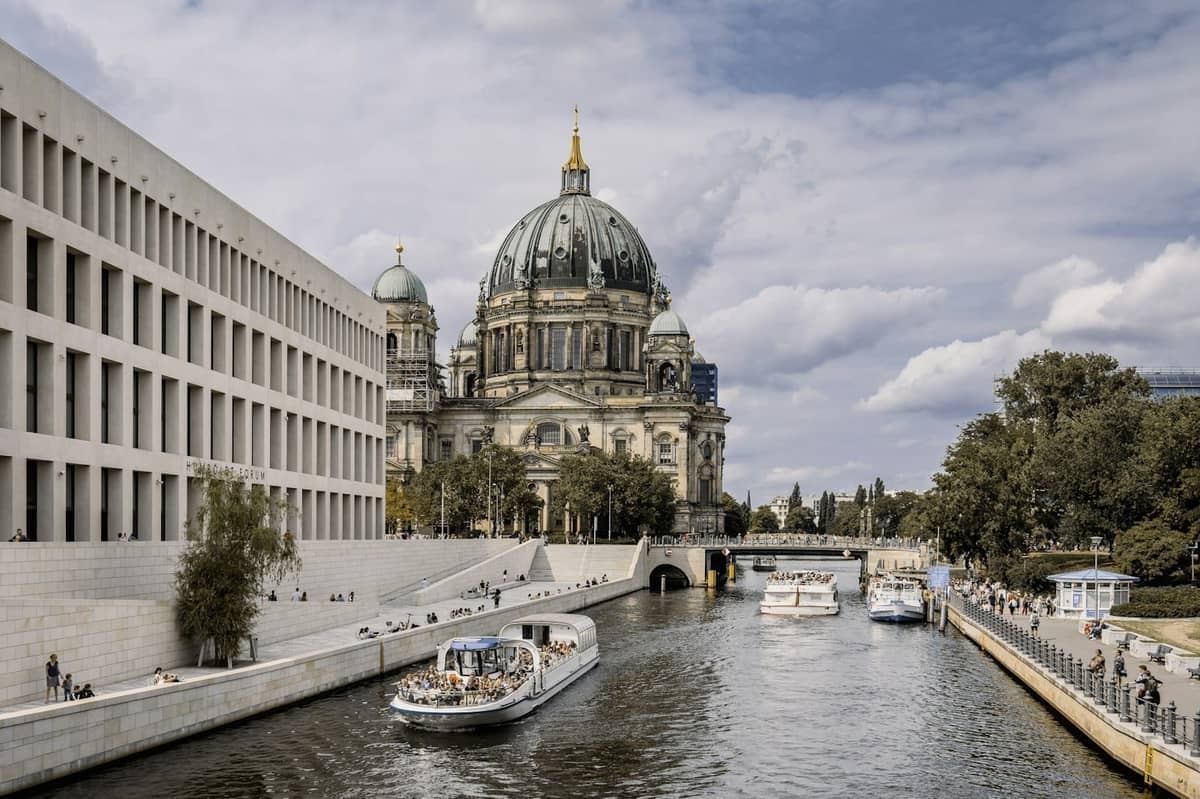
Museum Island is a UNESCO World Heritage Site in the middle of the Spree, holding five world-class museums: the Altes Museum, the Neues Museum, the Pergamon Museum, the Bode Museum, and the Alte Nationalgalerie. Trying to see all five in one day is not realistic unless museums are your primary reason for being in Berlin. Pick two or three based on your interests. The Pergamon Museum houses the Ishtar Gate and Pergamon Altar and is the most-visited. The Neues Museum is essential for the Egyptian collection, including the Nefertiti bust. Check smb.museum for current opening times and timed entry requirements before you go.
Allocate at least three to four hours for Museum Island in the morning. Arrive when it opens to get ahead of school groups and tour buses that typically arrive by mid-morning. A combined day ticket covers all five museums and is better value than individual entries if you plan to visit more than two.
After Museum Island, take the S-Bahn east toward Warschauer Straße for the East Side Gallery. This 1.3-kilometre stretch of the original Berlin Wall is painted with murals commissioned from international artists after reunification in 1990. It is the longest remaining section of the Wall and takes about 30-40 minutes to walk end to end at a comfortable pace. The site is open and free at all hours.
If the Cold War history matters to you, pair this with the Berlin Wall Memorial on Bernauer Straße, which better explains the structure and human cost of the Wall through preserved sections and documentation. Our full Berlin Wall guide covers both sites in detail and explains the historical context behind each.
Day 3: West Berlin, Charlottenburg, and Kurfürstendamm
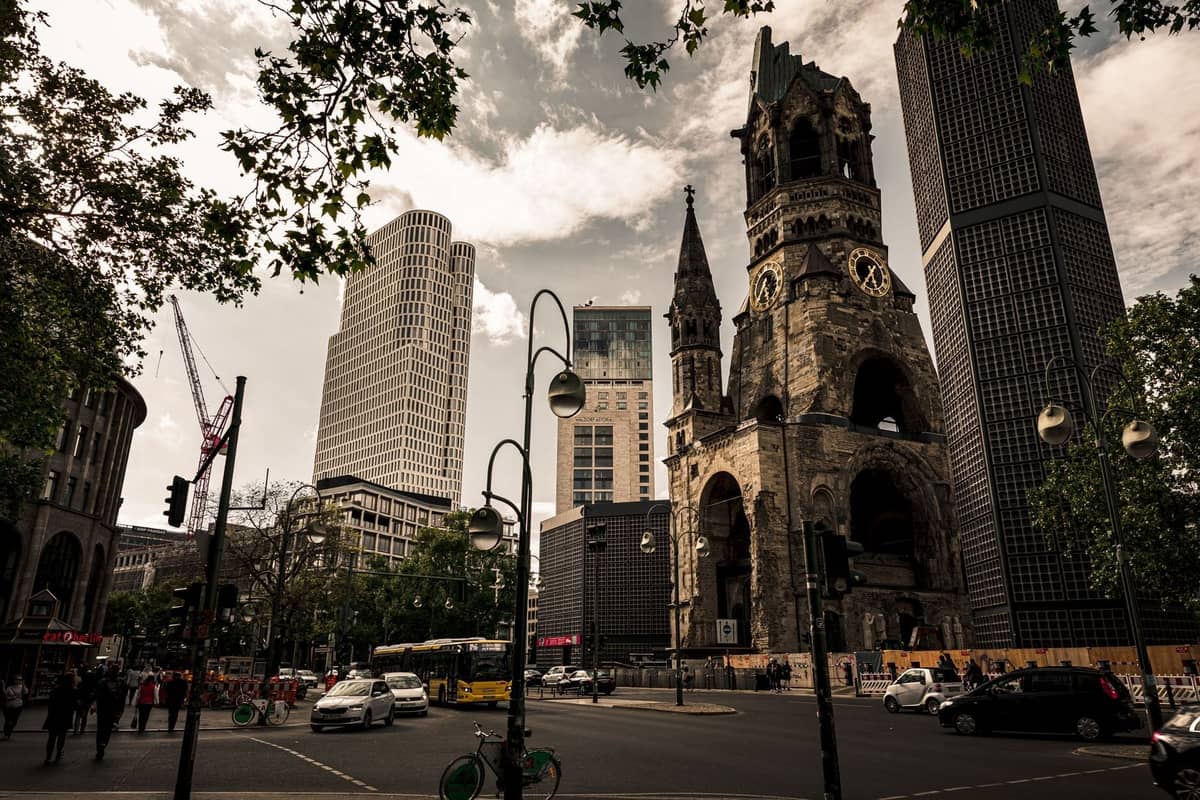
Day 3 heads west. Start at the Kaiser Wilhelm Memorial Church on Breitscheidplatz. The bombed-out tower has been preserved deliberately as a memorial to the destruction of war. The adjacent modern church is stark but worth stepping inside. From here, you are at the eastern end of Kurfürstendamm, Berlin's main western shopping boulevard. KaDeWe, the famous department store, is a few minutes' walk away and worth visiting for the food halls on the upper floors even if you are not planning to shop.
Charlottenburg Palace is about 20 minutes by bus or U-Bahn from Breitscheidplatz. It is Berlin's largest palace and the most significant baroque building in the city. The palace itself, the gardens (free to enter), the Old Palace, and the Belvedere teahouse each have separate entry tickets. If time is limited, the gardens and the exterior give you the scale of the place without buying a ticket. For the full experience including the royal apartments, check current prices at spsg.de. Our guide to the Charlottenburg district covers the wider neighbourhood if you want to build a more complete afternoon here.
✨ Pro tip
Bus 200 connects City West, the Tiergarten, and central Mitte in a single route. It passes the Victory Column, the Reichstag, and Unter den Linden. Treat the outbound journey as a sightseeing bus at a fraction of the cost of a tour bus ticket.
Seasonal Adjustments and When to Visit
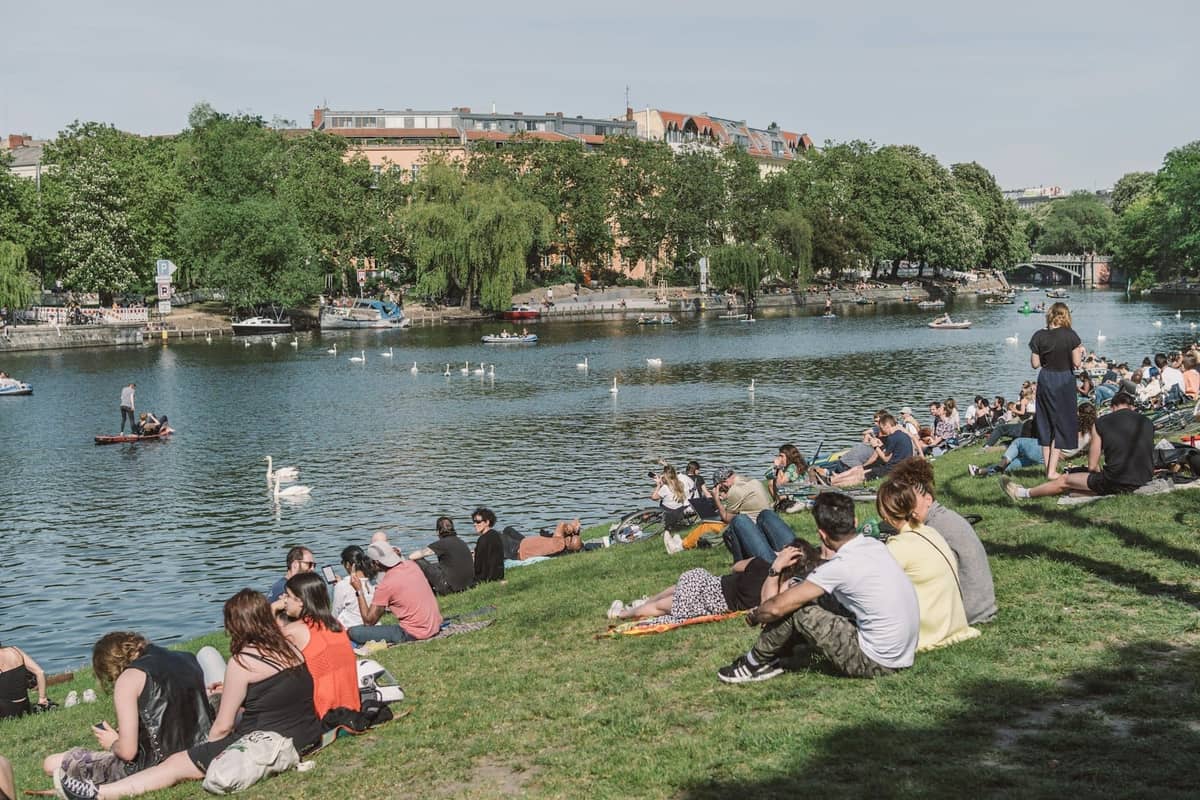
The best months for this itinerary are May through September, when average temperatures sit between 15-25°C and outdoor attractions like the East Side Gallery, Tiergarten, and the Charlottenburg gardens are at their best. Berlin summers can be genuinely warm and the city shifts outdoors: beer gardens, Spree river cruises, and long evenings in the parks. Our full Berlin in summer guide covers what changes between June and August.
In winter (November through February), average temperatures drop to around 0°C. The outdoor components of this itinerary become less comfortable but not impossible. Shift emphasis toward indoor museums on Museum Island, the Jewish Museum, and the Berlinische Galerie. December brings Berlin's Christmas markets, which add a worthwhile stop near Charlottenburg Palace and Gendarmenmarkt. See our Berlin in winter guide for the full seasonal breakdown.
- Spring (March-May) Cherry blossoms in the parks, fewer crowds than summer, some cold spells into April. Good shoulder-season pricing on accommodation.
- Summer (June-August) Long days, outdoor events, river cruises in full swing. Book accommodation and the Reichstag dome well in advance. Peak crowds at major sights.
- Autumn (September-October) Crowds thin from mid-September, temperatures remain comfortable, and the museum queues become more manageable. A strong option for this itinerary.
- Winter (November-February) Cold and grey, but museums are uncrowded and the Christmas markets in December are a genuine draw. Expect around 0°C and pack accordingly.
Practical Tips to Get the Most From Three Days
Three days in Berlin is genuinely enough to understand the city's character and cover its most important sights, but only if you avoid common time-wasters. Checkpoint Charlie is the most overrated attraction in Berlin: a replica booth in the middle of a busy road surrounded by paid photo opportunities and a museum that you can get comparable content from at Topography of Terror for free. Skip it or allocate no more than 15 minutes if you are nearby.
- Book the Reichstag dome weeks in advance through bundestag.de, or register in person at the nearby service centre if same-day slots are available. It is free but requires registration.
- Buy a multi-day BVG transit ticket or Berlin WelcomeCard on arrival. Single fares add up quickly.
- Museum Island requires timed entry for some museums. Check smb.museum before your trip.
- Carry cash. Many smaller cafés, markets, and restaurants in Berlin do not accept cards.
- The city is large (891 km²). Group attractions by district each day, not by theme. Cross-city travel eats your time.
- Tipping in restaurants is customary but modest. Rounding up the bill or leaving 5-10% is standard practice.
If you have any time left over, Berlin rewards wandering. The Mauerpark flea market runs on Sundays and is worth an hour in Prenzlauer Berg. Tempelhofer Feld, the former airport converted into a public park, is one of the stranger and more memorable things to do in the city. Neither fits neatly into the three-day framework above, but either can replace a lower-priority item if your interests run that way.
FAQ
Is 3 days in Berlin enough?
Three days covers the essential highlights well: the Brandenburg Gate, Reichstag, Museum Island, Holocaust Memorial, East Side Gallery, and Charlottenburg. It is not enough for Sachsenhausen, Potsdam, or the deeper neighbourhood culture of Kreuzberg and Neukölln. Think of three days as a strong introduction, not a complete picture.
What is the best order to visit Berlin's attractions?
Group by location, not by theme. Day 1 in central Mitte (Brandenburg Gate, Reichstag, Holocaust Memorial, Unter den Linden), Day 2 on Museum Island and the East Side Gallery, Day 3 in City West and Charlottenburg. This minimises transit time and keeps each day logistically coherent.
Do I need to book tickets in advance for Berlin's main sights?
Yes, for the Reichstag dome (free but mandatory advance registration through bundestag.de), and advisable for Museum Island in peak season. Charlottenburg Palace can usually be visited without pre-booking, but check spsg.de for current conditions. The Holocaust Memorial underground exhibition also benefits from advance booking in summer.
How do I get around Berlin on a 3-day trip?
Public transport is the right choice for almost every journey in this itinerary. The U-Bahn and S-Bahn connect all major districts. A multi-day BVG ticket or the Berlin WelcomeCard is the most cost-effective option. Taxis and ride-hailing are useful late at night but unnecessary during the day.
What should I skip in Berlin to save time?
Checkpoint Charlie is the most commonly recommended skip. The replica booth and surrounding area are commercially oriented and the historical content is available in better form at the Topography of Terror (free) and the Berlin Wall Memorial. The TV Tower observation deck has a long queue and a high ticket price relative to other viewpoints in the city.