Berlin Christmas Markets: The Complete Guide
Berlin runs 80 to 100+ Christmas markets each season, spread across dozens of neighbourhoods with wildly different characters. This guide covers the best markets, when to go, what things cost, how to get around, and what to skip.
Plan and book this trip
Tools from our partner Travelpayouts help you compare flights and hotels. If you book through them, we may earn a commission at no extra cost to you.
Flights
Hotels map
TL;DR
- Berlin hosts 80 to 100+ Christmas markets (Weihnachtsmärkte) each season, with no single 'main' market — the city's offering is deliberately decentralised.
- The season typically runs late November through Christmas, with several markets continuing between Christmas and New Year, and some into early January 2026.
- Most markets are free to enter; a few high-profile ones charge a small fee (around €2–3). Budget for Glühwein, food, and a refundable cup deposit (Pfand) of a few euros.
- Crowds peak on evenings and weekends — visiting on a weekday afternoon is the single best way to enjoy the atmosphere without the crush. For broader winter planning, see our Berlin in winter guide.
- Carry Euro cash: card readers are still not universal at market stalls.
Why Berlin's Christmas Markets Are Unlike Any Other German City
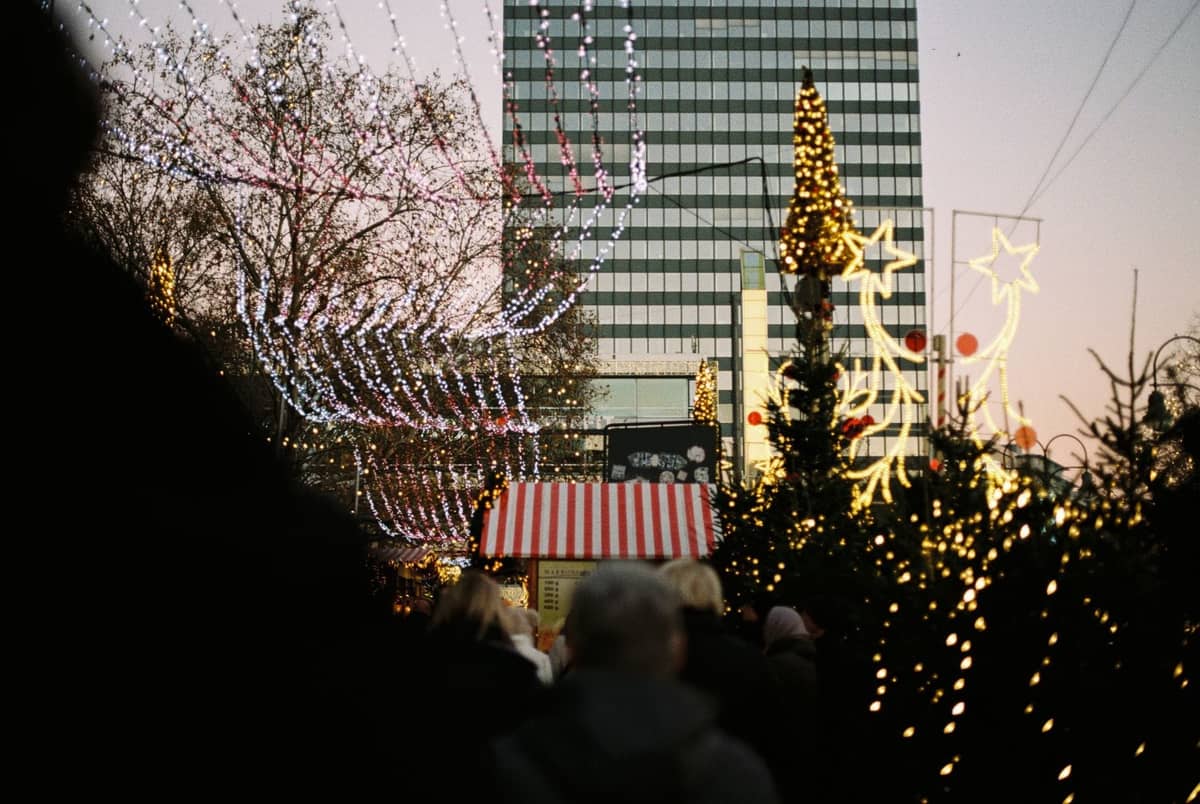
Most German cities anchor their Christmas market season around a single central Weihnachtsmarkt on the main square. Berlin doesn't work like that. With 80 to 100+ markets spread across a city-state of 891 km², each neighbourhood runs its own version, reflecting its own character. The result is that a market in Spandau's medieval old town feels nothing like one at Gendarmenmarkt in Mitte, and neither resembles the alternative-leaning markets in Kreuzberg or Prenzlauer Berg. This decentralisation is genuinely useful for visitors: it means you can plan a market crawl by neighbourhood, pairing Glühwein with sightseeing in a way that makes geographic sense.
Berlin's sheer size also means the Christmas season can stretch longer than visitors expect. While many markets close on 23 or 24 December, several run between Christmas and New Year, and options like the Tierpark Berlin 'Christmas Garden' light installation continue into early January 2026. If you're visiting Berlin in winter outside the typical pre-Christmas window, there's still something to see.
The Best Berlin Christmas Markets, Ranked by Character
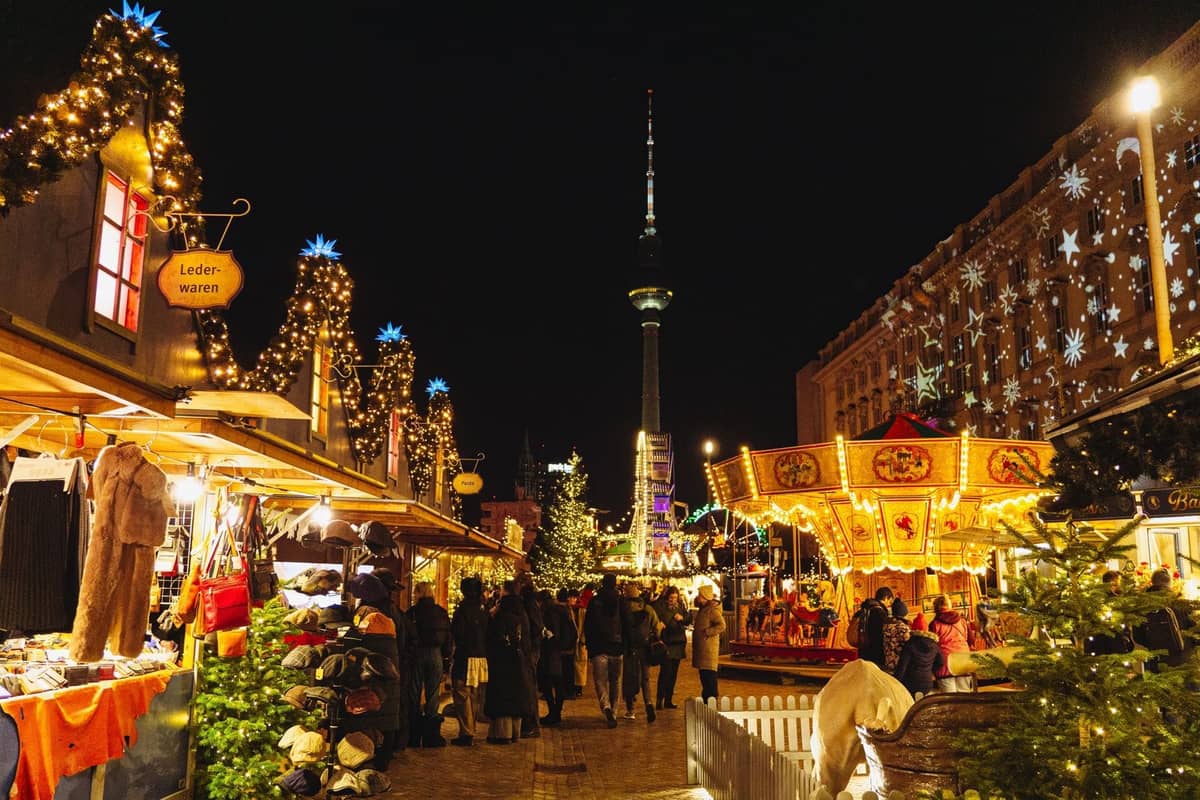
Rather than listing every market in the city, focus on a handful that offer genuinely different experiences. Trying to visit ten in a weekend will produce diminishing returns — three to four, planned around neighbourhoods, is more satisfying.
- WeihnachtsZauber Gendarmenmarkt The most photogenic market in Berlin, set between the two domed cathedrals on Gendarmenmarkt square in Mitte. It runs late November to 31 December, making it one of the longer-running options. Entry costs around €2–3 at peak times. The stalls lean toward quality crafts and premium food rather than mass-produced gifts. Best visited on a weekday afternoon when the architecture is less obscured by crowds.
- Spandau Old Town Christmas Market Set in Spandau's medieval Altstadt, this is one of Berlin's most atmospheric markets. The half-timbered surroundings make it feel historic in a way few Berlin markets can match. It typically runs late November to 23 December and is free to enter. Getting there on the U7 to Spandau takes around 40 minutes from central Berlin — combine it with a visit to Zitadelle Spandau if you have time.
- Landsberger Allee Christmas Carnival This one starts earlier than most — typically early November — and runs through late December, making it the longest-running option in the city. It's more carnival than traditional market, with rides and amusements alongside food stalls. Not the most authentic experience, but good for families with young children.
- Tierpark Berlin Christmas Garden A light installation rather than a traditional market, running approximately late November to early January. It's ticketed, not free, and leans more toward an evening walk-through experience. Impressive for the light art, but don't expect traditional market stalls or Glühwein culture.
- Kulturbrauerei Christmas Market Held inside the redbrick brewery complex in Prenzlauer Berg, this market has a strong local following and a focus on independent makers and regional food producers. Free to enter, and well connected by U2 and tram. One of the better options if you want to avoid tourist-heavy crowds.
💡 Local tip
Berlin.de maintains an official Christmas market portal with current locations, opening hours, and a filter for free-admission markets. Check it before your trip for any date changes — openings can shift by a day or two year to year.
Dates, Prices, and What Things Actually Cost
The season generally opens in the last week of November, with most markets launching around 24 November. This aligns with the fourth Sunday before Christmas, the traditional start of Advent. Closing dates vary significantly: most traditional markets shut on 23 or 24 December, but the Gendarmenmarkt market runs to 31 December, and the Tierpark Christmas Garden continues into January.
On pricing: the majority of Berlin's Christmas markets charge no entry fee. The city's official portal lists free-admission markets separately, which is useful if budget is a concern. The exceptions are curated or themed markets — Gendarmenmarkt historically charged around €2–3 during peak hours. Inside any market, expect to pay around €3–5 for a Glühwein (mulled wine), with a Pfand (deposit) of €2–4 added to your first cup. You get the Pfand back when you return the cup. This is standard across Germany and not a tourist trap — it's an environmental system. Food prices run roughly €3–8 for most items: bratwurst, Kartoffelpuffer (potato pancakes), roasted chestnuts, Schmalzkuchen (small fried doughnuts), and regional specialities.
⚠️ What to skip
Carry Euro cash. Card payment is becoming more common at Berlin market stalls, but it's not universal. An evening where your card isn't accepted at three consecutive stalls will quickly dampen the mood. Most ATMs (Geldautomaten) in central Berlin dispense cash without excessive fees, but check your bank's terms before travelling.
If you're watching your spending across the whole trip, the free-entry markets combined with a focus on one or two food items per stop is a genuinely affordable way to experience the season. Our Berlin on a budget guide has additional strategies for keeping costs down in December.
When to Go and How to Beat the Crowds
Berlin's Christmas markets are busy. That's not a reason to avoid them, but it is a reason to plan around crowd patterns rather than just showing up on a Saturday evening in mid-December and expecting a relaxed experience.
- Weekday afternoons (Monday to Thursday, from around 13:00 to 17:00) offer the best combination of atmosphere and manageable crowds. The lights are already on from early afternoon in December.
- Friday evenings are when crowds start building significantly — still enjoyable, but noticeably busier than earlier in the week.
- Saturday and Sunday afternoons are peak times at the popular central markets. Gendarmenmarkt and the Charlottenburg Palace market in particular get very congested on weekends.
- The first two weekends of the season (typically late November) are surprisingly calm at many markets — locals tend to visit once or twice during the whole season, and the initial rush is smaller than the pre-Christmas surge.
- The week before Christmas (around 18–23 December) sees the highest crowds of the entire season at traditional markets. If you want to visit during this window, go early on a weekday.
Weather in December in Berlin runs cold and often overcast, with temperatures typically around 0 to 5°C. Rain and damp are common. The silver lining is that a cold, slightly foggy evening with market lights reflecting off wet cobblestones is genuinely atmospheric. Dress in proper winter layers — waterproof outer layer, warm boots, and gloves. Markets are outdoors and strolling is slow, so you'll feel the cold more than if you were walking briskly.
✨ Pro tip
The opening days of a market (first two or three days) often see stalls still setting up and not all vendors open. Avoid the very first day if you want the full experience. Similarly, the final day before a market closes can feel sparse as some vendors pack up early.
Getting Around: A Neighbourhood-by-Neighbourhood Strategy
Berlin's public transport network, operated by BVG and S-Bahn Berlin, connects virtually every market in the city. The U-Bahn, S-Bahn, trams, and buses all run well into the evening. If you're planning multiple markets in one day, the Berlin Welcome Card provides unlimited travel on public transport and may be worth the investment depending on how many days you're in the city.
A sensible approach is to cluster markets by district. In Mitte, the Gendarmenmarkt market pairs naturally with the markets near Brandenburg Gate and Unter den Linden. In the west, the Charlottenburg Palace market combines with the markets along Kurfürstendamm. In the east, the Kulturbrauerei in Prenzlauer Berg is close to Mauerpark and accessible by U2 from central Berlin.
Spandau requires a longer journey — around 40 minutes from central Berlin on the U7 to Rathaus Spandau — but the medieval setting makes the trip worthwhile, particularly if you combine it with a visit to the historic old town. It's a full half-day excursion rather than a quick addition to a central city itinerary.
What to Eat and Drink: The Market Food Worth Seeking Out
Glühwein (mulled red wine, spiced with cinnamon, cloves, and orange peel) is the default drink, but most markets also offer Kinderpunsch (a non-alcoholic fruit punch for children), hot chocolate, and Feuerzangenbowle — a dramatic preparation where a sugar cone soaked in rum is set alight over a wine pot. Not every market has Feuerzangenbowle, but if you see it, it's worth trying once.
Food varies by market, but the reliable options across most venues include: grilled bratwurst in a bread roll, Kartoffelpuffer with apple sauce or sour cream, roasted almonds (Gebrannte Mandeln), and Schmalzkuchen — small, freshly fried doughnuts dusted in powdered sugar. At markets in diverse neighbourhoods like Kreuzberg and Neukölln, you'll find stalls from international food vendors alongside the traditional German fare. For a deeper look at Berlin's year-round food scene, the Berlin food guide covers the city's culinary landscape in detail.
ℹ️ Good to know
The Pfand system is worth understanding before your first purchase. When you buy a hot drink, you pay the drink price plus a deposit (typically €2–4) for the cup or mug. Return the cup to any stall at that market to reclaim your deposit. You can also keep the cup as a souvenir — many markets use collectible mugs — but you forfeit the deposit if you do.
Common Misconceptions and What to Honestly Expect
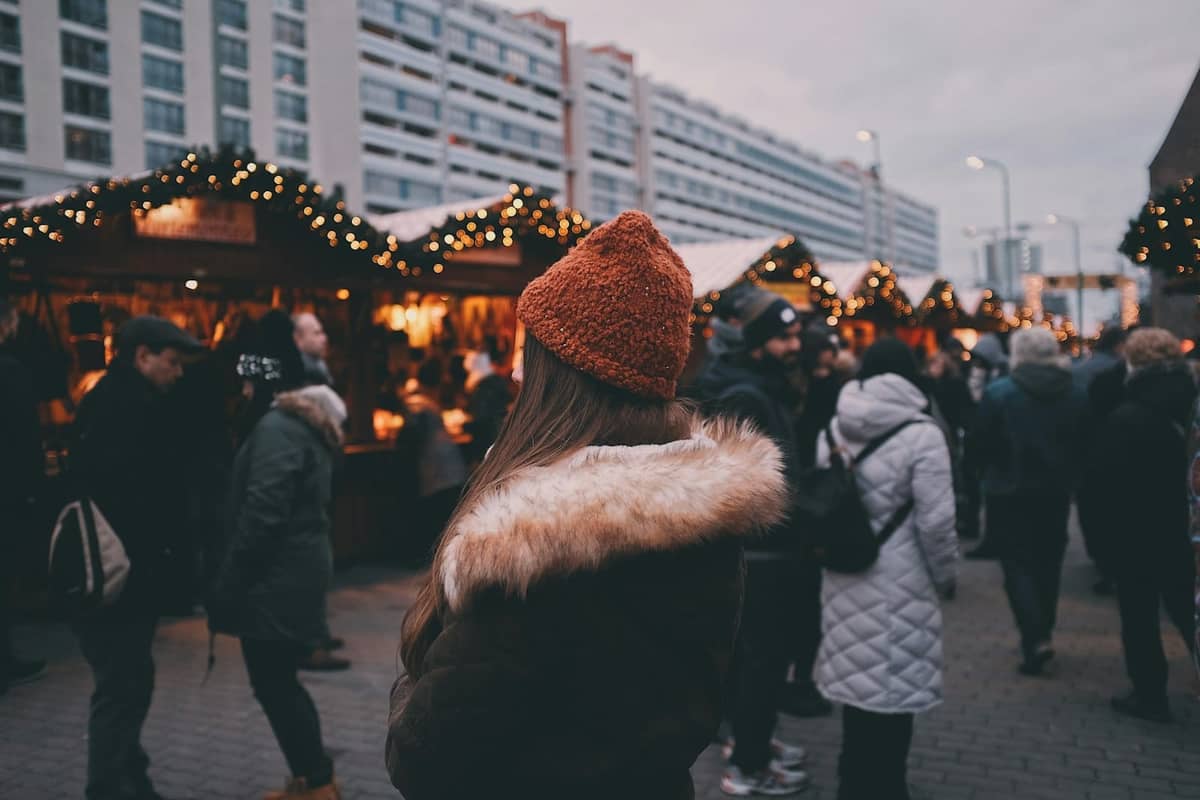
Berlin's Christmas markets attract a lot of visitors who arrive with expectations shaped by idealised images of German Christmas culture. A few honest corrections are worth making upfront.
First, not all markets are equally good. Some are excellent; others are underwhelming collections of identical stalls selling mass-produced ornaments and overpriced Glühwein. The quality gap between a well-curated market like Gendarmenmarkt or the Kulturbrauerei and a generic market in a suburban shopping centre is significant. Selectivity pays off.
Second, Berlin's markets are not all traditional. The city has a strong culture of alternative and artisan markets, and several Christmas markets reflect that. If you're looking for handmade crafts, local food producers, and independent designers rather than carved wooden nutcrackers from the Erzgebirge, Berlin actually has better options for that than many more 'traditional' German cities.
Third, the season doesn't end on 24 December. If you're visiting between Christmas and New Year, several markets remain open, and the city itself has plenty to do. A 3-day Berlin itinerary works well in this quieter post-Christmas window, with shorter queues at major attractions like the Reichstag building and Museum Island.
FAQ
When do Berlin Christmas markets open?
Most markets open in the final week of November, typically around 24 November, aligning with the start of Advent. Some, like the Landsberger Allee Christmas Carnival, open as early as 1 November. Closing dates range from 23 December to 31 December, with a few running into January. Always check the official visitBerlin or Berlin.de portal for confirmed dates before your trip, as openings can shift slightly year to year.
Do Berlin Christmas markets charge an entrance fee?
Most are free to enter. The main exception is WeihnachtsZauber Gendarmenmarkt, which has historically charged €2 during peak times. Themed light installations like the Tierpark Berlin Christmas Garden are ticketed events. The Berlin.de Christmas market portal lists free-admission markets separately, which is useful for planning.
What is the best Berlin Christmas market to visit?
It depends on what you're after. For the most photogenic setting, WeihnachtsZauber Gendarmenmarkt between the two domed cathedrals in Mitte is hard to beat. For a more local, less tourist-heavy experience, the Kulturbrauerei market in Prenzlauer Berg is the better choice. For historic atmosphere, Spandau Old Town market is worth the longer journey. There's no single 'best' — the right answer depends on your priorities.
How do I get to Berlin Christmas markets by public transport?
Berlin's BVG and S-Bahn network connects all major markets. Central markets like Gendarmenmarkt are reachable via S-Bahn to Friedrichstraße or U2/U6 to Stadtmitte. The Spandau market is served by U7 to Spandau. The Kulturbrauerei in Prenzlauer Berg is a short walk from U2 Eberswalder Straße. The Berlin Welcome Card provides unlimited travel on all BVG and S-Bahn lines if you're visiting multiple markets across several days.
Is it safe to visit Berlin Christmas markets?
Yes, though large public gatherings anywhere require standard awareness. Keep valuables close in crowded areas, particularly on busy weekend evenings. Berlin's markets have security measures in place, including vehicle barriers at many sites. For general safety advice about the city, our Berlin safety tips guide covers what to be aware of as a visitor.