Berlin in Winter: Is It Worth Visiting? (A Practical Guide)
Berlin in winter is colder, darker, and quieter than summer — but that's exactly what makes it compelling. From Advent Christmas markets to uncrowded museum halls and budget-friendly hotels, this guide covers what to expect, what to skip, and how to make the most of the season.
Plan and book this trip
Tools from our partner Travelpayouts help you compare flights and hotels. If you book through them, we may earn a commission at no extra cost to you.
Flights
Hotels map
TL;DR
- Berlin winters are cold but rarely extreme: expect around 4°C/0 to -1°C in December and frequent overcast skies, not heavy snow.
- December is peak winter tourism thanks to 100+ Christmas markets, including the famous one at Gendarmenmarkt.
- January and February are true low season: cheaper hotels, empty museums, and the city mostly to yourself.
- Major attractions including Museum Island and the Reichstag dome operate year-round with only a handful of holiday closures.
- Winter is a strong season for Berlin if you come prepared for short days and pack an indoor-heavy itinerary.
What Berlin Winter Actually Feels Like
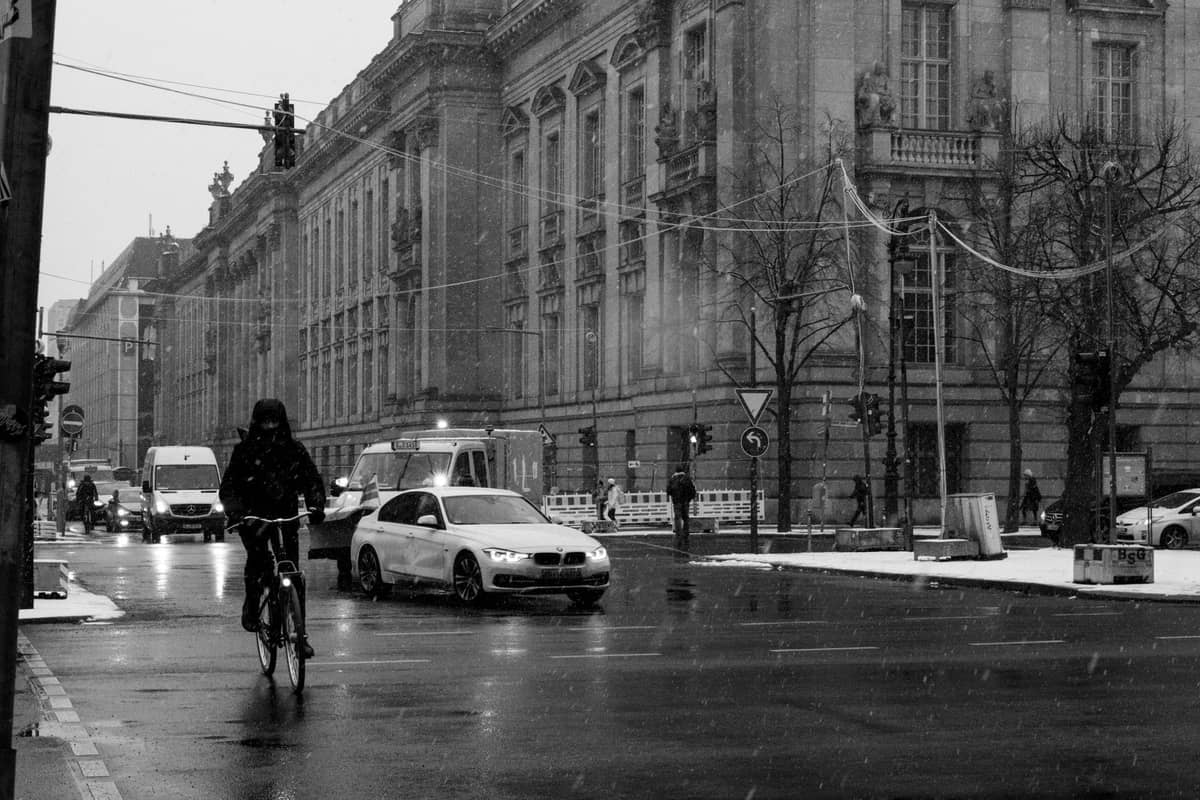
Berlin sits on the North German Plain, and its winters have a particular character: grey, damp, and persistent rather than brutally cold. Average highs in December and January hover around 3-4°C, with overnight lows dipping to around -2°C. During cold snaps, temperatures can fall to around -12°C, but this is unusual. What locals consistently describe is a winter defined by humidity and cloud cover, not by snow.
Daylight is the bigger challenge. Sunset in December falls around 16:00-16:30, meaning you get roughly eight hours of usable daylight on a good day, and often less when the clouds roll in. Berlin averages around 20 precipitation days in December. Snow does fall, but it tends to be brief and patchy rather than the scenic white-blanket variety. Don't plan your trip around a snowy backdrop — plan it around the city's indoor and cultural strengths.
ℹ️ Good to know
Berlin's winter weather is best described as temperate continental: cold and grey, but rarely extreme. Pack a waterproof layer, thermal underlayers, and good walking shoes. Heavy-duty ski gear is overkill.
December: Christmas Markets and the Advent Rush
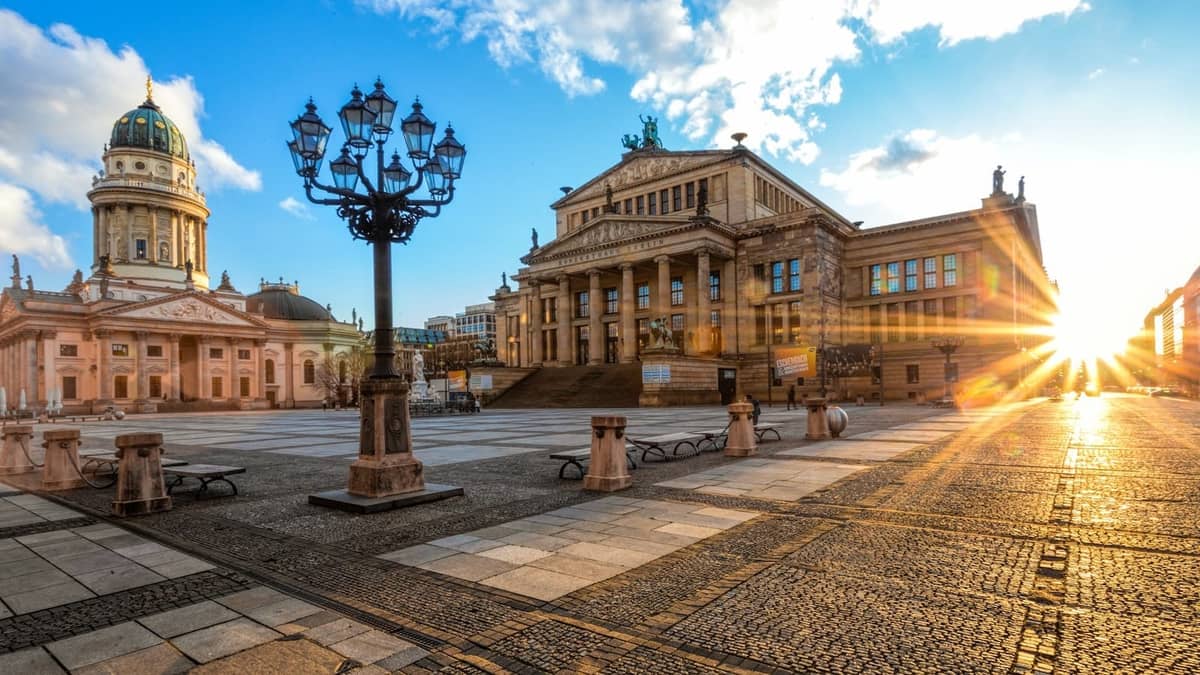
Berlin hosts over 100 Christmas markets during Advent, which runs from late November through December 24th. This is genuinely impressive variety. The most celebrated is the market at Gendarmenmarkt, set between two neoclassical cathedrals and widely considered one of the best in Germany. Entry costs a few euros, which keeps the crowds slightly more manageable than the free markets. The market at Alexanderplatz is larger and free, with the TV Tower as a backdrop, but it skews more commercial.
Other standout markets include the one at Rotes Rathaus (Red City Hall), the Potsdamer Platz market with its toboggan slide, and the atmospheric market at Kaiser-Wilhelm-Gedächtniskirche on the Kurfürstendamm. Each has a distinct character. If you're visiting specifically for Christmas markets, budget two or three evenings to explore multiple ones rather than spending a single long night at one.
⚠️ What to skip
The week leading up to Christmas and the days around New Year's Eve see a significant surge in hotel prices and visitor numbers. Book accommodation at least 6-8 weeks in advance if your dates fall between December 20th and January 2nd. Outside that window, you'll find much better rates.
For a full overview of the market options across the city, the Berlin Christmas markets guide breaks down the best markets by neighbourhood, entry fees, and what to eat at each one.
January and February: Low Season, High Value
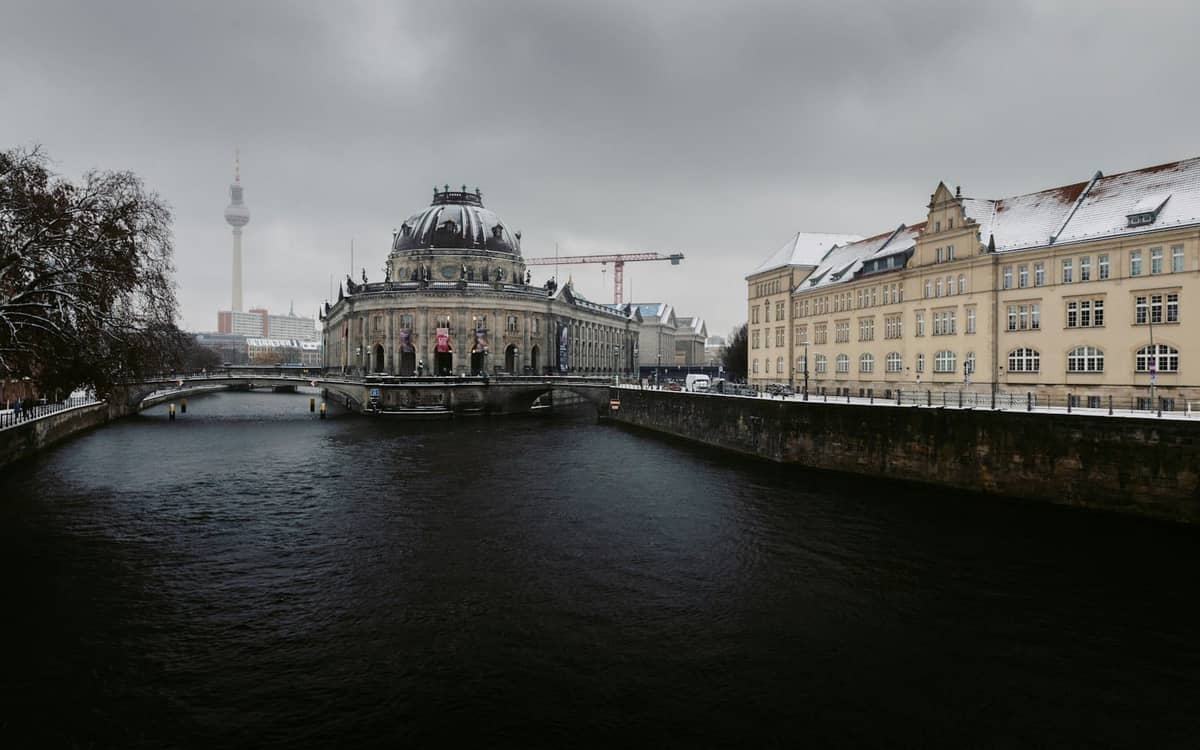
Once the Christmas decorations come down, Berlin enters its quietest stretch of the year. January and February are genuinely low season: hotel occupancy drops, prices follow, and the queues at major attractions largely disappear. If your primary goal is to explore the city's museums, galleries, and historical sites without fighting crowds or paying summer rates, this is arguably the best time to visit.
Museum Island's five institutions — including the Pergamon Museum and the Neues Museum — operate on regular schedules through winter with no seasonal closures. The same applies to the Jewish Museum Berlin, the Topography of Terror, and the German Historical Museum. In winter, you can move through these spaces at your own pace.
✨ Pro tip
The Berlin Welcome Card covers unlimited public transport plus discounts at 200+ attractions. In winter, when you'll spend more time on the U-Bahn and S-Bahn moving between indoor venues, the maths favours buying a multi-day card. Check the current pricing and coverage before purchasing.
- Best for budget travellers January and February offer the lowest hotel rates of the year, often 30-50% cheaper than summer equivalents.
- Best for culture-focused visits Every major museum and gallery operates normally. Temporary exhibitions often launch in early spring, so late February can be particularly strong.
- Best for nightlife Berlin's club scene — including Berghain and the venues around Friedrichshain — operates year-round and is arguably less tourist-heavy in winter months.
- Best for Christmas atmosphere December, specifically the Advent weeks. Arrive before December 20th to get market atmosphere without peak-season pricing.
What to Do in Berlin in Winter
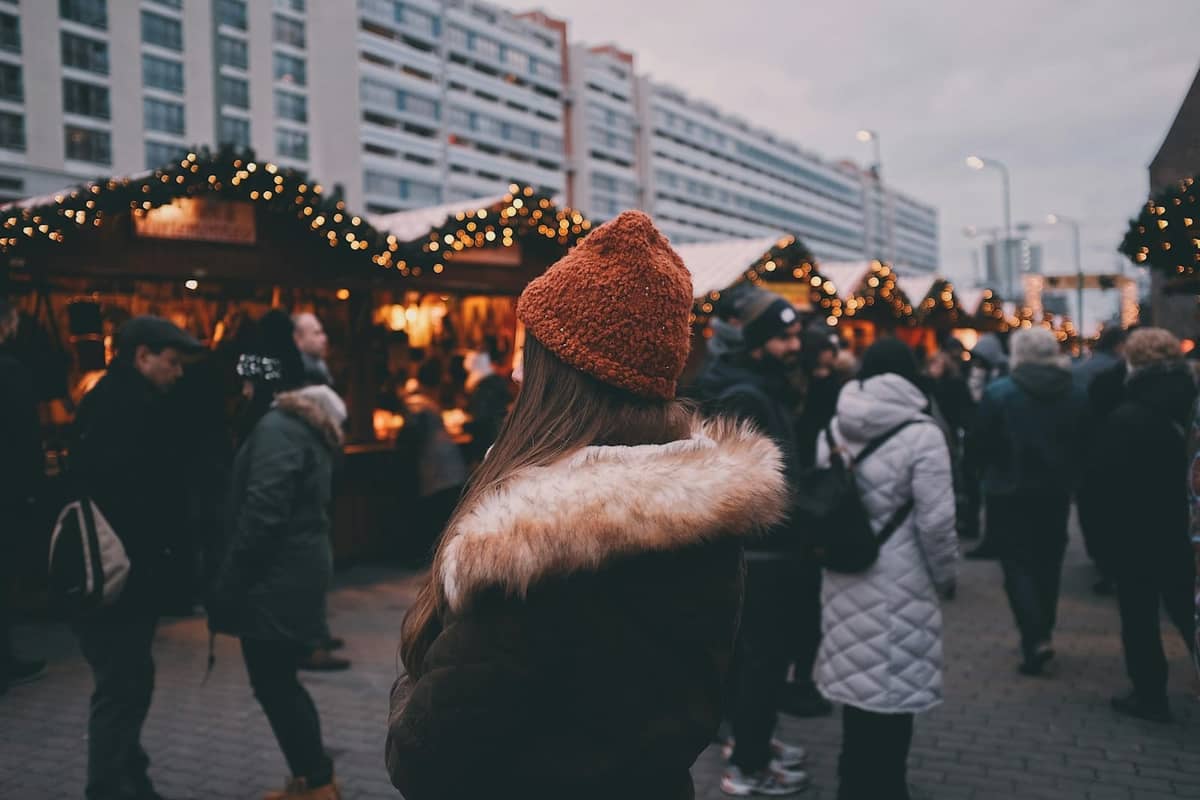
A winter itinerary in Berlin should lean into what the city does best in cold weather: indoor culture, food halls, walking tours with fewer people, and the occasional outdoor activity when conditions allow. The idea that Berlin shuts down in winter is simply wrong. The cultural calendar runs continuously.
- Visit Museum Island across multiple days — the combined day pass covers all five museums and is far more manageable in winter without the summer queues.
- Book the Reichstag dome visit in advance (it's free, but registration through the Bundestag website is mandatory). Note it's closed all day on December 24th and from 16:00 on December 31st.
- Walk the East Side Gallery along the Spree — it's always open, and winter light makes for interesting photography without the crowds.
- Explore the Markthalle Neun food hall in Kreuzberg, especially on Thursday evenings for Street Food Thursday.
- Take a Spree river cruise — some operators run winter tours, and the perspective of the city from the water changes significantly when the trees are bare.
- See a performance at the Berliner Philharmonie, which runs a full season through winter; booking ahead is essential for popular concerts.
- Ice skating rinks appear seasonally across the city, including at Potsdamer Platz and in Charlottenburg.
If you want to balance indoor and outdoor, Tiergarten Park is worth a winter walk — the bare trees have a stark, almost architectural quality that you don't get in summer. The park is large enough to spend two hours walking, and it connects directly to the Victory Column and several of the city's key memorials.
Practical Logistics for a Winter Visit
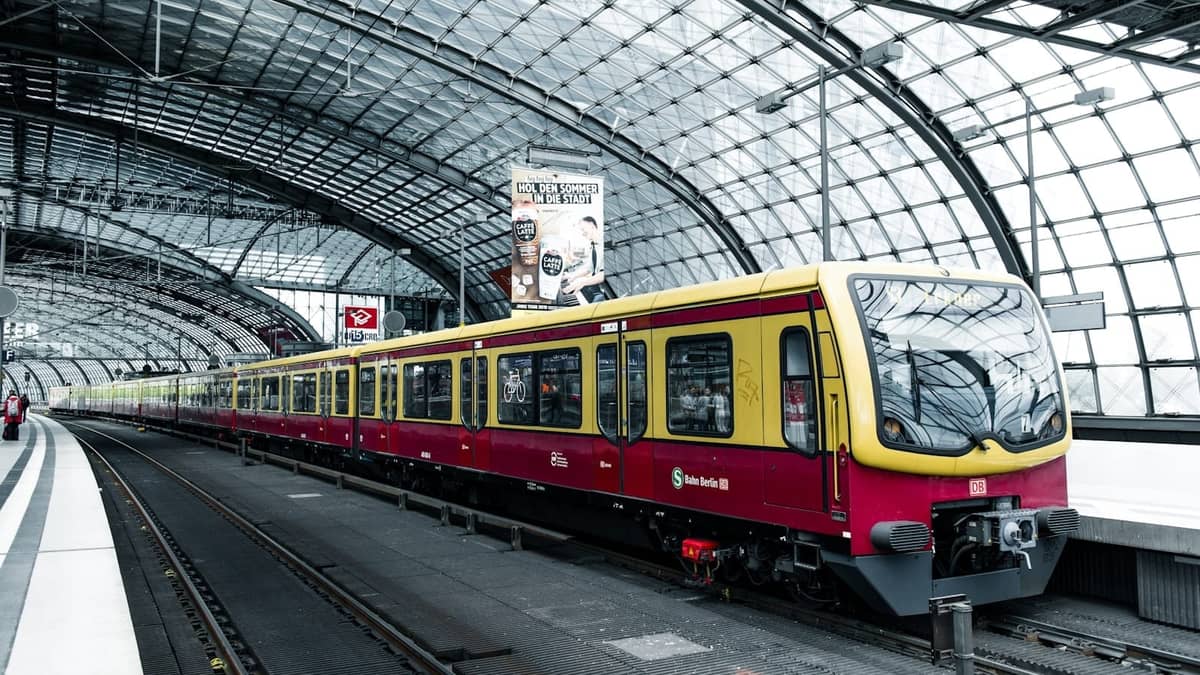
Getting around Berlin in winter is straightforward. The BVG and S-Bahn network runs on normal schedules through winter, and the U-Bahn is mostly underground or on dedicated tracks and largely unaffected by weather. Trams in the eastern districts (Prenzlauer Berg, Friedrichshain, Mitte) are also reliable. If there's heavy snow, surface tram routes can occasionally see delays, but this is rare.
Berlin Brandenburg Airport (BER) connects to the city centre by S-Bahn (S9 and S85 lines) and the Airport Express (FEX) train. Journey time to central stations is roughly 30-45 minutes depending on your destination. For full transport options and ticketing, the getting around Berlin guide covers the BVG network in detail.
- Clothing essentials Waterproof outer layer, thermal base layers, warm hat and gloves. Good waterproof walking shoes are more useful than heavy boots on most days.
- Daylight strategy Start outdoor sightseeing by 10:00 and wrap up outdoor activities by 15:30. Use the late afternoon and evening for museums, food, and indoor culture.
- Booking priorities Reichstag dome requires advance registration (free). Museum Island tickets can be booked online. Christmas market entry (where charged) is usually pay-at-door.
- Currency and payments Berlin uses the Euro. Card payments are now widely accepted, but some smaller markets and traditional restaurants still prefer cash. Carry €20-30 in cash.
💡 Local tip
Berlin's public transport system is extensive and operates on a proof-of-payment system — inspectors do check tickets. Buy a day or multi-day pass rather than individual tickets if you're moving between neighbourhoods. The Berlin Welcome Card includes transport and may save money depending on your itinerary.
Common Misconceptions About Berlin in Winter
Several persistent myths put travellers off visiting Berlin in winter. Here's what's actually true.
First: Berlin is not buried in snow for months. Snow falls irregularly and often melts within days. The more accurate picture is overcast skies and damp cold. Second: attractions don't close for winter. Every major museum, the Holocaust Memorial, the East Side Gallery, and most historical sites operate on standard schedules. Specific holiday closures (December 24th, some January 1st hours) apply, but these are predictable and easily planned around.
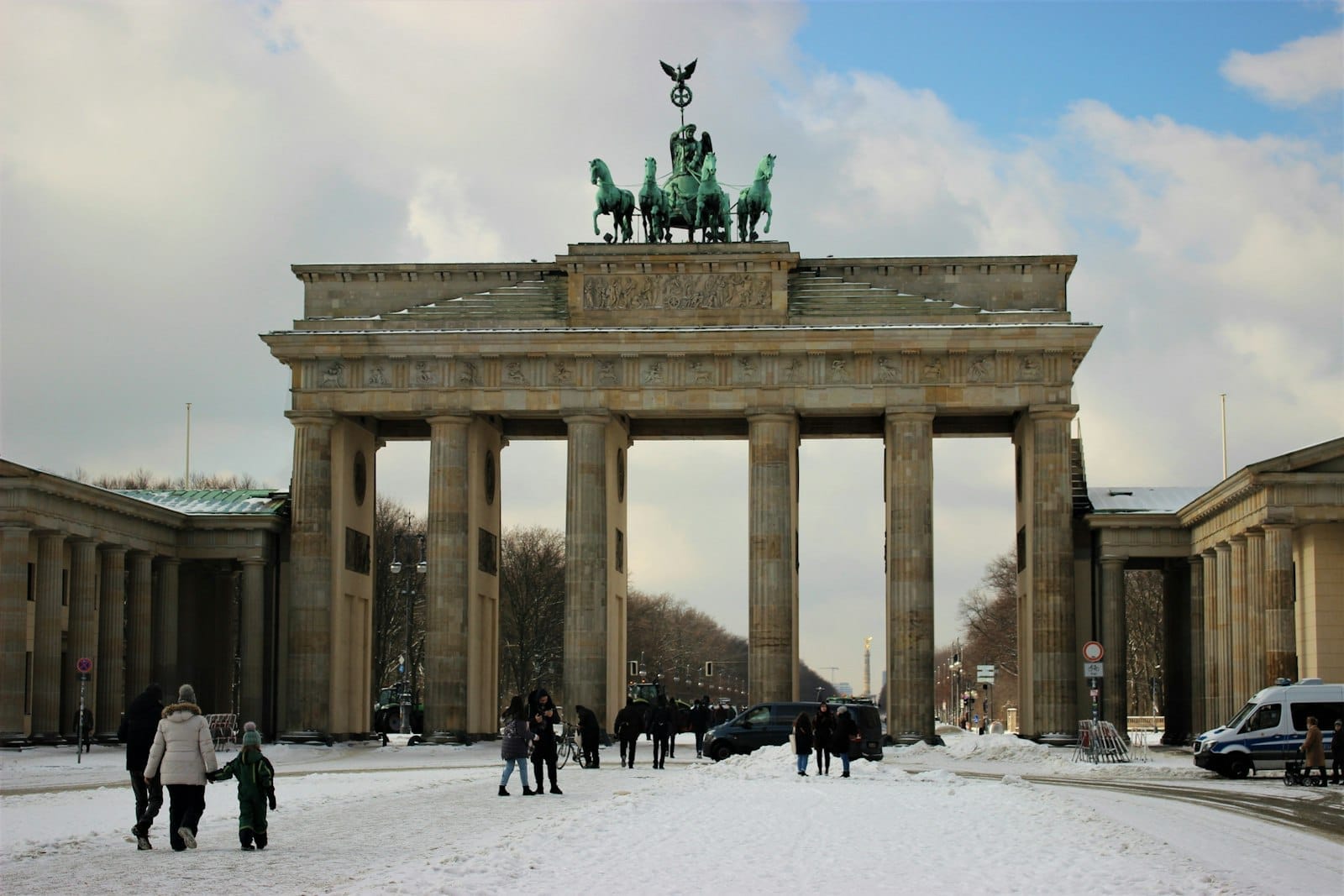
Third: winter entertainment is not just Christmas. Berlin's official events calendar through January and February includes New Year's Eve celebrations (the Brandenburg Gate fireworks attract several hundred thousand people), cultural festivals, gallery openings, and the Berlinale International Film Festival, which typically runs in mid-February. Fourth: Berlin is not particularly dangerous in winter. Normal urban precautions apply, the same as any large European capital. The shorter daylight hours don't meaningfully change safety in the city's central districts.
FAQ
Is Berlin worth visiting in winter?
Yes, particularly for travellers focused on museums, culture, and budget travel. December offers Christmas markets and festive atmosphere but at higher prices. January and February are quieter and cheaper, with the full museum calendar running normally. The main drawbacks are short daylight hours (sunset around 16:00 in December) and frequent overcast weather.
How cold does Berlin get in winter?
Average highs are around 4-5°C in December and January, with overnight lows around -1 to -2°C. During cold spells, temperatures can drop to around -12°C, but this is uncommon. Snow falls but is typically brief and irregular rather than persistent.
What are the best Christmas markets in Berlin?
The Gendarmenmarkt market (now held at Bebelplatz) is widely considered one of the best (there's a small entry fee). The Alexanderplatz and Rotes Rathaus markets are free and large. The market at Kaiser-Wilhelm-Gedächtniskirche on Kurfürstendamm is atmospheric and centrally located. Most run from late November through December 24th.
Do Berlin museums stay open in winter?
Yes. Museum Island's five museums, the Jewish Museum, Topography of Terror, German Historical Museum, and virtually all major attractions operate on regular schedules through winter. The Reichstag dome is closed all day on December 24th and closes early on December 31st. Always verify current hours before visiting.
When is the cheapest time to visit Berlin in winter?
January and February offer the lowest hotel rates of the year, typically 30-50% cheaper than summer. The period between Christmas and New Year (December 20th to January 2nd) is an exception, with elevated prices due to holiday demand. Mid-January through February is the sweet spot for value.