Berlin on a Budget: How to Visit for Less in 2026
Berlin remains one of Europe's more affordable capitals, but prices have risen. This guide breaks down realistic daily budgets, the cheapest ways to get around, free and low-cost attractions, and where to eat well without spending much — all updated for 2026.
Plan and book this trip
Tools from our partner Travelpayouts help you compare flights and hotels. If you book through them, we may earn a commission at no extra cost to you.
Flights
Hotels map
TL;DR
- Realistic daily budgets range from €35–55 (bare-bones) to €60–90 (comfortable backpacker) per person in 2026.
- Day and week transit passes beat single tickets for most visitors — see the Berlin WelcomeCard guide to decide if a tourist card saves you more.
- Dozens of major sights are free: Brandenburg Gate, East Side Gallery, the Holocaust Memorial, and the Reichstag dome (registration required).
- Street food like Döner kebab and Currywurst costs €3–4; supermarkets Lidl and Aldi are your best friends for self-catering.
- Berlin is affordable but no longer ultra-cheap — accommodation and transport have both risen since 2023, so planning ahead matters.
What Does Berlin Actually Cost in 2026?
The reputation of Berlin as an impossibly cheap city is outdated. Prices for accommodation, public transport, and dining have all climbed since 2023. That said, Berlin is still meaningfully cheaper than Paris, Amsterdam, or Zurich — it rewards travelers who know where to spend and where not to.
- Low budget: €35–55/day Hostel dorm bed, self-catering from supermarkets, almost entirely free sights, walking or cycling to get around.
- Comfortable backpacker: €60–90/day Hostel or budget private room, a transit day pass, street food plus one sit-down meal, one paid activity (museum, guided tour, etc.).
- Mid-range: €120–180/day Two- or three-star hotel, full transit coverage, restaurant lunches and dinners, paid museums without skimping.
The biggest budget drain for most visitors is accommodation — especially during peak summer (July–August) and around Christmas markets in December. Booking at least 4–6 weeks out, even for hostels, is the single most effective way to control costs. The second-biggest drain is not planning your transit purchases in advance.
⚠️ What to skip
Berlin is no longer bargain-basement. A hostel dorm in a central neighbourhood (Mitte, Prenzlauer Berg) averages €25–40/night in high season. Budget private rooms in the same areas start around €70–90. Factor these into your planning — the old advice of 'just show up' will cost you.
Getting Around Cheaply: Transit Passes and Tips
Berlin's public transport network, operated primarily by BVG (U-Bahn, buses, trams) and S-Bahn Berlin (overground rail) alongside other regional operators, covers the entire city efficiently. The system uses fare zones: Zone AB covers virtually all of central Berlin, while Zone ABC adds outer areas including Berlin Brandenburg Airport (BER).
- Single AB ticket (valid 2 hours, all modes): €3.50
- Short-trip ticket (up to 3 U-/S-Bahn stops or 6 tram/bus stops): €2.20
- Day ticket AB: €9.90 — breaks even after just 3 single journeys
- Day ticket ABC (includes airport): €10.70
- 7-day ticket AB: €39 — the best value for stays of 5 days or more
- Children under 6 travel free; up to three children aged 6–14 also travel free with each adult ticket, with reduced fares or discounts on many attractions for older children.
For most visitors staying 3 or more days, the Berlin WelcomeCard is worth examining closely. It bundles unlimited AB-zone transit with discounts of 25–50% on over 200 attractions, including Museum Island entry. A 6-day WelcomeCard costs around €50 and can pay for itself quickly if you plan to visit several paid museums. The key question: do you intend to visit enough paid attractions to justify the card over a standard 7-day transit pass (€39 for Zone AB)? If you're sticking largely to free sights, the standard pass wins.
💡 Local tip
Validate your ticket before boarding — Berlin still uses a trust-based validation system on many lines, but inspectors do check, and fines start at €60. Buying digital tickets via the official BVG app is the fastest way to get tickets without hunting for machines.
For a broader overview of navigating the city, the complete guide to getting around Berlin covers cycling routes, airport transfers, and regional rail options too. Cycling is genuinely free once you have a bike — many hostels lend them, and the city's flat terrain makes it one of the best cycling capitals in Europe.
Free and Low-Cost Sights Worth Your Time
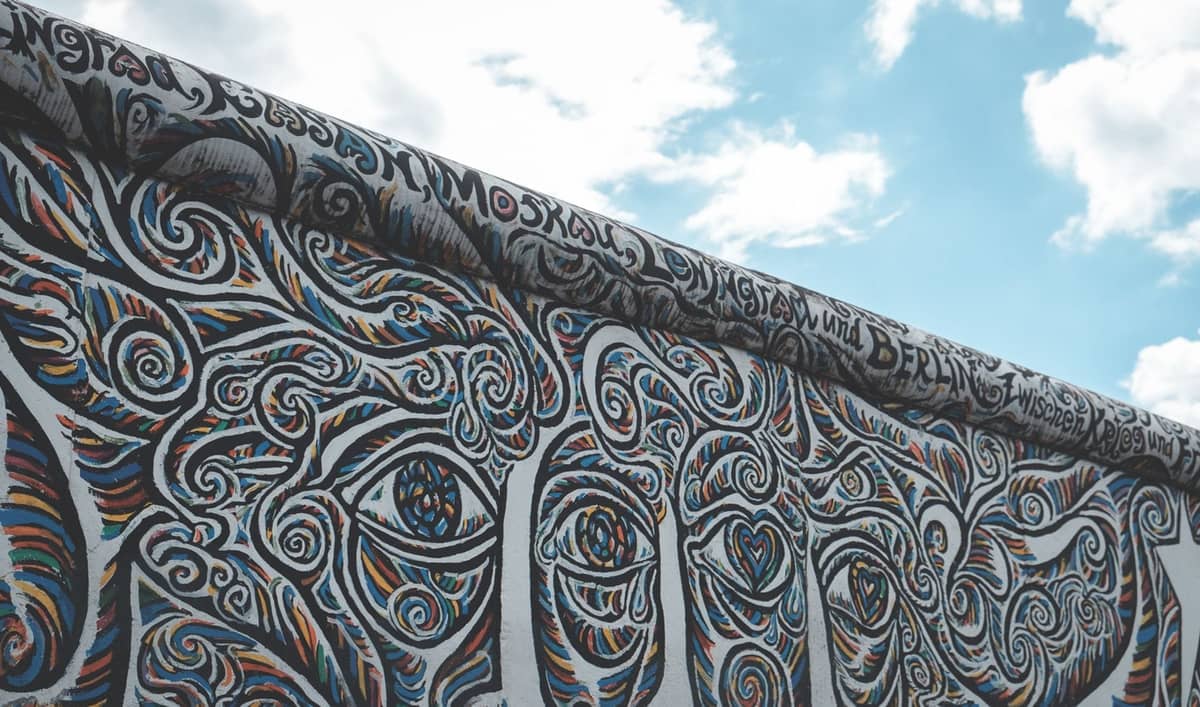
One of Berlin's genuine advantages for budget travelers is that many of its most historically significant sites cost nothing to visit. The city's outdoor memorials, Cold War remnants, and architectural landmarks are largely free and spread across walkable areas.
The Brandenburg Gate is always open and free. The Holocaust Memorial (officially the Memorial to the Murdered Jews of Europe) is free to walk through, with an underground information centre that charges a small fee. The East Side Gallery — a 1.3 km stretch of the original Berlin Wall covered in murals — is free and open around the clock. For more context on the Wall's history, the Berlin Wall Memorial on Bernauer Strasse is also free and significantly more informative.
The Reichstag dome is free to visit but requires advance registration on the official Bundestag website. Book at least two weeks ahead, ideally more during summer. The panoramic views from the dome rival anything you'd pay €20 for elsewhere in Europe. For more viewpoints that won't cost much, the Berlin viewpoints guide lists both free and paid options with honest comparisons.
- Free walking tours Tip-based tours (SANDEMANs New Europe is the most established operator) depart daily from Brandenburg Gate and Alexanderplatz. Tip €10–15 for a good guide — this is still cheaper than most paid tours and covers essential historical ground in 2.5–3 hours.
- Tempelhofer Feld Berlin's former airport, now a massive public park open year-round at no charge. Locals cycle, skate, and barbecue here. One of the most distinctly Berlin experiences, completely free.
- Tiergarten Park Central Berlin's 210-hectare park. Free to enter, ideal for picnics, and connects several major landmarks including the Victory Column and the Philharmonie.
- Topography of Terror Free outdoor and indoor exhibition on the site of the former SS and Gestapo headquarters. One of the most important WWII documentation centres in Europe — no entry fee.
ℹ️ Good to know
Many of Berlin's state museums (Staatliche Museen zu Berlin) offer free admission on specific days or evenings. Check individual museum schedules before paying full price — the Hamburger Bahnhof and Neue Nationalgalerie, for example, have had free admission windows in the past. Always verify current schedules directly with the museum.
Eating Well Without Spending Much
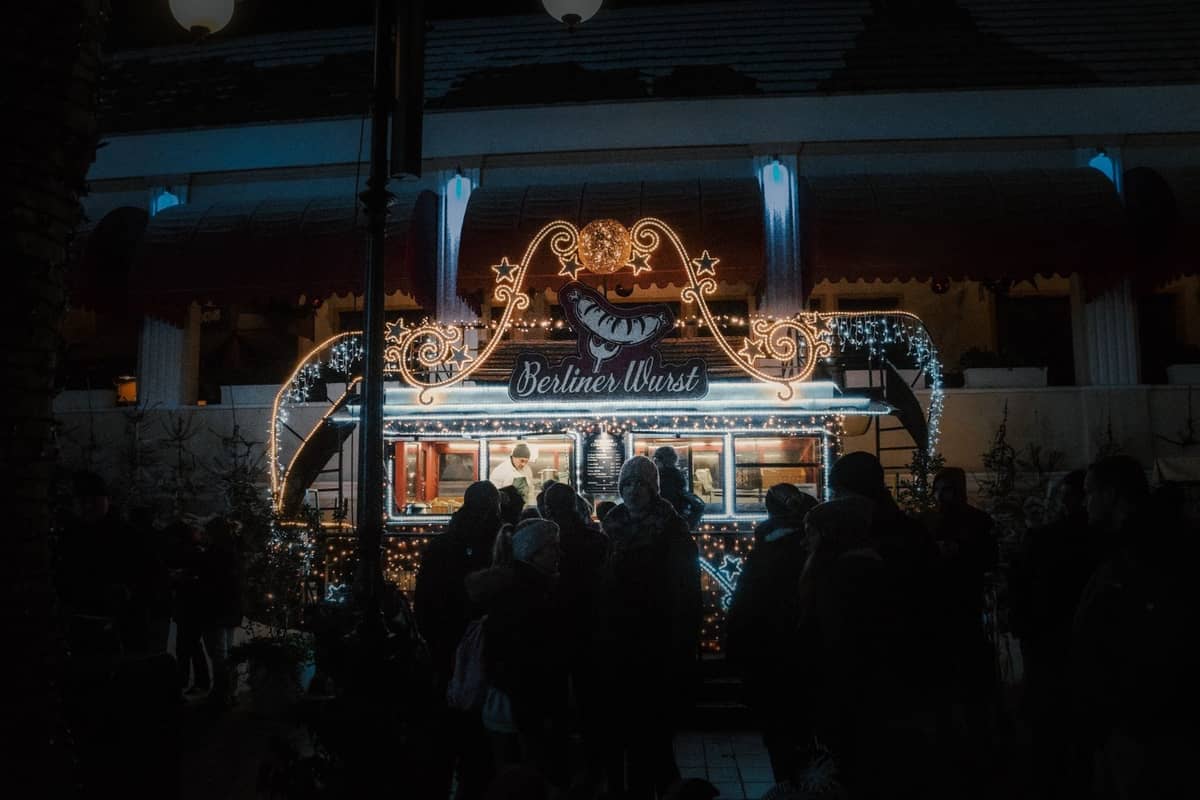
Berlin's food scene is genuinely well-suited to budget travel, as long as you eat where locals eat rather than where tourists cluster. The worst value is any restaurant with an English-only menu within 300 metres of a major landmark.
Street food remains the best quick meal deal in the city. A Döner kebab from a decent Imbiss (snack bar) costs €3–5 and is filling enough to replace a full lunch. Currywurst — a Berlin invention — runs about the same price and is worth trying at least once, though it varies wildly in quality. For a broader look at where to eat across different price points and neighbourhoods, the Berlin food and restaurant guide covers specific spots by district.
- Bakery breakfast (roll with butter or jam, coffee): €3–6 — far cheaper and better than any hostel breakfast surcharge
- Turkish Market on Maybachufer (Tuesdays and Fridays, Kreuzberg/Neukölln border): fresh produce, cheeses, and snacks at low prices
- Supermarkets Lidl and Aldi for self-catering: sandwiches, fruit, yoghurt, and drinks cost €5–8 for a solid lunch
- Lunch menus (Mittagstisch) at sit-down restaurants: many offer a two-course set menu for €8–12, often not advertised in English
- Tap water is safe to drink across Berlin — bring a refillable bottle and use the many public drinking fountains active in summer
For market-based eating, the Markthalle Neun in Kreuzberg hosts a street food Thursday every week (from around 5pm) where local vendors sell food at reasonable prices in a covered 19th-century market hall. It is popular and gets crowded after 7pm — arrive early for the best selection and shorter queues.
Seasonal Timing: When Budget Travel Is Easier (and Harder)
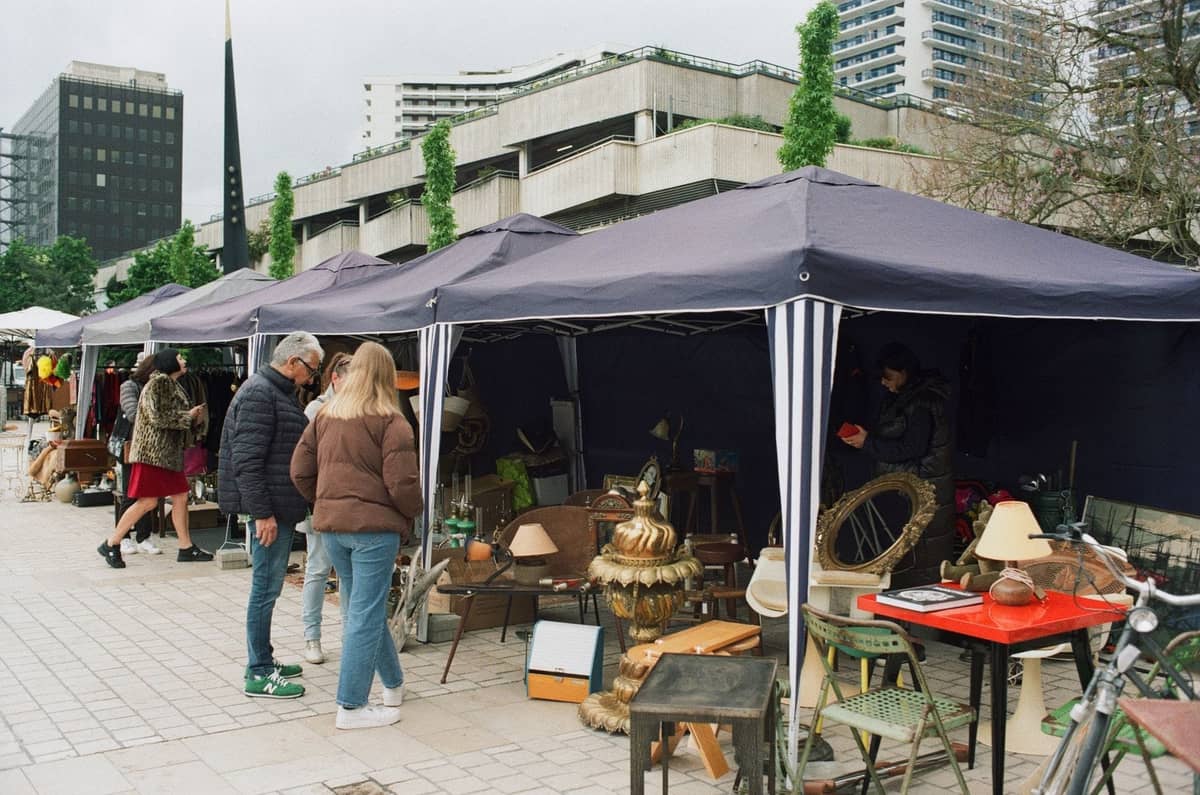
Berlin's budget calculus shifts significantly by season. Summer (June–August) brings the most free outdoor events, open-air cinemas, beach bars along the Spree, and all 200+ public drinking fountains in operation. Accommodation, however, is at peak pricing — hostels and budget hotels fill up fast, and prices reflect it. If you're flexible, May and September offer mild weather, fewer crowds, and noticeably lower accommodation rates.
Winter is genuinely cold (average January temperatures hover around 0°C) but offers its own budget upside: accommodation drops sharply outside of the Christmas market season (late November through late December, when prices spike again). January and February are the quietest months for tourism and typically the cheapest for flights and rooms. For a full seasonal breakdown of costs and conditions, the best time to visit Berlin guide goes deeper into what each season offers.
✨ Pro tip
Berlin hosts major events like the ITB tourism fair (March), the Berlin Marathon (September), and major club festival weekends that can make accommodation nearly impossible to find at short notice. Check event calendars when planning your dates — even a weekend shift can save €20–40 per night on a hostel dorm.
Practical Money Tips That Actually Make a Difference
A few decisions early in your trip determine how much you spend overall. These are the ones that consistently separate budget travelers who succeed from those who overspend despite good intentions.
- Stay in Neukölln or Friedrichshain Both districts have strong transport links, good street food, and noticeably lower accommodation prices than Mitte or Prenzlauer Berg. You'll trade a bit of walking time for significant savings.
- Book the Reichstag two weeks out (minimum) It's free but fills up. Missing it means paying for an alternative viewpoint or skipping one of the best views in the city.
- Use a no-fee travel card ATM and card fees add up fast. Revolut, Wise, and similar cards charge no foreign transaction fees and give interbank exchange rates. Berlin is increasingly cashless, but some small restaurants and market stalls still prefer cash.
- Avoid tourist-trap areas for food The streets immediately around Checkpoint Charlie and Museum Island have restaurants charging 30–50% more for noticeably worse food. Walk two blocks in any direction.
- Check museum free hours before paying Some Berlin museums offer free or reduced entry on specific days or late-opening evenings. Verify the current schedule on each museum's official website before paying full price.
For travelers wanting to see as much as possible with minimal spending, the complete guide to free things to do in Berlin covers over 30 specific no-cost experiences organised by neighbourhood and interest. It is the logical companion to this guide once you've set your overall budget framework.
FAQ
Is Berlin expensive for tourists in 2026?
More than it used to be, but still cheaper than most Western European capitals. A realistic comfortable backpacker budget is €60–90 per day, covering a hostel, transit, street food, and one paid activity. Accommodation is the biggest variable — book early to avoid inflated last-minute prices.
What is the cheapest way to get around Berlin?
For most visitors making more than 3 journeys per day, a day ticket (€9.90 for Zone AB) is cheaper than buying single tickets. For stays of 5 days or more, the 7-day AB pass at €39 is the best value. Cycling is free if you can access a bike through your hostel or a rental scheme.
Which Berlin attractions are completely free?
Brandenburg Gate, East Side Gallery, Holocaust Memorial (outdoor), Topography of Terror, Berlin Wall Memorial (Bernauer Strasse), Tiergarten Park, Tempelhofer Feld, and the Reichstag dome (free but requires online registration at least 2 weeks in advance). The Soviet War Memorial in Treptow is also free and worth the detour.
Is the Berlin WelcomeCard worth buying?
It depends on your itinerary. The WelcomeCard combines unlimited Zone AB transit with discounts on 170+ attractions. If you plan to visit multiple paid museums (Museum Island admission alone is around €19), the card can pay for itself quickly. If you're focusing on free sights, a standard 7-day transit pass (€39) is likely better value. Compare your planned activities against the card price before buying.
What is the cheapest time of year to visit Berlin?
January and February are the cheapest months for flights and accommodation, as tourist numbers are at their lowest. May and September offer a good balance — mild weather, fewer crowds than summer, and lower prices than peak season. Avoid late November through December if budget is a priority, as Christmas markets drive accommodation prices up significantly.