Best Time to Visit Berlin: A Season-by-Season Guide
Berlin rewards visitors in every season, but not equally. This guide breaks down what to expect month by month, from summer festival heat to winter market charm, so you can choose the trip that actually matches your priorities.
Plan and book this trip
Tools from our partner Travelpayouts help you compare flights and hotels. If you book through them, we may earn a commission at no extra cost to you.
Flights
Hotels map
TL;DR
- May to September is the best time to visit Berlin for warm weather, long daylight hours, and outdoor events.
- June and July are peak months: expect the highest hotel prices and longest queues at major sites like the Reichstag and Holocaust Memorial.
- Late September and October offer mild temperatures and significantly thinner crowds — the most underrated window for visiting.
- Winter (November to February) is cold and grey, but Berlin's Christmas markets and world-class indoor museums make it worthwhile for the right traveler.
- Berlin has a temperate continental climate: summers can hit 30°C, winters hover near 0°C, and rain is possible year-round.
Understanding Berlin's Climate
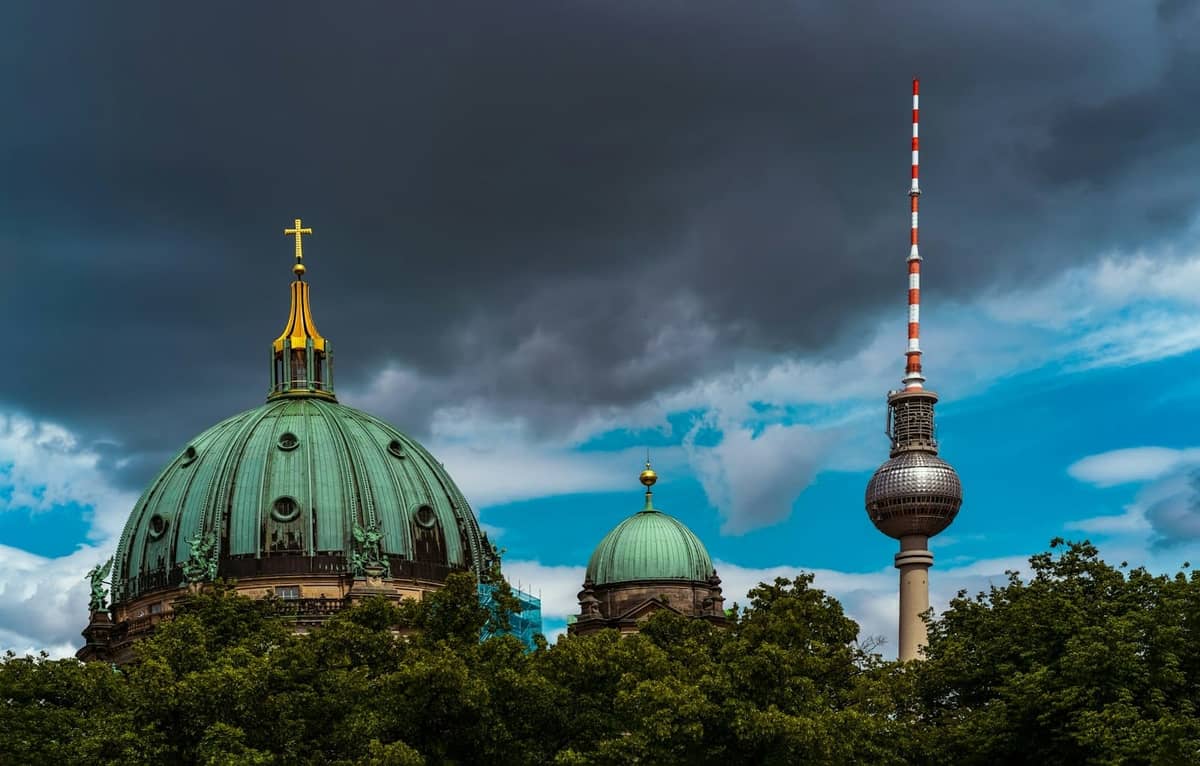
Berlin sits in the North German Plain, and its climate reflects that: four distinct seasons, no extreme monsoon periods, and weather that can shift quickly. The city gets around 570mm of rainfall annually, spread fairly evenly across the year, so packing a light rain layer is sensible regardless of when you travel. Average winter temperatures hover around 0°C to -1°C, while summer averages sit around 18°C, with peaks that can reach 30°C during heat waves in July and August.
The city is on Central European Time (CET, UTC+1) and switches to Central European Summer Time (CEST, UTC+2) from the last Sunday in March to the last Sunday in October. That means summer daylight stretches past 9pm on many days, which dramatically changes how much you can pack into a day — outdoor terraces, parks, and evening walking tours all benefit from those long evenings. In December, it gets dark by 4pm, which is worth factoring into your itinerary planning.
ℹ️ Good to know
Berlin is not a year-round warm city. Even in summer, a rainy week is possible. Winters are genuinely cold, with occasional snow. Don't plan a primarily outdoor trip between November and February without a solid backup plan.
Spring in Berlin: March to May
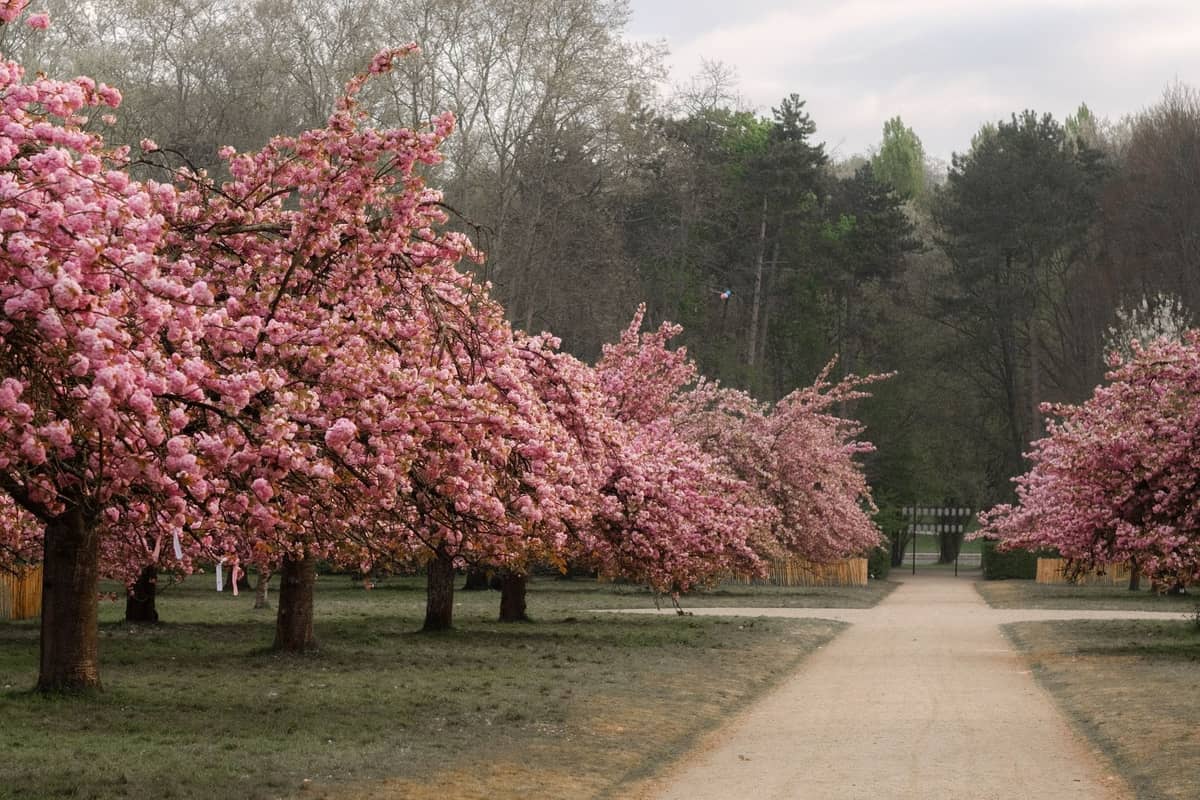
Spring is one of the most pleasant times to visit Berlin, particularly April and May. Temperatures climb from around 5–8°C in early March to a comfortable 18–20°C by late May. The city's parks and gardens come alive: Tiergarten fills with blossoms, and Tempelhofer Feld draws cyclists and picnickers as soon as the sun appears. Hotel prices are noticeably lower than summer rates, and popular attractions are far less crowded.
March is a transitional month — some days feel like winter, others like early summer. April is the sweet spot: mild, often sunny, and the city feels energised after months of grey. Museum Island is much easier to navigate without the summer queues, and the Pergamon Museum or the Neues Museum can be explored without fighting through crowds. Easter weekend brings some closures, so check opening hours in advance if your trip falls around then.
💡 Local tip
Book accommodation for May well in advance. The city hosts multiple trade fairs and conferences in spring, which can wipe out mid-range hotel availability in central districts like Mitte and Charlottenburg with little warning.
Summer in Berlin: June to August
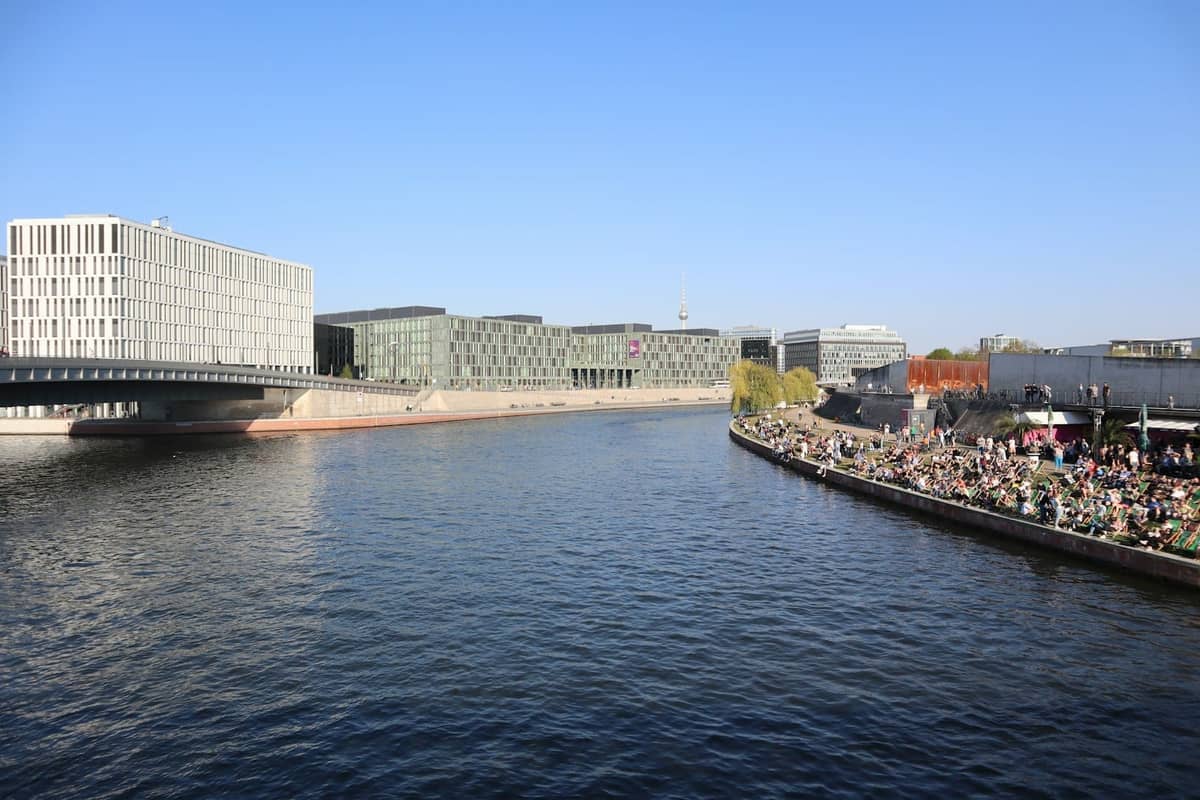
Summer is Berlin's most popular season for a reason. Long days, warm evenings, outdoor bars, open-air cinemas, and a packed events calendar make it genuinely enjoyable. But it also means peak prices, peak crowds, and peak frustration at major tourist sites. If you're planning to visit the Reichstag without pre-booking, or hoping to walk up to the Brandenburg Gate for a photo without fifty other people in frame, summer will test your patience.
The outdoor culture is the real draw in summer. Tempelhofer Feld, the former airport turned urban park, becomes a social hub from June onward. The city's lakes — particularly Wannsee and Müggelsee — draw locals escaping the heat. The Berlin summer guide covers the best outdoor options in detail, but the short version is: if you want to see the city at its most alive, July and August deliver — just accept that you'll be sharing it with millions of others.
- Christopher Street Day (late July) One of Europe's largest Pride parades, drawing over a million participants. Accommodation books out weeks in advance.
- Lollapalooza Berlin (September, sometimes August) Major international music festival held in Tempelhof area. Check dates annually — they shift.
- Open-air cinema season (June–August) Dozens of Freiluftkino screenings across the city, including at Mauerpark and along the Spree. Many screenings are in English or subtitled.
- Heat waves July and August can hit 30–35°C. Most older hotels and many apartments lack air conditioning. If heat is a problem for you, check AC availability before booking.
⚠️ What to skip
Reichstag dome visits require free but mandatory pre-registration online. In summer, slots fill days or even weeks ahead. Book as soon as your travel dates are confirmed — don't assume you can walk in.
Autumn in Berlin: September to October
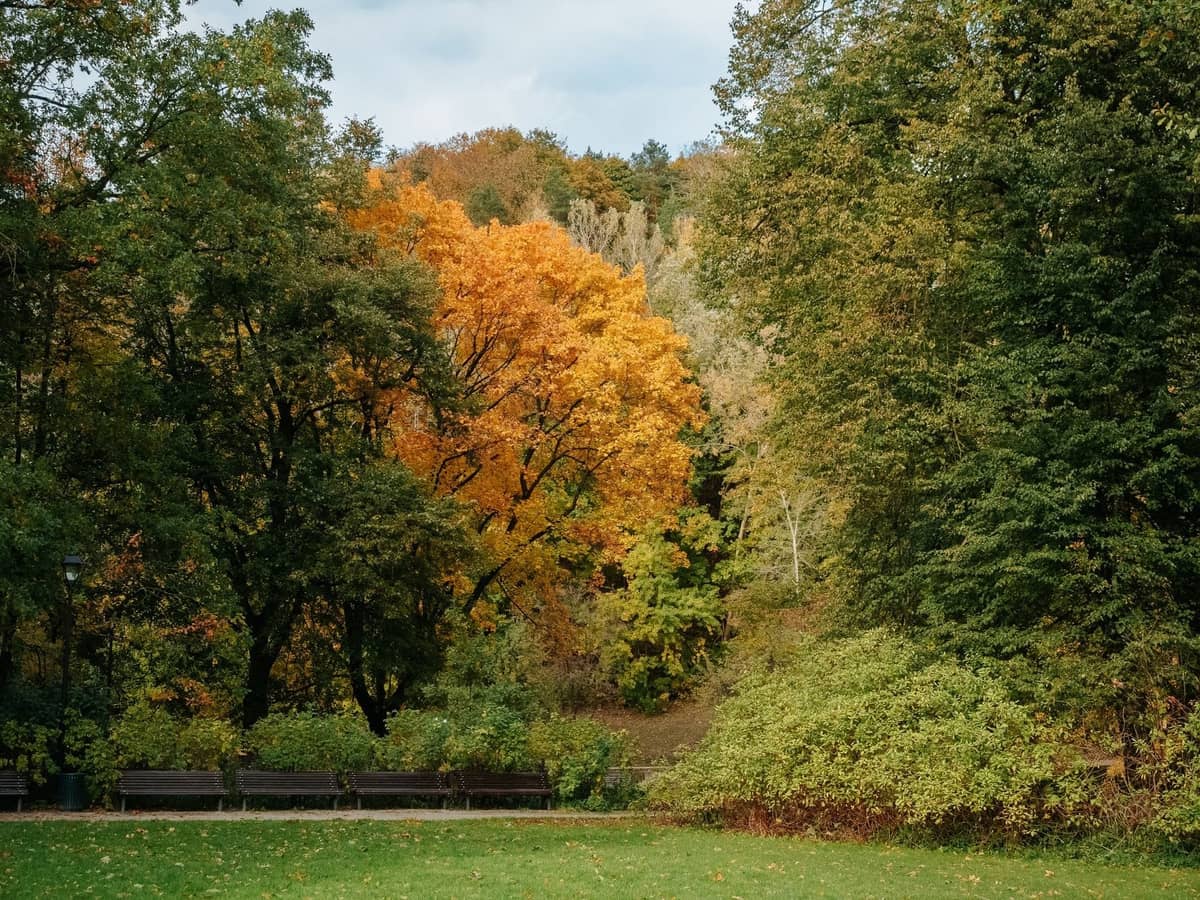
Autumn is arguably the best-kept secret for Berlin timing. September still feels like summer — temperatures typically stay between 14°C and 20°C — but the tourist numbers drop noticeably after school holidays end. You get the outdoor terrace culture without the worst of the crowds, and hotel prices begin to fall from their summer peak.
Two events make autumn particularly appealing for culture-focused visitors. Berlin Art Week in September draws galleries, collectors, and exhibitions across the city. The Festival of Lights in October transforms major landmarks including the Brandenburg Gate and the TV Tower with large-scale light installations — it's one of the more visually striking free events the city offers. October 3rd is German Unity Day, a public holiday that brings some closures but also free public events.
By late October, temperatures drop into single digits at night and the days shorten. November marks a hard turn into Berlin's grey season: cold, often overcast, and the outdoor culture effectively shuts down. If you're booking an October trip, aim for the first three weeks.
Winter in Berlin: November to February
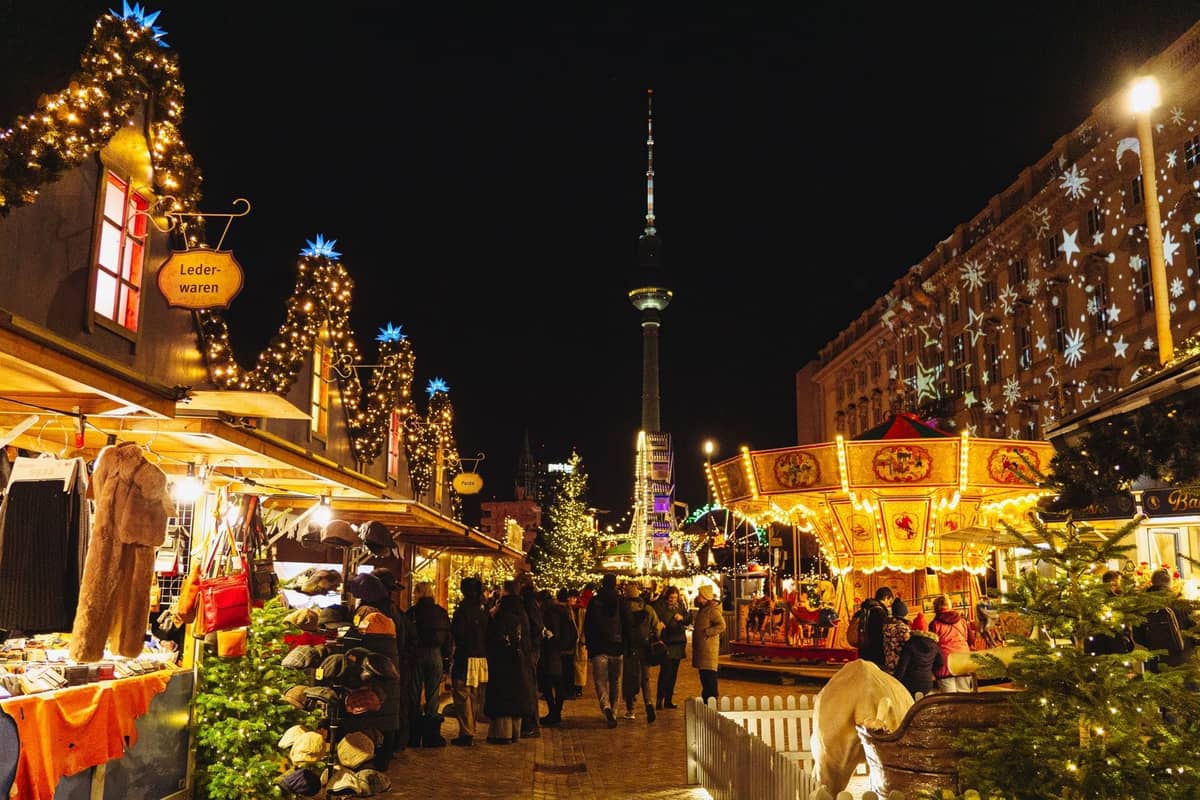
Winter in Berlin is cold, dark, and not for everyone. But it has a specific appeal that shouldn't be dismissed. The Christmas market season, running roughly from late November through December 23rd at most markets, transforms the city. Markets at Gendarmenmarkt, Charlottenburg Palace forecourt, and dozens of neighbourhood squares offer a genuinely atmospheric experience. The Berlin Christmas markets guide covers the best and worst markets in detail — not all are worth your time.
Outside of December, January and February are the quietest months in Berlin. Hotel rates hit their annual low, and museums like the Jewish Museum, the Topography of Terror, and the DDR Museum can be explored without the summer scrum. The winter Berlin guide goes deeper on how to make the most of the off-season.
- Berlinale (February) One of the world's major film festivals, held across the city. Public screenings are available alongside industry events — book tickets early if this is your reason to visit.
- New Year's Eve (December 31st) Brandenburg Gate hosts one of Europe's largest public NYE events. Expect huge crowds, limited transport, and a party atmosphere that's either thrilling or exhausting depending on your preferences.
- Nightlife peak season Berlin's club scene, including venues like Berghain in Friedrichshain, operates year-round but draws its most dedicated international crowd in winter, when the cold drives everyone indoors.
Month-by-Month Summary: When to Go Based on Your Priorities
The honest answer to 'when is the best time to visit Berlin' depends entirely on what you're optimising for. There is no single correct answer, but there are clear trade-offs.
- Best for weather and outdoor activities June to August. Warmest, longest days, most events. Also the most expensive and crowded.
- Best value for money January to February or mid-November. Lowest hotel rates, emptiest museums. Cold and dark, but cheap.
- Best balance of weather and crowds May or late September. Mild temperatures, manageable tourist numbers, reasonable prices. The sweet spot for most visitors.
- Best for culture and events February (Berlinale), September (Berlin Art Week), or December (Christmas markets).
- Worst time to visit Late November to mid-December outside the Christmas market context: too cold for outdoor activities, markets not yet fully open, shorter days.
If this is your first trip and you want the full Berlin experience, aim for late May or early June. You'll catch the city before peak summer prices kick in, the weather is reliably good, and major sites like Museum Island and the East Side Gallery are accessible without the worst of the summer crowds. For a deeper look at how to structure your time once you arrive, the 3 days in Berlin itinerary is a practical starting point.
FAQ
What is the best month to visit Berlin?
May and June offer the best combination of warm weather, long days, and manageable crowds. July and August are warmer but significantly more crowded and expensive. Late September is also excellent if you want fewer tourists.
Is Berlin worth visiting in winter?
Yes, with the right expectations. December is genuinely atmospheric thanks to the Christmas markets. January and February offer the lowest prices and the emptiest museums, which suits culture-focused travelers. If you're expecting outdoor café culture or park life, winter will disappoint.
How hot does Berlin get in summer?
Average summer temperatures are around 18-22°C, but heat waves in July and August can push temperatures to 30-35°C. Many hotels and rental apartments in Berlin lack air conditioning, so check before you book if heat is a concern.
Does Berlin get a lot of rain?
Berlin receives around 568mm of rainfall annually, spread across the year. There is no true dry season. April and July tend to see slightly higher rainfall, but a week of rain is possible in any month. Packing a compact umbrella or rain jacket is always sensible.
When should I avoid visiting Berlin?
Peak summer weekends in July and August are the hardest time to visit if you dislike crowds: accommodation is expensive, queues are long, and the city is at maximum capacity. Late November, outside the Christmas market season, is the least rewarding period — cold, dark, and without the seasonal draw of December.