Where to Eat in Berlin: Neighborhoods, Must-Eats, and the Real Local Scene
Berlin's food scene runs deeper than döner kebab and currywurst. This guide covers where to eat in Berlin across every budget and neighborhood, from legendary street food institutions to world-ranked fine dining, with practical advice on reservations, prices, and what to skip.
Plan and book this trip
Tools from our partner Travelpayouts help you compare flights and hotels. If you book through them, we may earn a commission at no extra cost to you.
Flights
Hotels map
TL;DR
- Berlin restaurants span every budget: street food from €3, solid mid-range mains for €15–€30, and tasting menus at top venues from €120–€250 per person.
- Currywurst and döner kebab are genuinely worth eating, but Berlin's dining scene is also home to multiple Michelin-starred restaurants and internationally recognized vegetarian fine dining.
- The best neighborhoods for eating out are Kreuzberg, Mitte, Prenzlauer Berg, and Neukölln — each with a distinct character.
- Book fine dining at least 2–4 weeks in advance, especially for weekends. Many top restaurants fill months out.
- Outdoor dining and food markets peak from May through September. Some venues reduce hours or close partially in winter.
What Berlin's Food Scene Actually Looks Like
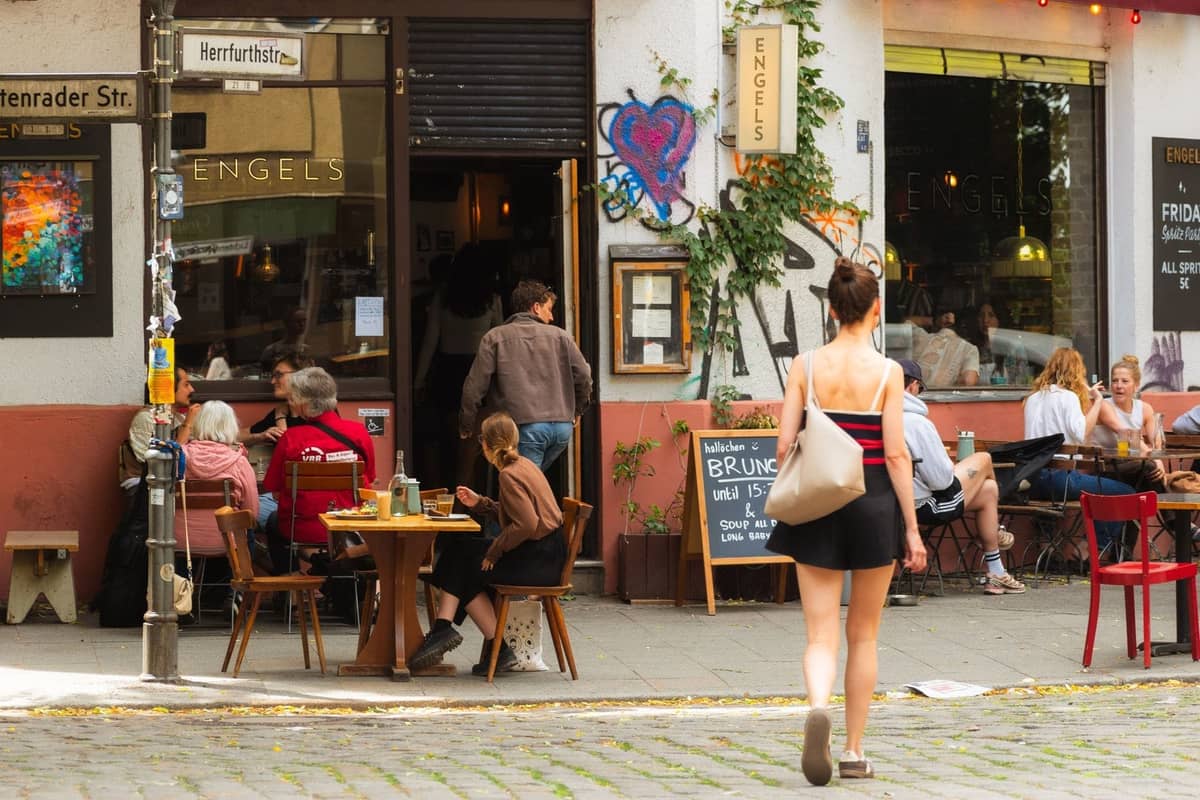
Berlin has a reputation for cheap, no-frills eating, and it earned that reputation honestly. But reducing the city's food scene to currywurst and late-night kebabs misses a lot. Berlin is now one of the more exciting places to eat in Europe, with a restaurant culture that has grown fast over the past decade. You'll find everything from no-reservation Vietnamese noodle shops in Lichtenberg to avant-garde tasting menus where chefs source exclusively from German producers. The city has multiple Michelin-starred restaurants, a serious vegetarian and vegan dining culture, and a street food ecosystem that goes well beyond any single dish.
What makes Berlin different from Paris or London is the lack of pretension. Even expensive restaurants here tend to be casual in atmosphere. Dress codes are rarely enforced, service is often direct rather than fawning, and the food is usually the point. That directness can feel refreshing if you're used to more performative dining cultures.
ℹ️ Good to know
Berlin's dining scene is highly international. Turkish, Vietnamese, Italian, Lebanese, and Central Asian restaurants have loyal local followings. You don't have to seek out traditional German food, though it's well worth trying. The city reflects its immigrant population, and some of the best meals are found in that overlap.
Essential Berlin Street Food: What's Worth the Queue
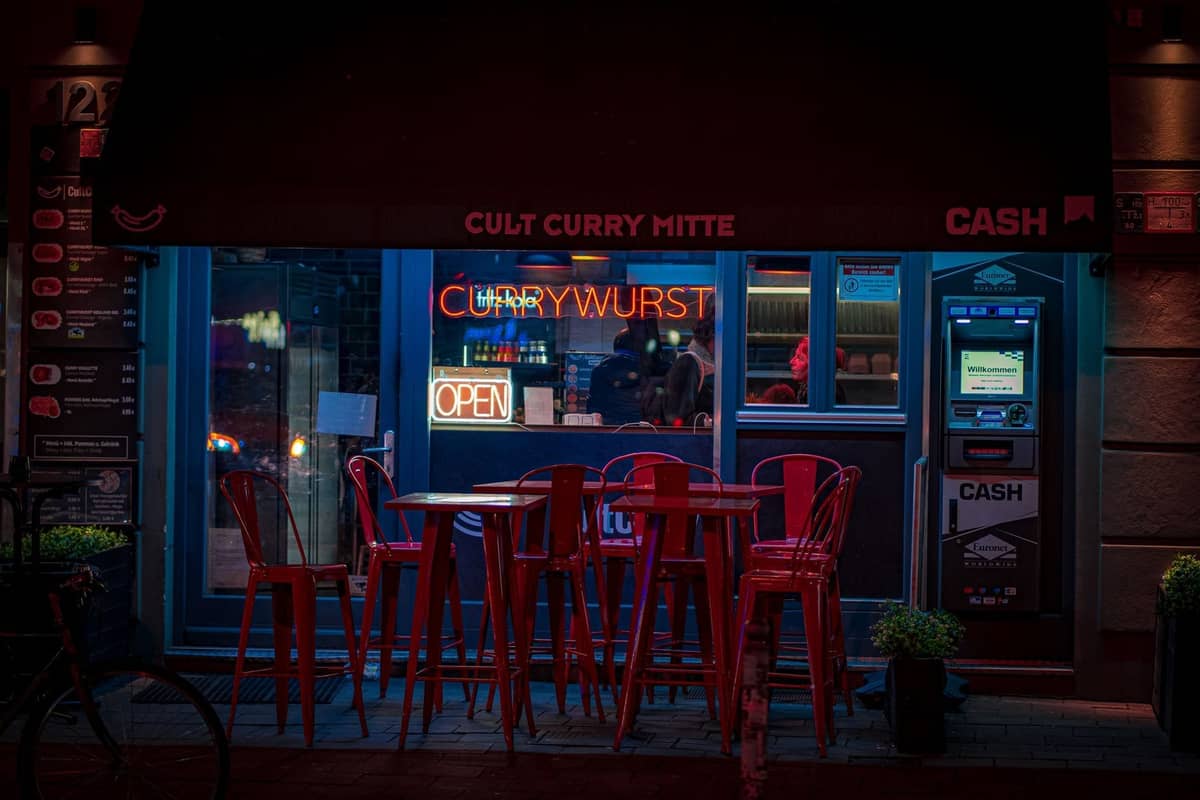
Currywurst is the undisputed Berlin signature dish: sliced pork sausage doused in a spiced ketchup-curry powder sauce, usually served with fries or a bread roll. It's fast, cheap (typically €3–€5), and available from hundreds of stands. Not all currywurst is equal, though. The sauce quality varies enormously between vendors, and the best versions have a proper depth of spice rather than just sweet ketchup with a dusting of curry powder. Curry 36 in Kreuzberg and Konnopke's Imbiss in Prenzlauer Berg are widely considered the most serious options in their respective neighborhoods.
Döner kebab in Berlin is a different animal from what most visitors have eaten elsewhere. The Berlin version is larger, often served in a thick flatbread with a generous amount of vegetables and multiple sauces, and the meat quality at the best spots is noticeably higher. Mustafa's Gemüse Kebab near Maybachufer draws long queues, and the wait is often 30–45 minutes at peak times. Whether it's worth that specific wait is debatable, but a properly made Berlin döner from a quality spot is one of the city's best eating experiences. For a broader look at Berlin's market food culture, the Markthalle Neun in Kreuzberg hosts a Street Food Thursday every week, with around 30 vendors and a strong local crowd.
- Currywurst Berlin's defining fast food. Look for stands that make their own sauce rather than pouring from a bottle. Budget €3–€5.
- Döner Kebab Turkish-German in origin, the Berlin version is bigger and better than most. A good döner runs €5–€8.
- Schnitzel Breaded and fried, typically pork or veal. Best at traditional German restaurants (Gaststätten) rather than tourist-facing spots. Expect €12–€22.
- Berliner Pfannkuchen Jam-filled doughnuts known locally just as 'Pfannkuchen' — not 'Berliner' as they're called outside the city. Bakeries sell them for €1–€2.
- Bao, falafel, bánh mì International street food has a strong presence, particularly in Kreuzberg, Neukölln, and Friedrichshain. Quality is generally high, prices low.
⚠️ What to skip
The currywurst and döner stands immediately around major tourist sites like Checkpoint Charlie or the Brandenburg Gate are typically overpriced and lower quality. Walk two or three streets in any direction and you'll find better options at lower prices.
Where to Eat by Neighborhood
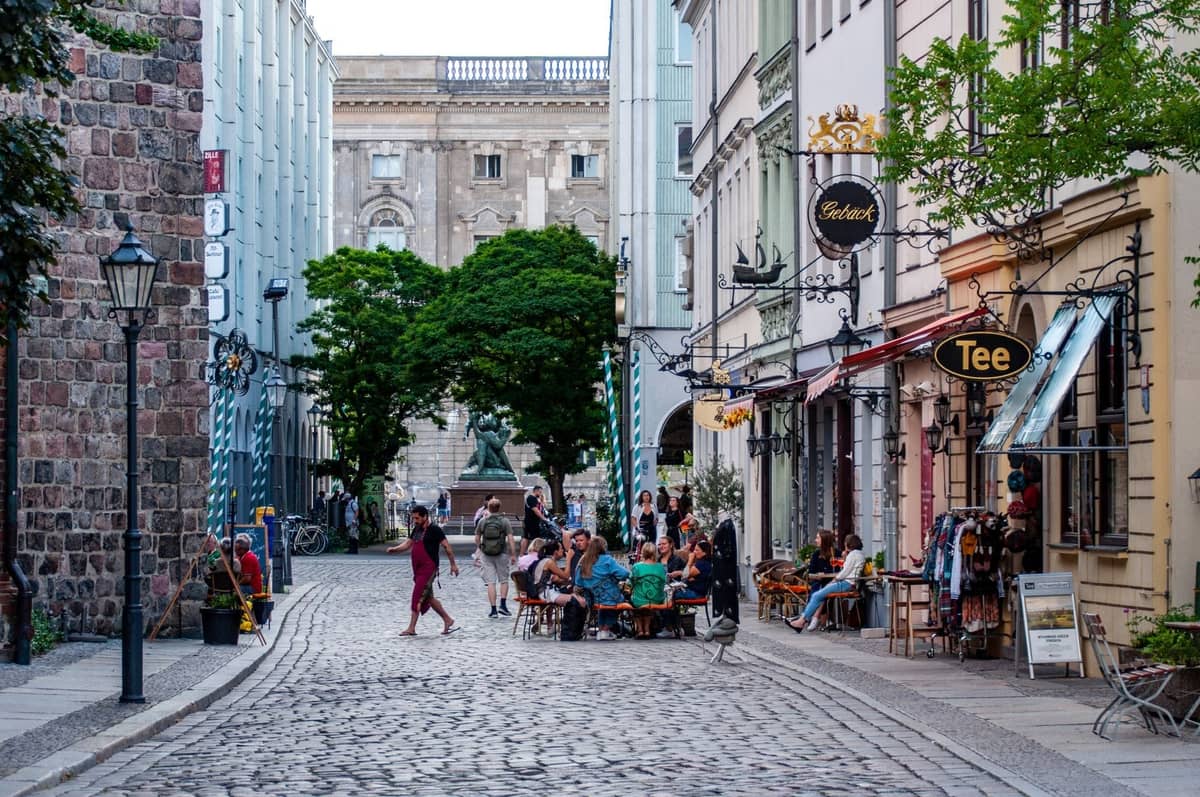
Mitte is the most central district and has the highest concentration of tourist-facing restaurants, which means it also has more mediocre options than anywhere else. That said, there are very good restaurants here, particularly around Hackescher Markt and in the quieter streets near Hackesche Höfe. Fine dining options like Facil (inside the Mandala Hotel) are based here and are excellent, but they require advance booking.
Kreuzberg is the neighborhood with the most consistent food scene for everyday eating. The mix of Turkish, German, and international restaurants is dense, prices stay reasonable even at sit-down restaurants, and the area around Kotbusser Tor and the canal has a good concentration of reliable spots. Markthalle Neun is based here and worth visiting even outside Street Food Thursday for its specialty food producers and coffee.
Neukölln has become the city's most interesting neighborhood for independent restaurants over the past decade. The dining options range from small natural wine bars to Lebanese canteens to serious modern European cooking. It's less touristic than Kreuzberg or Mitte, prices are slightly lower, and the neighborhood has a more lived-in feel. The area around Weserstrasse is particularly dense with good options.
Prenzlauer Berg skews toward cafés, brunch spots, and family-friendly restaurants. It's a residential neighborhood with a calmer atmosphere than the areas south of the river. Good for a leisurely weekend breakfast or a solid mid-range Italian or French bistro, but less interesting for late-night eating or more adventurous cuisine. Charlottenburg in the west offers a more classic European dining feel, with established restaurants near the Ku'damm that have been operating for decades. The quality ceiling is high here, and the atmosphere tends toward the formal.
Berlin's Fine Dining Scene: What You Need to Know Before Booking
Berlin has a cluster of restaurants at the top end of European dining that are recognized internationally. Tim Raue (two Michelin stars) serves an Asia-influenced tasting menu in Mitte. Nobelhart & Schmutzig takes a strict local-sourcing philosophy that reads as political as much as culinary. Coda in Neukölln does a dessert-focused tasting menu that sounds gimmicky but lands. Cookies Cream is a vegetarian fine dining restaurant in Mitte that's been consistently excellent for years. Facil, inside the Mandala Hotel near Potsdamer Platz, is a more classically structured option with a strong wine list.
Tasting menus at these venues typically run €120–€250 per person before drinks. Wine pairings add significantly to that. Reservations at the most sought-after spots often need to be made weeks or months in advance, particularly for weekends. Most book directly through their own websites or platforms like Resy and OpenTable. Showing up without a reservation at top-end venues is generally not an option.
✨ Pro tip
Lunch at fine dining restaurants is often significantly cheaper than dinner and uses the same kitchen. Facil and several other Michelin-recognized spots in Berlin offer weekday lunch menus at a fraction of the evening tasting menu price. This is the most practical way to access high-end cooking without the full commitment.
Practical Eating Advice: Prices, Tipping, and Timing
Berlin restaurants are generally good value by Western European standards, though prices have risen noticeably since 2020. Street food runs €3–€8. A sit-down lunch at a casual restaurant, with a drink, is realistic at €12–€18 per person. Dinner at a mid-range restaurant with wine will typically cost €35–€60 per person. The jump to fine dining is significant: plan €150–€300 per person for a full tasting menu with wine pairing at a top venue.
Tipping in Germany is customary but modest by American standards. Rounding up the bill or adding 10% is the norm. Say the total you want to pay when the server comes to take payment rather than leaving cash on the table after they've gone. Paying by card is increasingly accepted, but some smaller restaurants and street food vendors are still cash-only. It's worth carrying €20–€30 in cash as a backup.
- Most restaurants serve lunch 12:00–15:00 and dinner 18:00–23:00. Kitchen closing times (Küchenschluss) are often enforced strictly, so arrive at least an hour before.
- Sunday hours can be shorter or irregular, particularly for smaller independent restaurants. Check directly before visiting.
- Brunch culture is strong in Prenzlauer Berg and Friedrichshain on weekends. Queues at popular spots form by 10:00 and can stretch to an hour by midday.
- Restaurant weeks and seasonal menus shift with the calendar. Spring and early summer bring asparagus (Spargel) dishes everywhere, which is a genuine seasonal highlight.
- Many top restaurants close for summer holidays in August or take breaks around Christmas and New Year. Check before booking around those periods.
Food Markets and Halls Worth Your Time
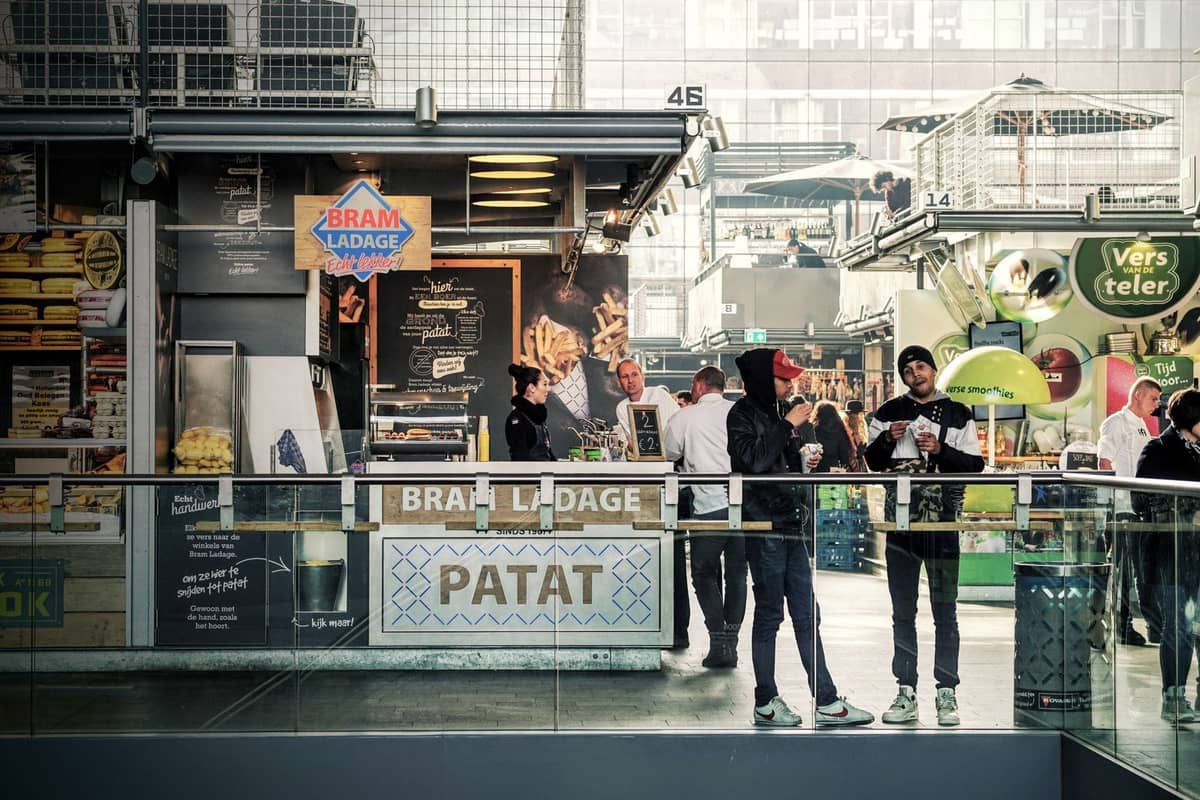
Berlin's food market scene is strongest between May and October. The most reliable is Markthalle Neun in Kreuzberg, a covered 19th-century market hall that hosts a weekly Street Food Thursday from 17:00–22:00, plus regular specialist market days covering cheese, coffee, and organic produce. The Turkish Market along the Maybachufer canal in Neukölln operates on Tuesdays and Fridays and is one of the best fresh produce markets in the city, with olives, flatbreads, and seasonal vegetables at notably low prices.
Mauerpark's Sunday market in Prenzlauer Berg draws a large crowd and has food stalls alongside its flea market. The food quality is inconsistent, but it's a good snapshot of Berlin's multicultural street food ecosystem. For a more curated experience, the weekend markets at Kulturbrauerei occasionally feature food producers alongside the standard flea market format. See our Berlin flea markets guide for full details on market schedules and what to expect.
💡 Local tip
If you want a structured introduction to Berlin's food scene, food tours run through Kreuzberg and Mitte most days and typically cover 6–8 tastings over 2–3 hours. They're particularly useful for orienting yourself at the start of a trip before you start making your own restaurant choices. See our guide to Berlin walking tours for vetted options.
For more context on where Berlin's food fits into a broader trip, our Berlin food guide covers cuisine history, dietary options, and eating habits in more depth. If budget is the priority, eating in Berlin on a budget is very achievable: the combination of street food, market stalls, and lunch specials means you can eat well for €15–€20 a day if you're deliberate about it.
FAQ
What are the best restaurants in Berlin right now?
At the high end, Tim Raue, Nobelhart & Schmutzig, Coda, Facil, and Cookies Cream are consistently recognized as Berlin's top tables. For mid-range, the strongest neighborhood for reliable restaurants is Kreuzberg and Neukölln. Check the MICHELIN Guide website and Time Out Berlin for current listings, as specific restaurants open and close regularly.
How much does it cost to eat out in Berlin?
Street food runs €3–€8. A casual sit-down lunch with a drink costs around €12–€18 per person. Dinner at a mid-range restaurant with wine is typically €35–€60 per person. Tasting menus at Michelin-recognized restaurants start around €120–€250 per person before drinks.
Do I need to make reservations at Berlin restaurants?
For fine dining and well-reviewed mid-range restaurants, yes, especially on weekends. Top venues like Tim Raue and Nobelhart & Schmutzig often book out weeks or months in advance. For casual restaurants, neighborhood spots, and street food, no reservation is needed. Walk-ins are the norm at anything below the upper-mid tier.
What is the most famous food to eat in Berlin?
Currywurst is Berlin's most iconic food: sliced sausage with a spiced tomato-curry sauce. Döner kebab, as made in Berlin, is also a genuine local institution rather than an import. Beyond street food, Spargel (white asparagus) dishes in spring are a seasonal highlight, and schnitzel at a traditional Gaststätte is worth trying at least once.
Which Berlin neighborhood has the best food?
Kreuzberg has the most consistent everyday dining across all price points and cuisines. Neukölln is the most interesting for independent restaurants and newer openings. Mitte has the most options but also the most tourist-facing mediocrity. Prenzlauer Berg is best for cafés and brunch. Charlottenburg suits those who prefer a more established, formal dining scene.