Where to Stay in Berlin: A Neighborhood-by-Neighborhood Guide
Choosing where to stay in Berlin shapes your entire trip. This guide breaks down the city's main neighborhoods by traveler type, budget, and priorities, so you can find the right base without second-guessing your booking.
Plan and book this trip
Tools from our partner Travelpayouts help you compare flights and hotels. If you book through them, we may earn a commission at no extra cost to you.
Flights
Hotels map
TL;DR
- Stay in Mitte for maximum sightseeing convenience, especially if this is your first visit to Berlin.
- Kreuzberg and Friedrichshain are the go-to choices for nightlife, street food, and a more alternative atmosphere.
- Prenzlauer Berg suits families and longer stays thanks to its parks, cafes, and quieter streets.
- Charlottenburg works well for shoppers, west-side explorers, and anyone visiting Charlottenburg Palace.
- Berlin's public transport (BVG and S-Bahn) is reliable enough that location matters less than proximity to a U-Bahn or S-Bahn station.
How Berlin's Neighborhoods Are Organized
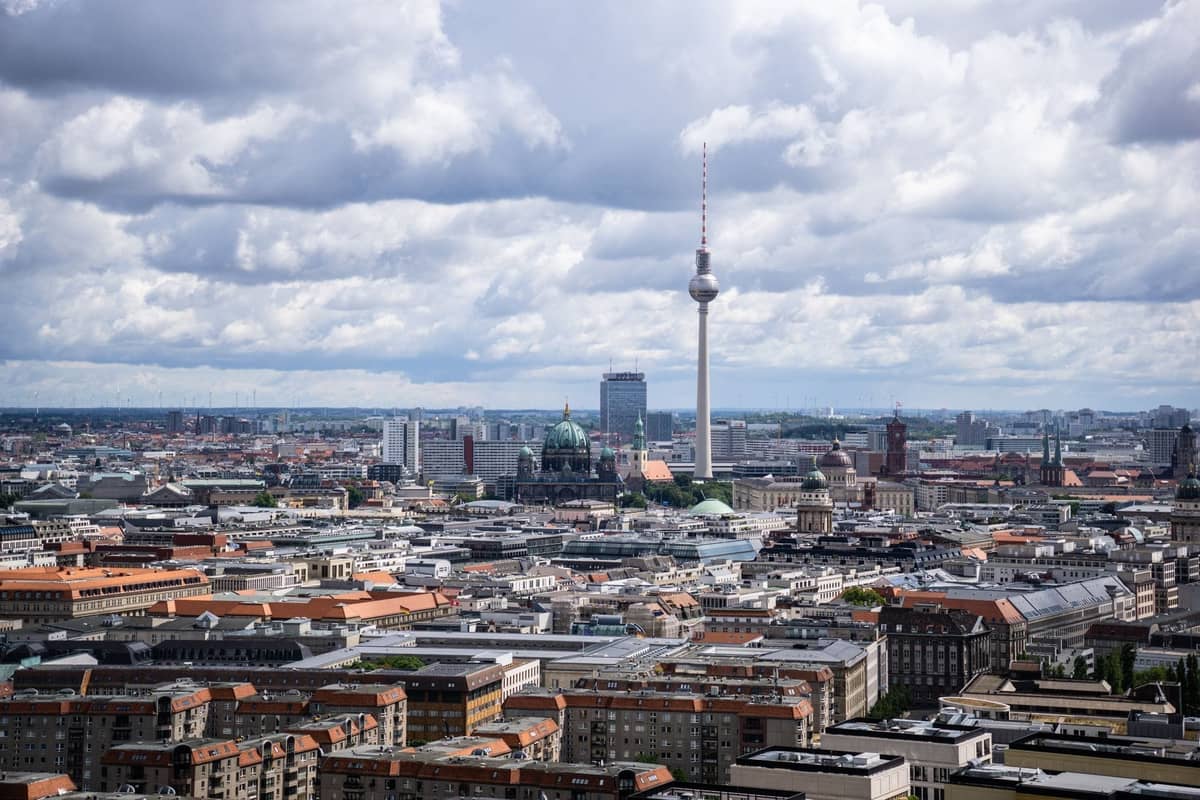
Berlin covers 891 square kilometers and has a population of around 3.8 million, which makes it one of the largest cities in the European Union by area. It is not a compact city where one central neighborhood covers everything. Instead, the city is a loose collection of former East and West Berlin districts, each with its own identity, price range, and atmosphere. The old East-West divide still matters for neighborhood character, even if it is invisible on the street.
The main areas visitors consider are Mitte, Kreuzberg, Friedrichshain, Prenzlauer Berg, Charlottenburg, and Neukölln. Each has a distinct feel and price point. The good news: BVG's U-Bahn, S-Bahn, trams, and buses connect all of them efficiently, which means you are not locked out of the city if you stay somewhere that is not dead-center.
ℹ️ Good to know
Berlin Brandenburg Airport (BER) is the city's main airport. It connects to central Berlin via the Airport Express (FEX), regional trains, and S-Bahn lines. Always check the BVG trip planner for current fares and journey times, as schedules change.
Mitte: The Default Choice for First-Timers
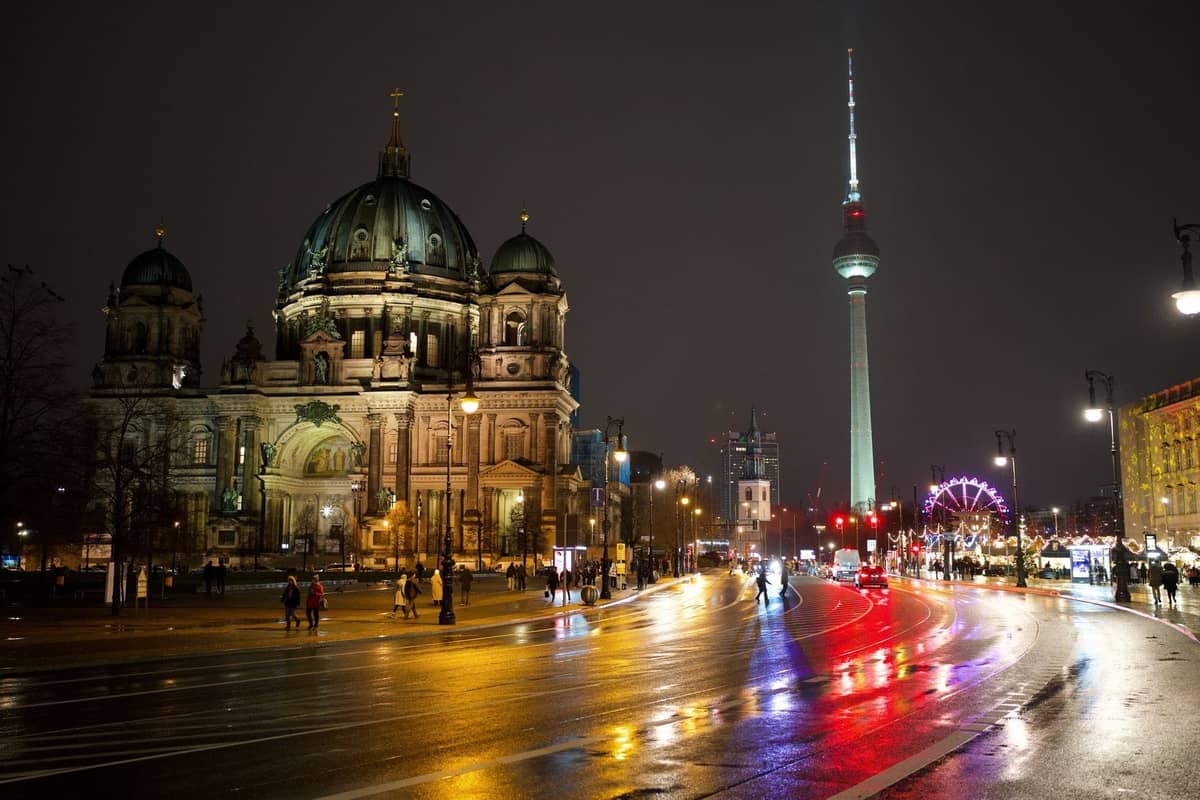
Mitte is Berlin's geographical and historical center. The Brandenburg Gate, Museum Island, the Reichstag, and the Holocaust Memorial are all within walking distance of each other here. If you want to step out of your hotel and immediately be in front of something significant, Mitte delivers that.
The trade-off is price. Mitte consistently commands higher nightly rates than other districts, particularly in summer and during the Christmas market season (late November through December), when central hotels book out weeks in advance. Budget travelers will feel the pinch. The neighborhood also skews toward business hotels and international chains, which means it can feel less characterful than, say, Kreuzberg or Prenzlauer Berg.
That said, if your trip is short (two to three nights), convenience wins the argument. You lose less time in transit, and you can realistically walk to most major sights without touching the subway. For first visits, the mental load of navigating an unfamiliar city is real, and Mitte reduces it significantly.
💡 Local tip
If you want Mitte's location at slightly lower prices, look at hotels around Hackescher Markt or along Oranienburger Strasse. These are still central but a short walk from the most touristy pockets, which keeps rates a little more competitive.
Kreuzberg and Friedrichshain: For Nightlife and a More Lived-In Feel
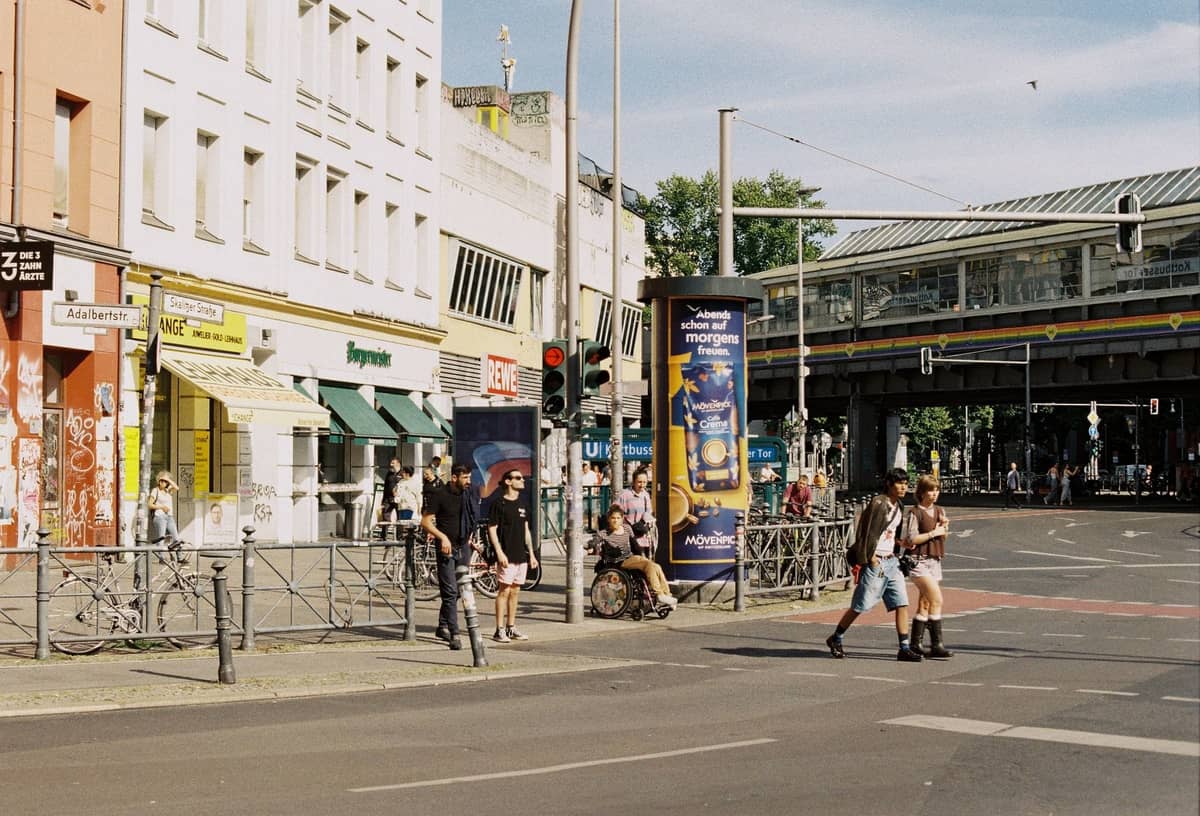
These two districts attract visitors who want something beyond the sightseeing circuit. Kreuzberg (in the south of the inner city) has a long history as Berlin's counterculture center and is now one of the city's most interesting dining and bar neighborhoods. The area around Görlitzer Park and Oranienstrasse has independent restaurants, Turkish bakeries, and a street food scene that rivals any in the city. The weekly Turkish Market at Maybachufer (Tuesdays and Fridays) is one of the best food markets in Berlin.
Friedrichshain sits on the former East side and is the more purely nightlife-focused of the two. Boxhagener Platz anchors a neighborhood full of bars and cafes. Berghain is a short walk from the Ostbahnhof, and the East Side Gallery runs along the Spree. Accommodation here ranges from budget hostels to design hotels, and prices are generally more reasonable than Mitte. The U5 line and nearby S-Bahn routes connect Friedrichshain to the rest of the city in under 20 minutes.
⚠️ What to skip
Kreuzberg and Friedrichshain are genuinely lively at night, which means noise. If you are a light sleeper or traveling with children, check that your hotel faces a courtyard or a quieter side street. Friday and Saturday nights can be loud until well past 3am near the main bar streets.
Prenzlauer Berg: The Family and Long-Stay Option
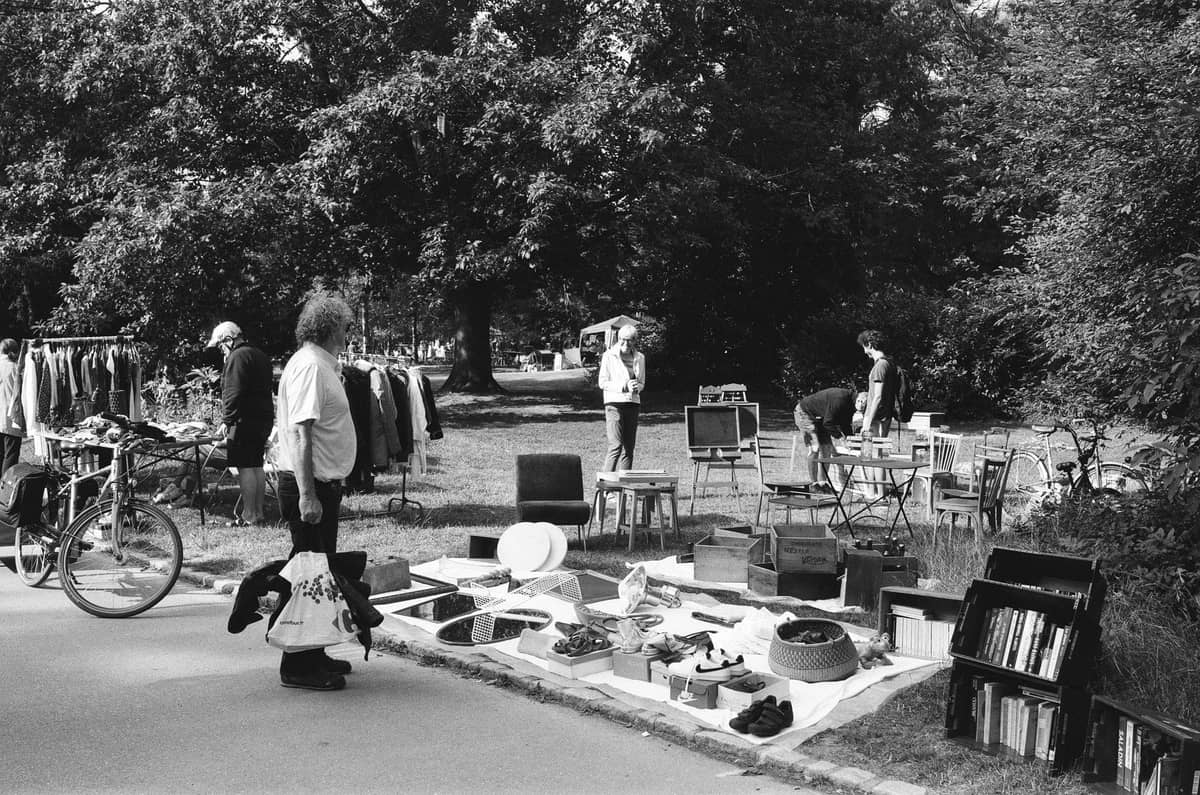
Prenzlauer Berg is the district that comes up most often when people ask where to stay for a week or more, or when traveling with children. The streets are lined with well-maintained 19th-century apartment buildings, the cafe density is extraordinary, and Mauerpark, the Kollwitzplatz farmers market, and Volkspark Friedrichshain are all within easy reach. It feels like a neighborhood people actually live in rather than a tourism staging area.
Hotels and apartments here are mid-range to expensive, reflecting the neighborhood's reputation as one of Berlin's most desirable residential areas. Vacation rentals through apartment platforms work especially well here if you want the full local experience. The U2 line runs straight through the district and connects directly to Alexanderplatz and the center in about 10 minutes.
Charlottenburg: West Berlin's Anchor
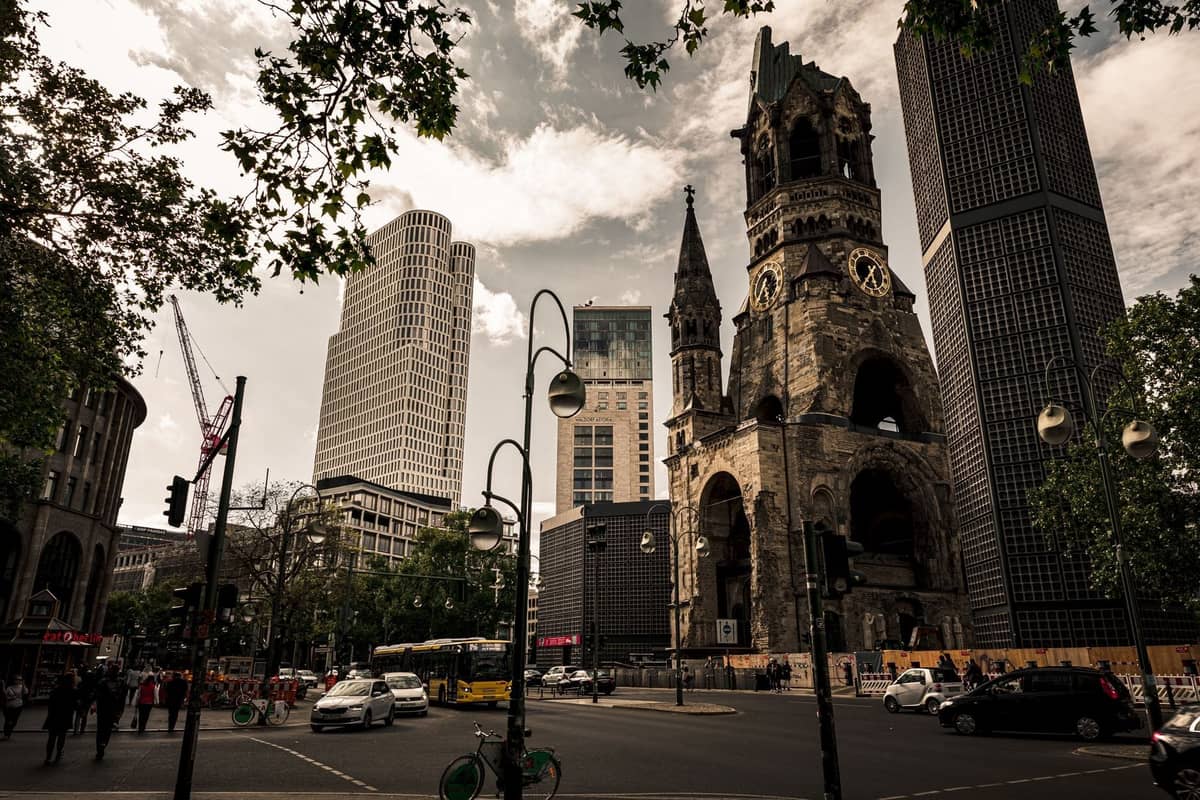
Charlottenburg was the heart of West Berlin and retains a slightly more formal, upscale atmosphere compared to the eastern districts. The main draw for visitors is the Kurfürstendamm shopping boulevard and the iconic ruin of the Kaiser Wilhelm Memorial Church. Charlottenburg Palace sits to the northwest and is an easy tram or bus ride away.
Accommodation in Charlottenburg ranges from international business hotels along the Ku'damm to smaller boutique options in the side streets. Prices are generally comparable to Mitte for premium hotels, but mid-range options around Savignyplatz and Wilmersdorfer Strasse offer good value. One underappreciated advantage: Charlottenburg is a strong base if you are doing day trips west, including Potsdam.
Neukölln and Schöneberg: Worth Knowing About
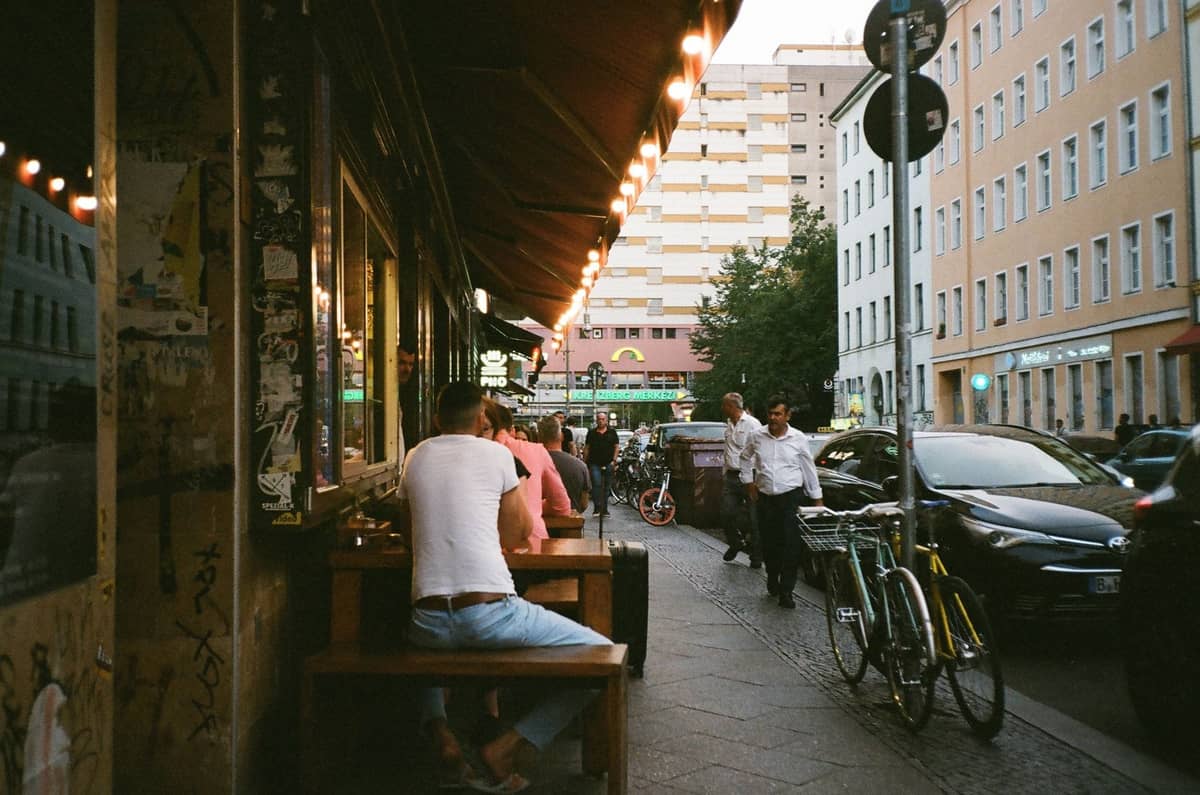
Two districts that sometimes get overlooked in standard neighborhood guides are Neukölln and Schöneberg. Neukölln, specifically the northern part around Reuterkiez, has developed a strong reputation for independent restaurants, natural wine bars, and a younger creative crowd. It borders Kreuzberg across the Landwehr Canal and is easy to confuse with it on a map. Accommodation is generally cheaper than Mitte or Prenzlauer Berg, and the U8 line runs straight north to Alexanderplatz.
Schöneberg is historically significant as Berlin's original LGBTQ+ neighborhood, centered on Nollendorfplatz, and it remains the heart of that community today. It is also genuinely pleasant for any traveler: quieter than Kreuzberg, well-connected by the U4 and U1/U2/U3 hub at Nollendorfplatz, and with a good mix of restaurants and independent shops. For more on Berlin's LGBTQ+ scene, see our Berlin LGBTQ+ guide.
- Mitte Best for first-timers and short stays. Maximum proximity to major sights. Higher prices, especially in summer and Christmas market season.
- Kreuzberg Best for food, culture, and nightlife. Strong transport links. Lively streets can mean noise at night.
- Friedrichshain Best for nightlife-focused trips and budget travelers. Home to the East Side Gallery and Berghain. Younger, hostel-heavy accommodation mix.
- Prenzlauer Berg Best for families and week-long stays. Beautiful streets, great cafes, parks nearby. Quieter and more residential in feel.
- Charlottenburg Best for shopping, west-side sights, and a more polished atmosphere. Good day-trip base for Potsdam.
- Neukölln Best for budget-conscious travelers who still want neighborhood character. Northern Neukölln borders Kreuzberg and has strong restaurant and bar options.
Practical Booking Advice and Seasonal Timing
Berlin's busiest hotel periods are July and August (summer travel peak) and late November through December (Christmas markets). During these windows, central accommodation fills quickly and prices rise noticeably. If you are visiting during Christmas market season, staying in Mitte, Charlottenburg, or Kreuzberg puts you close to the best markets without needing to commute in cold weather.
Spring (April to early June) and autumn (September to October) are the most practical times to visit in terms of hotel value and crowd levels. For a full seasonal breakdown, see our guide on the best time to visit Berlin. For travelers watching their budget across the whole trip, our Berlin on a budget guide covers accommodation strategies alongside transport and food costs.
- Always check that your hotel or apartment is within 5-10 minutes' walk of a U-Bahn or S-Bahn station. Berlin's BVG network is reliable, but surface buses can slow down in traffic.
- Apartments and serviced rooms in Prenzlauer Berg and Friedrichshain often offer better value than central hotels for stays of three nights or more.
- Avoid hotels on major nightlife streets (Oranienstrasse in Kreuzberg, Simon-Dach-Strasse in Friedrichshain) unless you plan to be out late yourself.
- The Berlin Welcome Card covers unlimited public transport and discounts at major attractions, which can offset a slightly more peripheral location.
- In summer, check whether your accommodation has air conditioning. Berlin does get warm from late June through August, and many older hotel buildings do not have it.
✨ Pro tip
If you are splitting a Berlin trip into sightseeing days and nightlife nights, consider whether one neighborhood genuinely serves both. Mitte is poor for nightlife; Friedrichshain is less convenient for Museum Island. Kreuzberg is the strongest compromise: decent transport to central sights, strong food and bar scene on your doorstep.
Getting Around from Any Neighborhood
Berlin's public transport network, operated by BVG and S-Bahn Berlin, covers the city comprehensively. The U-Bahn runs frequently (every 5-10 minutes during the day, and generally every 10-15 minutes at night on main lines) and the S-Bahn connects outer districts and airport routes. Trams cover much of the former East Berlin and are useful for Prenzlauer Berg and Friedrichshain. A single AB zone ticket covers all travel within the central parts of Berlin where most visitors stay, and day tickets offer flat-rate unlimited travel.
The practical implication for accommodation decisions: staying in Neukölln or Schöneberg is not a hardship as long as you are on a U-Bahn line. You might add 15-20 minutes to a journey versus Mitte, but in a city this size, that is manageable. For a full transport overview, see our guide to getting around Berlin.
FAQ
Where should a first-time visitor to Berlin stay?
Mitte is the standard recommendation for a first visit: it puts you within walking distance of the Brandenburg Gate, Museum Island, the Reichstag, and the nearby Holocaust Memorial. It is more expensive than other districts, but the convenience is genuine, especially on a short trip of two to three nights.
Is it safe to stay in Kreuzberg or Neukölln?
Both are safe neighborhoods for travelers. Kreuzberg and northern Neukölln have lively street scenes and some areas that are louder at night, but there are no meaningful safety concerns that should deter you from staying there. Standard urban awareness applies, as in any major European city.
What is the best area in Berlin for families?
Prenzlauer Berg is consistently the top choice for families. It has parks (including Mauerpark and Volkspark Friedrichshain nearby), a calm residential feel, and good cafes for all ages. It is also well-connected by the U2 line. Charlottenburg is another solid option for families who prefer a quieter, more traditional neighborhood feel.
How far in advance should I book accommodation in Berlin?
For peak summer months (July-August) and Christmas market season (late November to December), book at least 6-8 weeks ahead for central areas. In spring and autumn, two to four weeks is usually sufficient, though popular boutique hotels in Prenzlauer Berg and Kreuzberg can fill up faster than expected.
Is staying outside the city center a bad idea in Berlin?
Not necessarily. Berlin's public transport is efficient enough that many outer districts are perfectly workable bases. The key requirement is proximity to a U-Bahn or S-Bahn station. If your hotel is a 3-minute walk from a station, an outer location adds maybe 15-20 minutes to your journey times, which is often offset by significantly lower nightly rates.