Schöneberg
Schöneberg is one of Berlin's most layered neighborhoods: a place where the ghost of 1920s cabaret lingers alongside rainbow-lit U-Bahn stations and some of the city's best local shopping streets. It sits southwest of the center, close enough to the major tourist sights to be convenient, but distinct enough to feel like the real city.
Located in Berlin
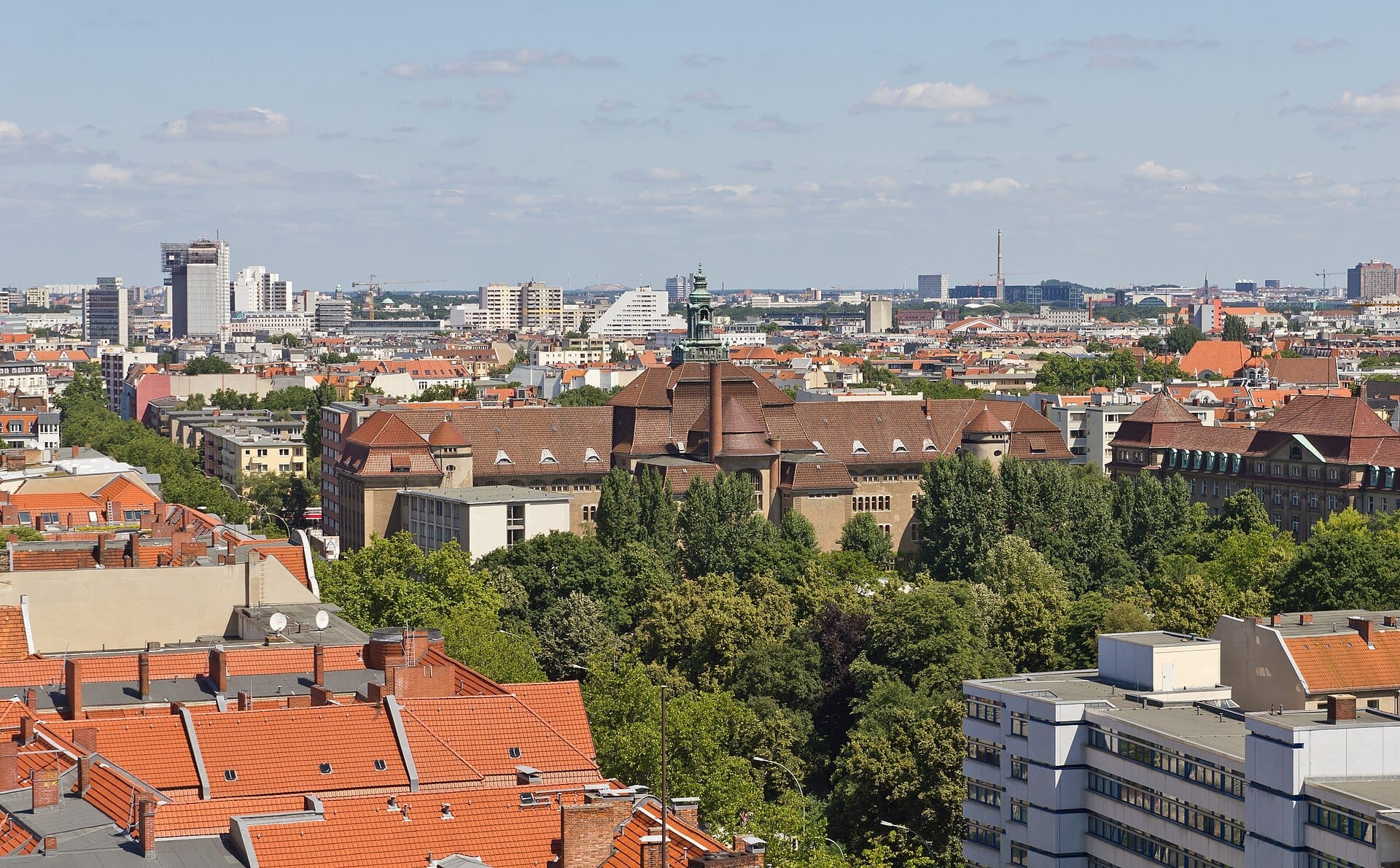
Overview
Schöneberg occupies that rare sweet spot in Berlin where genuine neighborhood life and decades of cultural history coexist on the same block. From the square where Kennedy gave his most famous speech to the bars around Nollendorfplatz that shaped queer Berlin, this is a district with depth. It rewards slow exploration more than any single landmark.
Orientation
Schöneberg sits in the southwest of Berlin's inner ring, forming the northernmost locality of the borough of Tempelhof-Schöneberg. It borders Charlottenburg-Wilmersdorf to the west, Kreuzberg and Mitte to the north and northeast, Steglitz-Zehlendorf to the south, and Neukölln to the east. Administratively, Schöneberg became part of the larger Tempelhof-Schöneberg borough in Berlin's 2001 district reform, though locals still think of it as its own place.
The northern edge of Schöneberg runs roughly along Kleiststraße and Nollendorfplatz, close enough to Mitte that you can walk to the western end of Potsdamer Platz in under 20 minutes. The southern sections around the Akazienkiez, sometimes called the Red Island, are quieter and more resolutely residential. That sub-neighborhood forms a rough triangle defined by the S1 S-Bahn line, the U7 U-Bahn line, and the Ringbahn railway, making it strangely self-contained despite being in the middle of a major city.
For travelers building a mental map: Schöneberg connects westward to Charlottenburg via the Kurfürstendamm corridor, and northward toward Mitte via the U-Bahn. Kreuzberg sits immediately to the east, sharing a similar residential density and a comparable mix of local commerce and after-dark activity.
Character & Atmosphere
Schöneberg has none of the self-conscious edge of Friedrichshain and none of the tourist density of Mitte. What it has instead is texture. The streets around Nollendorfplatz feel like a neighborhood that has hosted multiple eras of bohemian life and absorbed them all without becoming a museum piece. In the morning, the café terraces on Maaßenstraße fill with locals reading newspapers over flat whites. By afternoon, the shops on Goltzstraße are doing steady trade with residents rather than tourists.
The Winterfeldtplatz market, which runs on Wednesday and Saturday mornings, gives the clearest picture of who actually lives here: a mix of long-term German residents, young families, queer couples, and a sizeable international community. The smell of fresh bread and roasting coffee mixes with the ambient noise of trolleys and conversation in three or four languages. By midday it gets crowded, but the surrounding streets stay navigable.
After dark, the area around Nollendorfplatz shifts gear. The bars and clubs that cluster here have served Berlin's LGBTQ+ community for decades, some continuously since the 1970s. The U-Bahn station itself is illuminated in rainbow colors at certain times, a public acknowledgment of the neighborhood's history rather than a marketing gesture. It is genuinely one of the warmest and most relaxed pockets of nightlife in the city, with less of the door-policy anxiety that characterizes clubs elsewhere in Berlin.
One honest note: Schöneberg is not dramatic. It does not have the industrial edge of Berghain's surroundings or the monument-lined grandeur of Unter den Linden. If you are looking for Instagram spectacle, the neighborhood will probably underdeliver. If you want to understand how a well-functioning, historically rich Berlin neighborhood actually works, it consistently overdelivers.
💡 Local tip
Wednesday and Saturday mornings at Winterfeldtplatz market are the best entry point into Schöneberg's local life. Arrive before 10:00 for the calmest experience; by noon the square is packed and the best produce is gone.
What to See & Do
The Rathaus Schöneberg on John-F-Kennedy-Platz is the neighborhood's most historically charged address. This red-brick town hall is where John F. Kennedy stood in 1963 and delivered the line "Ich bin ein Berliner" to a crowd of more than 450,000 people. The square in front of the building regularly hosts a flea market and occasional public events. It is not a museum and there is no formal visitor attraction inside, but the building itself and the plaque on the square are worth five minutes of anyone's time.
On the northern edge of Schöneberg, where it meets Charlottenburg, stands KaDeWe (Kaufhaus des Westens), one of Europe's largest department stores, anchored at Wittenbergplatz. The building itself dates to 1907. Its food hall on the upper floors is a genuine destination: a sprawling market of cheeses, cured meats, pastries, and prepared food from across Germany and beyond. You do not need to buy anything to make the visit worthwhile.
The Gasometer Schöneberg, a former industrial gas storage structure near Schöneberg's southern edge, has in recent years housed offices and event spaces within its frame; public viewing platform visits have been suspended, so check current access before planning a visit.
Schöneberg's cultural history is worth exploring before or during your visit. Marlene Dietrich was born in the neighborhood. David Bowie and Iggy Pop lived here in the late 1970s during one of the most creatively productive periods of both their careers, an era documented in detail in any Cold War Berlin guide. Christopher Isherwood set much of his Berlin fiction in the neighborhood's bars and boarding houses. Albert Einstein is also among Schöneberg's former residents. None of this is aggressively commemorated on the street, which somehow makes it more present.
- Rathaus Schöneberg and John-F-Kennedy-Platz: Kennedy's 1963 speech site, with regular flea market
- KaDeWe food hall at Wittenbergplatz: upper-floor market worth visiting on its own terms
- Gasometer Schöneberg: industrial-era panoramic viewpoint
- Nollendorfplatz: historic center of Berlin's queer community, with bars and a memorial plaque on the U-Bahn station
- Winterfeldtplatz: neighborhood market (Wednesday and Saturday mornings)
- Goltzstraße and Maaßenstraße: independent shops, bookstores, and local cafés
ℹ️ Good to know
A memorial plaque at Nollendorfplatz U-Bahn station commemorates the gay men persecuted under the Nazi regime. It was one of the first such public memorials installed in Germany, placed in 1988.
Eating & Drinking
Schöneberg has a food scene that is broad without being flashy. The range runs from long-standing Turkish and Greek restaurants to more recent natural wine bars and brunch spots that have followed the general gentrification of the surrounding streets. For a full orientation to what Berlin neighborhoods offer at the table, the Berlin food guide provides useful context, but Schöneberg's particular character comes through most clearly at street level.
The streets immediately around Winterfeldtplatz, particularly Goltzstraße and Maaßenstraße, have the highest concentration of worthwhile cafés and restaurants. Prices here are moderate by Berlin standards: a sit-down lunch at a neighborhood restaurant typically runs 12 to 18 euros; coffee and pastry at a local café is 4 to 6 euros. Nothing in this part of Schöneberg is extracting tourist-zone pricing.
The bars around Nollendorfplatz range from low-key neighborhood pubs that open in the afternoon to clubs that do not get serious until well after midnight. Many of the venues here have been operating for 20 or 30 years and have a regulars culture that is welcoming to visitors without being oriented toward them. Beer prices are lower than in the Mitte tourist corridor. The atmosphere is relaxed in a way that Berlin's more famous nightlife spots rarely are.
For food shopping, the Winterfeldtplatz market is the obvious choice on market days. The rest of the week, the retail streets around the market square have independent food shops, bakeries, and a weekly rhythm of fresh deliveries that reflects the neighborhood's function as a place where people actually live and cook.
Getting There & Around
Schöneberg is straightforward to reach from any part of Berlin. The northern part of the neighborhood, around Nollendorfplatz and Wittenbergplatz, is served by the U1, U2, U3, and U4 lines. From Nollendorfplatz, the U1 runs eastward through Kreuzberg toward Schlesisches Tor, and westward into Charlottenburg. The U2 connects directly to Potsdamer Platz and the central Mitte stations. Wittenbergplatz, one stop to the northwest on the U1, U2, and U3, is the anchor station for KaDeWe and the shopping streets that border Charlottenburg.
The southern Akazienkiez area is served by the U7 line and by S-Bahn stations on the S1 and Ringbahn routes, including Schöneberg S-Bahn station. This part of the neighborhood is quieter and not a primary destination for most visitors, but it is easy to reach if you are staying there or passing through.
Walking distances are manageable. From Nollendorfplatz to the Kurfürstendamm in Charlottenburg takes about 15 minutes on foot. The walk north toward Potsdamer Platz is around 20 minutes. Buses along Hauptstraße and Potsdamer Straße supplement the U-Bahn at night and provide surface-level connections across the neighborhood. For a fuller picture of how Berlin's transit system fits together, the guide to getting around Berlin covers the BVG network, the Berlin Welcome Card, and ticketing in detail.
💡 Local tip
The U-Bahn runs 24 hours on weekends in Berlin, meaning the Nollendorfplatz bars are accessible all night without needing a taxi. On weeknight nights, night buses (N-lines) cover the main routes when U-Bahn service is reduced.
Where to Stay
Schöneberg makes a practical and genuinely pleasant base for visitors who want to be close to central Berlin without paying Mitte prices or dealing with Mitte crowds. The highest concentration of hotels is around Nollendorfplatz and along the streets between there and Wittenbergplatz. This puts you within walking distance of KaDeWe, a short U-Bahn ride from Museum Island, and in easy reach of Kreuzberg's food and nightlife scene to the east.
The accommodation mix runs from mid-range business hotels near Wittenbergplatz to smaller boutique properties and apartment rentals on the quieter residential streets. The neighborhood has no mega-hotel cluster and no significant luxury tier, which keeps the street atmosphere local and the prices relatively honest. For travelers who prioritize a good neighborhood over a famous address, Schöneberg is one of the better choices in the city's west.
If you are comparing options across the city, the Berlin where to stay guide breaks down all the main neighborhoods by traveler type and budget. Schöneberg typically suits visitors who want a blend of convenience, local atmosphere, and reasonable pricing, and who may have an interest in queer culture or the neighborhood's historic associations.
⚠️ What to skip
Potsdamer Straße, which runs through the southern part of Schöneberg, has a mixed character at night in some stretches. It is not unsafe by Berlin standards, but if you are booking accommodation specifically on this street, check the immediate surroundings rather than assuming the whole road is the same.
The LGBTQ+ Community in Schöneberg
No neighborhood page for Schöneberg is complete without addressing this directly. Nollendorfplatz has been a center of gay life in Berlin for over a century, with its peak cultural prominence in the Weimar Republic era of the 1920s. It survived the Nazi period, the division of the city, and reunification, and continues to function as a genuine community anchor rather than a themed district. For deeper context, the Berlin LGBTQ+ travel guide covers the wider city, but Schöneberg is its historic heart.
The bars and clubs here serve a mixed crowd that spans generations and nationalities, with less of the segmentation that characterizes queer spaces in some other cities. The atmosphere during the day is simply that of a neighborhood where same-sex couples live, shop, and eat without particular self-consciousness. At night the bars are warm and low-key unless a special event is on, in which case the area becomes genuinely festive.
Christopher Isherwood's Berlin novels, particularly Goodbye to Berlin, are set in the streets and boarding houses of this area. Reading them before or during a visit gives the neighborhood a literary dimension that few other Berlin districts can match.
TL;DR
- Schöneberg is one of Berlin's most historically layered western neighborhoods, combining Kennedy-era Cold War history, 1920s cabaret associations, and decades of queer cultural life in a single walkable area.
- Best suited to travelers who want to be close to central Berlin without staying in a tourist-heavy zone, and who appreciate neighborhood life over landmark density.
- The area around Nollendorfplatz is the neighborhood's social center, well-served by the U1, U2, U3, and U4 lines and genuinely relaxed after dark.
- Schöneberg is not the right choice if you want dramatic industrial aesthetics or cutting-edge nightlife: it is quieter, more residential, and more historically oriented than Friedrichshain or Kreuzberg.
- The Winterfeldtplatz market, the KaDeWe food hall, and the streets around Goltzstraße give the clearest picture of what makes this neighborhood worth spending real time in.
Related Travel Guides
- 3 Days in Berlin: The Perfect Itinerary
Three days in Berlin is enough to cover the essential history, art, and culture of Germany's capital, but only if you plan smartly. This day-by-day itinerary groups attractions by location, cuts the tourist traps, and gives you the practical details to make every hour count.
- Berlin Christmas Markets: The Complete Guide
Berlin runs 80 to 100+ Christmas markets each season, spread across dozens of neighbourhoods with wildly different characters. This guide covers the best markets, when to go, what things cost, how to get around, and what to skip.
- Best Flea Markets in Berlin: A Guide to Sunday Markets, Vintage Finds, and Local Culture
Berlin's flea markets are a city institution, drawing locals and visitors every Sunday to browse vintage clothing, vinyl records, GDR curiosities, and handmade goods. This guide covers the best markets across the city, from the massive and famous to the small and locals-only.
- What to Eat in Berlin: A Food Lover's Guide
Berlin's food scene is unlike anywhere else in Germany. It mixes post-war street food traditions with Turkish culinary heritage, international market culture, and a thriving modern restaurant scene. This guide covers what to eat, where to find it, and how much to pay.
- Berlin in Summer: What to Expect & Best Things to Do
Summer in Berlin runs from June through August and offers long daylight hours, warm temperatures, open-air events, and easy access to lakes and river cruises. This guide covers what the weather is actually like, the best outdoor activities, where locals spend their time, and what to pack.
- Berlin in Winter: Is It Worth Visiting? (A Practical Guide)
Berlin in winter is colder, darker, and quieter than summer — but that's exactly what makes it compelling. From Advent Christmas markets to uncrowded museum halls and budget-friendly hotels, this guide covers what to expect, what to skip, and how to make the most of the season.
- Best Lakes Near Berlin: Swimming & Day Trips
Berlin is surrounded by dozens of swimmable lakes, many reachable by S-Bahn in under 30 minutes. This guide covers the best spots for a beach day, a forest swim, or a full lake day trip, from classic lidos to quieter shores.
- LGBTQ+ Berlin: A Complete Travel Guide
Berlin has one of the world's most established and expansive queer scenes, rooted in over a century of LGBTQ+ history. This guide covers the best neighborhoods, bars, clubs, cultural institutions, Pride events, and practical tips for LGBTQ+ travelers visiting Berlin.
- Berlin's Most Important Memorials: A Complete Visitor Guide
Berlin holds more memorials per square kilometer than almost any city on earth. This guide covers the essential sites across the city, from Nazi-era documentation centers to Cold War border crossings, with practical advice on making the most of each visit.
- Berlin Nightlife Guide: Clubs, Bars & After Dark
Berlin's after-dark scene is unlike anywhere else in the world. This guide covers the top clubs, bar districts, door policy realities, seasonal shifts, and practical logistics so you spend less time queuing and more time on the dancefloor.
- Berlin on a Budget: How to Visit for Less in 2026
Berlin remains one of Europe's more affordable capitals, but prices have risen. This guide breaks down realistic daily budgets, the cheapest ways to get around, free and low-cost attractions, and where to eat well without spending much — all updated for 2026.
- Reichstag Dome Tickets & Visitor Guide: Everything You Need to Know
The Reichstag Dome is one of Berlin's most iconic experiences, and entry is completely free. But you cannot simply walk up and go in. This guide covers the registration process, opening hours, seasonal closures, guided tour options, and the best times to visit, so you arrive prepared and don't waste a trip.
- Is Berlin Safe? Safety Tips & Scams to Avoid
Berlin is one of Europe's most visited cities, and for most travelers it is perfectly safe. But petty theft, transit scams, and a few recurring tourist traps are real. This guide covers what the risks actually look like, where they are concentrated, and exactly how to avoid them.
- Berlin Street Art Guide: Best Murals, Graffiti & Where to Find Them
Berlin is one of the world's great open-air galleries, with significant clusters of murals and graffiti across Friedrichshain, Kreuzberg, Mitte, and beyond. This guide covers the best locations, iconic individual pieces, the URBAN NATION museum, Teufelsberg, and everything you need to plan a serious street art itinerary.
- Berlin to Prague by Train: The Complete Guide
The Berlin to Prague train is one of Europe's most rewarding rail journeys: direct EuroCity service, around 4 hours, and fares starting from €25 if you book ahead. This guide covers schedules, prices, booking platforms, seat reservations, and what to expect on board.
- Best Views in Berlin: Top Viewpoints & Rooftop Bars
Berlin rewards those who go high. Whether you climb a Cold War listening station, ride a lift to 203 meters, or sip a drink on a rooftop above the Ku'damm, the city looks extraordinary from above. This guide covers the best viewpoints and rooftop bars in Berlin, with practical advice on tickets, timing, and what to expect.
- Best Walking Tours & Self-Guided Walks in Berlin
Berlin is one of the world's great walking cities, where every street corner carries a layer of history. This guide covers the top attractions to include on guided tours and self-guided walks, from the monumental boulevards of Mitte to the Wall memorials of Friedrichshain.
- The Berlin Wall: A Complete Visitor Guide
The Berlin Wall divided a city and defined an era. This guide covers every major surviving site, the history you need to understand what you're looking at, practical visitor information, and honest advice on how to make the most of your time.
- Berlin Welcome Card: Is It Actually Worth Buying?
The Berlin WelcomeCard promises unlimited public transport and discounts at 170+ attractions. But it only makes financial sense for certain types of visitors. This guide breaks down both versions, the real math behind the savings, and who should skip it entirely.
- Berlin with Kids: Best Family Activities for Every Age
Berlin is one of Europe's most family-friendly cities, with world-class museums, vast parks, excellent public transport, and enough hands-on attractions to keep children genuinely engaged. This guide covers the best activities, practical logistics, and honest advice for travelling to Berlin with kids.
- Best Museums in Berlin: 18 Essential Collections to Visit
Berlin has around 175 museums, from ancient civilizations on Museum Island to Cold War surveillance headquarters in Friedrichshain. This guide cuts through the noise and picks the museums worth your time, organized by theme so you can plan your days efficiently.
- Best Time to Visit Berlin: A Season-by-Season Guide
Berlin rewards visitors in every season, but not equally. This guide breaks down what to expect month by month, from summer festival heat to winter market charm, so you can choose the trip that actually matches your priorities.
- Cold War Berlin: Sites, History & What to See
Berlin preserves more Cold War history than almost any city on earth. This guide covers the essential sites, from the Berlin Wall Memorial to the Stasi prison in Hohenschönhausen, with honest assessments of what's worth your time and what's overrated.
- Best Day Trips from Berlin: Palaces, History, Lakes & More
Berlin's position at the heart of northern Germany makes it one of Europe's best bases for day trips. Within an hour by train you can reach a Rococo palace, a former concentration camp, a vast lake, or a Cold War spy station. This guide covers the best excursions from the city, with practical travel advice for each.
- Free Things to Do in Berlin: 20 Experiences That Cost Nothing
Berlin is one of Europe's most rewarding cities for budget travelers. From world-class memorials and open-air galleries to vast parks and free museums, here are 20 genuinely free experiences that showcase the best of the German capital.
- Getting Around Berlin: The Complete Transport Guide
Berlin has one of Europe's most comprehensive public transport networks, but it comes with its own rules, zones, and quirks. This guide covers everything from ticket prices and fare zones to night buses, cycling, and getting in from the airport — so you spend less time figuring out logistics and more time actually exploring the city.
- Museum Island Berlin: The Complete Visitor Guide
Museum Island is one of Europe's great cultural concentrations: five world-class museums on a sliver of land in the heart of Berlin, all within a UNESCO World Heritage Site. This guide covers every practical detail you need to make the most of a visit, from tickets and timing to which collections are worth your time.
- Things to Do in Berlin: The Definitive Guide
Berlin rewards curious travelers with an extraordinary range of experiences, from free Cold War memorials and five-museum island complexes to legendary nightlife and Sunday flea markets. This guide cuts through the noise with specific prices, honest assessments, and practical logistics to help you plan the city your way.
- Where to Eat in Berlin: Neighborhoods, Must-Eats, and the Real Local Scene
Berlin's food scene runs deeper than döner kebab and currywurst. This guide covers where to eat in Berlin across every budget and neighborhood, from legendary street food institutions to world-ranked fine dining, with practical advice on reservations, prices, and what to skip.
- Where to Stay in Berlin: A Neighborhood-by-Neighborhood Guide
Choosing where to stay in Berlin shapes your entire trip. This guide breaks down the city's main neighborhoods by traveler type, budget, and priorities, so you can find the right base without second-guessing your booking.