Is Berlin Safe? Safety Tips & Scams to Avoid
Berlin is one of Europe's most visited cities, and for most travelers it is perfectly safe. But petty theft, transit scams, and a few recurring tourist traps are real. This guide covers what the risks actually look like, where they are concentrated, and exactly how to avoid them.
Plan and book this trip
Tools from our partner Travelpayouts help you compare flights and hotels. If you book through them, we may earn a commission at no extra cost to you.
Flights
Hotels map
TL;DR
- Berlin is generally safe by European capital standards — violent crime against tourists is rare.
- The main risks are pickpocketing and opportunistic theft, especially at Alexanderplatz, Brandenburg Gate, and on crowded U-Bahn and S-Bahn lines.
- Common scams include fake police officers, petition clipboards, and unofficial ticket sellers — all covered in detail below. See also our guide to getting around Berlin for transit tips.
- Emergency numbers: 110 for police, 112 for medical or fire emergencies.
- Basic urban awareness — zipped bags, no phone out in crowded stations, planned late-night routes — handles the vast majority of risk.
How Safe Is Berlin, Really?
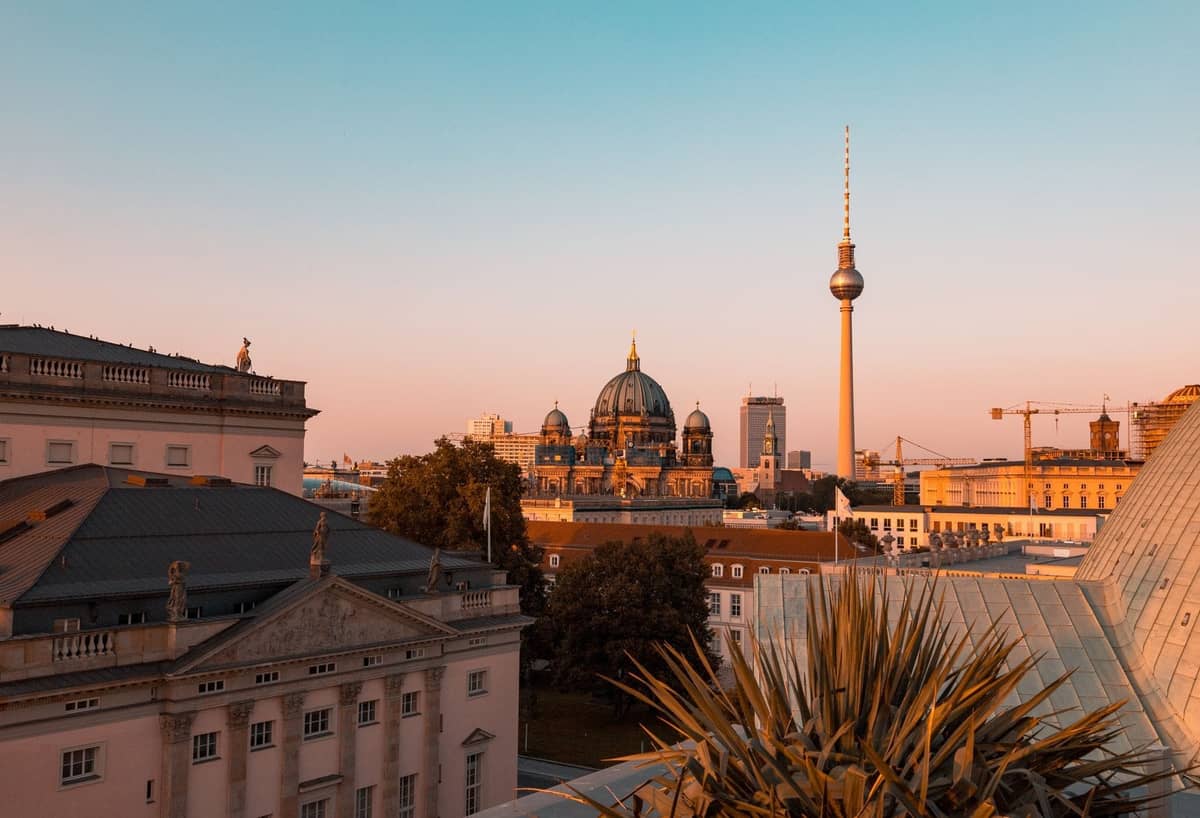
Berlin is a city of nearly 3.9 million residents spread across 891 square kilometers. It receives millions of international visitors each year and, by any reasonable measure, is not a dangerous city. Violent crime targeting tourists is genuinely uncommon. What is common, and what travel advisories consistently flag, is opportunistic theft: pickpocketing in crowds, bag snatching near transit, and confidence scams aimed squarely at visitors who look distracted or lost.
The honest framing is this: Berlin is safer than many comparable European capitals for street violence, but its petty theft problem is real enough that ignoring it is a mistake. Travelers who treat it like a low-risk village rather than a major city sometimes return home missing a phone or wallet. Those who apply standard urban precautions almost never have a problem.
ℹ️ Good to know
Emergency numbers in Berlin: call 110 for the police and 112 for medical emergencies or fire services. Berlin's country dialing code is +49. These numbers work from any mobile phone, including foreign SIM cards.
Where Pickpocketing Is Most Common
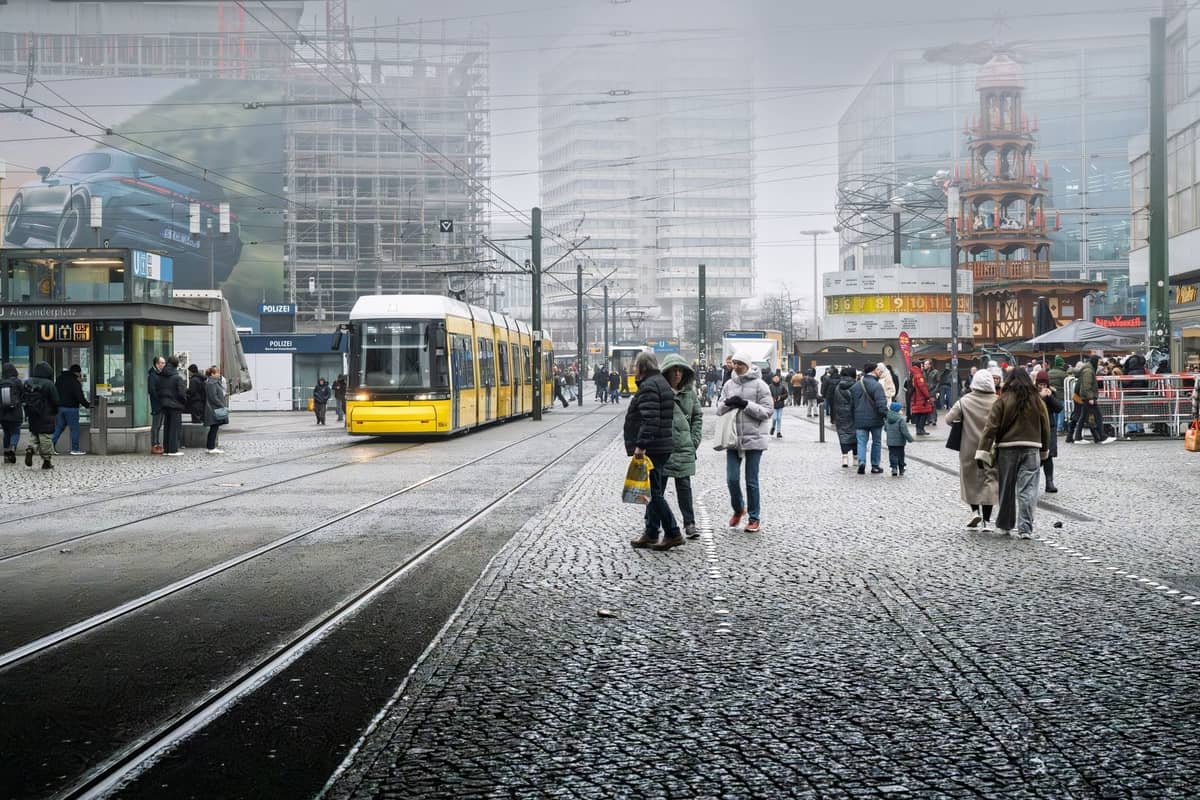
Pickpocket risk is heavily concentrated in tourist-dense locations and crowded transit. The areas most consistently flagged by travel guides and Berlin's own visitor information include Alexanderplatz, the area around Brandenburg Gate, Friedrichstrasse, and the main tourist stretch of Unter den Linden. Zoo Berlin and the surrounding Kurfürstendamm shopping district are also commonly mentioned.
On public transport, the U-Bahn and S-Bahn lines connecting major tourist zones are the highest-risk environments. Rush hour (roughly 7:30–9:00 and 17:00–19:00) and late-night weekend services are when thieves are most active. The technique is nearly always the same: distraction followed by a hand in your bag or pocket. Common distractions include someone bumping into you, asking for directions with a map spread wide, or a group crowding you near a turnstile.
- Alexanderplatz One of Berlin's busiest squares with constant foot traffic, street performers, and crowded tram and U-Bahn connections. Keep bags in front and zipped.
- Brandenburg Gate and Tiergarten approaches High tourist concentration at all hours. Scammers and pickpockets work the crowds around the gate itself.
- S-Bahn and U-Bahn during rush hour Crowded carriages are the classic pickpocket environment. Avoid putting your phone on the seat beside you or hanging your bag on a hook behind you.
- Mauerpark flea market on Sundays Popular and packed. Bags on shoulders are easy targets. Use a crossbody bag or keep valuables in a front pocket.
- Hackescher Markt and surrounding streets Tourist-heavy area with many cafes and markets. Stay aware at outdoor seating where bags are placed on chairs.
💡 Local tip
Use a crossbody bag or a bag worn across the front in crowded areas. Phone pockets on the backs of trousers and loose-hanging backpacks are the two most common points of theft. A small padlock on your backpack zip is low-effort and genuinely effective.
Common Scams Targeting Tourists in Berlin
Berlin's scam landscape is fairly predictable once you know what to look for. None of these are particularly sophisticated, but they work because visitors are distracted, jetlagged, or simply unfamiliar with local norms.
- Fake police officers Someone approaches claiming to be a plainclothes officer and asks to inspect your wallet for counterfeit notes or to verify your identity. Real German police carry clearly marked ID and do not demand to hold your wallet. If this happens, ask to see their badge number, do not hand over your wallet, and offer to walk to the nearest police station together. Berlin's official visitor information explicitly warns about this scam.
- Petition and clipboard scam A group, often young people, surrounds you with clipboards asking you to sign a petition. While you are distracted, others pick your pockets or you are pressured to make a cash donation. Walk past without engaging.
- Unauthorized ticket sellers Around major attractions and transit hubs, people offer BVG tickets at a discount. These are sometimes invalid, expired, or stolen. Always buy tickets from official BVG machines, apps, or staffed counters.
- Broken taxi meter or fixed-price quotes Unlicensed taxis, especially near nightlife areas, may quote flat high rates or run an inflated meter. Use the BVG app, official licensed taxis, or a verified ride-hailing service. Agree on the method of payment before you get in.
- Rose or bracelet push gifts Someone places an item in your hand or ties something to your wrist, then demands payment. You are not obliged to pay. Hand it back firmly and keep walking.
⚠️ What to skip
If someone approaches claiming to be an undercover police officer, do not hand over your wallet or passport. Germany's real plainclothes officers have official ID and badge numbers. You have the right to ask for these and to call 110 to verify. This scam specifically targets tourists and has been flagged by Berlin's official tourism authority.
Neighborhood Safety: What You Actually Need to Know
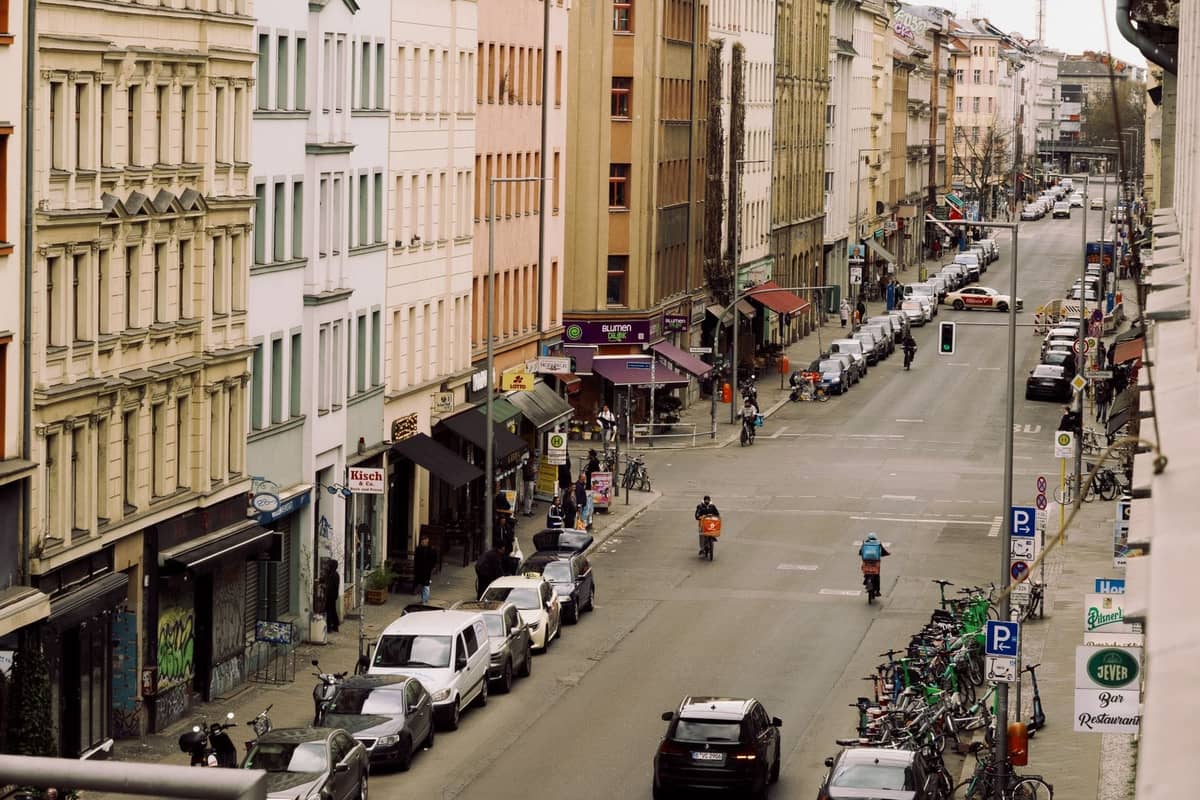
Berlin's neighborhoods vary considerably in character but are broadly safe for visitors in all the areas tourists typically visit. Mitte is the most tourist-dense district and where the highest concentration of petty crime occurs, simply because the crowds are largest. Prenzlauer Berg is residential and calm, popular with families. Charlottenburg to the west is straightforwardly safe with a well-maintained streetscape.
Kreuzberg and Neukölln have a grittier reputation, but the narrative that these are dangerous districts for tourists is largely outdated. They are diverse, dense urban neighborhoods with lively dining and nightlife scenes. The same common-sense rules apply: stay aware late at night, avoid isolated streets after 2 a.m., and keep valuables secure. Friedrichshain is similar: energetic and safe for the most part, with the main risks concentrated around the nightlife strip late at night.
No Berlin neighborhood requires special precautions beyond what any experienced city traveler already practices. The areas most often cited in safety discussions are not dangerous in absolute terms — they are just urban environments where being distracted and visibly tourist makes you a softer target.
Safety After Dark and During Nightlife
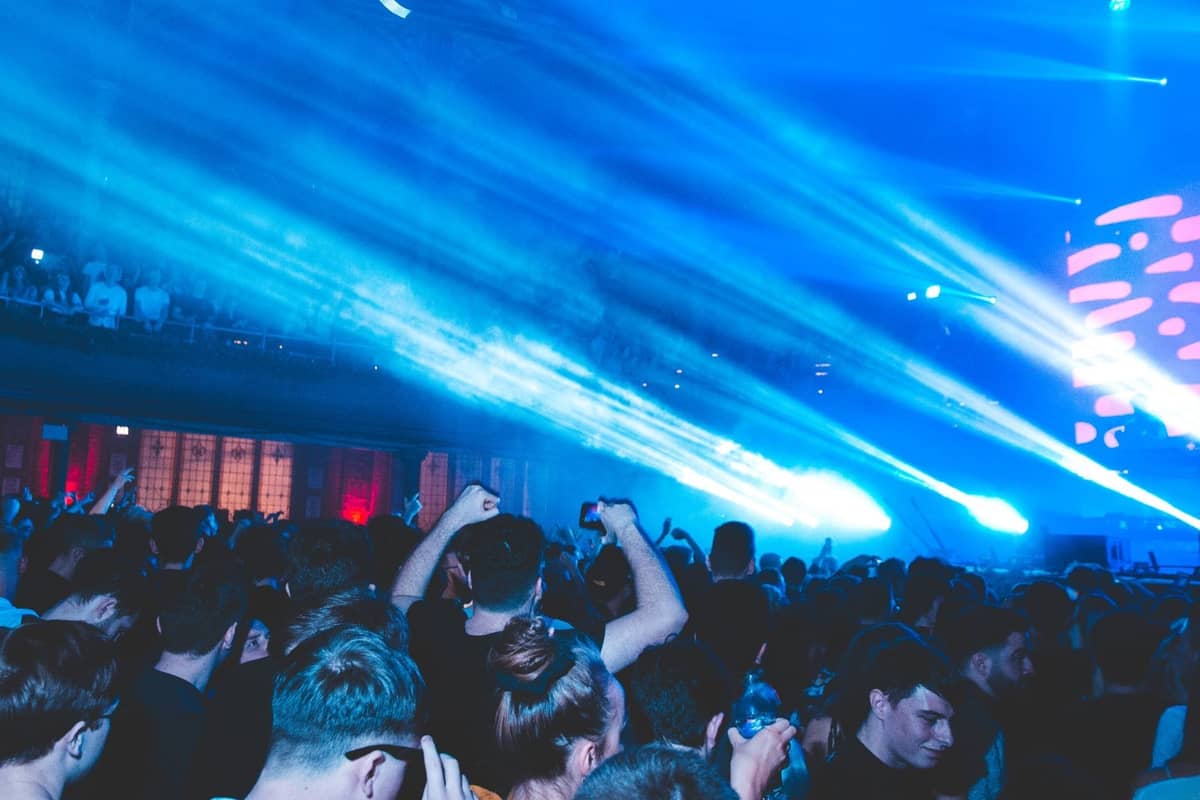
Berlin's nightlife is a genuine draw, and the city operates on a different clock from most European capitals. Clubs often do not fill until after midnight and stay open through Sunday morning. If you are exploring Berlin's club scene, basic preparation makes a significant difference. Plan your return route before you go out — the BVG night buses (marked N) and night S-Bahn and U-Bahn services run throughout the weekend. Check the Berlin nightlife guide for specifics on transport and district-by-district options.
Late-night transit is where a disproportionate share of theft occurs. Crowded night buses after 2 a.m. on weekends are a known environment for pickpockets. Keep your bag on your lap and your phone in an inside pocket. Avoid falling asleep on public transport with valuables in open pockets or accessible bags. Traveling in a group reduces risk significantly.
Drink spiking is an occasional risk in nightlife settings, as in any major city. Do not leave drinks unattended and be cautious accepting drinks from strangers in clubs or bars. If you or a friend feel unexpectedly unwell, flag bar staff or security immediately. Berlin's club culture generally has strong security presences at established venues.
Practical Safety Tips for Every Visitor
Beyond avoiding specific scams, a few habits cover most of the remaining risk. These apply whether you are spending three days hitting the major landmarks or a week exploring the city's outer districts. For a broader overview of what to expect, the things to do in Berlin guide maps out the key areas and can help you plan routes that minimize unnecessary time in high-theft zones.
- Carry only the cash you need for the day. Berlin is increasingly card-friendly, but smaller cafes, markets, and some transit machines are still cash-only, so keep a modest amount on hand.
- Keep a photo of your passport on your phone and leave the physical document in your accommodation safe or a locked bag. Carry it only if specifically required.
- Use BVG's official app or ticket machines for all transit purchases. Validate your ticket before boarding — inspectors conduct random checks and fines for fare evasion start at around €60.
- Share your itinerary with someone at home, particularly if you are solo traveling or exploring at night.
- Save the local emergency numbers (110 police, 112 medical) in your phone before you arrive.
- Tap water in Berlin is safe to drink, so carry a refillable bottle rather than leaving it at your accommodation and paying for bottled water throughout the day.
- Type F plugs are standard in Germany at 230V. Bring a universal adapter if your devices use a different plug type.
✨ Pro tip
Before exploring heavily touristed areas like Museum Island or the Brandenburg Gate, move your phone and wallet to a front pocket or a crossbody bag. It takes ten seconds and eliminates the most common form of theft. Most people who get pickpocketed in Berlin did not realize how crowded a spot was until it was too late.
If you are visiting with children, Berlin is a comfortable and easy city to navigate. The public transport system is well-maintained and comprehensible, and the major family attractions are clustered in relatively calm areas. The guide to Berlin with kids covers the best family-friendly areas and attractions in more detail.
FAQ
Is Berlin safe for solo female travelers?
Yes, broadly speaking. Solo female travelers move through Berlin without particular difficulty in most contexts. The same late-night precautions that apply everywhere — well-lit routes, not walking alone in isolated areas after 2 a.m., staying aware in crowded transit — apply here. Berlin has a large and active LGBTQ+ community and is generally tolerant, which also tends to correlate with lower harassment risk. Trust your instincts if a situation feels uncomfortable.
Is the U-Bahn and S-Bahn safe at night?
The BVG network runs through the night on weekends and is generally safe to use. The main risk is pickpocketing on crowded night services, not physical danger. Keep your bag on your lap, your phone in an inside pocket, and avoid falling asleep with valuables exposed. Weeknight services after midnight are quieter and lower risk.
What should I do if I am approached by someone claiming to be a police officer?
Do not hand over your wallet or documents. Ask to see their official badge and ID number, and offer to walk to the nearest marked police station together. If they refuse, call 110 immediately. This is a documented scam specifically targeting tourists in Berlin. Plainclothes German police carry verifiable credentials and do not demand to inspect your cash for counterfeit notes.
Are there areas of Berlin I should avoid entirely?
No tourist-frequented area of Berlin requires total avoidance. Even the neighborhoods with grittier reputations — parts of Neukölln, Friedrichshain late at night — are navigable with standard urban awareness. The risks in Berlin are concentrated in crowded tourist spots during the day (pickpocketing) and in late-night transit and streets after clubs close (opportunistic theft). Neither category involves whole districts being off-limits.
Is Berlin safe for LGBTQ+ travelers?
Berlin is one of Europe's most welcoming cities for LGBTQ+ travelers. Schöneberg has historically been the center of the city's LGBTQ+ community, and acceptance is broadly mainstream across most of the city. As with any city, public displays of affection may attract attention in more conservative or less central areas, but this is the exception rather than the rule. The city hosts Christopher Street Day (CSD), one of Europe's largest Pride events, every summer.