Berlin with Kids: Best Family Activities for Every Age
Berlin is one of Europe's most family-friendly cities, with world-class museums, vast parks, excellent public transport, and enough hands-on attractions to keep children genuinely engaged. This guide covers the best activities, practical logistics, and honest advice for travelling to Berlin with kids.
Plan and book this trip
Tools from our partner Travelpayouts help you compare flights and hotels. If you book through them, we may earn a commission at no extra cost to you.
Flights
Hotels map
TL;DR
- Berlin has two major zoos, several hands-on museums, and endless park space — there is no shortage of things for kids to do in any weather.
- Children under 6 ride Berlin's public transport free; ages 6-14 get reduced fares — confirm current rules with BVG before your trip.
- Rainy days are not a problem: the Deutsches Technikmuseum, LEGOLAND Discovery Centre, and ANOHA at the Jewish Museum are reliable indoor options.
- Summer (May to September) unlocks Berlin's lakes, outdoor playgrounds, and markets — see our Berlin in summer guide for the full seasonal picture.
- Advance booking is essential for popular spots like LEGOLAND, the Berlin TV Tower, and ANOHA — walk-in queues can be long.
Why Berlin Works Well for Families
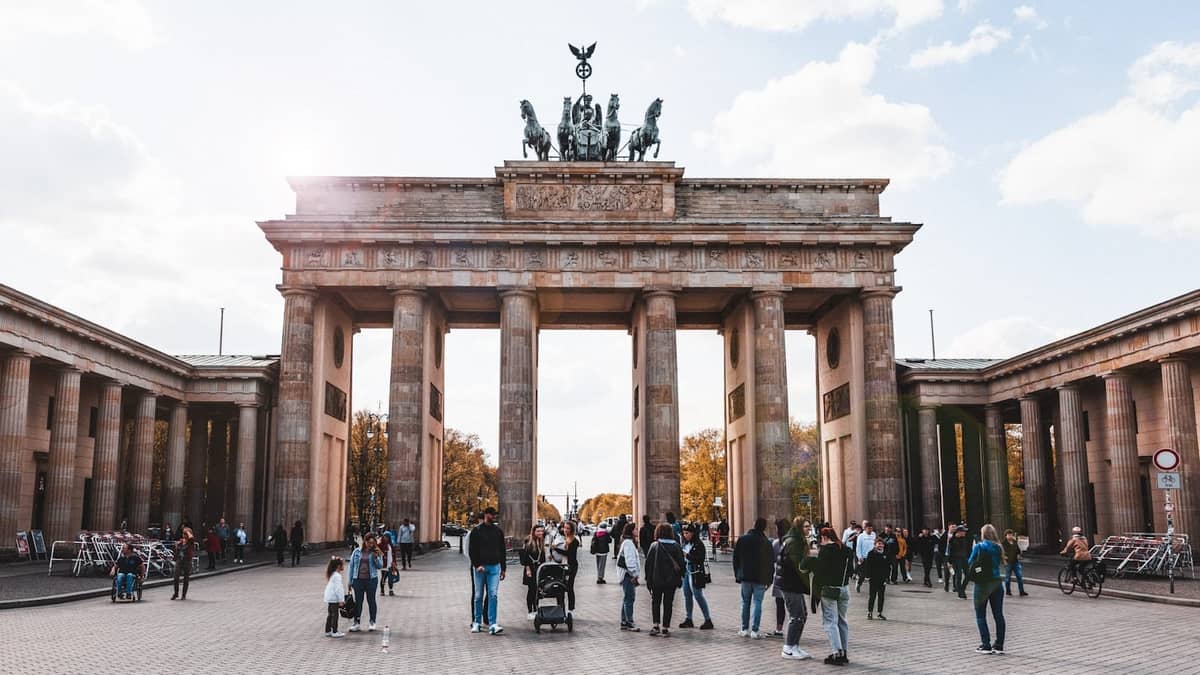
Berlin is a large, spread-out city of 891 km² with around 3.8 million residents, and that scale can look daunting on a map. In practice, the BVG and S-Bahn network connects every major family attraction efficiently, and the flat terrain makes it easy to get around with pushchairs or young walkers. The city has invested heavily in public infrastructure, and it shows in the quality of parks, playgrounds, and public toilets at major sites.
One thing that surprises many families is how little of a Berlin trip actually needs to be structured around formal sightseeing. Neighbourhoods like Prenzlauer Berg and Kreuzberg have excellent playgrounds and child-friendly cafés where parents can sit and drink coffee while kids run free. Berlin's café culture is genuinely accommodating to families in a way that not all European capitals are.
ℹ️ Good to know
Germany uses Type F plugs (230V), the currency is the Euro, and the emergency number is 112. Tap water is generally safe to drink. Most major attractions have English-speaking staff, though learning a few words of German is appreciated.
Best Zoos and Animal Attractions
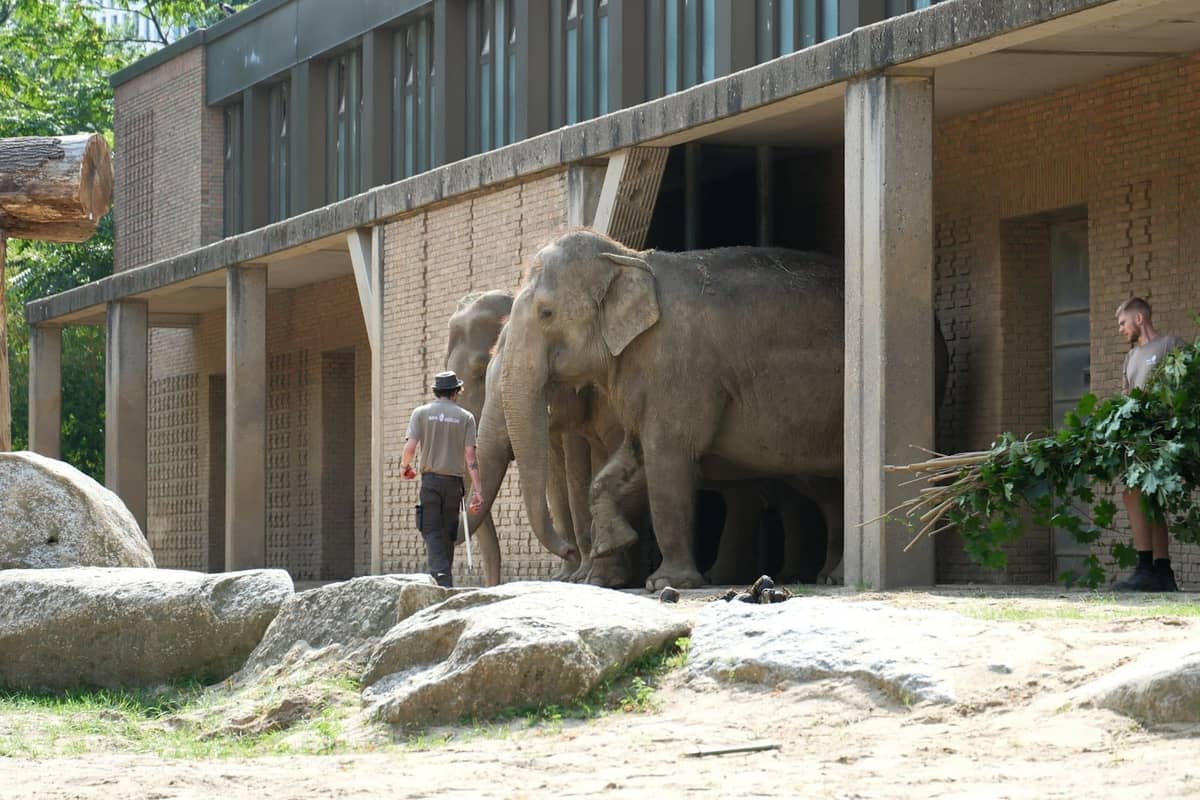
Berlin has two major zoos, which is more than most cities its size. The Berlin Zoo (Zoologischer Garten) sits in the western centre near the Tiergarten and is one of the most species-rich zoos in the world. It is easily combined with a walk through the Tiergarten park and is accessible by S-Bahn and U-Bahn. For families who want more space, Tierpark Berlin in the east is significantly larger, set within the grounds of Friedrichsfelde Palace, and tends to be quieter on weekends. Both require a full half-day to do properly; trying to do both in one day is exhausting for young children.
The Berlin Zoo is the better choice for first-time visitors or families with limited time, given its central location and the density of animals in a compact area. Tierpark is worth the extra journey if you have a free morning on a weekday, when it can be almost uncrowded.
💡 Local tip
Buy zoo tickets online in advance to skip the entry queue, especially on weekends and during school holidays. A combination ticket covering both Berlin Zoo and the Berlin Aquarium (housed in the same complex) is available and worth considering for children who love marine life.
Hands-On Museums Children Actually Enjoy
Berlin's museum landscape is enormous, but not all of it is appropriate or engaging for younger visitors. The institutions below have been specifically noted by family travel writers and the city's official tourism board for their child-friendly format.
- Deutsches Technikmuseum (German Museum of Technology) The single best museum in Berlin for children aged 5 and up. Locomotives, aircraft, ships, printing presses, and hands-on science experiments fill a vast complex near Gleisdreieck park. Allow 3-4 hours. Located in Kreuzberg, easily reached by U-Bahn.
- LEGOLAND Discovery Centre Berlin Located at Potsdamer Platz, this indoor attraction includes a 4D cinema, rides, and extensive LEGO build areas. Tickets are reported at around €20 per person, with family packages available — always confirm current pricing on the official site. Not ideal for teenagers; best for ages 3-10.
- ANOHA — Children's World of the Jewish Museum A purpose-built indoor play and learning space for families, operated as part of the Jewish Museum Berlin. Designed for children up to age 10. Advance reservation is commonly required; check availability before visiting.
- Museum of Natural History Berlin (Museum für Naturkunde) Home to one of the world's largest mounted dinosaur skeletons. The dinosaur hall alone justifies the visit for most children. Central location near Hauptbahnhof.
- DDR Museum Highly interactive exhibition about everyday life in East Germany. Kids can sit in a Trabant car, explore a reconstructed apartment, and touch most exhibits. Small in scale but very engaging. Located on the Spree riverbank near Alexanderplatz.
Families interested in history should note that Berlin's museum scene extends well beyond these picks. However, heavily text-based institutions like the German Historical Museum or Topography of Terror are better suited to teenagers and adults rather than young children.
Outdoor Spaces and Sightseeing Highlights
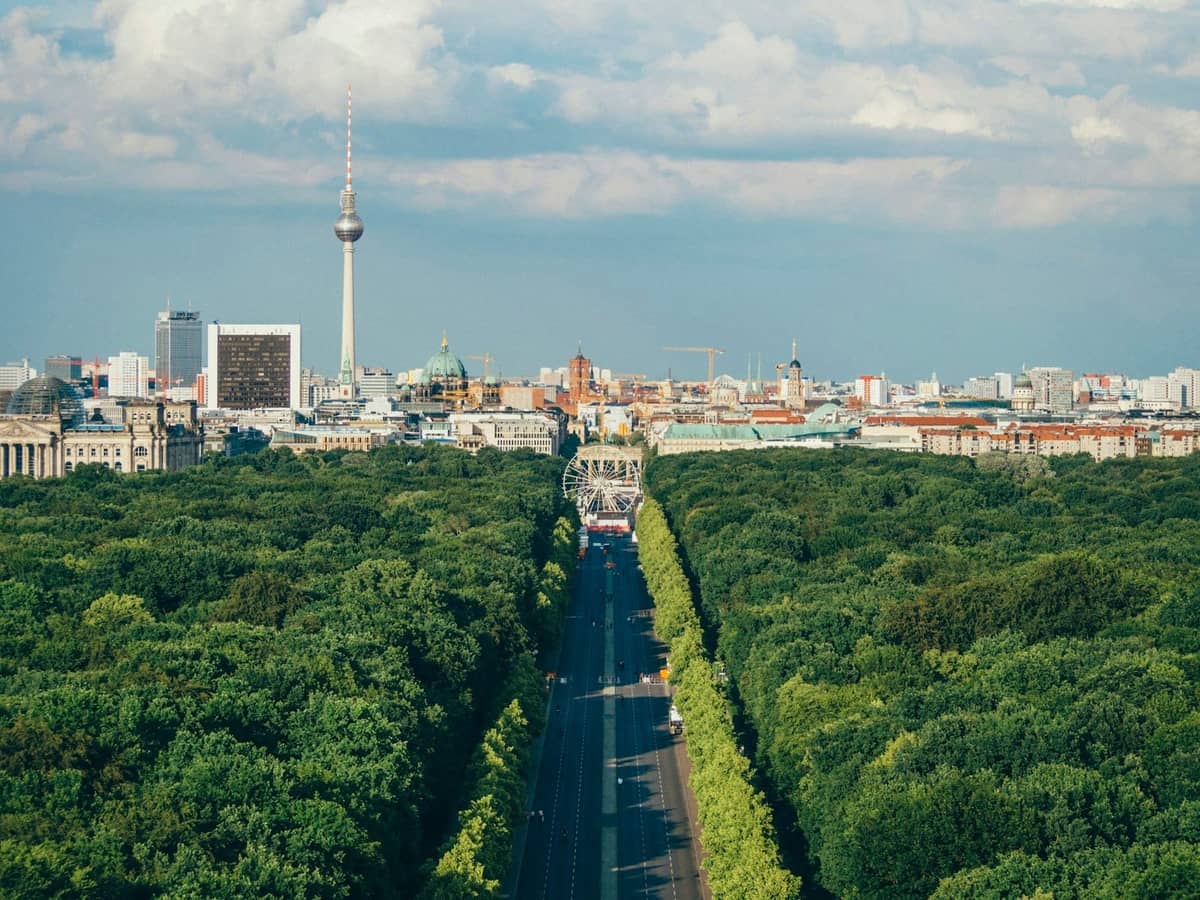
Berlin's parks are genuinely large. The Tiergarten in the centre covers 210 hectares and has playgrounds, open lawns, and cycling paths wide enough to push a buggy without difficulty. In summer, the beer gardens at the park's edges are popular with families. Mauerpark in Prenzlauer Berg is known for its Sunday flea market and impromptu street performance, and the adjacent playground is large enough to keep children occupied while parents browse stalls.
Tempelhofer Feld, the former airport converted into public parkland, is one of Berlin's most unusual spaces. The runway is so long that families cycle, skate, and fly kites along it with room to spare. It costs nothing to enter and is open year-round during daylight. For something more structured, the Berlin TV Tower at Alexanderplatz offers 360-degree views from 203 metres up and tends to excite children who respond to heights and city panoramas. Book tickets in advance to avoid long waits.
In summer, Berlin's lakes become a major draw. The Wannsee and Müggelsee areas offer supervised swimming beaches suitable for families. For a broader look at where to spend sunny days, the Berlin lakes guide covers the best spots, travel times, and facilities at each.
✨ Pro tip
Rent bikes from one of Berlin's many bike-share services and ride through the Tiergarten or along the canal towpaths in Kreuzberg. Berlin is flat enough that children aged 7 and up can manage most routes comfortably. Child bike seats and tag-along attachments are available from specialist hire shops.
Getting Around Berlin with Kids
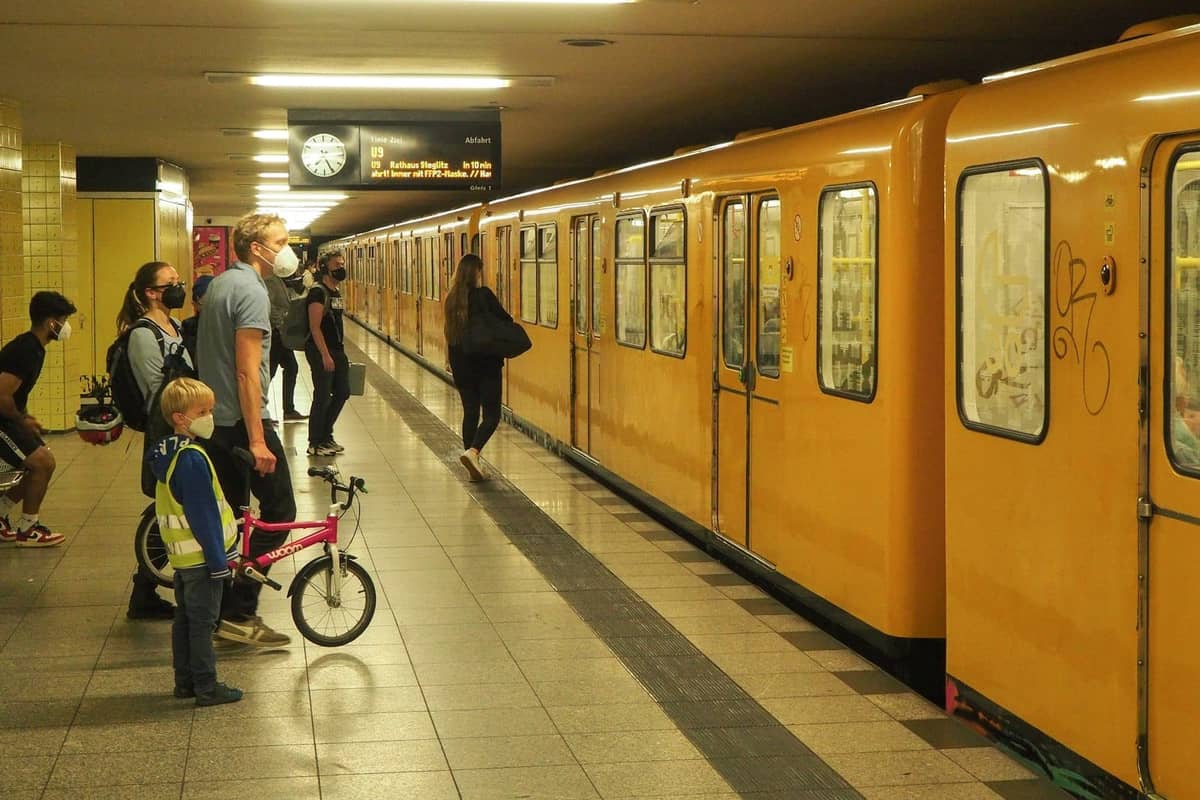
Berlin's public transport network, operated by BVG and S-Bahn Berlin, is one of the most comprehensive in Europe. U-Bahn trains run frequently and most modern stations have lifts, making them pushchair-accessible. Trams serve parts of the eastern city and are a pleasant, slow-paced way to travel short distances with children. Buses cover the remaining gaps.
Children under 6 currently ride free on all BVG services; children aged 6-14 ride at a reduced rate. These rules apply across U-Bahn, S-Bahn, trams, and buses on a single zone-based ticket. Always verify the current fare rules directly with BVG before purchasing, as pricing categories can change. For families covering a lot of ground, the Berlin WelcomeCard offers unlimited travel plus discounts at major attractions — it is worth calculating whether it saves money against individual tickets based on your itinerary.
- Avoid rush hour (7:30-9:00 and 17:00-19:00) on U-Bahn lines with pushchairs — trains get crowded and lifts can be slow.
- The S41/S42 ring line is useful for crossing the city without going through the centre.
- Taxis and ride-hailing services are available but rarely necessary given public transport frequency.
- Berlin Brandenburg Airport (BER) connects to central Berlin via S-Bahn and regional rail; the journey takes around 30-45 minutes depending on destination.
- Most major attractions are within a 5-10 minute walk from a U-Bahn or S-Bahn stop.
Seasonal Advice: When to Visit with Children
The best months for a family visit are May through September, when average temperatures are in the high teens to low 20s °C and outdoor activities are fully viable. July and August bring school holiday crowds to popular attractions, so booking ahead for the TV Tower, LEGOLAND, and ANOHA is more important than usual during this period. June is often the sweet spot: warm enough for parks and lakes, but without the peak summer congestion.
Winter in Berlin (December through February) is cold, with temperatures often close to freezing, but it is far from a write-off for families. The Berlin Christmas markets run from late November through December and are genuinely enjoyable with children — mulled wine for parents, roasted chestnuts and fairground rides for kids. Indoor options like the Deutsches Technikmuseum, the Natural History Museum, and LEGOLAND work year-round and are often quieter in winter than in summer.
⚠️ What to skip
School holiday periods in Berlin (especially summer and October half-term) see significant increases in queue times at major attractions. If you visit during these windows, either book timed-entry tickets in advance or plan to arrive at opening time. The Berlin Zoo and LEGOLAND Discovery Centre are particularly affected.
For families on a tight budget, many of Berlin's best family-friendly spaces cost nothing at all: Tempelhofer Feld, the Tiergarten, Mauerpark, and most neighbourhood playgrounds are free. The free things to do in Berlin guide includes several options suitable for children, and the Berlin on a budget guide covers how to keep costs down across accommodation, food, and transport.
FAQ
Is Berlin a good city to visit with young children under 5?
Yes. Berlin's flat terrain, accessible public transport, café culture, and large parks make it more manageable with toddlers than many major European cities. Children under 6 ride public transport free, and pushchair-accessible routes are generally available at modern U-Bahn stations.
What is the best museum in Berlin for kids?
The Deutsches Technikmuseum (German Museum of Technology) in Kreuzberg is the strongest all-round pick for children aged 5 and up. It has aircraft, trains, ships, and hands-on science exhibits across a large complex. For younger children aged 3-10, LEGOLAND Discovery Centre at Potsdamer Platz or ANOHA at the Jewish Museum are better suited.
Do children get free or discounted entry to Berlin attractions?
Many Berlin attractions offer free entry for children under a certain age (typically 5 or 6) and reduced rates for ages up to 14-16. Individual policies vary significantly, so check each venue's official website. The Berlin WelcomeCard includes discounts at many major sites and may be worth calculating for families planning several paid attractions.
What should families do if it rains in Berlin?
Berlin handles bad weather well for families. The Deutsches Technikmuseum, Museum of Natural History, DDR Museum, LEGOLAND Discovery Centre, and ANOHA are all fully indoor and enjoyable for children. Many Berlin cafés are spacious and relaxed about families lingering, making rainy afternoons easy to manage.
Which neighbourhoods are best for families staying in Berlin?
Prenzlauer Berg is consistently recommended for families: it has excellent playgrounds, a calm residential atmosphere, and good café density. Mitte is convenient for sightseeing but more tourist-facing. Charlottenburg in the west suits families who prefer quieter streets and easy access to the zoo and Kurfürstendamm shopping area.