Best Museums in Berlin: 18 Essential Collections to Visit
Berlin has around 175 museums, from ancient civilizations on Museum Island to Cold War surveillance headquarters in Friedrichshain. This guide cuts through the noise and picks the museums worth your time, organized by theme so you can plan your days efficiently.
Plan and book this trip
Tools from our partner Travelpayouts help you compare flights and hotels. If you book through them, we may earn a commission at no extra cost to you.
Flights
Hotels map
Few cities in the world can match Berlin for the sheer density and quality of its museum landscape. With roughly 190 museums spread across the city, the challenge is not finding something to see, but deciding what to prioritize. The obvious starting point is Museum Island, the UNESCO-listed cluster of five world-class institutions in the Spree River. But Berlin's best museums extend far beyond that island, into Kreuzberg, Friedrichshain, and Mitte. Whether you have a day or a week, this guide helps you build a museum itinerary around your interests, from ancient Egypt to Nazi terror to GDR everyday life.
ℹ️ Good to know
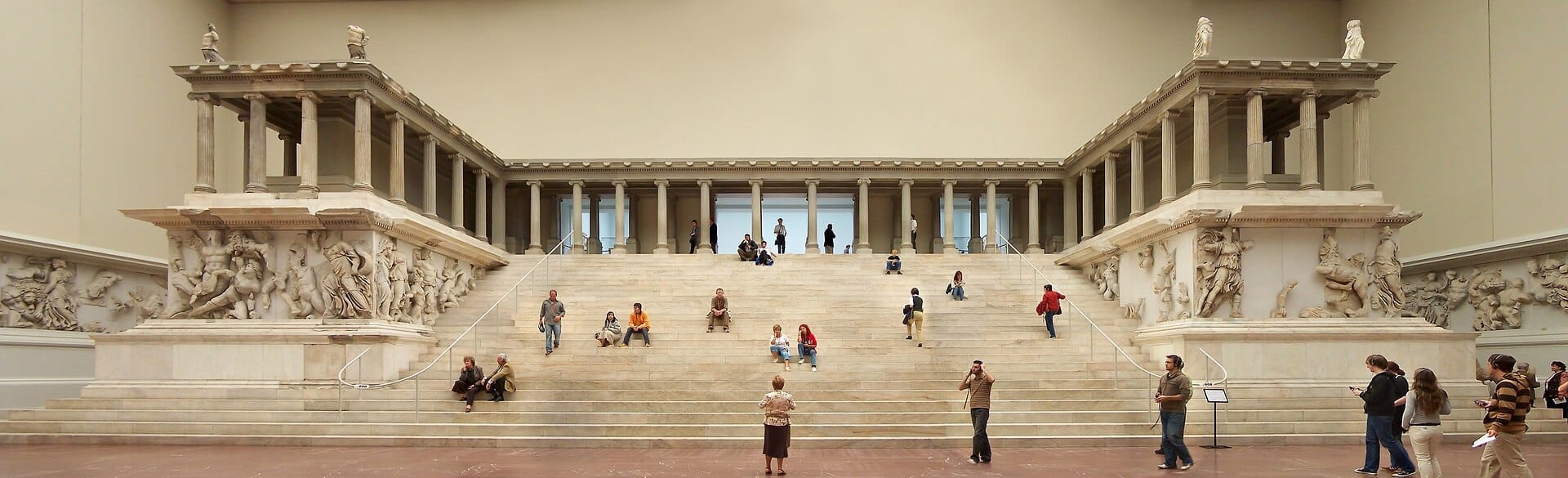
The Pergamon Museum's main hall is closed for renovation until 4 June 2027. A panorama exhibition is open in its place. The Museum Island day ticket (€24) covers all five island museums and is worth buying if you plan to visit more than two.
Museum Island: The Essential Five
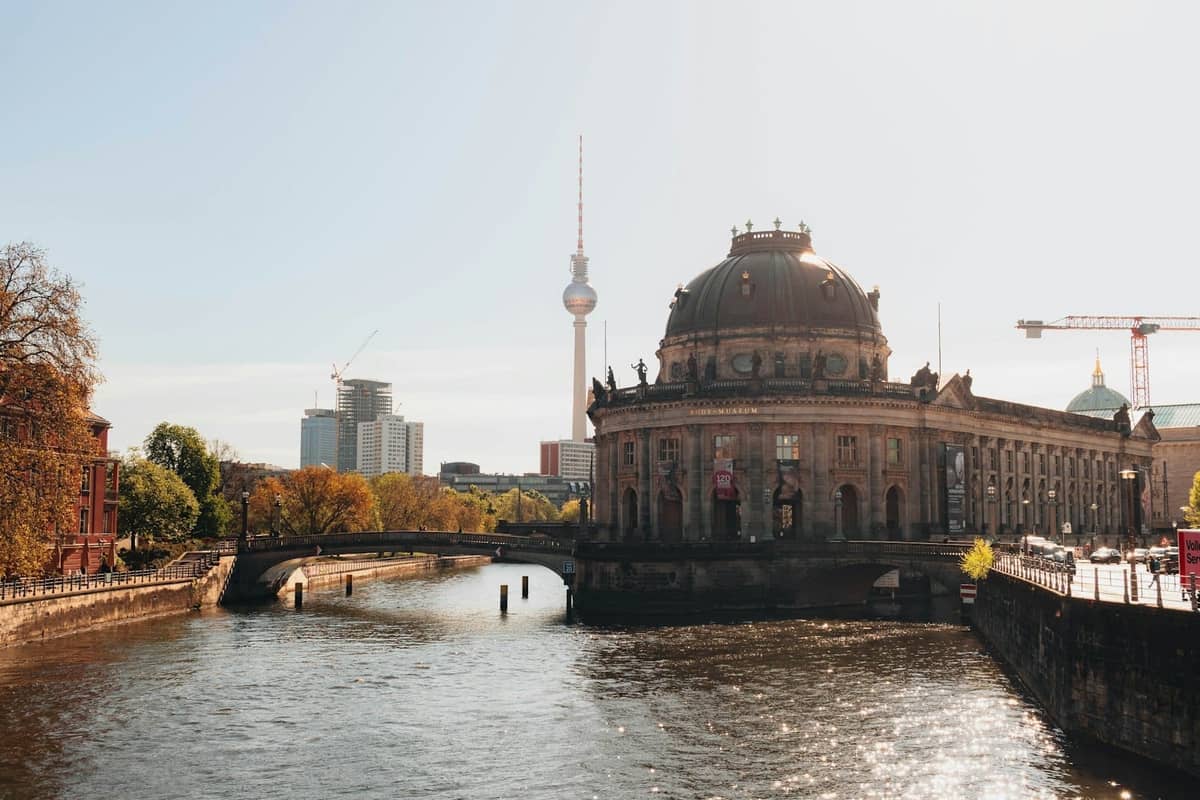
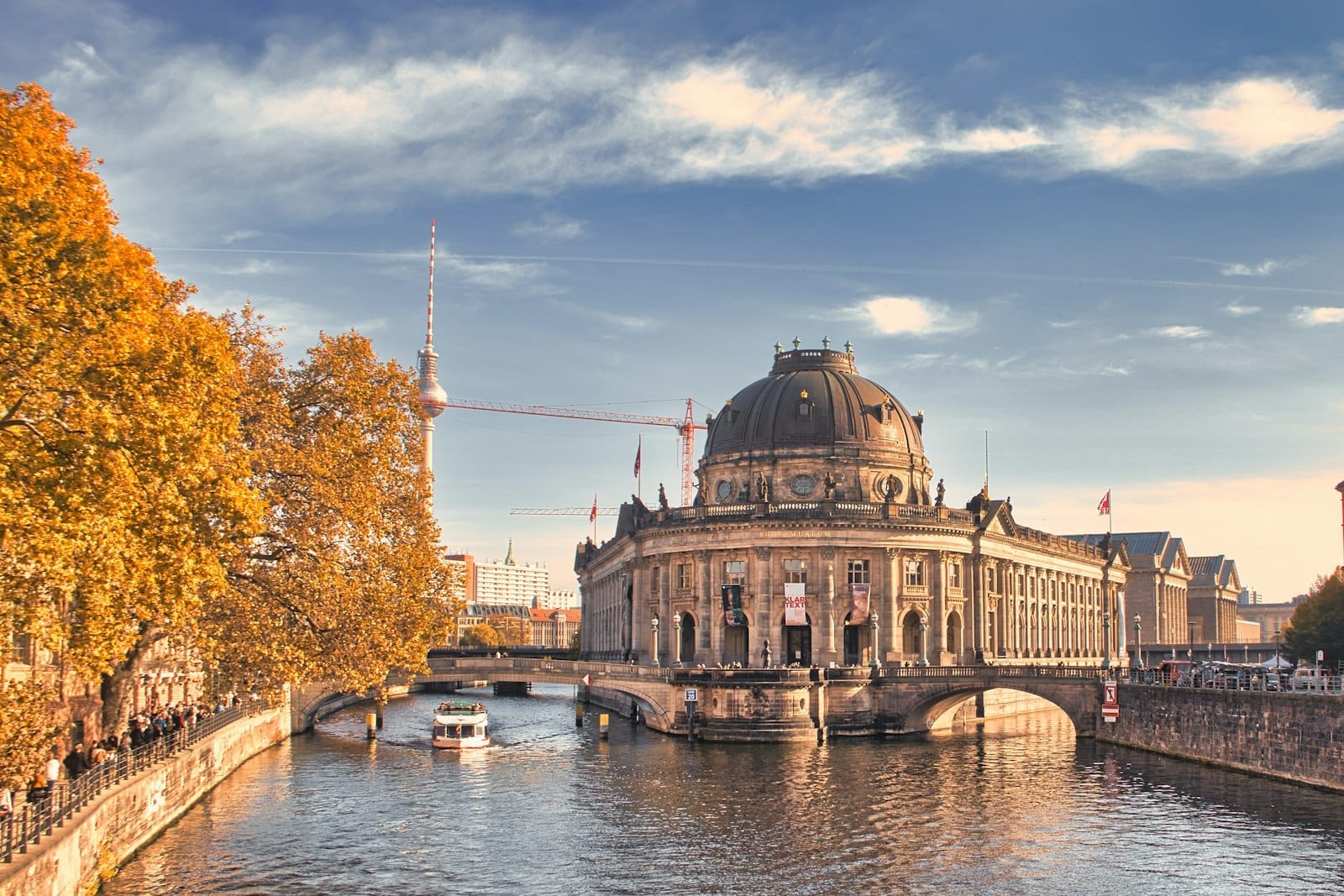
Museum Island is a UNESCO World Heritage Site and the logical anchor for any serious museum visit to Berlin. Five institutions sit on this sliver of land in the Spree, and you could spend two full days here without rushing. Check our dedicated Museum Island guide for detailed planning advice, including how to avoid the longest queues.
1. See Babylon's Ishtar Gate at the Pergamon Museum
Berlin's most visited museum holds the monumental Ishtar Gate and Market Gate of Miletus. The main hall is closed until 2027, but a panorama exhibition replaces it. Book tickets online to skip queues.
Explore1. See Babylon's Ishtar Gate at the Pergamon Museum
Berlin's most visited museum holds the monumental Ishtar Gate and Market Gate of Miletus. The main hall is closed until 2027, but a panorama exhibition replaces it. Book tickets online to skip queues.
Explore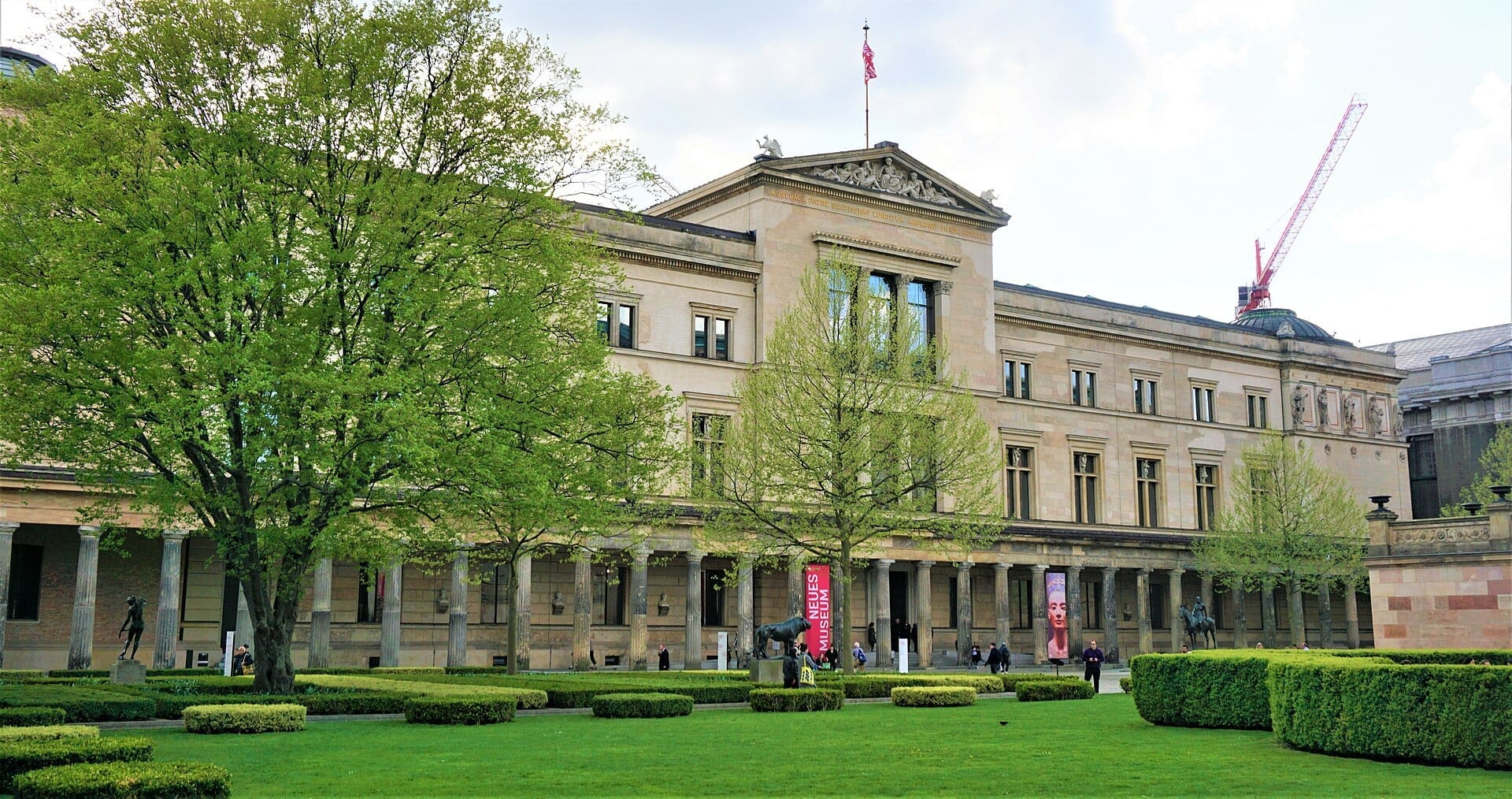
2. Come Face to Face with Nefertiti at the Neues Museum
The 3,300-year-old bust of Nefertiti in the North Dome Hall is one of the most powerful objects in any museum worldwide. David Chipperfield's restoration of the war-damaged building is itself worth studying as you move through.
Explore2. Come Face to Face with Nefertiti at the Neues Museum
The 3,300-year-old bust of Nefertiti in the North Dome Hall is one of the most powerful objects in any museum worldwide. David Chipperfield's restoration of the war-damaged building is itself worth studying as you move through.
Explore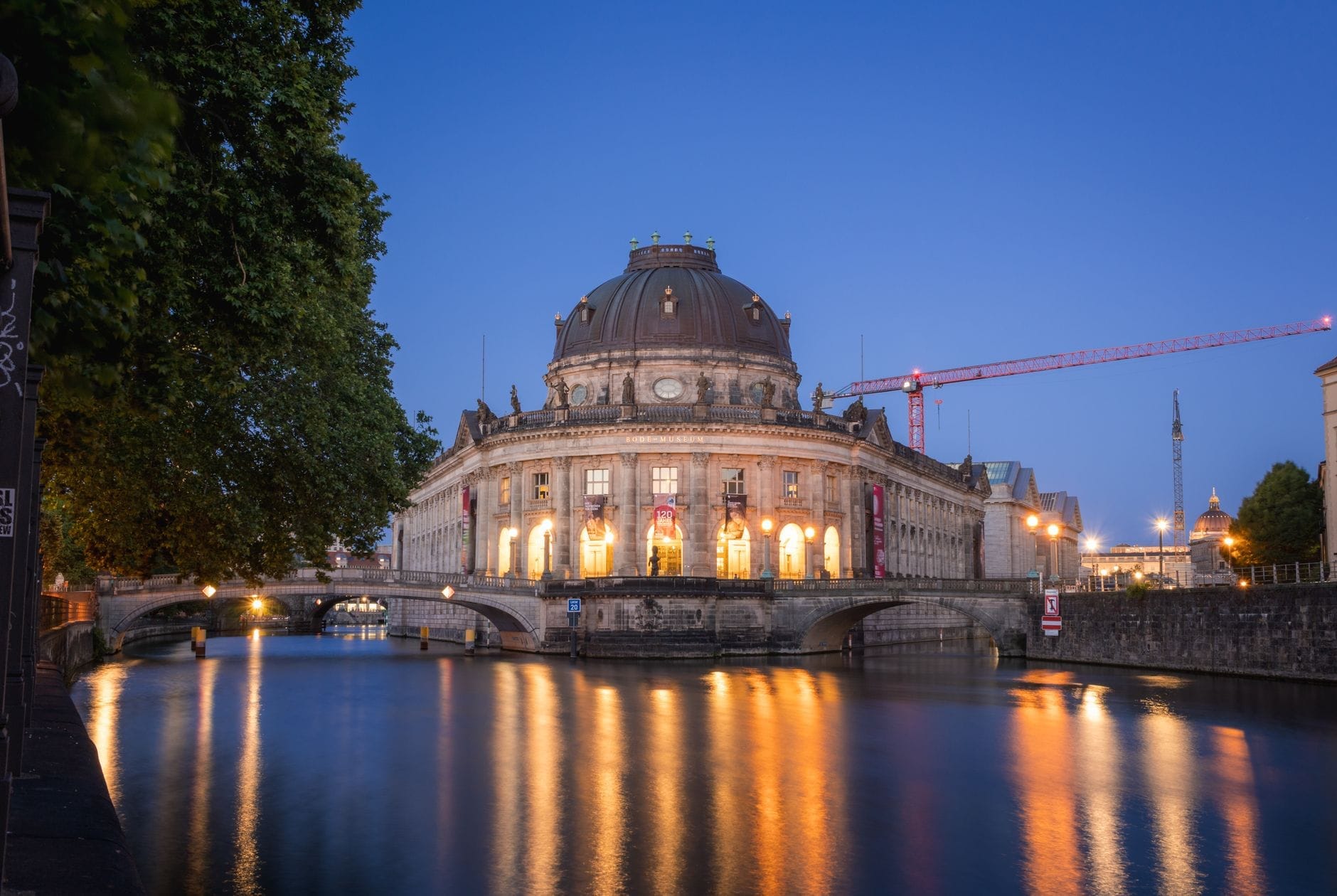
3. Plan a Full Day Across Museum Island's UNESCO Complex
Five world-class museums on one small island in the Spree: Pergamon, Neues Museum, Alte Nationalgalerie, Bode Museum, and Altes Museum. The €24 day ticket is the smartest way to tackle them across a full day.
Explore3. Plan a Full Day Across Museum Island's UNESCO Complex
Five world-class museums on one small island in the Spree: Pergamon, Neues Museum, Alte Nationalgalerie, Bode Museum, and Altes Museum. The €24 day ticket is the smartest way to tackle them across a full day.
ExploreArt Museums: From Old Masters to Contemporary
Berlin's art museum scene covers 700 years of European painting, 20th-century modernism, and living contemporary practice. The collections near Potsdamer Platz are particularly underrated: both the Gemäldegalerie and the Neue Nationalgalerie draw serious crowds in other cities but remain refreshingly uncrowded here.
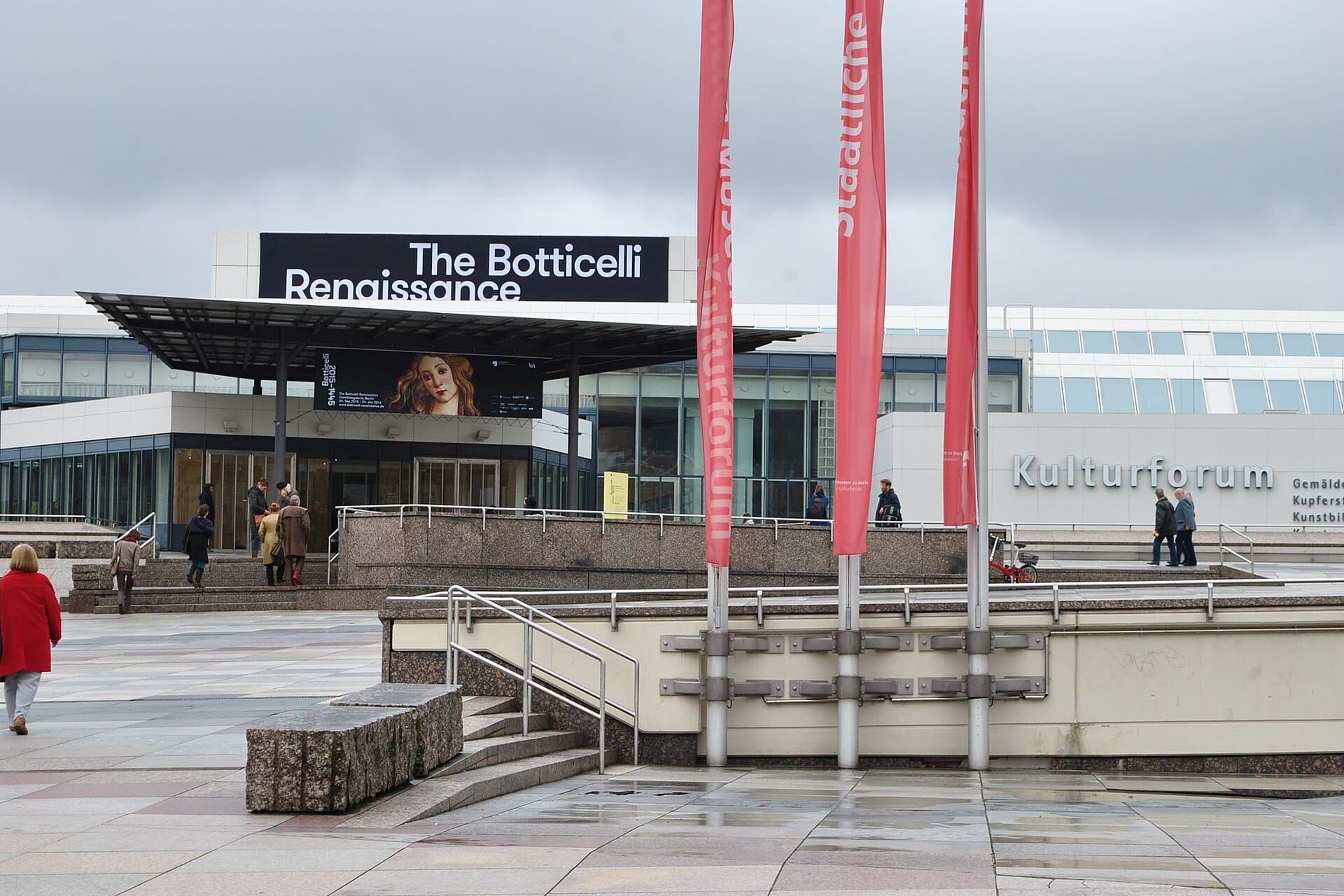
4. Discover 700 Years of European Painting at the Gemäldegalerie
Rembrandt, Vermeer, Botticelli, Caravaggio — this collection rivals any in Europe, yet the galleries rarely feel crowded. Plan two to three hours and start with the Dutch Golden Age rooms for the strongest concentration of masterworks.
Explore4. Discover 700 Years of European Painting at the Gemäldegalerie
Rembrandt, Vermeer, Botticelli, Caravaggio — this collection rivals any in Europe, yet the galleries rarely feel crowded. Plan two to three hours and start with the Dutch Golden Age rooms for the strongest concentration of masterworks.
Explore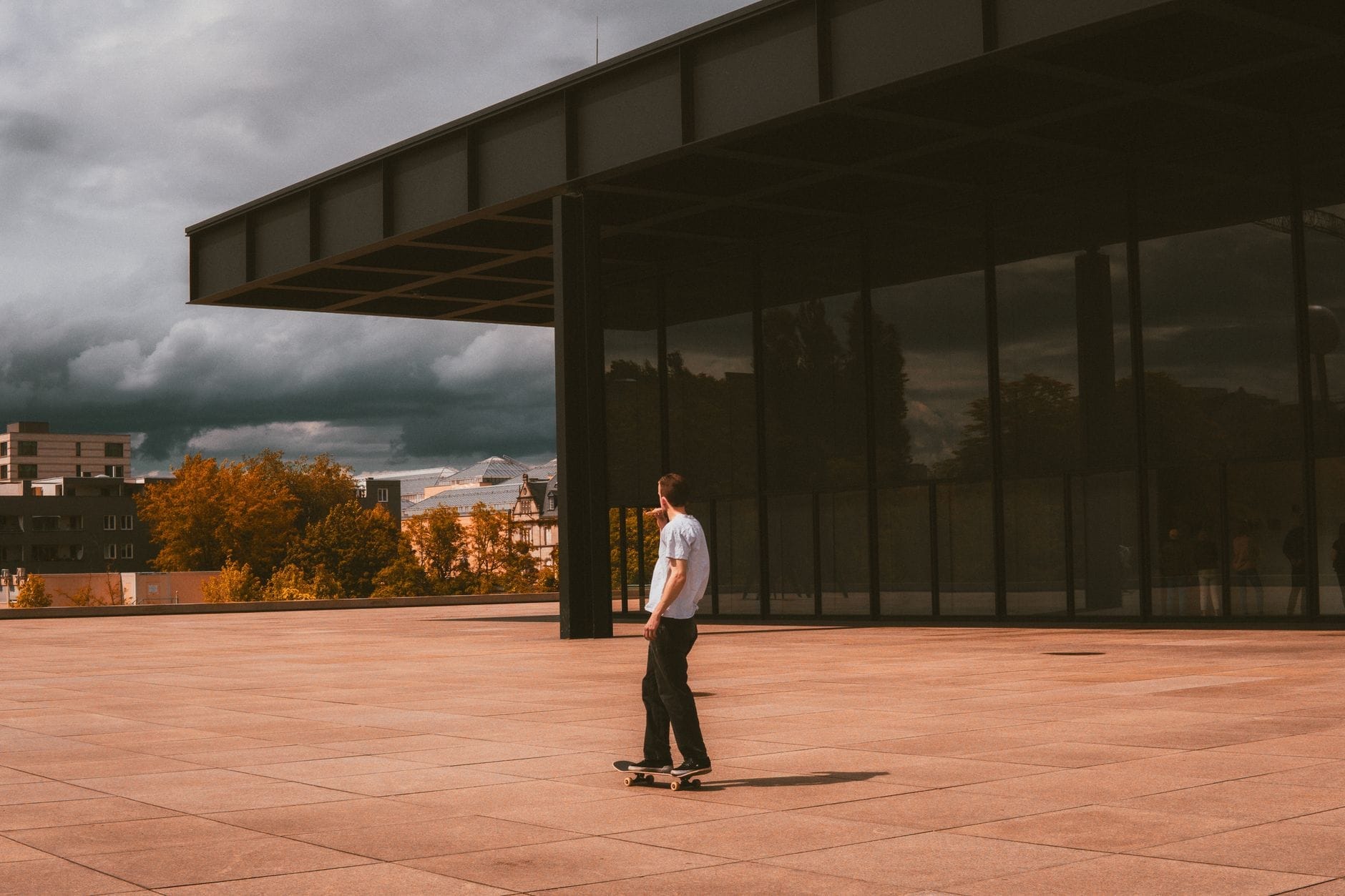
5. Experience Mies van der Rohe's Glass Temple at the Neue Nationalgalerie
Mies van der Rohe's steel-and-glass pavilion is one of the 20th century's great buildings. The 20th-century European art collection inside is strong, but the architecture alone justifies the visit. Particularly striking on grey Berlin days.
Explore5. Experience Mies van der Rohe's Glass Temple at the Neue Nationalgalerie
Mies van der Rohe's steel-and-glass pavilion is one of the 20th century's great buildings. The 20th-century European art collection inside is strong, but the architecture alone justifies the visit. Particularly striking on grey Berlin days.
Explore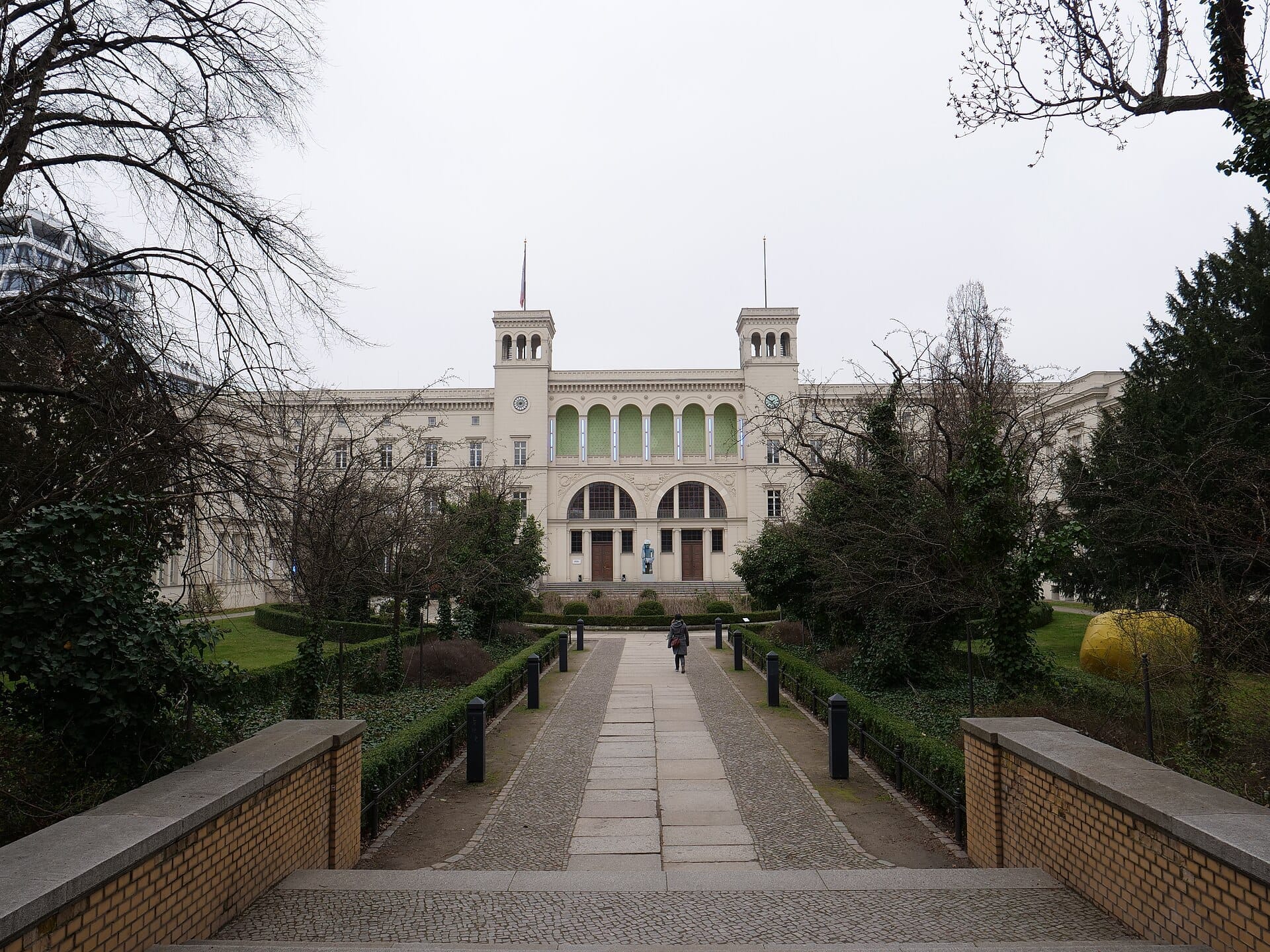
6. See Beuys and Warhol in a Converted Railway Station
A 19th-century station near Hauptbahnhof now holds Berlin's best contemporary collection: major Beuys installations, Warhol, Cy Twombly, and large-scale international loans. The industrial nave handles monumental works like no white-cube gallery can.
Explore6. See Beuys and Warhol in a Converted Railway Station
A 19th-century station near Hauptbahnhof now holds Berlin's best contemporary collection: major Beuys installations, Warhol, Cy Twombly, and large-scale international loans. The industrial nave handles monumental works like no white-cube gallery can.
Explore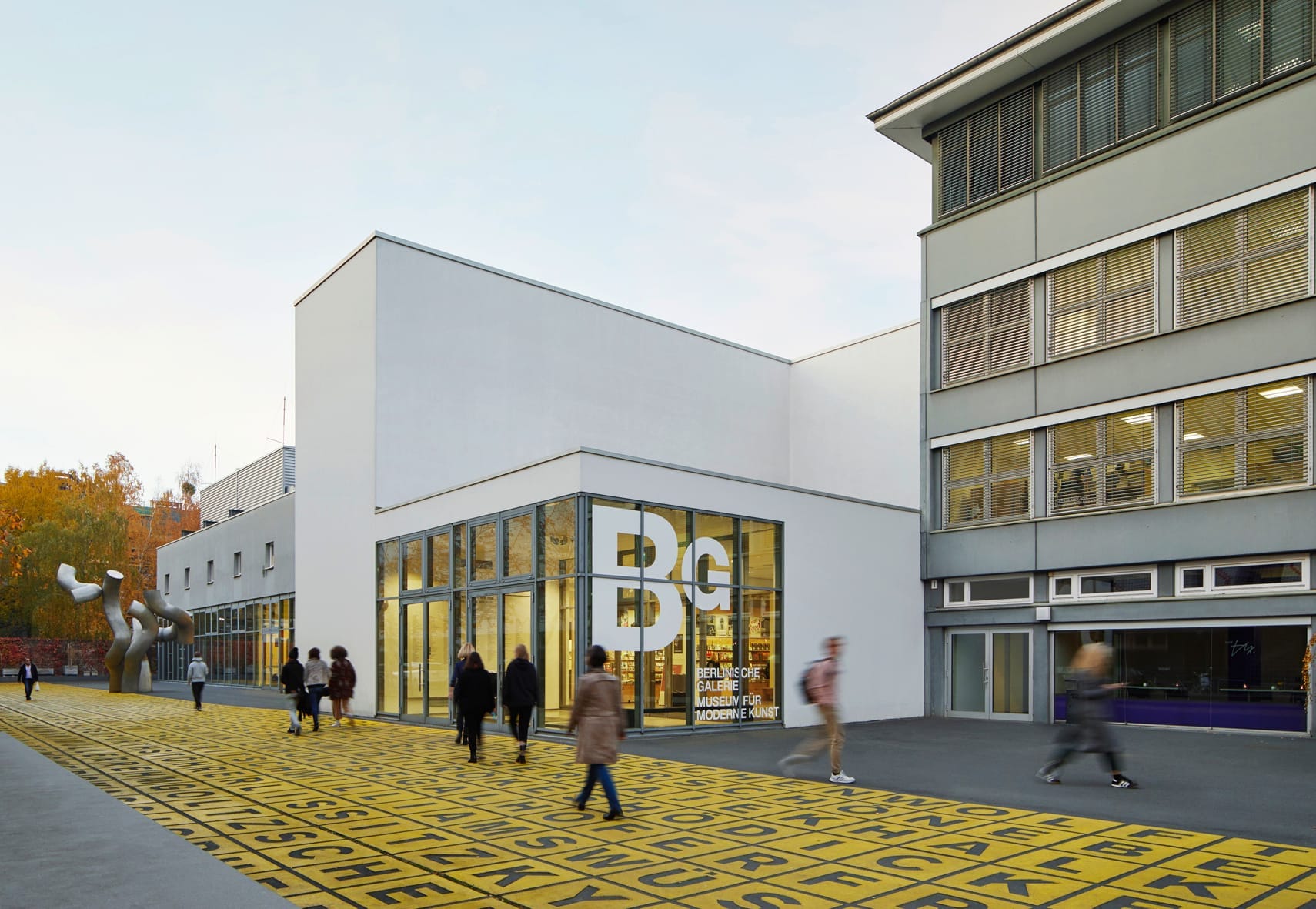
7. Trace Berlin's Own Art History at the Berlinische Galerie
This Kreuzberg museum focuses exclusively on art made in Berlin from 1870 to today — painting, photography, architecture. It gives essential local context that international collections miss, and the converted glass warehouse space is excellent.
Explore7. Trace Berlin's Own Art History at the Berlinische Galerie
This Kreuzberg museum focuses exclusively on art made in Berlin from 1870 to today — painting, photography, architecture. It gives essential local context that international collections miss, and the converted glass warehouse space is excellent.
ExploreHistory Museums: From Ancient Germany to the Cold War
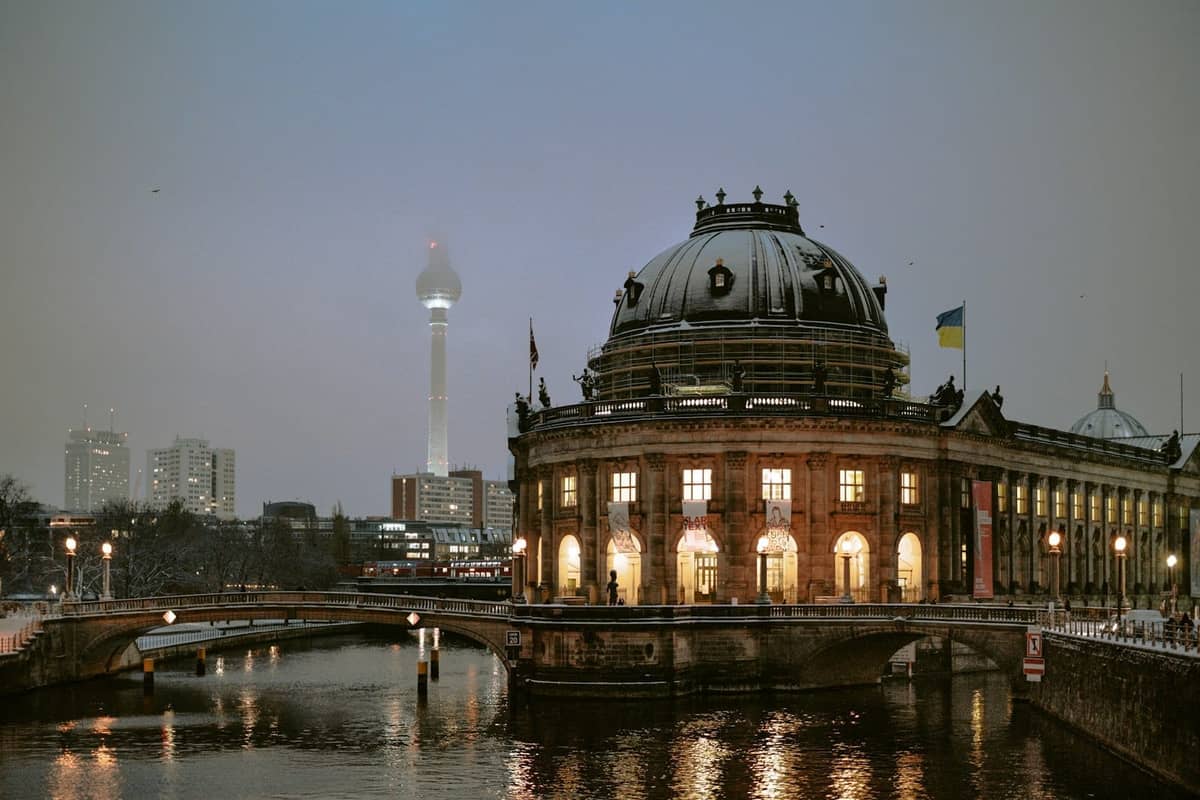
Berlin's history is compressed and extreme: Prussian empire, Nazi terror, total destruction, Cold War division, and reunification, all within a century. The city's history museums are unusually candid and serious about this past. For a focused exploration of the Wall specifically, our Berlin Wall guide and Cold War Berlin guide go deeper than any single museum visit can.
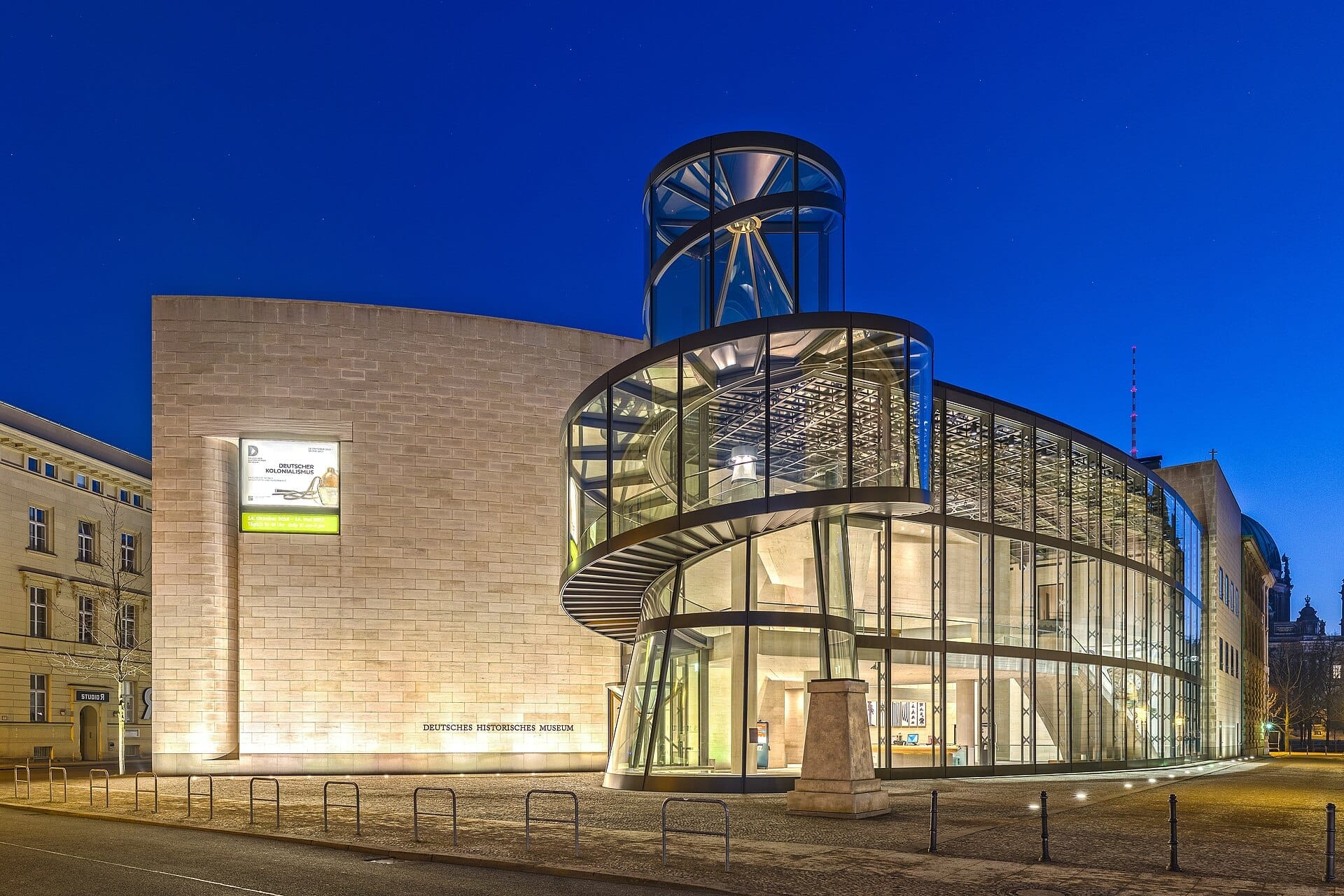
8. Walk Through 2,000 Years of German History at the Deutsches Historisches Museum
The national history museum on Unter den Linden covers Roman-era Germany through reunification. The permanent collection is vast; allow three hours. The I.M. Pei spiral annex, used for temporary shows, is an architectural highlight on its own.
Explore8. Walk Through 2,000 Years of German History at the Deutsches Historisches Museum
The national history museum on Unter den Linden covers Roman-era Germany through reunification. The permanent collection is vast; allow three hours. The I.M. Pei spiral annex, used for temporary shows, is an architectural highlight on its own.
Explore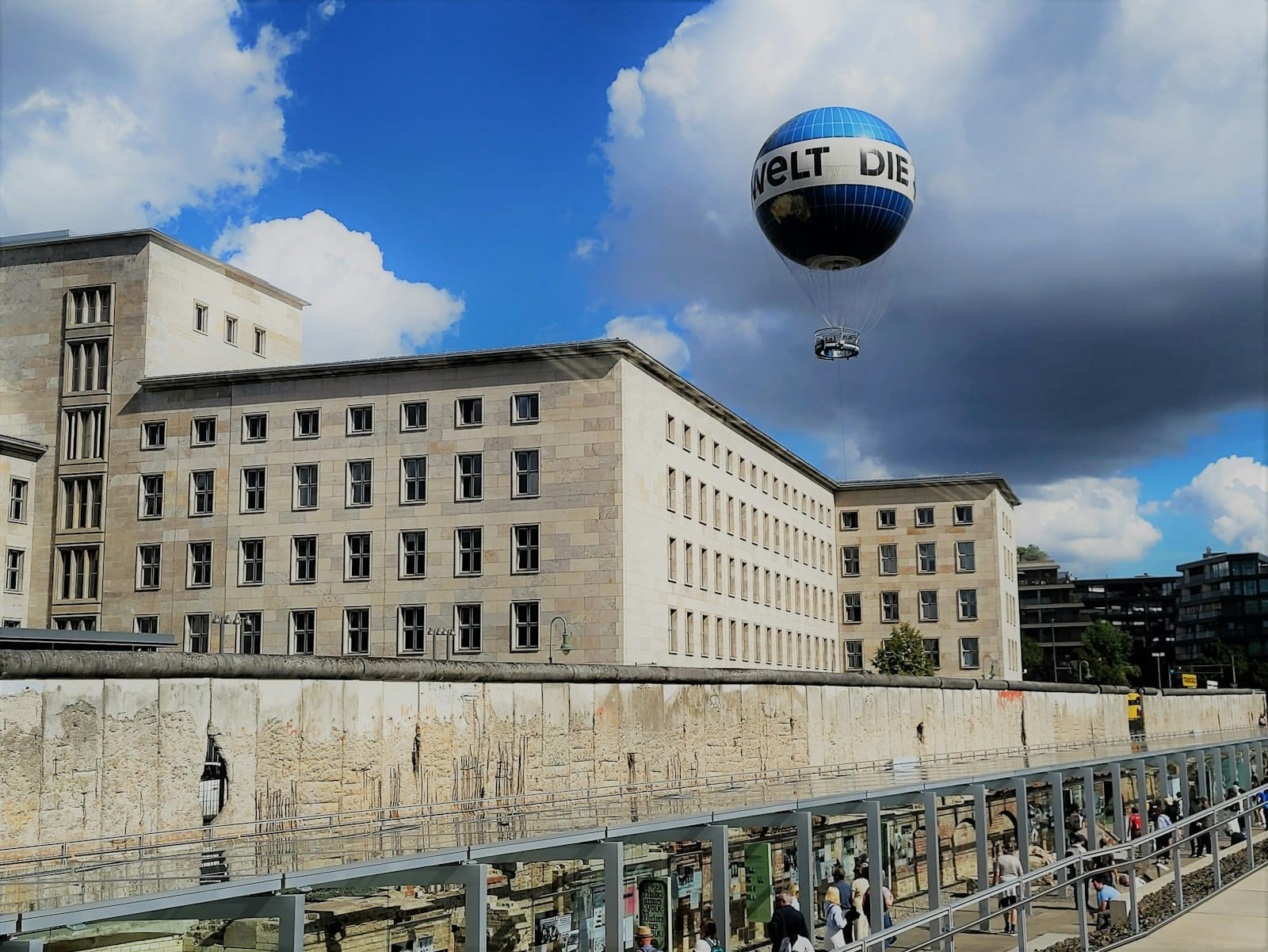
9. Confront Nazi Terror at Its Source: Topography of Terror
Built directly on the former Gestapo and SS headquarters, this free documentation center presents the Nazi terror apparatus with unflinching detail. The outdoor wall section adds physical context. Allow 90 minutes and go early to avoid groups.
Explore9. Confront Nazi Terror at Its Source: Topography of Terror
Built directly on the former Gestapo and SS headquarters, this free documentation center presents the Nazi terror apparatus with unflinching detail. The outdoor wall section adds physical context. Allow 90 minutes and go early to avoid groups.
Explore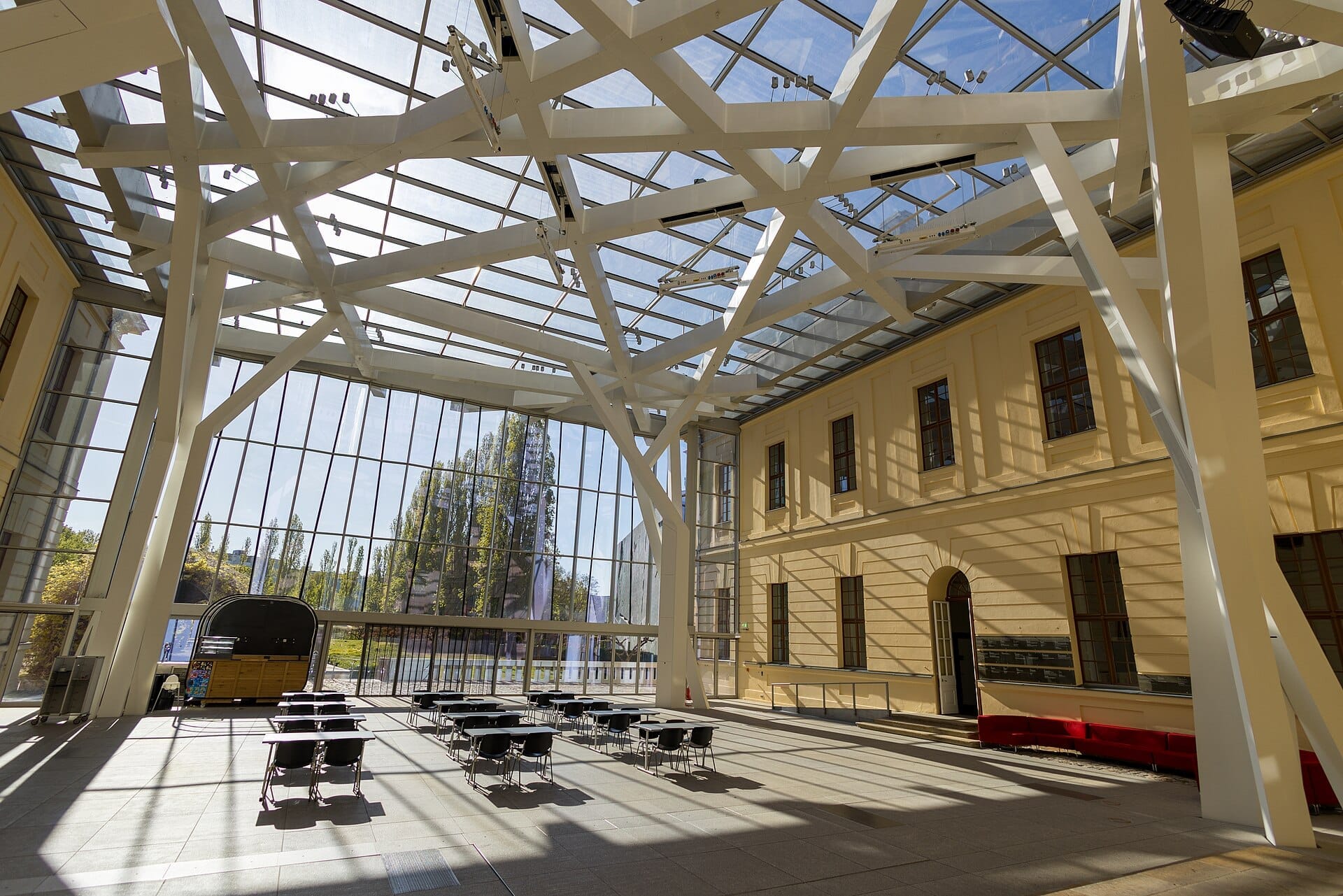
10. Experience Libeskind's Masterpiece at the Jewish Museum Berlin
The zinc-clad building with its slanting floors, voids, and Holocaust Tower is architecture as emotional argument. The core exhibition covering 2,000 years of Jewish life in Germany is free. Open Tue–Sun, 10am–6pm; last admission 5pm.
Explore10. Experience Libeskind's Masterpiece at the Jewish Museum Berlin
The zinc-clad building with its slanting floors, voids, and Holocaust Tower is architecture as emotional argument. The core exhibition covering 2,000 years of Jewish life in Germany is free. Open Tue–Sun, 10am–6pm; last admission 5pm.
Explore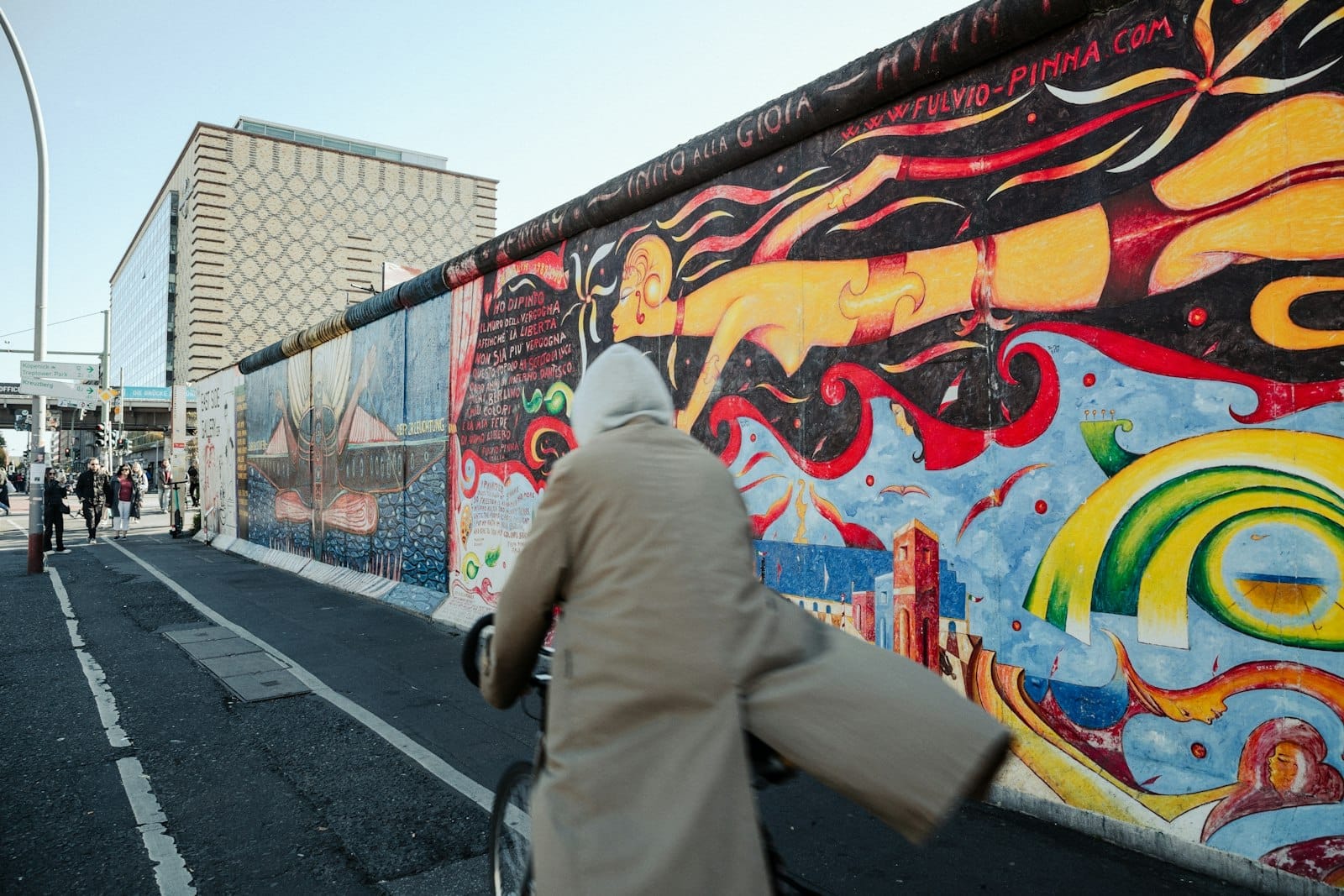
11. Understand the Wall's Human Cost at Bernauer Strasse
The most complete Berlin Wall memorial site: preserved death strip, watchtowers, and tunnels along Bernauer Strasse, with a documentation center explaining escape attempts and the lives divided by the barrier. Free to visit; allow two hours.
Explore11. Understand the Wall's Human Cost at Bernauer Strasse
The most complete Berlin Wall memorial site: preserved death strip, watchtowers, and tunnels along Bernauer Strasse, with a documentation center explaining escape attempts and the lives divided by the barrier. Free to visit; allow two hours.
Explore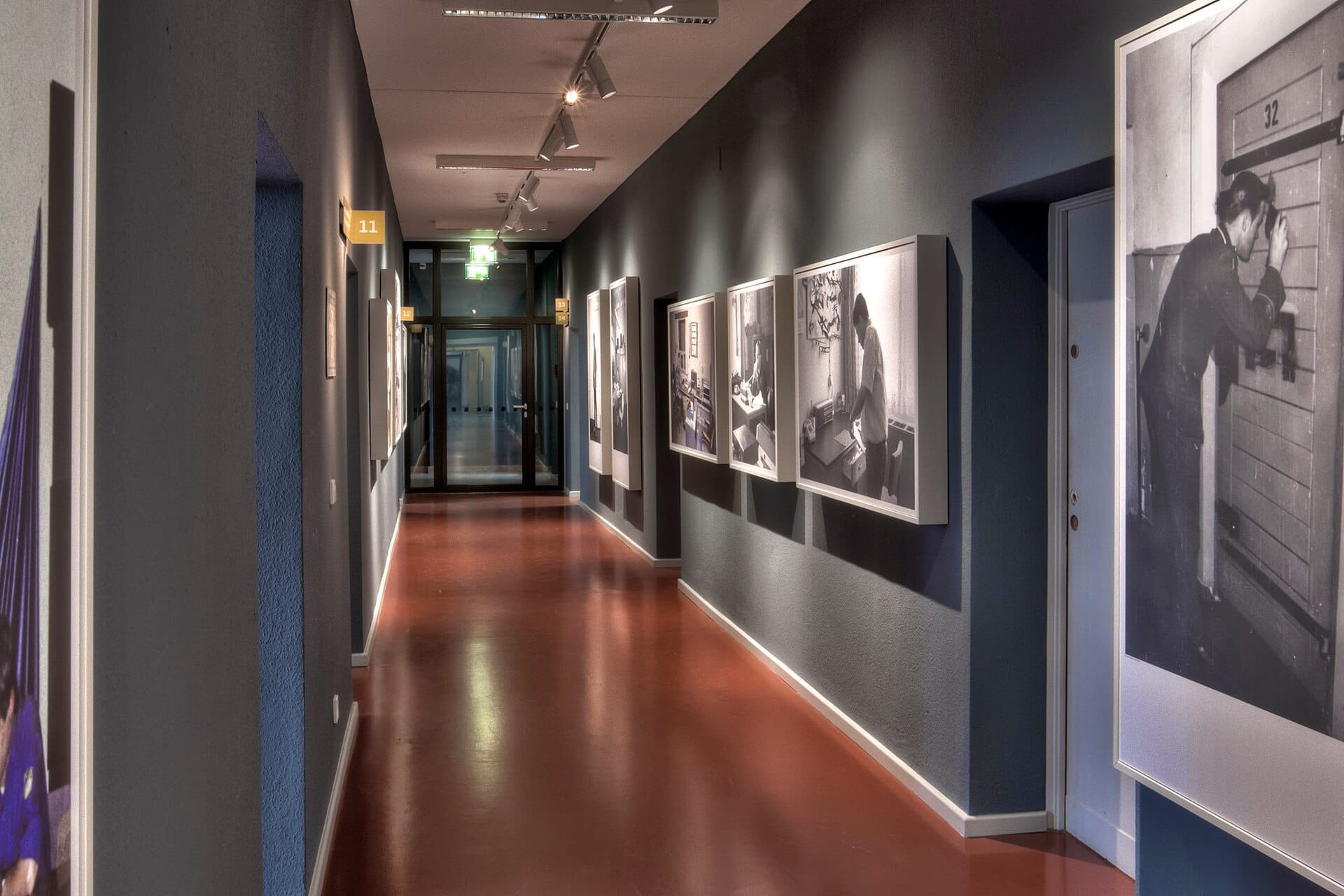
12. Walk Through the Actual Stasi Headquarters in Friedrichshain
Erich Mielke's real office, preserved almost exactly as he left it, sits inside this vast surveillance ministry complex. The exhibits on wiretapping, informant networks, and mail-opening reveal the scope of one of history's most intrusive secret police operations.
Explore12. Walk Through the Actual Stasi Headquarters in Friedrichshain
Erich Mielke's real office, preserved almost exactly as he left it, sits inside this vast surveillance ministry complex. The exhibits on wiretapping, informant networks, and mail-opening reveal the scope of one of history's most intrusive secret police operations.
Explore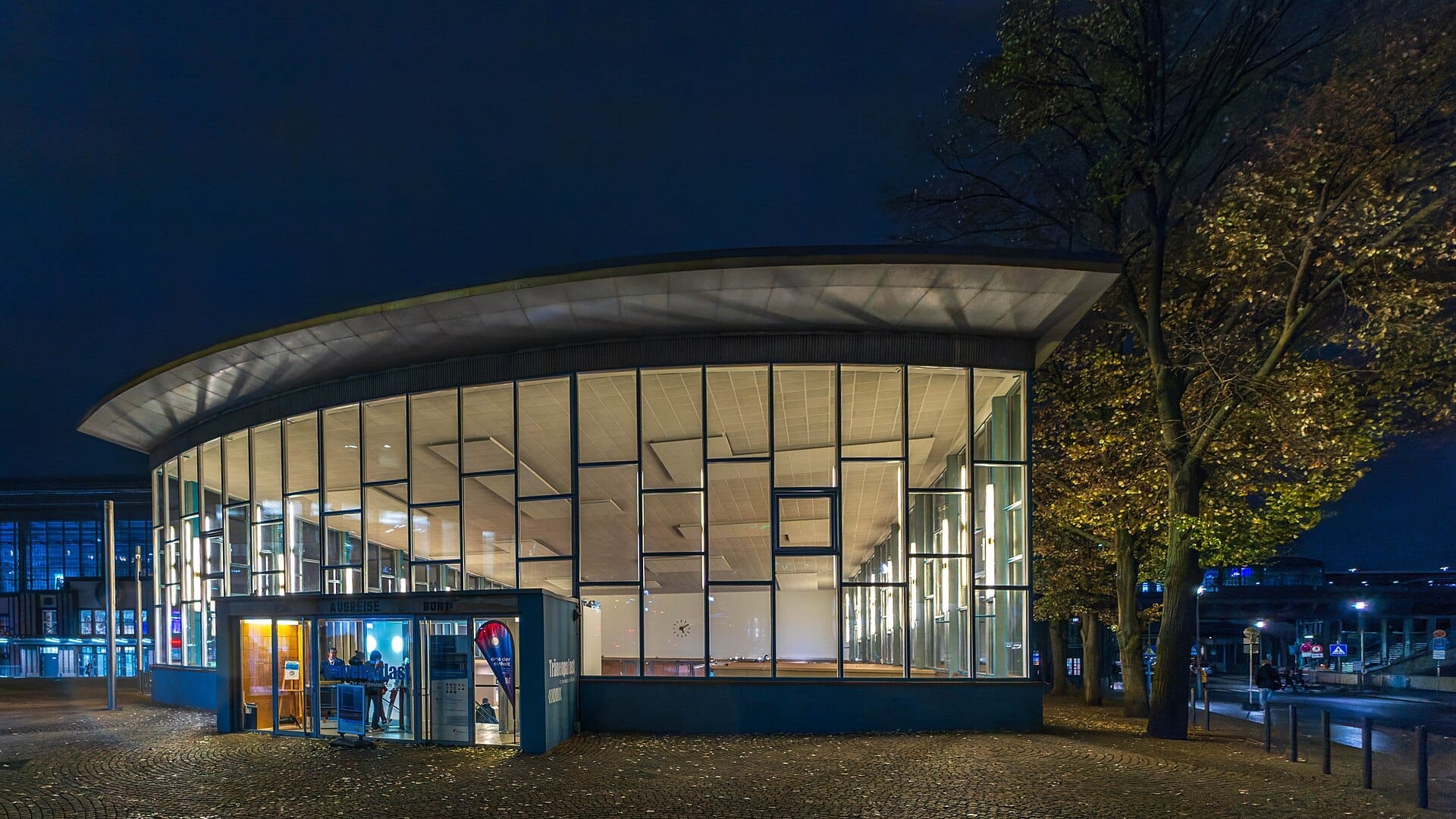
13. Visit the Palace of Tears: Where Families Said Goodbye
The former East German border crossing at Friedrichstraße station is now a free museum about the daily human cost of division. Small but deeply moving, with personal testimonies and original checkpoint infrastructure. Takes about 45 minutes.
Explore13. Visit the Palace of Tears: Where Families Said Goodbye
The former East German border crossing at Friedrichstraße station is now a free museum about the daily human cost of division. Small but deeply moving, with personal testimonies and original checkpoint infrastructure. Takes about 45 minutes.
Explore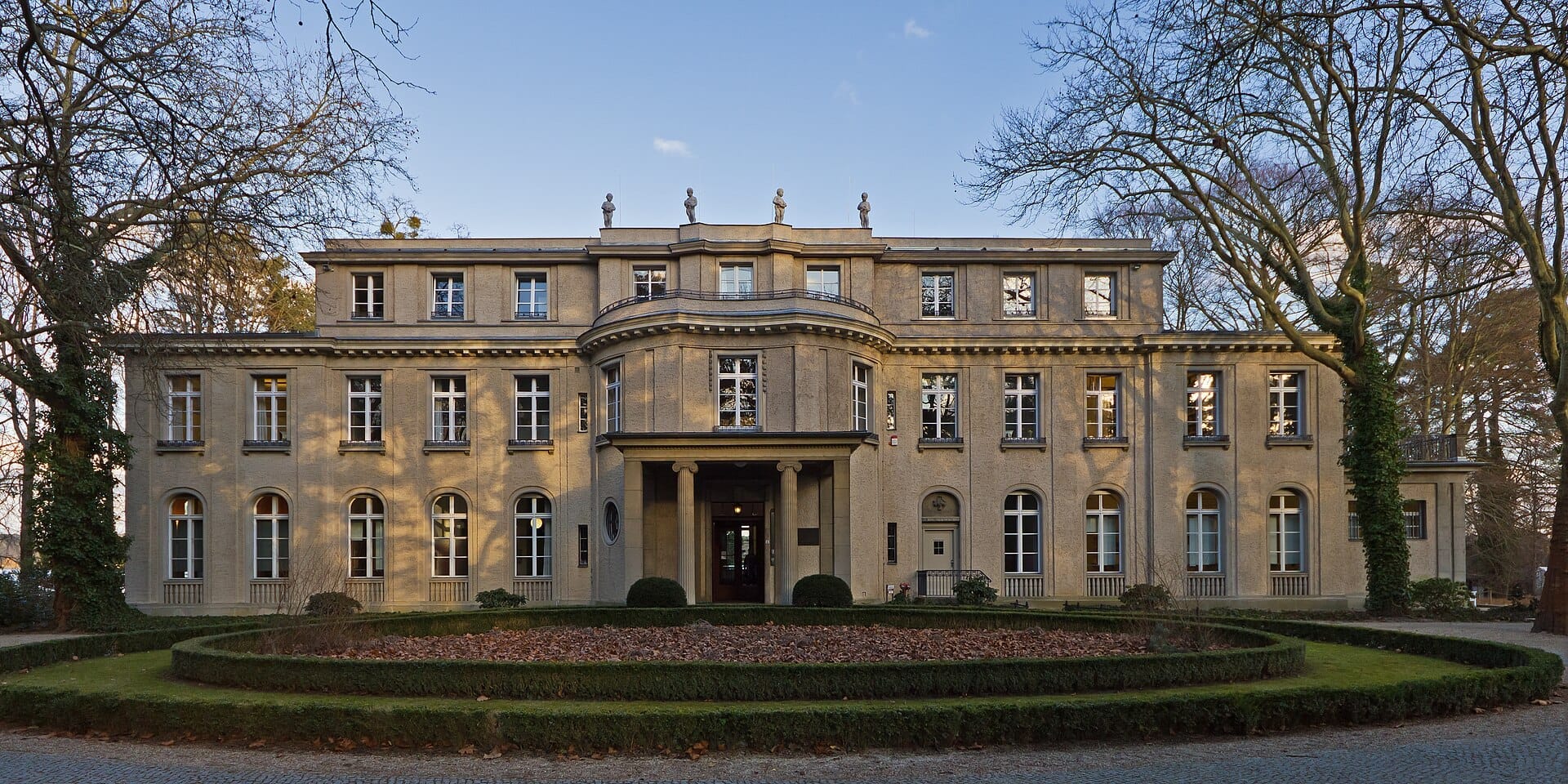
14. Reckon with the Wannsee Villa Where the Holocaust Was Planned
In January 1942, fifteen Nazi officials met in this lakeside villa to coordinate the systematic murder of European Jews. The documentation center presents the meeting's minutes in full. One of the most historically significant and sobering sites in Germany.
Explore14. Reckon with the Wannsee Villa Where the Holocaust Was Planned
In January 1942, fifteen Nazi officials met in this lakeside villa to coordinate the systematic murder of European Jews. The documentation center presents the meeting's minutes in full. One of the most historically significant and sobering sites in Germany.
ExploreInteractive and Family-Friendly Museums
Several of Berlin's best museums work especially well for families and curious visitors who prefer hands-on engagement. For a broader family itinerary, our Berlin with kids guide covers parks, zoos, and day trips alongside these museum picks.
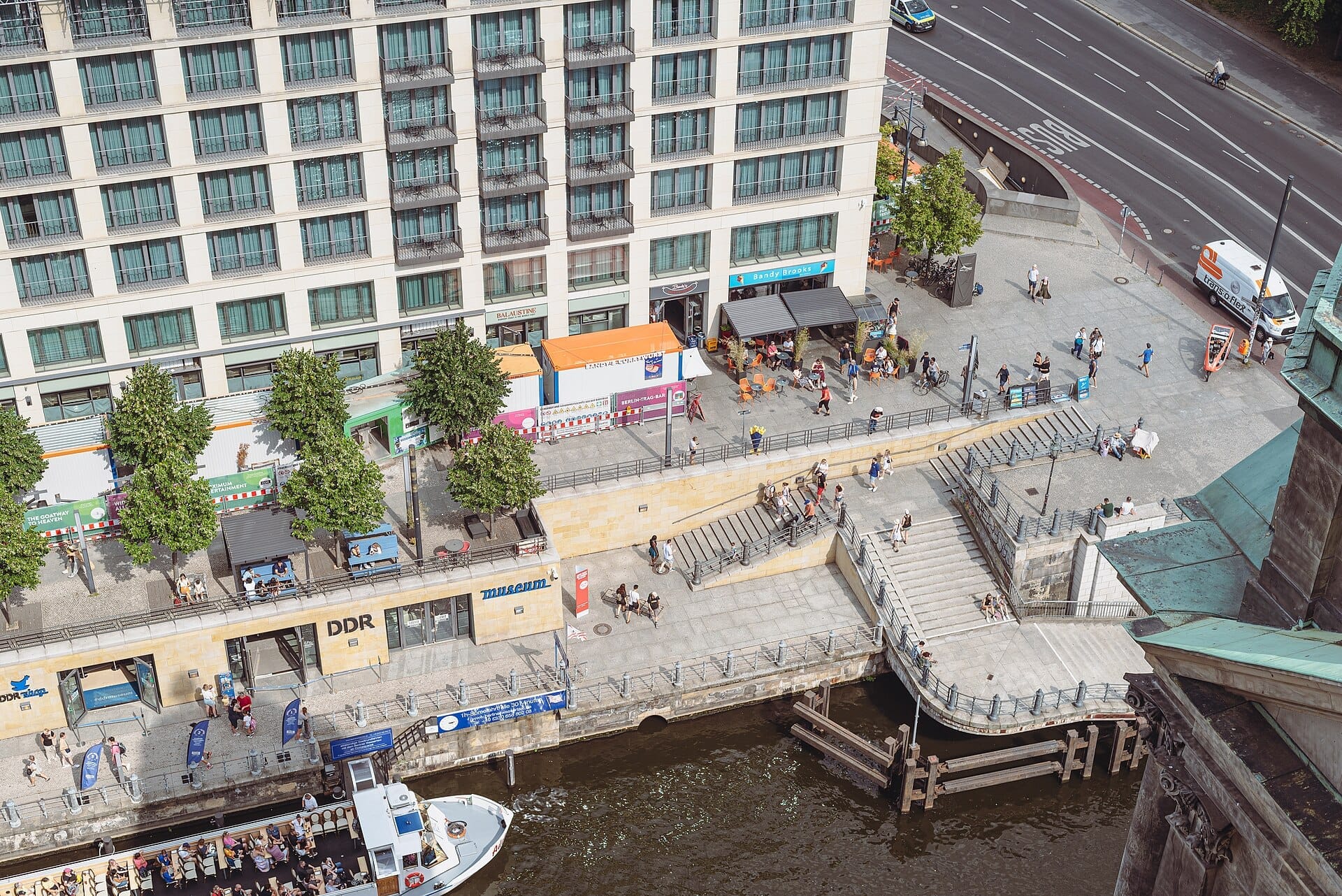
15. Climb Inside a Trabant at the DDR Museum
Sit in a Trabant, browse a surveillance-bugged apartment, and flip through GDR photo albums at this interactive Spree-side museum. It is one of Berlin's most accessible history experiences. Arrive early or book online; it fills up fast on weekends.
Explore15. Climb Inside a Trabant at the DDR Museum
Sit in a Trabant, browse a surveillance-bugged apartment, and flip through GDR photo albums at this interactive Spree-side museum. It is one of Berlin's most accessible history experiences. Arrive early or book online; it fills up fast on weekends.
Explore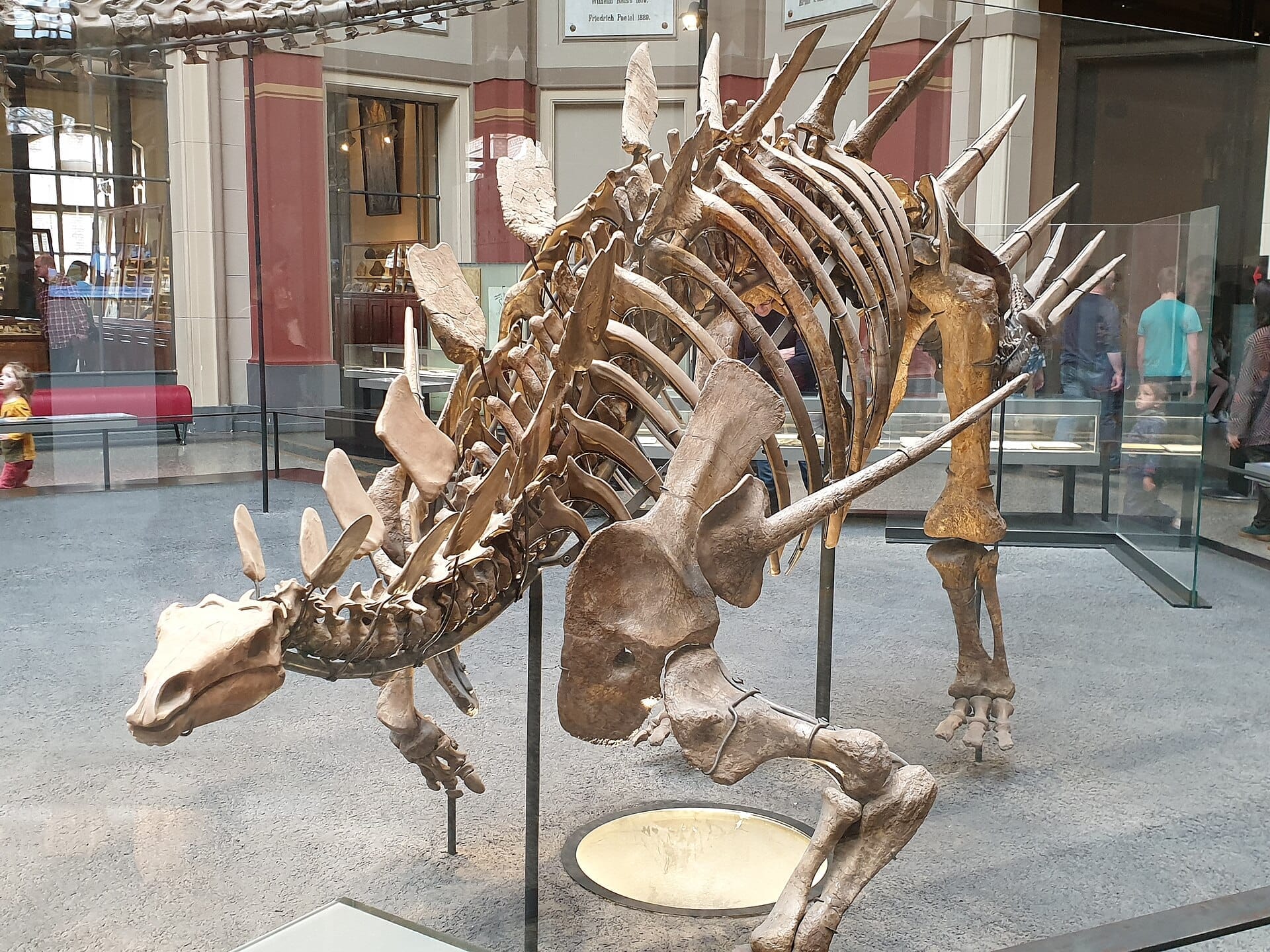
16. Stand Under the World's Largest Mounted Dinosaur Skeleton
A 13-meter Brachiosaurus dominates the central hall of this exceptional natural history museum in Mitte. Beyond dinosaurs: minerals, taxidermy, fossils, and the famous stuffed polar bear Knut. Plan 90 minutes and book tickets in advance on busy days.
Explore16. Stand Under the World's Largest Mounted Dinosaur Skeleton
A 13-meter Brachiosaurus dominates the central hall of this exceptional natural history museum in Mitte. Beyond dinosaurs: minerals, taxidermy, fossils, and the famous stuffed polar bear Knut. Plan 90 minutes and book tickets in advance on busy days.
Explore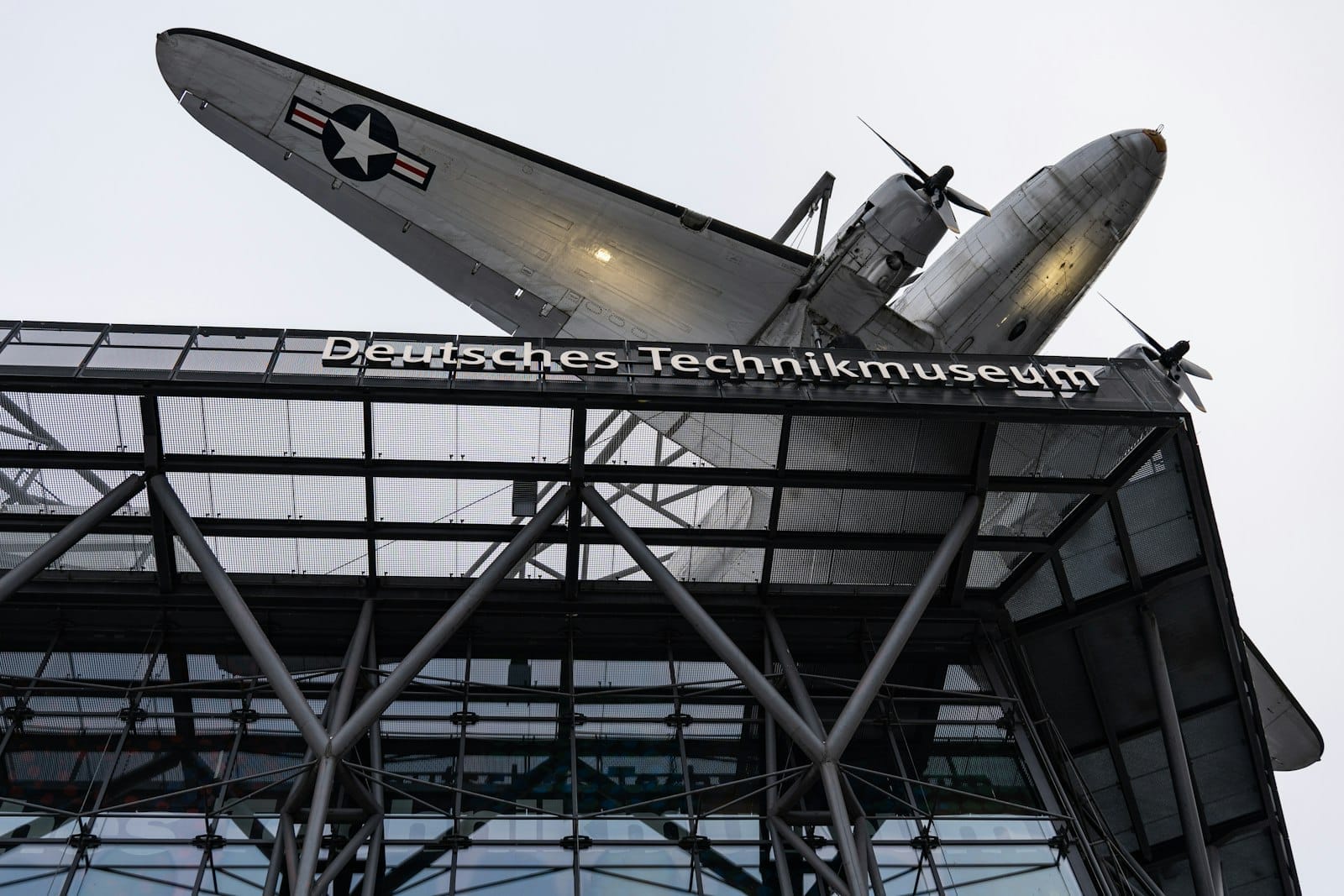
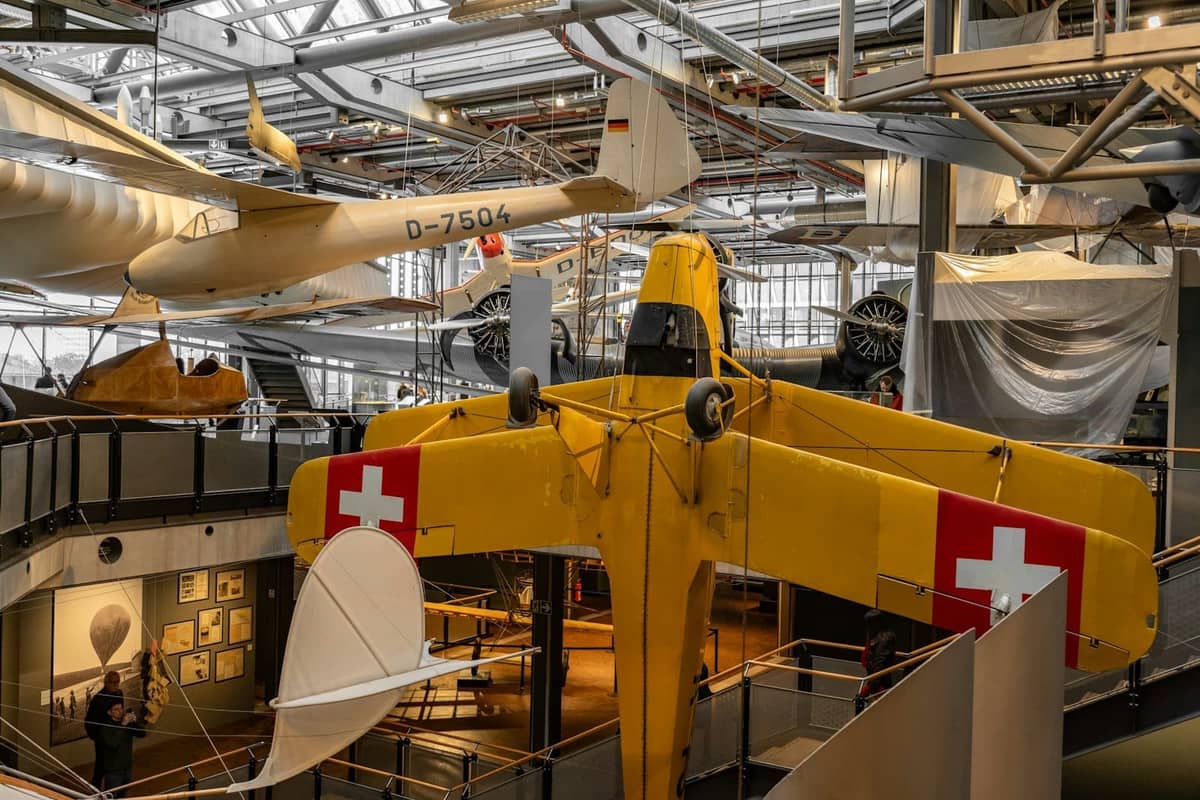
17. Explore Locomotives, Aircraft, and Ships at the Technikmuseum
Full-size planes suspended from ceilings, working steam engines, and a Spitfire on the roof make this Kreuzberg science museum genuinely spectacular. Particularly strong on transport history. Hands-on sections keep children engaged for a full afternoon.
Explore17. Explore Locomotives, Aircraft, and Ships at the Technikmuseum
Full-size planes suspended from ceilings, working steam engines, and a Spitfire on the roof make this Kreuzberg science museum genuinely spectacular. Particularly strong on transport history. Hands-on sections keep children engaged for a full afternoon.
ExploreArchitectural Landmarks That Double as Museums
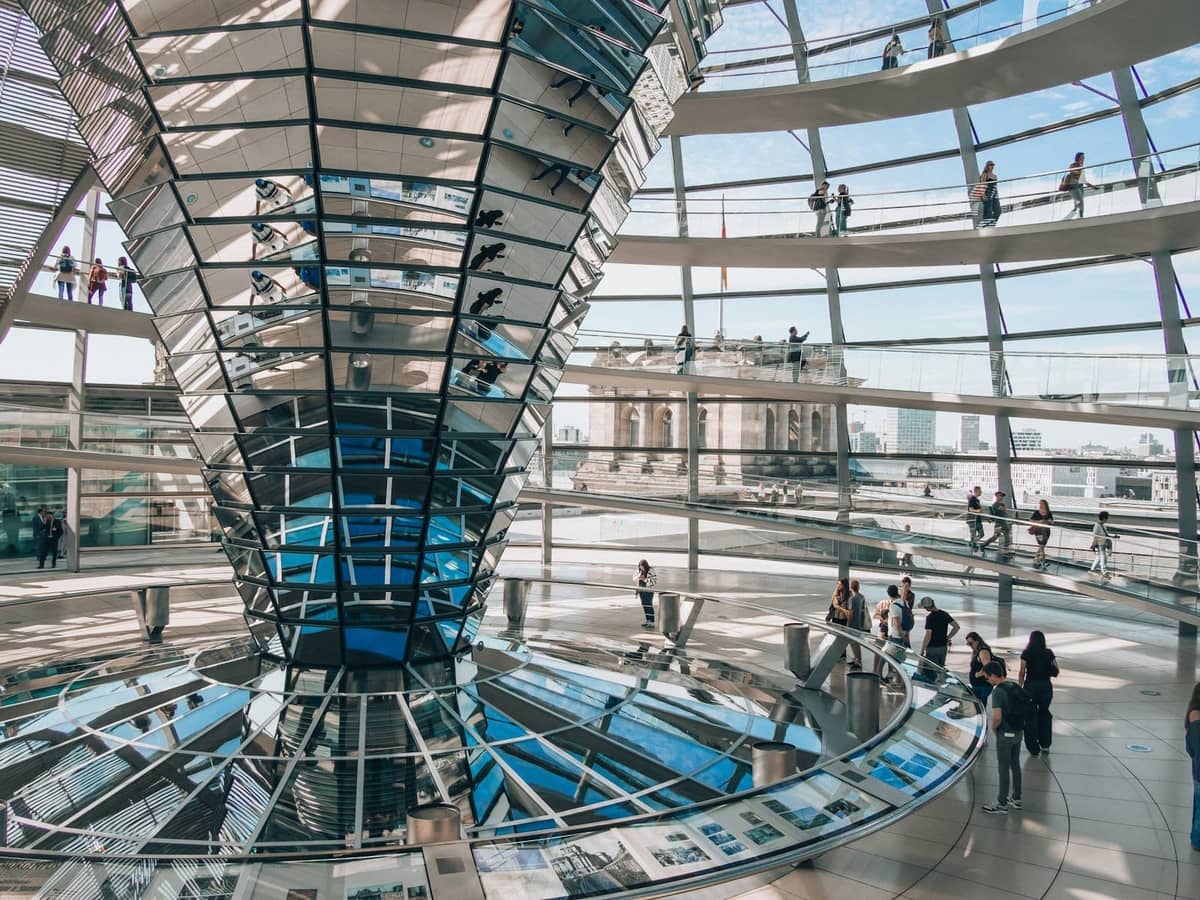
Some of Berlin's most important museum experiences are inseparable from the buildings themselves. The Reichstag dome visit, the Charlottenburg Palace state apartments, and the Humboldt Forum all deliver architecture and collection in equal measure.
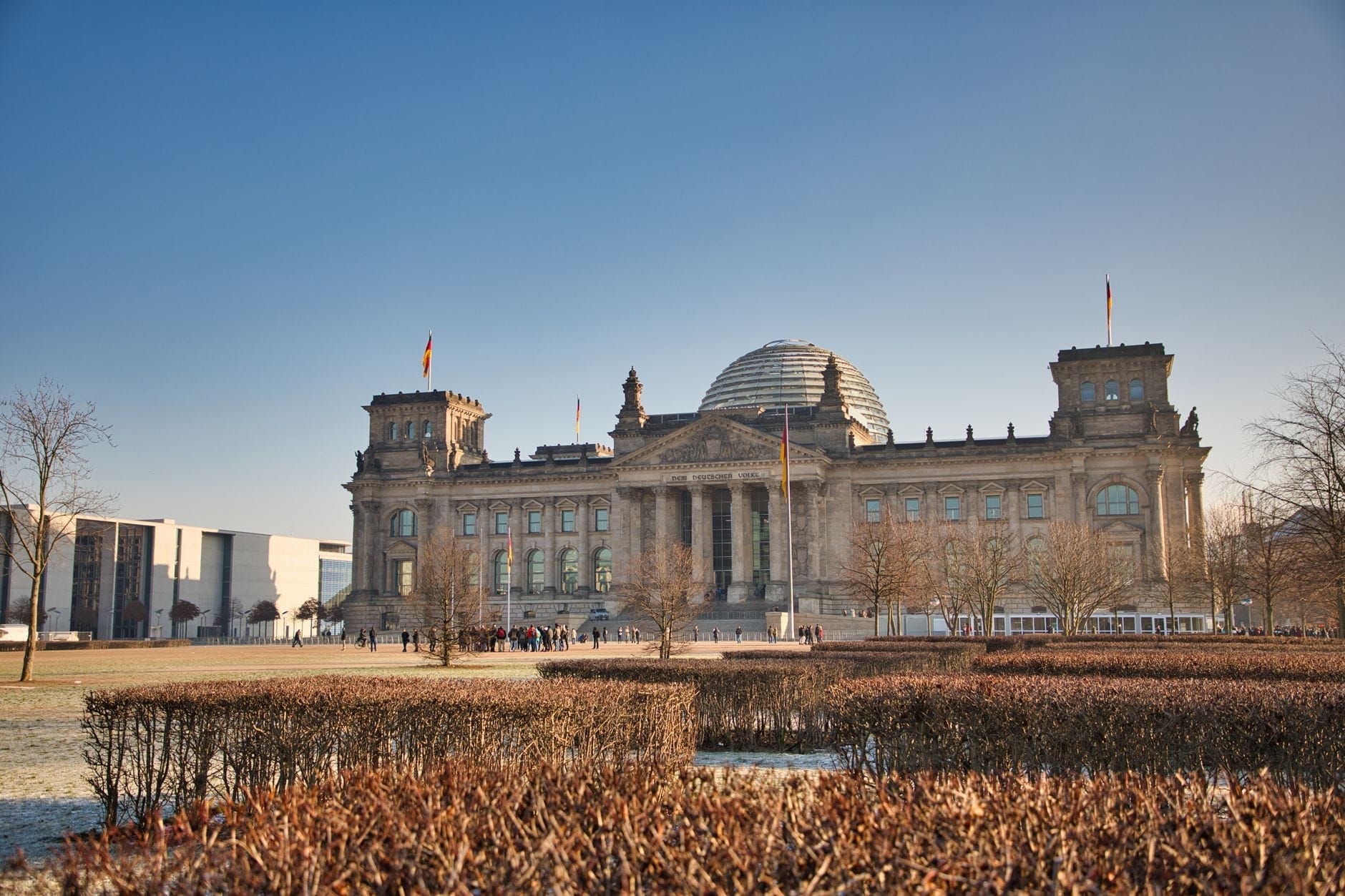
18. Climb Norman Foster's Glass Dome at the Reichstag
The free rooftop dome visit at Germany's parliament building offers panoramic city views and an audio guide explaining the political history below. Advance registration online is mandatory. The rooftop restaurant requires a separate booking.
Explore18. Climb Norman Foster's Glass Dome at the Reichstag
The free rooftop dome visit at Germany's parliament building offers panoramic city views and an audio guide explaining the political history below. Advance registration online is mandatory. The rooftop restaurant requires a separate booking.
Explore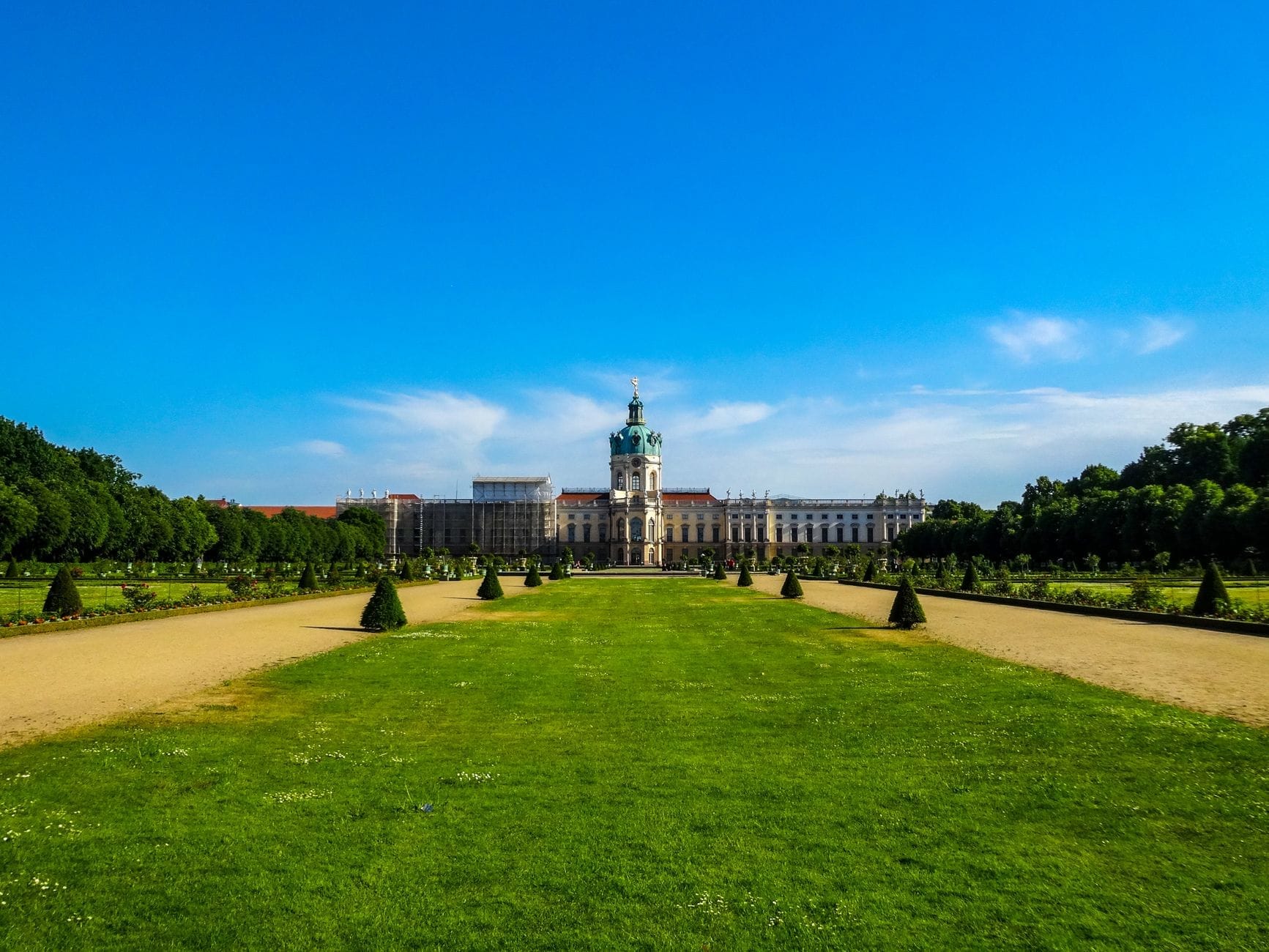
19. Tour the Baroque State Apartments of Charlottenburg Palace
Berlin's grandest royal palace has lavishly decorated interiors including Frederick the Great's Golden Gallery and a porcelain chamber. The museum collections span 300 years of Hohenzollern taste. The gardens are free to walk and worth an hour on their own.
Explore19. Tour the Baroque State Apartments of Charlottenburg Palace
Berlin's grandest royal palace has lavishly decorated interiors including Frederick the Great's Golden Gallery and a porcelain chamber. The museum collections span 300 years of Hohenzollern taste. The gardens are free to walk and worth an hour on their own.
Explore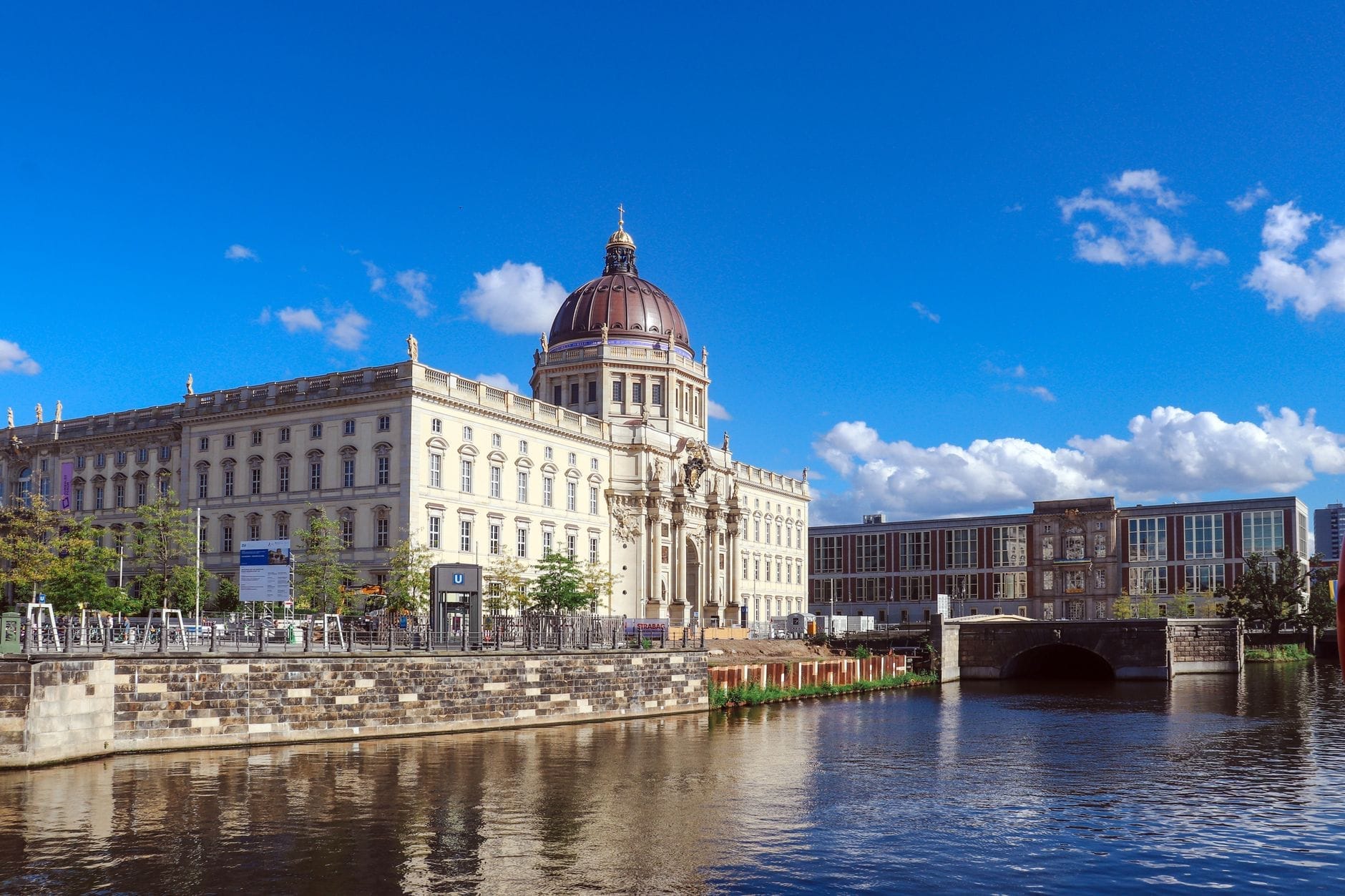
20. Explore World Cultures in the Reconstructed Berlin Palace
The rebuilt Baroque palace in central Mitte now houses ethnological and Asian art collections alongside temporary exhibitions. The rooftop terrace gives excellent views over Museum Island and the Dom. Entry to some areas is free; others require tickets.
Explore20. Explore World Cultures in the Reconstructed Berlin Palace
The rebuilt Baroque palace in central Mitte now houses ethnological and Asian art collections alongside temporary exhibitions. The rooftop terrace gives excellent views over Museum Island and the Dom. Entry to some areas is free; others require tickets.
Explore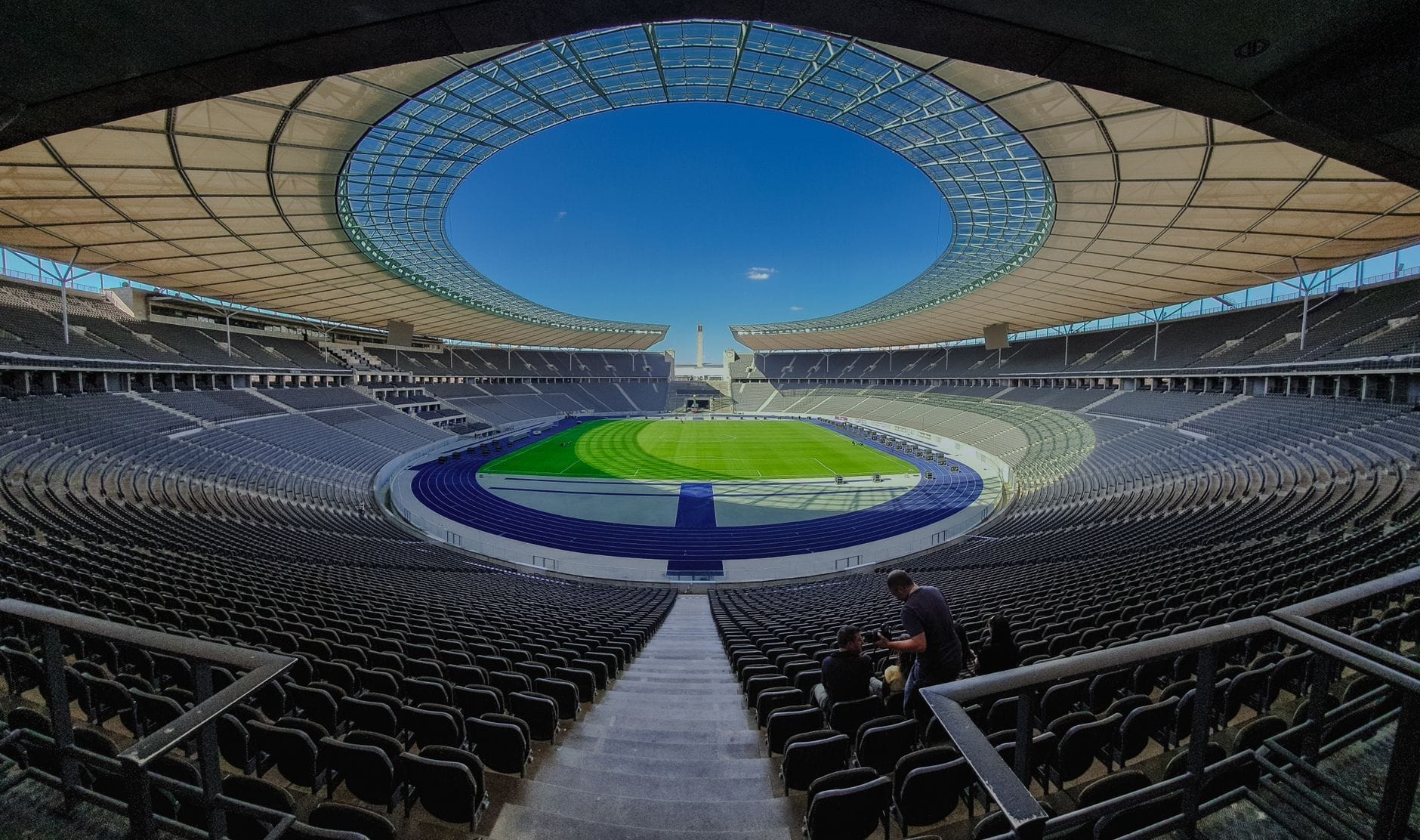
21. Tour the Controversial 1936 Olympic Stadium
The neoclassical stadium built for Hitler's Olympics is still a fully functioning venue, and guided tours engage directly with its history. Jesse Owens won four gold medals here in front of a crowd that included the Nazi leadership. Tours run daily.
Explore21. Tour the Controversial 1936 Olympic Stadium
The neoclassical stadium built for Hitler's Olympics is still a fully functioning venue, and guided tours engage directly with its history. Jesse Owens won four gold medals here in front of a crowd that included the Nazi leadership. Tours run daily.
ExploreFAQ
What is the best museum in Berlin?
For ancient history, the Neues Museum with the Nefertiti bust is unmissable. For modern art, the Hamburger Bahnhof. For 20th-century history, the German Historical Museum covers the broadest ground. If you only have one day, Museum Island gives you the highest density of world-class collections in one place.
Is the Pergamon Museum open in 2026?
The Pergamon Museum's main hall, including the Pergamon Altar, is closed for major renovation until 2027. A special panorama exhibition is open in its place during the closure. The rest of Museum Island is fully open.
Which Berlin museums are free to enter?
The Topography of Terror, the Palace of Tears (Tränenpalast), and the Berlin Wall Memorial documentation center are all free. The Jewish Museum Berlin offers free access to some public areas and events, but the core exhibition requires a paid ticket. The Humboldt Forum offers free access to some areas. Many state museums offer free entry on specific days or for under-18s.
How many days do I need to visit Berlin's museums properly?
Museum Island alone justifies two full days if you want to do it properly. Add the Jewish Museum, Topography of Terror, and Stasi Museum, and you need at least four museum-focused days. For a condensed overview, our 3-day Berlin itinerary covers the most essential stops across the whole city.
Do Berlin museums close on Mondays?
Yes, many Berlin museums are closed on Mondays, including the Gemäldegalerie. The Neue Nationalgalerie and Hamburger Bahnhof are closed on Tuesdays instead. The Topography of Terror and DDR Museum are exceptions and stay open seven days a week. Always check the individual museum's website before planning your visit.