Museum Island Berlin: The Complete Visitor Guide
Museum Island is one of Europe's great cultural concentrations: five world-class museums on a sliver of land in the heart of Berlin, all within a UNESCO World Heritage Site. This guide covers every practical detail you need to make the most of a visit, from tickets and timing to which collections are worth your time.
Plan and book this trip
Tools from our partner Travelpayouts help you compare flights and hotels. If you book through them, we may earn a commission at no extra cost to you.
Flights
Hotels map
TL;DR
- Museum Island holds five major museums: Altes Museum, Neues Museum, Alte Nationalgalerie, Bode Museum, and the Pergamon Museum.
- The Museum Island day ticket costs €24 and covers all five museums on a single calendar day — not a rolling 24-hour window.
- All museums are closed on Mondays, except the Bode Museum, which is also closed on Tuesdays. Core hours are Tuesday to Sunday, 10:00–18:00, but individual houses vary.
- The Pergamon Museum is partially closed during ongoing reconstruction; check the Pergamon Museum page for current access details before you visit.
- For broader context, pair a Museum Island visit with the best museums in Berlin guide to plan the rest of your cultural itinerary.
What Is Museum Island?
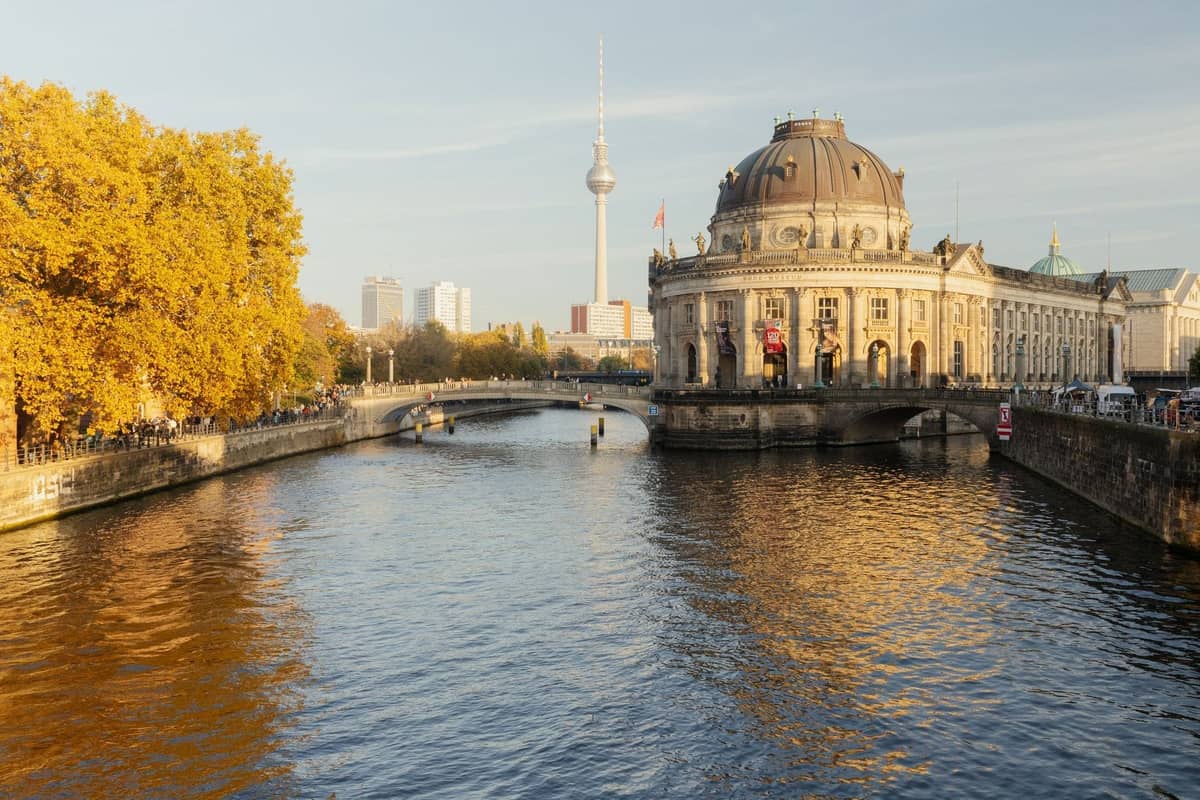
Museum Island (Museumsinsel in German) is a UNESCO World Heritage Site located on the northern tip of the Spree Island in Berlin Mitte. Five state-owned museums are clustered here within walking distance of each other, collectively managed by the Staatliche Museen zu Berlin (State Museums of Berlin). The ensemble took around 130 years to build, with construction running from the early 19th century through to 1930.
The island sits between two arms of the Spree River, directly behind the Berlin Cathedral and a short walk from Unter den Linden. This is not one combined museum with a single ticket gate: each building has its own entrance, its own permanent collection, and its own temporary exhibitions. Visitors frequently make the mistake of assuming one afternoon is enough. For serious museum-goers, two full days is a more realistic plan.
The surrounding area is rich with other major sights. The Berlin Cathedral stands immediately adjacent, and the Humboldt Forum is directly across the water on the other side of the Schlossbrücke. The Hackescher Markt S-Bahn station is roughly a 10-minute walk north, making the area easy to reach from most parts of the city.
The Five Museums: What Each One Offers
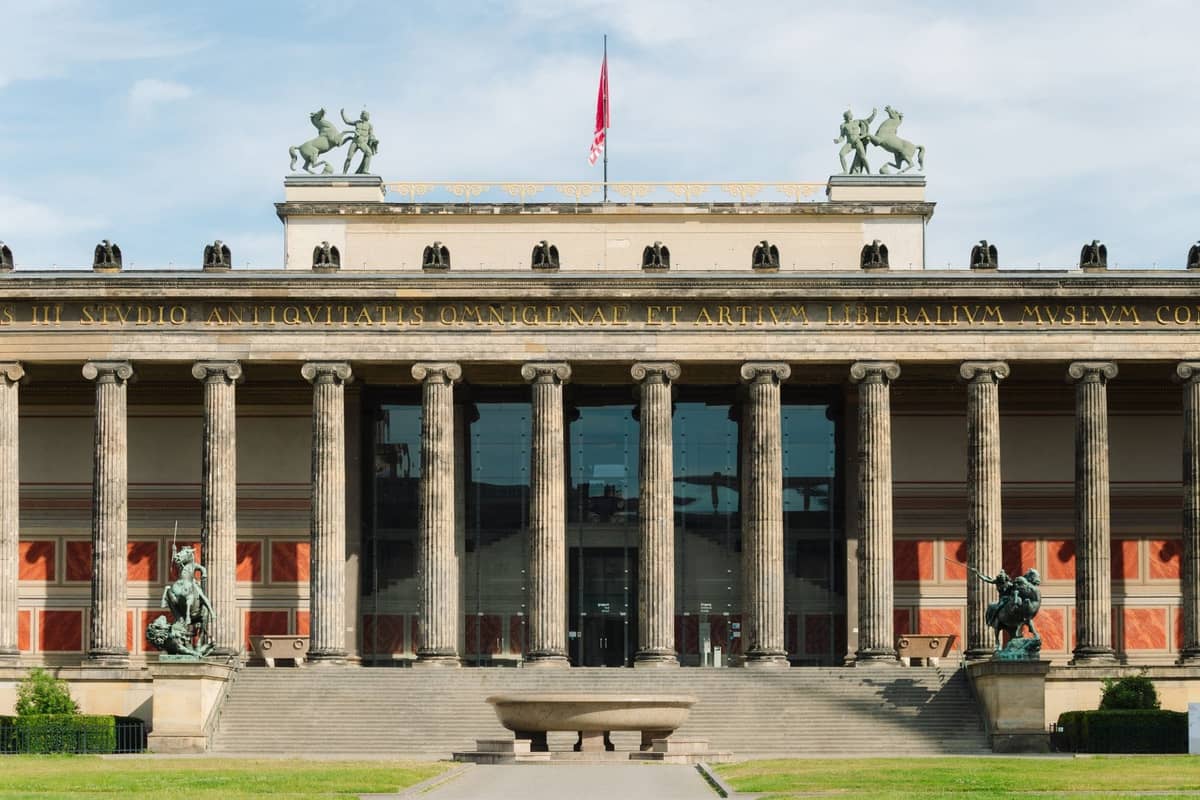
- Altes Museum The oldest building on the island (1830), designed by Karl Friedrich Schinkel. Focuses on Greek and Roman antiquities, including sculptures, ceramics, and coins. The neoclassical rotunda alone is worth walking in for. Good choice if you have limited time and want a tightly curated classical collection.
- Neues Museum Houses the Egyptian Collection and the Museum of Prehistory and Early History. The standout exhibit is the bust of Nefertiti, one of the most recognizable objects in world archaeology. David Chipperfield's restoration of the bombed-out building is itself a significant architectural statement. Expect queues for the Nefertiti room, particularly between 11:00 and 14:00.
- Alte Nationalgalerie 19th-century European painting and sculpture across six floors. Strong on German Romanticism — Caspar David Friedrich and Karl Friedrich Schinkel feature prominently — alongside French Impressionists and Realists. The building's temple-like exterior on a raised podium is one of the most photogenic on the island.
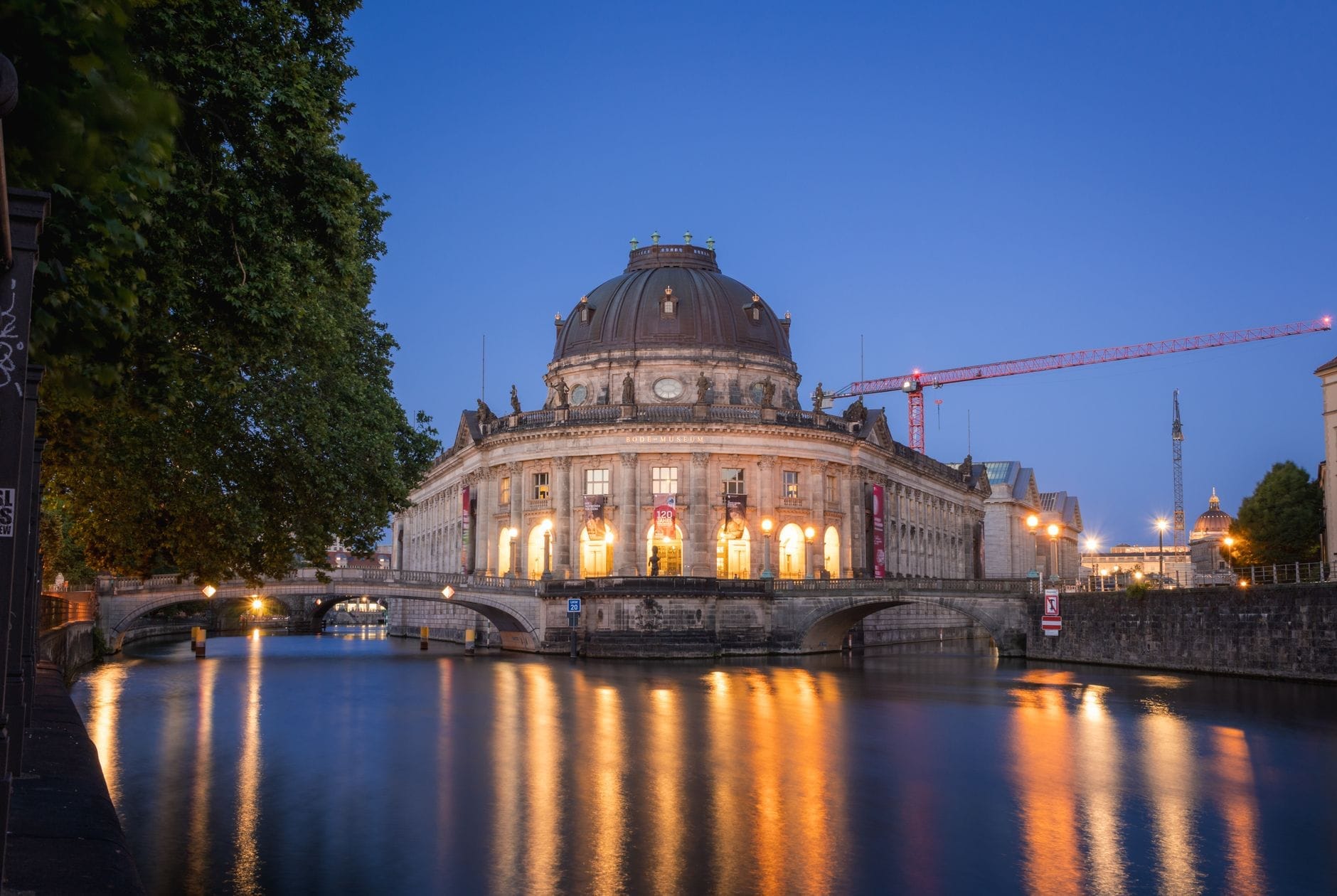
- Bode Museum Located at the northern tip of the island, this building houses the Sculpture Collection, the Museum of Byzantine Art, and the Coin Cabinet. Less visited than the Neues or Pergamon, which means it is often quieter. The barrel-vaulted interiors and the building's dramatic position where the two Spree arms meet make it architecturally distinctive.
- Pergamon Museum Historically the island's most popular draw, built to house monumental architectural reconstructions including the Pergamon Altar and the Ishtar Gate of Babylon. Important caveat: the Pergamon is undergoing a major multi-year renovation. The Pergamon Altar hall is closed until approximately 2027. Check the Staatliche Museen website before visiting to confirm which sections are accessible.
⚠️ What to skip
The Pergamon Museum's main building, including the hall containing the Pergamon Altar and the north wing with the Ishtar Gate and the Museum of Islamic Art, is closed for structural renovation and is expected to remain so until around 2037. Access is currently only via the separate temporary exhibition building "Pergamonmuseum. Das Panorama"; verify the current status at smb.museum before booking specifically for the Pergamon.
Tickets, Pricing, and What's Worth Buying
The Museum Island day ticket (Museumsinsel-Ticket) currently costs €19 for adults and allows entry to the Altes Museum, Neues Museum, Bode-Museum, Pergamonmuseum. Das Panorama, and Alte Nationalgalerie on a single calendar day. Reduced-price tickets (about €9.50) are available for eligible visitors. Children under 18 enter free. The day ticket is the best value if you plan to visit two or more museums, since individual museum entry typically runs around €10–14 per adult.
One important clarification: the day ticket is valid for one calendar day, not a rolling 24-hour period. If you buy it at 16:00, you cannot use it the following morning. Plan accordingly, especially if you arrive in the afternoon. Tickets can be purchased online in advance through visitBerlin or the Staatliche Museen website, or at the museum ticket desks. Online booking is strongly recommended during peak season (June to August) and around public holidays.
✨ Pro tip
Berlin Welcome Card holders and Berlin Museum Pass holders have different coverage rules — neither automatically includes Museum Island access without the specific Museum Island add-on. If you're planning a broader museum trip, check the Berlin Museum Pass (Museumspass Berlin), which covers three consecutive days across around 30 participating museums and often represents better value for a multi-day cultural itinerary.
If you're planning to hit several major sites across the city, it's worth reading our guide to the Berlin Welcome Card before deciding which pass makes the most financial sense for your trip.
Opening Hours, Getting There, and Practical Logistics
Core opening hours across the island are generally Tuesday to Sunday, roughly 10:00–18:00, though exact times vary by museum. Some museums offer extended evening hours on Thursdays, typically until 20:00 or slightly later. Most houses are closed on Mondays, and the Bode Museum is also closed on Tuesdays. Individual houses occasionally operate reduced or extended hours during holidays and special events, so checking the Staatliche Museen website before arrival is not optional — it's essential.
The official address is Bodestraße 1-3, 10178 Berlin. The nearest U-Bahn stop is U Museumsinsel on the U5 line, which now provides a direct connection from Hauptbahnhof in under 10 minutes. Bus lines 100 and 200, which run along Unter den Linden, also stop nearby. The S-Bahn Hackescher Markt stop on the S3, S5, S7, and S9 lines is around a 10-minute walk. Most museums offer step-free access and other facilities for visitors with reduced mobility, but you should check the specific accessibility information for each building.
💡 Local tip
Arrive at opening time (10:00) if you want the Neues Museum and the Nefertiti bust with minimal crowds. By 11:30, the main galleries are significantly busier, particularly on weekends and in summer. Weekday mornings in March, April, October, and November are the quietest overall — you can move through galleries at your own pace without queuing at entrances.
- U5 to U Museumsinsel: the most direct underground connection from Berlin Hauptbahnhof to Museum Island
- Bus 100 or 200 along Unter den Linden: useful if you're coming from Tiergarten or Zoo station
- S-Bahn to Hackescher Markt (S3/S5/S7/S9), then 10-minute walk south along the Spree
- On foot from Brandenburg Gate: roughly 20 minutes along Unter den Linden, passing the main boulevard sights
- Cycling: ample bike parking outside the museums; the riverside path along the Spree makes for a pleasant approach
How to Plan Your Visit: Time, Order, and Strategy
If you have a single day on the island, prioritize based on your interests rather than trying to cover everything. The Neues Museum (including Nefertiti) and the separate Pergamonmuseum. Das Panorama together take three to four hours for most visitors. The Alte Nationalgalerie adds another two hours if you move through it properly. Attempting all five museums in a single day is possible but leaves no room for anything beyond a surface-level pass through each collection.
A practical sequence: start at the Altes Museum when doors open at 10:00 (it receives fewer early visitors than the Neues), cross to the Neues Museum by 11:30 before the Nefertiti room becomes congested, take a lunch break outside or at the museum café, then visit the Alte Nationalgalerie in the afternoon. Leave the Bode Museum for late afternoon or a separate visit — it closes at 18:00 and is rarely overwhelming.
Museum Island fits naturally into a broader itinerary centered on Mitte. The Unter den Linden boulevard, the Holocaust Memorial, and the German Historical Museum (which sits directly on the island's southern edge) can all be combined with a Museum Island day without significant transit overhead.
What to Know Before You Go
Museum Island has an almost unimpeachable reputation, and the collections justify it. That said, there are a few things worth stating plainly before you spend a full day here. The Pergamon situation is the biggest practical concern: if you've come specifically for the Pergamon Altar and haven't checked current access, you may arrive to find the headline exhibit is behind scaffolding. That's a significant disappointment that a quick website check would have prevented.
The Neues Museum can feel crowded to the point of frustration on summer weekends. The Nefertiti room specifically has a controlled-flow system at busy times, and you may be shuffled through faster than you'd like. If Egyptian antiquities are your primary interest, a Thursday evening visit or a weekday morning in shoulder season makes a real difference. The Bode Museum is chronically underrated: the Byzantine collection and the medieval sculpture galleries are exceptional, and visitor numbers are a fraction of those at the Neues or Pergamon.
For visitors with children, Museum Island is not always the most engaging choice. The collections are largely object-based with limited interactive elements. The DDR Museum nearby is significantly more hands-on, and the Berlin with kids guide covers family-friendly alternatives if Museum Island isn't landing well with younger visitors.
- Best for: art history enthusiasts, archaeology fans, architecture lovers, and anyone with a serious interest in classical antiquity or 19th-century European art
- Not ideal for: families with young children seeking interactive exhibits, visitors with very limited time (under 3 hours), those expecting the Pergamon Altar without checking closures first
- Underrated highlight: the Bode Museum's Coin Cabinet, one of the largest numismatic collections in the world, virtually always quiet
- Overrated aspect: the expectation that one day covers everything — budget two if the collections really interest you
FAQ
How long do you need for Museum Island Berlin?
Realistically, three to four hours covers one or two museums properly. A full day with the day ticket allows you to move through three or four museums at a comfortable pace. Attempting all five in a single day is possible but rushed. If the collections interest you deeply, a two-day visit is worth considering.
Is the Pergamon Museum open right now?
The Pergamon Museum’s main building is undergoing major structural renovation, and the hall containing the Pergamon Altar as well as the north wing with the Ishtar Gate of Babylon and the Museum of Islamic Art are closed until approximately 2037. A separate temporary exhibition building, Pergamonmuseum. Das Panorama, is currently open. Always check the current status at smb.museum before visiting, as access conditions and exhibition content can change in phases.
Can you visit Museum Island for free?
Children and young people under 18 enter all Museum Island institutions for free. Adults do not have free access under standard conditions. Some Berlin museum cards and discount programs offer reduced entry; check the Staatliche Museen website for current concession rules. The Berlin Museum Pass (Museumspass Berlin) covers three consecutive days across around 30 museums and can offer better overall value for multi-museum visitors.
What is the best museum on Museum Island?
The Neues Museum draws the most visitors thanks to the Nefertiti bust, and deservedly so. The Pergamon's architectural reconstructions (when accessible) are on a different scale from anything else in Berlin. For a less crowded but equally rewarding experience, the Bode Museum's Byzantine art and medieval sculpture collections are genuinely world-class and significantly quieter. The best choice depends on your interests.
How do I get to Museum Island by public transport?
The U5 U-Bahn line stops at U Museumsinsel, directly adjacent to the island and providing a direct connection from Berlin Hauptbahnhof. Bus lines 100 and 200 run along Unter den Linden and stop nearby. The S-Bahn Hackescher Markt station (S3, S5, S7, S9) is about a 10-minute walk north.