Berlinische Galerie: Berlin's Museum of Modern Art, Photography and Architecture
The Berlinische Galerie is Berlin's dedicated museum for modern art, photography, and architecture, housed in a converted 1964 glass warehouse in Kreuzberg. With a focused permanent collection rooted in Berlin's art history and rotating special exhibitions, it rewards visitors who want depth over spectacle.
Quick Facts
- Location
- Alte Jakobstraße 124–128, 10969 Berlin (Kreuzberg)
- Getting There
- Kochstraße U-Bahn (approx. 10–12-min walk); bus M29 (Waldeckpark) and 248 (Jüdisches Museum) nearby
- Time Needed
- 1.5–3 hours
- Cost
- €12 standard, €7 reduced, free for under-18s
- Best for
- Modern and contemporary art, photography, Berlin architectural history
- Official website
- berlinischegalerie.de/en
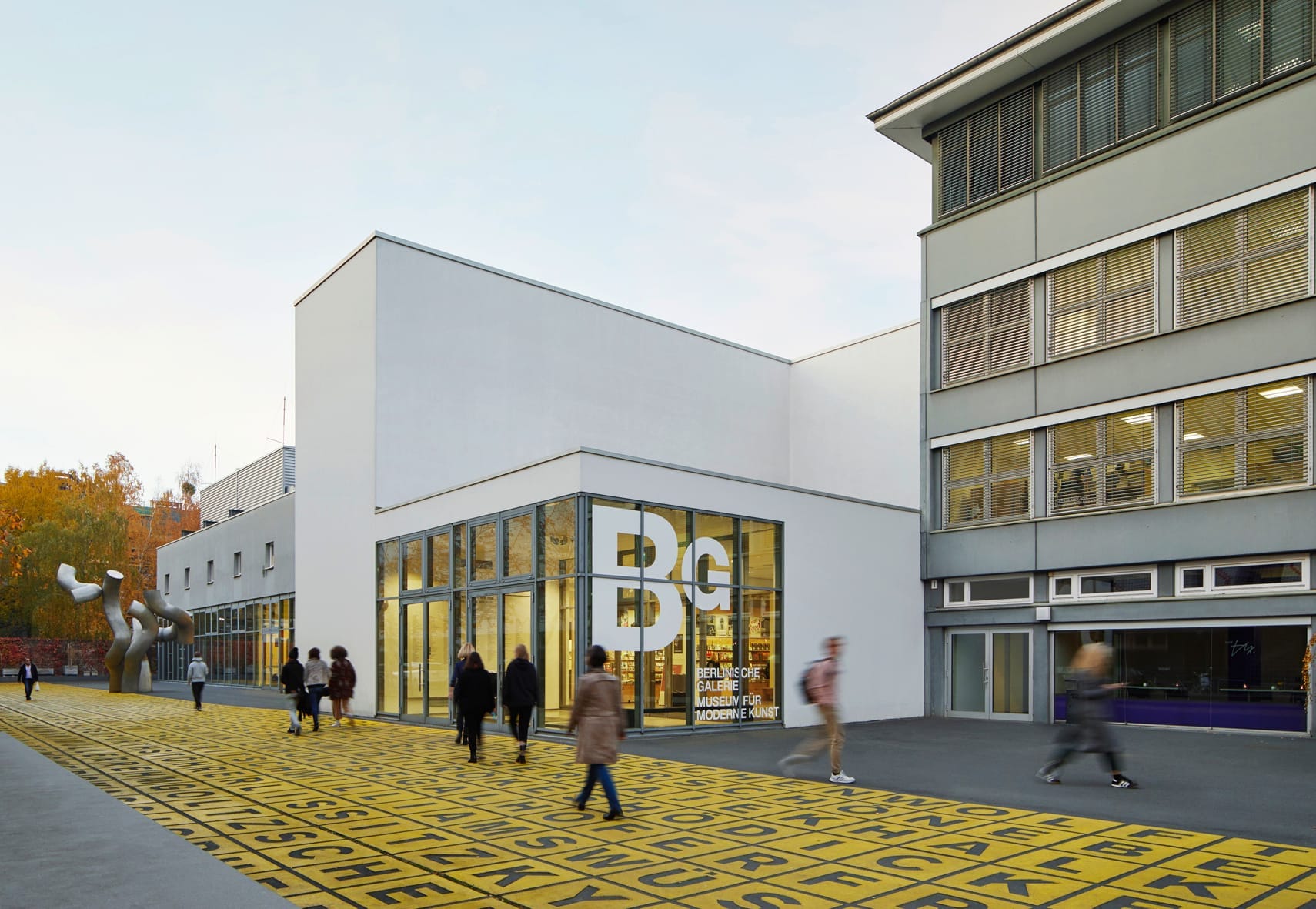
What Is the Berlinische Galerie?
The Berlinische Galerie – Museum of Modern Art, Photography and Architecture is Berlin's state museum dedicated to art produced in the city from 1870 to the present day. It is not a general modern art survey; its scope is deliberately local and historical, tracking how Berlin's turbulent twentieth century shaped the artists and architects who lived and worked through it. Founded in 1975 and transferred to a public-law foundation of the State of Berlin in 1994, the museum moved into its current home in Kreuzberg in 2004.
The building itself is part of the experience. Originally constructed in 1964 as a glass warehouse, the structure was converted for museum use without sacrificing its industrial bones. High ceilings, exposed steel, and expansive floor plates give the galleries a generosity of space that many Berlin museums lack. Light from the glass facade floods the entrance hall on clear mornings, making the first impression genuinely striking.
ℹ️ Good to know
The museum is closed every Tuesday, as well as on 24 and 31 December. Plan accordingly — many visitors arrive mid-week expecting entry and find the doors locked on Tuesdays and those holiday dates.
The Permanent Collection: Berlin Art History, Floor by Floor
The permanent collection holds around 4,600 artworks plus extensive holdings of prints, photographs, and architectural documents, all connected by a single thread: they were made in Berlin, or by artists whose practice was shaped by the city. This gives the collection a coherence that broader modern art museums often lack. You are not jumping between Paris Impressionism and New York abstraction; you are tracing one city's visual culture across more than a century.
Highlights include works from the Dada movement, which had a significant Berlin chapter in the years after World War I. Hannah Höch's photomontages are a recurring touchstone, sharp and politically charged even a hundred years after they were made. The collection also holds strong holdings in Expressionism and in the art produced during and after the division of the city, when East and West Berlin developed parallel but strikingly different visual cultures.
The architecture and design section is less well known but equally serious, holding drawings, models, and documents related to Berlin's built environment. For anyone interested in how the city was planned, rebuilt, and reimagined across the twentieth century, this part of the collection is a genuine resource rather than a token gesture.
Tickets & tours
Hand-picked options from our booking partner. Prices are indicative; availability and final rates are confirmed when you complete your booking.
Berlinische Galerie skip-the-line tickets
From 10 €Instant confirmationSkip-the-line ticket for Gemaldegalerie Berlin
From 14 €Instant confirmationSolar-powered catamaran cruise on Berlin's Spree River at sunset
From 35 €Instant confirmationFree cancellationBerlin highlights tour with Neue Nationalgalerie Ticket
From 27 €Instant confirmation
Special Exhibitions: Why the Programme Matters
The Berlinische Galerie runs a consistent programme of temporary exhibitions that frequently go beyond the permanent collection's chronological focus. Recent years have seen shows on contemporary photography, digital art, and artists working at the intersection of performance and installation. The quality is generally high, and the curatorial framing tends to be thoughtful rather than purely crowd-pleasing.
Check the museum's website before visiting, because special exhibitions can alter admission pricing and occasionally affect which parts of the permanent collection are accessible. The museum is also active in commissioning new works, so repeat visitors to Berlin sometimes find something genuinely new even in the permanent galleries.
💡 Local tip
If your visit coincides with a major special exhibition, arrive within the first hour of opening (10:00) on a weekday. Crowds at the Berlinische Galerie stay manageable compared to Museum Island, but popular shows do fill the entrance hall by midday.
How the Experience Changes by Time of Day
Morning visits, especially on weekdays, are the quietest. The glass facade catches the eastern light and the galleries feel spacious and calm. This is the best time for photography inside the museum, as the natural light is more even and there are fewer people to navigate around. The atmosphere is close to that of a working archive: serious, unhurried, and focused.
By early afternoon on weekends, the museum sees more foot traffic, particularly families and groups from nearby attractions. The permanent collection galleries absorb crowds reasonably well given their size, but the entrance area and Café Dix can become congested. Late afternoon on weekdays is a solid middle option: the school-group rush has usually passed and the regular closing time at 18:00 gives you a natural endpoint without the sense of being rushed out.
The museum does not have a rooftop or outdoor terrace, so weather has little effect on the internal experience. That said, rainy days do bring additional visitors who might otherwise have spent time outdoors, so clear weekday mornings remain the most predictable choice for a calm visit.
Getting There and Getting Around the Neighborhood
The museum sits on Alte Jakobstraße in Kreuzberg, a few blocks south of the line where the Berlin Wall once ran. The most straightforward approach by public transport is the U6 line to Kochstraße/Checkpoint Charlie, roughly a 10–12-minute walk away. From Kochstraße, the route takes you through a quiet stretch of the neighborhood, past Checkpoint Charlie and the edges of Mitte before the street character shifts into Kreuzberg proper.
The area immediately around the museum is less touristically saturated than nearby Checkpoint Charlie, which suits the Berlinische Galerie's mood. The Jewish Museum Berlin is a ten-minute walk away and makes a natural pairing for a half-day itinerary, though the two museums are emotionally and intellectually very different experiences. Allow time to decompress between them.
Kreuzberg itself rewards exploration after your visit. The Markthalle Neun food market is a short distance north, and the Turkish Market on the Maybachufer canal runs on Tuesdays and Fridays. For a broader sense of the neighborhood's character, the Kreuzberg neighborhood guide covers dining, culture, and navigation in more detail.
Practical Details: Accessibility, Photography, and What to Bring
The entire museum is wheelchair-accessible, including all exhibition rooms and Café Dix. Two folding wheelchairs and mobile seating are available to borrow free of charge from the cloakroom, which is a genuinely useful provision. The cloakroom also handles bags and coats; large backpacks are generally expected to be checked in.
Photography for personal, non-commercial use is generally permitted in the permanent collection, though rules vary for special exhibitions — check the signage in each gallery. Flash photography is not permitted. The industrial light quality of the building makes it a satisfying place to photograph architectural details and the interplay of artwork and space, not just the works themselves.
Comfortable shoes matter more than you might expect. The floors are predominantly polished concrete, which looks clean but is hard underfoot over a two-hour visit. Café Dix on the ground floor serves coffee, light meals, and snacks, and is a reasonable place to pause mid-visit rather than pushing through the whole collection in one go.
⚠️ What to skip
The museum is closed on Tuesdays. It is also closed on 24 and 31 December. These closures catch a surprising number of visitors who assume standard museum hours apply and arrive to find the doors locked on those days.
Is the Berlinische Galerie Worth Your Time?
Compared to the scale and reputation of the institutions on Museum Island, the Berlinische Galerie operates quietly. It does not have a Pergamon Altar or an Egyptian Nefertiti bust. What it has is focus and intellectual seriousness: a collection that asks you to engage with Berlin's history as a place that shaped and was shaped by its artists, rather than just presenting great works in a vacuum.
Visitors who arrive expecting a comprehensive survey of twentieth-century modern art may find the scope narrower than expected. Visitors who come wanting to understand Berlin's cultural history, or who are interested in photography and architectural drawing as disciplines in their own right, will find more here than they anticipated. It fits naturally into a broader day that includes the Topography of Terror or the Berlin memorials circuit, since the museum addresses some of the same historical period through a different lens.
First-time visitors to Berlin with only a few days in the city and a long list of major landmarks may find the Berlinische Galerie competes poorly with the sheer visual impact of Museum Island or the historical weight of the Holocaust Memorial nearby. It is better suited to a second or third visit, or to travelers who have specifically come for the art and cultural history rather than the city's headline sights.
Insider Tips
- The museum's architecture section, covering Berlin's built environment across the twentieth century, is frequently overlooked by visitors focused on the painting and photography galleries. If you have any interest in urban history, it is worth seeking out.
- Café Dix takes its name from Otto Dix, the Weimar-era German painter whose work appears in the permanent collection. The café is a calmer lunch stop than most options near Checkpoint Charlie, and prices are reasonable by central Berlin standards.
- The reduced admission rate of €7 applies to schoolchildren, students, trainees, volunteers, holders of an honorary service card, people with severe disabilities, and groups of 10 or more, among other categories. Bring documentation if you think you qualify, as the museum does check.
- If you are visiting on a tight schedule, the permanent collection is concentrated on specific floors and can be navigated in under 90 minutes without feeling rushed. The special exhibition adds time. Plan accordingly rather than trying to do both at full pace.
- The building's industrial glass exterior means the entrance area can feel cold in winter. The interior is well heated, but bring a layer if you are arriving early on a January or February morning and expect to queue.
Who Is Berlinische Galerie For?
- Travelers with a specific interest in Berlin's art history and visual culture from the late nineteenth century to today
- Photography enthusiasts, particularly those interested in documentary and conceptual photography
- Architecture students or professionals interested in Berlin's urban planning and building history
- Return visitors to Berlin who have already covered the major landmarks and want deeper cultural context
- Visitors combining a half-day itinerary with the Jewish Museum or the Topography of Terror nearby
Nearby Attractions
Other things to see while in Kreuzberg:
- German Museum of Technology (Deutsches Technikmuseum)
The Deutsches Technikmuseum in Kreuzberg is one of Berlin's largest and most hands-on museums, covering aviation, railways, shipping, computers, and more across around 26,500 square metres of exhibition space. Free for under-18s, and free for everyone on the first Friday afternoon of each month, it offers serious depth for curious visitors of almost any age.
- Markthalle Neun
Built in 1891 and relaunched as a food-focused community market in 2011, Markthalle Neun is the most serious food destination in Kreuzberg. From Saturday's Big Market to the legendary Street Food Thursday, it draws producers, chefs, and curious eaters in equal measure.
- Tempelhofer Feld
Tempelhofer Feld is Berlin's largest inner-city open space, a 355-hectare former airport converted into a free public park where Berliners cycle, skate, fly kites, and garden on the same runways that once carried airliners. It is equal parts city lung, social experiment, and urban history lesson.