Berlin's Most Important Memorials: A Complete Visitor Guide
Berlin holds more memorials per square kilometer than almost any city on earth. This guide covers the essential sites across the city, from Nazi-era documentation centers to Cold War border crossings, with practical advice on making the most of each visit.
Plan and book this trip
Tools from our partner Travelpayouts help you compare flights and hotels. If you book through them, we may earn a commission at no extra cost to you.
Flights
Hotels map
No city confronts its history quite like Berlin. The memorials here are not decorative, they are deliberate acts of public reckoning built on the actual sites where history unfolded. Understanding them is central to understanding the city itself. If you are planning a broader trip, the Berlin Wall guide and the Cold War Berlin guide provide deeper context for many of the sites covered here. For first-time visitors trying to fit memorials into a short trip, the 3-day Berlin itinerary shows how to sequence the most important sites without memorial fatigue.
ℹ️ Good to know
Most Berlin memorials are free to enter. The Information Centres at the Holocaust Memorial and Berlin Wall Memorial are free. Admission to Sachsenhausen is also free. Budget your time, not your money, when planning memorial visits.
Holocaust & Nazi Terror Memorials
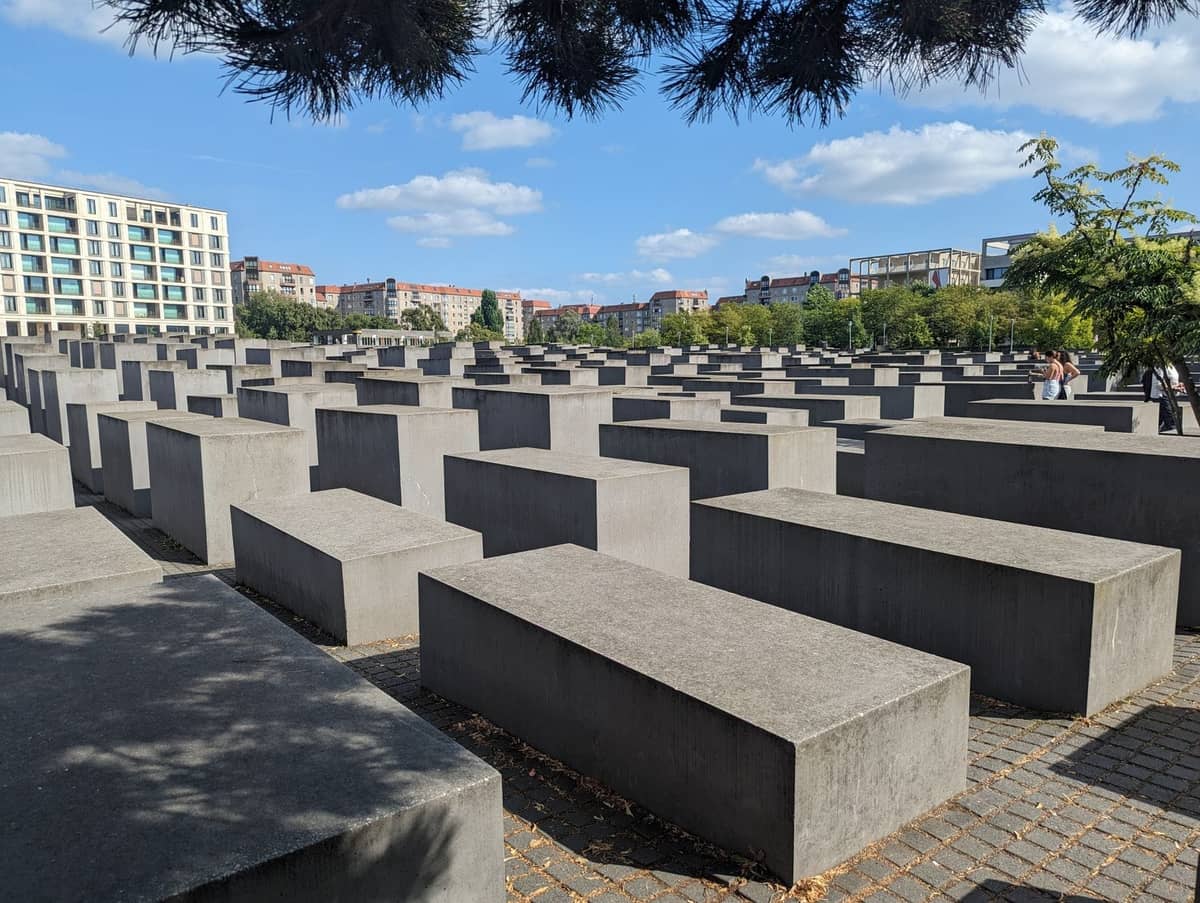
This section covers the sites directly documenting the crimes of the Nazi regime, from the planning of genocide to the infrastructure of terror. Several are located in Mitte, Berlin's historic center, where government and party headquarters once stood side by side. Together, these sites form a coherent and devastating historical picture.
1. Walk Through the Field of Stelae at the Holocaust Memorial
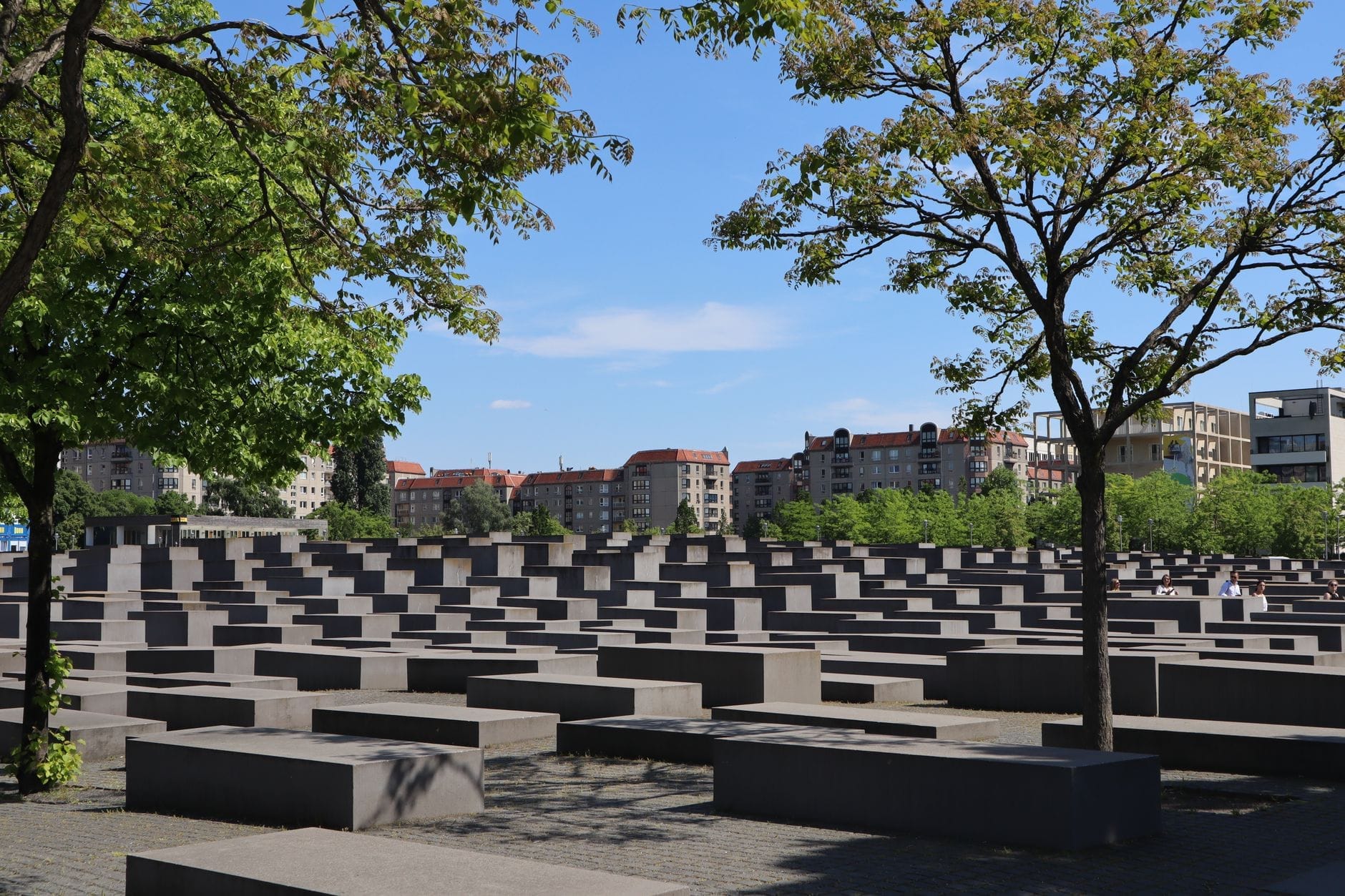
Peter Eisenman's 2,711 concrete stelae cover 19,073 m² near the Brandenburg Gate. Walk the grid alone: the stelae rise and fall, disorienting by design. The underground Information Centre provides essential historical context. Free entry, allow 45–90 minutes.
Explore1. Walk Through the Field of Stelae at the Holocaust Memorial
Peter Eisenman's 2,711 concrete stelae cover 19,073 m² near the Brandenburg Gate. Walk the grid alone: the stelae rise and fall, disorienting by design. The underground Information Centre provides essential historical context. Free entry, allow 45–90 minutes.
Explore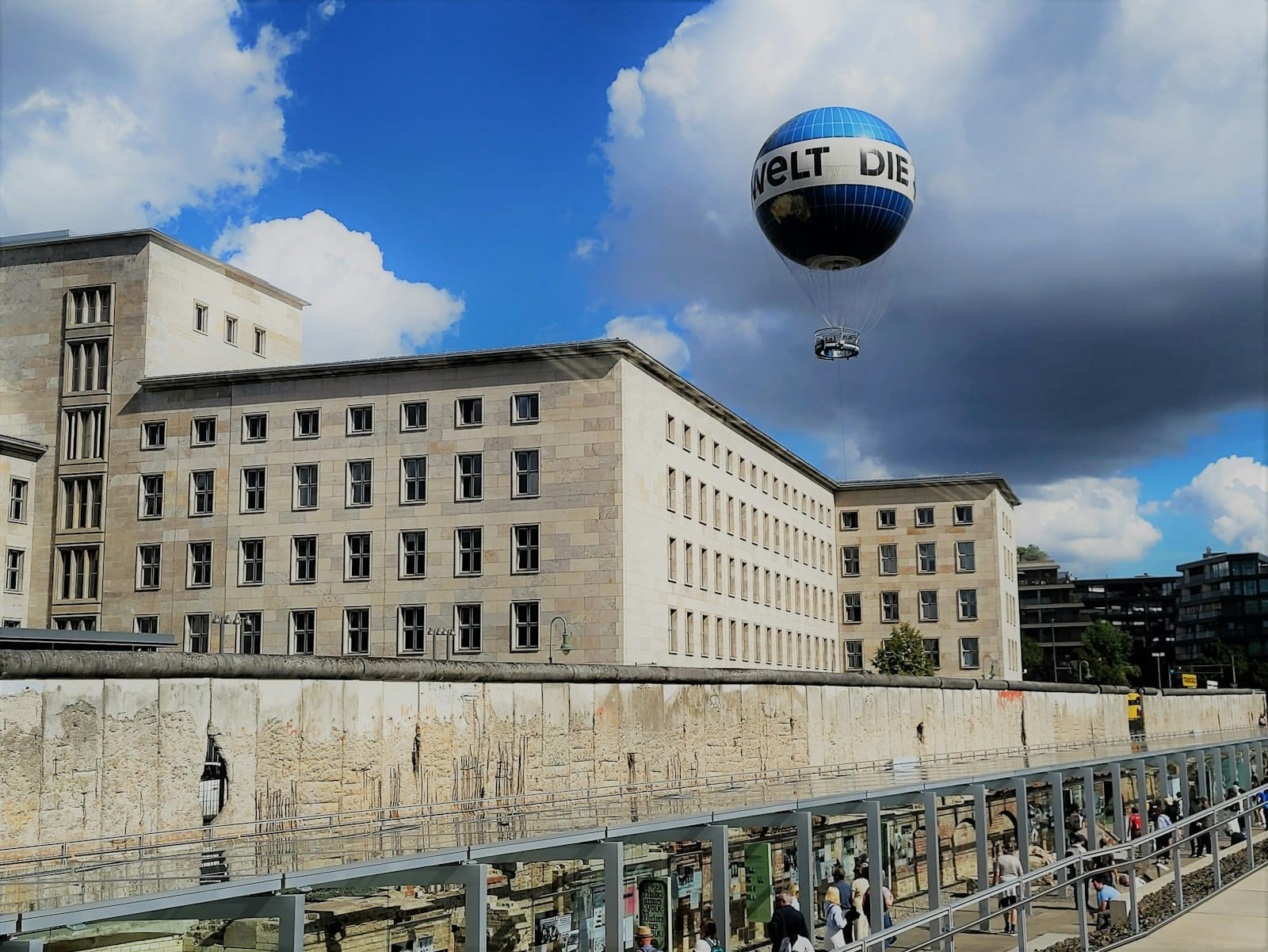
2. Confront Nazi Power at the Topography of Terror
Built on the actual foundations of Gestapo and SS headquarters, this free documentation center presents the mechanics of Nazi terror in unflinching detail. The outdoor excavation trench along Niederkirchnerstraße is open year-round. Allow at least two hours.
Explore2. Confront Nazi Power at the Topography of Terror
Built on the actual foundations of Gestapo and SS headquarters, this free documentation center presents the mechanics of Nazi terror in unflinching detail. The outdoor excavation trench along Niederkirchnerstraße is open year-round. Allow at least two hours.
Explore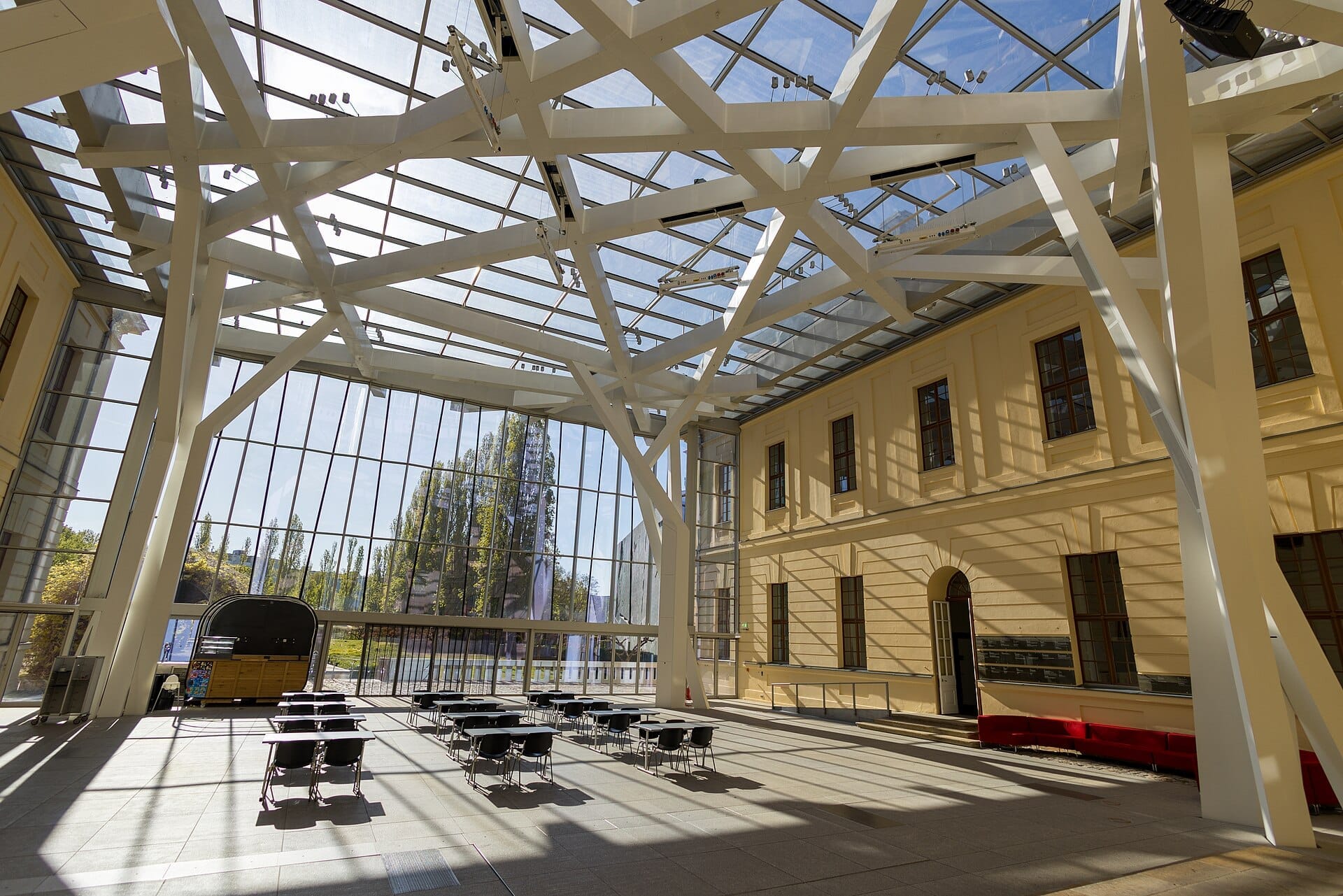
3. Experience History Through Architecture at the Jewish Museum
Libeskind's zinc-clad building is itself the argument: slanting floors, disorienting voids, and the pitch-black Holocaust Tower make visceral what text cannot. Inside, 2,000 years of German-Jewish life. One of Berlin's most essential museum experiences.
Explore3. Experience History Through Architecture at the Jewish Museum
Libeskind's zinc-clad building is itself the argument: slanting floors, disorienting voids, and the pitch-black Holocaust Tower make visceral what text cannot. Inside, 2,000 years of German-Jewish life. One of Berlin's most essential museum experiences.
Explore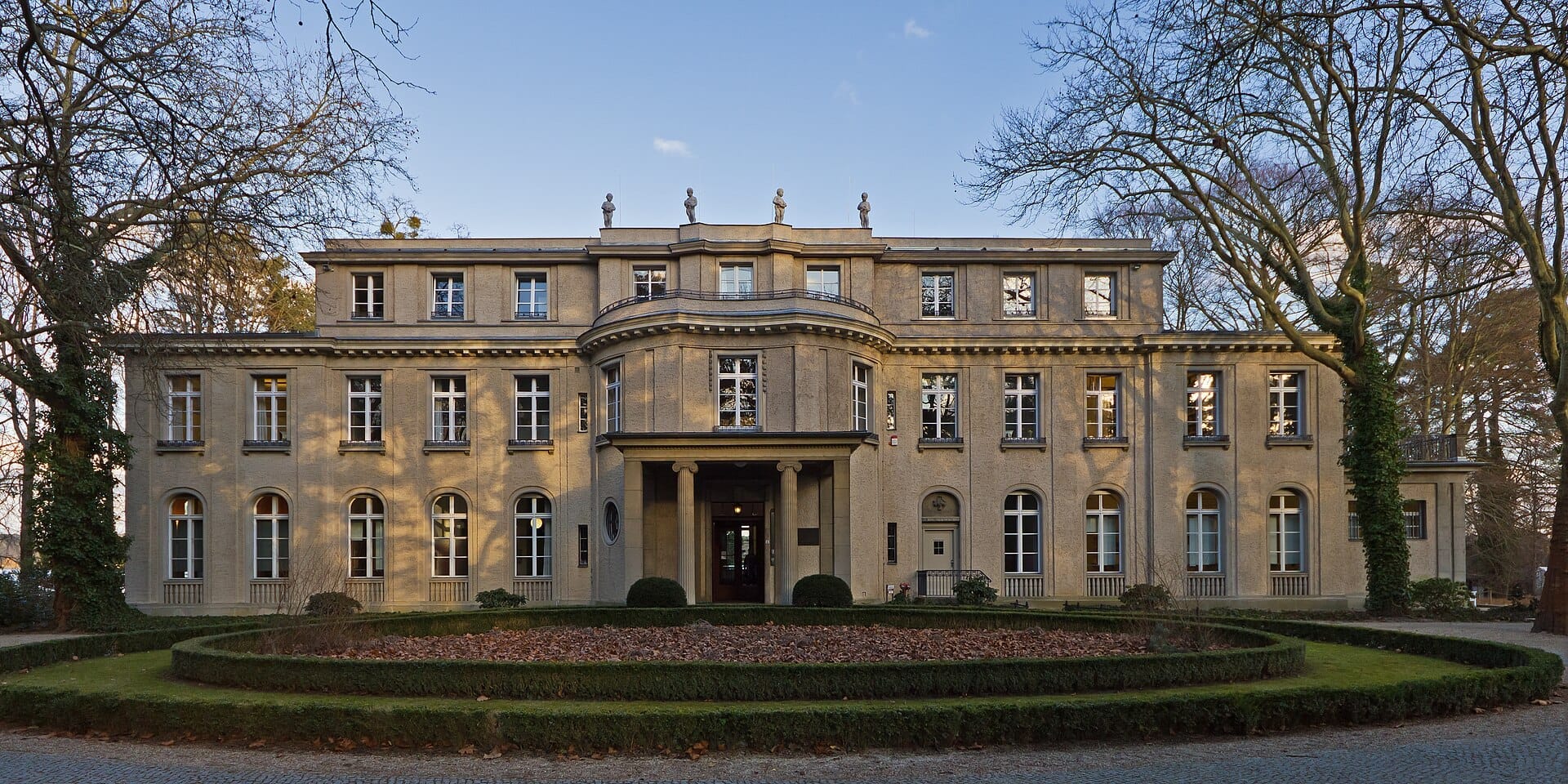
4. Visit the Villa Where the Final Solution Was Coordinated
In January 1942, fifteen senior Nazi officials met in this lakeside villa for 90 minutes and coordinated the murder of European Jewry. The documentation center is thorough and deeply unsettling. Located in Wannsee, reachable by S-Bahn. Free entry.
Explore4. Visit the Villa Where the Final Solution Was Coordinated
In January 1942, fifteen senior Nazi officials met in this lakeside villa for 90 minutes and coordinated the murder of European Jewry. The documentation center is thorough and deeply unsettling. Located in Wannsee, reachable by S-Bahn. Free entry.
Explore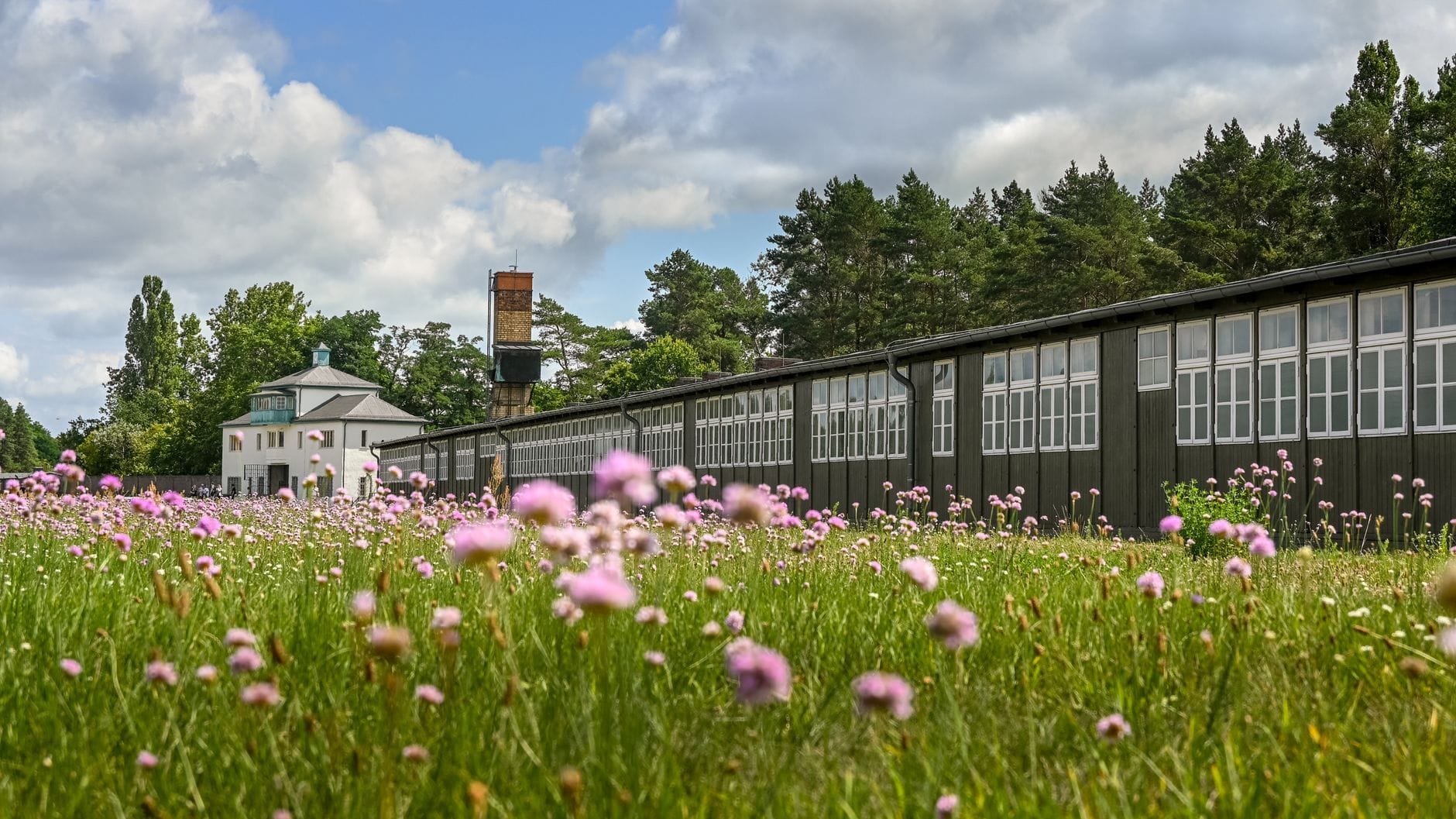
5. Take the Day Trip to Sachsenhausen Concentration Camp
35 km north of Berlin in Oranienburg, Sachsenhausen held over 200,000 prisoners between 1936 and 1945. Preserved barracks, the execution trench, and gas chamber remain. Take the S1 to Oranienburg. Allow a full day; this is not a half-day site.
Explore5. Take the Day Trip to Sachsenhausen Concentration Camp
35 km north of Berlin in Oranienburg, Sachsenhausen held over 200,000 prisoners between 1936 and 1945. Preserved barracks, the execution trench, and gas chamber remain. Take the S1 to Oranienburg. Allow a full day; this is not a half-day site.
Explore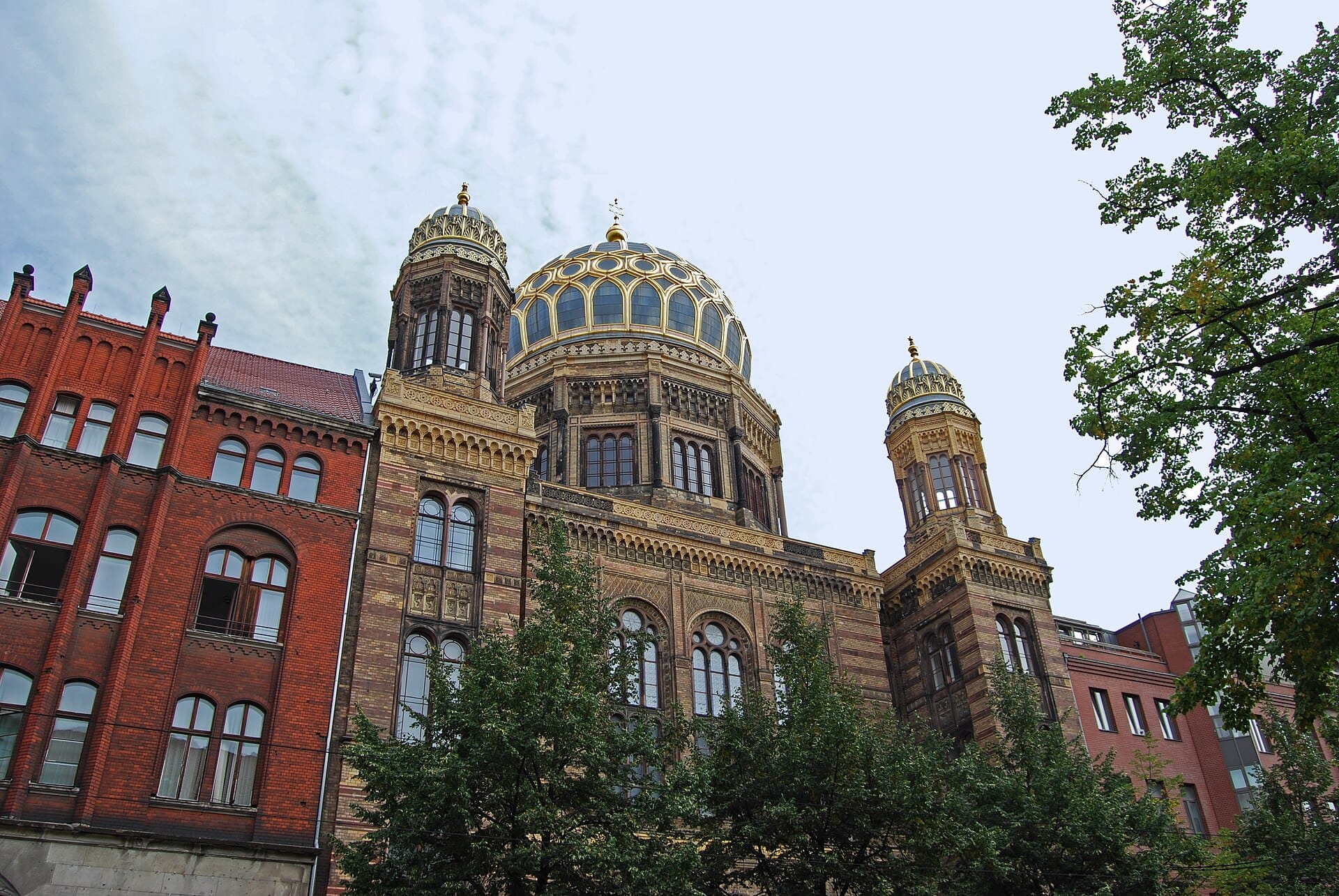
6. See the Restored Golden Dome of the New Synagogue
The 1866 Moorish-Byzantine synagogue on Oranienburger Straße was damaged on Kristallnacht in 1938 and later bombed in WWII. The restored golden dome is one of Berlin's finest landmarks. The museum inside documents Jewish community life before and after persecution.
Explore6. See the Restored Golden Dome of the New Synagogue
The 1866 Moorish-Byzantine synagogue on Oranienburger Straße was damaged on Kristallnacht in 1938 and later bombed in WWII. The restored golden dome is one of Berlin's finest landmarks. The museum inside documents Jewish community life before and after persecution.
Explore💡 Local tip
If you visit the Wannsee Conference House, pair it with the nearby Strandbad Wannsee beach afterward. The contrast is jarring but deliberate: ordinary life continued alongside extraordinary evil, and that proximity is part of what the site communicates.
Berlin Wall & Cold War Division Sites
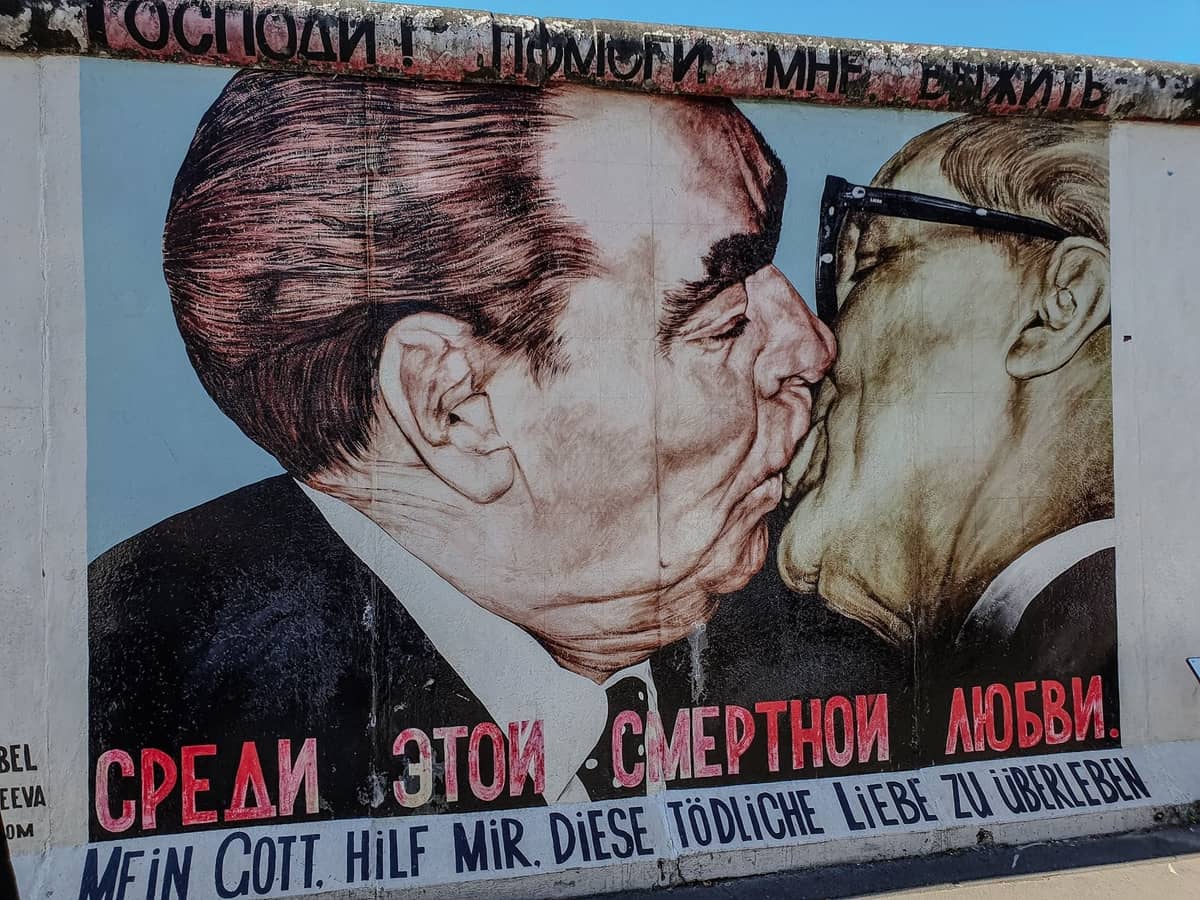
The Wall divided Berlin for 28 years, from 1961 to 1989, and its physical and psychological traces still shape the city. For a thorough exploration of division-era sites, see the full Cold War Berlin guide. The sites below represent the most historically significant and emotionally resonant locations along the former border.
7. See the Last Intact Death Strip at the Berlin Wall Memorial
Bernauer Strasse preserves the Wall's full cross-section: inner wall, death strip, watchtower, and outer wall. The Window of Remembrance names those who died crossing. The Documentation Center's observation tower overlooks the site. Free, allow two hours minimum.
Explore7. See the Last Intact Death Strip at the Berlin Wall Memorial
Bernauer Strasse preserves the Wall's full cross-section: inner wall, death strip, watchtower, and outer wall. The Window of Remembrance names those who died crossing. The Documentation Center's observation tower overlooks the site. Free, allow two hours minimum.
Explore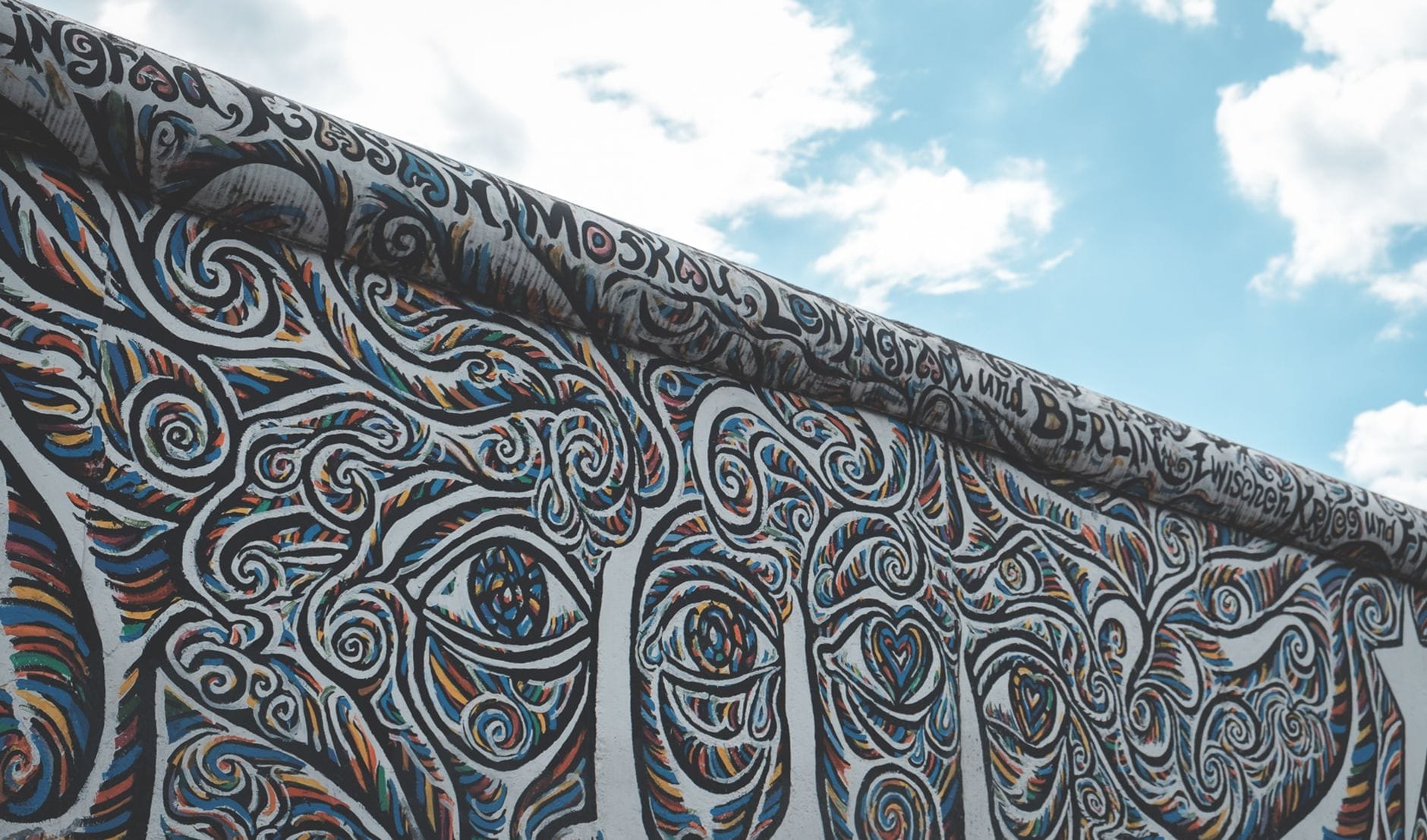
8. Walk the 1.3 km East Side Gallery Along the Spree
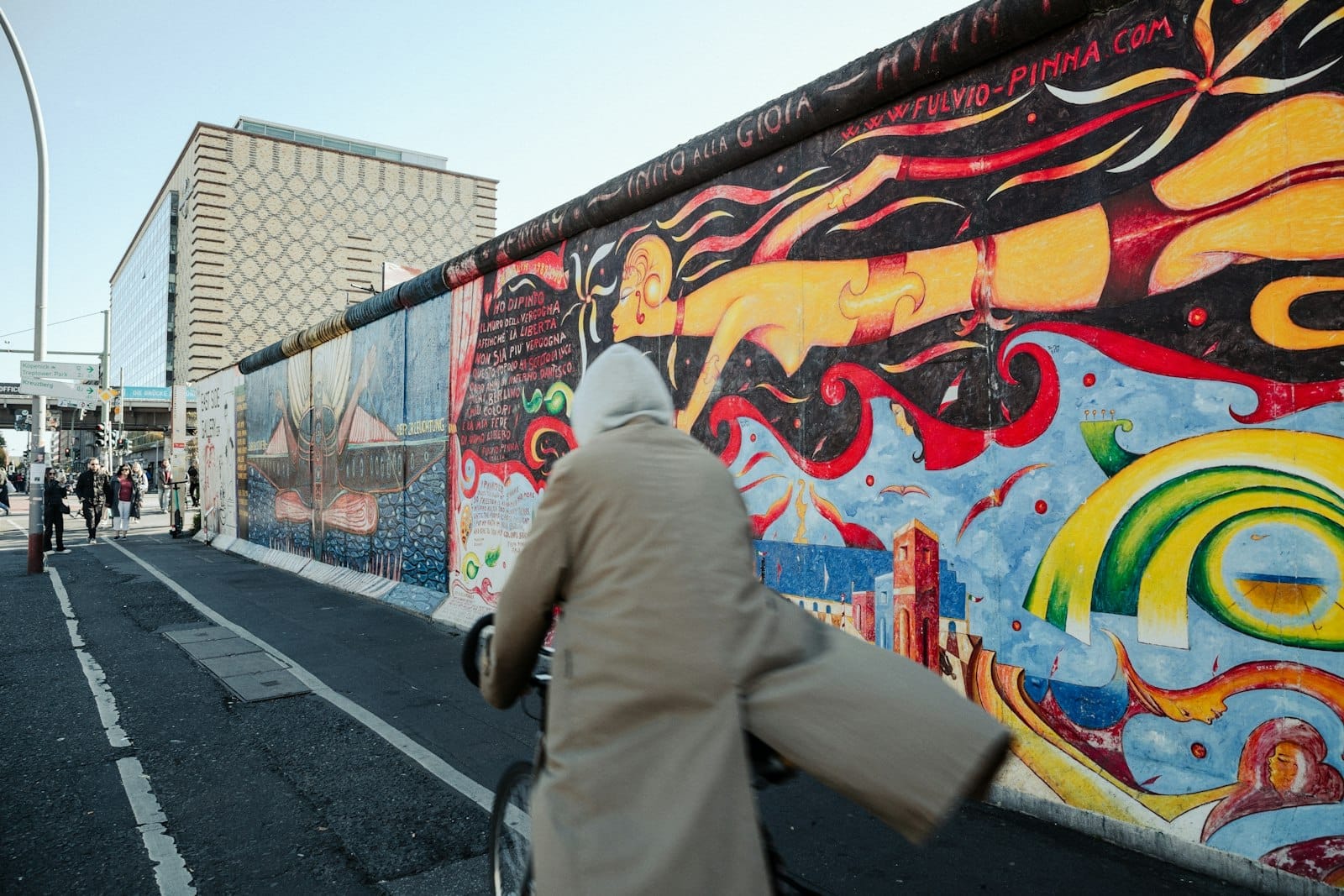
The longest surviving Wall section is covered in murals by 118 international artists, painted in 1990 after reunification. Dmitri Vrubel's 'Fraternal Kiss' is the most photographed. The walk takes 20–30 minutes; the murals are best in morning light. Always open, free.
Explore8. Walk the 1.3 km East Side Gallery Along the Spree
The longest surviving Wall section is covered in murals by 118 international artists, painted in 1990 after reunification. Dmitri Vrubel's 'Fraternal Kiss' is the most photographed. The walk takes 20–30 minutes; the murals are best in morning light. Always open, free.
Explore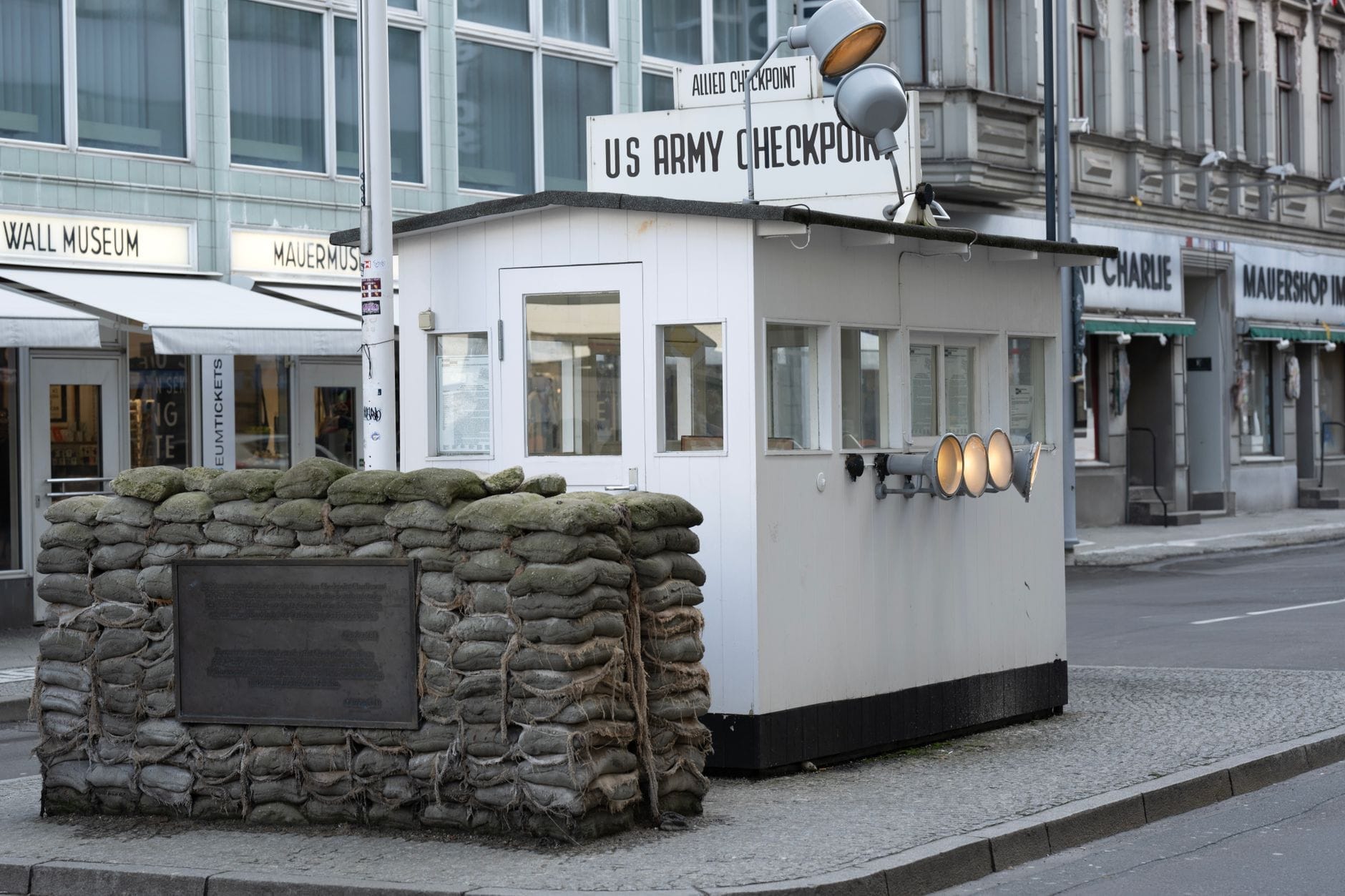
9. Understand the Human Stakes at Checkpoint Charlie
The reconstructed Allied guardhouse marks where tanks faced off in 1961. The outdoor exhibition panels tell escape stories in detail. The adjacent Mauermuseum is privately run and mixed in quality, but the street-level site itself remains genuinely moving despite the tourist shops.
Explore9. Understand the Human Stakes at Checkpoint Charlie
The reconstructed Allied guardhouse marks where tanks faced off in 1961. The outdoor exhibition panels tell escape stories in detail. The adjacent Mauermuseum is privately run and mixed in quality, but the street-level site itself remains genuinely moving despite the tourist shops.
Explore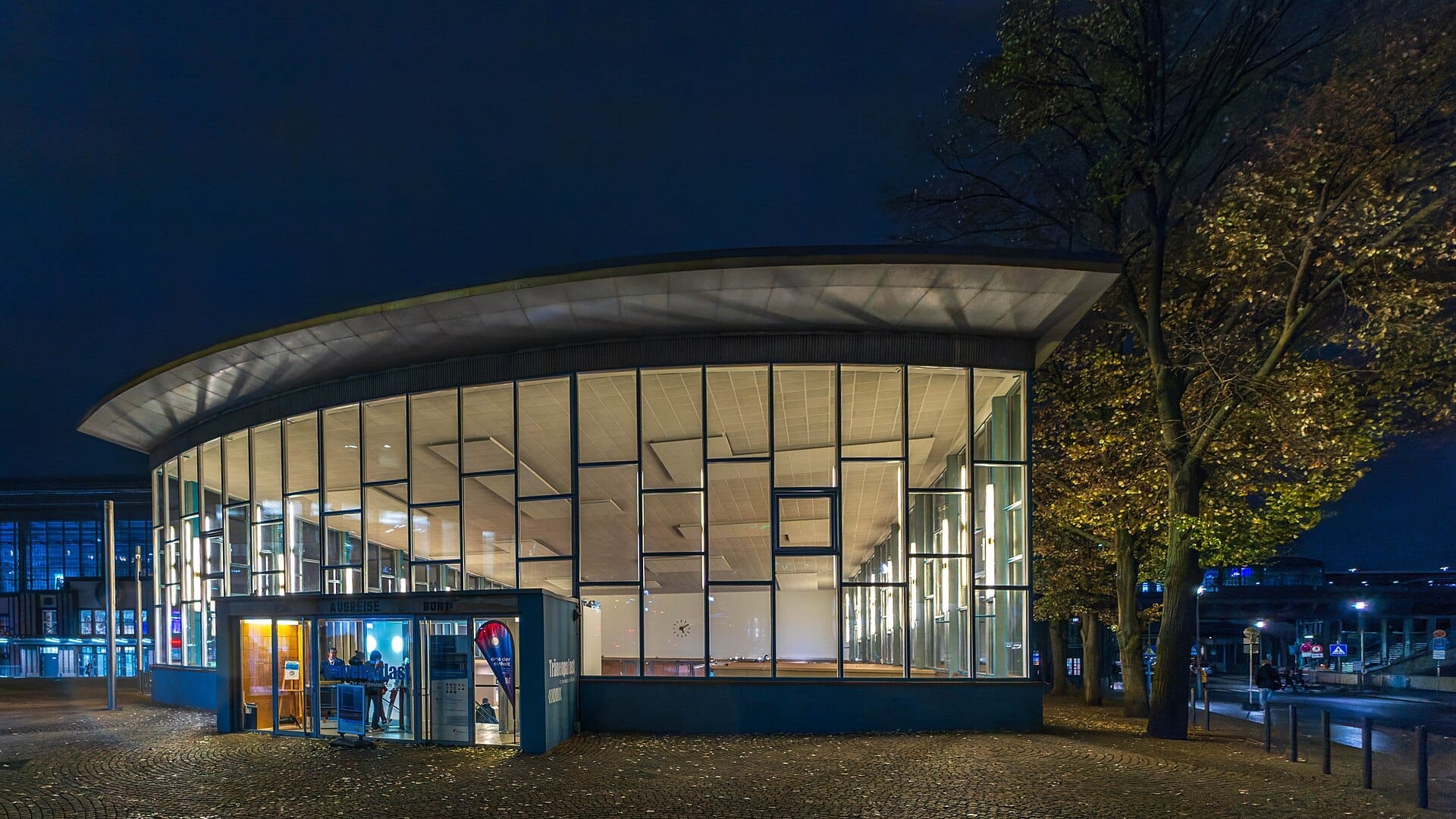
10. Stand in the Palace of Tears at Friedrichstraße Station
This glass-and-steel border hall at Friedrichstraße station is where East Germans said farewell to Western visitors who could leave, and they could not. Now a free museum, the preserved space and quiet exhibitions about family separation are among Berlin's most affecting experiences.
Explore10. Stand in the Palace of Tears at Friedrichstraße Station
This glass-and-steel border hall at Friedrichstraße station is where East Germans said farewell to Western visitors who could leave, and they could not. Now a free museum, the preserved space and quiet exhibitions about family separation are among Berlin's most affecting experiences.
Explore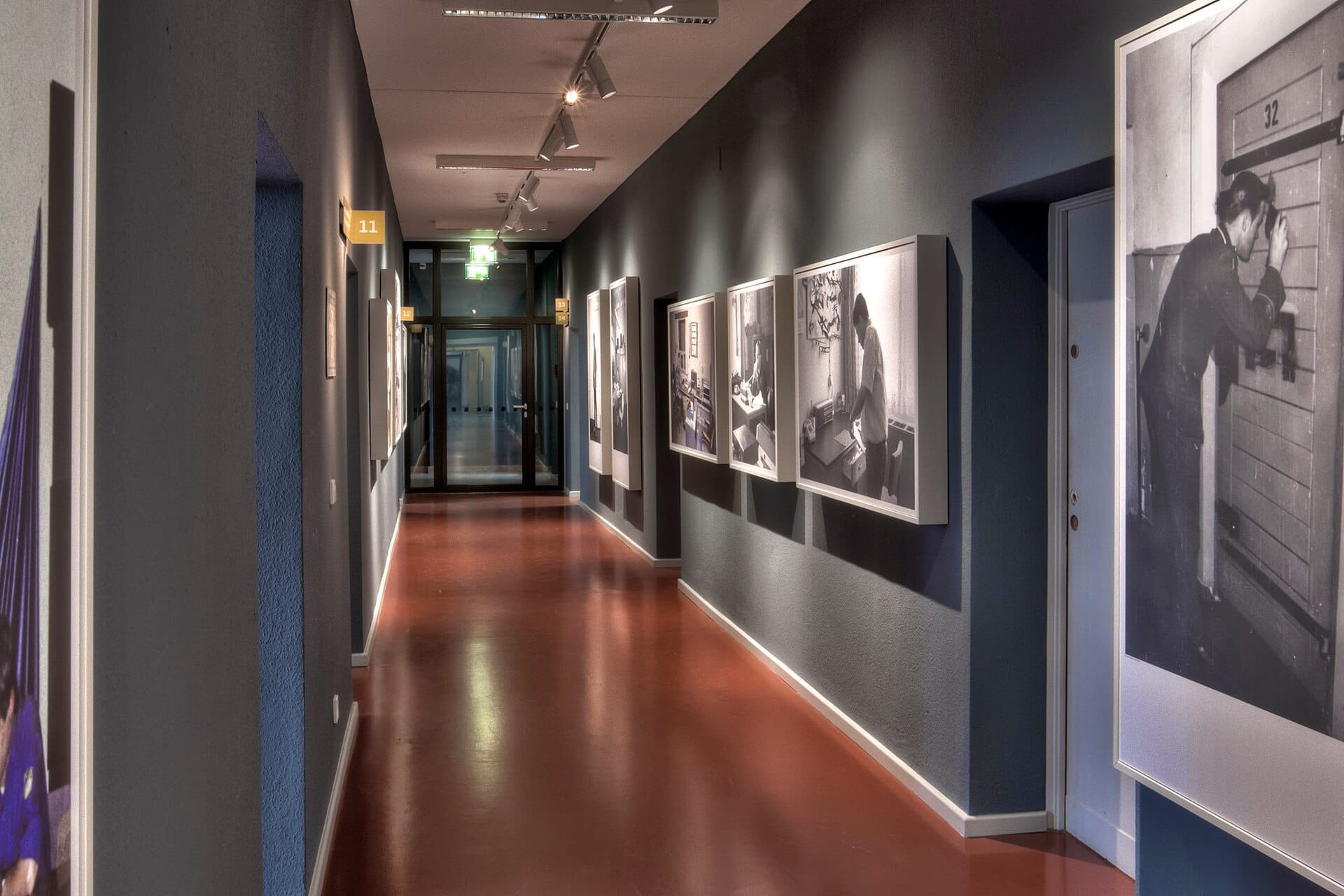
11. Enter the Actual Stasi Headquarters on Normannenstraße
Erich Mielke's original office, preserved exactly as it was in 1989, sits within a vast surveillance bureaucracy that monitored six million East Germans. The preserved bug devices, secret compartments, and case files make abstract repression concrete. Allow 90 minutes.
Explore11. Enter the Actual Stasi Headquarters on Normannenstraße
Erich Mielke's original office, preserved exactly as it was in 1989, sits within a vast surveillance bureaucracy that monitored six million East Germans. The preserved bug devices, secret compartments, and case files make abstract repression concrete. Allow 90 minutes.
ExploreWorld War II & Soviet Memorials
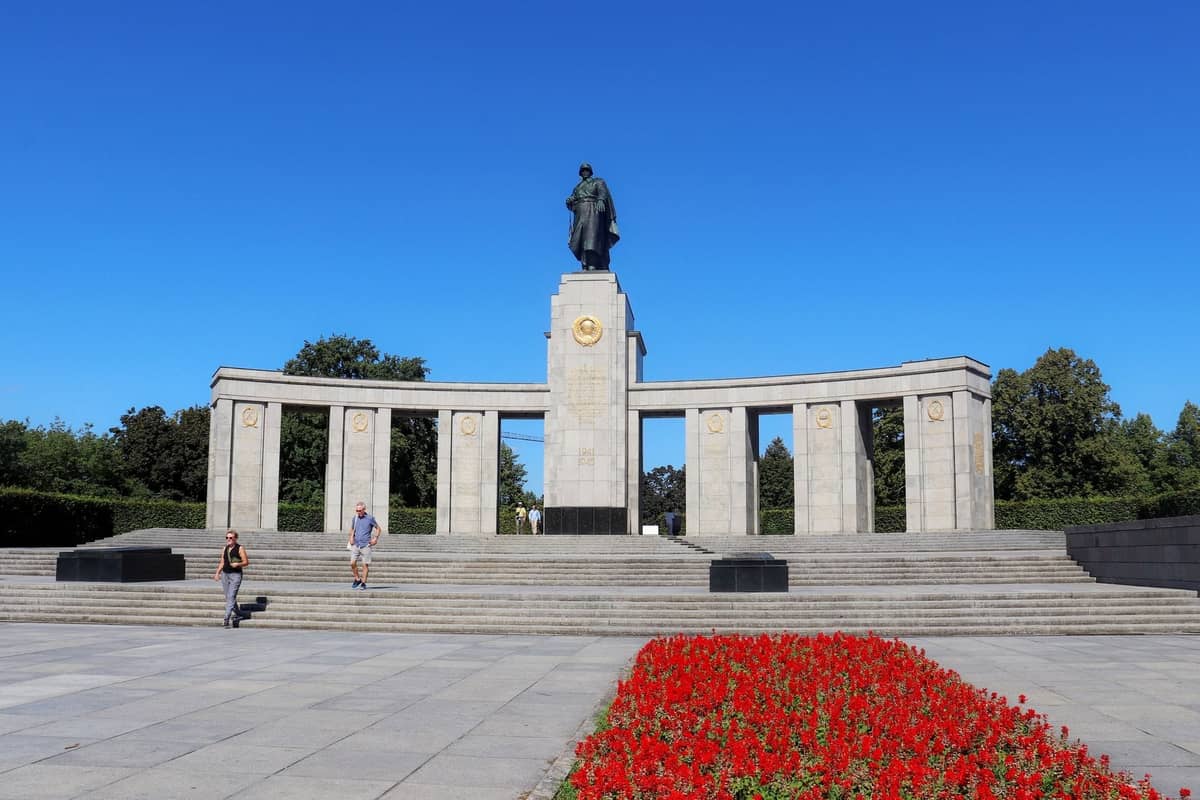
Berlin was the epicenter of WWII's end in Europe: the Battle of Berlin in April–May 1945 left the city in ruins and cost tens of thousands of lives. The Soviet memorials built in the city's immediate aftermath are extraordinary works of political and funerary architecture, and are well worth visiting alongside the war-era sites. Many of these sites are spread across the city, so check the guide to getting around Berlin before planning your route.
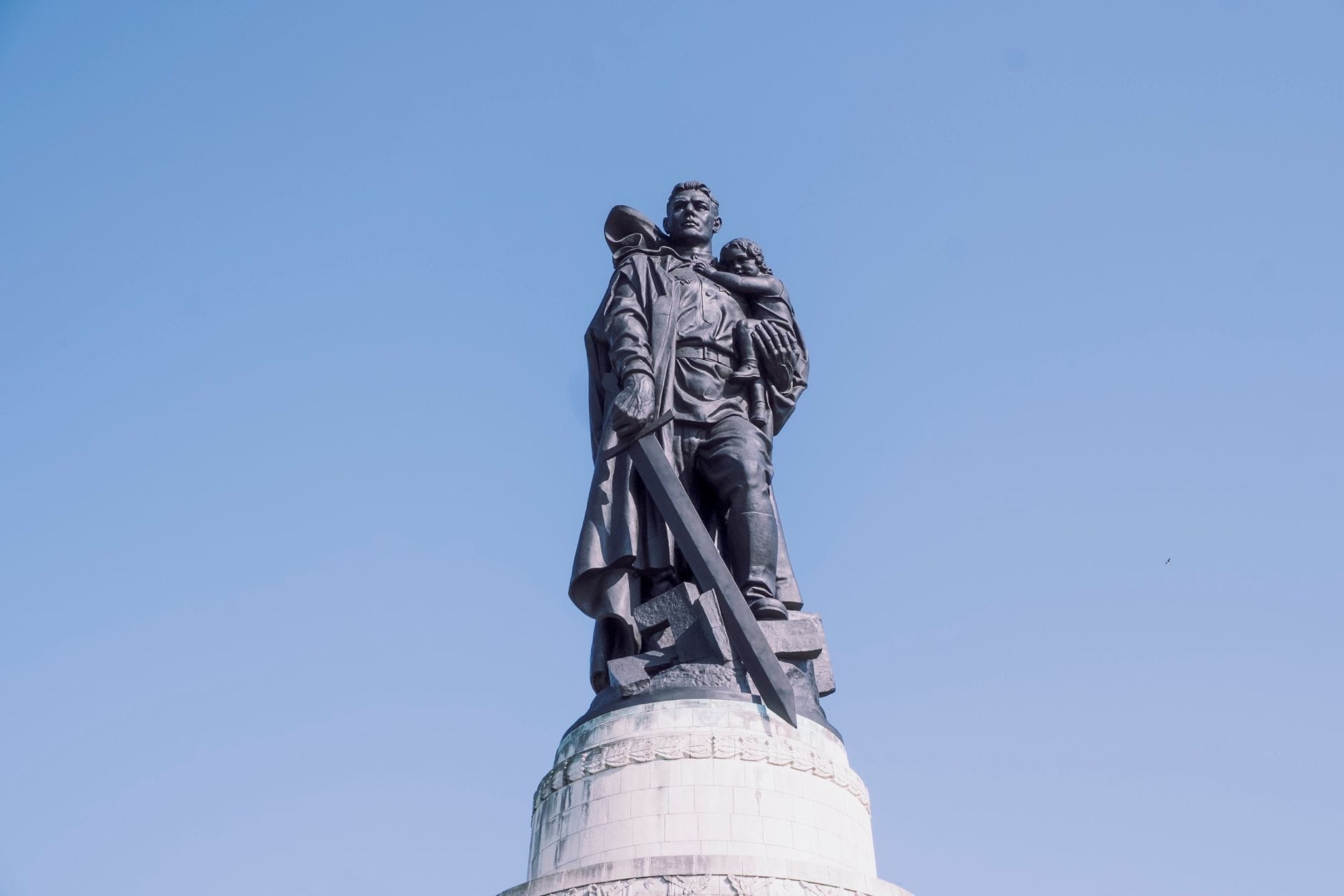
12. Stand Before the 12-Meter Bronze Soldier at Treptower Park
Completed in 1949, this Soviet memorial in Treptower Park commemorates 80,000 Soviet soldiers killed in the Battle of Berlin. The 12-meter bronze soldier holds a German child and rests a sword on a broken swastika. The scale is staggering. Free, open daily.
Explore12. Stand Before the 12-Meter Bronze Soldier at Treptower Park
Completed in 1949, this Soviet memorial in Treptower Park commemorates 80,000 Soviet soldiers killed in the Battle of Berlin. The 12-meter bronze soldier holds a German child and rests a sword on a broken swastika. The scale is staggering. Free, open daily.
Explore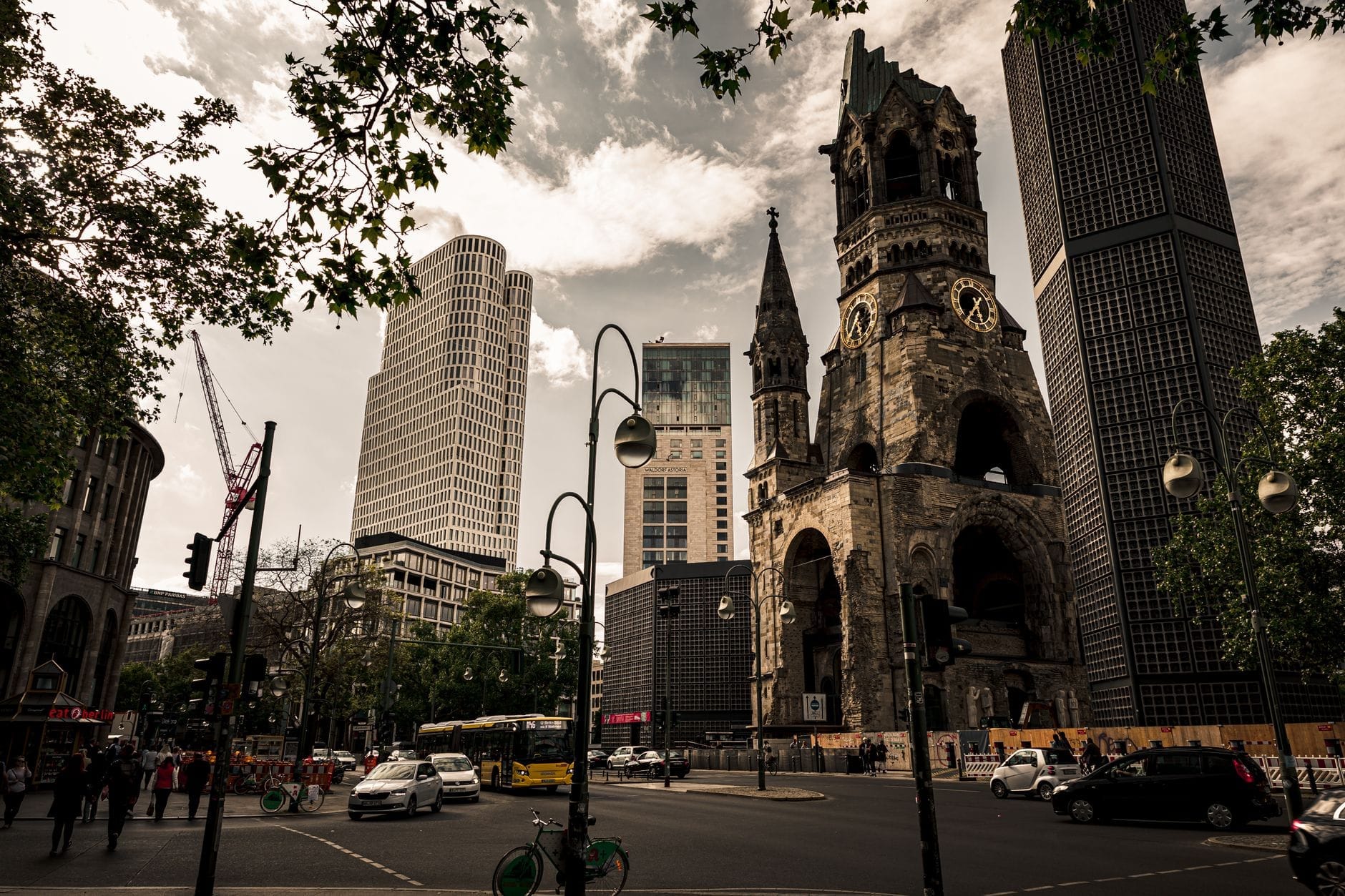
13. See a Bombed Church Preserved as a War Memorial on Ku'damm
The shattered neo-Romanesque tower of the 1895 Kaiser Wilhelm Church was deliberately kept as a ruin after WWII, paired with a Egon Eiermann's modernist blue-glass chapel. It is Berlin's most visible daily reminder of wartime destruction, set incongruously in a busy commercial square.
Explore13. See a Bombed Church Preserved as a War Memorial on Ku'damm
The shattered neo-Romanesque tower of the 1895 Kaiser Wilhelm Church was deliberately kept as a ruin after WWII, paired with a Egon Eiermann's modernist blue-glass chapel. It is Berlin's most visible daily reminder of wartime destruction, set incongruously in a busy commercial square.
Explore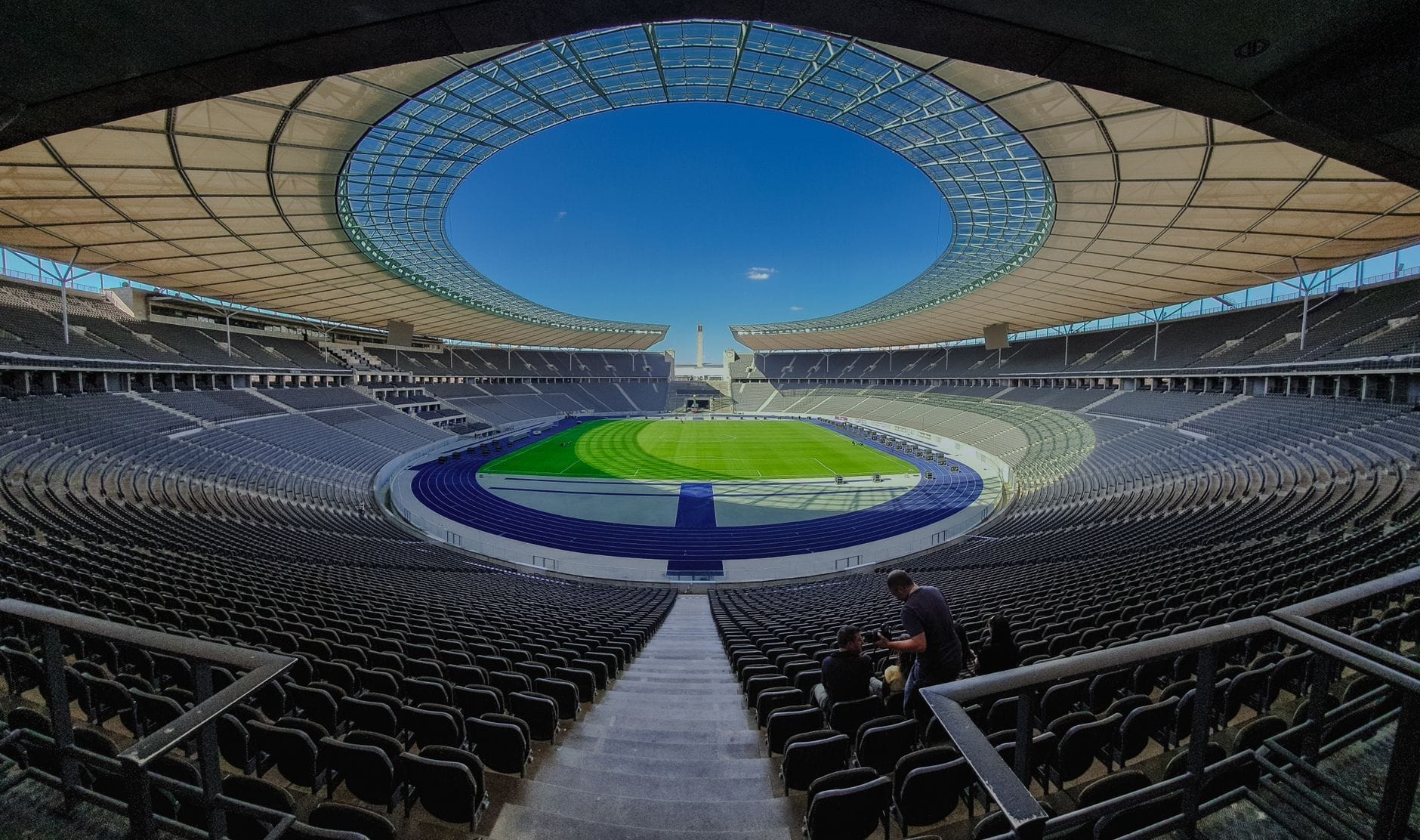
14. Reckon with the 1936 Olympics Stadium's Layered History
Built for Hitler's showcase Olympics, the stadium where Jesse Owens won four gold medals is now home to Hertha BSC. Guided tours explore the neoclassical architecture and the stadium's complex legacy. The site forces a reckoning with how ideology inscribes itself in public buildings.
Explore14. Reckon with the 1936 Olympics Stadium's Layered History
Built for Hitler's showcase Olympics, the stadium where Jesse Owens won four gold medals is now home to Hertha BSC. Guided tours explore the neoclassical architecture and the stadium's complex legacy. The site forces a reckoning with how ideology inscribes itself in public buildings.
Explore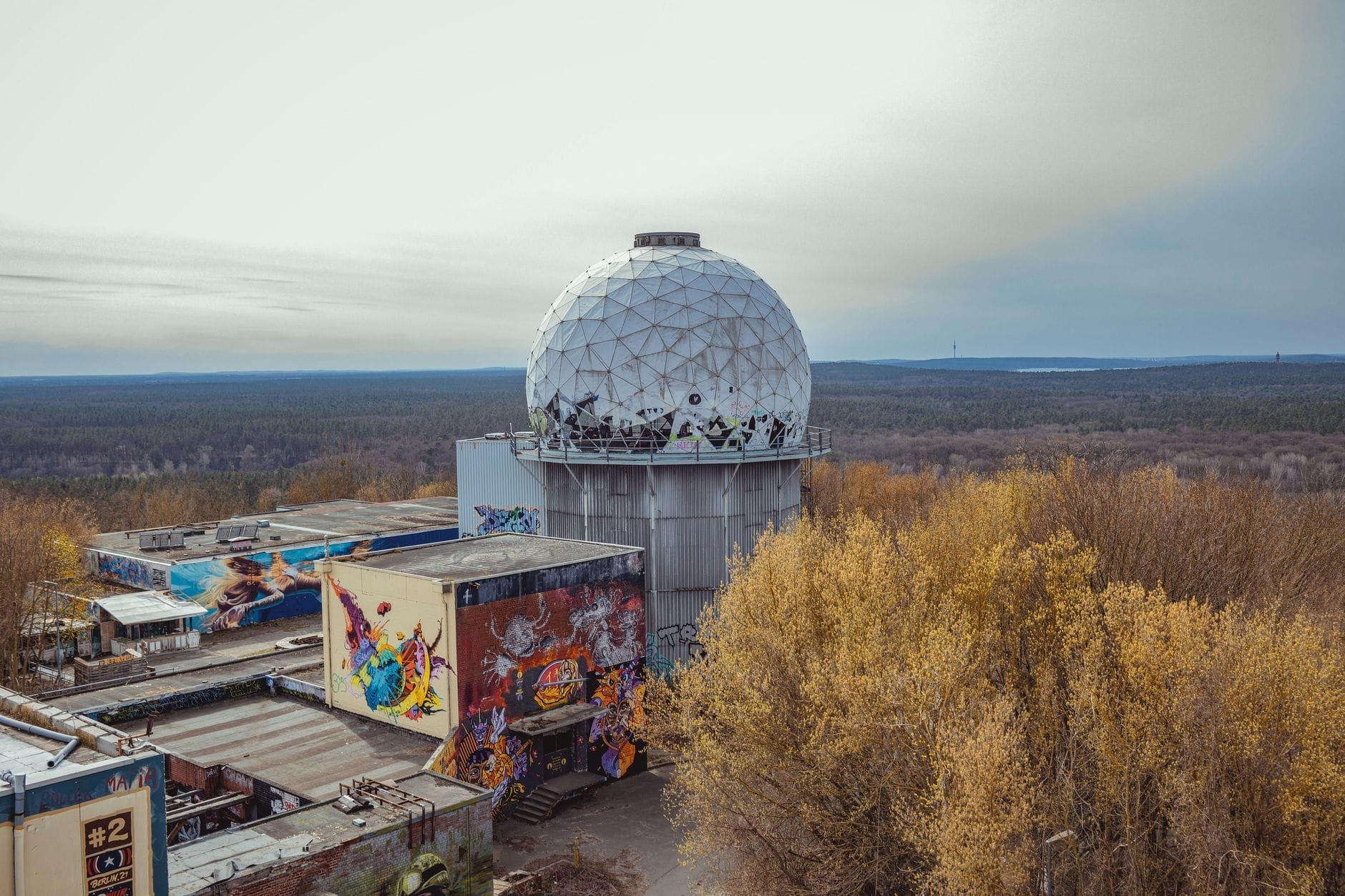
15. Climb the Hill Made From WWII Rubble at Teufelsberg
Berlin has six Trümmerberge, hills made from bombed-out rubble. Teufelsberg in the Grunewald is the largest, topped by a derelict NSA Cold War listening station covered in street art. The view over the forest is panoramic. Tours run at weekends; check current access before visiting.
Explore15. Climb the Hill Made From WWII Rubble at Teufelsberg
Berlin has six Trümmerberge, hills made from bombed-out rubble. Teufelsberg in the Grunewald is the largest, topped by a derelict NSA Cold War listening station covered in street art. The view over the forest is panoramic. Tours run at weekends; check current access before visiting.
ExploreMonuments of German History & Identity
Not all of Berlin's memorials deal with trauma. Some mark political power, national identity, and the contested meaning of German history across centuries. These sites offer a different register of memory, though several carry their own complicated histories.
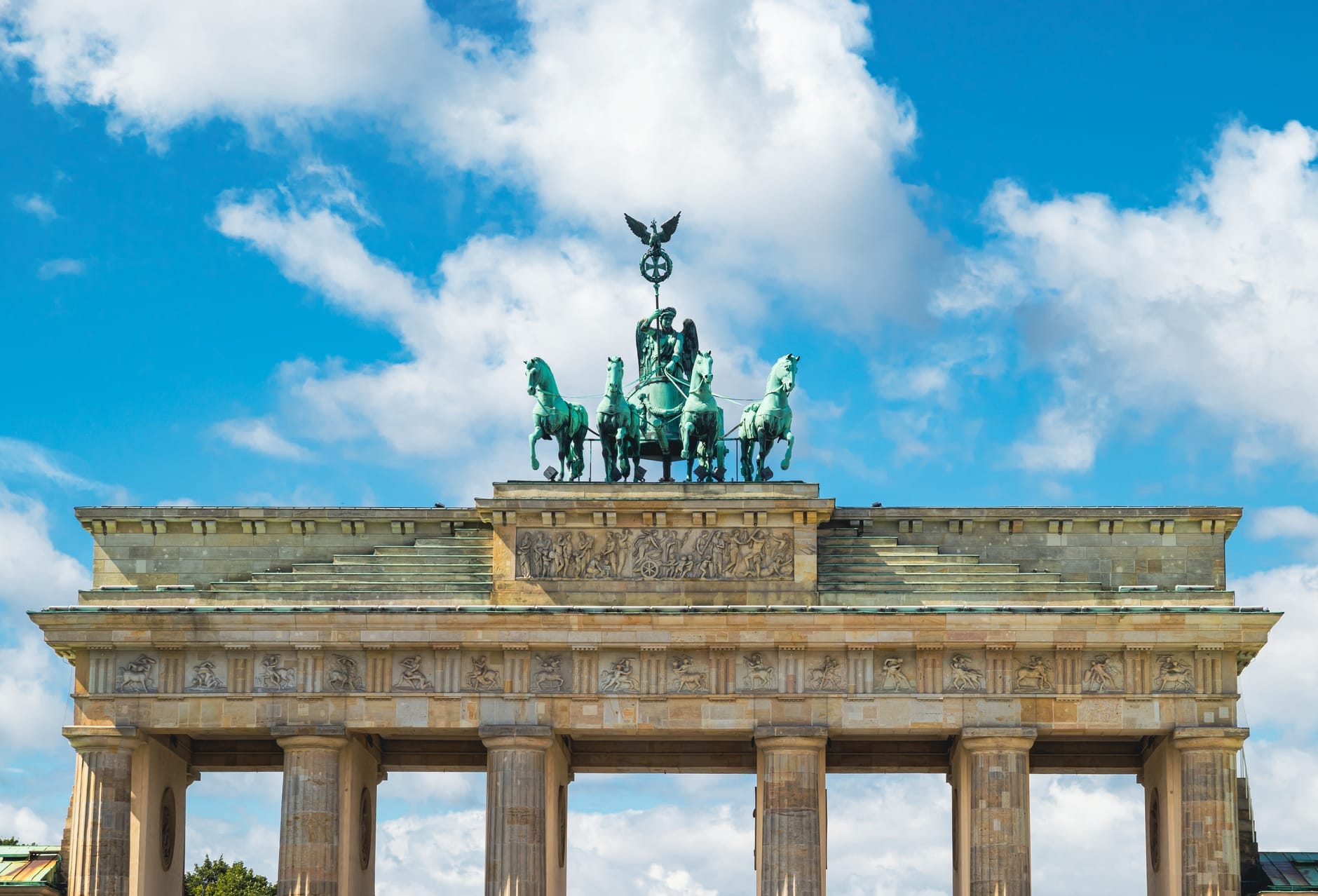
16. Start at the Brandenburg Gate, Berlin's Symbol of Reunification
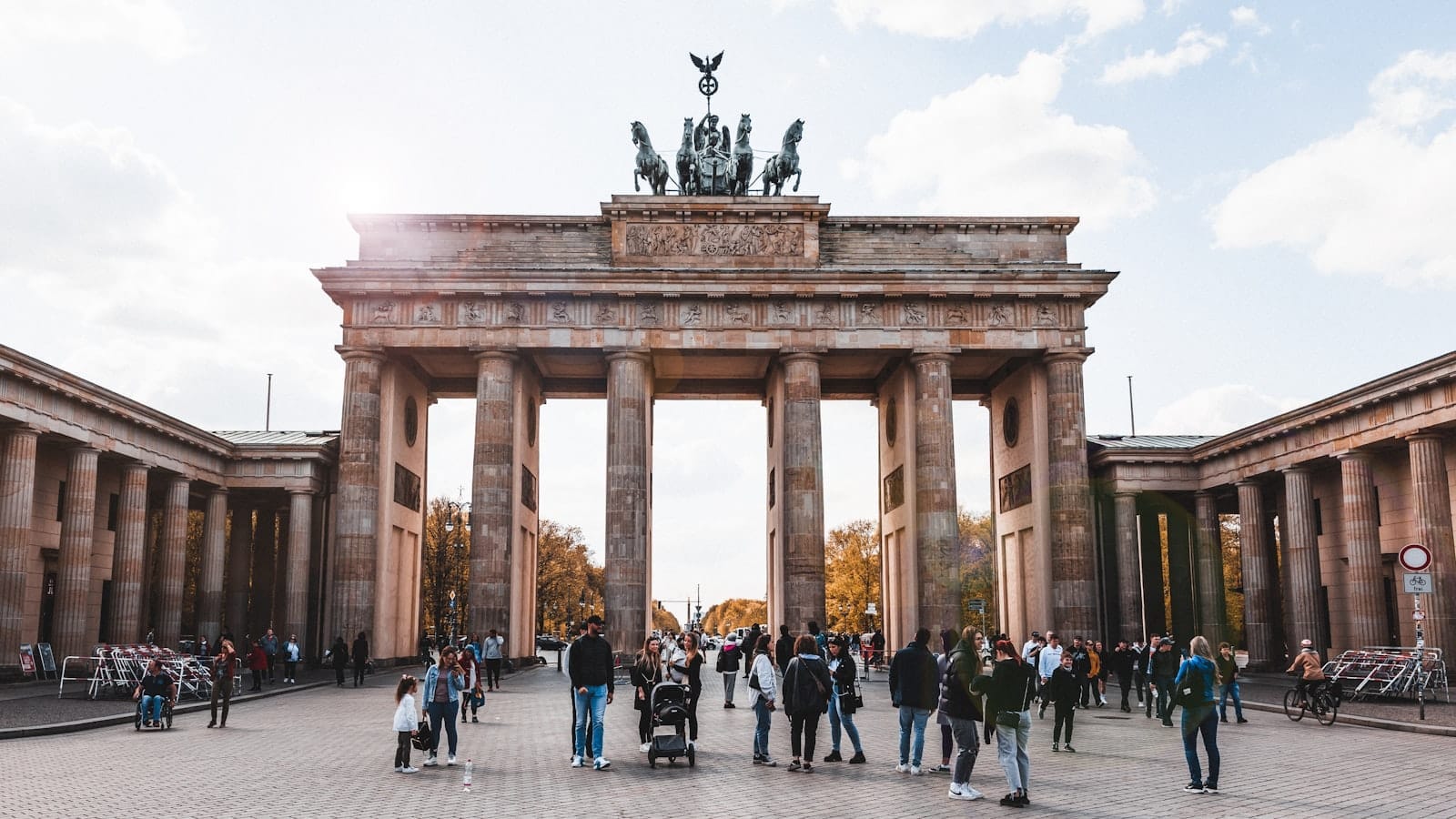
Built in 1791, the gate has stood for Prussian power, Nazi triumph, Cold War division, and finally reunification. No single structure carries more of Berlin's historical weight. Visit early morning to avoid crowds and see the Quadriga clearly in the light. Free, open always.
Explore16. Start at the Brandenburg Gate, Berlin's Symbol of Reunification
Built in 1791, the gate has stood for Prussian power, Nazi triumph, Cold War division, and finally reunification. No single structure carries more of Berlin's historical weight. Visit early morning to avoid crowds and see the Quadriga clearly in the light. Free, open always.
Explore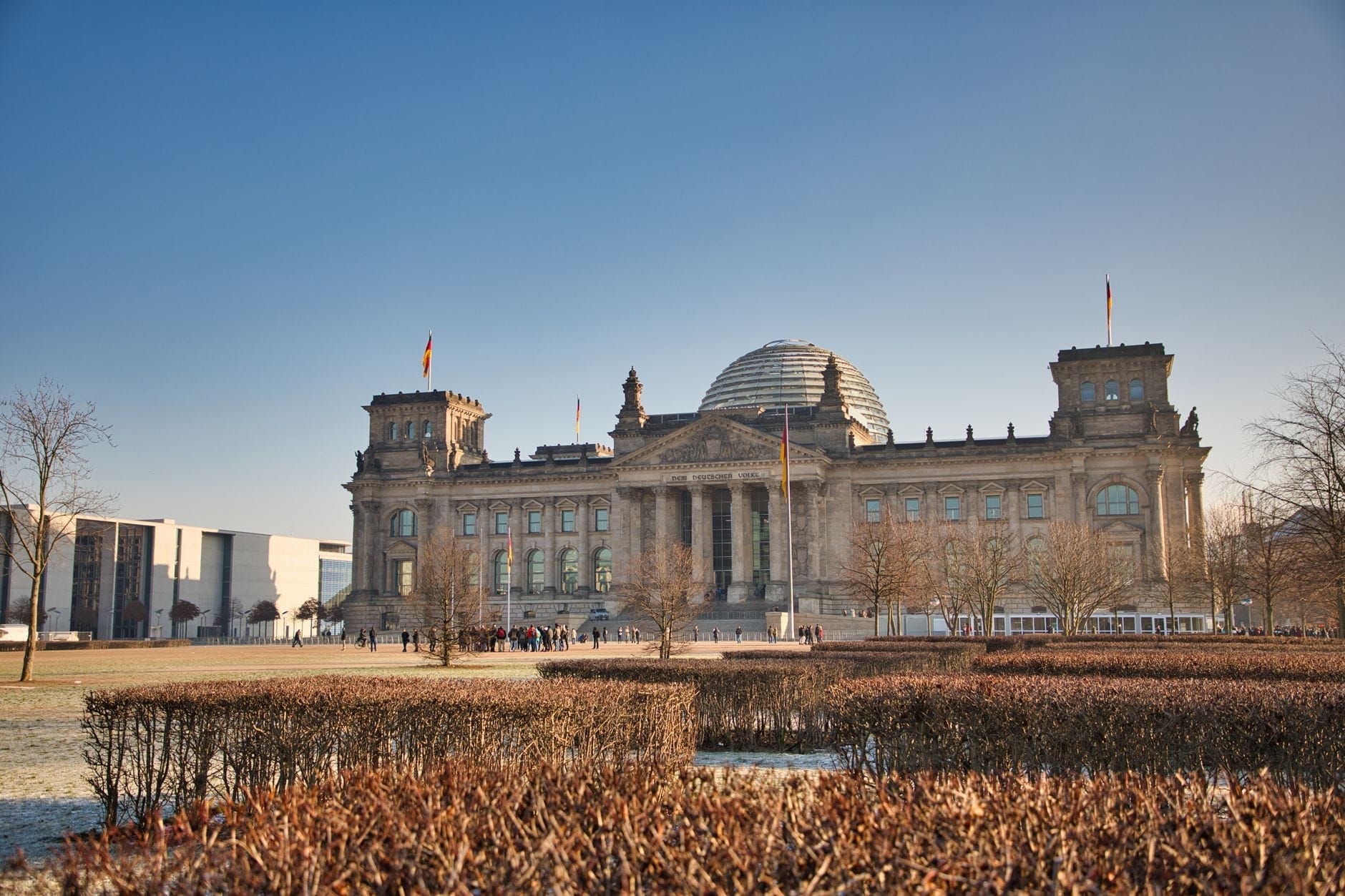
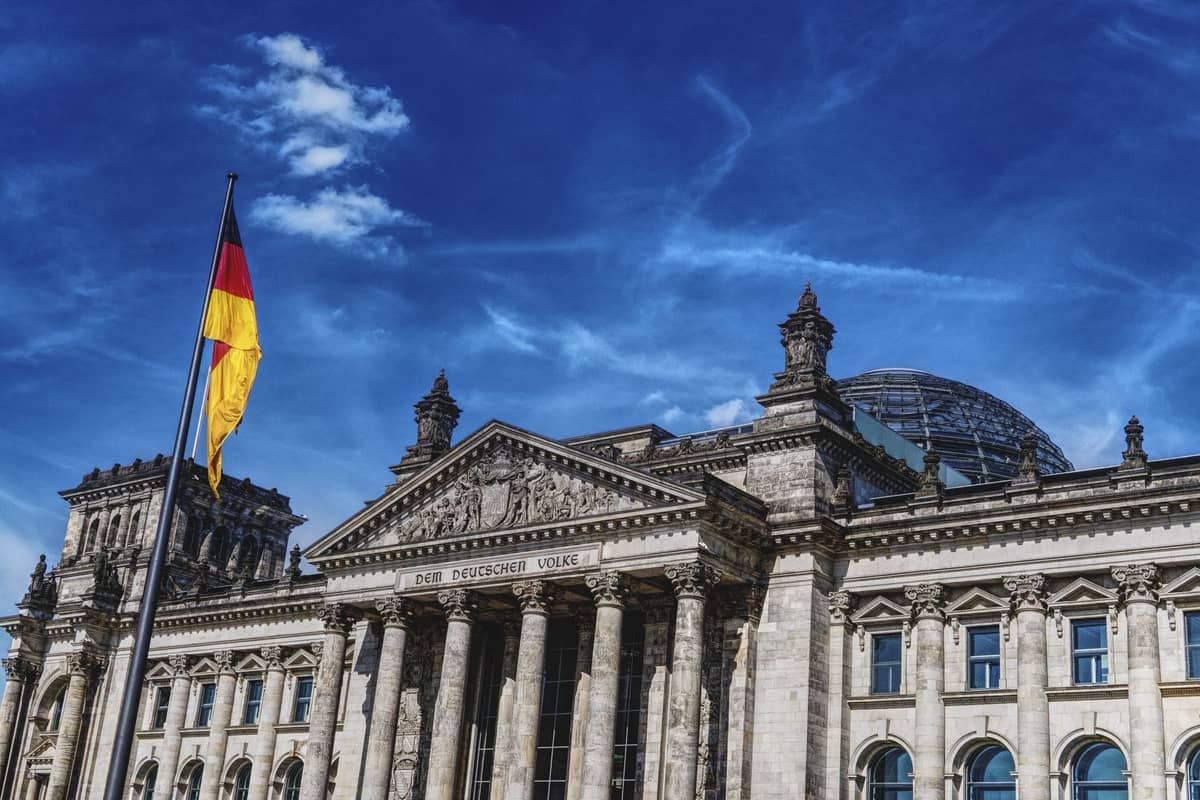
17. Climb the Dome of the Reichstag, Germany's Rebuilt Parliament
The 1894 Reichstag was torched in 1933, left a ruin after 1945, and wrapped by Christo in 1995 before Norman Foster rebuilt it with a transparent glass dome. Free entry to the dome requires advance registration. The view and the building's history together make this a powerful site.
Explore17. Climb the Dome of the Reichstag, Germany's Rebuilt Parliament
The 1894 Reichstag was torched in 1933, left a ruin after 1945, and wrapped by Christo in 1995 before Norman Foster rebuilt it with a transparent glass dome. Free entry to the dome requires advance registration. The view and the building's history together make this a powerful site.
Explore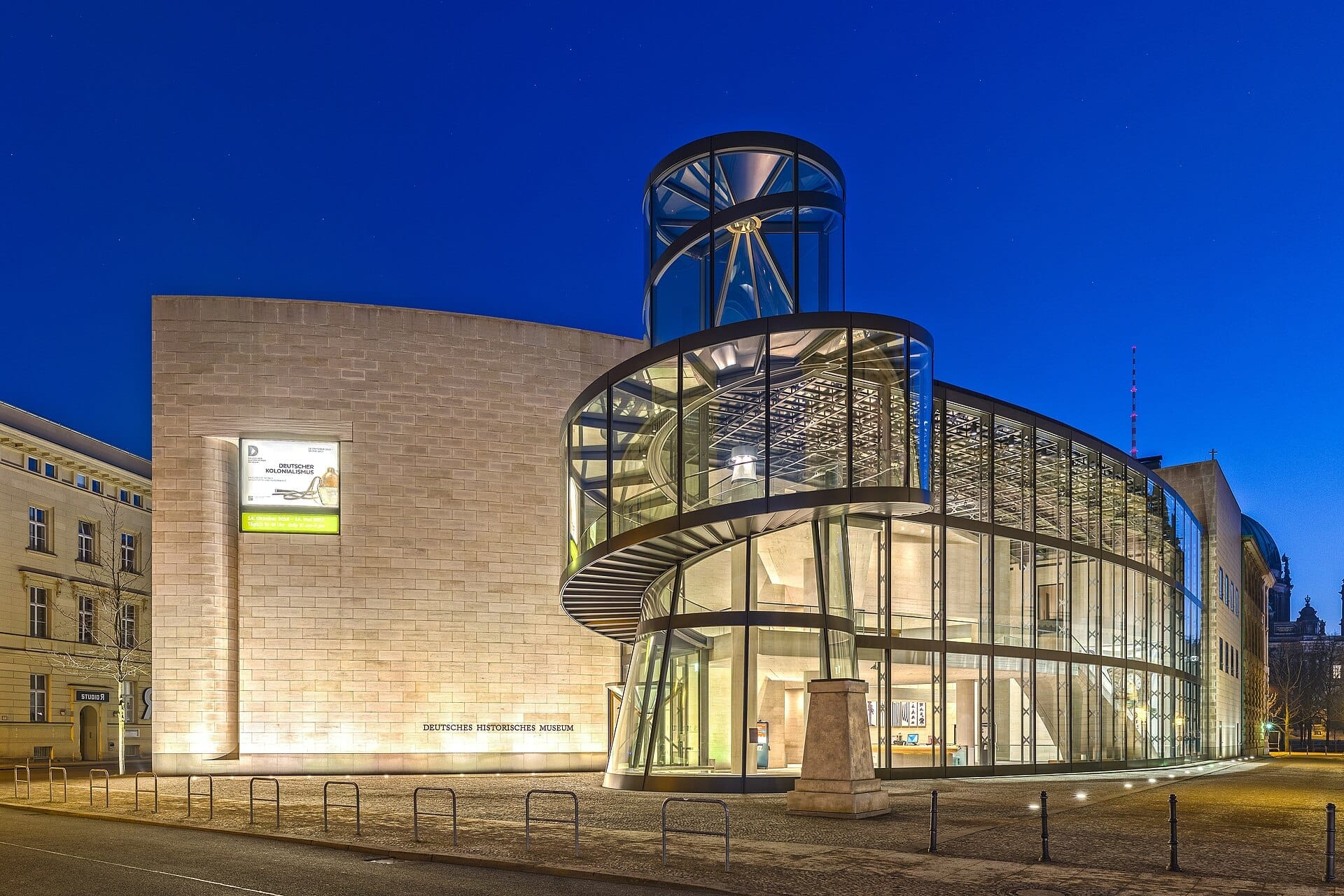
18. Put Everything in Context at the German Historical Museum
The Zeughaus on Unter den Linden presents 2,000 years of German history across 8,000 m² of permanent exhibition. Before visiting individual memorials, a few hours here gives the historical scaffolding to understand what you are seeing elsewhere in the city. I.M. Pei's annex is excellent.
Explore18. Put Everything in Context at the German Historical Museum
The Zeughaus on Unter den Linden presents 2,000 years of German history across 8,000 m² of permanent exhibition. Before visiting individual memorials, a few hours here gives the historical scaffolding to understand what you are seeing elsewhere in the city. I.M. Pei's annex is excellent.
Explore✨ Pro tip
The Neue Wache (New Guardhouse) on Unter den Linden is not listed in the available attraction slugs but is one of Berlin's official central memorials. It sits between the German Historical Museum and the Humboldt Forum, making it easy to combine with both.
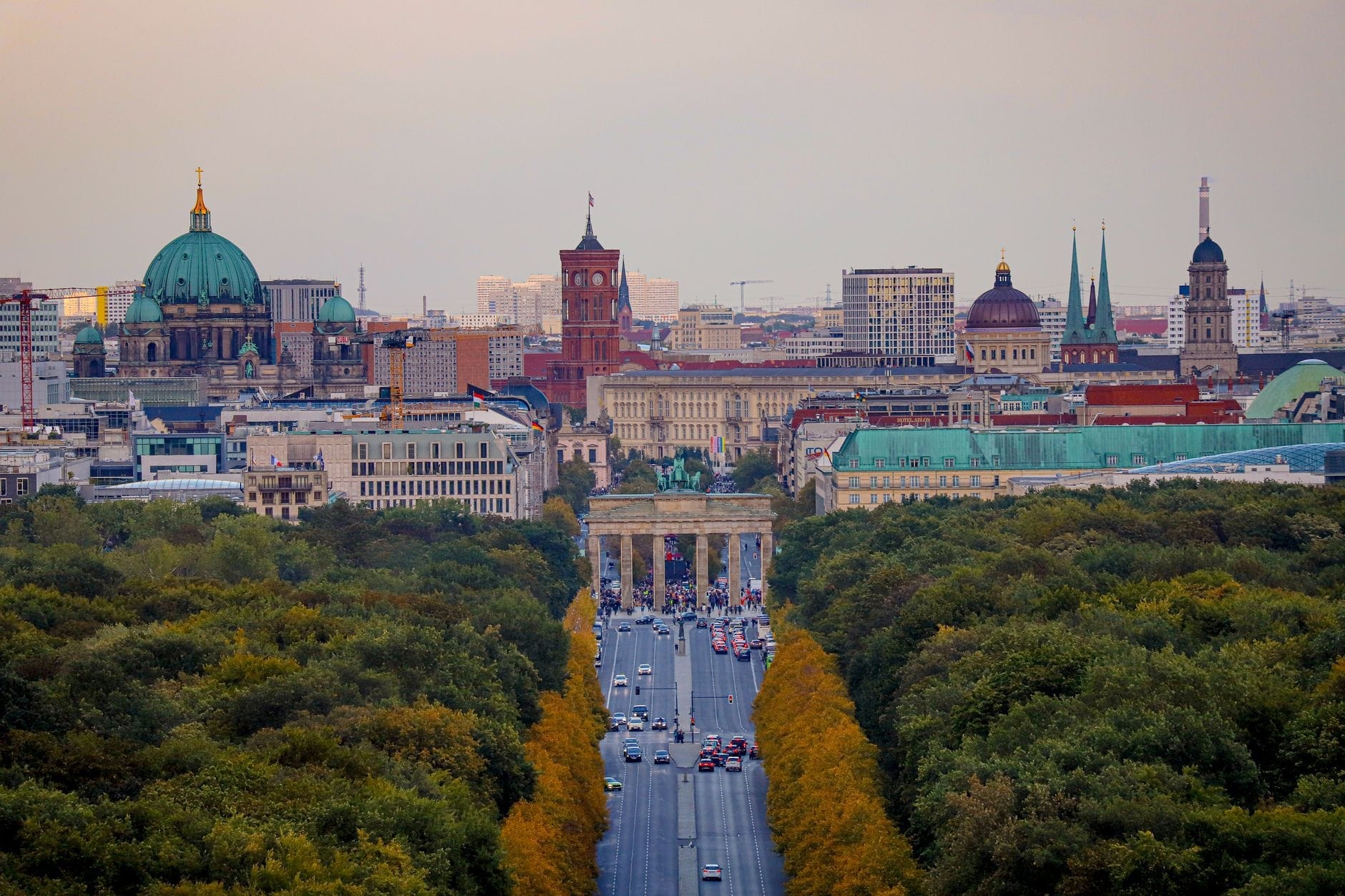
19. Walk Unter den Linden as a Timeline of German Power
The 1.5 km boulevard from Brandenburg Gate to Museum Island passes the Neue Wache, the German Historical Museum, the Berlin Cathedral, and the Humboldt Forum. Walking it end to end is a lesson in how successive German states used architecture to assert legitimacy. Allow one hour.
Explore19. Walk Unter den Linden as a Timeline of German Power
The 1.5 km boulevard from Brandenburg Gate to Museum Island passes the Neue Wache, the German Historical Museum, the Berlin Cathedral, and the Humboldt Forum. Walking it end to end is a lesson in how successive German states used architecture to assert legitimacy. Allow one hour.
Explore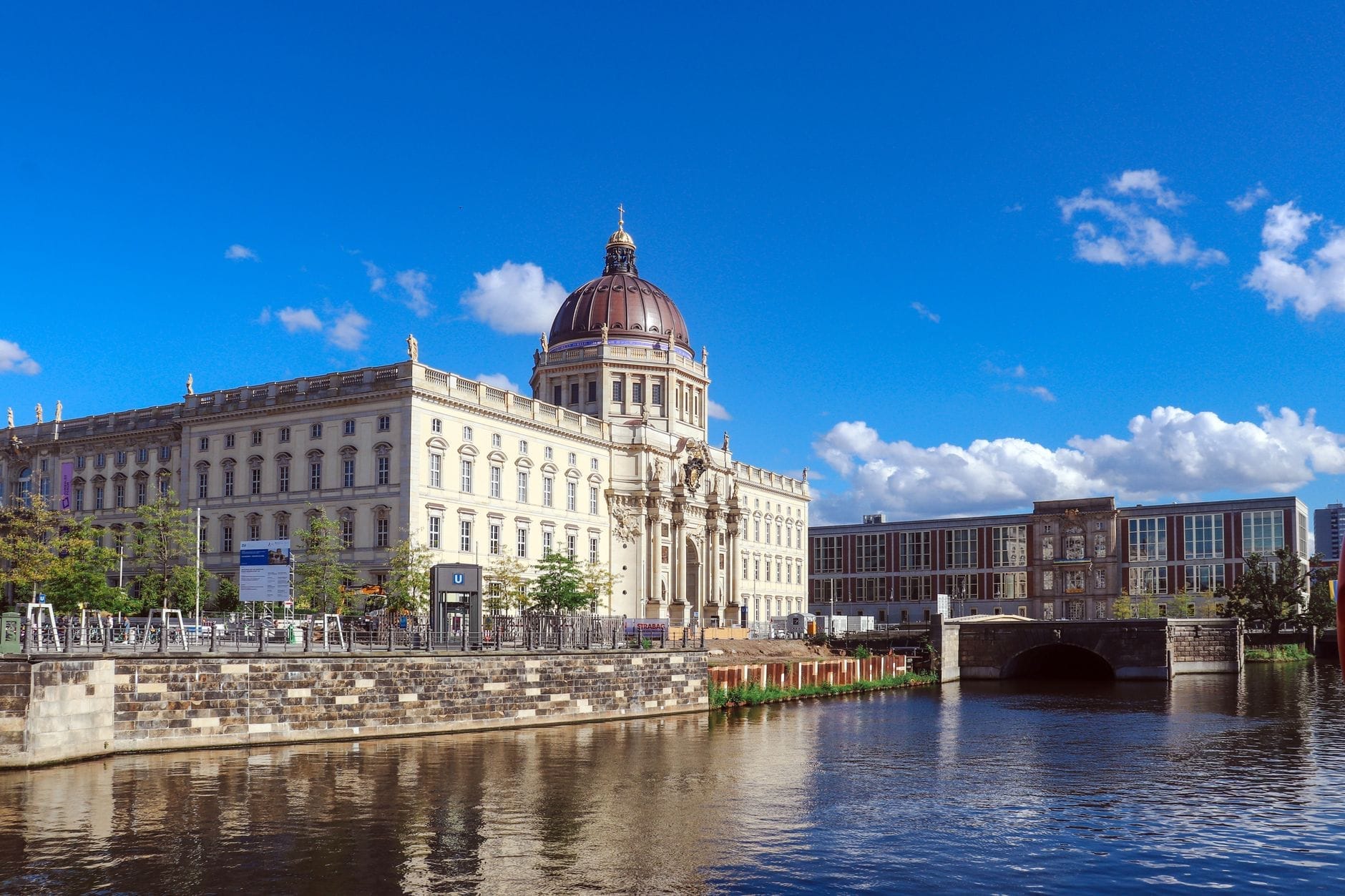
20. Engage with Berlin's Most Debated Memorial Project
The reconstructed Berlin Palace housing the Humboldt Forum is itself a contested memorial act: rebuilding a Hohenzollern palace on the site of the GDR's demolished Palace of the Republic. The debate over what to remember and how is still live. Rooftop views are free.
Explore20. Engage with Berlin's Most Debated Memorial Project
The reconstructed Berlin Palace housing the Humboldt Forum is itself a contested memorial act: rebuilding a Hohenzollern palace on the site of the GDR's demolished Palace of the Republic. The debate over what to remember and how is still live. Rooftop views are free.
ExploreFAQ
How many days do I need to visit Berlin's main memorials?
A focused two-day itinerary covers the core sites in Mitte and Friedrichshain. Day one: Holocaust Memorial, Topography of Terror, Checkpoint Charlie, Palace of Tears. Day two: Berlin Wall Memorial on Bernauer Strasse, East Side Gallery, Stasi Museum. Sachsenhausen and Wannsee each require a separate full day.
Are Berlin's memorials free to enter?
Most are free. The Holocaust Memorial and its Information Centre are free. The Berlin Wall Memorial, Topography of Terror, Palace of Tears, and Soviet War Memorial at Treptow are all free. The Jewish Museum has a paid ticket for some exhibitions, while its core exhibition in the Libeskind building is free. Sachsenhausen is free. The Stasi Museum charges a small admission. Always verify current prices before visiting.
Is the Memorial to the Murdered Jews of Europe the same as the Jewish Museum?
No. The Memorial to the Murdered Jews of Europe near the Brandenburg Gate is Germany's central Holocaust memorial with a field of 2,711 concrete stelae and a free underground Information Centre. The Jewish Museum in Kreuzberg is a separate institution with a permanent collection on 2,000 years of German-Jewish history, housed in Daniel Libeskind's famous building.
What is the best way to get to Sachsenhausen from central Berlin?
Take the S1 S-Bahn from Berlin Hauptbahnhof or Friedrichstrasse to Oranienburg, the final stop, approximately 45 minutes. From Oranienburg station it is a 20-minute walk or a short bus ride to the memorial entrance. Allow a full day: the site is large and the documentation extensive.
Are Berlin's outdoor memorials worth visiting in winter?
Yes, though bring warm clothing. The Holocaust Memorial's stelae field, the East Side Gallery, and the Berlin Wall Memorial on Bernauer Strasse are all outdoor sites that take on a particular stillness in winter. Shorter daylight hours mean you may want to prioritize indoor documentation centers in the morning and outdoor sites around midday.