Friedrichshain is one of Berlin's most electrically charged inner-city quarters: a former East Berlin working-class district that reinvented itself after reunification as a hub for alternative culture, techno clubs, street art, and some of the city's most recognizable Cold War landmarks. Today it balances young families in leafy side streets with one of Europe's most concentrated nightlife zones near Warschauer Brücke.
Friedrichshain is where Berlin's post-Wall identity is most legible: monumental GDR architecture on Karl-Marx-Allee, the longest surviving stretch of the Berlin Wall along the Spree, and a nightlife corridor that still operates by its own rules. It is an area of real contradictions, and that tension is exactly what makes it worth understanding.
Orientation
Friedrichshain sits in the inner east of Berlin, forming the eastern half of the combined borough of Friedrichshain-Kreuzberg. Its western edge begins around Lichtenberger Straße and Mollstraße, where it meets the outer edge of Mitte. To the north, Danziger Straße and Am Friedrichshain mark the border with Prenzlauer Berg. The River Spree traces the southern boundary, with the Oberbaumbrücke connecting it to Kreuzberg on the opposite bank. To the east, the neighborhood stretches toward Lichtenberg, with Ostkreuz station acting as a natural eastern anchor.
The district takes its name from Volkspark Friedrichshain, a large park that sits at the northern edge of the quarter. The park predates the GDR era and was one of the first public green spaces laid out in Berlin, in the mid-19th century. South of the park, the grand axis of Karl-Marx-Allee runs east-west across the neighborhood before splitting at Frankfurter Tor into two separate streets. This boulevard is the spatial and historical backbone of the district. South of Karl-Marx-Allee, the streets become narrower and more residential, eventually giving way to the densely developed area around Boxhagener Platz and then the post-industrial waterfront zone near the Spree.
At the far southern tip, the Stralauer Halbinsel (Stralau peninsula) juts into the Spree and has been largely redeveloped into upmarket apartments. Between Stralau and the main residential core lies the Warschauer Brücke corridor, home to the East Side Gallery and the RAW-Gelände, the former railway repair yard that now anchors the district's club scene. Understanding this north-south gradient from grand Soviet-era boulevard down to waterfront nightlife strip helps you navigate Friedrichshain as a coherent whole rather than a random collection of things to do.
Character & Atmosphere
Friedrichshain does not feel the same at 9am as it does at 9pm, or at 4am on a Saturday. That range is one of its defining qualities. In the morning, the residential streets between Boxhagener Platz and Revaler Straße feel genuinely local: parents cycling with children, people queuing at bakeries, dog walkers moving through side streets still faintly decorated with wheat-paste posters from the weekend's parties. The light in early morning falls flat and grey over the GDR-era prefab blocks (Plattenbau), giving those streets a particular quiet weight that is unlike anything in the western districts of Berlin.
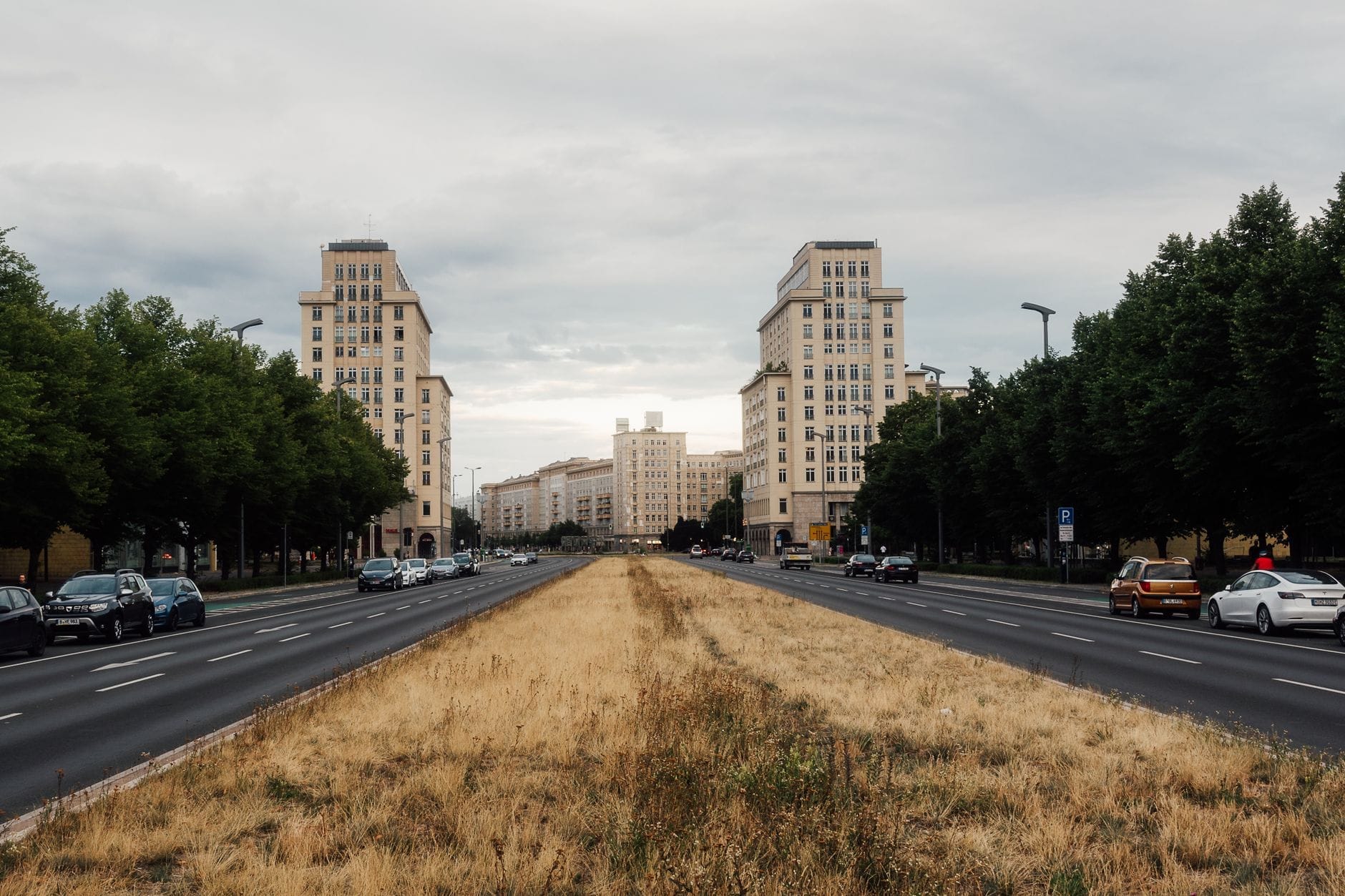
By afternoon, the energy shifts. Boxhagener Platz fills up with cafe tables and people working on laptops. Street art corridors like the stretch near RAW-Gelände draw photographers and tourists walking the length of the East Side Gallery. Karl-Marx-Allee is imposing in the afternoon light: the wide, cream-coloured facades of the Stalinist apartment blocks catch the sun in a way that makes them look almost cinematic. Walking east from Strausberger Platz toward Frankfurter Tor along this boulevard, the scale is deliberately overwhelming. That was the point, architecturally and politically.
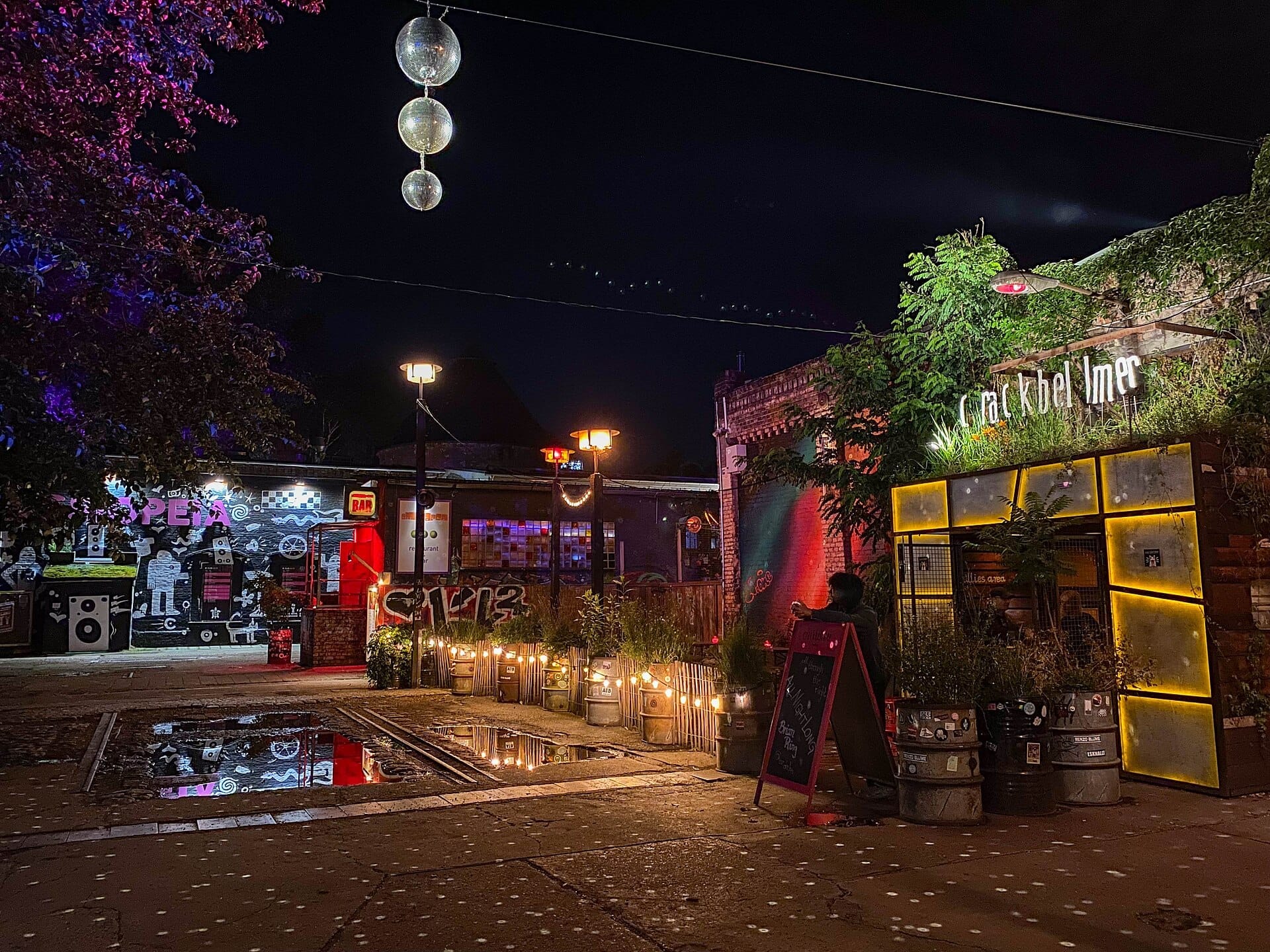
After dark, the balance shifts dramatically toward the nightlife zone. Warschauer Straße station becomes the arrival point for thousands of people heading to clubs, bars, and venues along the Spree. The streets around RAW-Gelände and the river fill with queues, street food vendors, and sound bleeding from multiple directions simultaneously. This part of Friedrichshain is loud, crowded on weekends, and not particularly welcoming to anyone who was not specifically planning to be there. The residential streets a few blocks north are a completely different world at the same hour.
ℹ️ Good to know
Friedrichshain has two distinct personalities that coexist uneasily: a genuinely residential quarter with young families and long-term residents, and one of Europe's most intense nightlife corridors. Which one you experience depends almost entirely on where in the neighborhood you spend your time.
What to See & Do
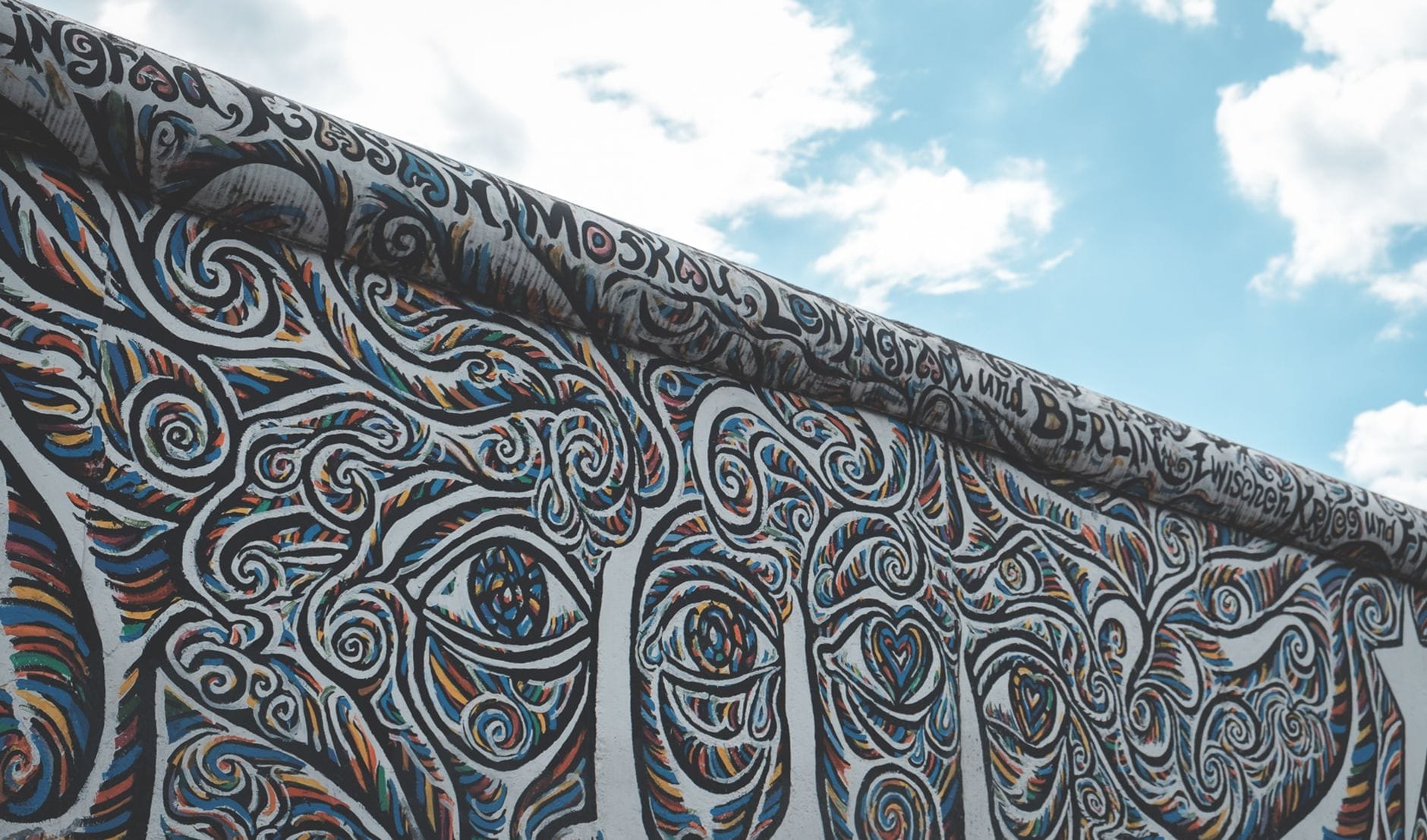
The East Side Gallery is the most visited site in the district and one of the most significant in Berlin. Stretching for 1.316 kilometres along the Mühlenstraße side of the Spree, it is the longest continuous preserved section of the Berlin Wall and functions as an open-air gallery with murals painted by international artists in 1990. The works vary enormously in quality, and the most famous images (including Dmitri Vrubel's 'Fraternal Kiss') have been repainted multiple times. The Gallery is free to walk along at any hour, though it draws large tourist crowds in the middle of the day. Early morning or after dusk gives you a more considered experience of the murals.
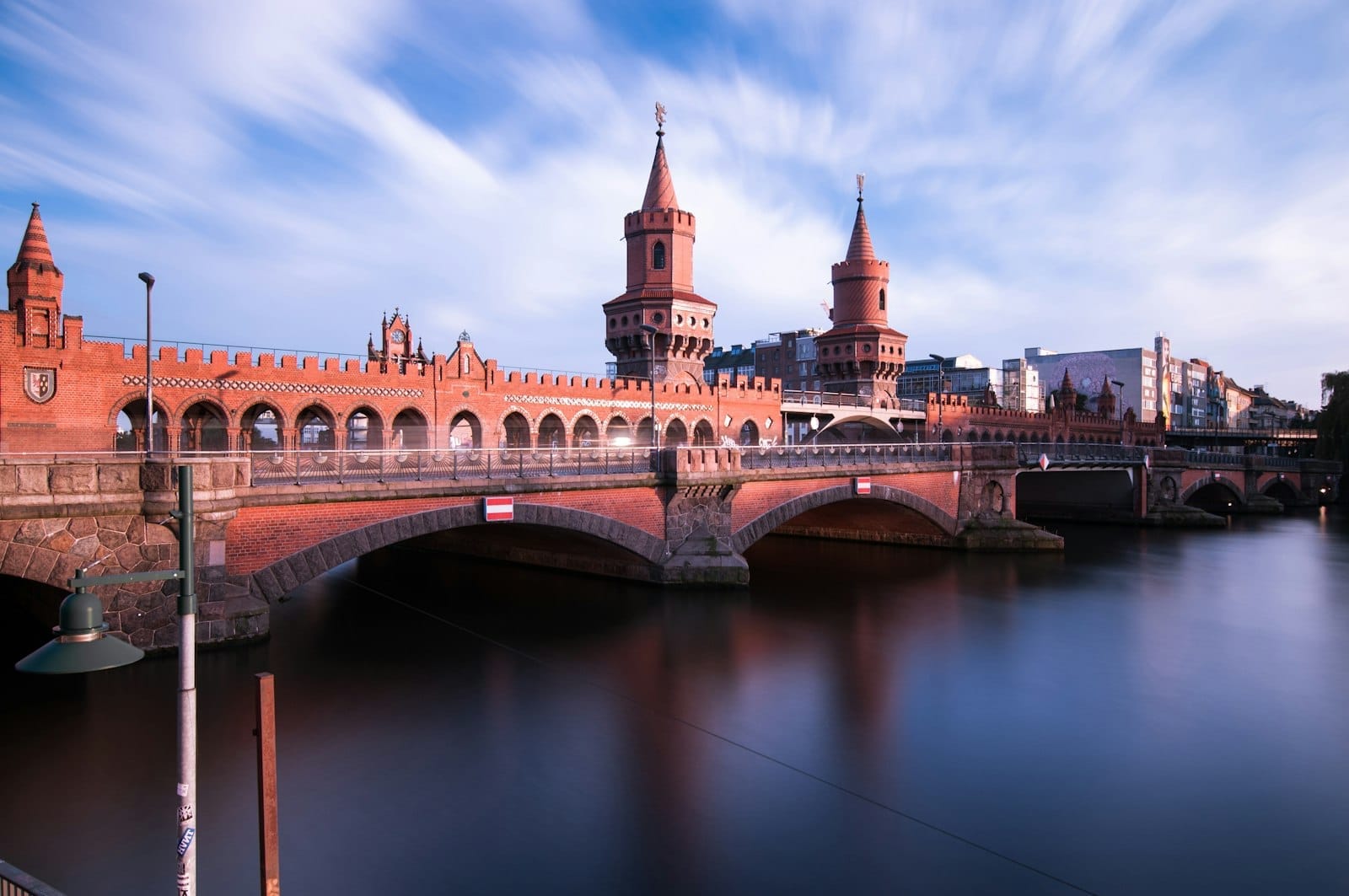
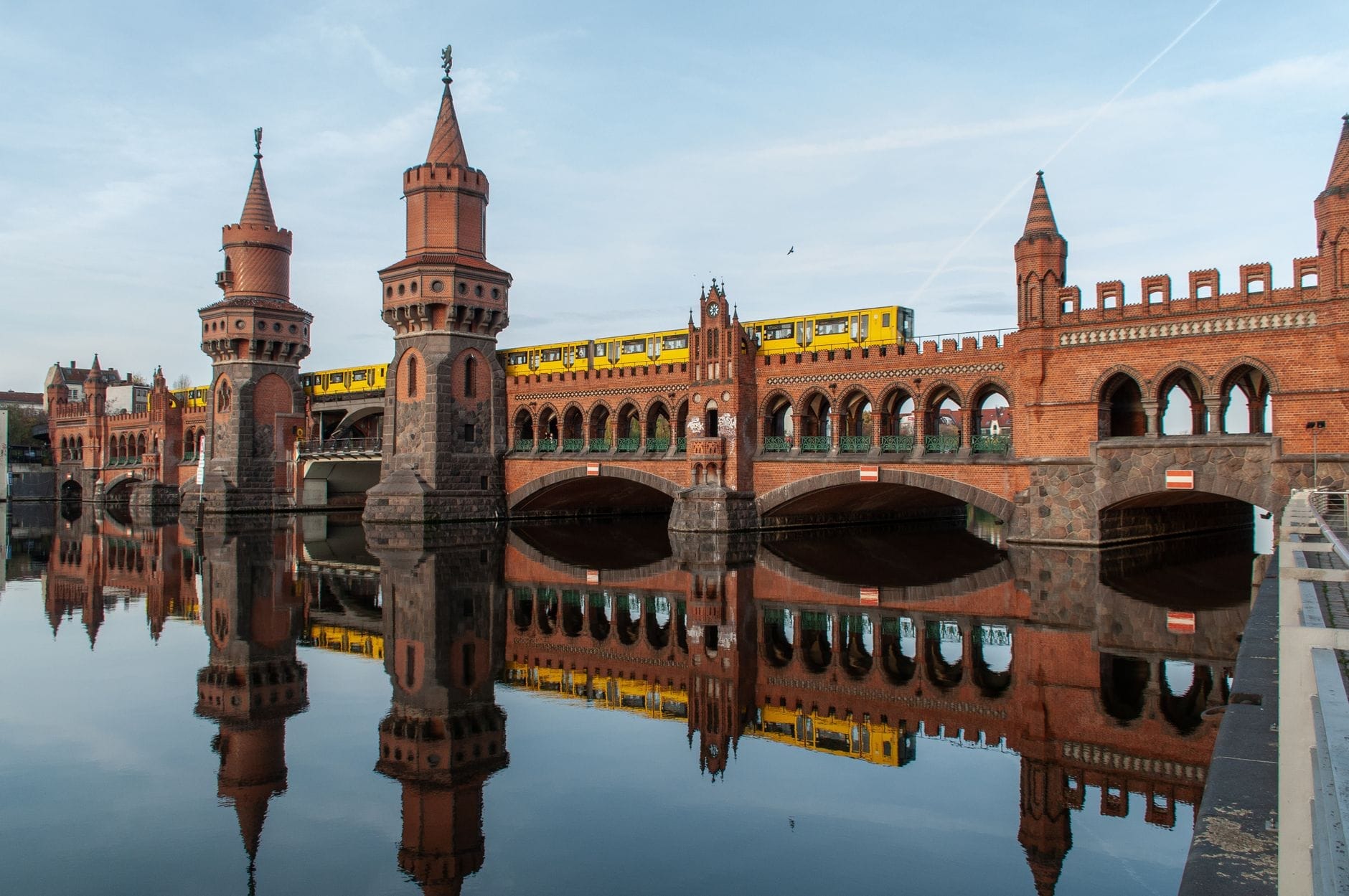
At the western end of the East Side Gallery, the Oberbaumbrücke crosses the Spree into Kreuzberg. This double-decker bridge, with its neo-Gothic towers and red brick arches, was originally built in the late 19th century and served as a border crossing between East and West Berlin during the division. Walking across it gives you a view up and down the Spree that captures why this stretch of river became so heavily developed after reunification.
Further north along the district's main axis, Karl-Marx-Allee deserves more time than most visitors give it. The boulevard was constructed in two phases between 1952 and 1960 as a showcase of East German socialist architecture, and the buildings that line it are genuinely extraordinary in scale. The ground floors are occupied by shops, cafes, and a cinema (the Kino International and Cafe Moskau are the most architecturally notable), while the upper floors are residential. Guided walking tours cover this street specifically; it is also included in broader Cold War Berlin itineraries given its role as a direct expression of GDR ideological architecture.
Volkspark Friedrichshain at the northern end of the district is the oldest public park in Berlin, officially opened in 1848. It includes two fairy-tale fountains, forested hills (the so-called Mäuseberg and Großer Bunkerberg, the latter built over a WWII bunker), an open-air theatre, and extensive paths through mature trees. It connects socially to Prenzlauer Berg on its north side and serves as a genuine recreation space for local residents. For those interested in RAW-Gelände, the former Reichsbahnausbesserungswerk (railway repair yard) off Revaler Straße has been transformed into a sprawling complex of clubs, bars, a climbing wall, a skate park, and event spaces. It is a key site for understanding how post-industrial spaces were repurposed in eastern Berlin after 1990.
East Side Gallery: free, open 24 hours, 1.316 km along Mühlenstraße
Oberbaumbrücke: free to cross, best photographed from the riverbank below
Karl-Marx-Allee: walk the full stretch from Strausberger Platz to Frankfurter Tor
Volkspark Friedrichshain: open green space with hill walks, fountains, and forest paths
RAW-Gelände: active day and night, check specific venue schedules
Boxhagener Platz (Boxi): Saturday flea market and Sunday farmers' market
💡 Local tip
The Saturday flea market at Boxhagener Platz is one of the more genuine in Berlin: smaller than Mauerpark and less tourist-oriented, with a mix of vintage clothing, records, books, and local sellers. It runs roughly from 10am to late afternoon. Check the Berlin flea markets guide for context on how it compares to others across the city.
Eating & Drinking
The food scene in Friedrichshain reflects its demographic mix: international, budget-conscious in many spots, and increasingly polished in others. Around Boxhagener Platz and the streets radiating from it, particularly Simon-Dach-Straße and Wühlischstraße, there is a high concentration of restaurants, cafes, and bars within a short walking radius. Simon-Dach-Straße is the most tourist-facing of these streets, lined with outdoor-seating restaurants and bars that stay open late. The quality is variable; local residents tend to eat on the quieter streets around Boxi rather than on the main strip.
Friedrichshain has a strong cafe culture that reflects its large student and creative-worker population. Many cafes double as co-working spaces during the day and transition into bar mode by early evening. The neighbourhood also has a solid Vietnamese food presence, a legacy of the GDR-era Vietnamese contract worker community that settled in East Berlin, and several Turkish-run imbiss spots for quick, inexpensive meals. For a more curated food experience, the area around the Spree waterfront has seen new restaurant openings in recent years, some oriented toward the brunch-weekend crowd.
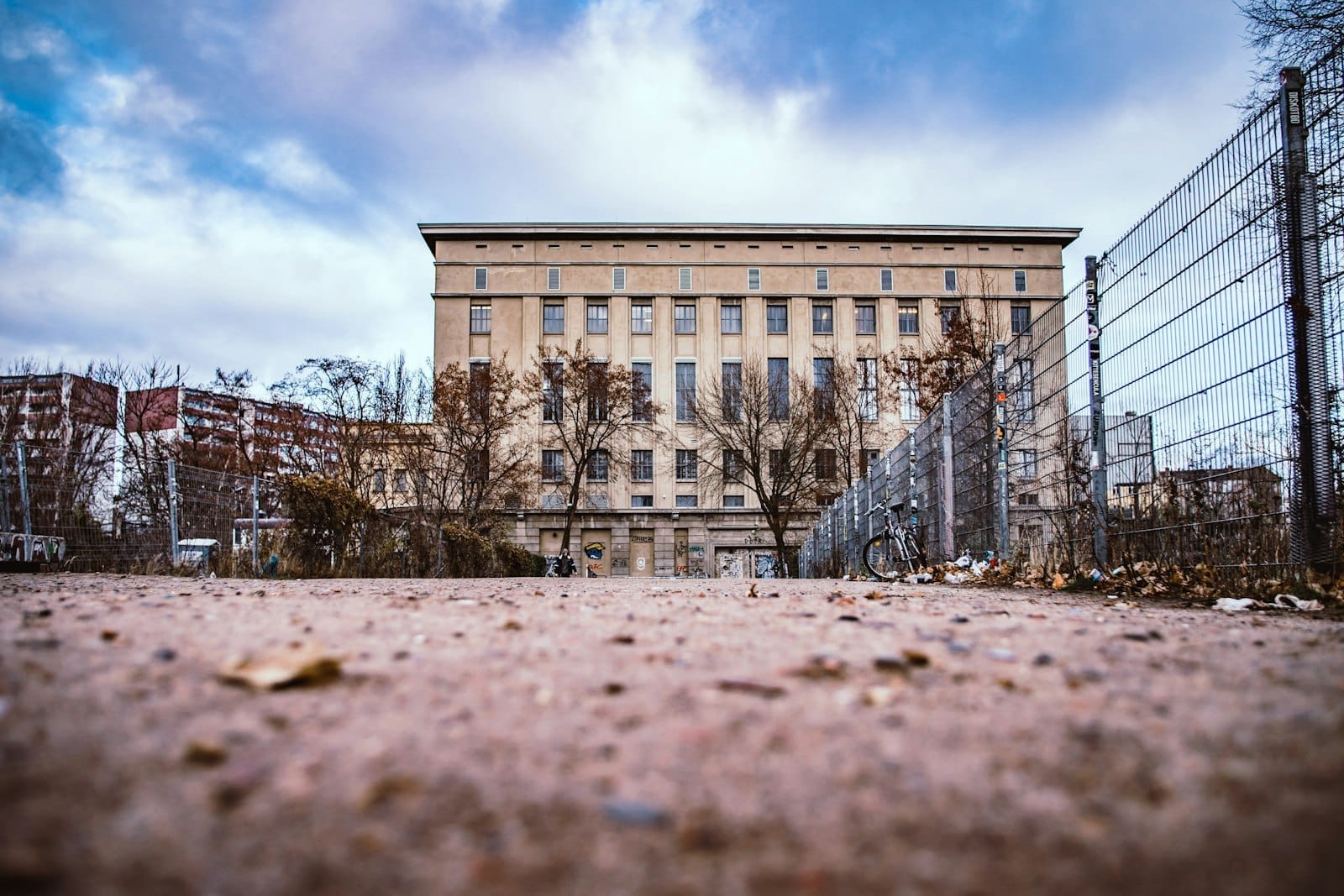
The drinking scene is one of Berlin's most varied in this district. At the budget and alternative end, bars around Rigaer Straße and Revaler Straße have a gritty, deliberately informal character. Moving toward the Spree, the club and bar corridor becomes more intense: Berghain, located just across the border between Friedrichshain and Kreuzberg near Ostbahnhof, is the most globally known of the area's clubs. The broader Warschauer Brücke area hosts numerous smaller venues, many occupying repurposed industrial or container structures. For a full overview of how the nightlife circuit works across this part of Berlin, the Berlin nightlife guide covers entry policies, timing, and practical logistics in detail.
⚠️ What to skip
Simon-Dach-Straße is frequently described as the 'party street' of Friedrichshain, but it functions primarily as a tourist corridor. Prices are higher, quality is inconsistent, and it gets very loud on weekend nights. If you are eating or drinking here, treat it as a convenient option rather than a representative sample of the neighbourhood's actual food scene.
Getting There & Around
Friedrichshain is well connected by public transport and easy to reach from anywhere in Berlin. The central hub is S+U Warschauer Straße, served by S-Bahn lines S3, S5, S7, and S9, plus U-Bahn lines U1 and U3. From Berlin Hauptbahnhof, the S5 or S7 reaches Warschauer Straße in around 15 minutes. From Alexanderplatz, the journey is about 4 minutes on the same S-Bahn lines.
Ostkreuz, at the eastern edge of the district, is one of Berlin's most important interchange stations, served by S-Bahn lines S3, S5, S7, S8, S9, S41, S42, and S85. It connects Friedrichshain directly to Schönefeld and Berlin Brandenburg Airport via the S9, to Treptow-Köpenick in the south-east, and to the ring line that circles the city. For trips into the western districts, Warschauer Straße is the more useful starting point.
Within the district, U-Bahn line U5 stops at Weberwiese and Frankfurter Tor, both useful for accessing Karl-Marx-Allee and the residential interior of the neighborhood without having to walk up from Warschauer Straße. Trams serve the northern parts of the district, connecting toward Prenzlauer Berg. The district is flat and well-suited to cycling; the Spree riverside path runs the length of the southern boundary and links directly to the East Side Gallery and Oberbaumbrücke.
Friedrichshain connects on foot to Kreuzberg via the Oberbaumbrücke (around 5 minutes walk from the East Side Gallery), and to Mitte along Karl-Marx-Allee westward. The walk from Warschauer Straße station to Berghain takes about 10 minutes on foot. For transit logistics across the broader city, including which pass to buy, the getting around Berlin guide covers the BVG network, ticket zones, and day pass options in full.
Where to Stay
Friedrichshain is a reasonable base for visitors who want to be close to the nightlife circuit or the East Side Gallery and do not mind some noise. The area around Boxhagener Platz and the streets between Boxi and Warschauer Straße has the highest concentration of budget hotels, hostels, and apartment rentals. Staying here puts you within a 10-minute walk of Warschauer Straße station while keeping you slightly removed from the loudest parts of the nightlife zone.
Anyone who values quiet evenings should avoid accommodation on or immediately adjacent to Simon-Dach-Straße, Revaler Straße, or Mühlenstraße (along the East Side Gallery), all of which generate significant noise on Thursday through Sunday nights. The streets north of Karl-Marx-Allee, closer to the park, are considerably quieter and still well connected by U-Bahn. Friedrichshain tends to attract younger travelers, backpackers, and people specifically visiting for the club scene. It is less suited to families with young children or travelers looking for a calm, upscale base, for whom Prenzlauer Berg or Mitte might be better options.
For a full comparison of Berlin's accommodation zones by traveler type and budget, the where to stay in Berlin guide places Friedrichshain in context alongside other districts. For those on a tight budget who still want good transit access, this neighborhood consistently offers some of the city's most competitive hostel and budget hotel rates.
Practical Tips & Safety
Friedrichshain is generally safe by the standards of any major European city. The main area requiring ordinary vigilance is the Warschauer Brücke corridor on weekend nights, when large numbers of intoxicated visitors create the usual conditions for opportunistic theft. Keep bags closed and phones out of sight in crowded queue areas. The U-Bahn and S-Bahn platforms at Warschauer Straße late at night can feel chaotic but are not unusually dangerous.
Street art is a visible part of the neighborhood's texture, and some of it appears on private buildings without permission. The area around RAW-Gelände and the Spree is particularly rich in murals, paste-ups, and tagged surfaces. For those interested in understanding the wider context of Berlin's street art culture, the Berlin street art guide explains the key sites and the history behind the city's relationship with public art. Additionally, visitors interested in the Cold War history visible throughout Friedrichshain should consult the Berlin Wall guide for detailed historical context on the East Side Gallery and the former border crossing at Oberbaumbrücke.
💡 Local tip
Berlin's AB zone ticket covers the entire Friedrichshain district and all U-Bahn, S-Bahn, tram, and bus services within it. You do not need the ABC zone unless you are travelling to Berlin Brandenburg Airport or to outer districts like Spandau. A day ticket (Tageskarte) for the AB zone is cost-effective if you plan to make more than two or three journeys in a day.
TL;DR
Best for: travelers interested in Cold War history, Berlin's nightlife and club culture, street art, and GDR-era architecture.
Key sites: East Side Gallery, Karl-Marx-Allee, Oberbaumbrücke, RAW-Gelände, Volkspark Friedrichshain, and Boxhagener Platz.
Transit: excellent connections via S+U Warschauer Straße and Ostkreuz; easy access from Hauptbahnhof (15 min) and Alexanderplatz (under 5 min).
Not ideal for: travelers who need quiet evenings, families with young children, or those looking for a polished, upscale neighbourhood experience.
Time of day matters: the residential streets around Boxi and Karl-Marx-Allee are best explored in the morning and afternoon; the Spree corridor comes alive after dark, particularly from Thursday to Sunday.
Three days in Berlin is enough to cover the essential history, art, and culture of Germany's capital, but only if you plan smartly. This day-by-day itinerary groups attractions by location, cuts the tourist traps, and gives you the practical details to make every hour count.
Berlin runs 80 to 100+ Christmas markets each season, spread across dozens of neighbourhoods with wildly different characters. This guide covers the best markets, when to go, what things cost, how to get around, and what to skip.
Berlin's flea markets are a city institution, drawing locals and visitors every Sunday to browse vintage clothing, vinyl records, GDR curiosities, and handmade goods. This guide covers the best markets across the city, from the massive and famous to the small and locals-only.
Berlin's food scene is unlike anywhere else in Germany. It mixes post-war street food traditions with Turkish culinary heritage, international market culture, and a thriving modern restaurant scene. This guide covers what to eat, where to find it, and how much to pay.
Summer in Berlin runs from June through August and offers long daylight hours, warm temperatures, open-air events, and easy access to lakes and river cruises. This guide covers what the weather is actually like, the best outdoor activities, where locals spend their time, and what to pack.
Berlin in winter is colder, darker, and quieter than summer — but that's exactly what makes it compelling. From Advent Christmas markets to uncrowded museum halls and budget-friendly hotels, this guide covers what to expect, what to skip, and how to make the most of the season.
Berlin is surrounded by dozens of swimmable lakes, many reachable by S-Bahn in under 30 minutes. This guide covers the best spots for a beach day, a forest swim, or a full lake day trip, from classic lidos to quieter shores.
Berlin has one of the world's most established and expansive queer scenes, rooted in over a century of LGBTQ+ history. This guide covers the best neighborhoods, bars, clubs, cultural institutions, Pride events, and practical tips for LGBTQ+ travelers visiting Berlin.
Berlin holds more memorials per square kilometer than almost any city on earth. This guide covers the essential sites across the city, from Nazi-era documentation centers to Cold War border crossings, with practical advice on making the most of each visit.
Berlin's after-dark scene is unlike anywhere else in the world. This guide covers the top clubs, bar districts, door policy realities, seasonal shifts, and practical logistics so you spend less time queuing and more time on the dancefloor.
Berlin remains one of Europe's more affordable capitals, but prices have risen. This guide breaks down realistic daily budgets, the cheapest ways to get around, free and low-cost attractions, and where to eat well without spending much — all updated for 2026.
The Reichstag Dome is one of Berlin's most iconic experiences, and entry is completely free. But you cannot simply walk up and go in. This guide covers the registration process, opening hours, seasonal closures, guided tour options, and the best times to visit, so you arrive prepared and don't waste a trip.
Berlin is one of Europe's most visited cities, and for most travelers it is perfectly safe. But petty theft, transit scams, and a few recurring tourist traps are real. This guide covers what the risks actually look like, where they are concentrated, and exactly how to avoid them.
Berlin is one of the world's great open-air galleries, with significant clusters of murals and graffiti across Friedrichshain, Kreuzberg, Mitte, and beyond. This guide covers the best locations, iconic individual pieces, the URBAN NATION museum, Teufelsberg, and everything you need to plan a serious street art itinerary.
The Berlin to Prague train is one of Europe's most rewarding rail journeys: direct EuroCity service, around 4 hours, and fares starting from €25 if you book ahead. This guide covers schedules, prices, booking platforms, seat reservations, and what to expect on board.
Berlin rewards those who go high. Whether you climb a Cold War listening station, ride a lift to 203 meters, or sip a drink on a rooftop above the Ku'damm, the city looks extraordinary from above. This guide covers the best viewpoints and rooftop bars in Berlin, with practical advice on tickets, timing, and what to expect.
Berlin is one of the world's great walking cities, where every street corner carries a layer of history. This guide covers the top attractions to include on guided tours and self-guided walks, from the monumental boulevards of Mitte to the Wall memorials of Friedrichshain.
The Berlin Wall divided a city and defined an era. This guide covers every major surviving site, the history you need to understand what you're looking at, practical visitor information, and honest advice on how to make the most of your time.
The Berlin WelcomeCard promises unlimited public transport and discounts at 170+ attractions. But it only makes financial sense for certain types of visitors. This guide breaks down both versions, the real math behind the savings, and who should skip it entirely.
Berlin is one of Europe's most family-friendly cities, with world-class museums, vast parks, excellent public transport, and enough hands-on attractions to keep children genuinely engaged. This guide covers the best activities, practical logistics, and honest advice for travelling to Berlin with kids.
Berlin has around 175 museums, from ancient civilizations on Museum Island to Cold War surveillance headquarters in Friedrichshain. This guide cuts through the noise and picks the museums worth your time, organized by theme so you can plan your days efficiently.
Berlin rewards visitors in every season, but not equally. This guide breaks down what to expect month by month, from summer festival heat to winter market charm, so you can choose the trip that actually matches your priorities.
Berlin preserves more Cold War history than almost any city on earth. This guide covers the essential sites, from the Berlin Wall Memorial to the Stasi prison in Hohenschönhausen, with honest assessments of what's worth your time and what's overrated.
Berlin's position at the heart of northern Germany makes it one of Europe's best bases for day trips. Within an hour by train you can reach a Rococo palace, a former concentration camp, a vast lake, or a Cold War spy station. This guide covers the best excursions from the city, with practical travel advice for each.
Berlin is one of Europe's most rewarding cities for budget travelers. From world-class memorials and open-air galleries to vast parks and free museums, here are 20 genuinely free experiences that showcase the best of the German capital.
Berlin has one of Europe's most comprehensive public transport networks, but it comes with its own rules, zones, and quirks. This guide covers everything from ticket prices and fare zones to night buses, cycling, and getting in from the airport — so you spend less time figuring out logistics and more time actually exploring the city.
Museum Island is one of Europe's great cultural concentrations: five world-class museums on a sliver of land in the heart of Berlin, all within a UNESCO World Heritage Site. This guide covers every practical detail you need to make the most of a visit, from tickets and timing to which collections are worth your time.
Berlin rewards curious travelers with an extraordinary range of experiences, from free Cold War memorials and five-museum island complexes to legendary nightlife and Sunday flea markets. This guide cuts through the noise with specific prices, honest assessments, and practical logistics to help you plan the city your way.
Berlin's food scene runs deeper than döner kebab and currywurst. This guide covers where to eat in Berlin across every budget and neighborhood, from legendary street food institutions to world-ranked fine dining, with practical advice on reservations, prices, and what to skip.
Choosing where to stay in Berlin shapes your entire trip. This guide breaks down the city's main neighborhoods by traveler type, budget, and priorities, so you can find the right base without second-guessing your booking.