LGBTQ+ Berlin: A Complete Travel Guide
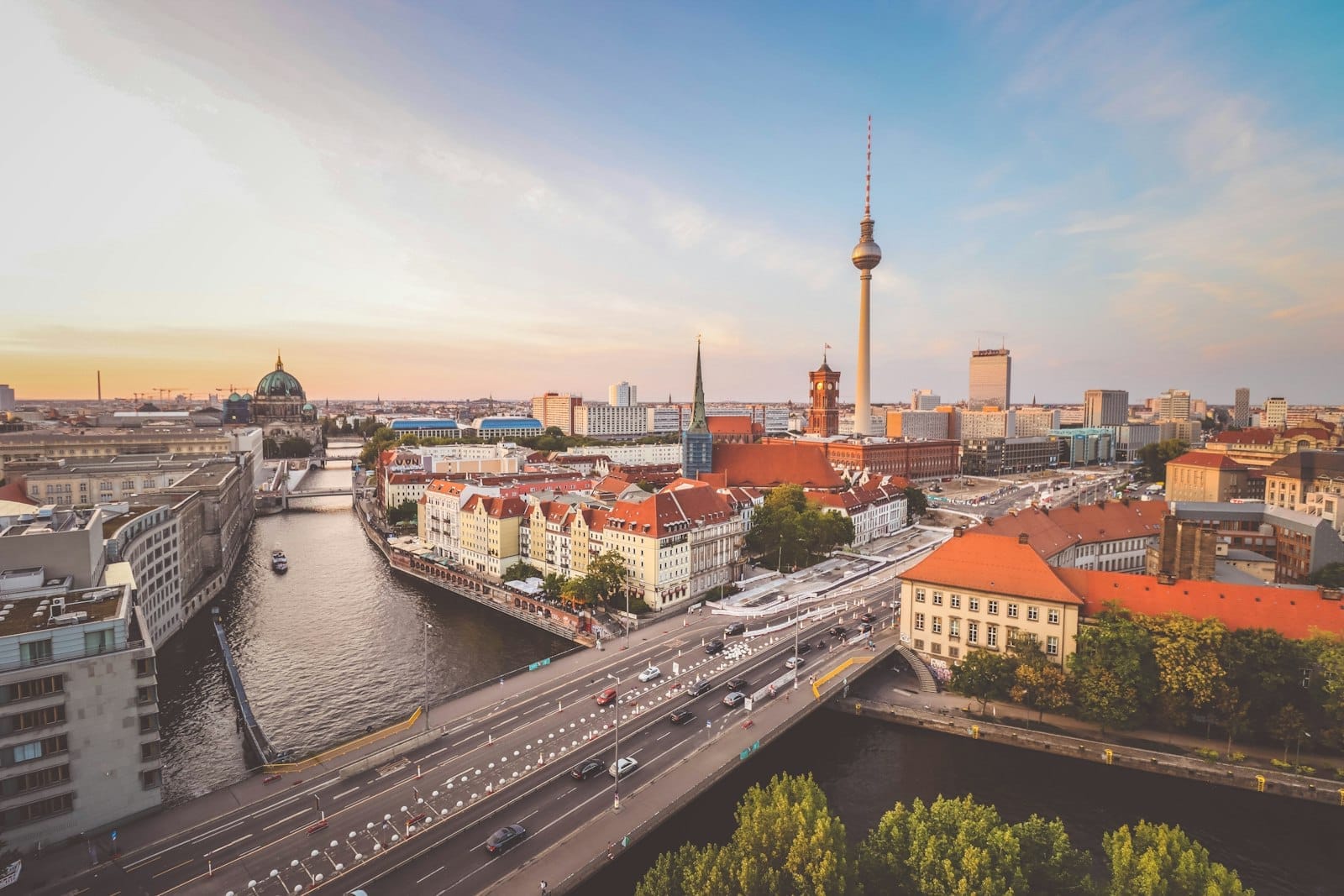
Berlin has one of the world's most established and expansive queer scenes, rooted in over a century of LGBTQ+ history. This guide covers the best neighborhoods, bars, clubs, cultural institutions, Pride events, and practical tips for LGBTQ+ travelers visiting Berlin.
Plan and book this trip
Tools from our partner Travelpayouts help you compare flights and hotels. If you book through them, we may earn a commission at no extra cost to you.
Flights
Hotels map
TL;DR
- Schöneberg's Nollendorfplatz is the historic heart of Berlin's gay scene, but queer culture has long since spread across Kreuzberg, Friedrichshain, Neukölln, and Mitte.
- Berlin Pride (Christopher Street Day) takes place in late July and draws hundreds of thousands of people; see our Berlin in summer guide for what else is on during peak season.
- Germany has full marriage equality and strong anti-discrimination protections; Berlin is consistently rated one of Europe's safest and most welcoming cities for LGBTQ+ travelers.
- Bars in Schöneberg run late but clubs like Berghain and KitKatClub often operate through the weekend without a closing time — plan your nights accordingly.
- The Schwules Museum and the Memorial to Homosexuals Persecuted Under National Socialism are essential cultural stops — details in the Berlin memorials guide.
Why Berlin? A Brief History of Queer Culture in the City
Berlin's queer history predates Stonewall by nearly a century. Germany hosted the first documented public LGBTQ+ rights protest in 1867, and in 1897, Magnus Hirschfeld founded the Scientific-Humanitarian Committee in Berlin, one of the world's first organizations to campaign for homosexual rights. By the 1920s, Weimar-era Berlin had a publicly visible gay scene unlike anything else in the world, with cabarets, clubs, and dedicated publications. The Nazi regime brutally suppressed this community from 1933 onward, sending tens of thousands of gay men to concentration camps. The city's postwar queer revival, centered in Schöneberg, eventually produced the openly political scene that exists today.
Understanding this history matters for travelers. Berlin's queer culture isn't just a nightlife commodity — it carries real weight. The memorials, museums, and community organizations you'll encounter are direct responses to persecution, not decorative add-ons. That context shapes everything from the tone of Pride events to the way longtime residents talk about the city's queer identity.
LGBTQ+ Neighborhoods: Where Berlin's Queer Life Happens
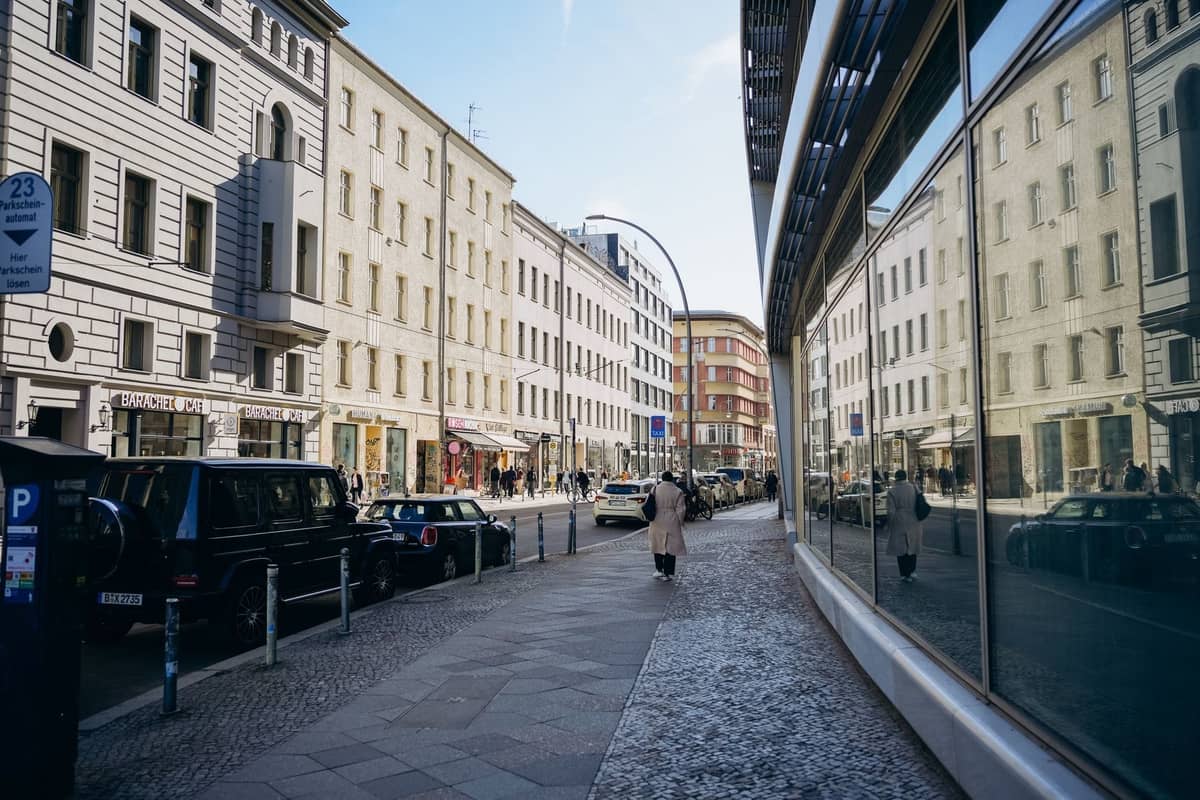
The traditional center of Berlin's gay scene is Schöneberg, specifically the streets around Nollendorfplatz. Often described as the world's first established gayborhood, it has been a queer hub since the 1920s, interrupted by the Nazi era, and revived from the 1970s onward. Today the area around Motzstraße and Fuggerstraße holds the highest concentration of gay bars, leather shops, saunas, and LGBTQ+-oriented businesses in the city. It's welcoming but also familiar — if you're looking for something newer or more experimental, the scene has moved well beyond these streets.
Kreuzberg and Friedrichshain together host a younger, more politically engaged queer crowd. Kreuzberg in particular has a long association with anarchist and alternative politics, and its queer spaces tend to be less commercial and more community-driven. The annual Kreuzberg Pride (a separate, intentionally low-key alternative to the main CSD parade) draws people who prefer grassroots organizing over corporate floats. Friedrichshain is home to some of Berlin's most significant club venues, and its eastern geography makes it central to the techno and fetish party circuit.
NeuköllnNeukölln has emerged over the past fifteen years as a genuinely alternative queer hub, drawing LGBTQ+ residents and venues that couldn't afford Kreuzberg rents. SchwuZ, one of Berlin's most historically significant queer clubs, relocated here and has anchored the neighborhood's scene. Prenzlauer Berg and parts of Mitte also have queer-friendly bars and cafés, though the scene there is less concentrated.
ℹ️ Good to know
The geographic spread of Berlin's queer scene is a feature, not an inconvenience. Each neighborhood has a distinct character: Schöneberg is classic and sociable, Kreuzberg is political and underground, Neukölln is experimental, and the club circuit around Friedrichshain is globally famous for a reason. Most visitors benefit from spending time in at least two of these areas.
Bars, Clubs, and Nightlife: What to Expect
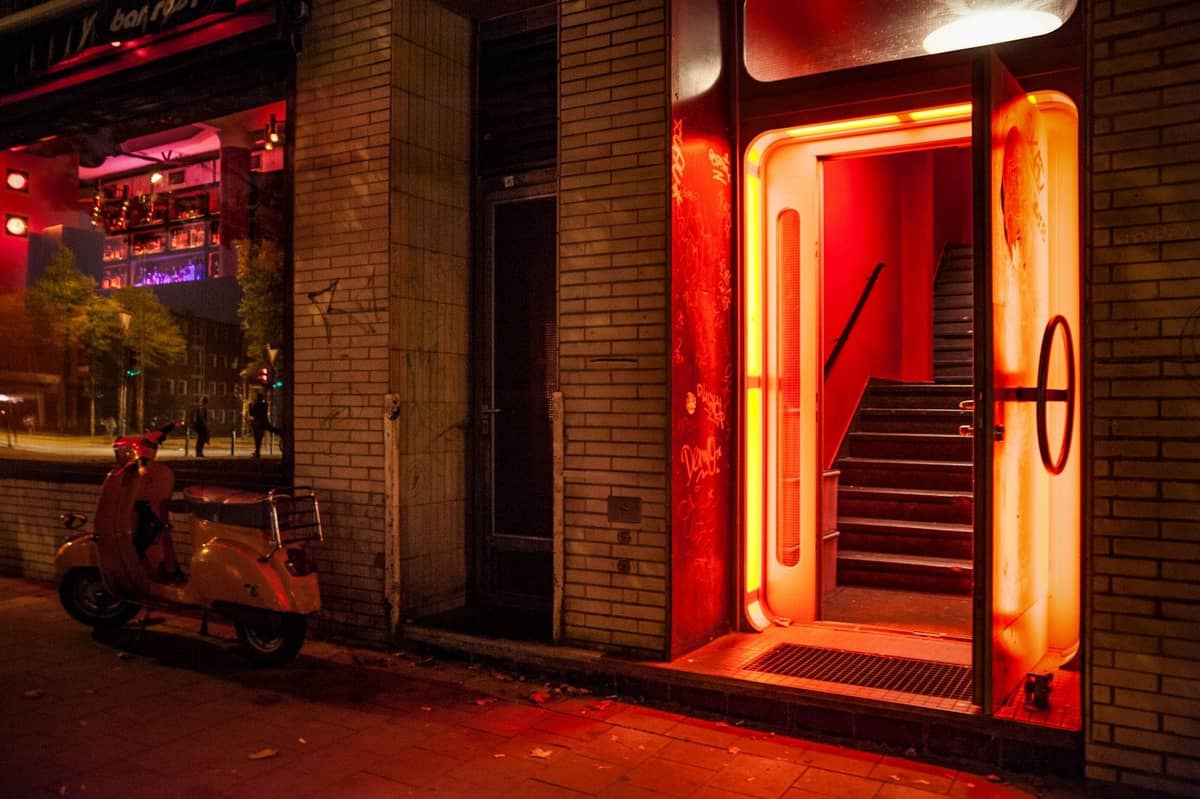
Berlin's nightlife operates differently from most cities. There is no mandated closing time in Berlin, and the city's most famous clubs often run from Friday or Saturday night through to Monday morning. This isn't hyperbole — Berghain's weekend parties are specifically structured around continuous multi-day attendance. If that's not your preference, Schöneberg's bar circuit is more conventional, with venues opening from around 8–9pm and running until 3–5am on weekends.
- Schöneberg bars (Motzstraße/Fuggerstraße corridor) Prinzknecht, Hafen, and Blond are long-standing fixtures with mixed gay male clientele. Generally casual, welcoming to visitors, and good starting points on any evening out.
- SchwuZ (Neukölln) One of the oldest continuously operating queer clubs in Berlin, founded in the late 1970s. Now located in a former brewery on Rollbergstraße. Hosts themed nights across multiple rooms covering queer techno, pop, and drag. Entry typically around €8–15 depending on the event.
- Berghain / Panorama Bar (Friedrichshain) Technically not an exclusively gay club, but historically rooted in gay leather and fetish culture. Panorama Bar upstairs tends toward a more diverse queer crowd; Berghain main floor leans techno. The door policy is strict and door staff will turn people away without explanation — arrive in small groups, dress practically rather than flashily, and don't look at your phone in the queue.
- KitKatClub A fetish-friendly, queer-welcoming club known for its permissive atmosphere and themed nights. Entry requirements vary by event and include costume checks at the door. Worth researching specific nights in advance.
- Mister B and fetish/leather venues Schöneberg has a cluster of leather and fetish-specific bars and shops, particularly on and around Fuggerstraße. These cater specifically to the gay male leather community and operate with their own dress code norms.
⚠️ What to skip
Do not assume Berghain's door will open for you because you're a tourist or because you queued for a long time. The door policy is selective and non-negotiable. Attempting to talk your way in rarely works. If you're turned away, take it without argument and move on — causing a scene will not help. Many first-time visitors find SchwuZ or one of the Kreuzberg club nights a better and far less stressful entry point into Berlin's club scene.
A practical note on getting around at night: BVG public transit runs overnight on weekends across most U-Bahn lines, and night buses cover the network gaps. This makes moving between Schöneberg, Kreuzberg, and Friedrichshain straightforward without needing taxis. The U1/U3 and U2 lines connect the main queer areas reasonably well. Download the BVG app before you arrive for real-time routing.
Culture, History, and LGBTQ+ Institutions Worth Visiting
The Schwules Museum (Gay Museum) in Schöneberg is a major institution dedicated to LGBTQ+ history, art, and culture. Founded in 1985, it holds a significant archive and runs rotating exhibitions covering everything from Weimar-era queer nightlife to contemporary trans politics. It's a serious cultural institution, not a novelty attraction, and warrants a couple of hours. Entry is affordable and the archive is open to researchers by appointment.
The Memorial to Homosexuals Persecuted Under National Socialism stands in Tiergarten, a short walk from the Holocaust Memorial. Designed by artists Ingar Dragset and Michael Elmgreen, it consists of a concrete block with a small window through which visitors can watch a looping film. It opened in 2008 and explicitly acknowledges that homosexual men persecuted under the Nazis were not included in early West German memorial efforts. A separate memorial for Sinti and Roma victims is nearby. Visiting both memorials together is a worthwhile and sobering half-day.
Beyond dedicated LGBTQ+ spaces, Berlin's major cultural institutions are broadly welcoming. The Berlinale film festival, held each February, includes the Teddy Award, the world's oldest LGBTQ+ film prize, awarded since 1987. The Xposed Queer Film Festival runs separately in spring. If you're visiting outside festival season, check the program at Kino Central in Mitte and several Kreuzberg cinema venues for regular queer film screenings.
✨ Pro tip
The Nollendorfplatz U-Bahn station has a pink triangle plaque on its exterior commemorating gay men deported from Berlin under the Nazis. It's easy to walk past without noticing. Take a moment to look for it when you arrive in Schöneberg — it sets the historical tone for the neighborhood far better than any bar crawl introduction.
Berlin Pride and Queer Events Calendar
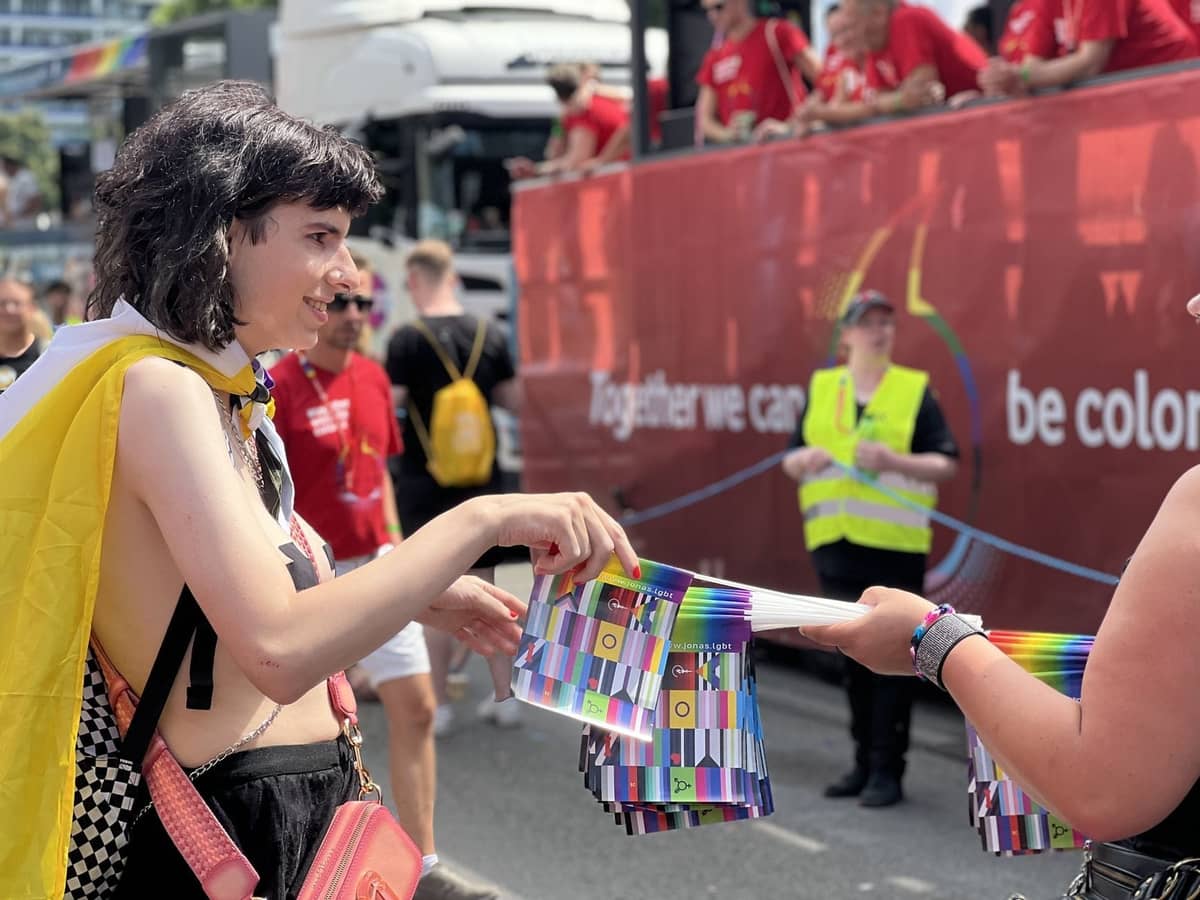
Berlin Christopher Street Day (CSD), also called Berlin Pride, is one of the largest Pride events in Europe, typically held in late July. The parade route passes through central Berlin, running from Mitte through Schöneberg to the Brandenburg Gate, and the surrounding weeks include cultural events, parties, and community programming. Attendance runs into hundreds of thousands. Hotels in Schöneberg and Mitte book out early for this weekend — if you're planning to attend, reserve accommodation at least three to four months in advance.
A separate event, the Kreuzberg CSD, takes place earlier in the summer and is deliberately structured as an alternative to the main parade's corporate sponsorship and scale. It tends to draw a more locally-rooted and politically engaged crowd. Neither is objectively better — they serve different purposes and different communities, and attending both gives you a fuller picture of how Berlin's queer community organizes itself.
- Berlin CSD / Pride Parade: late July, central Berlin route
- Kreuzberg CSD: earlier in summer, smaller and more community-focused
- Berlinale Teddy Award: February, part of the Berlin International Film Festival
- Xposed Queer Film Festival Berlin: spring, multiple Kreuzberg and Mitte venues
- Folsom Europe: September, fetish street festival centered in Schöneberg, one of the largest fetish events in Europe
- Easter Berlin: the long Easter weekend hosts several major queer club events and parties across the city
Safety, Legal Rights, and Practical Information
Germany legalized same-sex marriage in 2017 and has comprehensive anti-discrimination legislation covering sexual orientation and gender identity. Berlin, as a large cosmopolitan city with deep queer roots, is considered one of the safest European destinations for LGBTQ+ travelers. Public displays of affection in queer neighborhoods and on public transit are common and generally unremarked upon.
As with any major city, some degree of situational awareness is sensible. Incidents do occur, and certain outer districts or late-night transport situations may require more caution than the central queer neighborhoods. The Berlin safety tips guide covers the city's general security picture in more detail. If you experience an incident, Germany's emergency number is 112. LSVD (Lesbian and Gay Federation in Germany) maintains resources and support contacts for LGBTQ+ travelers.
On practical logistics: Berlin uses the Euro (EUR), operates on CET/CEST, and uses Type F electrical plugs at 230V. German is the official language, but in Schöneberg, Kreuzberg, and most central nightlife venues, English is widely spoken. Tap water is safe to drink. Tipping in bars is customary but modest — rounding up or leaving a euro or two per round is standard. Most larger clubs are cash-preferred or cash-only, so carry euros when going out.
💡 Local tip
Visit Berlin (the city's official tourism body) maintains a dedicated LGBTQ+ section on its website with current venue listings, event calendars, and neighborhood guides. It's updated more frequently than most third-party travel sites and is worth bookmarking before your trip for up-to-date information on events and new venues.
For broader trip planning, the 3 days in Berlin itinerary integrates queer-friendly neighborhoods and cultural stops into a practical city-wide framework. If budget is a factor, many of Berlin's best queer cultural spaces — the memorials, street culture in Kreuzberg, and daytime Schöneberg — cost nothing. The free things to do in Berlin guide has more on this.
FAQ
Is Berlin safe for LGBTQ+ travelers?
Yes. Berlin is consistently ranked among Europe's most welcoming cities for LGBTQ+ travelers. Germany has marriage equality and strong anti-discrimination laws. In central queer neighborhoods like Schöneberg and Kreuzberg, same-sex couples attract no particular attention. As in any major city, basic situational awareness applies in unfamiliar areas or late at night.
Where is the main gay area in Berlin?
Schöneberg, centered on Nollendorfplatz and the streets around Motzstraße and Fuggerstraße, is the traditional gay hub and has the highest density of LGBTQ+-specific venues. However, significant queer nightlife and culture also exists in Kreuzberg, Neukölln, and Friedrichshain, each with a distinct character.
When is Berlin Pride?
Berlin's Christopher Street Day (CSD) parade typically takes place in late July. A separate, more community-focused Kreuzberg CSD usually happens earlier in the summer. Other queer events include Folsom Europe in September and multiple Easter weekend parties. Check the official Berlin CSD website and Visit Berlin's LGBTQ+ calendar for current dates each year.
Do I need to book ahead for Berghain?
Berghain does not take advance bookings — it operates on a door-only entry system. The queue can be very long and entry is not guaranteed. The door staff are selective and will turn people away without explanation. Research the door culture before going, arrive in a small group, dress practically, and be prepared for the possibility of rejection. Many visitors find other Berlin queer clubs a less stressful and equally rewarding alternative.
What is the best time of year to visit Berlin as an LGBTQ+ traveler?
Late July for Berlin Pride is the obvious peak moment, but it comes with higher accommodation prices and crowds. May through September offers warm weather and an active outdoor queer social scene. September is notable for Folsom Europe. February (Berlinale and the Teddy Award) is a strong option for film-focused travelers. The city's indoor queer scene runs year-round regardless of season.