Berlin to Prague by Train: The Complete Guide
The Berlin to Prague train is one of Europe's most rewarding rail journeys: direct EuroCity service, around 4 hours, and fares starting from €25 if you book ahead. This guide covers schedules, prices, booking platforms, seat reservations, and what to expect on board.
Plan and book this trip
Tools from our partner Travelpayouts help you compare flights and hotels. If you book through them, we may earn a commission at no extra cost to you.
Flights
Hotels map
TL;DR
- Direct EuroCity or Railjet trains run Berlin Hauptbahnhof to Praha hlavní nádraží in about 4 to 4.5 hours, no changes required.
- Around 8 departures daily; trains run from early morning to evening.
- Advance 2nd class fares start around €25–35; same-day tickets can exceed €75. Book via Deutsche Bahn, Trainline, or Rail Europe. See our day trips from Berlin guide for more cross-border ideas.
- Seat reservations are optional on most ticket types, but strongly recommended in summer and around public holidays.
- The route passes through Dresden's dramatic river valley — sit on the right side heading south for the best views.
Route Overview: Berlin to Prague by Train
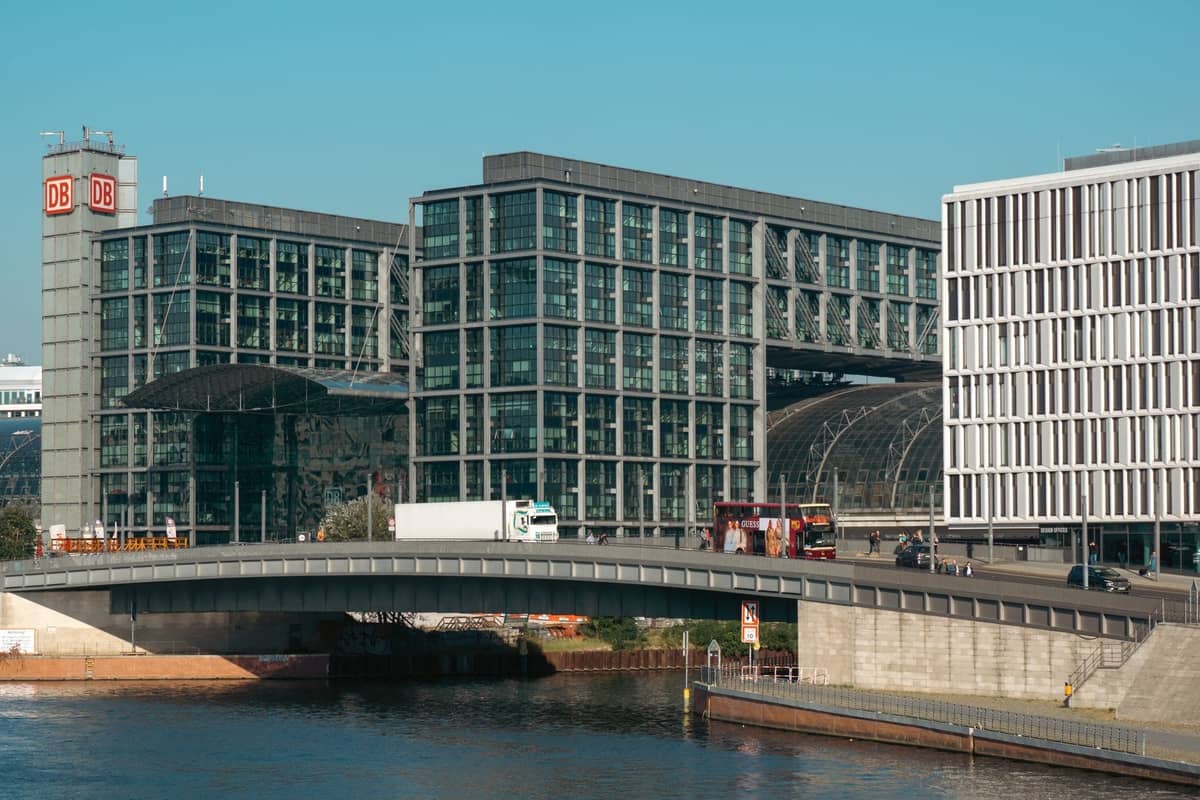
The Berlin to Prague train route is operated as an EuroCity (EC) or ÖBB Railjet service, jointly run by Deutsche Bahn and České dráhy, sometimes with ÖBB rolling stock. The journey covers roughly 280–285 km depending on routing, and the scheduled travel time sits consistently around 4 hours on direct services. This is not a high-speed line — don't expect ICE-style speeds — but the ride is comfortable, the scenery through the Elbe valley and Saxon Switzerland is genuinely impressive, and the absence of a connection makes it far more practical than flying once airport transfer time is factored in.
Trains depart from central Berlin at Berlin Hauptbahnhof (Hbf), Europe's largest through-station, and most services also stop at Berlin Südkreuz around 10 minutes later. On the Prague end, trains arrive at Praha hlavní nádraží, the city's main station, though some services stop first at Praha-Holešovice — always check your specific train. The route passes through Dresden Hauptbahnhof, which is a convenient stop if you want to break the journey.
ℹ️ Good to know
The Berlin to Prague train is NOT comparable to Germany's fastest ICE corridors. Tracks through the Czech Republic are conventional rail, not high-speed infrastructure. Four hours is the realistic minimum for a direct service — budget accordingly and you won't be disappointed.
Schedules and Frequency
Eurail lists approximately 8 direct EuroCity departures per day in each direction. Practically speaking, trains leave Berlin Hbf at intervals of roughly 2 to 4 hours throughout the day. The first direct EuroCity departure is typically in the early morning (around 06:00), and the last direct train departs in the late afternoon or early evening, arriving in Prague by early-to-late evening. Exact times shift seasonally and with timetable updates, so always verify on Deutsche Bahn or Rail Europe before you travel.
- Frequency Around 8 direct departures daily in each direction, roughly every 2–4 hours.
- First trains Some services depart Berlin as early as 00:07 (for overnight arrivals in Prague); first morning departure is typically around 06:00–07:00.
- Last direct train Typically departs Berlin in the early-to-mid evening, arriving Prague by 22:00–23:00.
- Journey time Consistently 4 to 4.5 hours on direct EuroCity or Railjet trains.
- Intermediate stops Berlin Südkreuz, Dresden Neustadt, Dresden Hbf, then into the Czech Republic via Bad Schandau, Děčín, Ústí nad Labem, and Praha-Holešovice before Praha hlavní nádraží.
💡 Local tip
For the best views of the Elbe Sandstone Mountains (Saxon Switzerland) and the river gorge, sit on the right side of the train when travelling south from Berlin to Prague. This stretch between Bad Schandau and Děčín is genuinely scenic — have your camera ready around the 2.5-hour mark.
Ticket Prices and Where to Book
Pricing on this route is dynamic, meaning the earlier you book, the better the fare. Advance 2nd class tickets commonly start at €25–35, with some platforms advertising fares from around €24–29 during promotional windows. Leave it to the day of travel and you can easily pay €75 or more for the same seat. First class is available and typically costs 50–80% more than the cheapest 2nd class fare, which is rarely worth it unless the train is crowded and you want a guaranteed quiet compartment.
- Deutsche Bahn (DB) The most direct booking option for German-side departures. The DB Navigator app is reliable for managing tickets. Book at int.bahn.de.
- České dráhy (ČD) The Czech national rail operator co-runs these services. Useful for booking from the Czech side or if DB shows no availability.
- Trainline Popular third-party platform with a clean interface. Adds a small booking fee but aggregates prices clearly.
- Rail Europe Useful for North American travellers or multi-country Eurail passes. Shows inventory up to 6 months ahead.
- Eurail Pass holders The Berlin–Prague route is covered by Eurail passes, though a seat reservation fee may still apply. Check reservation requirements before boarding.
✨ Pro tip
Book at least 4–6 weeks ahead for summer travel (June–August) and around Czech or German public holidays. Trains on Friday afternoons and Sunday evenings fill up fastest. If you're flexible, mid-week morning departures are consistently cheaper and quieter.
Seat Reservations: Do You Need One?
On EuroCity trains between Berlin and Prague, seat reservations are generally optional rather than mandatory — unlike some high-speed TGV or Eurostar services where a reservation is built into the ticket price. That said, 'optional' during peak summer weekends essentially means 'strongly advisable'. Trains can fill significantly, and without a reservation you are entitled to any unreserved seat, which becomes a real-time game of musical chairs as more passengers board at Dresden.
Reservation fees are modest, typically €3–6 when booked through DB or ČD. If you hold a Eurail pass, you still need to pay a reservation fee for this cross-border service. The Railjet configuration offers standard seating in 2nd class and a proper 1st class cabin with slightly more space. There is no dedicated quiet zone, but the trains are generally orderly.
⚠️ What to skip
Do not confuse direct EuroCity trains with indirect connections that require a change. Some booking platforms will show itineraries routing via Leipzig or other hubs that add 1–2 hours. Always filter for 'direct' or 'no changes' when searching, or check the EC train number specifically.
Berlin to Prague vs. Other Route Options
The train is almost always the best way to travel between these two cities. Flying requires getting to Berlin Brandenburg Airport (BER) — at least 30–45 minutes from central Berlin — then airport security, boarding, a roughly 1-hour flight, and transfer into Prague city centre from Václav Havel Airport. Total door-to-door time is rarely under 4.5 hours, and usually closer to 5–6 hours when delays are factored in. The train drops you city centre to city centre.
Intercity buses (FlixBus and others) run Berlin to Prague in 4.5 to 6 hours depending on the service and traffic, often for €10–25. The price difference versus an advance train ticket is shrinking, and the train is significantly more comfortable for a journey of this length. Driving is around 3.5–4 hours but adds fuel, tolls (Czech motorway vignette required), and the hassle of parking in Prague's historic centre, which is heavily restricted and expensive.
If you're planning a longer trip through central Europe, the Berlin to Prague route pairs naturally with onward connections to Vienna (around 4 hours from Prague by Railjet) or Krakow. Closer to Berlin, the same EuroCity infrastructure connects to other compelling day trips and overnight routes across Germany and neighbouring countries.
What to Expect On Board
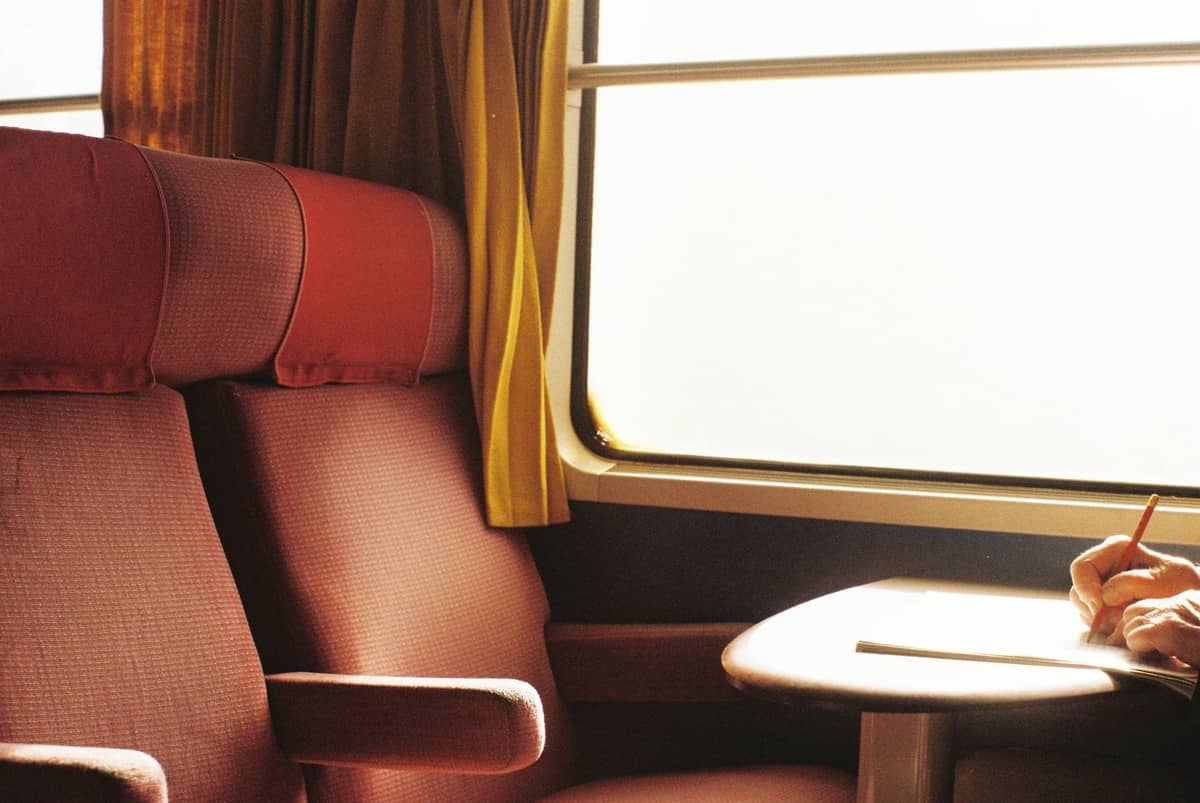
EuroCity and Railjet trains are comfortable long-distance carriages with air conditioning, power outlets at most seats (check when booking, as older EC stock may have limited sockets), and a dining car or bistro car serving hot food, snacks, and drinks. The dining car is more expensive than platform food, but the quality is decent for a train journey. Stock up on water and snacks at Berlin Hauptbahnhof before departure — the station has a good selection of shops on multiple levels.
Luggage space is available in overhead racks and at carriage ends. There is no luggage size limit enforced in the way airlines apply, but very large bags in overhead racks create friction with other passengers on busy trains. Wi-Fi is available on some Railjet services but can be patchy through tunnels and rural Czech sections. Download offline maps of Prague before you board.
Prague is well worth spending several days in after arriving. If you're building a broader Central European itinerary and need Berlin inspiration before you leave, the 3 days in Berlin itinerary covers the essential sights efficiently, and the best time to visit Berlin guide helps with seasonal planning on both ends of the trip.
FAQ
How long does the Berlin to Prague train take?
Direct EuroCity and Railjet trains complete the journey in approximately 4 to 4.5 hours. This is on conventional rail, not high-speed track, so times are consistent rather than variable. The route covers roughly 280–285 km between Berlin Hauptbahnhof and Praha hlavní nádraží.
Do I need to change trains between Berlin and Prague?
No. Multiple direct trains run daily between Berlin and Prague with no change required. Some booking platforms may show indirect itineraries — always filter for direct connections and look for trains with an EC (EuroCity) designation.
How much does the Berlin to Prague train cost?
Advance 2nd class tickets typically start at €25–35, sometimes lower during early booking windows. Same-day fares can exceed €75. Book through Deutsche Bahn, Trainline, Rail Europe, or České dráhy for the best prices. Eurail pass holders still pay a reservation fee, usually €3–6.
Is a seat reservation required on the Berlin to Prague train?
Seat reservations are optional for most ticket types on EuroCity services. However, trains fill significantly during summer, weekends, and Czech or German public holidays. A reservation costs only a few euros and is strongly recommended from June through August and around any holiday period.
What is the best time to book the Berlin to Prague train?
Book 4–6 weeks in advance for the best balance of price and availability. Tickets can be purchased up to 6 months ahead on some platforms. For summer travel or holiday weekends, earlier is better. Mid-week morning departures are consistently cheaper and less crowded than Friday afternoons or Sunday evenings.