Berlin Nightlife Guide: Clubs, Bars & After Dark
Berlin's after-dark scene is unlike anywhere else in the world. This guide covers the top clubs, bar districts, door policy realities, seasonal shifts, and practical logistics so you spend less time queuing and more time on the dancefloor.
Plan and book this trip
Tools from our partner Travelpayouts help you compare flights and hotels. If you book through them, we may earn a commission at no extra cost to you.
Flights
Hotels map
TL;DR
- Berlin's nightlife runs on its own schedule: clubs rarely fill before 2–3 am, and the best parties stretch well into the following afternoon.
- The main nightlife districts are Friedrichshain, Kreuzberg, and Neukölln, each with a distinct character.
- Door policies at top techno clubs are strict and real: large groups, visible intoxication, and phones out in the queue are the fastest ways to get turned away.
- You don't need to go to Berghain. The city has dozens of world-class clubs, jazz bars, and alternative venues that are easier to enter and equally rewarding.
- Check Berlin's LGBTQ+ scene separately — it overlaps with but runs parallel to the main club circuit.
Understanding Berlin's Club Culture
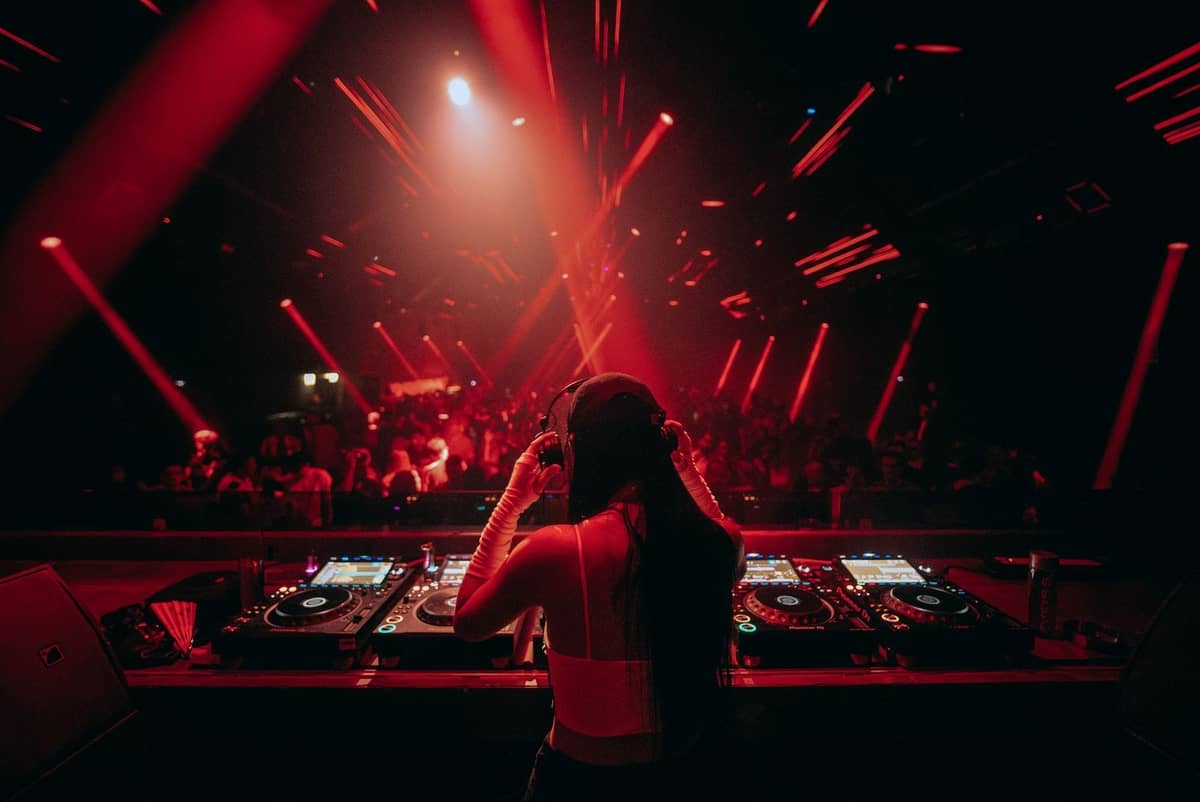
Berlin nightlife operates on a logic that takes most first-timers by surprise. Clubs don't warm up until around 2 am, the serious crowd arrives between 3 and 5 am, and some parties run continuously through Sunday afternoon into Sunday night. This isn't hype or exaggeration: it's how the city actually functions after dark, and trying to fight the schedule by arriving at midnight usually means standing in a half-empty room paying for overpriced drinks.
The scene is overwhelmingly electronic music focused, with techno, house, and experimental electronics dominating the major clubs. That said, Berlin also has a serious jazz tradition (A-Trane in Charlottenburg and Quasimodo in the same area are decades-old institutions), a strong indie and alternative live music circuit, and a bar culture that ranges from unpretentious corner Kneipen to carefully curated cocktail bars. The techno clubs get most of the international attention, but they represent only one slice of the city's nighttime options.
ℹ️ Good to know
Berlin club culture was officially added to Germany's National Inventory of Intangible Cultural Heritage via the German Commission for UNESCO in 2024, recognizing the city's clubs as genuine cultural institutions rather than simple entertainment venues. This matters for how locals and regulars treat the spaces: these are not tourist attractions.
The Major Nightlife Districts
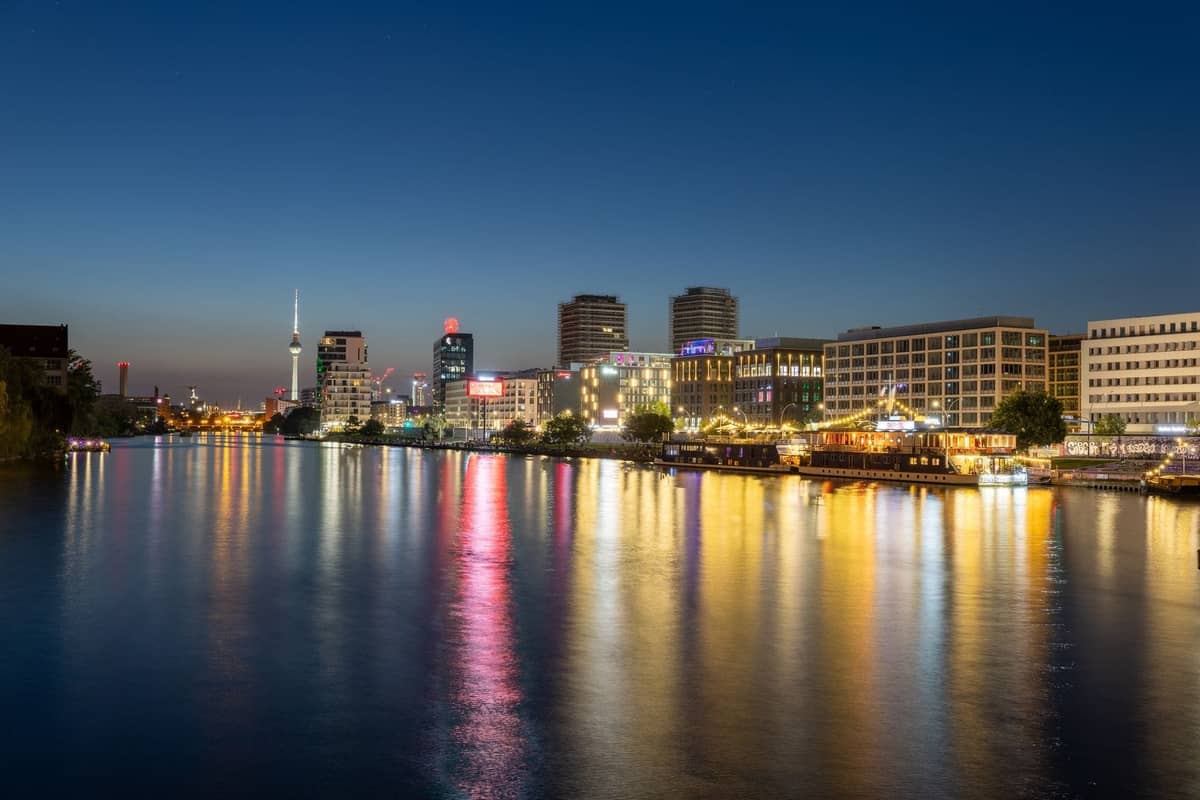
Friedrichshain is the heartbeat of Berlin's techno scene. The area around the Spree riverbank and the RAW Gelände complex concentrates an enormous amount of nightlife energy in a small geographic footprint. Berghain sits here, along with Watergate (above the river on the Schlesisches Tor side), and the RAW Gelände compound, which hosts multiple smaller clubs and bar spaces. The East Side Gallery runs along the district's edge, giving the area a symbolic weight that day-trippers often miss the nighttime dimension of.
Kreuzberg sits just across the Spree and has a distinct feel: more mixed, more bar-forward, and historically associated with political counterculture. Tresor, one of the original Berlin techno clubs (reopened in a former power plant in Mitte/Kreuzberg border zone), anchors the harder end of the spectrum. The area around Kottbusser Tor is dense with late-night bars, while Markthalle Neun hosts occasional evening events with a different, more community-oriented vibe.
Neukölln, specifically the Reuterkiez and Weichselkiez areas, is where a younger, more local crowd congregates. The bars here are cheaper, the atmosphere is less self-conscious, and the door policies at most venues are essentially nonexistent. It's where many Berliners actually spend their weekend nights rather than queuing for major clubs. Alongside Neukölln, Mitte offers rooftop bars and upscale cocktail spots that don't require any particular commitment to the techno scene.
The Major Clubs: What to Actually Expect
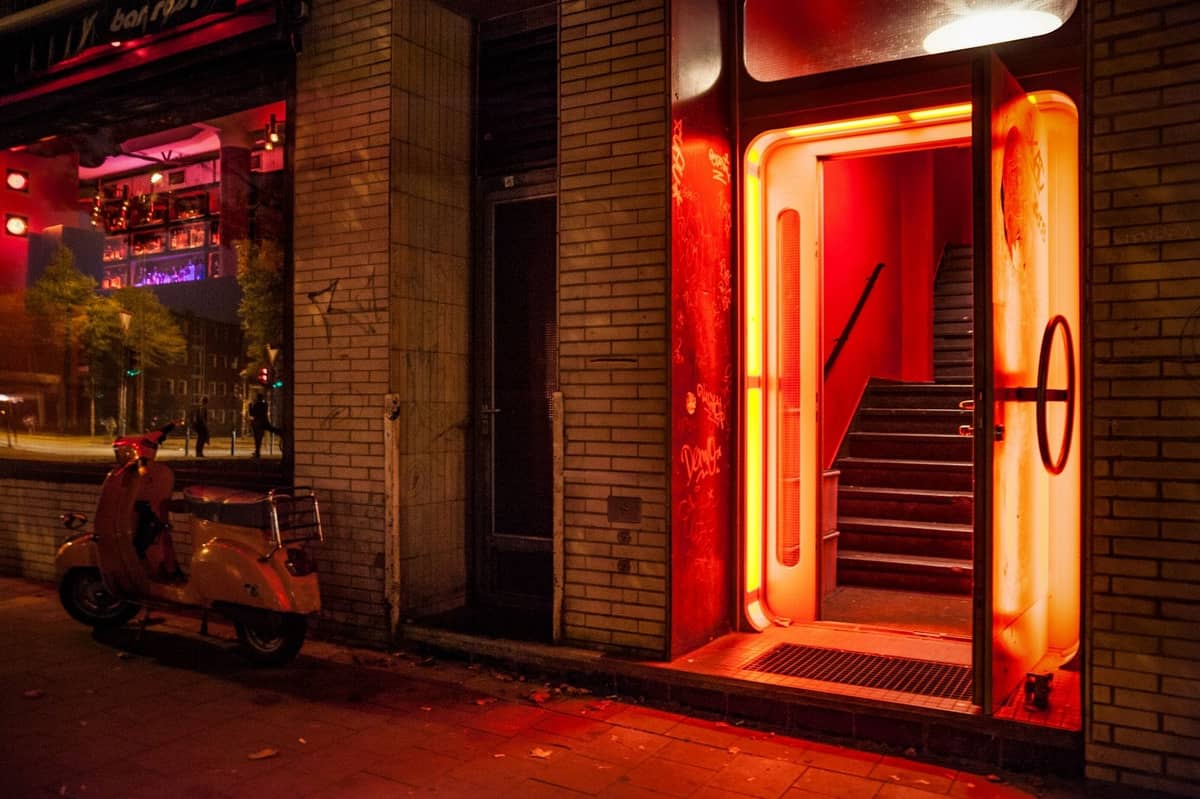
A realistic overview of Berlin's most-discussed clubs is more useful than a hype-driven top ten. Here is what the main venues actually offer, and who they suit.
- Berghain The world's most discussed techno club, operating in a former East German power plant in Friedrichshain. Music runs across two main floors (Berghain downstairs, Panorama Bar upstairs). Strict door policy; large tourist groups, matching outfits, and visible intoxication are reliably turned away. Best approached solo or in pairs, dressed down, arriving after 3 am. Not for everyone, and that's by design.
- Tresor Older than Berghain in reputation, running since 1991 (with a gap and relocation). The original vault space remains a defining feature. Harder, more industrial techno than Panorama Bar. Slightly more accessible door than Berghain, but still selective. Mitte/Kreuzberg border location.
- Watergate Above the Spree in Kreuzberg/Friedrichshain border. Strong for house and techno with an international booking policy. The upper-floor terrace over the river is a genuine selling point in warmer months. More accessible than Berghain, with a younger international crowd.
- Sisyphos A sprawling compound in Rummelsburg with multiple indoor rooms, outdoor areas, and a distinctly festival-like atmosphere. Open-air parties run through summer weekends. Known for longer stays: people arrive Friday night and are still there Sunday evening. Techno and house dominant, but broader programming than the pure techno clubs.
- Wilde Renate A former residential building in Friedrichshain converted into a labyrinthine club. Smaller and more intimate than Berghain or Sisyphos. Known for a friendly atmosphere and accessible door policy. Good starting point for first-timers who want a genuine Berlin club experience without the pressure.
- OXI Located in Neukölln, smaller and more under the radar than the Friedrichshain giants. Techno-focused, frequented by a local crowd, and significantly less tourist pressure. Reasonable entry prices.
⚠️ What to skip
Do not treat club entry as guaranteed. Berlin's top venues use subjective door policies and reserve the right to refuse entry without explanation. Having a backup plan is not a pessimistic move, it is standard practice among regulars. Compile a shortlist of two or three venues for each night out.
Door Policies: The Honest Breakdown
The door at Berlin's major clubs is genuinely selective, and no guide can guarantee entry. What it can do is significantly improve your odds. The clubs are not looking for fashionable people or impressive credentials. They are looking for people who appear to understand what kind of space they are entering and why.
- Arrive in a small group. Pairs and individuals pass most easily. Groups of five or more are frequently turned away at Berghain and Tresor regardless of how the individuals present.
- Do not be visibly drunk. Having had a drink before arriving is normal; being intoxicated is grounds for refusal.
- Put your phone away before the queue. Taking photos of the venue, the queue, or the door staff signals exactly the wrong kind of attention.
- Dress down rather than up. Smart casual clothing, overly trendy outfits, or matching groups read as tourist parties. Dark, understated, practical clothing is the default.
- Speaking some German at the door is reported to help, even if minimal. It signals engagement with the city rather than pure tourism.
- Some clubs effectively have informal age floors around 21. Younger-looking guests are more frequently asked for ID, and borderline cases may not pass.
- Go with the flow if turned away. Arguing with door staff has a 0% success rate. Move on to your backup venue.
✨ Pro tip
Resident Advisor (ra.co) lists lineups, event dates, and often crowd-reported entry difficulty for Berlin venues. Checking the lineup before you go matters: clubs are more selective on high-profile booking nights when demand exceeds capacity, but may be more relaxed for resident DJ nights.
Bars, Jazz, and Alternatives to the Club Circuit
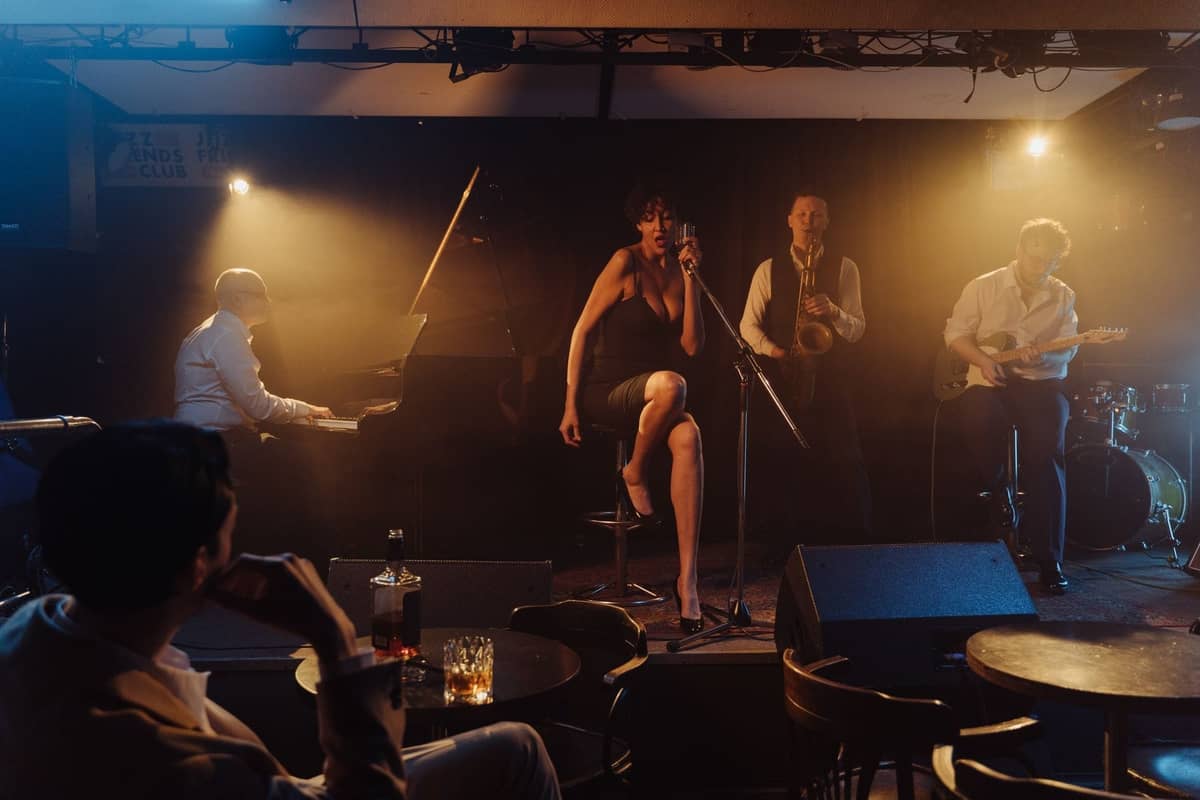
The global reputation of Berlin's techno clubs can obscure what a strong bar and live music city Berlin is. If late-night techno is not your interest, or if you want to build a broader night out rather than committing to a single venue from 3 am onwards, the alternatives are genuinely excellent.
Jazz has a serious foothold in Berlin. A-Trane in Charlottenburg has been running since 1992 and books internationally recognized musicians alongside strong local acts. Quasimodo, a few streets away, operates across a wider range of jazz and blues styles. Both venues run regular late-night sessions, often with no advance booking required for non-headliner nights.
For casual bar-hopping, Neukölln's Reuterkiez is the practical choice. The bars are affordable (beer from around €3–4), there is no pressure or door policy, and the crowd is local. Prenzlauer Berg is calmer and better for groups looking for conversation over cocktails rather than loud music. The beer gardens, including Prater Garten on Kastanienallee (one of Berlin's oldest), are essential in summer months.
Kulturbrauerei in Prenzlauer Berg, a converted brewery complex, hosts live music events, club nights, and cultural programming throughout the year. It's a good option for a mid-scale night out with more reliable entry than the dedicated techno clubs. The Kulturbrauerei complex also includes a cinema and regular markets, making it a useful anchor point for an evening.
Practical Logistics: Timing, Transport, and Costs
Berlin's public transport runs 24 hours on weekends via the U-Bahn and S-Bahn network (operated by BVG and S-Bahn Berlin). On weeknights, night buses (Nachtbus lines, prefixed N) fill gaps between the last regular trains and 4 am service resumption. This means you can realistically leave a club at 8 am on a Sunday morning and get home by public transit. Taxis are available but significantly more expensive than transit, and ride-hailing options exist though availability fluctuates.
Entry fees at major clubs vary considerably depending on the lineup and the night. Expect to pay roughly €10–20 for resident DJ nights at mid-tier clubs and €15–25 or more for headliner events at Berghain or Tresor. Drinks inside most techno clubs run €4–8 for a beer or mixer. Pre-gaming at a bar in Neukölln before committing to a club is standard practice and keeps overall costs down. For organized bar crawls and curated nightlife tours, platforms like GetYourGuide list options typically starting around €20–40 per person. See the Berlin on a budget guide for ways to keep your overall trip costs manageable.
Saturday night into Sunday morning is the peak period across the board. If you have limited nights in Berlin, this is when the major clubs are at their best but also when door policies are strictest. Sunday afternoon into Sunday evening is a genuinely good alternative: many clubs run daytime sessions with more relaxed entry, lower entry fees, and a crowd that knows exactly what it is doing. Experienced Berlin nightlife regulars often prefer Sunday afternoon at Sisyphos or Berghain over the Saturday peak.
💡 Local tip
In summer (roughly May through September), outdoor venues and open-air club spaces open up significantly. Sisyphos runs its full outdoor compound, Watergate's terrace becomes its main draw, and beer gardens extend de facto nightlife into spaces that are completely different from the winter club environment. The city's nightlife geography shifts noticeably with the seasons.
For more context on how Berlin's seasons affect what you can do in the city, the Berlin in summer guide and the Berlin in winter guide cover the practical differences in detail.
FAQ
What time do Berlin clubs actually get busy?
Most major Berlin clubs do not reach meaningful capacity until 2–3 am. Berghain and Tresor, in particular, are often at their best between 4 and 8 am. Arriving before midnight at a serious techno club is either pointless or means you are paying to stand in an empty room.
How do you get into Berghain?
There is no guaranteed method, but consistent advice from regulars includes: arrive in a small group (pairs are best), avoid visible intoxication, dress down in dark understated clothing, put your phone away before the queue, and remain calm and unfazed at the door. Checking the Resident Advisor listing for that specific night also helps, as entry difficulty varies with the lineup.
Is Berlin nightlife safe for solo travelers?
Generally yes, though standard urban precautions apply. The major clubs have a culture that emphasizes respect and tolerance, and harassment is taken seriously by door staff and regulars. Solo travelers, including solo women, are a normal part of the scene. Keep an eye on your drink and use the 24-hour public transit network rather than walking long distances at 4 am. For more general advice, see the Berlin safety tips guide.
Do Berlin clubs allow photography inside?
Most major techno clubs enforce a strict no-photography policy. Berghain and many others use stickers to cover phone cameras at the door. This is a genuine rule, not a suggestion, and violating it can result in being asked to leave. Outside on the street is fine; inside is not.
What are the best alternatives to Berghain if I don't get in?
Wilde Renate in Friedrichshain is the most commonly recommended alternative: it has a genuine Berlin club atmosphere, a labyrinthine layout, and a much more accessible door. Watergate is strong for house and techno with a river terrace. Sisyphos suits people who want a longer, more festival-like experience. OXI in Neukölln works for a smaller, more local night. All of these are worth visiting independently, not just as consolation options.