Munich to Salzburg: The Complete Day Trip Guide by Train & Car
Salzburg sits just 150 km from Munich and is one of the most rewarding day trips in Central Europe. This guide covers every practical detail: which train to take, how to save money with the Bayern Ticket, whether driving makes sense, and how to spend your time in Mozart's birthplace.
Tickets & tours
Live prices and dates from our booking partner. If you book, we may earn a commission at no extra cost to you.
TL;DR
- The Munich to Salzburg train takes as little as 1 hour 28 minutes on a direct Railjet or EuroCity service, with trains running roughly twice per hour.
- Advance point-to-point tickets start around €6.99–9 one way; flexible fares run €30–44 in 2nd class.
- The Bayern Ticket (around €34 for one person, ~€10 per extra traveller) covers the slower regional RE5 train and is brilliant value for groups, but is not valid on Railjet, ICE, or EuroCity trains.
- Driving takes roughly the same time as the train but requires an Austrian motorway vignette and paid parking in Salzburg — the train is almost always the smarter choice.
- Salzburg pairs well with a broader Bavaria itinerary — see our day trips from Munich guide for more options.
Why Salzburg Works as a Day Trip from Munich
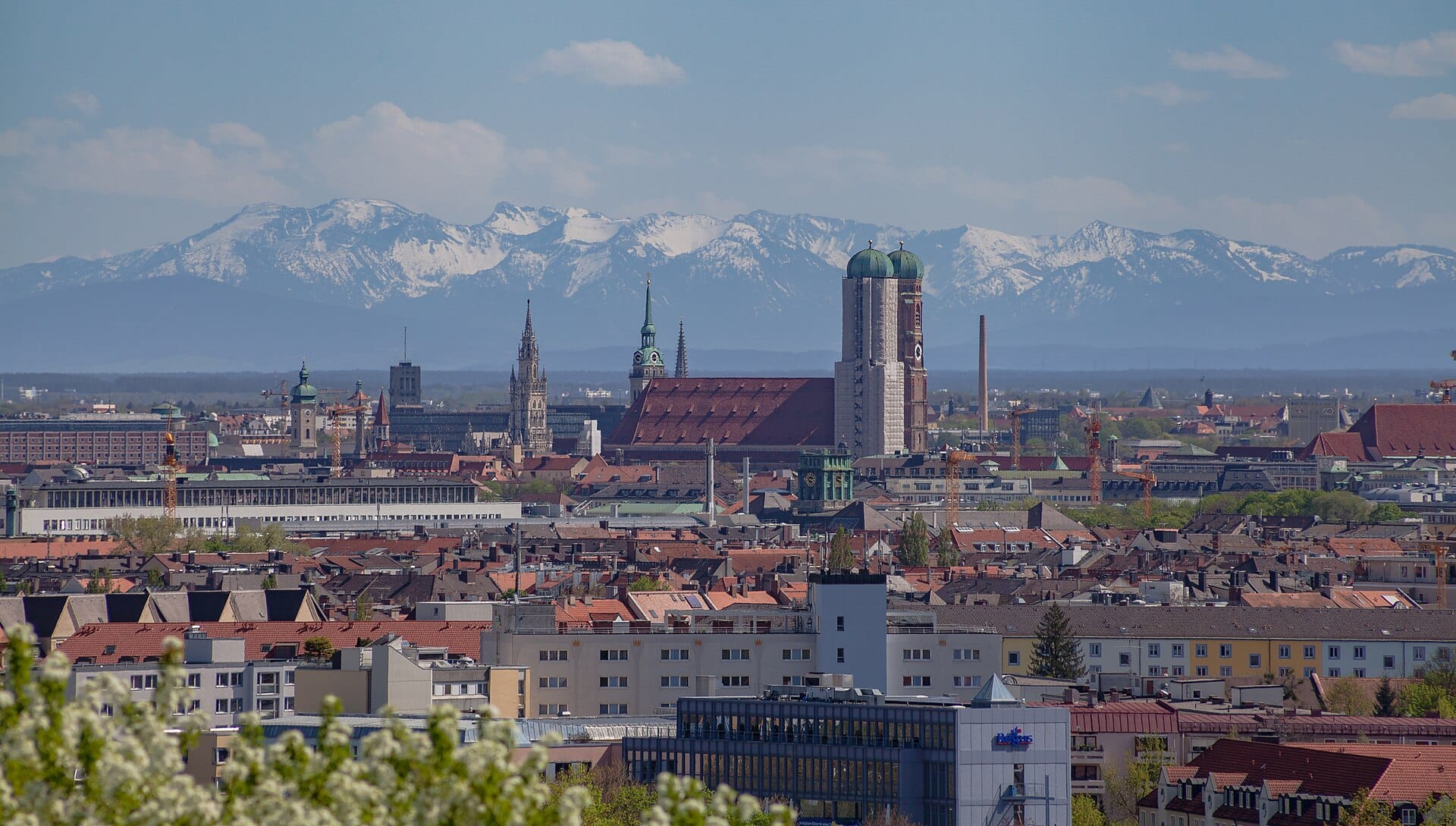
Munich (München) sits in the far south of Bavaria, roughly 50 km north of the Alps, and the Austrian border is barely an hour away by rail. Salzburg, on the Austrian side, is the closest major city to Munich with genuine all-day sightseeing depth. Unlike Neuschwanstein Castle, which demands a lot of walking for a single attraction, Salzburg offers an entire compact city: a Baroque Altstadt, Mozart's birthplace, the clifftop Hohensalzburg Fortress, and some of the best café culture in the German-speaking world.
The rail corridor between Munich Hauptbahnhof and Salzburg Hauptbahnhof is one of the most frequently served international routes in Central Europe. Direct trains depart roughly every 30 minutes throughout the day, which means there's no pressure to catch a single departure — a significant advantage over day trips that require booking a specific bus or tour.
That said, Salzburg is genuinely popular. Summer weekends and the Christmas market season (late November to late December) bring heavy crowds, especially around Getreidegasse and the Residenzplatz. If you have flexibility, a Tuesday or Wednesday in May, June, or September gives you the best balance of good weather and manageable visitor numbers.
Taking the Train: Routes, Times, and Operators
The rail distance between Munich and Salzburg is approximately 115 to 153 km depending on the specific routing. On the fastest services, the journey takes around 1 hour 28 to 1 hour 30 minutes. On the slower regional option, expect closer to 2 hours.
Three main service types operate this corridor. The ÖBB Railjet (RJX) is the premium option: high-speed trains running at up to 230 km/h, with departure times roughly every hour. Deutsche Bahn's EuroCity (EC) and InterCity (IC) trains also run direct, taking a similar time. The third option is the Bayerische Regiobahn RE5 regional train, which is slower but the only service covered by the Bayern Ticket regional day pass, typically taking around 1h45–1h50. All three depart from München Hauptbahnhof (Munich Central Station) and arrive at Salzburg Hauptbahnhof.
ℹ️ Good to know
No connection required. A persistent myth on travel forums is that you need to change trains between Munich and Salzburg. You don't. Multiple direct options run every hour, all day, from around 06:00 to nearly midnight. There are approximately 35 to 44 trains daily depending on the day and operator.
- ÖBB Railjet / RJX Fastest option at ~1h28. Comfortable high-speed trains with a dining car on many services. Requires a point-to-point ticket — Bayern Ticket not valid.
- Deutsche Bahn EuroCity (EC) / InterCity (IC) Comparable journey time to Railjet, around 1h30–1h45. Book direct via DB or third-party platforms. Bayern Ticket not valid.
- Bayerische Regiobahn RE5 Slower regional train, around 1h50–2h05. Fully covered by the Bayern Ticket. Runs roughly once per hour and stops at smaller stations along the route.
Train Tickets and Pricing: What You Actually Pay
Pricing on this route is more flexible than many travellers expect. If you book well in advance on the Railjet or a DB EuroCity service, point-to-point saver fares can start as low as €6.99 to around €9 one way. These seats sell out quickly, especially on Friday mornings and Sunday afternoons. For a standard flexible 2nd-class ticket bought on the day or within a week of travel, expect to pay around €36 to €44 each way.
For groups or budget travellers happy to take the regional train, the Bayern Ticket is the standout deal. Priced at around €29–34 for the first traveller (depending on current tariff) and approximately €10 for each additional person (up to five people total), it covers all regional trains in Bavaria including the RE5 Munich–Salzburg route, plus local public transport within Bavaria on the day of validity. Two people travelling together pay around €39–44 total, which is often cheaper than two individual second-class point-to-point tickets.
⚠️ What to skip
The Bayern Ticket is strictly not valid on Railjet, ICE, IC, or EuroCity trains. If you board one of these with a Bayern Ticket, you will be required to pay a supplement or the full fare on board. Always check which service category your train falls into before departure.
Book directly through Deutsche Bahn (bahn.de) or ÖBB (oebb.at) for the best selection and lowest fees. Third-party platforms like Rail Europe, Trainline, and Trip.com also work but may add booking fees. Booking windows open up to 6–12 months in advance on some services; prices generally rise as the departure date approaches.
✨ Pro tip
Travelling in summer or around the Salzburg Festival (July–August)? Book at least 3–4 weeks ahead on the Railjet to secure advance-fare pricing. During this window, €9–15 one-way fares are realistic. Wait until the week before and you'll likely pay full flexible rates.
Driving Munich to Salzburg: When It Makes Sense
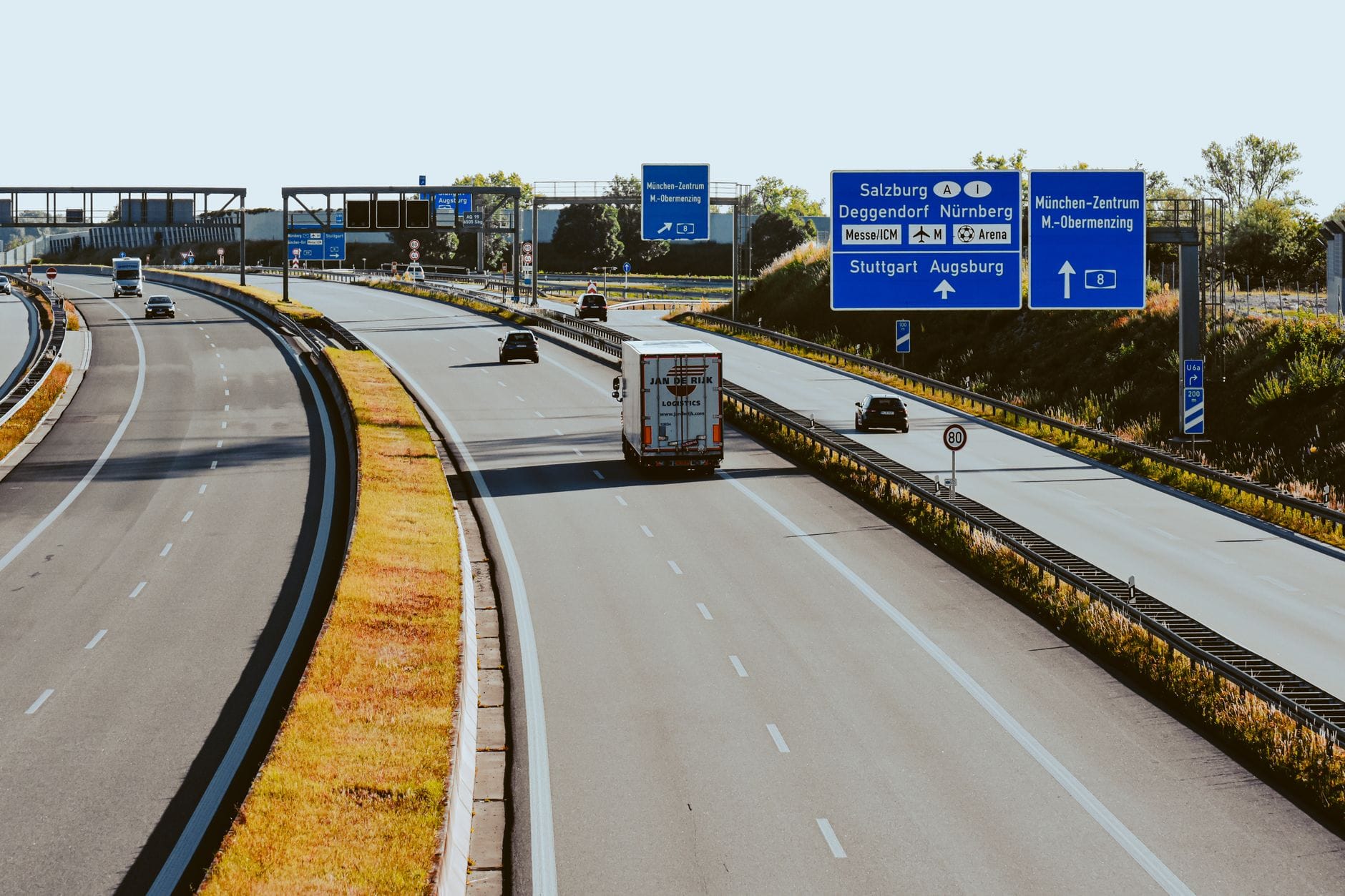
The road distance from Munich to Salzburg is roughly 145 to 150 km via the A8 motorway, passing through Rosenheim and crossing the German–Austrian border near Freilassing. In clear traffic, driving takes around 1 hour 30 minutes, comparable to the Railjet. In practice, the A8 experiences frequent congestion, especially on Friday afternoons and throughout summer weekends when Austrian and Italian holidaymakers head south.
Two costs most visitors overlook: the Austrian motorway vignette and Salzburg city parking. Austrian motorways require a valid vignette (toll sticker or digital equivalent); as of recent years, a 10-day digital vignette for Austria costs around €11.50, though prices are updated annually so verify before travel at asfinag.at. Parking in central Salzburg is limited and expensive, with paid garages near the Altstadt typically charging about €3 to €4 per hour. Budget a full day of parking at roughly €30 to €35 in a central garage.
Driving only makes clear sense in two scenarios: you're travelling with three or more people and splitting costs, or you plan to combine Salzburg with another stop along the route, such as the Chiemsee lake area or the town of Rosenheim. If you're going solo or as a couple, the train is almost always faster door-to-door when you factor in parking. For context on other regional options that can be combined by car, see the broader day trips from Munich overview.
What to Do in Salzburg on a Day Trip
Salzburg's Altstadt (old town) is a UNESCO World Heritage Site and compact enough to cover the main highlights on foot in a single day. Arriving by 09:00 on the first or second morning Railjet gives you roughly 8 to 9 hours before you need to head back, which is enough time to see the key sights without feeling rushed.
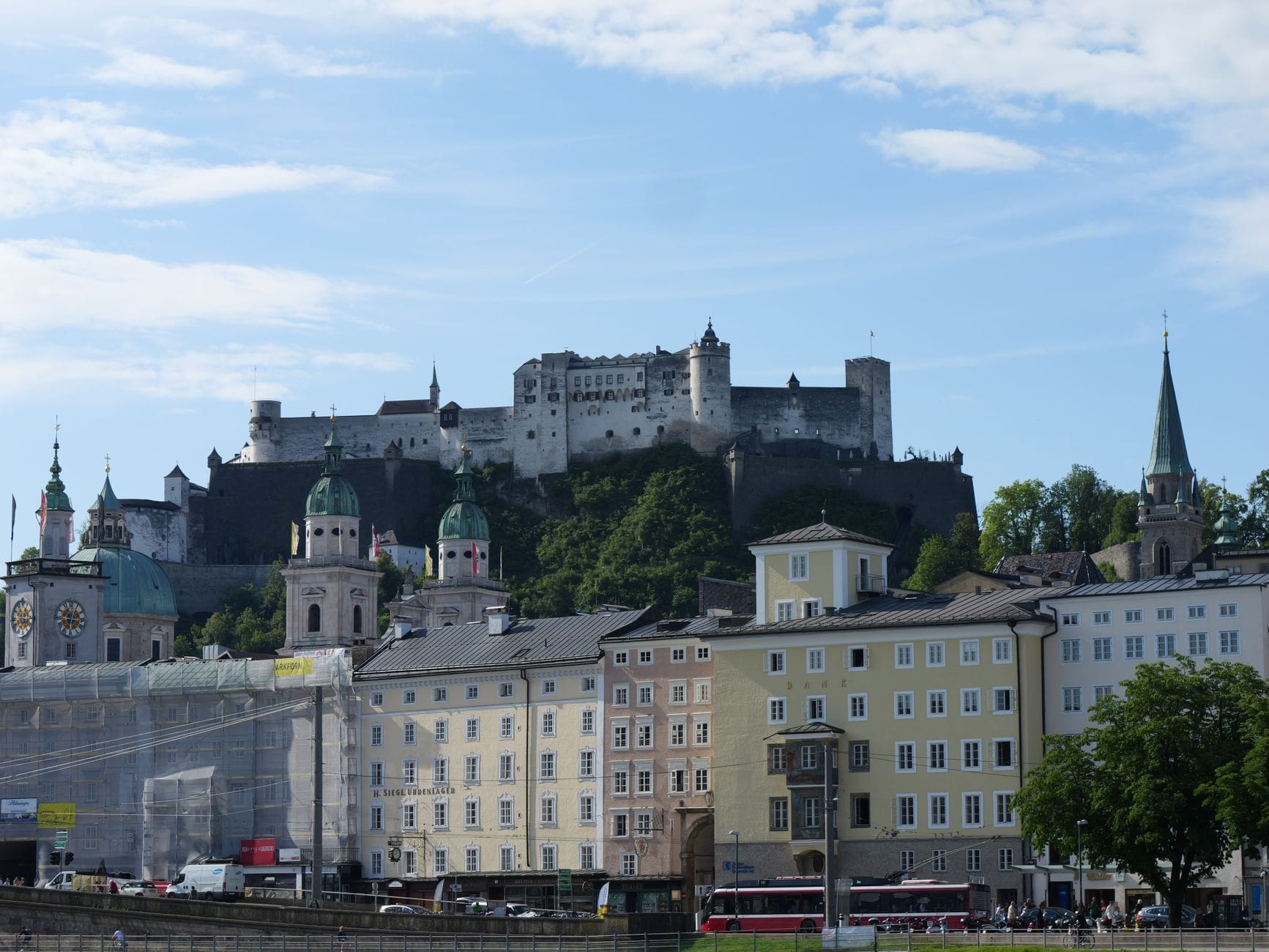
- Hohensalzburg Fortress The 11th-century fortress dominating the city skyline is the largest fully preserved castle in Central Europe. Take the funicular up from Festungsgasse and allow 1.5 to 2 hours to explore. The views over the Salzach River and surrounding Alps are the best in the city.
- Getreidegasse and Mozart's Birthplace The narrow, guild-sign-lined shopping street leads to the Mozartgeburtshaus at No. 9, where Wolfgang Amadeus Mozart was born in 1756. Entry costs around €12 for adults. Worth it for the historical detail; skip it if you're not interested in musical history.
- Residenzplatz and the Dom (Cathedral) The central baroque square anchors the Altstadt, flanked by the Residenz palace and Salzburg Cathedral. The Dom is free to enter and impressive in scale — the interior was largely rebuilt after World War II damage.
- Mirabell Palace and Gardens The formal gardens across the Salzach River are free to enter and a quieter alternative to the crowded Altstadt. The geometric parterres appear in the Sound of Music, which still draws a devoted fan base. Allow 30 to 45 minutes.
- Salzburg Museum Located on Mozartplatz, this is the best single museum for understanding Salzburg's history, art, and culture. Entry around €9 for adults. A sensible option if the weather turns bad.
For lunch, the Altstadt has no shortage of options, but quality varies sharply. Café Tomaselli on Alter Markt has been operating since 1703 and is the most historically significant café in the city, though it's consistently busy. For a proper Austrian meal, look for restaurants slightly off Getreidegasse, where menus are priced for locals rather than tour groups. Wiener Schnitzel, Tafelspitz (boiled beef), and Salzburger Nockerl (a soufflé dessert) are the regional highlights.
Seasonal Timing and Practical Logistics
Salzburg in July and August is peak season: warm temperatures (average highs around 24–26°C), the prestigious Salzburg Festival drawing international visitors, and the longest daylight hours for sightseeing. It's also the most expensive and crowded period. If you're visiting Munich in summer and want to add Salzburg, factor in that both cities are busy simultaneously. Check our guide on Munich in summer for how to structure the broader trip.
Late September and October sit in a useful window: Oktoberfest wraps up in early October, the Salzburg Festival has ended, temperatures are still mild (15–19°C highs), and visitor numbers drop noticeably. This is arguably the most practical time for a Munich–Salzburg day trip — both cities reward exploration without the peak-season friction.
Winter, from November to February, brings cold conditions (lows around -3 to -1°C in Munich, slightly colder in Salzburg given its bowl geography) but genuine atmosphere. Salzburg's Christmas markets run from late November and the city looks particularly striking under snow. The train is the obvious choice in winter: the A8 can experience weather-related delays near the border, and rail services on this corridor are generally reliable year-round with only minor seasonal timetable adjustments.
💡 Local tip
Arriving at Salzburg Hauptbahnhof, the Altstadt is about 20 minutes on foot or a short bus ride (lines 2, 3, 5, 6 from the station). Alternatively, a taxi or rideshare takes 5 to 8 minutes. The walk is pleasant if you're not carrying luggage, crossing the Salzach via the Staatsbrücke bridge.
Munich's own transport network makes reaching the Hauptbahnhof straightforward from anywhere in the city via U-Bahn or S-Bahn. If you're planning your broader Munich itinerary around this day trip, the getting around Munich guide covers the MVV ticketing system in detail, including which zones cover the airport and how day passes work.
FAQ
How long does the Munich to Salzburg train take?
The fastest direct trains (ÖBB Railjet, Deutsche Bahn EuroCity) take approximately 1 hour 28 to 1 hour 45 minutes. The slower regional RE5 train takes around 1 hour 50 minutes to 2 hours 05 minutes. All are direct — no connection required.
Is the Bayern Ticket valid for Munich to Salzburg?
Yes, but only on the regional RE5 train operated by Bayerische Regiobahn. It is not valid on Railjet, ICE, IC, or EuroCity trains. The Bayern Ticket costs around €29–34 for one person, plus approximately €10 for each additional traveller up to five, making it excellent value for groups taking the slower regional service.
Do I need a visa to travel from Munich to Salzburg?
Austria is part of the Schengen Area, just like Germany. If you're already legally in Germany under Schengen rules (EU/EEA nationals or those from countries with Schengen visa-free access), you can cross into Austria freely with no additional documentation. Non-Schengen travellers should ensure their visa or entry permit covers travel within the entire Schengen zone.
How much does a day trip to Salzburg from Munich cost?
Budget a minimum of €45 to €65 per person for a basic day trip: around €15–44 for the train (depending on fare type and advance booking), €13 for Mozart's Birthplace or €13–16 for major fortress/museum entry, and €20–30 for a sit-down lunch. Add museum entry fees, café stops, and any shopping and €90–110 is a realistic total for a comfortable day.
Is it worth driving instead of taking the train from Munich to Salzburg?
Rarely, unless you're a group of three or more splitting costs, or plan to stop along the route. Driving adds an Austrian motorway vignette cost (around €11.50 for 10 days) plus €30–35 for central Salzburg parking. The train avoids all of that and arrives in the city centre. On peak travel days, the A8 motorway also gets congested near the border.
Tickets & tours
Live prices and dates from our booking partner. If you book, we may earn a commission at no extra cost to you.
Planning a trip? Discover personalized activities with the Nomado app.